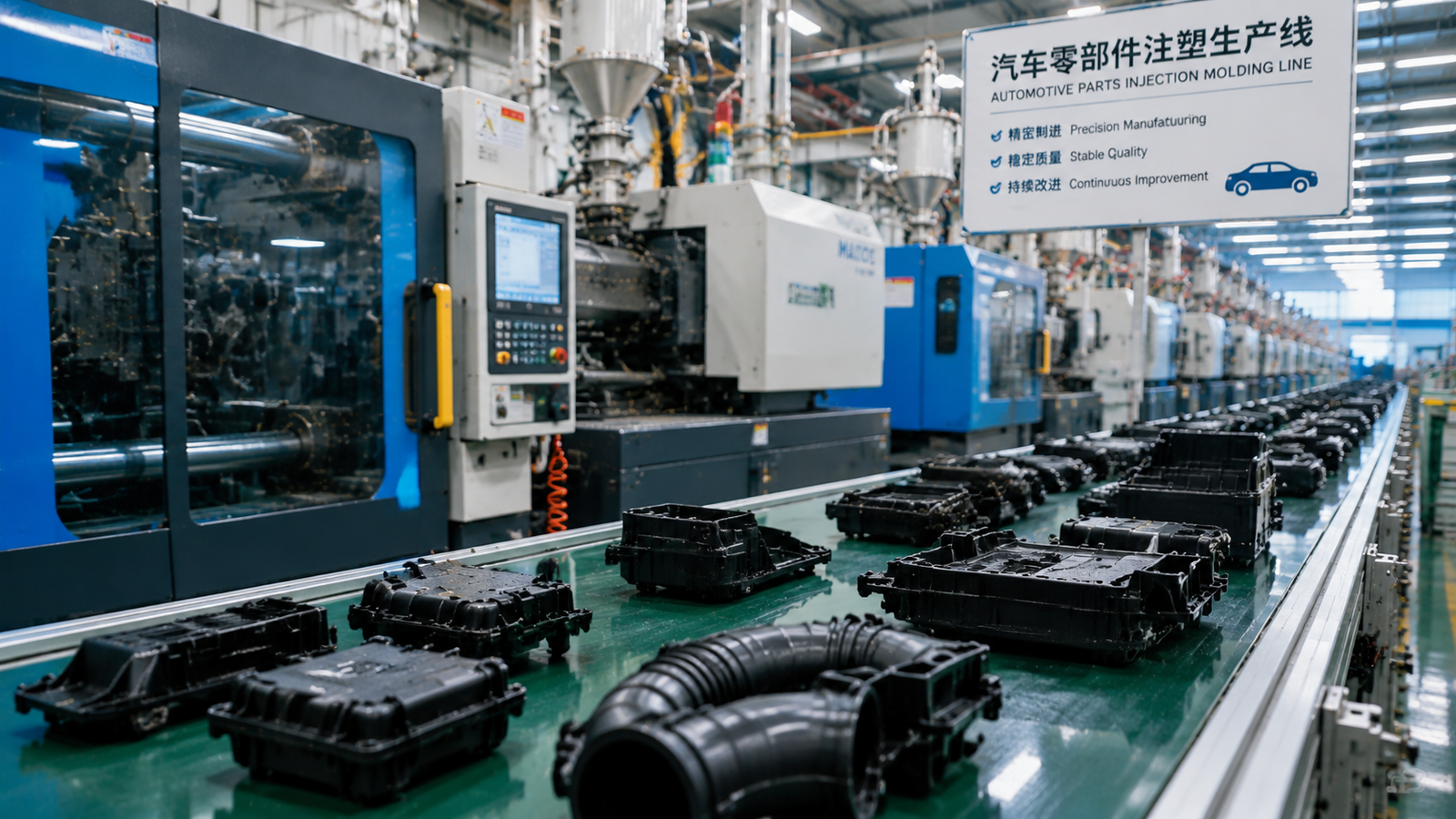
Introduction
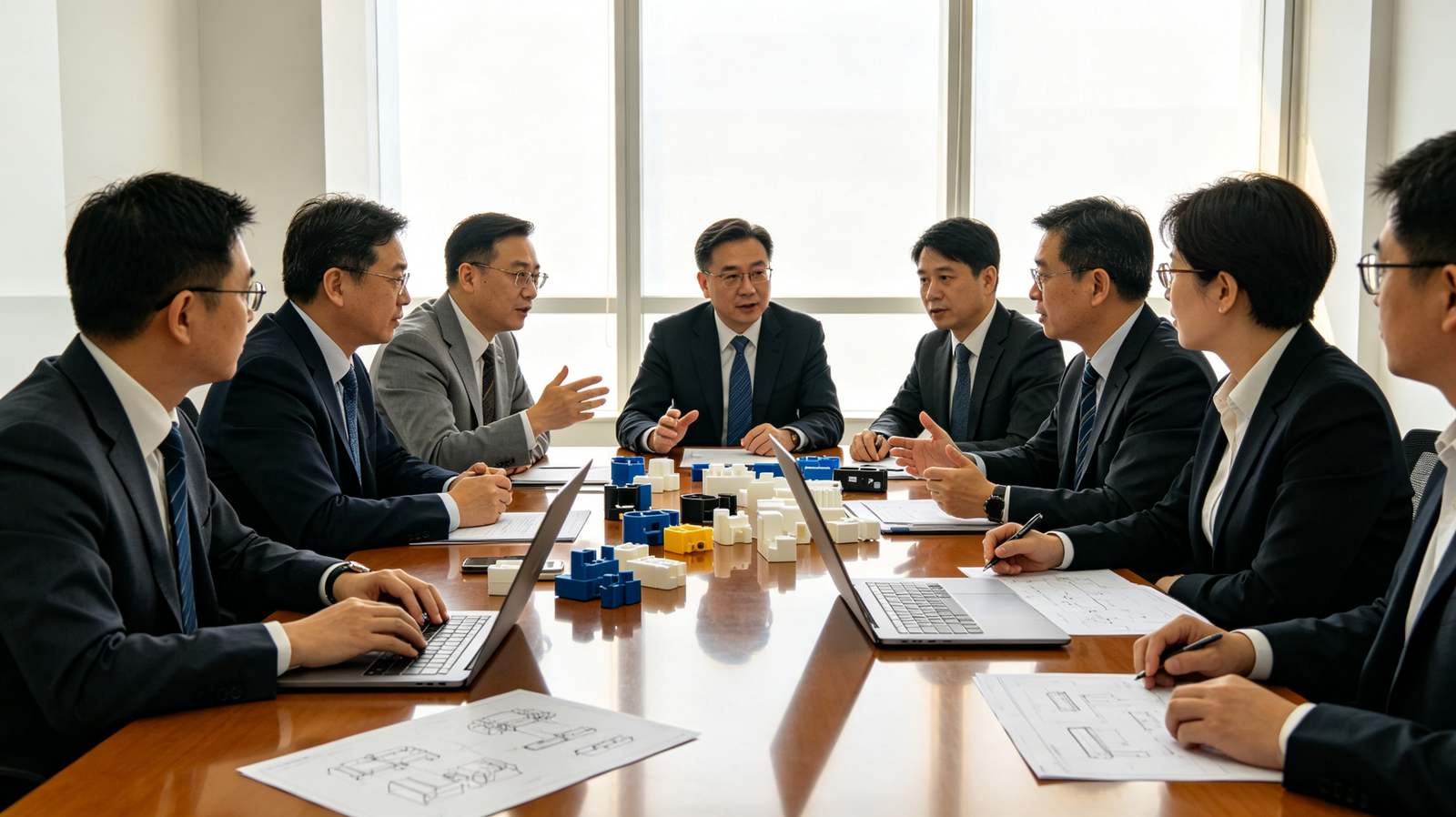
Agricultural injection molded tubes are widely used in irrigation systems, water delivery equipment, and agricultural automation applications, where internal surface quality directly affects fluid flow efficiency, pressure stability, and long-term service performance. When rough inner surfaces, uneven textures, or flow marks appear inside agricultural tubes, the product may experience increased resistance and reduced operational reliability.Stable inner surface quality requires comprehensive control of materials, mold design, injection parameters, and production processes. As an experienced injection molding manufacturer, Xiamen RuiCheng helps customers reduce production risks through DFM analysis, mold optimization, and systematic manufacturing control.
For agricultural tube buyers, surface defects are rarely caused by a single factor. They usually indicate instability across the entire manufacturing process, including raw material preparation, melt flow behavior, mold structure, and cooling conditions.A professional manufacturing approach allows potential quality risks to be identified before mass production and helps customers select a more reliable injection molding partner.
Why Do Injection Molded Agricultural Tubes Develop Rough Inner Surfaces?
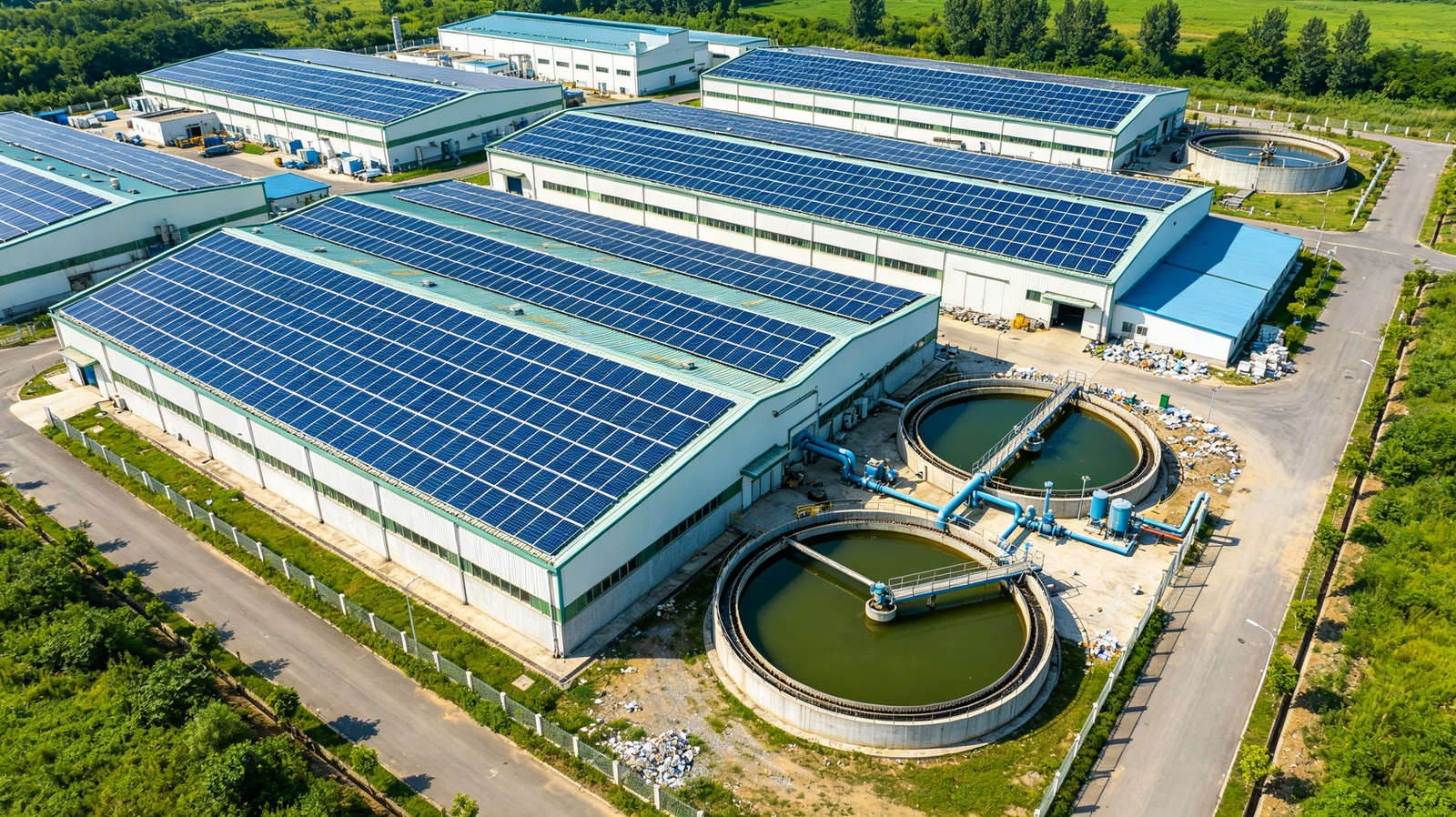
Rough inner surfaces in injection molded agricultural tubes are commonly related to unstable material flow, insufficient mold replication, and improper processing conditions. During injection filling, inconsistent melt movement can create flow marks, uneven textures, or internal surface defects. In addition, improper temperature, pressure, and cooling settings in the injection molding process can further reduce surface quality. Agricultural tube surface defects usually result from an unbalanced molding system rather than one isolated production issue. Xiamen RuiCheng combines mold design optimization and production data analysis to identify the main causes behind surface problems.
Material Flow Behavior: Unstable plastic melt flow can create visible texture differences and rough areas inside the tube.
Melt Temperature Control: Insufficient melt temperature reduces material fluidity and prevents proper replication of the mold surface.
Mold Surface Condition: Poor mold finishing accuracy directly affects the smoothness of the final inner surface.
Injection Pressure Adjustment: Incorrect pressure settings may cause incomplete filling or uneven internal stress.
🌱 Rough inner surfaces in agricultural tubes require analysis of materials, molds, and molding parameters together instead of adjusting only one process condition.
How Does Material Selection Affect Agricultural Tube Surface Smoothness?
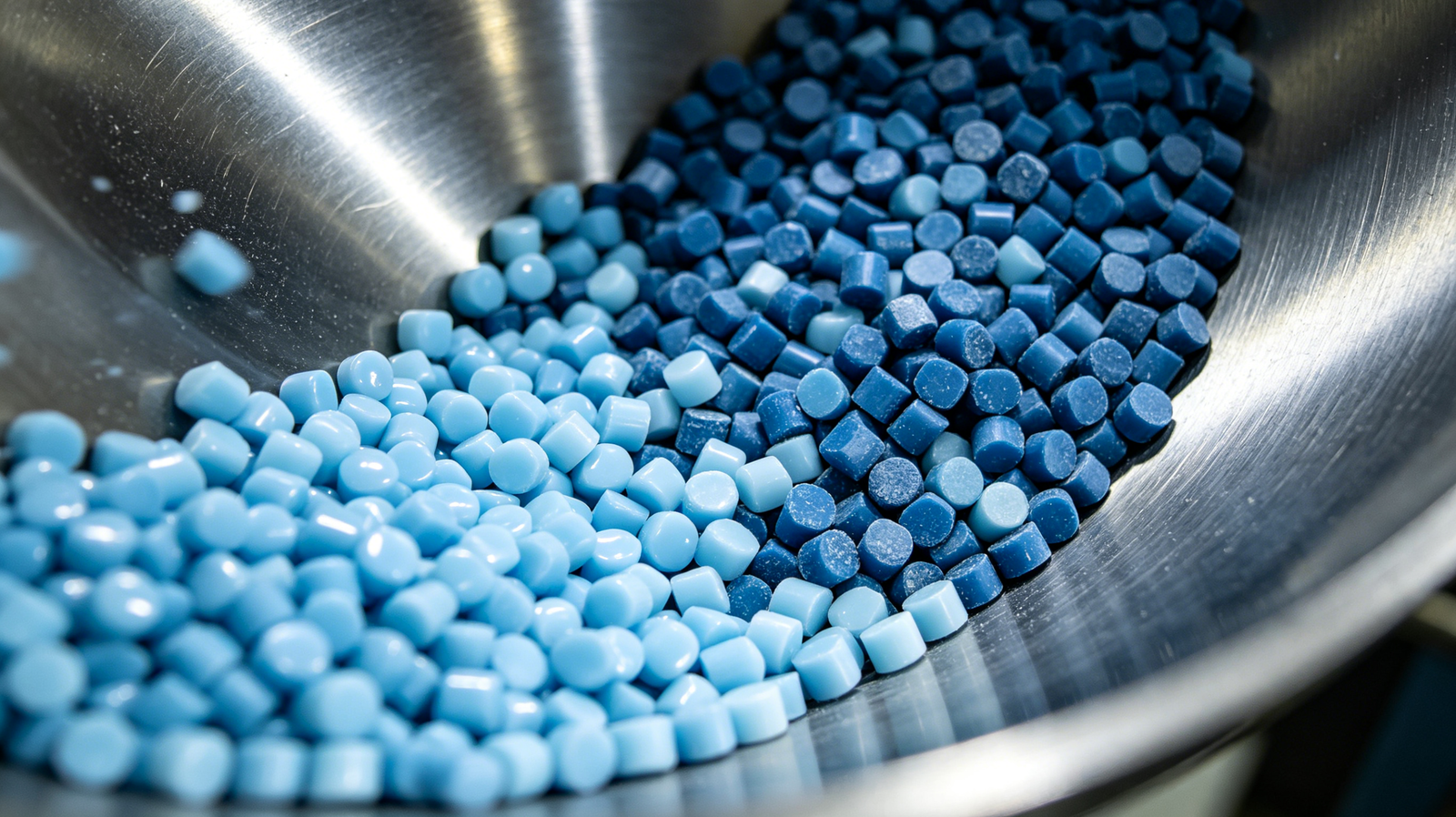
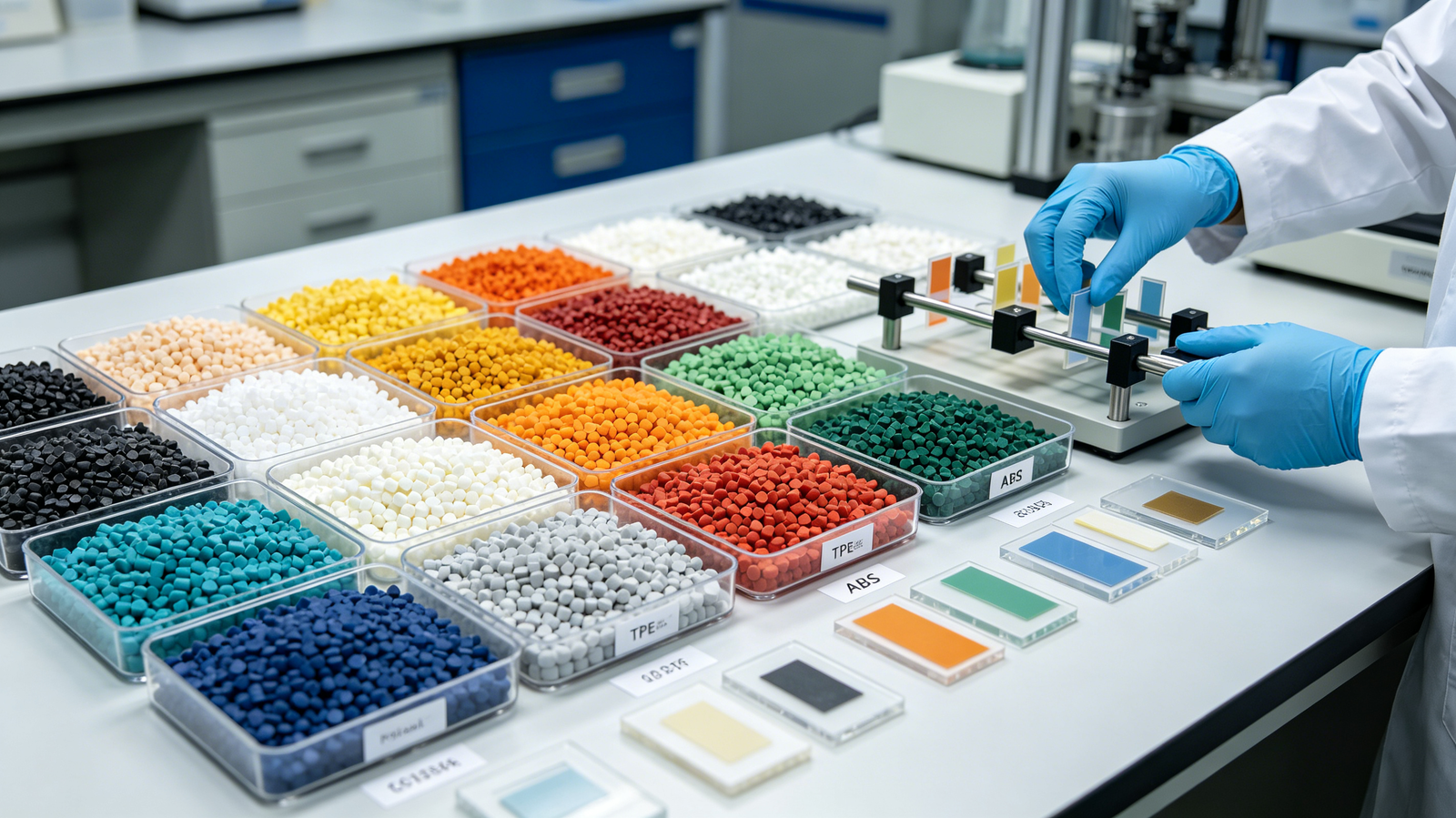
Agricultural injection molded tubes commonly use materials such as PP, PE, and HDPE because of their chemical resistance and durability. However, different polymers have different melt flow characteristics, shrinkage behavior, and processing windows. Materials with insufficient flow performance or unstable batch consistency may create flow marks and uneven internal surfaces during production. Choosing the right material system is the foundation for achieving stable agricultural tube performance. Xiamen RuiCheng evaluates application conditions, pressure requirements, and production volume to recommend suitable material solutions.
Material Flowability: Materials with better flow performance can fill tube structures more evenly and improve surface replication.
Material Drying Control: Certain engineering plastics require moisture control to prevent bubbles and surface defects.
Material Consistency: Stable raw material supply helps reduce variation between production batches.
Application Environment: Agricultural tubes require material selection based on weather resistance, chemical exposure, and service conditions.
🌱 Material selection determines the basic performance of agricultural tubes and plays a critical role in controlling inner surface quality.
How Can Mold Design Cause Agricultural Tube Surface Defects?
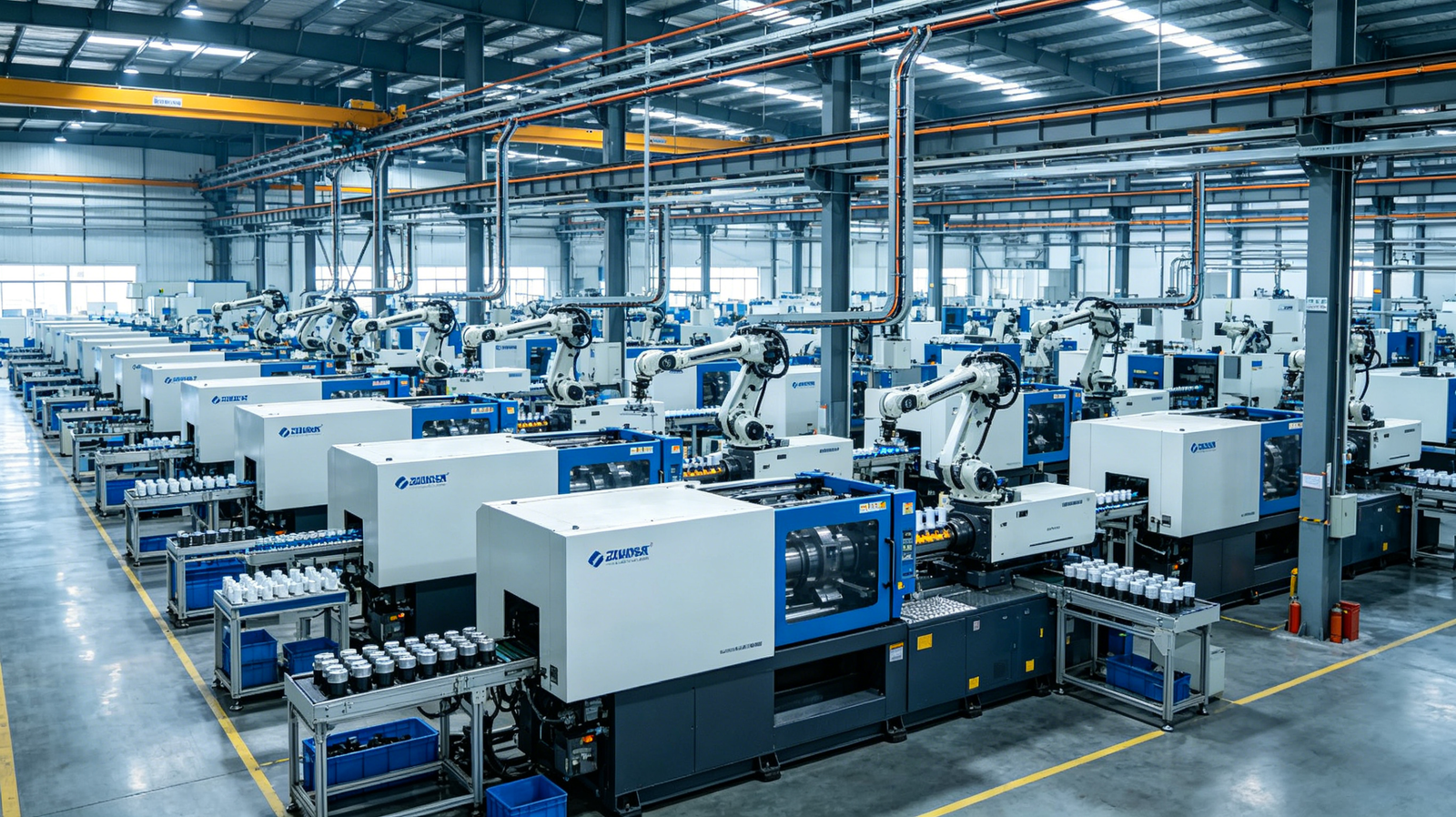
Agricultural injection molded tubes usually involve long flow paths, making mold design a critical factor in production stability. Improper gate location, insufficient runner design, or poor venting can create uneven pressure distribution and lead to rough inner surfaces. In addition, mold finishing accuracy and cooling system design directly influence final product quality. A well-designed mold reduces surface defects during mass production and improves product consistency. At Xiamen RuiCheng, DFM analysis is applied during development to optimize mold structures and reduce future modification costs.
Runner Design: Balanced runner layouts help distribute molten plastic evenly throughout the cavity.
Vent Design: Proper venting prevents trapped gas from creating internal surface defects.
Cooling Layout: Uniform cooling reduces shrinkage differences and prevents internal deformation.
Mold Precision: High-accuracy machining ensures the final product accurately replicates the mold surface.
🌱 Mold design determines long-term manufacturing stability and is one of the most important factors in agricultural tube quality control.
Comparison of Factors Affecting Agricultural Tube Inner Surface Quality
| Factor | Main Impact | Common Issues | Improvement Direction |
|---|---|---|---|
| Material Properties | Flow and shrinkage behavior | Visible texture variation | Optimize material selection |
| Injection Parameters | Filling stability | Surface roughness | Adjust pressure and temperature |
| Mold Structure | Melt distribution | Local defects | Improve runner and vent design |
| Cooling System | Dimensional stability | Warping issues | Optimize cooling layout |
If you are looking for an injection molding partner capable of controlling agricultural tube inner surface quality consistently, Xiamen RuiCheng provides complete support from DFM analysis and mold development to mass production. Please contact us for professional evaluation.
How Can Manufacturing Processes Improve Agricultural Tube Inner Surface Quality?
Improving agricultural tube quality requires more than one-time parameter adjustment. A reliable manufacturing process should validate material performance, mold structure, and key dimensions during trial production while continuously monitoring production data during mass manufacturing. A professional supplier should not only manufacture products but also help customers reduce quality risks throughout the entire product lifecycle.
1.Process Monitoring: Production data tracking helps identify changes in pressure, temperature, and cycle time.
2.Mold Maintenance: Regular mold inspection prevents surface quality degradation caused by long-term operation.
3.Quality Inspection: Dimensional measurement and appearance inspection ensure product consistency.
4.Supply Management: Stable material sourcing and controlled production systems improve batch reliability.
Frequently Asked Questions
Question 1: What are the key quality standards for your agricultural injection molded tubes?
Answer: Xiamen RuiCheng develops quality control plans based on customer application requirements, including dimensional stability, inner surface quality, material performance, and batch consistency. Production monitoring and inspection procedures ensure reliable performance during long-term use.
Question 2: What information should we provide when purchasing agricultural injection molded tubes?
Answer: Customers usually need to provide product drawings, application environment, pressure requirements, material specifications, and estimated order quantities. Xiamen RuiCheng engineers analyze these details to provide mold evaluation, manufacturing recommendations, and quotation solutions.
Question 3: How do delivery times vary for different order quantities?
Answer: Delivery schedules depend on mold readiness, order volume, and production planning. Xiamen RuiCheng provides different manufacturing strategies for prototype testing, small-batch production, and large-scale orders to maintain both efficiency and quality.
Question 4: How do you handle quality issues after delivery?
Answer: Xiamen RuiCheng investigates reported quality issues through production records, inspection data, and sample analysis. After identifying the root cause, improvement actions are implemented to maintain stable future production.
Question 5: Can you customize agricultural tubes based on specific requirements?
Answer: Xiamen RuiCheng supports customized solutions including material selection, structural optimization, and manufacturing adjustments based on flow requirements, pressure conditions, and environmental factors.
Conclusion
Rough inner surfaces in injection molded agricultural tubes usually reflect the interaction between material behavior, mold structure, and production control. For buyers, selecting a manufacturer with engineering capability and mass production experience is more valuable than simply comparing unit prices. A stable manufacturing system helps reduce maintenance costs and improves the long-term reliability of agricultural equipment. Xiamen RuiCheng provides customized injection molding solutions supported by professional engineering analysis and comprehensive quality management.
For expert assistance in implementing agricultural injection molded tube production needs, visit our resource center or contact us. Let’s help you scale up your manufacturing with precision and efficiency!