PPAP Quality Control for Blow-Molded Parts
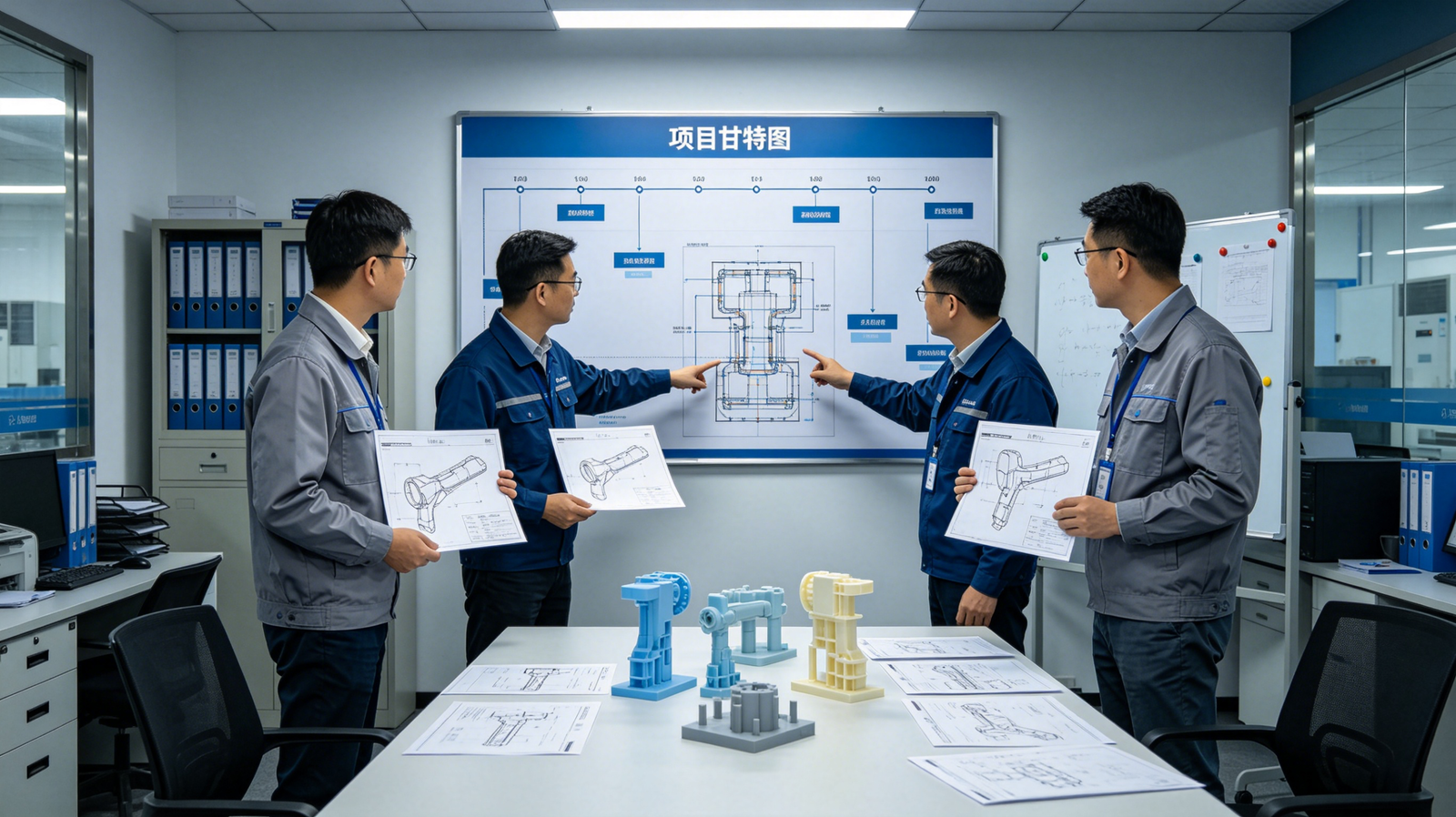
Plastic blow-molded parts are widely used in automotive reservoirs, intake ducts, air channels, fluid containers, and industrial plastic components. For projects requiring PPAP approval, quality validation goes beyond final dimensional inspection and must cover material conformity, process capability, functional performance, and production consistency. A supplier needs to demonstrate that the part can be manufactured consistently under validated production conditions rather than simply providing one batch of acceptable samples.A PPAP-ready QC system connects product inspection, process control, and production validation into one traceable quality process. From our perspective at Xiamen RuiCheng, automotive and industrial blow-molded projects should be evaluated from the customer drawing, special characteristics, material requirements, and intended production conditions before the quality plan is finalized.
For purchasing engineers and project managers, determining whether a blow molding supplier has genuine PPAP capability requires more than asking whether the supplier can prepare PPAP documents. The more important question is whether the supplier can provide inspection data, material records, process capability evidence, and validation results that actually correspond to the production process.The purpose of PPAP is to demonstrate that the supplier's manufacturing process can consistently meet customer requirements, not simply to complete a document package.
Which QC Processes Meet PPAP Requirements for Blow-Molded Parts?
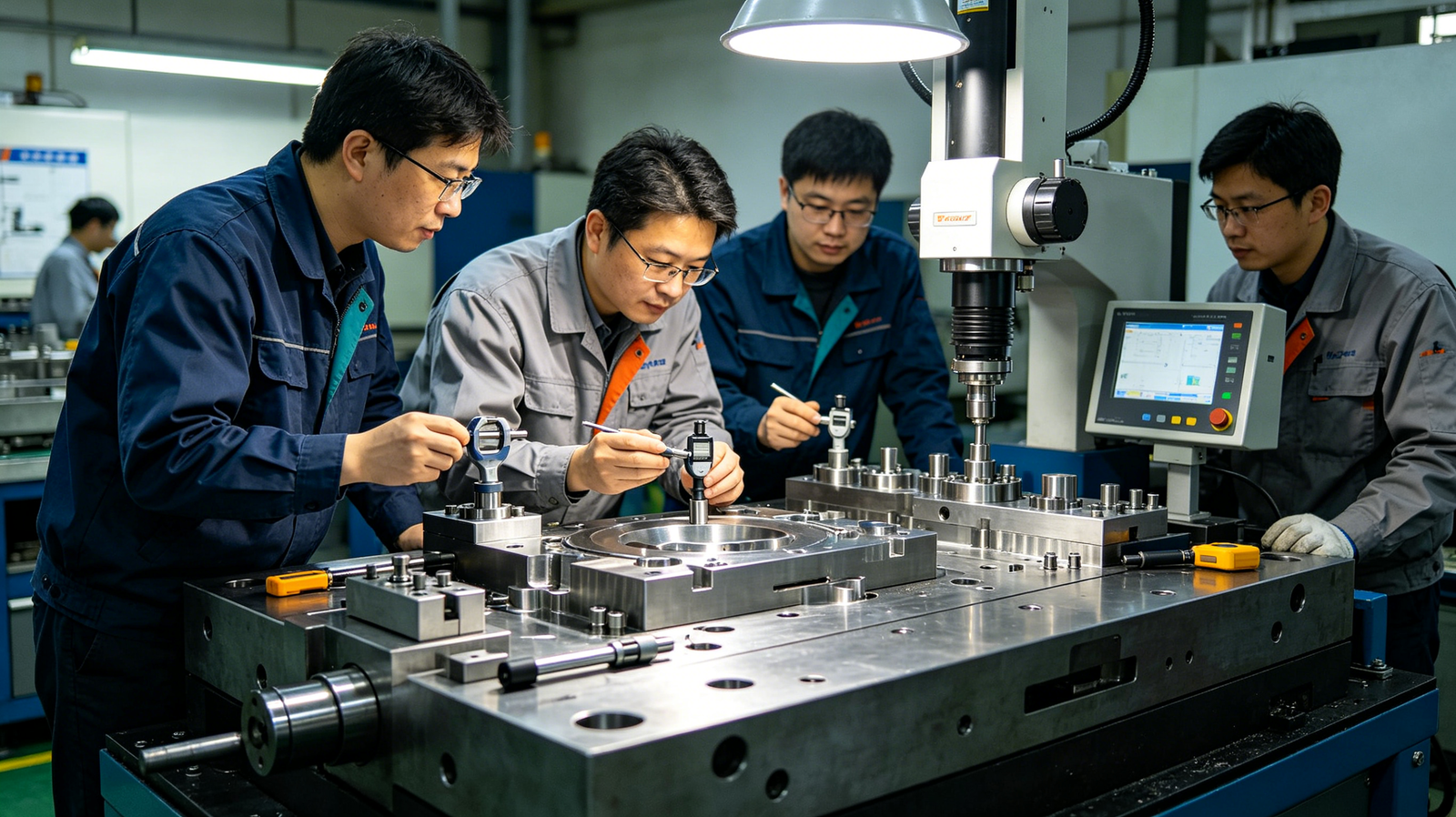
A PPAP quality system for plastic blow-molded parts should cover the entire manufacturing process, including incoming material inspection, first article approval, dimensional inspection, material verification, functional testing, process capability analysis, and final product release. Within our quality control system, Xiamen RuiCheng establishes inspection items according to product characteristics and links them with the control plan and PFMEA. For automotive projects, PPAP documentation may also include the PSW, dimensional results, material certifications, and performance test records according to customer requirements. A PPAP submission becomes meaningful only when the actual production data supports the information presented in the PPAP package.
Incoming Material Inspection: Verify resin grade, material batch, color, and supplier documentation before materials enter production.
First Article Validation: Inspect initial parts to confirm that the mold, equipment, and process conditions can meet defined requirements.
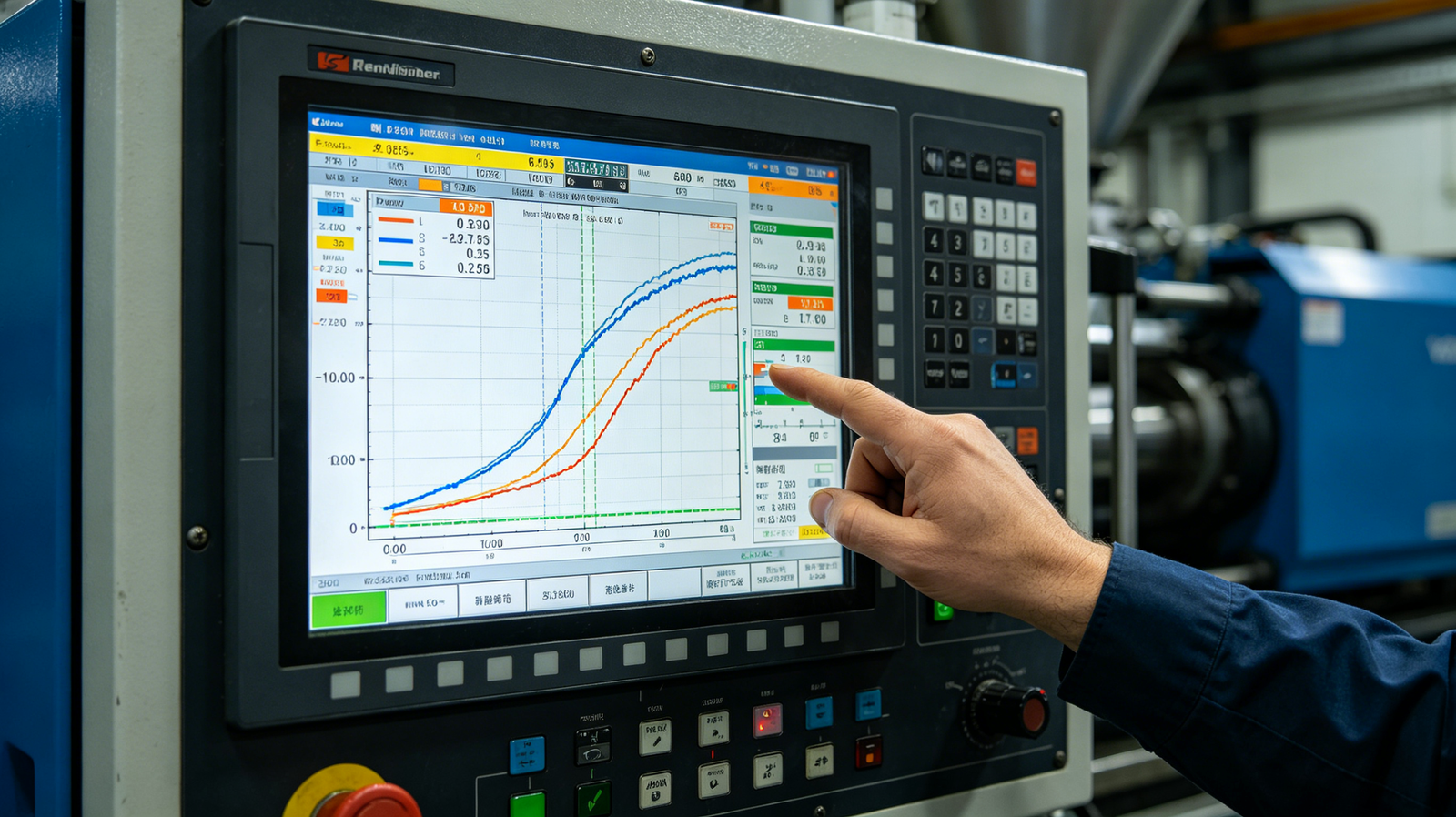
Process Monitoring: Track critical temperature, pressure, cycle time, and other process parameters to identify process drift.
Final Product Inspection: Perform dimensional, visual, leak, and functional inspections according to drawing and customer requirements.
📋 PPAP is not simply a quality document; it is a structured evidence chain demonstrating that the blow molding process is capable of producing consistent parts.
How Can Blow Molding Suppliers Build Traceable QC Data?

One of the most common weaknesses in PPAP projects is that a supplier may have inspection equipment but cannot connect inspection results to specific material batches, production lots, or process conditions. In blow molding, parison temperature, wall thickness distribution, mold cooling, and machine parameters can all affect final dimensions and performance. Therefore, traceability should extend throughout the actual manufacturing process. Xiamen RuiCheng connects dimensional inspection with production records so that quality results can be associated with defined manufacturing stages. Traceable production data provides stronger evidence of manufacturing capability than an inspection equipment list alone.
Batch Management: Link raw material batches with production lots so that quality issues can be traced back quickly.
Dimensional Records: Record critical dimensions during first article, in-process, and final inspections.
Process Records: Maintain key machine and process parameters so that abnormal parts can be associated with specific production conditions.
Report Correlation: Ensure that control plans, inspection records, material certificates, test reports, and PPAP documents remain consistent with one another.
🔎 When auditing a blow molding supplier, purchasing teams should verify whether quality records can be traced back to actual production lots rather than simply reviewing the supplier's inspection equipment.
Which Inspection Items Matter Most for Blow-Molded Part PPAP?
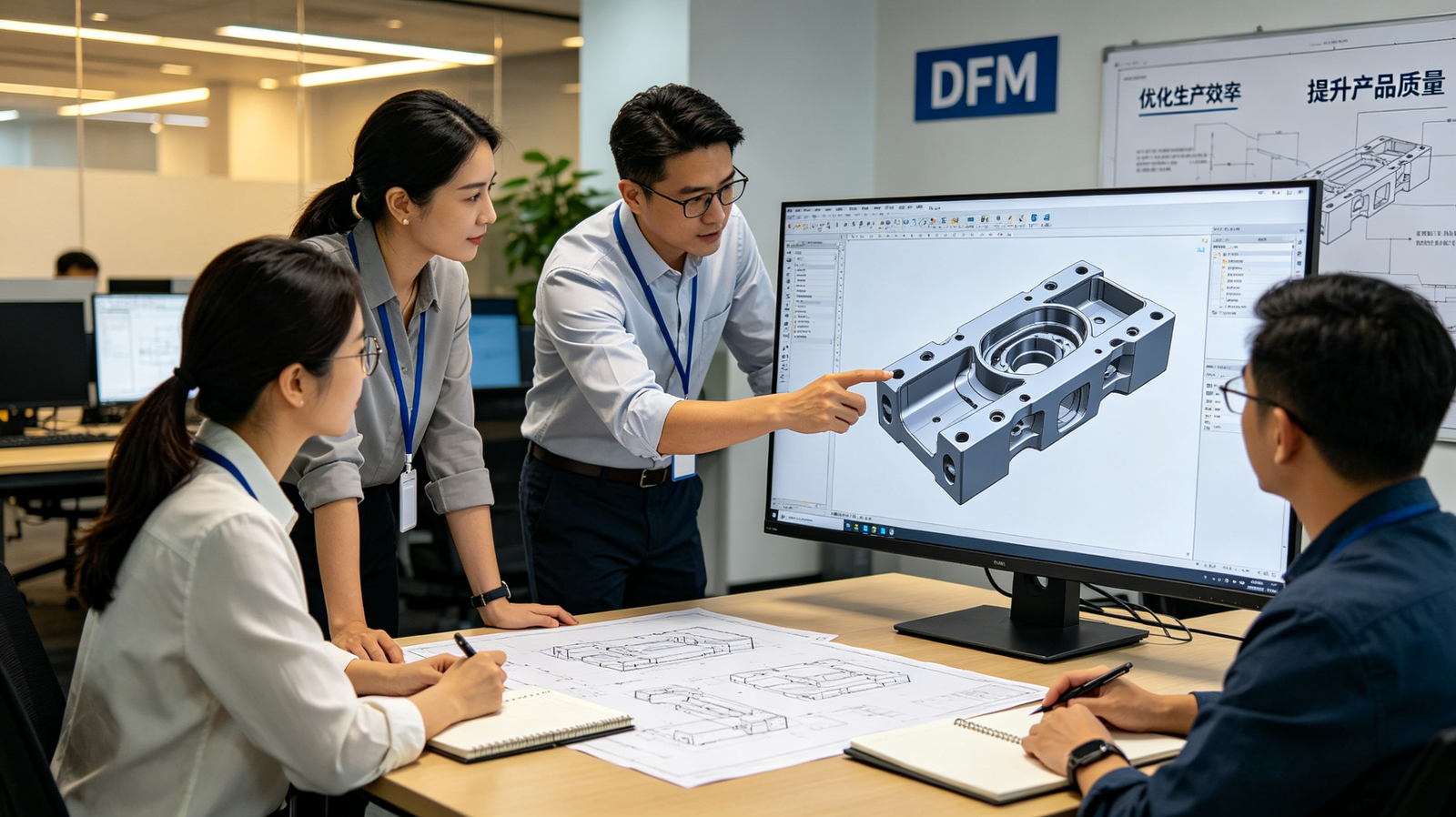
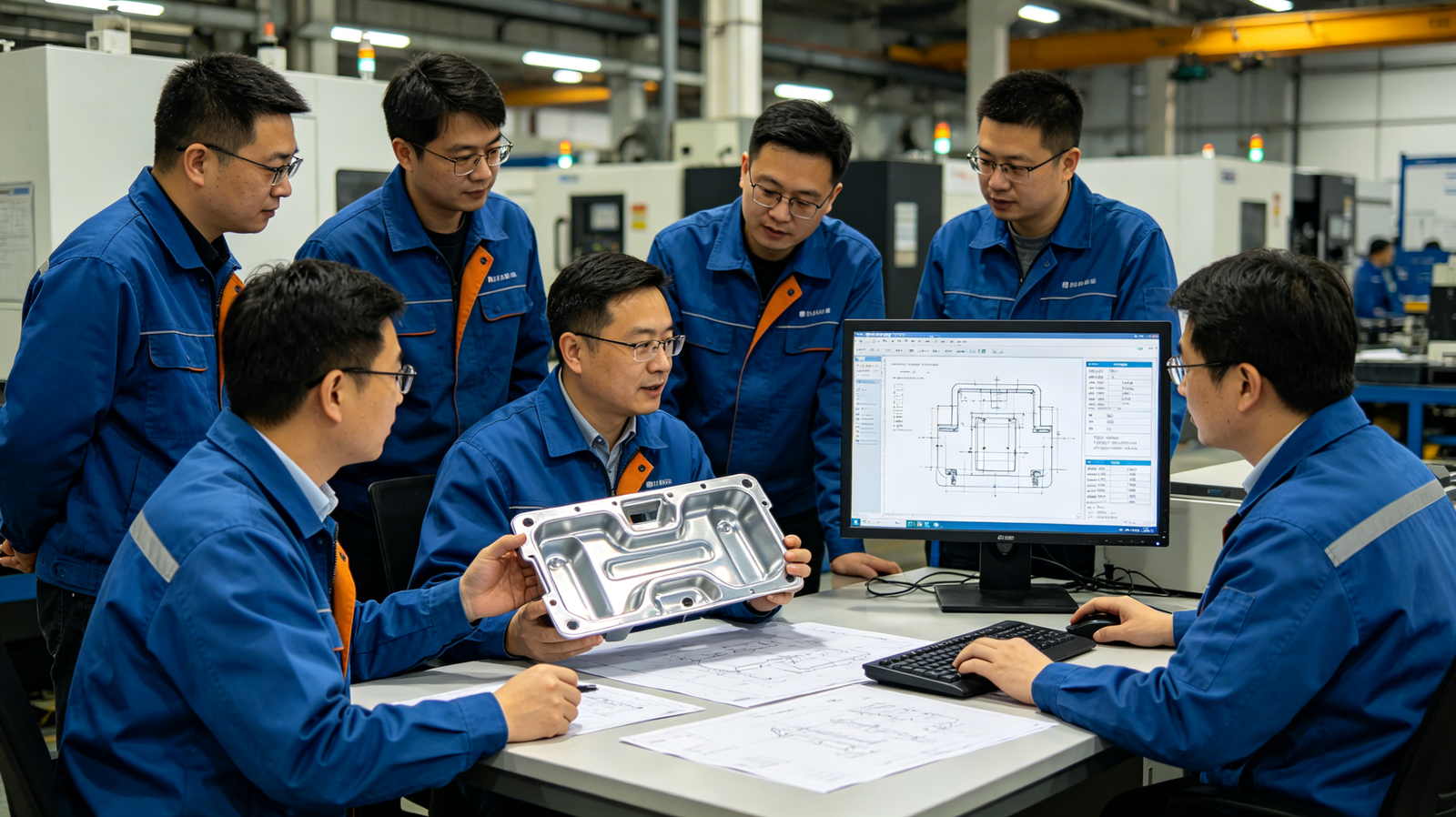
PPAP inspection requirements for plastic blow-molded parts should be established according to the part function, customer drawing, and identified special characteristics rather than relying on a generic checklist. For automotive blow-molded components, dimensions, wall thickness, weight, leak performance, material properties, and visual conditions may have different levels of importance and require different control methods. At Xiamen RuiCheng, we develop inspection plans according to part geometry and application requirements and confirm the measurement methods and acceptance criteria before mass production. The goal of PPAP inspection is not to measure everything possible, but to effectively validate every characteristic that matters to product function and customer requirements.
Dimensional Validation: Verify overall dimensions, diameters, mounting locations, connection interfaces, and other assembly-critical features.
Wall Thickness Inspection: Monitor wall thickness distribution because it directly affects strength, weight, and long-term reliability.
Leak Testing: Use air-tightness or pressure testing when the component is designed to contain or transport fluids.
Material Verification: Confirm that the material grade, properties, and production batch match the approved product requirements.
🧪 PPAP inspection should be built around product function and critical characteristics so that every important requirement has a corresponding verification method.
How Do QC Processes Support PPAP for Blow-Molded Parts?
| QC Process | Primary Purpose | PPAP Connection | Audit Focus |
|---|---|---|---|
| Material Inspection | Confirm material conformity | Material records | Grade and batch |
| Dimensional Inspection | Verify drawing requirements | Dimensional report | Critical dimensions |
| Process Control | Maintain production stability | Control plan | Parameters and records |
| Functional Testing | Verify product performance | Test evidence | Method and results |
If your automotive blow-molded project requires a consistent quality evidence chain covering raw materials, dimensional inspection, process control, and PPAP documentation, Xiamen RuiCheng can evaluate the project requirements and identify potential manufacturing risks. Please contact us.
How Can You Evaluate a Blow Molding Supplier's PPAP Capability?
When selecting a blow molding supplier for an automotive PPAP project, purchasing teams should not simply ask whether the supplier can provide PPAP documentation. They should also determine how critical dimensions are measured, how special characteristics are controlled, how process capability is evaluated, and how production deviations are handled. A capable supplier should be able to explain the relationship between quality planning, inspection results, process data, and corrective actions. A supplier's real PPAP capability should ultimately be demonstrated through actual production evidence and a stable quality management process.
1.Audit the Quality System: Confirm that the supplier has documented quality planning, inspection, deviation handling, and corrective action procedures and can develop project-specific quality documentation.
2.Audit Inspection Capability: Verify that the supplier has appropriate measurement methods and equipment for critical dimensions, wall thickness, leakage performance, and material properties.
3.Audit Process Capability: Determine whether the supplier can use SPC, Cp, and Cpk to monitor critical characteristics during mass production instead of relying only on final inspection.
4.Audit the PPAP Evidence Chain: Check whether the PSW, dimensional report, material certification, process data, and test reports correspond to the same production conditions and approved product configuration.
Frequently Asked Questions
Question 1: What are the key quality standards for your blow-molded parts?
Answer: Xiamen RuiCheng develops project-specific quality control plans based on customer drawings, control plans, and application requirements. Key controls may include critical dimensions, material specifications, wall thickness, appearance, leakage performance, and other special characteristics. PPAP documentation is aligned with actual production and inspection records and prepared according to the customer's required submission level.
Question 2: What information should we provide to receive a quotation and PPAP plan quickly?
Answer: We recommend providing 2D/3D drawings, material grade, annual demand, estimated order quantities, critical dimensions, special characteristics, functional test requirements, and applicable PPAP requirements. Xiamen RuiCheng can use this information to perform DFM analysis, evaluate tooling requirements, identify quality risks, and determine the inspection items that should be included in the control plan.
Question 3: How are MOQ and delivery schedules determined for different order volumes?
Answer: MOQ and delivery time depend on tooling status, component size, material availability, and annual demand. Prototype and trial production focus on tooling validation and product performance, while mass production requires planned material, equipment, and capacity allocation. The specific production schedule should be confirmed during project planning.
Question 4: What happens if PPAP samples pass but quality problems appear during mass production?
Answer: Xiamen RuiCheng investigates the issue using production lot information, material batch records, machine parameters, first article records, and in-process inspection data. For dimensional drift, wall thickness variation, or leakage issues, the team evaluates the root cause and verifies the process window instead of simply reworking defective parts.
Question 5: Can you customize the PPAP and QC process for our automotive project?
Answer: Yes. Xiamen RuiCheng can develop project-specific QC procedures based on customer drawings, special characteristics, and quality system requirements. The process can include inspection planning, dimensional validation, material certification, functional testing, SPC data, and PPAP documentation. For automotive programs requiring IATF 16949-related processes, customer-specific documentation and quality gates can be reviewed during engineering planning to reduce the risk of missing PPAP requirements later.
Conclusion
Whether a plastic blow-molded parts supplier genuinely meets PPAP requirements depends less on its ability to generate standard documents and more on whether it can use accurate, traceable data to demonstrate consistent process performance. Buyers should evaluate the supplier's quality system, inspection capability, process control, and PPAP evidence chain together to avoid situations where samples pass but mass production becomes unstable. For automotive blow-molded parts, a stable QC system is itself an important supplier capability for reducing project risk. From engineering review and mold development to trial production, PPAP validation, and mass production quality control, Xiamen RuiCheng builds an integrated manufacturing process to identify potential risks before PPAP submission and improve long-term production stability.
For expert assistance in implementing PPAP-compliant QC processes for plastic blow-molded parts, visit our resource center or contact us. Let’s help you scale up your manufacturing with precision and efficiency!