Introduction
In automotive, medical equipment, industrial machinery, and consumer electronics applications, the durability of injection molded parts directly affects product lifecycle, reliability, and end-user experience. When selecting an injection molding supplier, buyers need to evaluate more than material selection and manufacturing capability. They must also confirm whether the supplier has a complete performance validation system. Reliable injection molded parts are not proven by a single sample inspection but by continuous testing and accumulated production data.
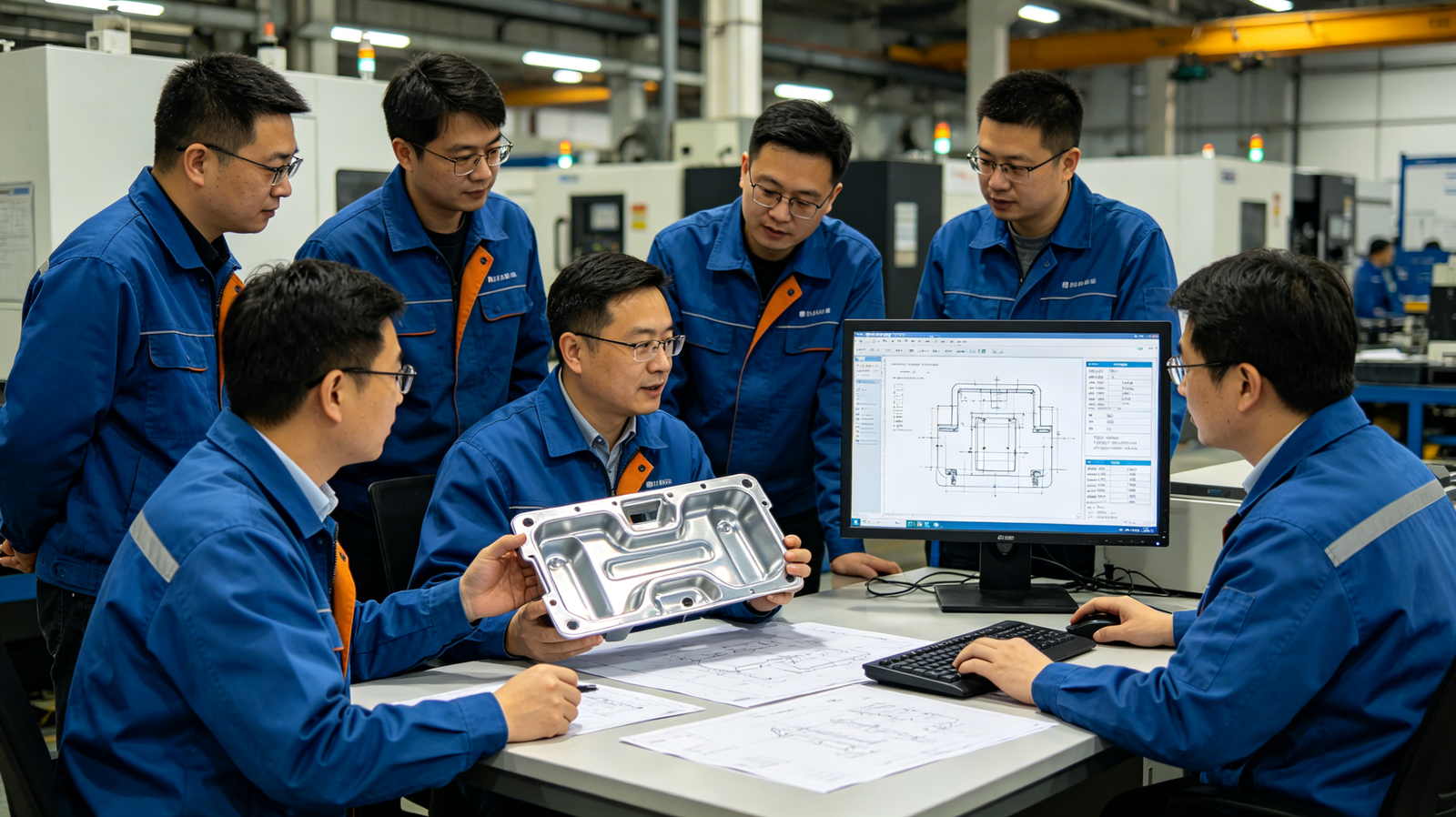
As product operating environments become more demanding, injection molded components must withstand temperature fluctuations, mechanical stress, chemical exposure, and long-term operation. Professional suppliers should provide systematic test results to demonstrate that parts can meet real-world application requirements instead of only providing appearance inspection reports. Xiamen Ruicheng helps customers reduce mass production risks through material validation, dimensional inspection, and reliability testing systems.
What Tests Should Suppliers Provide for Durable Injection Molded Parts?
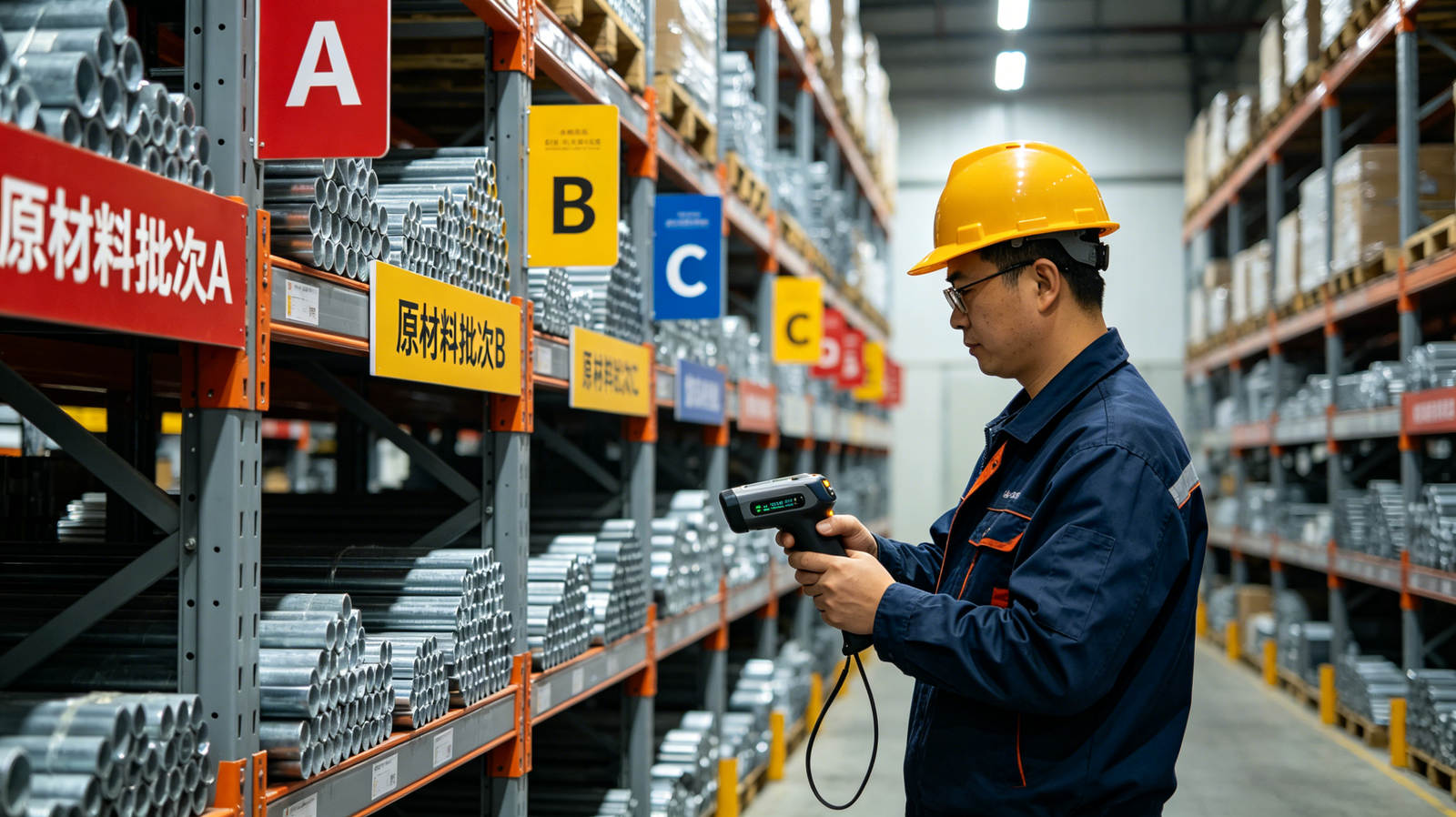
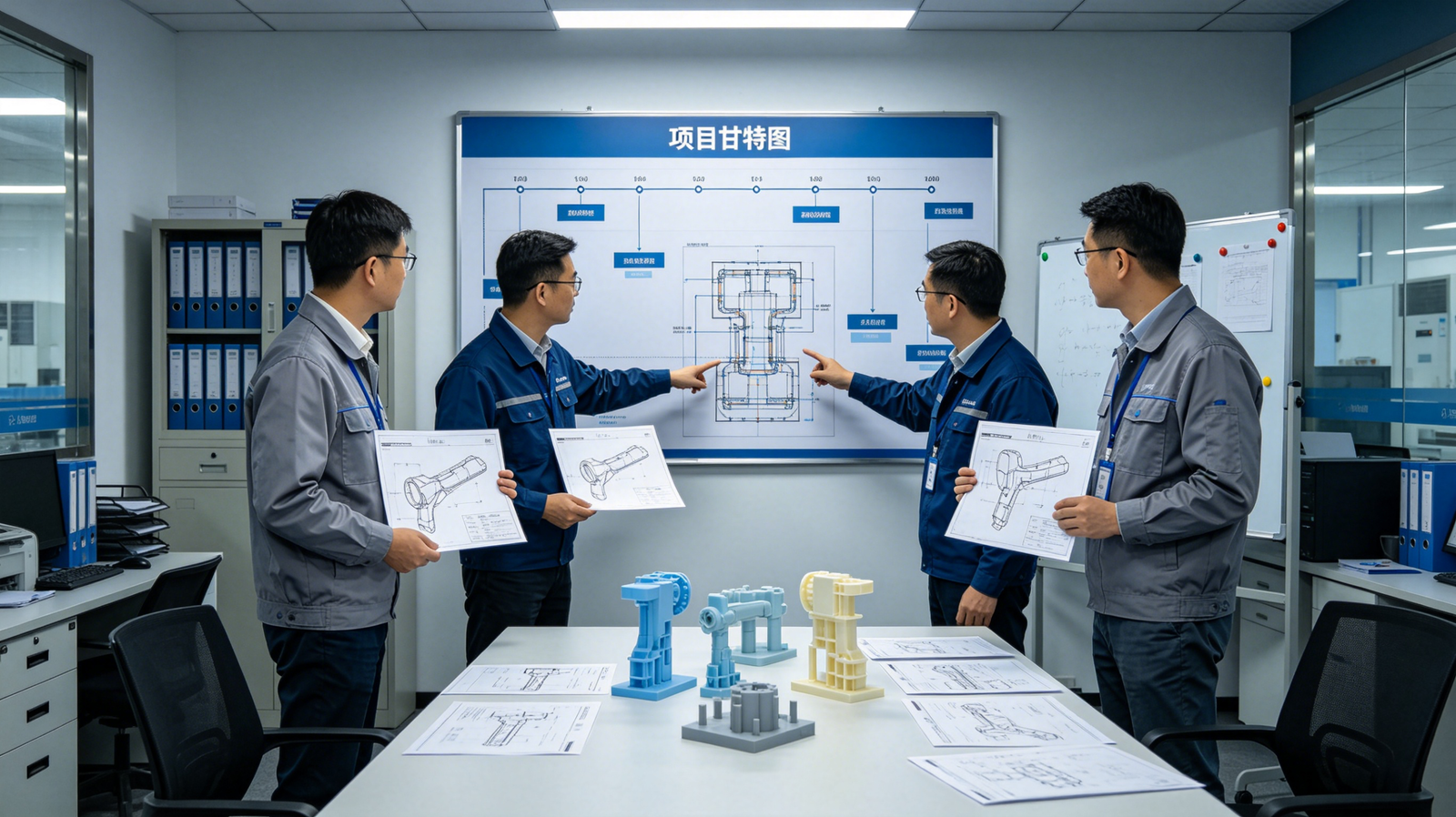
Durable injection molded parts require validation across multiple areas, including mechanical performance, environmental resistance, and long-term reliability. Suppliers should provide appropriate test data based on the actual application conditions of the product. During the development stage, buyers should verify whether the supplier has a complete injection molding quality control process and can provide reliable testing records. A complete testing system allows engineering teams to identify potential failure risks before mass production and avoid expensive modifications later.
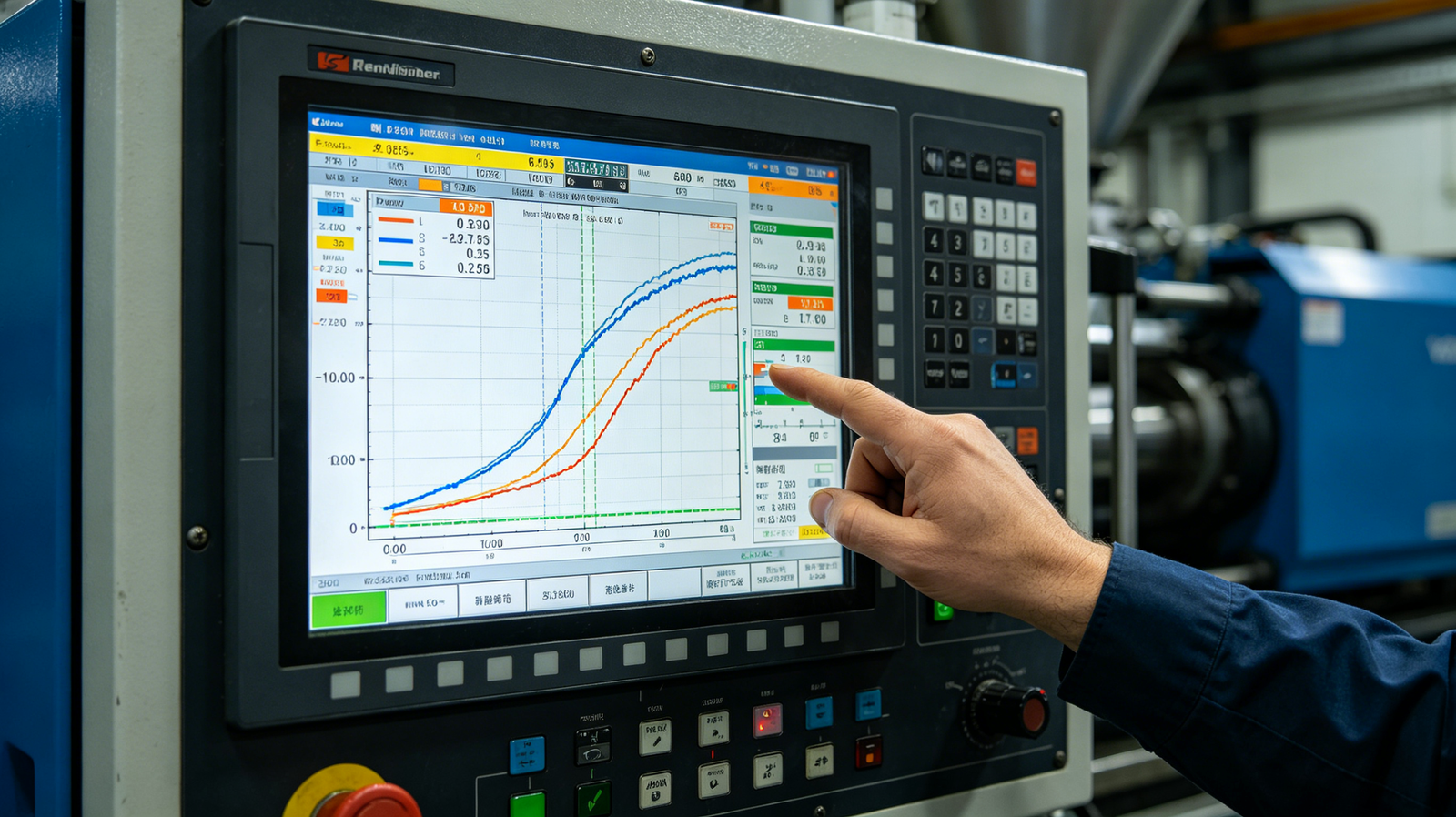
Mechanical Performance Testing: Mechanical tests verify whether injection molded parts can withstand actual loading conditions, including tensile strength, impact resistance, bending performance, and fatigue life.
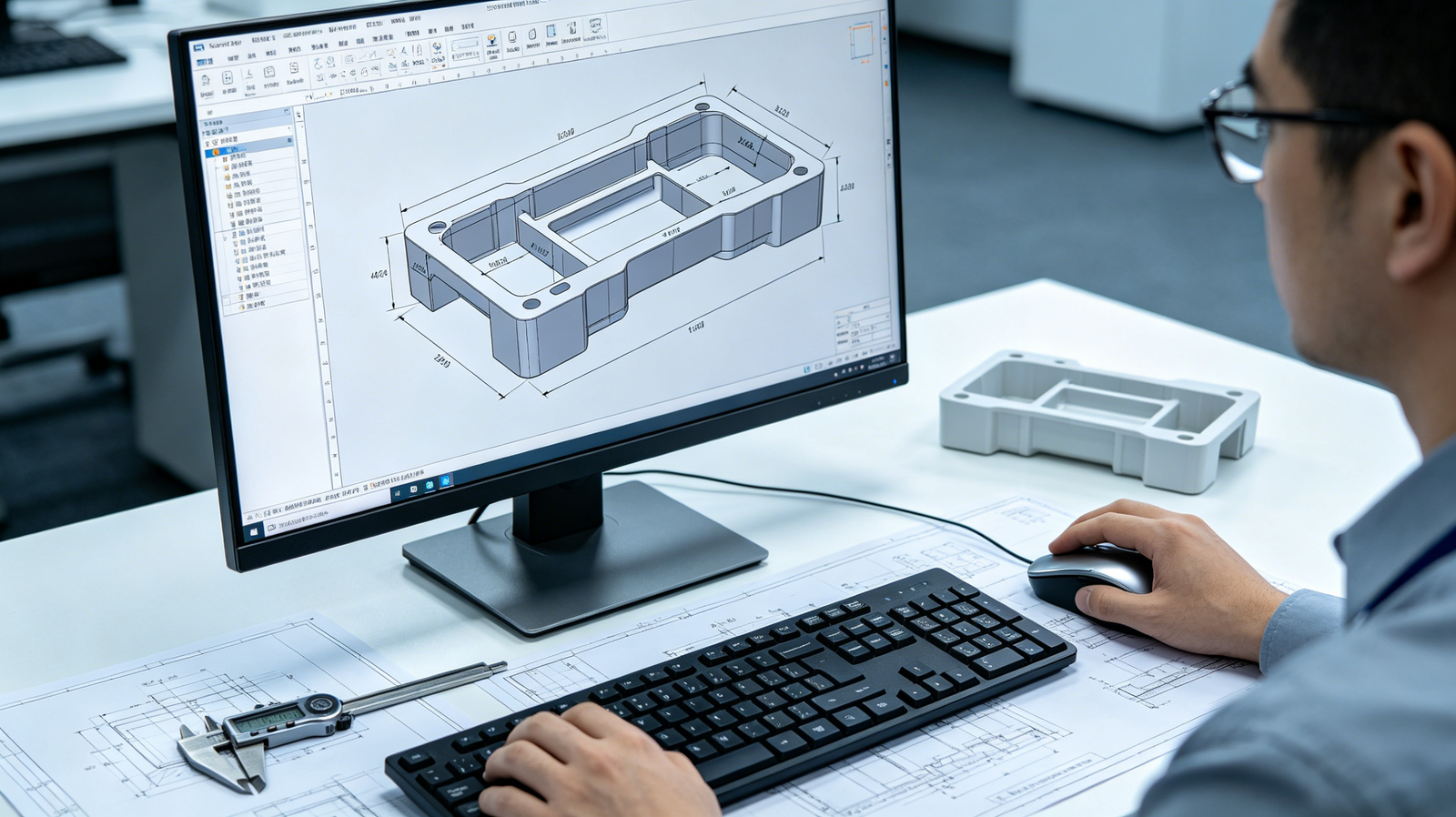
Dimensional Stability Testing: Dimensional inspections use advanced equipment such as coordinate measuring machines (CMM) to confirm that parts maintain required tolerances after long-term use.
Environmental Reliability Testing: Environmental tests simulate temperature changes, humidity, chemical exposure, and other operating conditions to verify material and structural reliability.
Life Cycle Testing: Life cycle tests evaluate performance changes through repeated operation or loading cycles, providing reliability data for mass production decisions.
🔍 A durable injection molding supplier needs more than manufacturing capability; it must prove long-term product reliability through systematic testing.
How Do Injection Suppliers Validate Material and Environmental Performance?
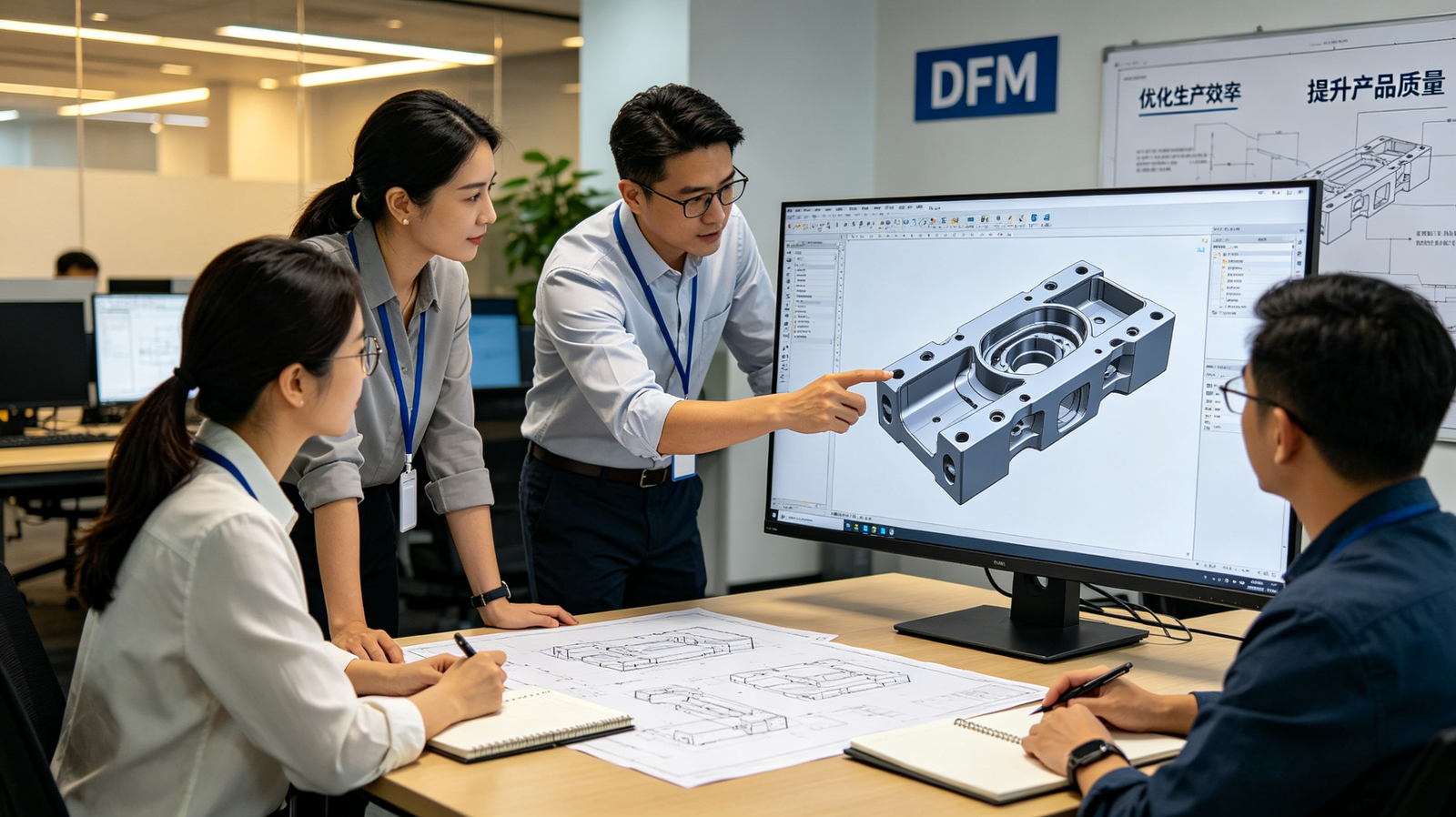
Different materials behave differently under temperature changes, humidity, pressure, and chemical exposure. Therefore, suppliers need to perform material validation according to the product’s actual operating environment. Engineering teams usually evaluate material certifications, UL94 flame retardant ratings, and weather resistance performance before final material approval. Proper material validation prevents cracking, deformation, and performance degradation during real-world applications.
Material Performance Reports: Suppliers should provide material grades, physical property data, and supplier documentation to confirm that selected materials meet product requirements.
Thermal Cycling Testing: High and low temperature cycling tests simulate extreme environments to evaluate material stability and structural durability.
Chemical Resistance Testing: For automotive, medical, and industrial applications, materials should be tested against oils, cleaners, and other chemical substances.
Aging Performance Testing: Long-term aging tests help predict material changes over time and evaluate expected product lifespan.
🔍 Material testing is not only about confirming plastic grades; it is about proving whether the material can survive real operating conditions.
How Can Buyers Evaluate a Supplier’s Testing Capability?

When evaluating injection molding suppliers, buyers should focus on testing equipment, inspection procedures, and data traceability rather than only reviewing final samples. Professional suppliers usually operate with structured ISO quality management systems and internal inspection procedures to maintain consistent production quality. A reliable supplier should provide a complete data chain from prototype validation to full-scale production.
Testing Equipment Capability: Suppliers should have inspection equipment for dimensional measurement, material analysis, and performance validation to ensure accurate testing results.
Testing Standard Compliance: Different industries require different validation standards, such as automotive components, medical housings, and industrial enclosures.
Data Traceability System: Production records, inspection reports, and batch tracking allow suppliers to quickly identify and resolve quality issues.
Mass Production Validation Process: Suppliers should verify that prototype and pilot production results can be consistently transferred into high-volume manufacturing.
🔍 Testing capability determines whether an injection supplier can support long-term production partnerships instead of only producing samples.
Durable Injection Molded Parts Testing Comparison
| Testing Method | Main Purpose | Application | Validation Value |
|---|---|---|---|
| Mechanical Strength Test | Verify structural performance | Automotive industrial parts | Reduce fracture risks |
| Environmental Reliability Test | Evaluate environmental resistance | Outdoor equipment housings | Improve service life |
| Dimensional Stability Test | Control long-term dimensional changes | Precision injection parts | Maintain assembly consistency |
| Life Cycle Test | Evaluate long-term operation performance | High-frequency products | Predict potential failures |
Selecting an injection molding supplier with complete testing capabilities can significantly reduce product development risks. If you are looking for reliable manufacturing support, contact Xiamen Ruicheng through contact us to discuss your project requirements.
How to Build a Quality Assurance System for Durable Injection Molded Parts?
Durable injection molded parts require quality planning from the design stage rather than inspection after production completion. Xiamen Ruicheng provides customers with a complete quality assurance process covering DFM analysis, material evaluation, mold validation, and production monitoring. Early testing planning helps companies shorten development cycles while reducing future quality correction costs.
1.Design Stage Validation: Engineering teams analyze potential risks during product development, including wall thickness, rib structure, and material selection.
2.Prototype and Pilot Testing: Sample validation confirms whether the product design meets required performance targets before production release.
3.Mass Production Monitoring: SPC data and process control methods maintain consistent quality during high-volume manufacturing.
4.Continuous Improvement Management: Production feedback is used to optimize materials, processes, and testing methods for improved reliability.
Durable Injection Molded Parts FAQ
Question 1: What are the key quality standards for your durable injection molded parts?
Answer: Xiamen Ruicheng establishes validation standards based on different application requirements, including dimensional accuracy, material performance, mechanical strength, and environmental reliability testing. Detailed inspection data can be provided according to customer requirements.
Question 2: What information should we provide to start a durable injection molded parts project?
Answer: Customers normally need to provide 3D drawings, material requirements, application environment, production quantities, and performance specifications. Xiamen Ruicheng engineers will perform DFM analysis and recommend suitable testing plans.
Question 3: How do you manage delivery schedules for different production volumes?
Answer: Prototype orders and mass production projects are evaluated according to tooling status, production planning, and testing requirements. Xiamen Ruicheng coordinates manufacturing resources to ensure stable delivery performance.
Question 4: How do you handle parts that fail performance testing?
Answer: Xiamen Ruicheng conducts root cause analysis, process optimization, and verification testing to identify issues and provide corrective solutions before final approval.
Question 5: Can you provide customized testing solutions for specific applications?
Answer: Yes. Based on customer requirements and operating conditions, Xiamen Ruicheng can provide customized validation programs, including environmental testing, durability testing, and special performance evaluations.
Conclusion
Durable injection molded parts depend on systematic validation rather than a single inspection method. When selecting an injection molding supplier, companies should evaluate testing capability, quality systems, and long-term production experience. Xiamen Ruicheng helps customers reduce supply chain risks through comprehensive engineering validation and ensures stable performance of injection molded components in real applications. A scientific testing system enables companies to make better supplier decisions and establish reliable long-term partnerships.
For expert assistance in implementing durable injection molded parts for your production needs, visit our resource center or contact us. Let’s help you scale up your manufacturing with precision and efficiency!