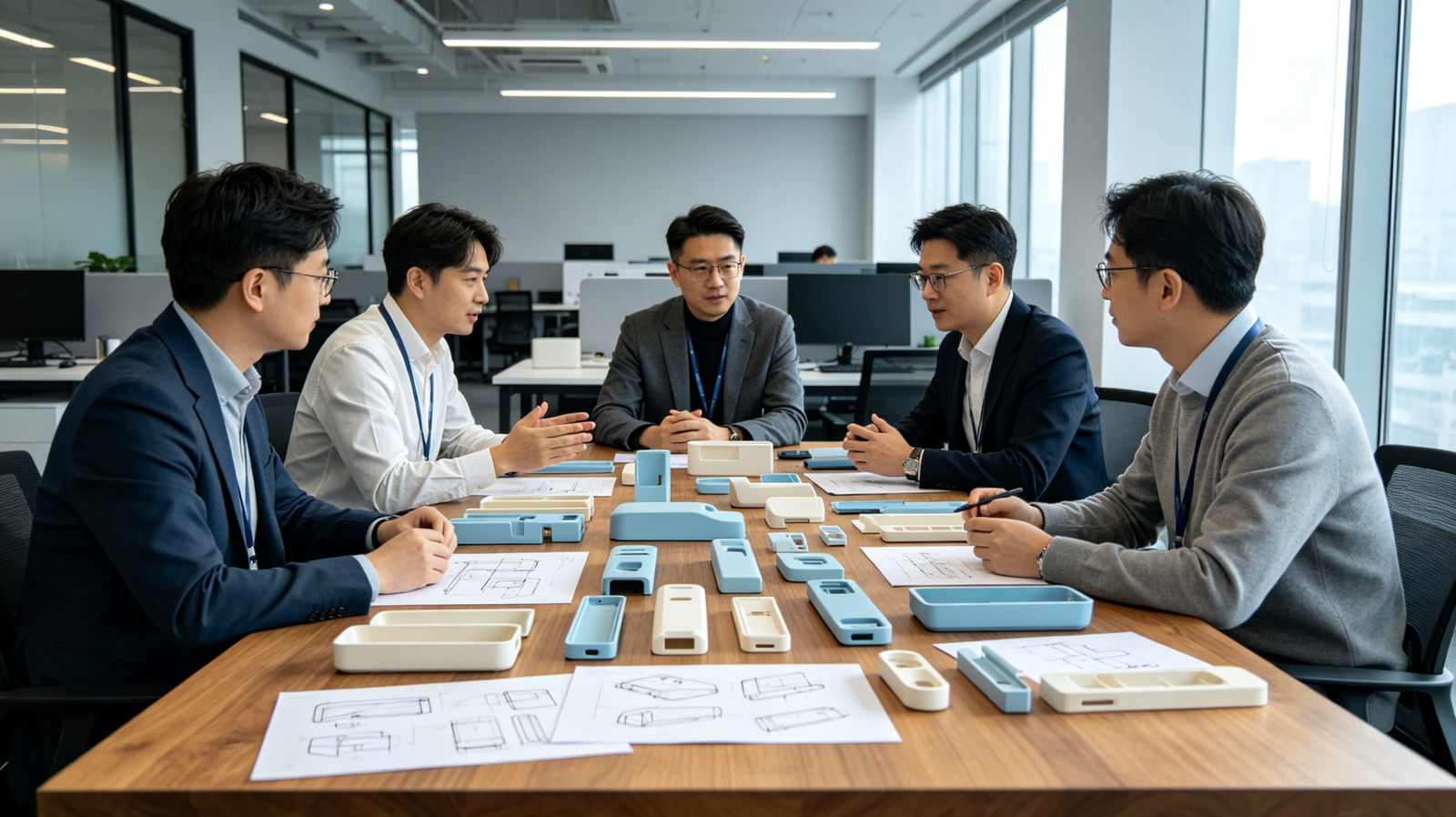
Polyurethane elastomer is a unique class of engineering material that bridges the gap between plastic and rubber. It combines the high strength and load-bearing capacity of plastic with the high elasticity and flexibility of rubber, making it one of the most versatile materials for demanding industrial applications. From mining screens to conveyor belt cleaners, hydrocyclones to impact beds, polyurethane components consistently outperform traditional rubber and metal alternatives in wear-intensive environments.
This article provides a comprehensive overview of polyurethane as an engineering material, its key properties, and the range of industrial applications where it delivers exceptional value.
What Makes Polyurethane Unique?
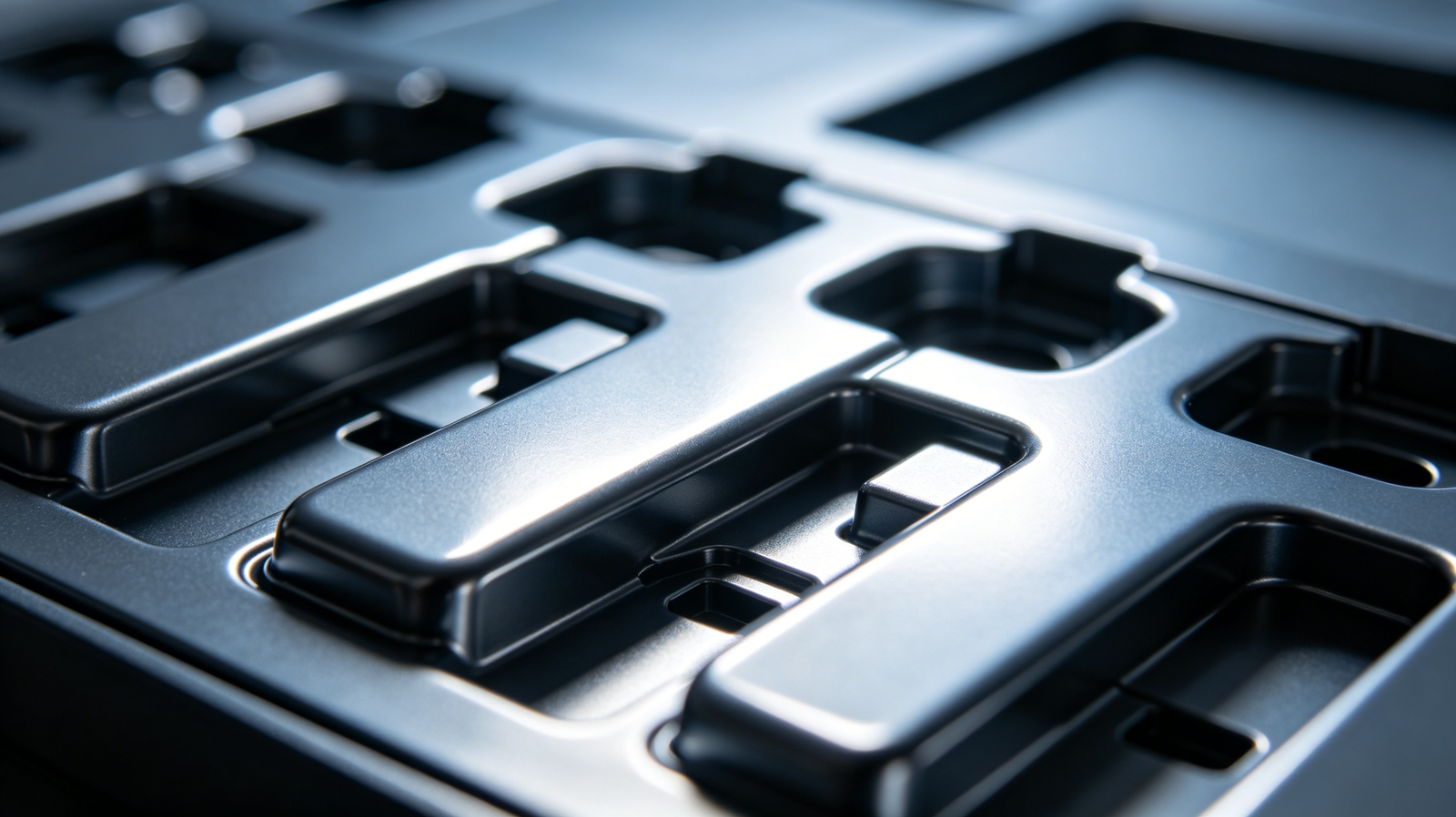
Polyurethane elastomer is produced through the reaction of polyols and diisocyanates, forming a polymer with a wide range of physical properties depending on formulation. The result is a material that can be engineered to perform across an extraordinary spectrum of conditions.
Polyurethane offers a hardness range from Shore A 10 (soft rubber-like) to Shore D 80 (rigid plastic-like), meaning the same base chemistry can be formulated to match everything from soft gaskets to hard-wearing industrial scrapers. At typical hardness levels of Shore A 85-90, polyurethane exhibits the wear resistance of metal with the flexibility of rubber.
Key Properties of Polyurethane Elastomers
| Property | Polyurethane Performance | Comparison |
|---|---|---|
| Hardness range | Shore A 10 to D 80 | Spans rubber to plastic range |
| Wear resistance | 0.01-0.10 cm³/1.61 km | 3-5× longer than rubber |
| Tensile strength | Excellent at rubber hardness | Much higher than conventional rubber |
| Impact strength | Excellent at high hardness | Higher than many plastics |
| Oil resistance | Minimal swelling | Far better than rubber |
| Low temperature | Excellent flexibility retained | Performs well below freezing |
| Ozone resistance | Excellent | Superior to rubber |
| Vibration damping | Excellent energy absorption | Ideal for impact isolation |
Industrial Applications
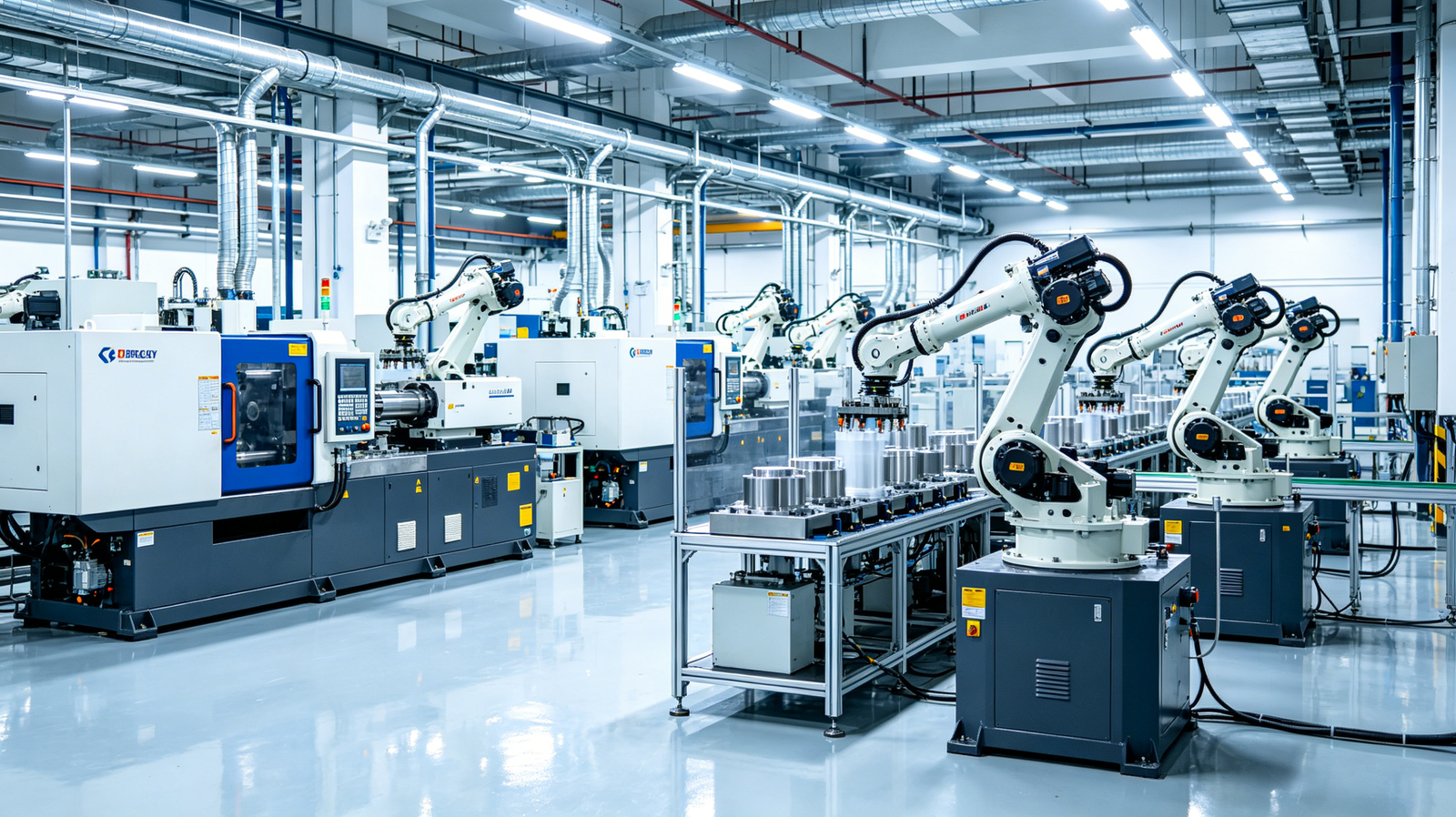
Mining & Mineral Processing Screens
Polyurethane screen panels are widely used in the mining industry for material classification, dewatering, and media removal. Available in a wide range of hole sizes from 3×12 mm up to 100×100 mm, these panels offer significantly longer service life than traditional metal screens while reducing noise levels and preventing blinding.
Applications include coal washing, iron ore processing, aggregate screening, and sand classification. The wear life of polyurethane screens typically exceeds that of metal screens by a factor of 5-10 in abrasive applications.
Conveyor Belt Cleaning Systems
Polyurethane conveyor belt cleaners (scrapers) are essential components in bulk material handling systems. Available as primary (head pulley), secondary (fine cleaning), and return belt cleaners, polyurethane blades remove carryback material that would otherwise cause belt mistracking, premature wear, and spillage.
Key specifications: blade hardness Shore A 85-90, operating temperature -40°C to 71°C, suitable belt speed 2-6 m/s, belt width 200-2200 mm. Field data shows polyurethane scraper blades outlast alloy steel blades by 3-5 times while being gentler on the belt surface.
Hydrocyclones for Classification
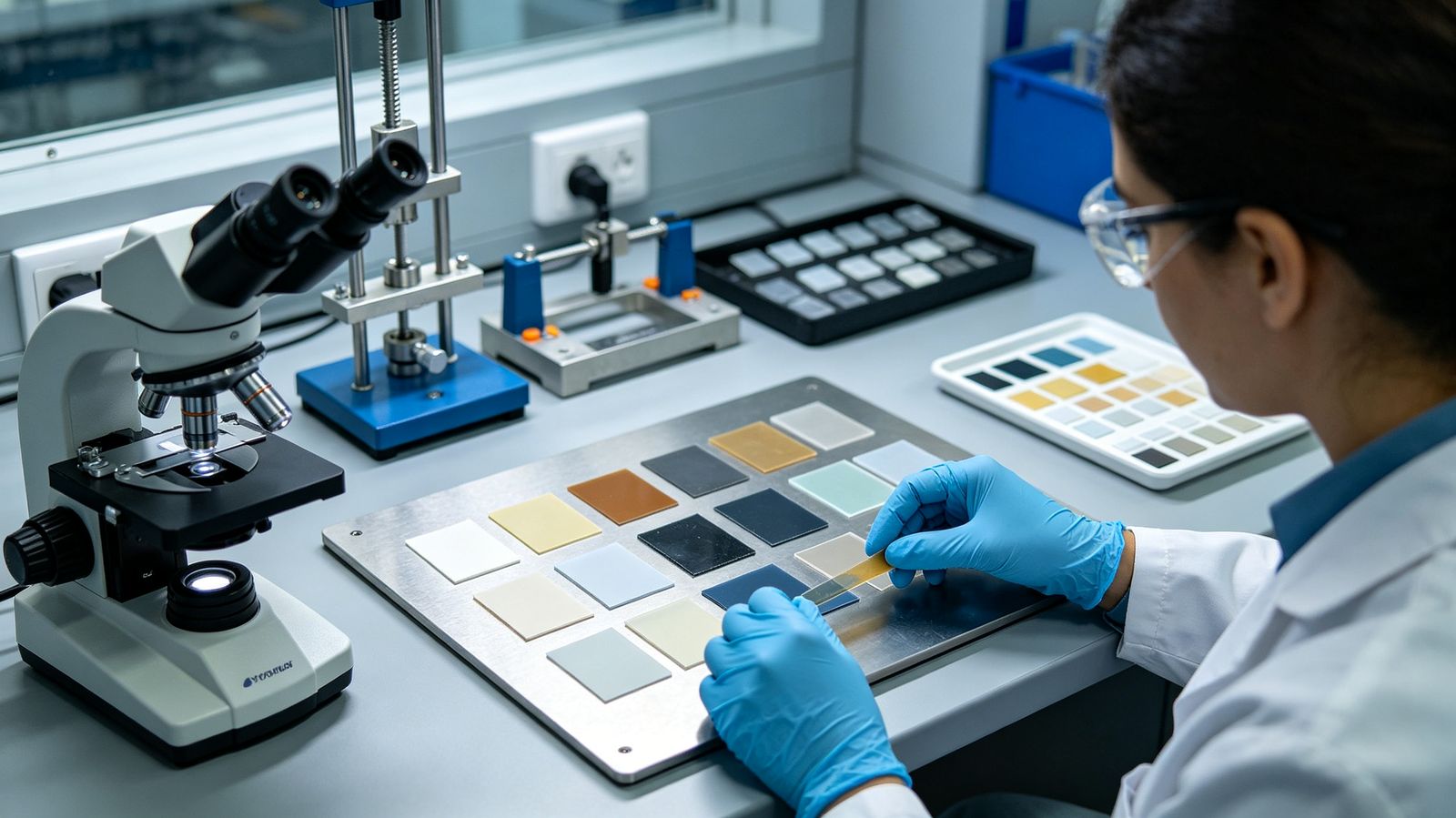
Polyurethane hydrocyclones provide efficient particle size classification, desliming, and concentration in mineral processing circuits. Our range covers models from FX-50 (50 mm diameter, 0.1-0.4 m³/h capacity) to FX-750 (750 mm diameter, up to 600 m³/h capacity), with separation sizes from 10 μm to 250 μm.
Wear-Resistant Piping Systems
Polyurethane-lined pipes and fittings provide exceptional service life in abrasive slurry transport applications. The abrasion resistance of polyurethane pipe liners is typically 10 times that of standard steel piping. The material operates on a soft-yet-strong principle: under impact, the polyurethane compresses and absorbs energy, then recovers elastically, dramatically reducing erosive wear.
Impact Beds & Buffer Systems
Polyurethane impact beds and buffer bars protect conveyor belts at loading and transfer points. The high-elasticity polyurethane layers absorb impact energy from falling material, reducing belt damage, preventing spillage, and extending component life.
Flotation Machine Components
Polyurethane impellers and stators (rotor-cover assemblies) for flotation machines offer 3-5 times longer service life than traditional rubber components.
Material Selection Guide
| Application | Recommended Grade | Key Property Needed |
|---|---|---|
| Screen panels | High-wear PU | Abrasion resistance, flexibility |
| Belt cleaners | Shore A 85-90 | Tear resistance, abrasion |
| Hydrocyclones | Rigid PU | Wear resistance, dimensional stability |
| Pipe liners | Flexible PU | Impact absorption, chemical resistance |
| Impact beds | High-elasticity PU | Energy absorption, compression set |
| Flotation parts | Oil-resistant PU | Chemical stability, wear resistance |
Conclusion
Polyurethane elastomer products offer a combination of mechanical properties that make them the material of choice for demanding industrial applications. With wear resistance 3-10 times that of rubber and steel, excellent chemical stability, and the ability to be formulated across a wide hardness range, polyurethane delivers measurable improvements in equipment uptime, maintenance costs, and component life.
Selecting the right polyurethane grade and product design for your specific application requires engineering expertise in material science and an understanding of your operating conditions.
With expertise in plastic materials, engineering design, and industrial processing, PlasticXperts provides comprehensive support for polyurethane product selection and application engineering. Contact our team today to discuss your requirements and find the right polyurethane solution for your operation.