Introduction
In industries such as consumer electronics, automotive systems, and industrial equipment, IP67 waterproof performance has become a baseline requirement for plastic enclosure design. Achieving reliable sealing is not only about material selection but also about the coordinated control of structure design and tooling precision. Even minor deviations in geometry or process stability can lead to full-batch failure rather than isolated defects.
For procurement teams and product development engineers, IP67 is not just a test result but a reflection of mass production stability. At Xiamen Ruicheng, we support customers in reducing leakage risk through DFM analysis and sealing structure optimization during plastic enclosure development. True waterproof reliability comes from engineering validation, not from a single test result.
How is IP67 sealing achieved through plastic enclosure structural design?
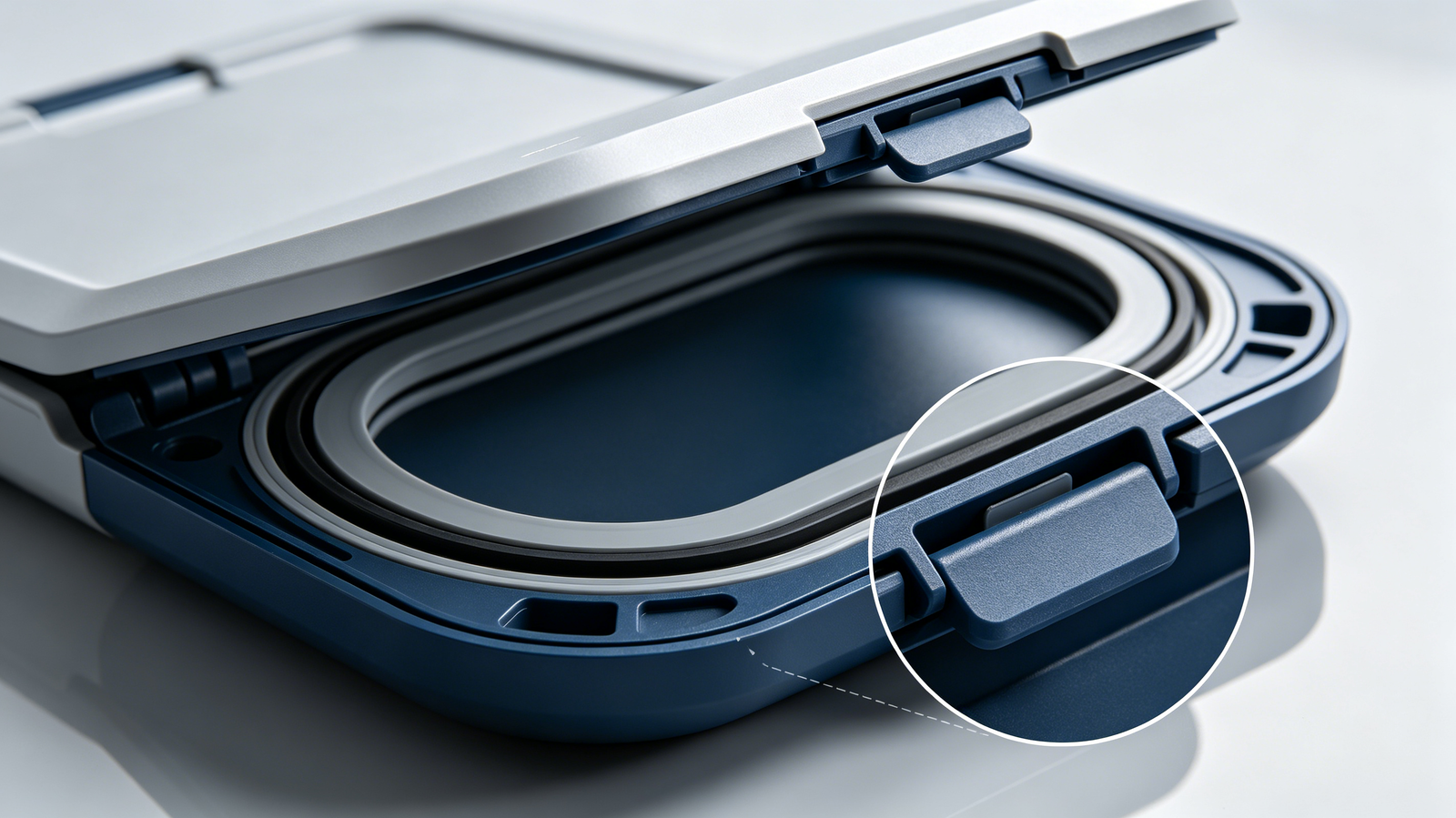
IP67 sealing in plastic enclosures typically relies on snap-fit structures, sealing grooves, and precision mating surfaces to create reliable waterproof performance. At Xiamen Ruicheng, we integrate injection molding structural design with DFM evaluation, optimizing parting lines, venting paths, and wall thickness consistency. Structural design defines the upper limit of waterproof performance, not post-processing corrections.
Sealing Groove Design: Proper O-ring or TPE groove geometry ensures stable compression sealing.
Parting Line Control: Poorly positioned parting lines can create potential leakage paths.
Wall Thickness Consistency: Uneven thickness leads to shrinkage deformation and sealing failure.
Assembly Tolerance Control: Mating precision directly determines whether IP67 performance is achievable.
🔒 Structural design is the first and most critical barrier for achieving IP67 waterproofing.
Which injection molding process parameters affect IP67 sealing performance?
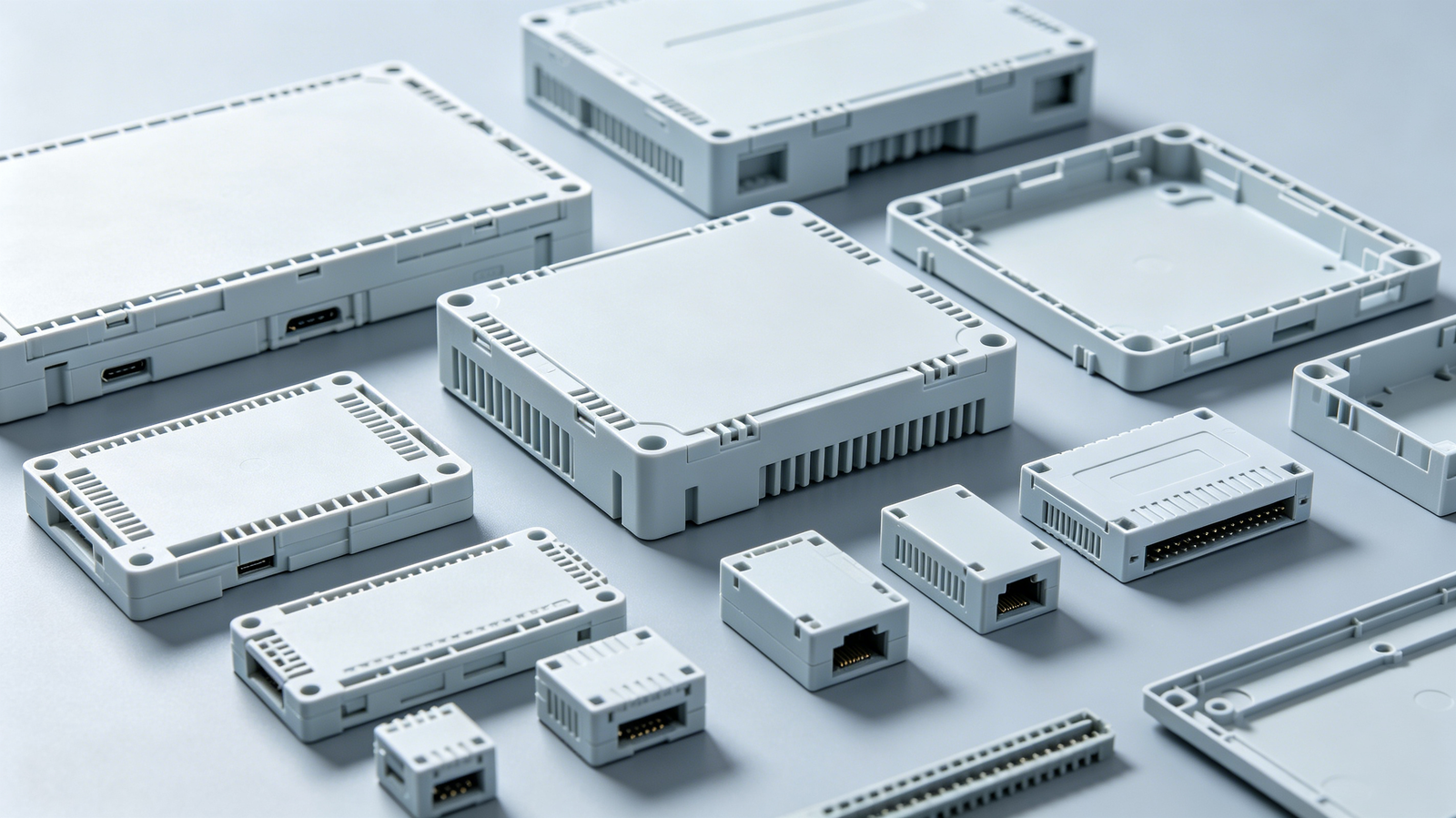
IP67 waterproof performance is strongly influenced by injection pressure, temperature, and cooling control during molding. Xiamen Ruicheng applies Statistical Process Control (SPC) to monitor key parameters and ensure batch-to-batch consistency. Process variation is often the hidden root cause of sealing failure.
Injection Pressure Control: Instability may lead to short shots or internal stress concentration.
Mold Temperature Management: Temperature fluctuations affect shrinkage and sealing fit.
Holding Pressure Optimization: Insufficient holding pressure can create internal voids.
Cooling Uniformity Control: Uneven cooling can cause warpage and sealing surface distortion.
🔧 Stable process control ensures IP67 performance remains consistent in mass production.
How can long-term reliability of IP67 plastic enclosures be ensured in mass production?
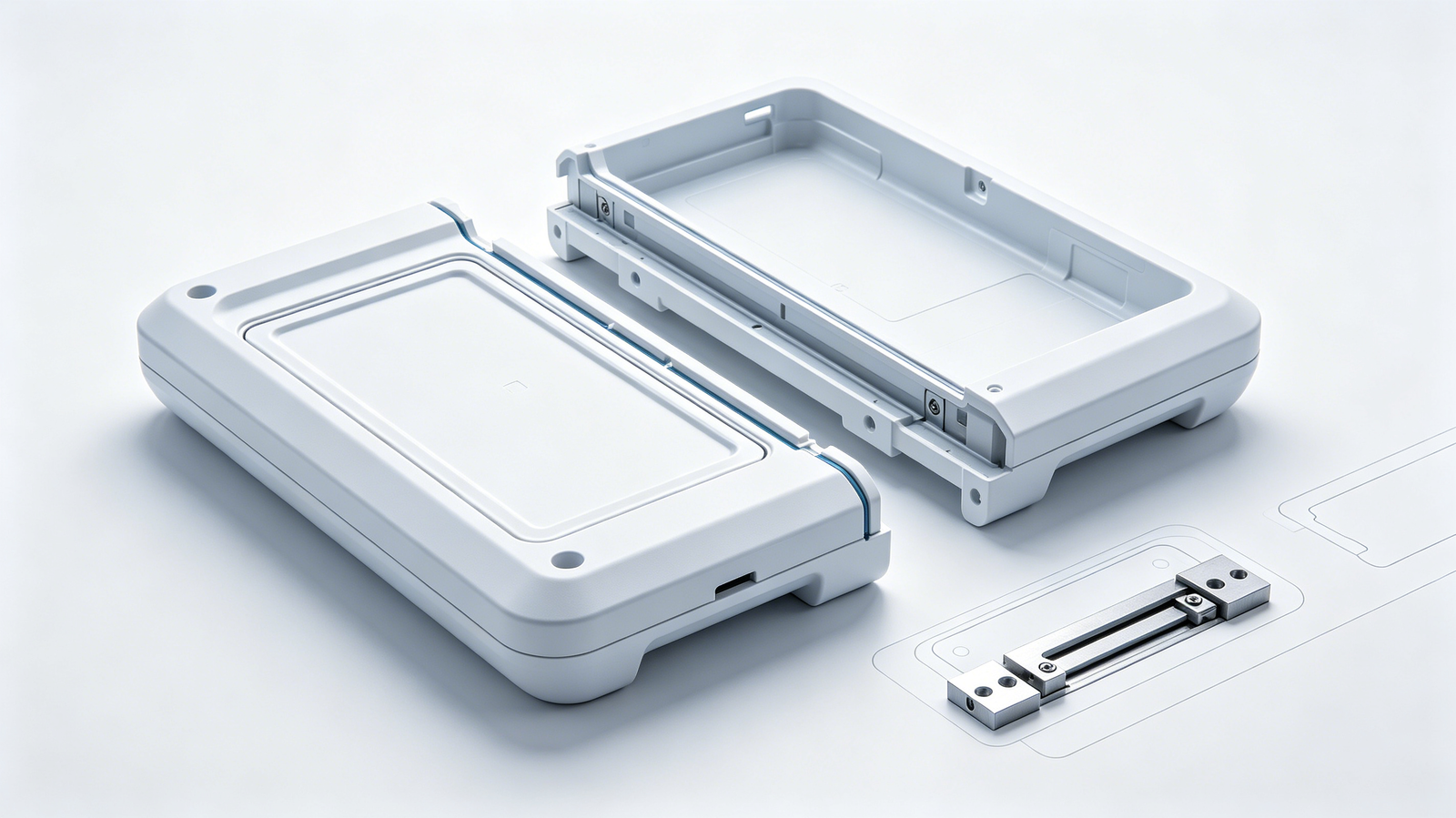
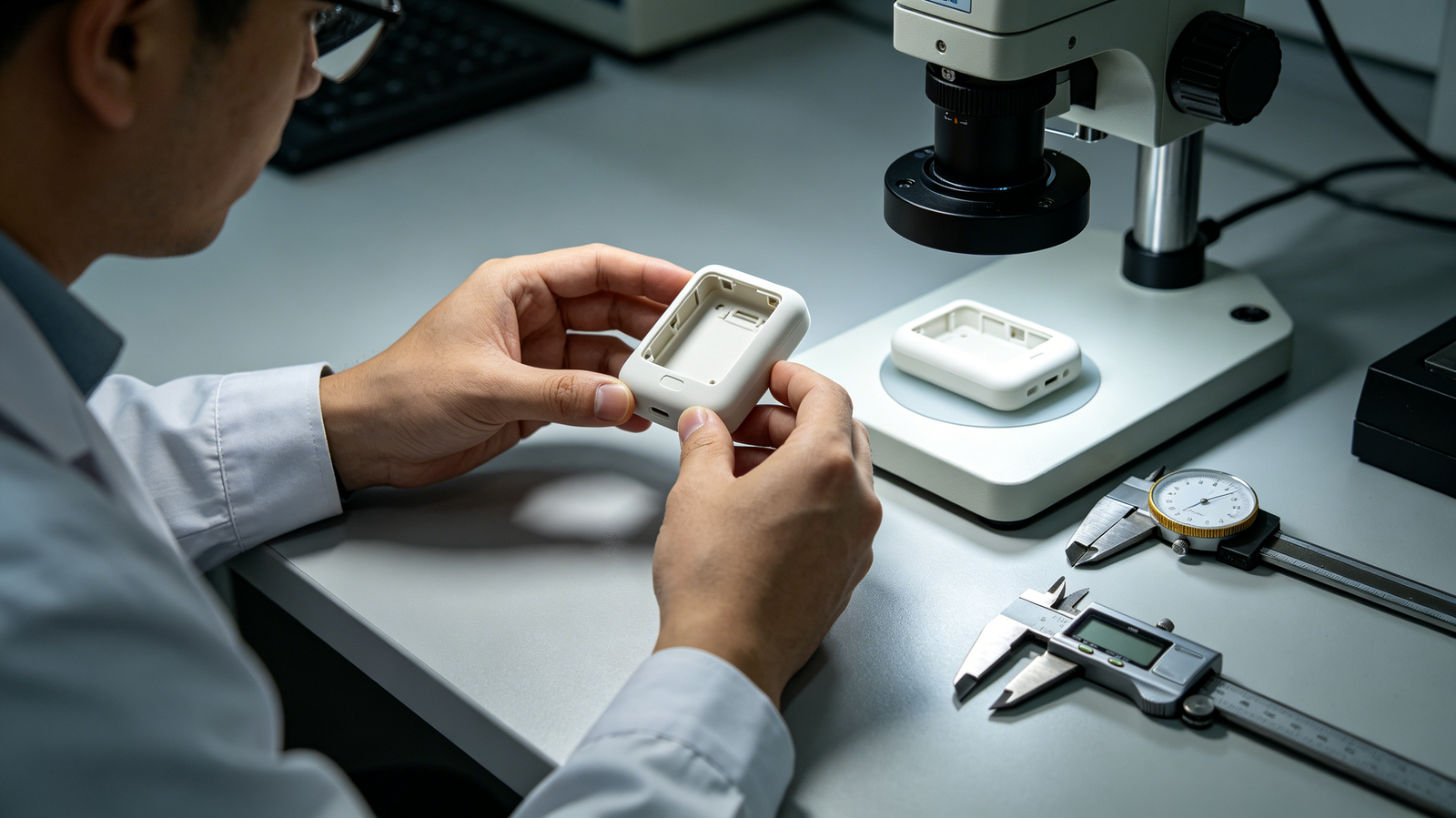
In mass production, the challenge of IP67 waterproof enclosures shifts from “design qualification” to “continuous consistency control.” At Xiamen Ruicheng, we implement first article inspection, CMM measurement, and batch traceability systems to ensure every production lot meets sealing requirements. Mass production stability is what gives IP rating real commercial value.
First Article Inspection System: Validates sealing structure before each production run.
Dimensional Inspection Control: Uses CMM to verify critical sealing tolerances.
Batch Traceability System: Records process parameters for full quality tracking.
Rapid Deviation Response: Enables immediate adjustment when anomalies are detected.
📦 Production control systems bridge the gap between prototype success and market reliability.
Comparison of IP67 Plastic Enclosure Sealing Methods
| Sealing Method | Structural Feature | Cost Level | Application Scenario |
|---|---|---|---|
| O-ring Sealing | Elastic compression seal | Medium | Industrial housings |
| Ultrasonic Welding | Permanent bonding | High | Consumer electronics |
| Snap-fit + Groove | Assembly-based seal | Low | High-volume products |
| Adhesive Sealing | Chemical bonding | Medium | Non-standard structures |
Selecting the right sealing solution requires both design expertise and manufacturing capability. If you are evaluating an IP67 enclosure project, you can request engineering support here: contact us
Engineering Logic Behind IP67 Plastic Enclosure Design and Manufacturing
Achieving IP67 waterproof performance is not the result of a single optimization point but a full-system engineering challenge involving design, tooling, and process control. Proper DFM analysis helps identify leakage risks early, while stable injection molding ensures design intent is correctly executed in production.
Only when design and manufacturing are aligned can IP67 performance be consistently achieved in real-world applications.
1.Structural Optimization: Reduces leakage risk through sealing path and tolerance control.
2.Process Control: Ensures stability through consistent molding parameters.
3.Inspection System: Validates performance using CMM and leak testing.
4.Mass Production Assurance: Maintains long-term consistency across batches.
Common Questions About IP67 Plastic Enclosure Waterproof Sealing
Question: What are the key design requirements for IP67 plastic enclosures?
Answer: Critical factors include sealing structure design, assembly tolerance control, and material selection, supported by tooling precision for stable mass production.
Question: How is IP67 waterproof performance validated?
Answer: Typically through air leakage testing, water immersion testing, and batch sampling inspection combined with dimensional verification.
Question: What are the most common causes of sealing failure?
Answer: Mold deviation, injection deformation, and assembly misalignment are the primary failure sources.
Question: Which materials are commonly used for IP67 enclosures?
Answer: PC, PC+ABS, PA, and TPE sealing materials are commonly used depending on application requirements.
Question: How should a reliable supplier be evaluated?
Answer: Focus on DFM capability, tooling precision, SPC process control, and mass production quality systems.
Conclusion
IP67 waterproof performance in plastic enclosures is fundamentally the result of integrated engineering across design and manufacturing, not a standalone test achievement. Only by controlling design, process, and production consistency simultaneously can stable waterproof performance be ensured.Choosing a manufacturing partner with full engineering capability is the key to successful IP67 product implementation.
For expert assistance in implementing for your production needs, visit our resource center or contact us. Let’s help you scale up your manufacturing with precision and efficiency!