Introduction
Glass-fiber reinforced nylon is widely used in outdoor structural components due to its high strength and weather resistance, but micro-porosity issues often emerge during long-term use. Based on Xiamen Ruicheng’s experience in rapid prototyping, relying solely on material performance is not enough to eliminate moisture penetration, making coating optimization essential. In real-world applications, micro-leakage is rarely a design flaw but rather a result of insufficient coordination between material and processing.
Under harsh outdoor conditions, thermal cycling and UV exposure further amplify microstructural defects, making leakage risks more unpredictable. By validating coating performance during the prototyping phase, manufacturers can effectively minimize mass production risks and improve final product reliability. Early-stage coating validation is a critical strategy to reduce downstream failure costs.
Why do glass-fiber reinforced nylon injection parts develop micro-leakage?
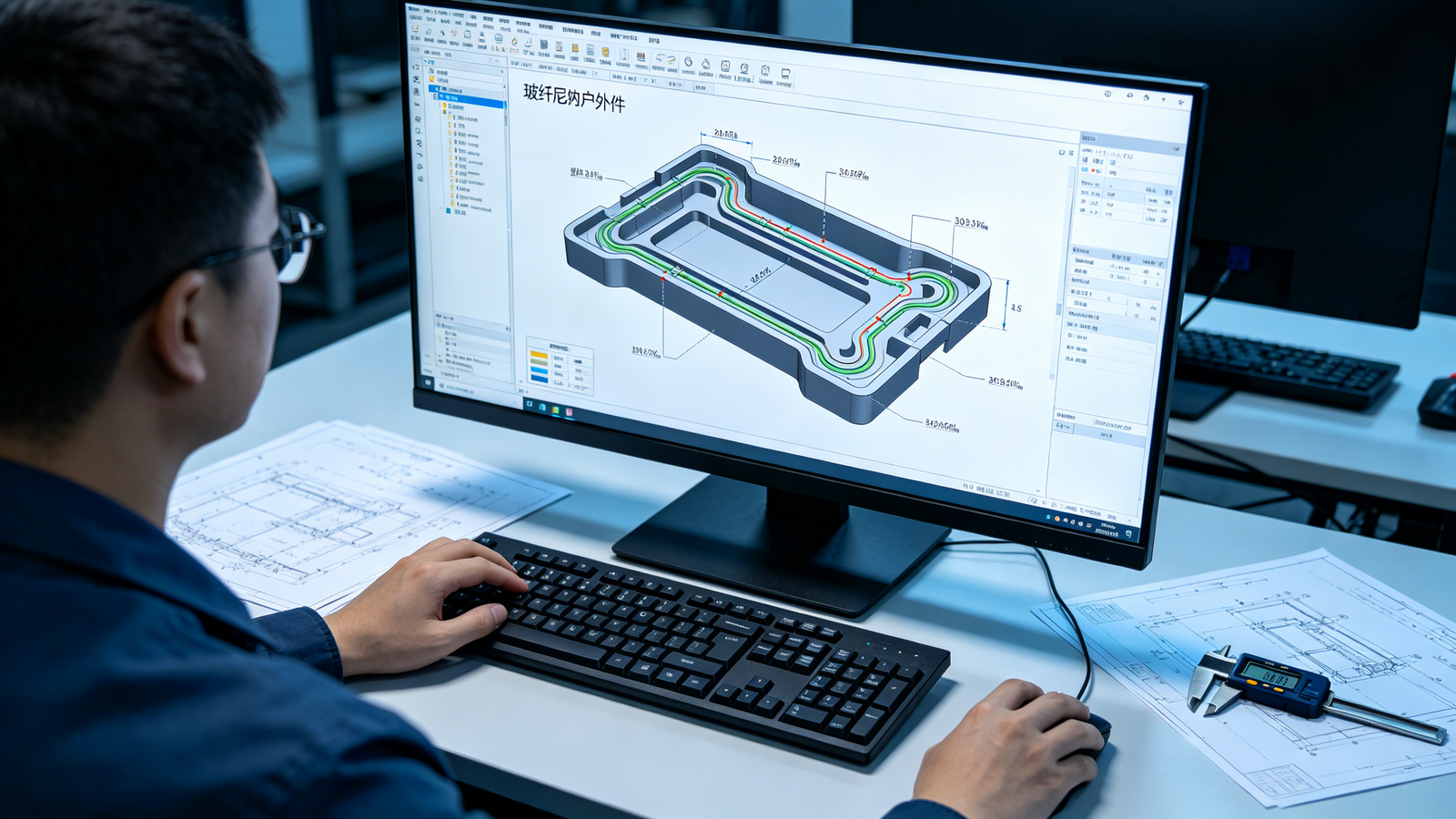
During injection molding, fiber orientation and uneven shrinkage in glass-filled nylon create microscopic voids that act as pathways for moisture ingress, especially in complex geometries, where nylon properties and fiber-reinforced plastics interact to form structural inconsistencies. These micro-pores are invisible to the naked eye but are the root cause of waterproof failure. Based on Xiamen Ruicheng’s rapid prototyping practices, combining process optimization with coating solutions significantly reduces leakage risks.
Fiber orientation variance: Glass fibers align differently during flow, causing density inconsistencies.
Uneven shrinkage: Differential cooling leads to micro-cracks and void formation.
Complex geometry impact: Rib structures and thickness variations intensify porosity risks.
Environmental stress amplification: Moisture and temperature cycles expand micro-defects over time.
🔍 Micro-leakage originates from material-process imbalance rather than visible defects.
Which waterproof coatings effectively seal micro-pores in nylon parts?
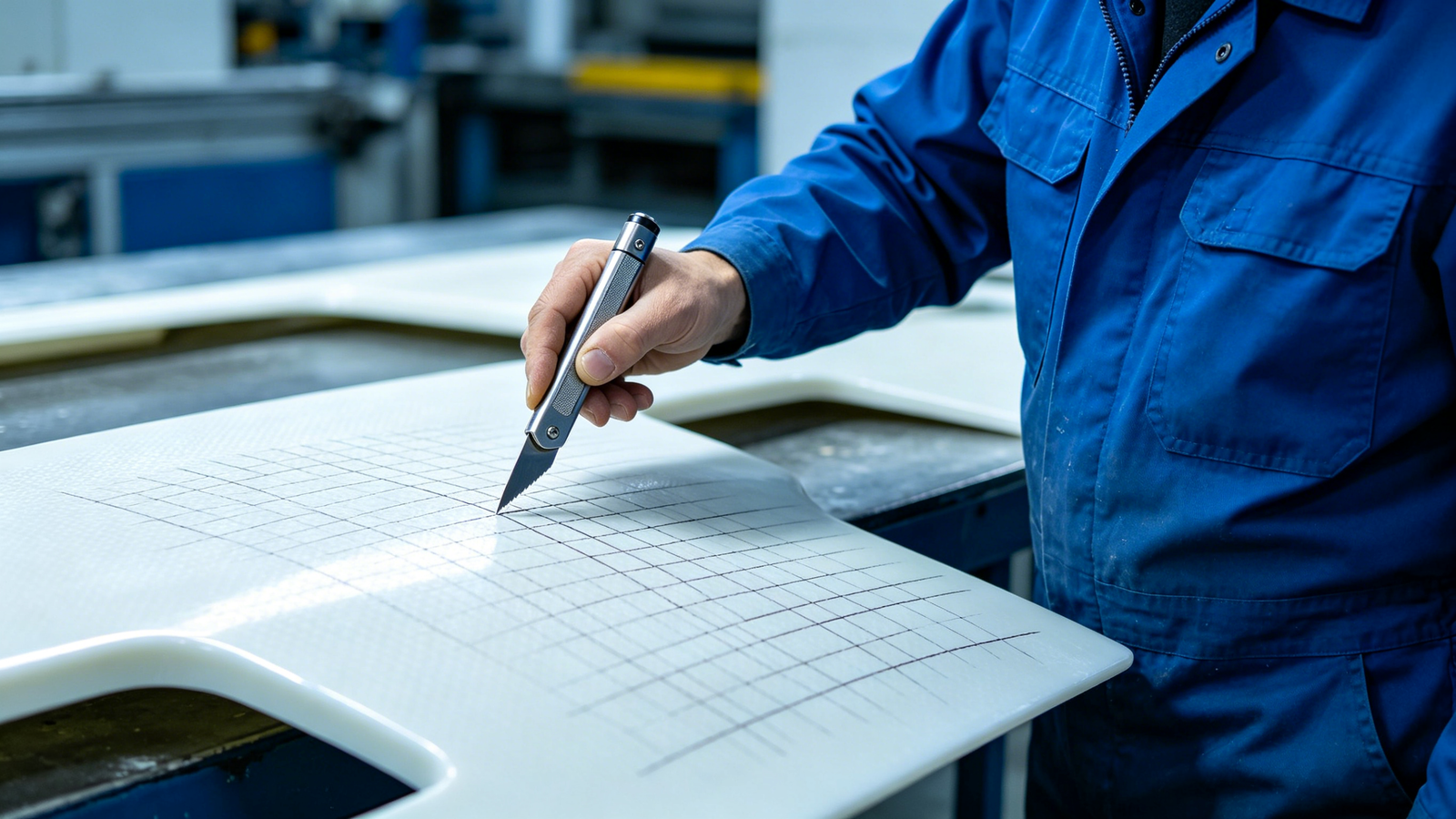
Common waterproof coatings for glass-filled nylon include Parylene, fluoropolymer coatings, and silicone-based sealants, all of which provide molecular-level coverage to seal micro-pores, with Parylene coating and fluoropolymer coatings showing excellent outdoor durability. The key difference between coatings lies in their penetration capability and adhesion compatibility. Xiamen Ruicheng recommends optimized combinations based on structural complexity and environmental exposure during prototyping.
Parylene coating: Vapor deposition enables deep penetration into microstructures.
Fluoropolymer coating: Provides superior surface hydrophobicity for external protection.
Silicone-based coating: Cost-effective solution for moderate waterproofing needs.
Epoxy sealing systems: Suitable for localized reinforcement with higher process requirements.
🧪 Choosing the right coating creates an invisible barrier against micro-leakage.
How to validate waterproof coating reliability during rapid prototyping?
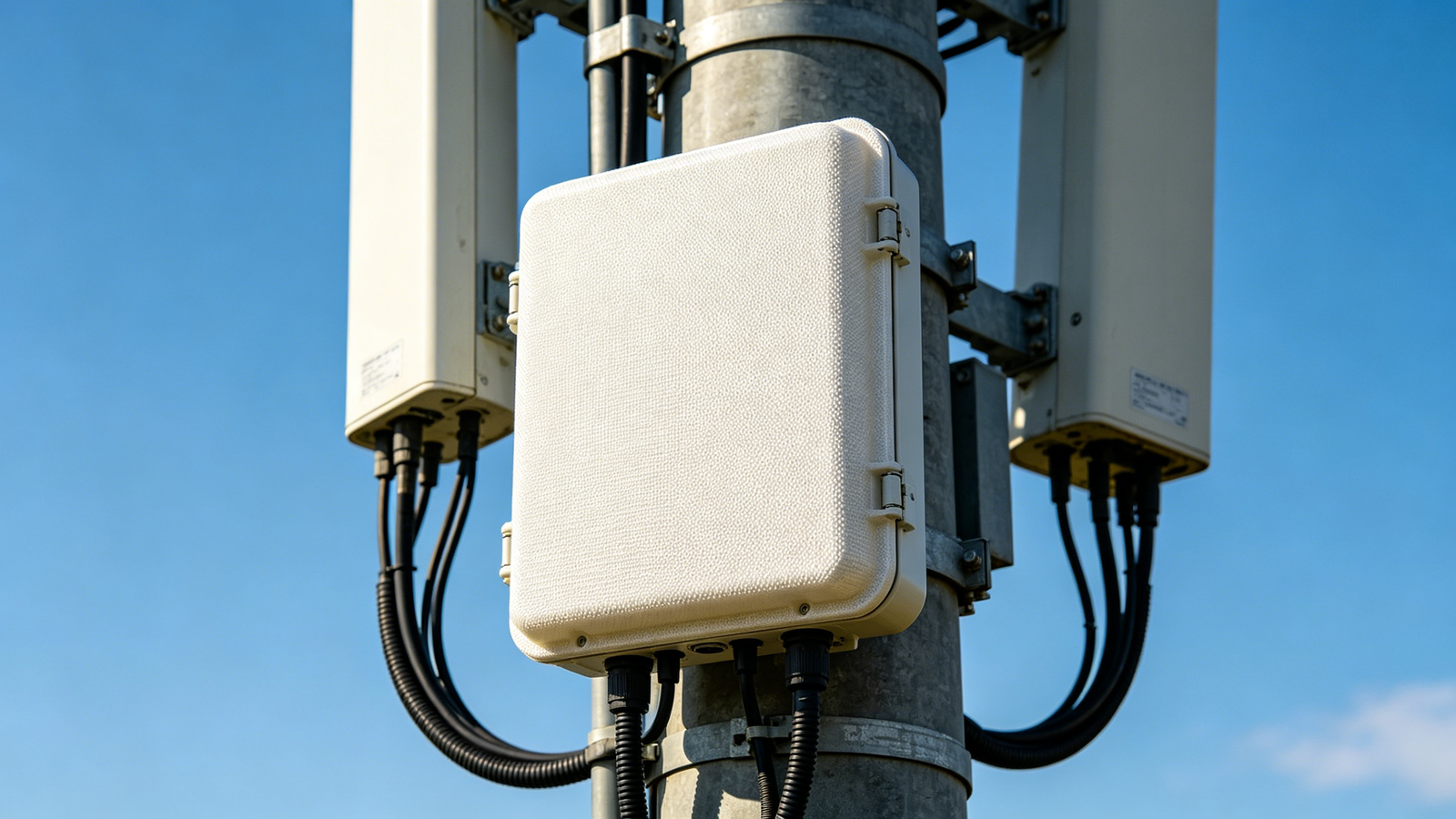
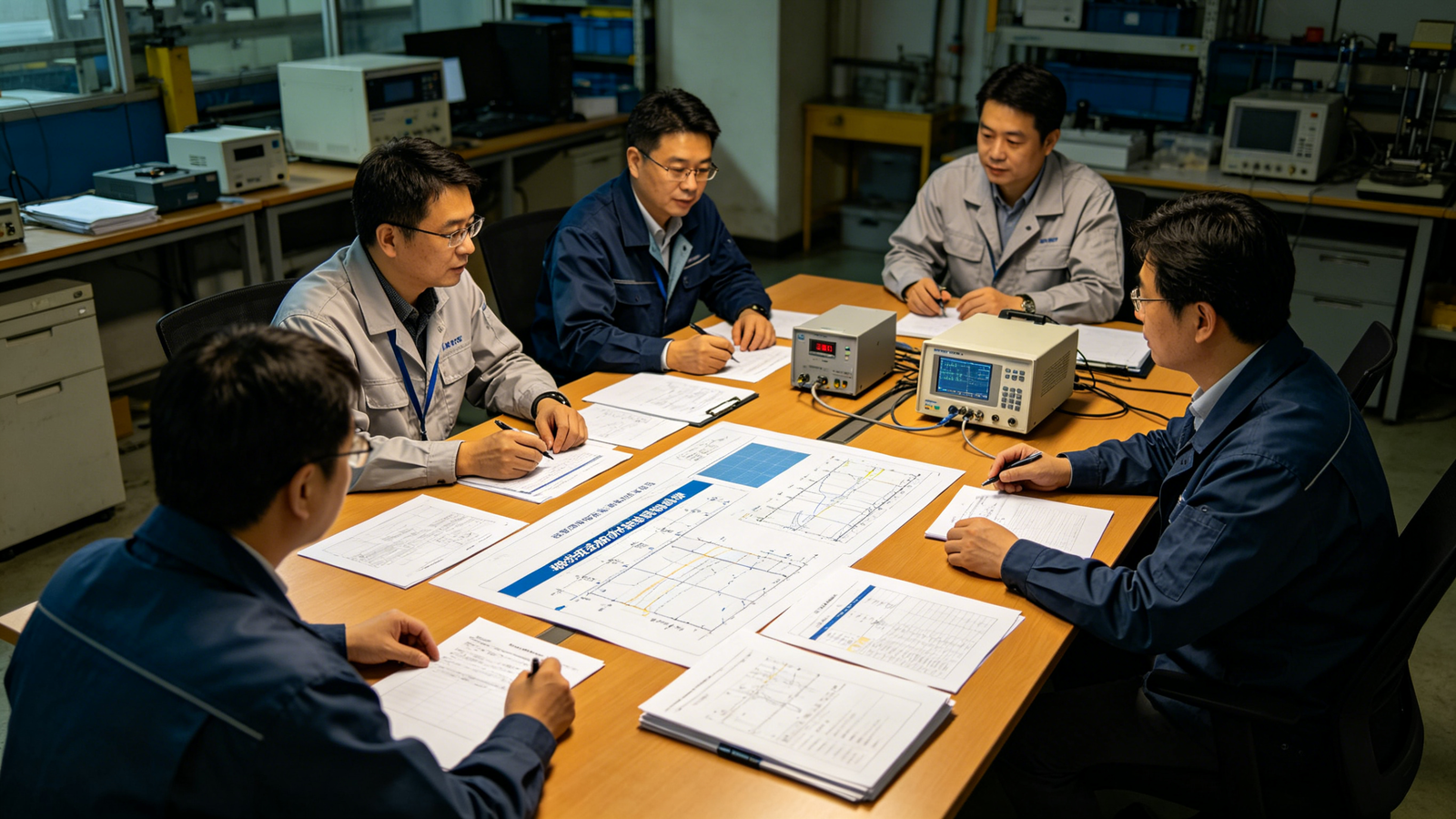
During rapid prototyping, systematic testing ensures coating effectiveness, including immersion tests, air-tightness evaluation, and thermal cycling, with IP rating standards and leak testing serving as critical benchmarks. The completeness of validation directly determines mass production stability. Xiamen Ruicheng applies standardized testing workflows to ensure traceable and reliable data for each prototype batch.
Immersion testing: Simulates prolonged water exposure conditions.
Air-tightness testing: Detects micro-leakage paths through pressure variation.
Thermal cycling tests: Evaluates stability under temperature fluctuations.
Adhesion testing: Ensures coating durability over long-term use.
📊 Thorough validation at the prototype stage minimizes production risks.
Waterproof Coating Comparison and Selection Guide
| Coating Type | Penetration Ability | Adhesion | Cost Level | Application Scenario | Waterproof Potential | Process Complexity |
|---|---|---|---|---|---|---|
| Parylene | Excellent | High | High | Precision outdoor devices | IPX7+ | High |
| Fluoropolymer | Medium | Medium | Medium | External housing protection | IPX5-IPX6 | Medium |
| Silicone | Medium | Medium | Low | General waterproofing | IPX4-IPX5 | Low |
| Epoxy Sealant | Strong | High | Medium-High | Local reinforcement | IPX6+ | Medium-High |
Looking for the best waterproof solution for your project? 👉 contact us
How to achieve long-term waterproof stability through coating and design optimization
In real applications, relying on a single coating solution is often insufficient to handle complex environments; instead, combining structural optimization with coating technology ensures long-term performance. Xiamen Ruicheng integrates DFM analysis and coating matching during rapid prototyping to build a complete validation loop from design to production. Reliable waterproof performance comes from the synergy of material, structure, and coating technologies. Early validation and optimization significantly reduce mass production failure risks.
1.Structural optimization: Adjust wall thickness and flow design to minimize porosity.
2.Material selection: Optimize fiber ratio and nylon grade for higher density.
3.Coating matching: Select coatings based on environmental conditions.
4.Validation loop: Continuously improve solutions through testing data.
FAQ (B2B Procurement Guide)
Question 1: What are the key advantages of your waterproof coating solution for glass-filled nylon parts?
Answer: Xiamen Ruicheng provides coating solutions achieving IPX6–IPX8 ratings using vapor deposition and sealing technologies, verified through air-tightness and aging tests to meet long-term outdoor requirements.
Question 2: What information is required to get a quotation quickly?
Answer: Please provide 3D drawings, material specifications, and application conditions; we respond within 2 hours and deliver a detailed quotation with coating recommendations within 12 hours, including sample testing support.
Question 3: What are the MOQ and lead times for different order volumes?
Answer: Prototype MOQ starts from 1 piece with 3–7 days lead time, while mass production takes 7–15 days depending on volume, with expedited options available.
Question 4: How do you handle quality issues after delivery?
Answer: We offer a 7-day inspection window and provide solutions within 48 hours upon confirmation, with up to 12 months warranty for key projects.
Question 5: Do you support customized coating solutions?
Answer: Yes, we provide tailored solutions based on temperature, humidity, and usage cycles, with proposals delivered within 3 working days and cost adjustments of 5%–15%.
Conclusion
Micro-leakage in glass-fiber reinforced nylon outdoor parts is fundamentally a result of material and process imbalance rather than isolated defects. By introducing waterproof coating validation during rapid prototyping, manufacturers can significantly reduce risks before mass production. Selecting the right coating system combined with structural optimization is the key to achieving long-term waterproof reliability. Xiamen Ruicheng delivers integrated solutions from design to validation, ensuring consistent and dependable performance.
For expert assistance in implementing for your production needs, visit our resource center or contact us. Let’s help you scale up your manufacturing with precision and efficiency!