introduction
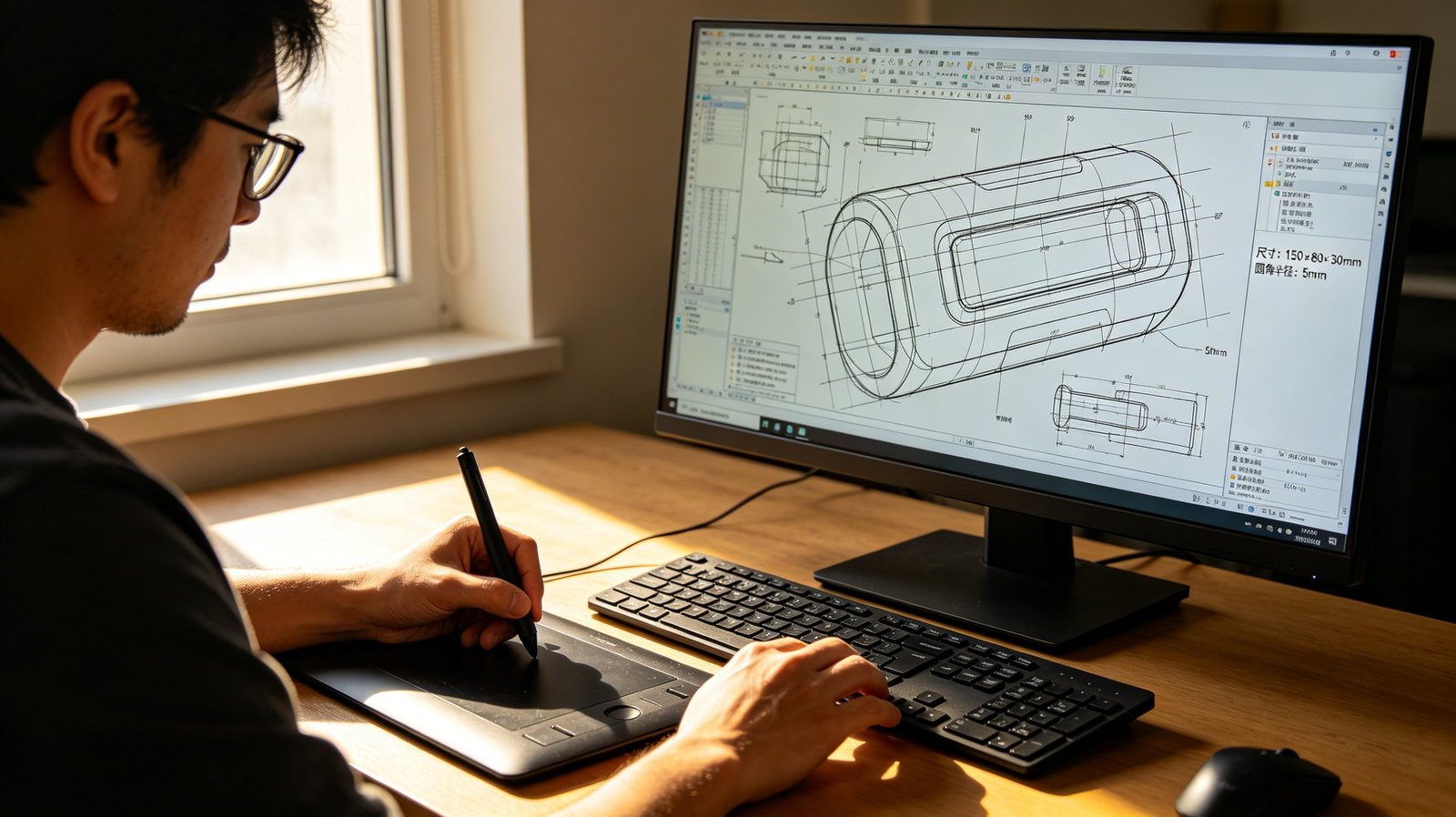
In custom injection molding material processing projects, mold flow analysis not only determines whether a product can be successfully molded but also directly affects mold design, production efficiency, and long-term quality stability. Different plastic materials have unique flow characteristics, shrinkage rates, crystallization behaviors, and thermal conductivity properties, which require different simulation strategies during the mold flow analysis stage.For professional custom injection molding manufacturers, material-specific mold flow analysis is a critical step in reducing development risks and shortening production lead times.
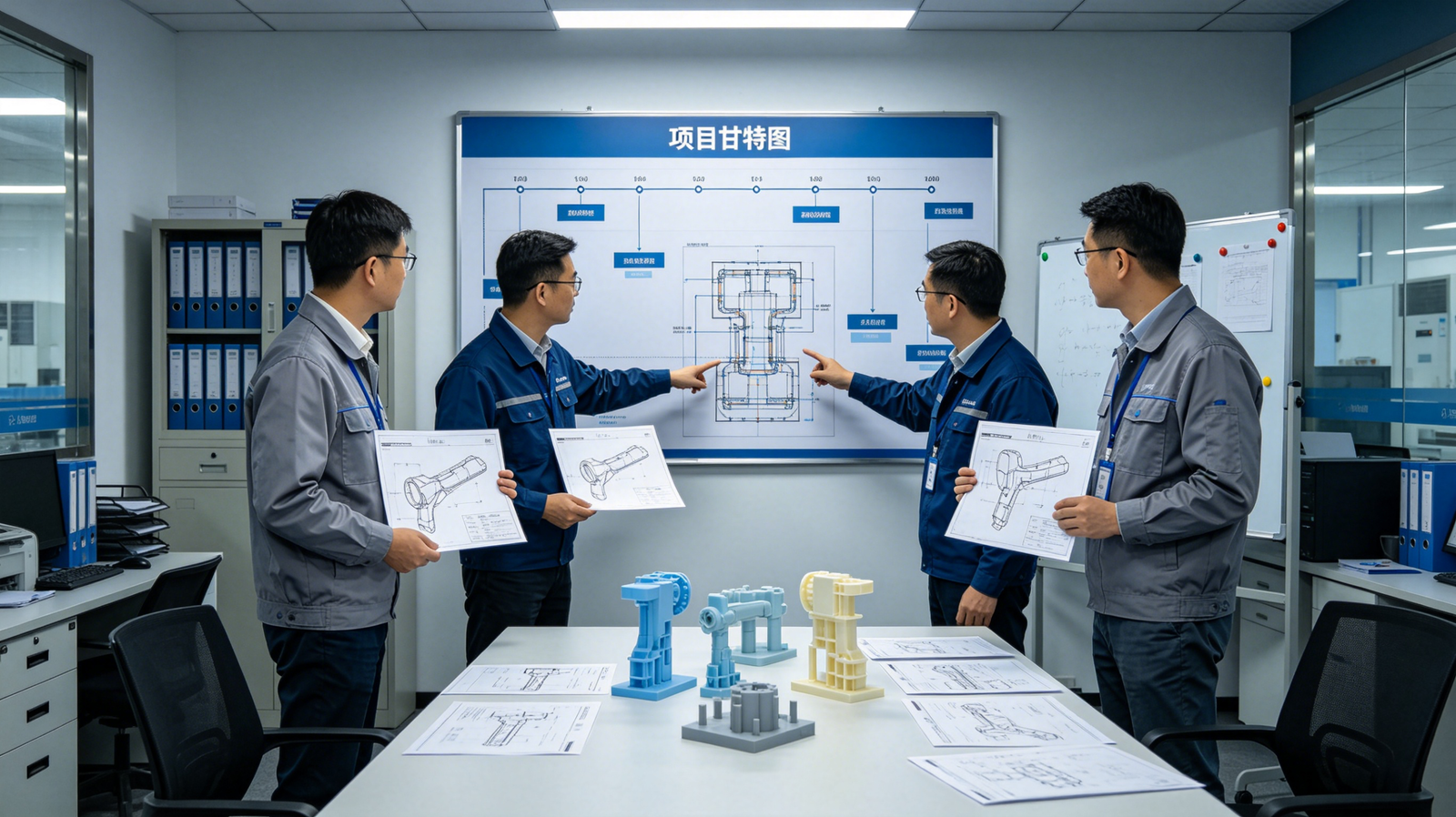
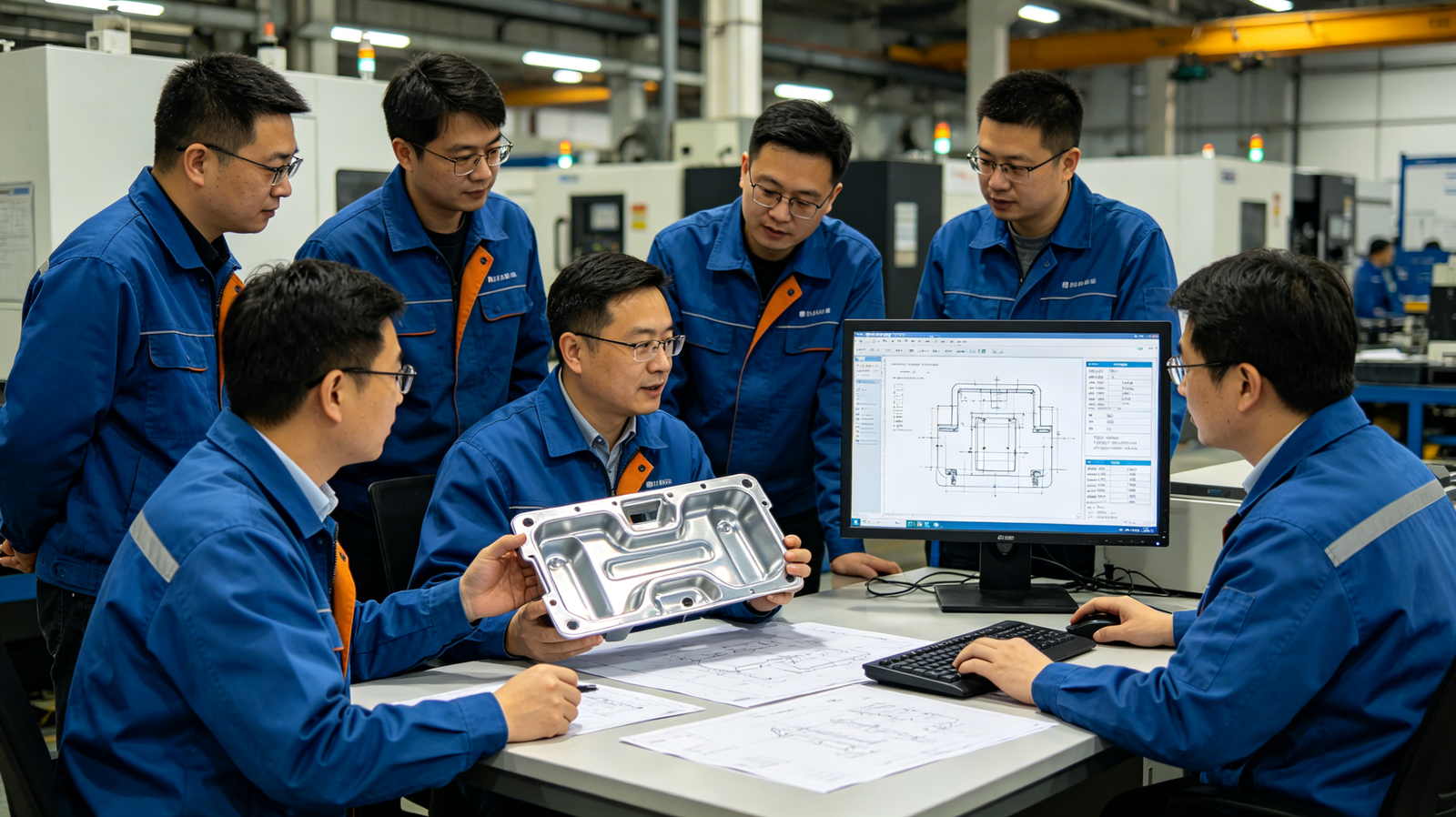
Based on years of project experience, Xiamen Ruicheng has found that the same product design can produce completely different simulation results when molded with ABS, PC, PP, or PA materials. Conducting targeted material verification at the early development stage helps avoid repeated mold modifications and costly trial runs later in the project.Scientific mold flow analysis enables customers to identify potential manufacturing risks before tooling begins.
Why Do Different Plastic Materials Require Different Mold Flow Analysis Strategies?

During custom injection molding material processing, different plastics exhibit significant variations in melt flow index, viscosity curves, and shrinkage behavior. Therefore, mold flow analysis parameters must be adjusted according to specific material properties. Applying the same simulation template to every injection molding project often leads to uneven filling, sink marks, warpage, or weld line defects. Accurate material database selection is the foundation of reliable mold flow analysis results. At Xiamen Ruicheng, engineers build dedicated simulation models based on customer-selected materials to ensure mold designs align with actual production requirements.
Flow Characteristics: High-flow materials require more focus on shrinkage control, while low-flow materials demand better filling optimization.
Shrinkage Behavior: Material-specific shrinkage rates directly affect dimensional compensation strategies.
Crystallization Effects: Semi-crystalline materials require additional cooling and deformation analysis.
Thermal Performance: Mold temperature settings must be optimized according to material heat transfer characteristics.
🔍 Different materials require different mold flow priorities and simulation approaches.
Which Mold Flow Analysis Parameters Are Most Affected by Material Changes?
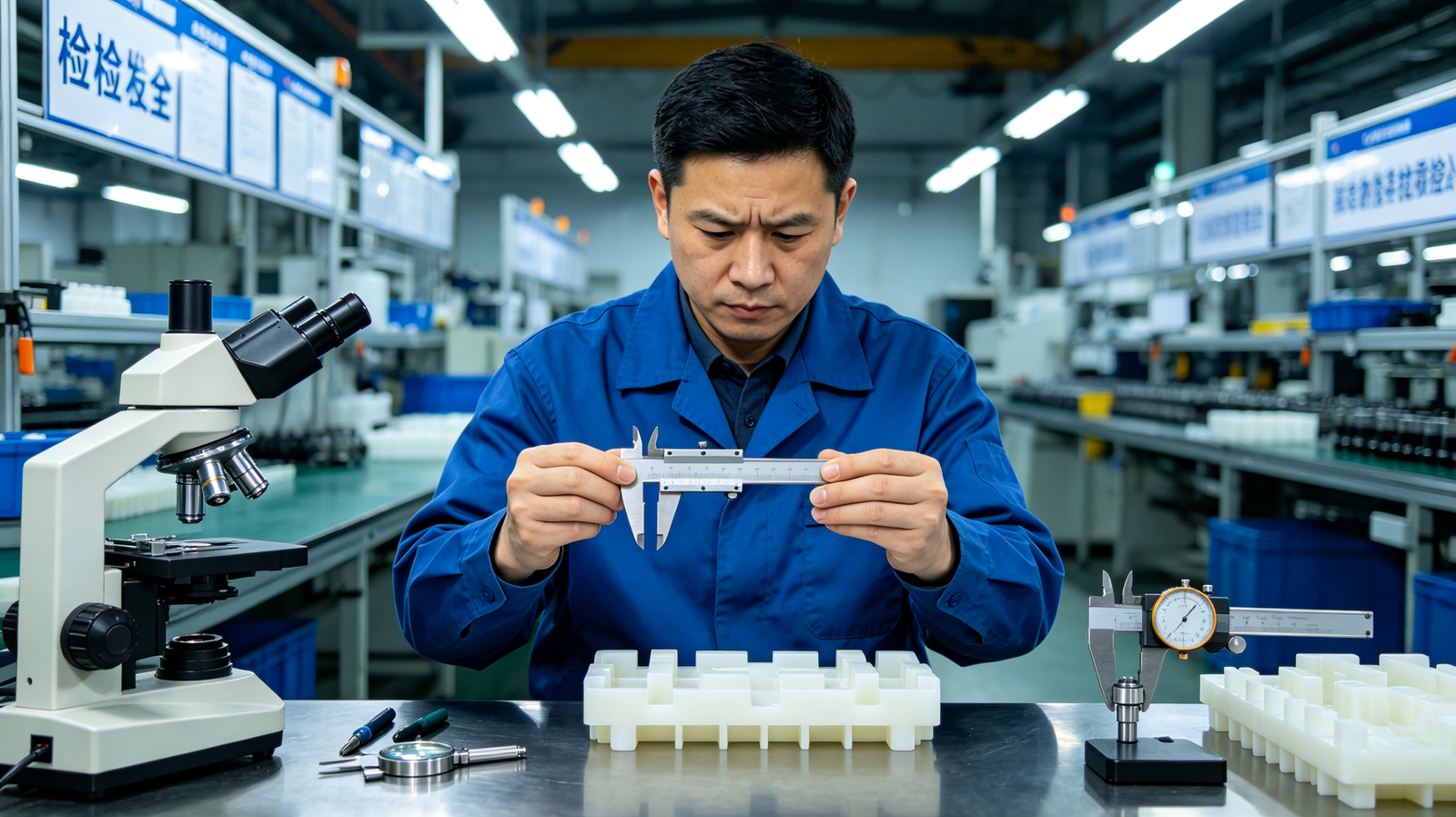
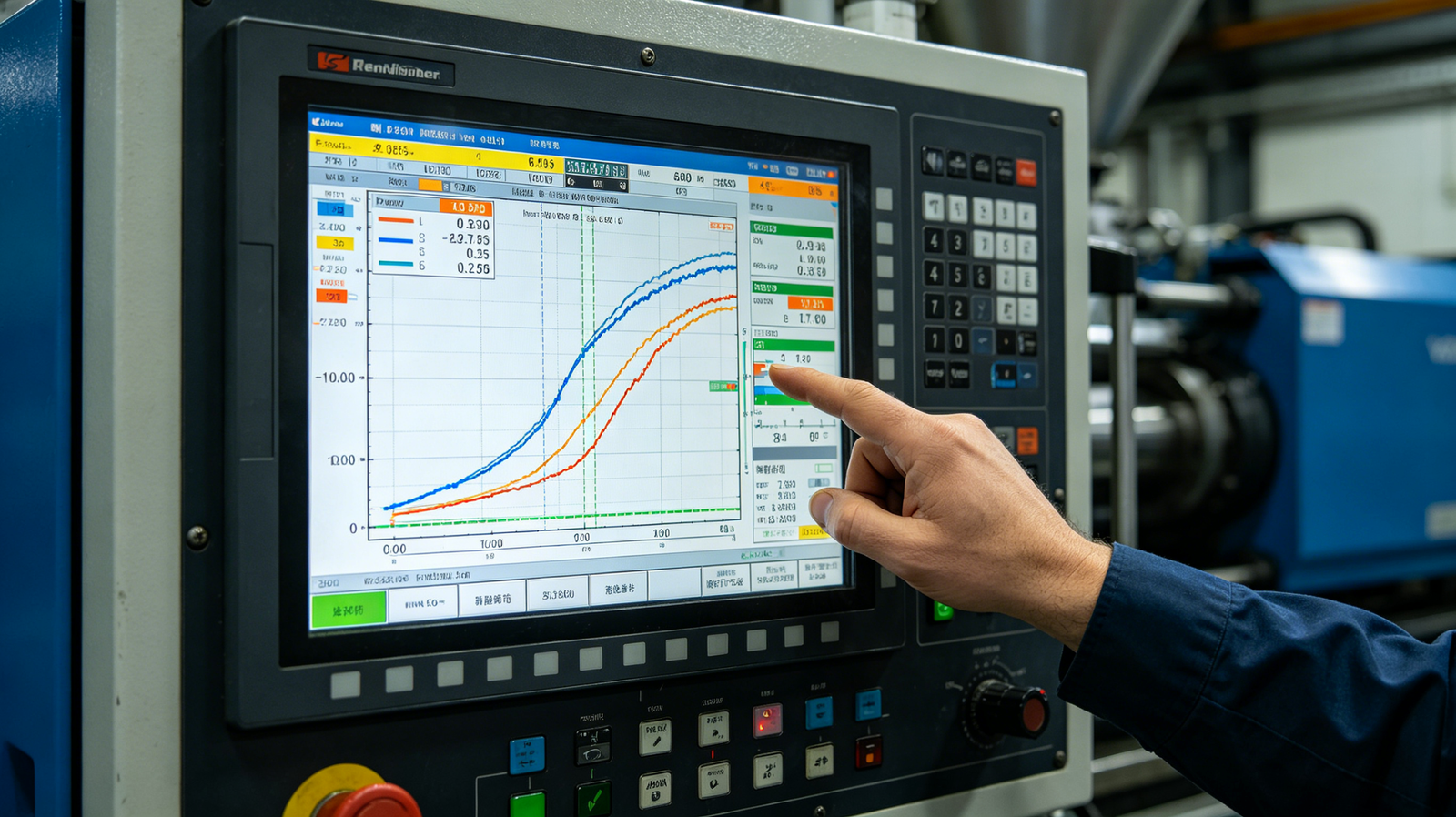
In practical manufacturing projects, material selection directly influences filling pressure, melt temperature, packing time, and mold temperature settings. Strong interactions exist between plastic materials and mold design, making process windows highly material-dependent. Accurate material input data significantly improves the correlation between simulation predictions and actual production results. Xiamen Ruicheng develops multiple processing scenarios during simulation to identify the most stable manufacturing conditions.
Filling Pressure: Changes in material viscosity directly impact pressure distribution.
Melt Temperature: Different temperature windows influence flow behavior and filling performance.
Packing Time: Material-specific packing strategies are required to minimize sink marks.
Cooling Time: Thermal conductivity characteristics determine the cooling cycle length.
📈 Proper parameter matching greatly increases first-shot success rates during mold trials.
How Can Mold Flow Analysis Reduce Mold Modification and Trial Risks?
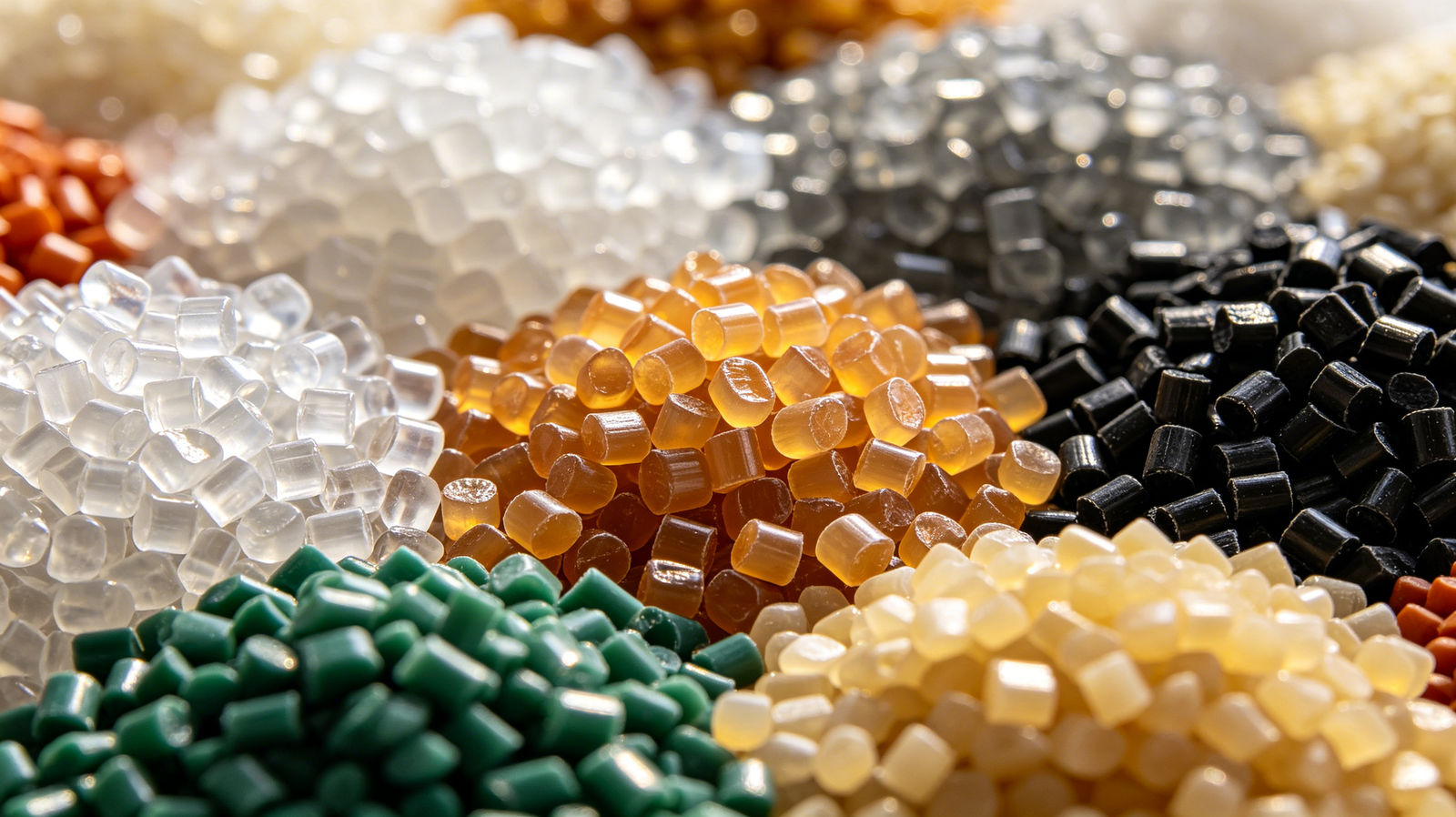
For custom injection molding projects, the greatest value of mold flow analysis lies in identifying potential issues before tooling production begins. Combining product development methodologies with finite element analysis and mold flow simulations helps engineers predict sink marks, air traps, and deformation risks. The earlier material-specific verification is completed, the easier it becomes to control development costs and shorten project timelines. Xiamen Ruicheng typically completes comprehensive mold flow reports before mold manufacturing starts, enabling customers to optimize designs in advance.
Gate Optimization: Determines the most effective gate locations before tooling.
Runner Balancing: Prevents uneven filling in multi-cavity molds.
Warpage Prediction: Evaluates deformation risks before production.
Process Validation: Establishes reliable production parameters for mass manufacturing.
🛠️ The more comprehensive the mold flow analysis, the lower the overall development risk.
Key Mold Flow Analysis Priorities for Different Injection Materials
| Analysis Item | ABS | PC | PP | PA |
|---|---|---|---|---|
| Flowability Focus | Medium | Low | High | Medium-High |
| Shrinkage Control | Medium | Low | High | High |
| Warpage Risk | Medium | Medium | High | High |
| Mold Temperature Requirement | Medium | High | Medium | High |
| Cooling Analysis | Standard | Critical | Critical | Critical |
| Fiber Orientation | No | No | No | Critical |
| Packing Optimization | Critical | Critical | Critical | Critical |
| Trial Difficulty | Medium | High | Standard | High |
Want to know which material and mold flow strategy best fit your product? Contact the Xiamen Ruicheng engineering team for a customized evaluation report: contact us
How Does Xiamen Ruicheng Deliver Accurate Mold Flow Analysis?
Xiamen Ruicheng provides more than custom injection molding services. We use mold flow analysis as a decision-support tool throughout the product development process. Our engineering team develops dedicated simulation models based on product geometry, application environments, material requirements, and production goals. A complete data-driven workflow from material selection and mold design to mold trials significantly improves project success rates. For complex geometries, precision components, and functional plastic products, we provide advanced flow analysis, deformation prediction, and process optimization services.
1.Material Selection: Recommend the most suitable resin based on performance requirements.
2.Risk Prediction: Identify sink marks, air traps, and warpage risks early.
3.Mold Optimization: Improve gate, runner, and cooling system designs.
4.Production Validation: Establish stable manufacturing process windows.
Frequently Asked Questions About Custom Injection Molding Material Processing
What Are the Core Advantages and Quality Standards of Your Custom Injection Molding Services?
Xiamen Ruicheng operates a comprehensive mold flow analysis system, mold manufacturing capability, and production validation process. Every project undergoes simulation verification, dimensional inspection, visual inspection, and functional testing to ensure consistent quality and reduced development risks.
What Information Is Required to Receive a Fast Quotation?
Customers can provide 3D files, 2D drawings, samples, material specifications, annual demand forecasts, and application details. Our engineering team will conduct a manufacturability review and provide process recommendations along with a detailed quotation.
What Are the Minimum Order Quantities and Lead Times for Different Project Sizes?
Prototype projects support low-volume production runs, while mass-production orders are scheduled according to customer requirements. Delivery timelines depend on tooling complexity, product design, and production volume, with dedicated capacity planning available for large-scale orders.
How Do You Handle Quality Issues or Delivery Delays?
Xiamen Ruicheng maintains a complete traceability system. Once an issue is reported, our engineering team investigates immediately and provides corrective actions such as rework, replacement, process optimization, or production recovery plans to ensure customer satisfaction.
Can You Provide Customized Mold Flow Analysis and Engineering Support?
Yes. We support customized solutions for complex structures, transparent components, engineering plastics, and high-precision products. Customers simply need to provide project specifications, and our team will develop a tailored simulation and manufacturing strategy.
Conclusion
Different injection molding materials exhibit unique flow behaviors, shrinkage characteristics, crystallization patterns, and thermal properties, making material-specific mold flow analysis essential. Companies seeking to reduce development risks, shorten trial cycles, and improve production stability should prioritize professional simulation validation. Accurate mold flow analysis not only optimizes mold design but also significantly lowers overall project costs. Partnering with Xiamen Ruicheng provides reliable engineering expertise and data-driven support throughout the product development journey.
For expert assistance in implementing solutions for your production needs, visit our resource center or contact us. Let’s help you scale up your manufacturing with precision and efficiency!