Introduction

In automotive components, industrial equipment, consumer electronics, and smart device applications, injection molded parts must not only meet appearance and dimensional requirements but also withstand long-term mechanical stress caused by vibration, impact, and cyclic loads. Many parts perform normally during the prototype stage but develop cracks, fractures, or fatigue failures after entering real operating environments.Crack issues under vibration conditions are usually not caused by a single factor, but by the combined effects of material, structure, mold design, and manufacturing control.
For product development teams, selecting the right injection molding solution is more important than simply reducing part cost. Xiamen Ruicheng, as a professional OEM/ODM manufacturer, helps customers reduce reliability risks in mass production through DFM analysis, precision injection molding process control, and quality validation systems.Stable injection molded parts require risk control starting from the design stage, rather than solving problems after failure occurs.
Why Do Injection Molded Parts Develop Cracks Under Vibration?
Cracks in injection molded parts under continuous vibration environments are usually related to material fatigue performance, residual stress, structural design defects, and manufacturing process variations. When parts experience repeated external forces, internal micro-defects may gradually expand and eventually develop into visible cracks. Through proper material selection and injection molding process control, failure probability can be significantly reduced. Vibration cracks are usually the result of long-term accumulated damage rather than a single impact event.
Material Fatigue:Selecting engineering plastics with good toughness can improve the ability of parts to withstand cyclic loads. Materials such as PA, PC, and POM need to be matched according to actual working conditions.
Residual Stress:Cooling rate, holding pressure, and flow direction during injection molding affect internal stress distribution. Excessive residual stress can significantly reduce part service life.
Structural Defects:Sharp corners, sudden wall thickness changes, and improper rib designs can create stress concentration areas where cracks are more likely to initiate and expand.
Process Variation:Changes in mold temperature, material temperature, and injection parameters can cause inconsistent part performance and affect mass production stability.
🔧 By controlling materials, structure, and manufacturing processes, injection molded parts can achieve higher reliability under long-term vibration environments.
How Can Structural Design Reduce Vibration Crack Risks?
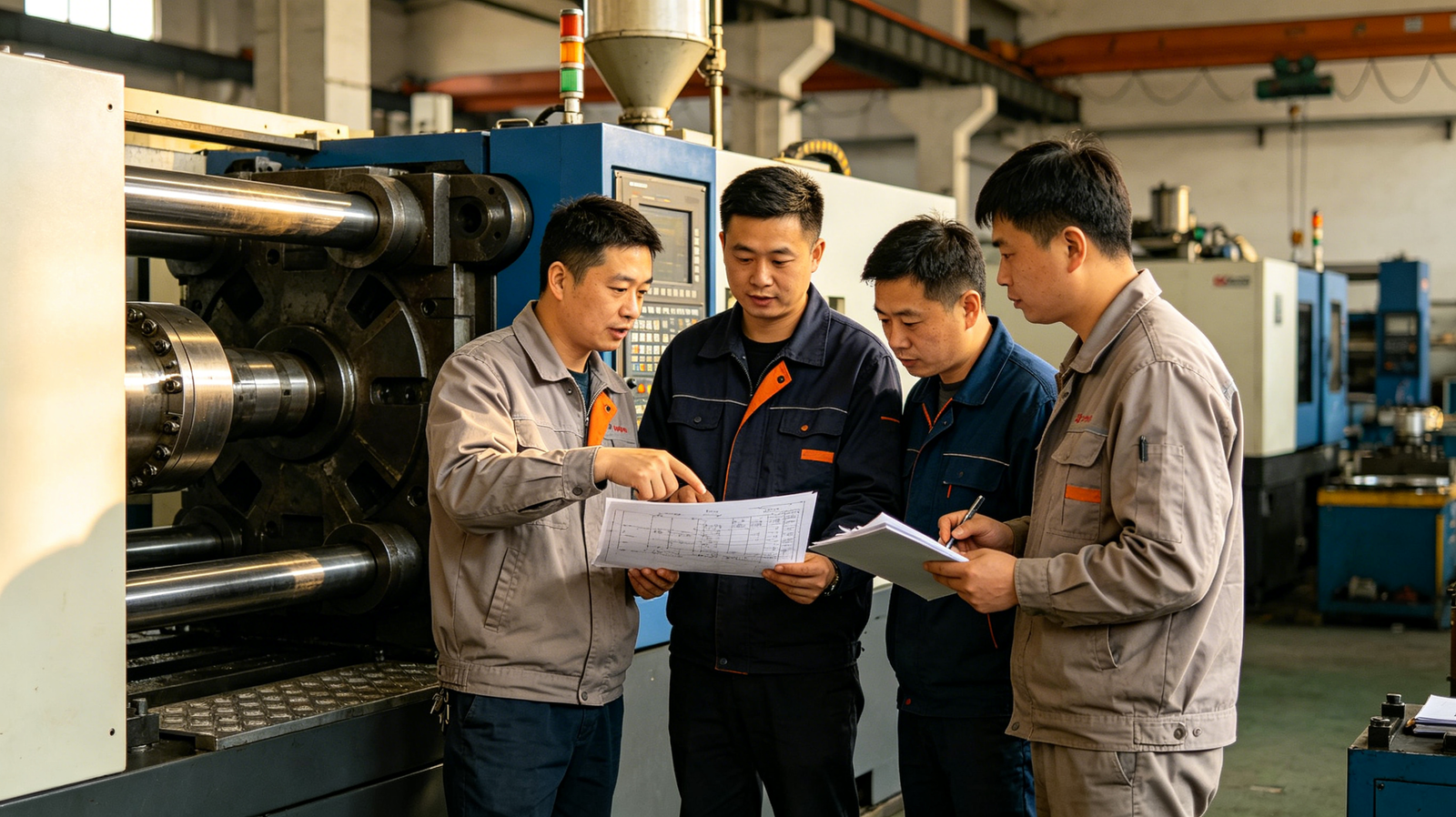
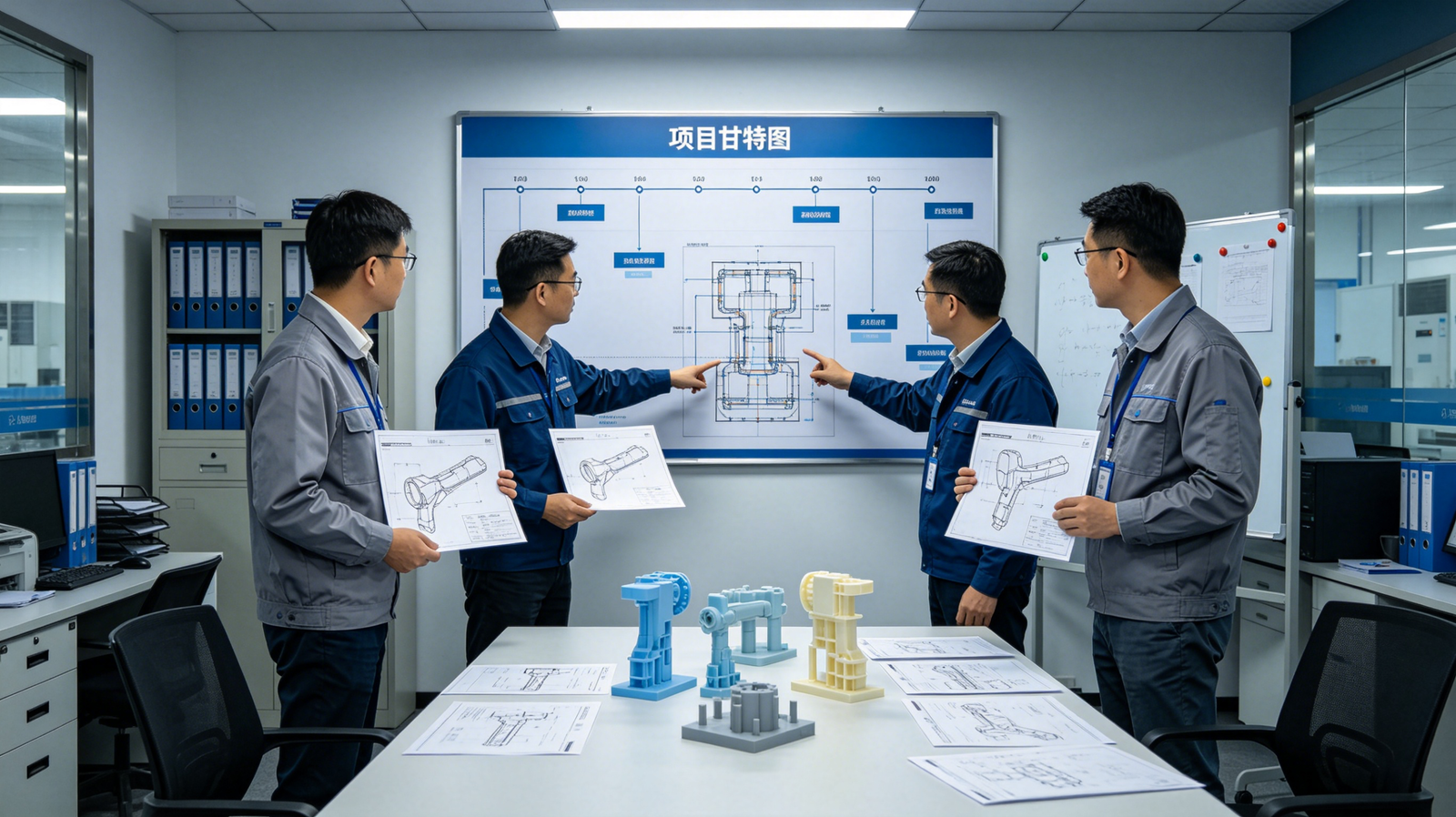
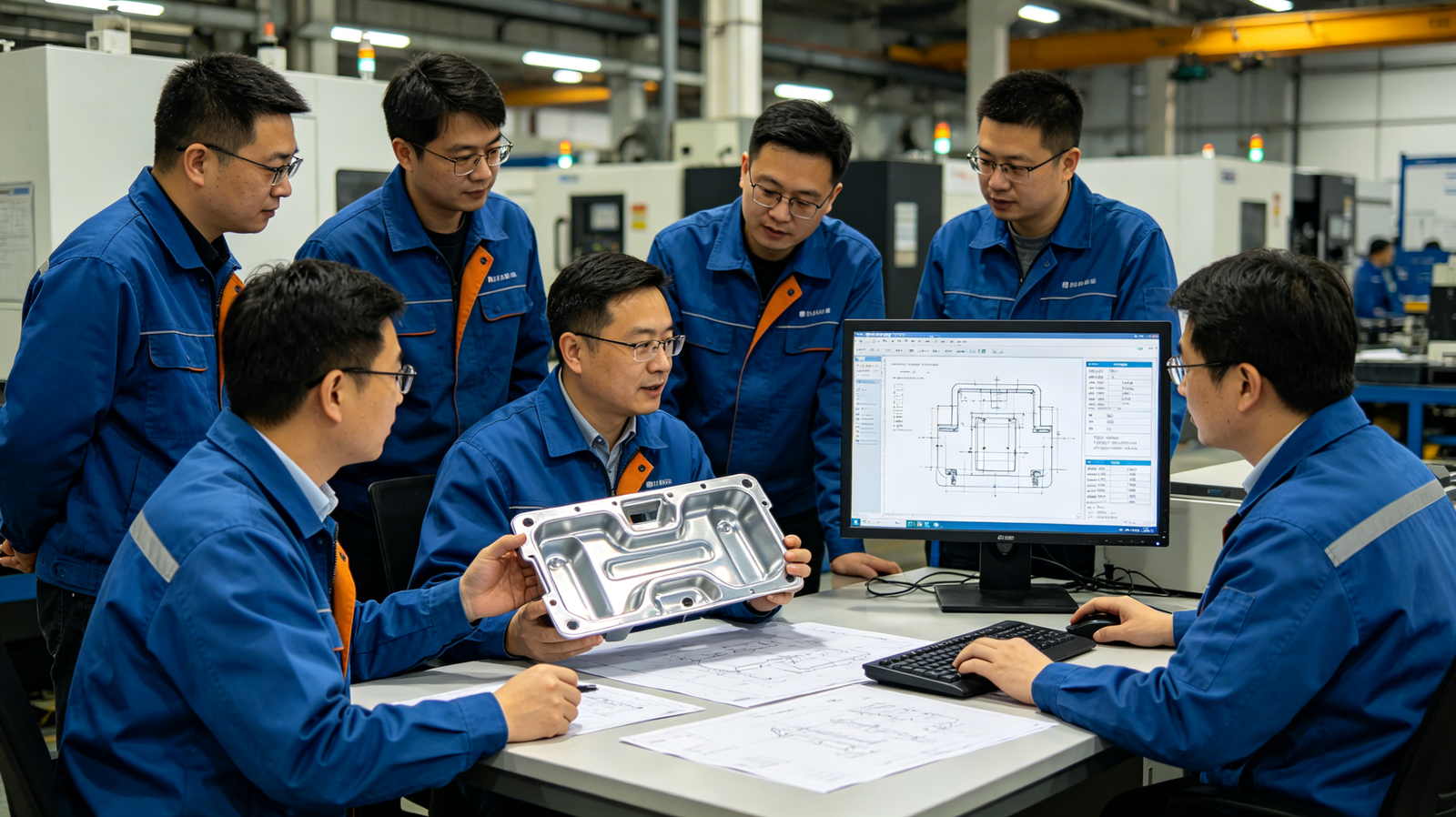
The structural design of injection molded parts directly affects stress distribution. Many vibration failures are not caused by insufficient material performance, but by product structures that fail to consider long-term dynamic loads. During project development, Xiamen Ruicheng uses DFM experience to optimize wall thickness, ribs, corners, and assembly areas. Excellent structural design can eliminate potential crack locations before production begins.
Add Radius Design: Rounded corners reduce stress concentration and improve fatigue life.
Optimize Rib Layout: Proper rib design increases stiffness while avoiding excessive local thickness that may cause sink marks and internal stress.
Control Wall Thickness Variation: Uniform wall thickness reduces cooling shrinkage differences and improves dimensional stability.
Improve Assembly Structure: Avoid excessive concentrated loads on screw bosses and snap-fit areas.
🔧 Structural optimization is not simply adding more material, but reducing fatigue risks while maintaining strength.
How to Select Injection Materials Suitable for Vibration Environments?
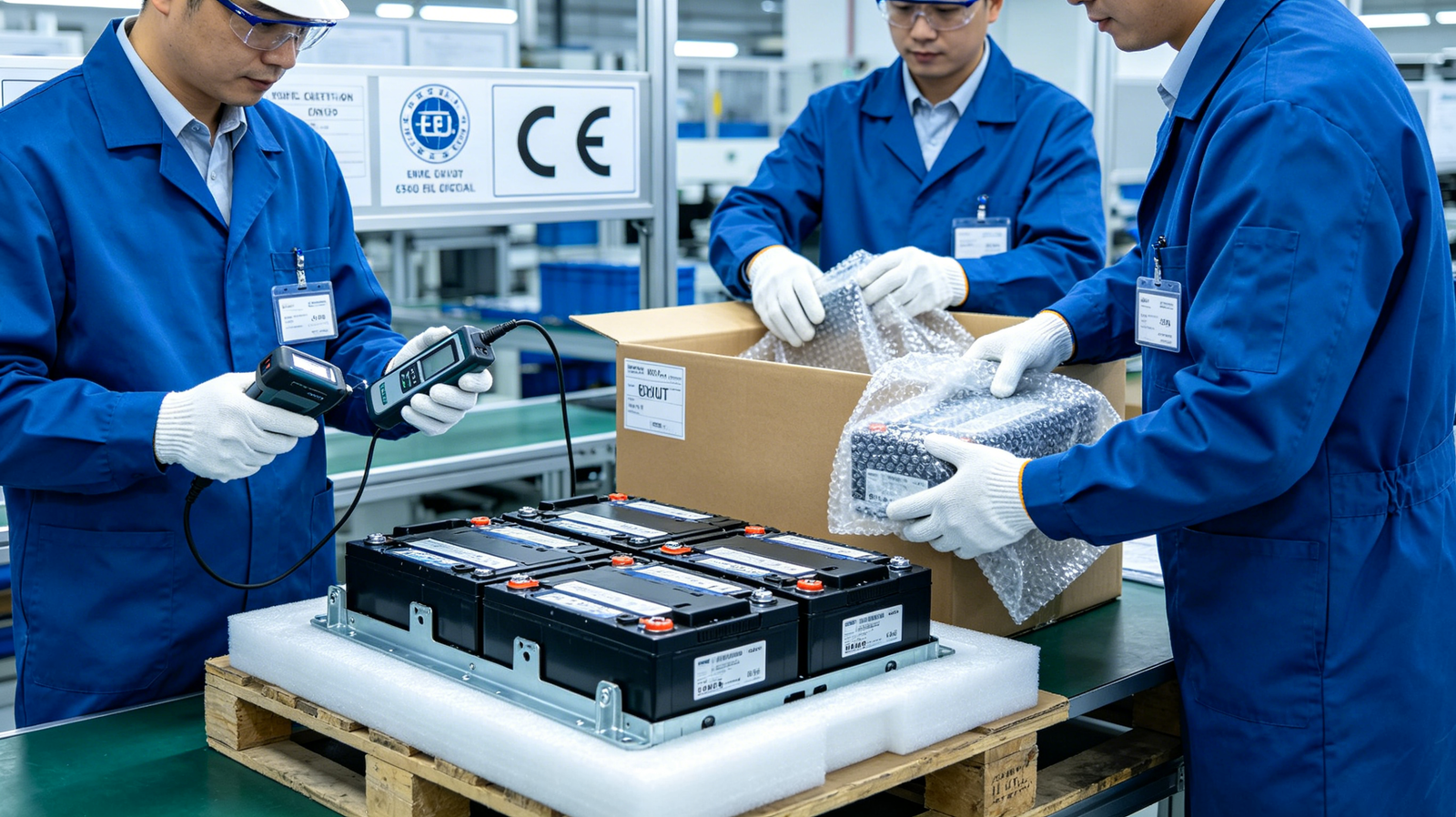
Different engineering plastics show significant differences in impact resistance, fatigue performance, and long-term vibration behavior. Product developers need to evaluate materials based on temperature, load, chemical exposure, and service life rather than focusing only on material price. Xiamen Ruicheng provides material analysis and manufacturing recommendations based on customer application scenarios. Correct material selection is the foundation for improving long-term reliability of injection molded parts.
Toughness Requirements:High-vibration applications usually require materials with high impact strength and fatigue resistance.
Environmental Adaptability:Automotive and industrial components must consider temperature changes, humidity, and chemical exposure.
Reinforced Materials:Glass fiber reinforced materials can improve stiffness, but fiber orientation and brittleness risks must be considered.
Testing Validation:After material selection, vibration testing and reliability validation should be performed under actual operating conditions.
🔧 The strongest material is not always the best choice; the material must match the real application environment.
How to Prevent Batch Cracks Through Production Control?
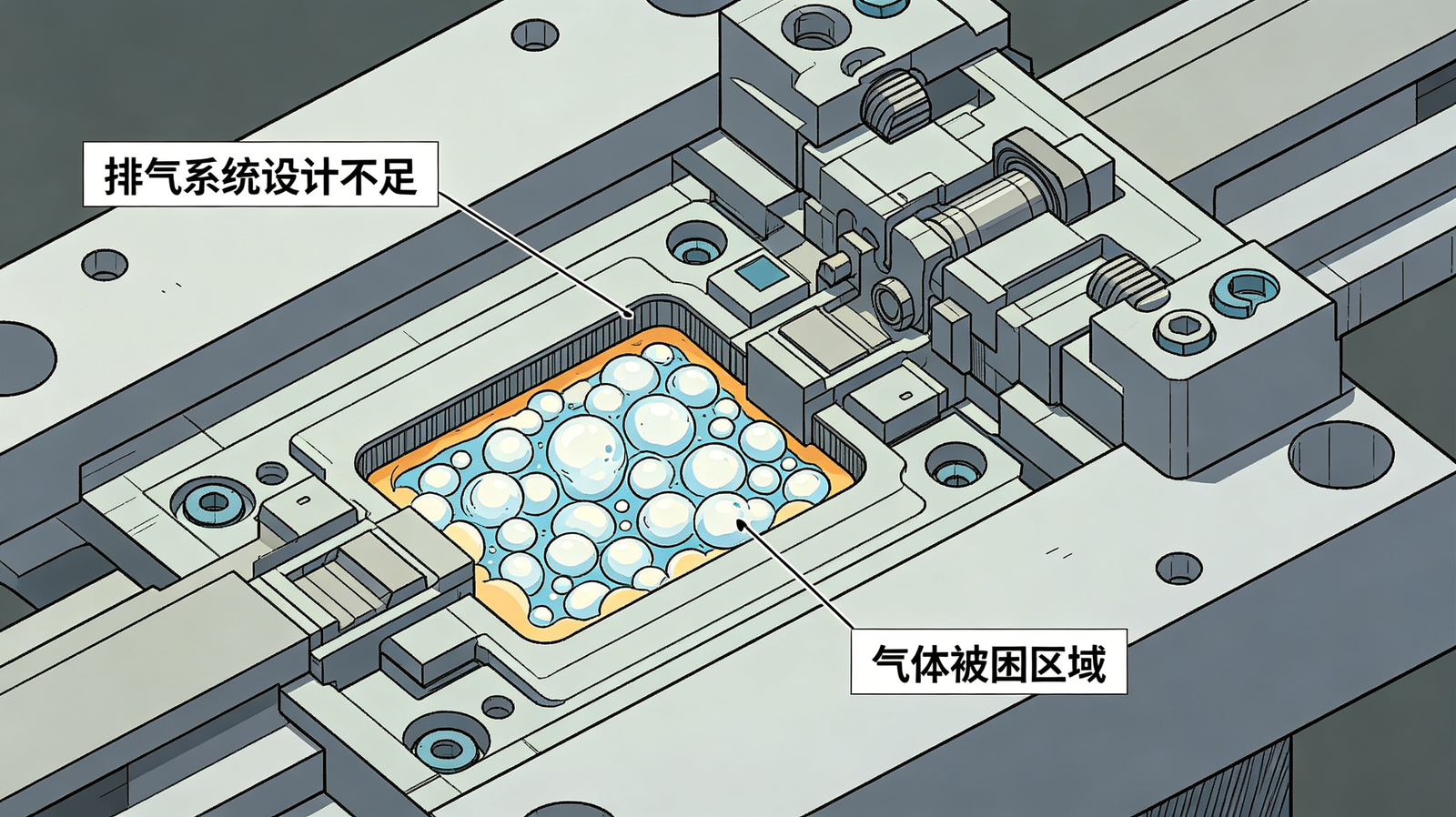
Even with correct design and material selection, process variations during production can still cause some parts to develop cracks. Stable mass production requires a complete quality control system, including mold management, process monitoring, and product inspection. Xiamen Ruicheng helps customers reduce batch variation through ISO quality systems and manufacturing process management. Mass production stability determines final product performance in the market.
Mold Condition Management: Regular mold maintenance prevents dimensional changes and molding defects.
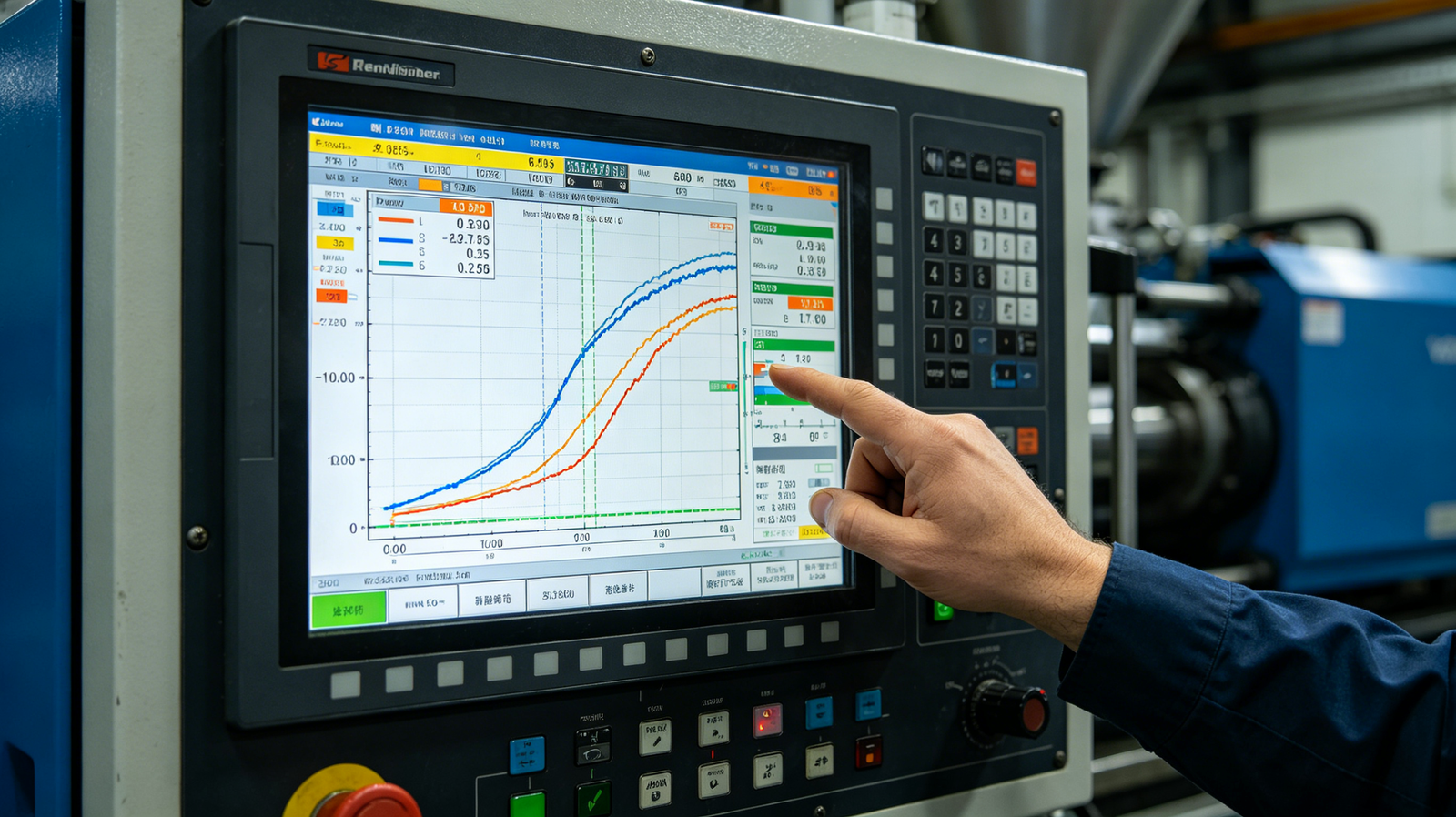
Parameter Monitoring: Control injection pressure, speed, and cooling time to improve production consistency.
Process Inspection: Monitor critical dimensional changes through methods such as SPC.
Reliability Testing: Simulate actual vibration environments to verify part service life.
🔧 Manufacturing process control is an essential guarantee for preventing batch failures.
Reliability Evaluation Comparison of Injection Molded Parts Under Vibration
| Evaluation Item | Low-Risk Solution | Optimized Solution | High-Risk Solution | Impact |
|---|---|---|---|---|
| Material Selection | General Plastics | Engineering Plastics | Mismatched Material | Fatigue Life |
| Structural Design | Simple Structure | Radius Optimization | Sharp Stress Concentration | Crack Risk |
| Molding Control | Experience-Based Parameters | Data Management | Parameter Variation | Batch Difference |
| Testing Validation | Appearance Inspection | Reliability Testing | No Validation | Usage Risk |
If your products are facing vibration cracks, batch failures, or supplier process capability evaluation challenges, Xiamen Ruicheng can provide professional manufacturing support. Please contact us to obtain an engineering evaluation solution.
How to Choose a Reliable Injection Molding Supplier to Reduce Vibration Failures?
When selecting an injection molding supplier, customers should not only focus on quotations but also evaluate whether the supplier has the ability to solve complex engineering problems. For parts used in vibration environments, suppliers need to participate in product design, material analysis, mold development, and mass production quality control. Xiamen Ruicheng has more than 200 manufacturing team members and over 10,000㎡ production facilities, providing global customers with one-stop manufacturing support from design to mass production. The value of an excellent supplier lies in helping customers reduce product development risks.
1.Engineering Support Capability: Suppliers should have DFM analysis capability to identify potential risks during development.
2.Manufacturing Stability Capability: Stable equipment, mature processes, and quality systems determine batch consistency.
3.Validation Capability: Reliability testing and data records help customers confirm product performance.
4.Long-Term Partnership Capability: Continuous improvement capability is more valuable than one-time order pricing.
FAQ
How Can Buyers Determine Whether Injection Molded Parts Are Suitable for Vibration Environments?
A comprehensive evaluation is required based on material performance, structural design, operating frequency, and actual load conditions, followed by reliability testing validation.
What Information Is Required for Custom Injection Molding Projects?
Typically, suppliers need 3D drawings, material requirements, operating environment, service life requirements, and expected order quantities for engineering analysis.
Why Do Small Batch and Mass Production Performance Differ?
Small batch production may not fully reveal mold condition, process variation, and material batch differences, so mass production validation is required.
How Do Suppliers Solve Crack Problems After They Occur?
Professional suppliers usually identify root causes through failure analysis, material inspection, structural optimization, and process adjustments.
Does Xiamen Ruicheng Support Complex Vibration Application Parts?
Xiamen Ruicheng supports complete manufacturing processes from product design, mold development, precision injection molding, to quality validation, helping customers reduce development risks.
Conclusion
Crack problems in injection molded parts under vibration environments are essentially the result of combined effects from design, materials, and manufacturing processes. Through early structural optimization, material matching, and production control, the long-term reliability of parts can be significantly improved.Choosing a manufacturing partner with engineering analysis capability and mass production management experience is an important step in reducing product lifecycle risks.Xiamen Ruicheng is committed to providing reliable OEM/ODM injection molding solutions for global customers, helping achieve higher quality and lower-risk mass production starting from the product development stage.
For expert assistance in implementing injection molding solutions for your production needs, visit our resource center or contact us. Let’s help you scale up your manufacturing with precision and efficiency!