Introduction
During the development of custom injection molded parts, structural strength does not completely depend on increasing material thickness, but on applying proper structural design methods. Rib design, as a common reinforcement structure in injection molded parts, can improve part stiffness and deformation resistance without significantly increasing weight. Excellent rib design helps products achieve a balance between lightweight design, high strength, and stable mass production.
For applications such as automotive parts, consumer electronics housings, and industrial equipment components, engineers usually need to consider strength, appearance, material cost, and production stability at the same time. Xiamen Ruicheng, as an OEM/ODM supplier providing custom injection molding and precision manufacturing services, has more than 200 manufacturing team members and a production facility exceeding 10,000㎡, supporting the complete process from DFM analysis to mass production delivery. Proper structural optimization not only affects individual part performance but also directly impacts the entire product development cycle and supply chain risk.
Why Does Rib Design Improve the Strength of Custom Injection Molded Parts?
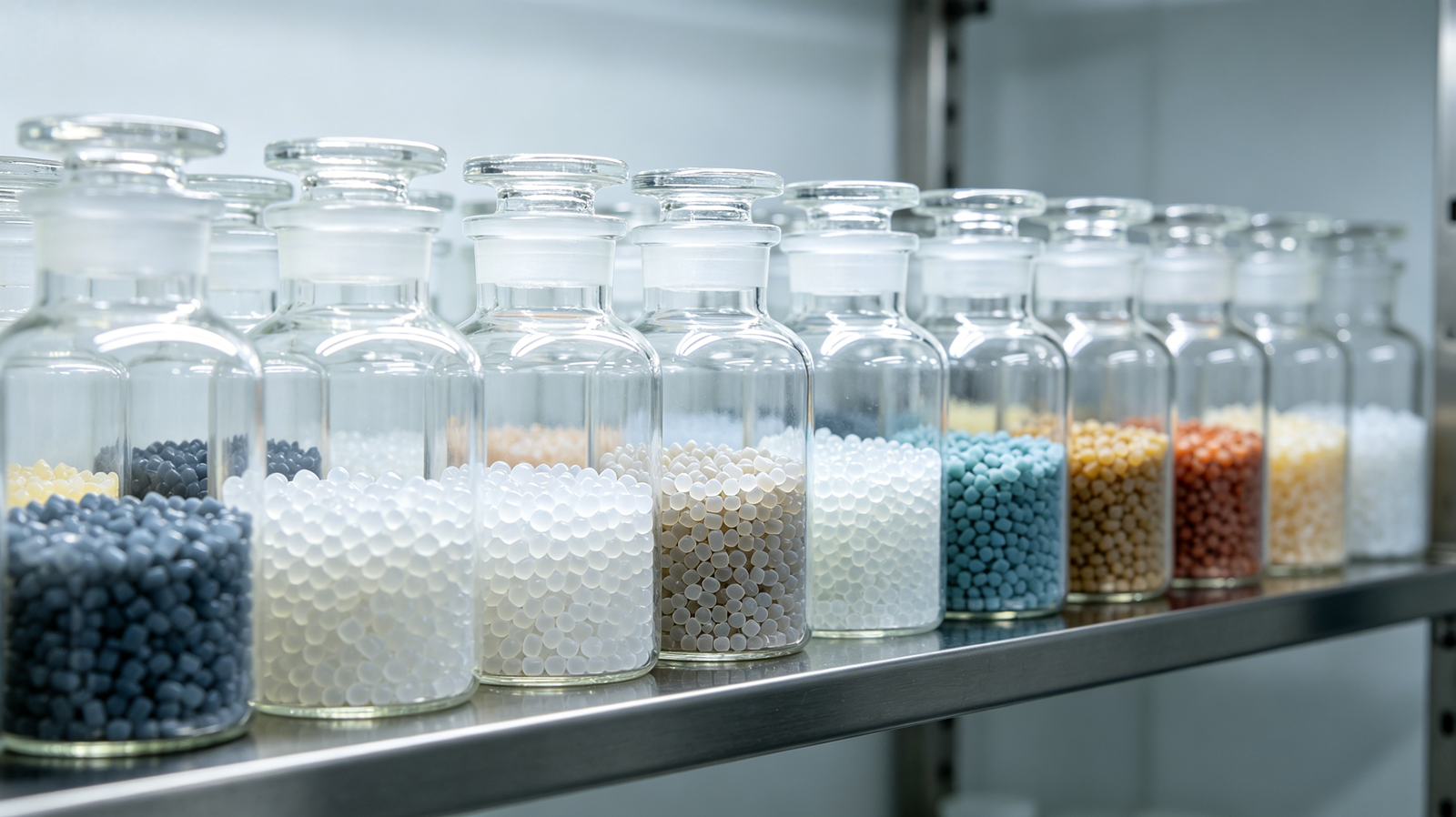
When injection molded parts are subjected to external forces, thin-wall areas are more likely to experience bending, warpage, or cracking issues. By adding ribs, engineers can change the internal load path of the part, distribute stress more evenly, and reduce unnecessary material usage. The core value of rib design is improving structural stiffness while controlling weight.
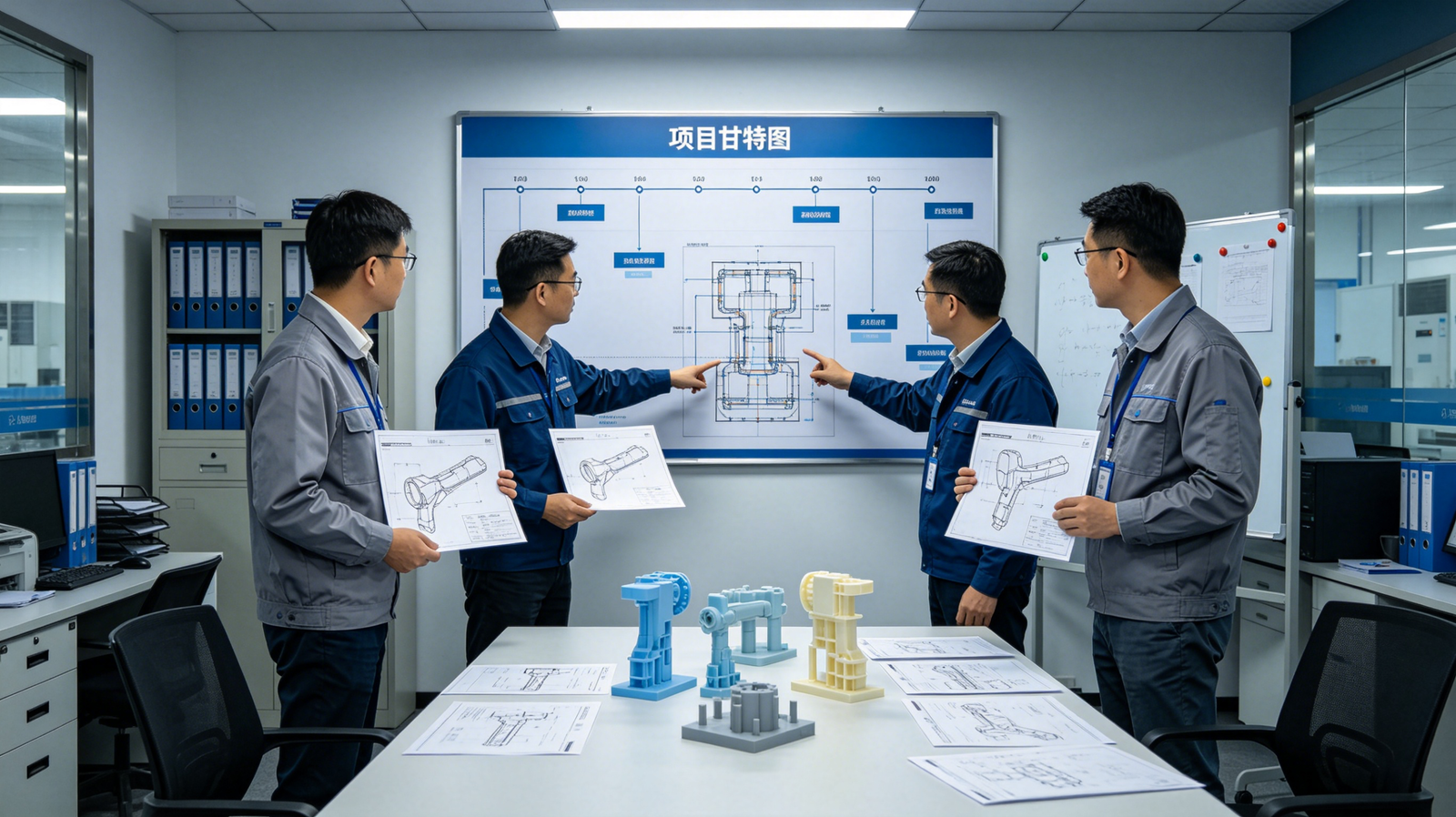
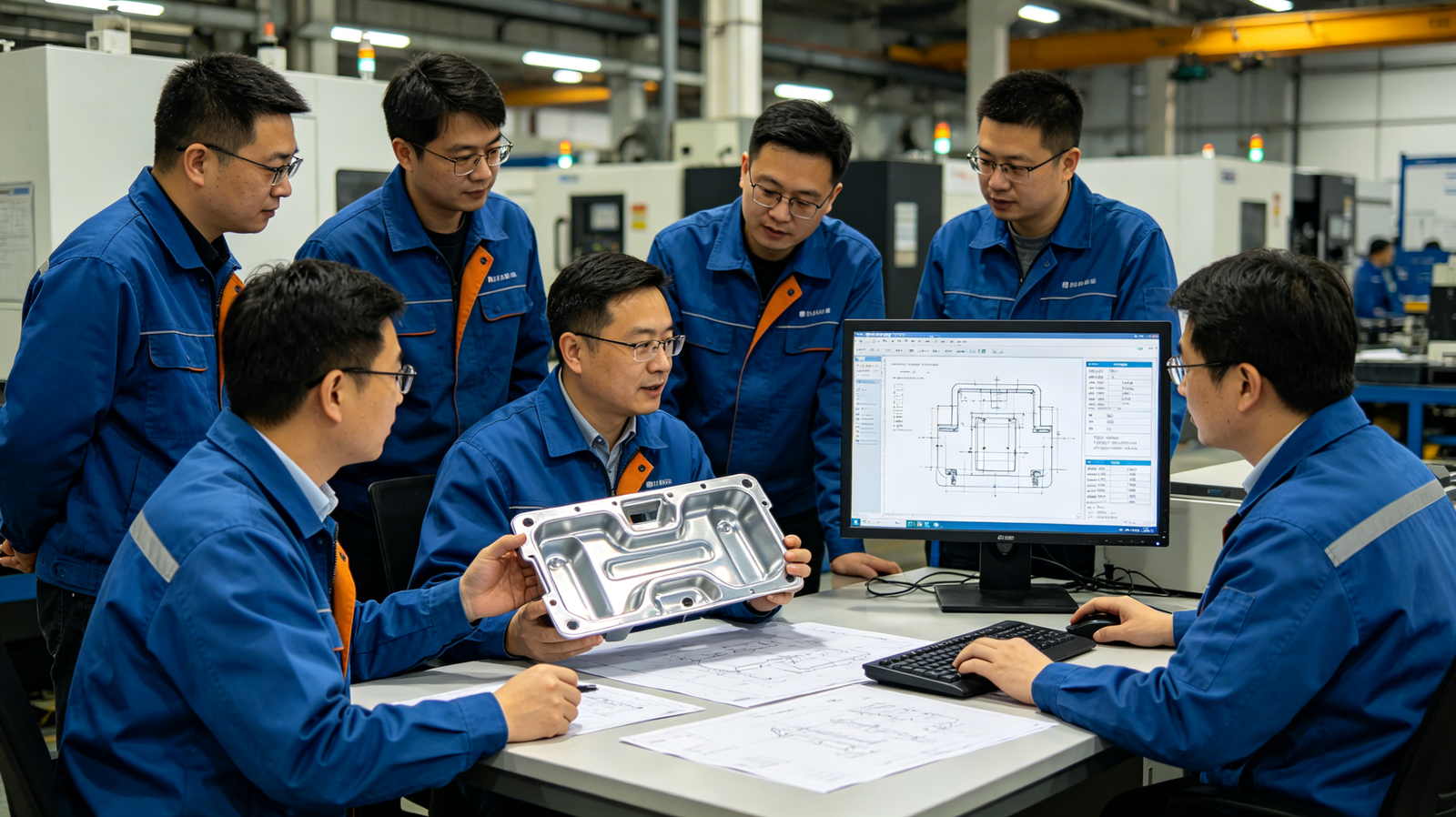
During actual development, engineering teams usually combine Injection Molding Design Guidelines and DFM analysis methods to evaluate rib location, thickness, and connection methods.
Improve Structural Stiffness:Ribs can increase the moment of inertia of the cross-section, allowing parts to maintain higher stability under bending loads.
Reduce Material Increase:Compared with increasing overall wall thickness, properly positioned ribs can reduce material consumption while maintaining similar or even higher mechanical performance.
Improve Product Reliability:Optimized ribs can reduce long-term fatigue deformation and improve product service life.
Support Complex Product Designs:For space-limited electronic housings or precision industrial parts, ribs provide additional structural optimization opportunities.
💡 Ribs are not simply added plastic thickness, but an engineering solution that improves performance through structural design.
How to Determine the Proper Rib Dimensions for Injection Molded Parts?
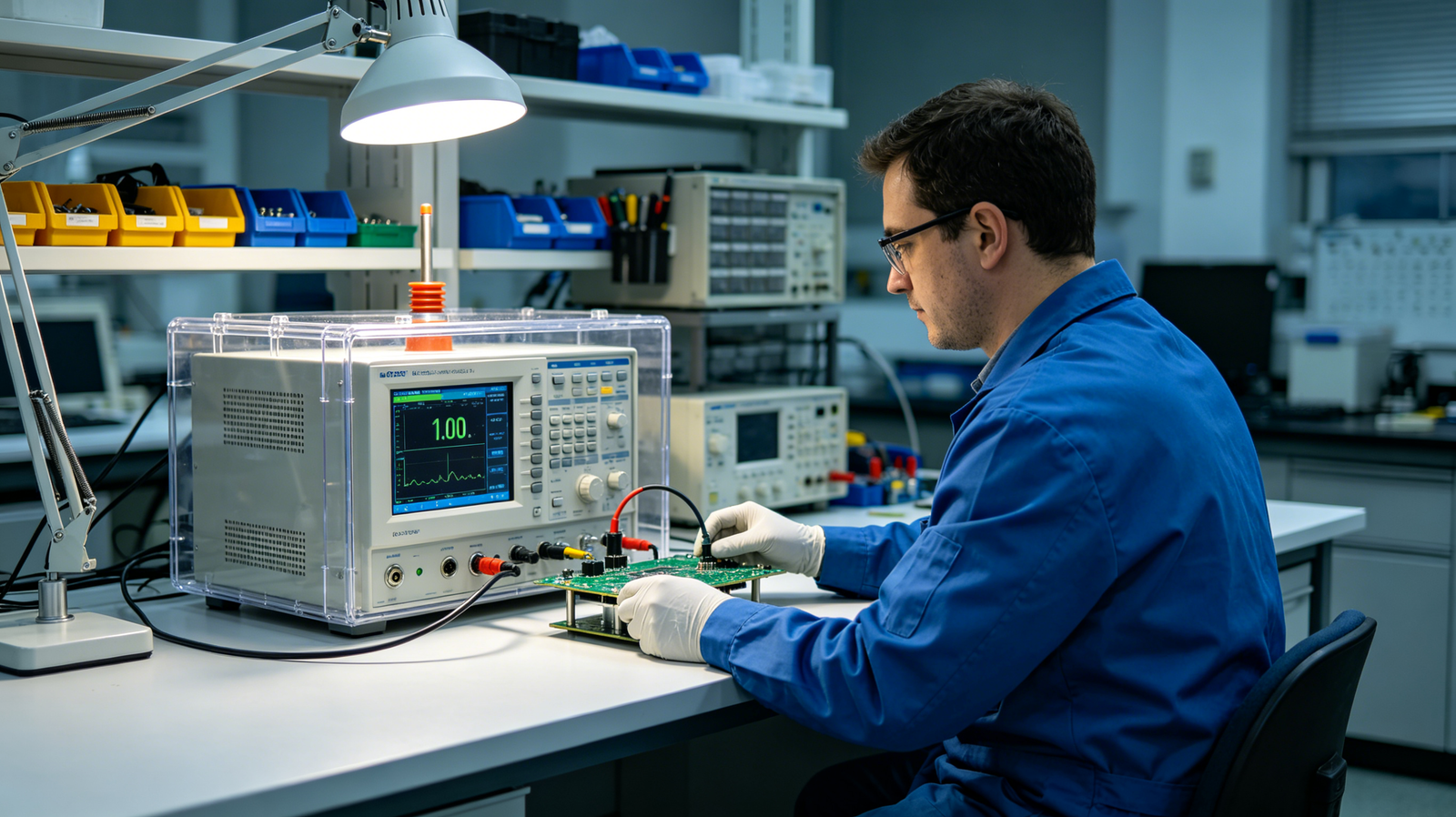
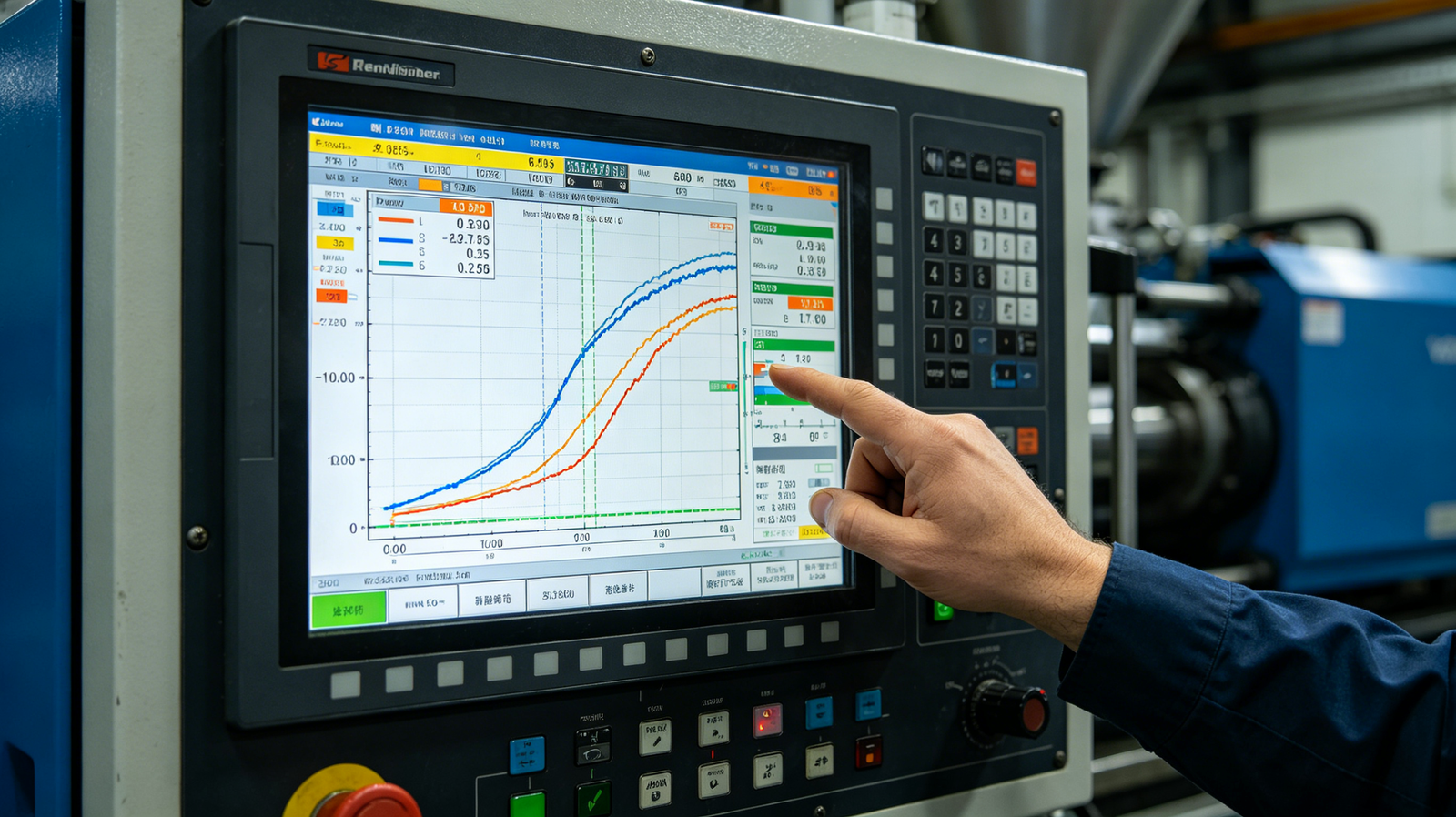
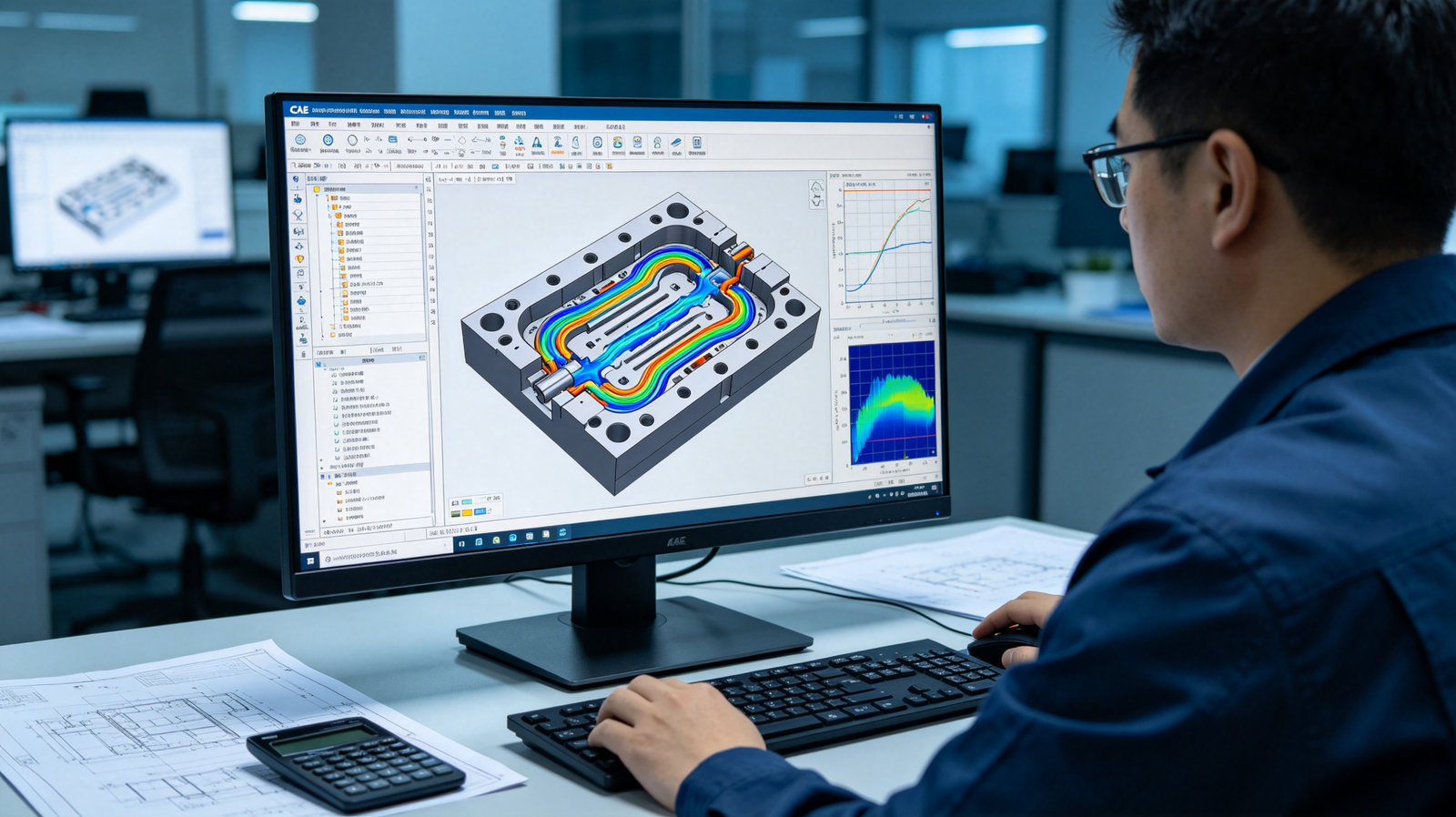
Rib design requires comprehensive consideration of material properties, part dimensions, mold structure, and final application conditions. If ribs are designed too thick, they may cause sink marks and surface defects; if they are too thin, they may not provide sufficient reinforcement. Proper rib proportions ensure both strength and injection molding quality.Engineering teams usually analyze material databases and Plastic Injection Molding Materials properties while using mold flow analysis tools to predict filling and cooling behavior.
Rib Thickness Control:Rib thickness should generally be smaller than the main wall thickness to reduce sink mark risks.
Height Design Optimization:Rib height should be adjusted according to load direction to avoid localized stress concentration.
Proper Spacing Layout:Multiple ribs require suitable spacing to ensure consistent melt flow and cooling.
Connection Area Optimization:The connection between ribs and the main body should avoid sharp corners to improve fatigue strength.
💡 Rib dimension optimization determines whether injection molded parts can successfully move from the sample stage into stable mass production.
Why Can Incorrect Rib Design Cause Injection Molded Part Failure?

Many injection molded parts perform normally during the initial sample stage but develop cracking, deformation, or assembly problems after long-term use. The root cause is often insufficient structural design. Incorrect rib layouts not only fail to improve strength but may also create new quality risks. Poor rib design can simultaneously affect product performance, appearance quality, and manufacturing cost.In custom injection molding projects, Xiamen Ruicheng combines DFM engineering evaluation, mold design experience, and mass production validation processes to help customers identify structural risks in advance.
Excessive Rib Thickness:Overly thick ribs can cause inconsistent cooling shrinkage and create surface sink marks.
Stress Concentration Issues:Sharp connection areas may become starting points for cracks.
Improper Layout Issues:Incorrect rib directions may fail to effectively resist actual working loads.
Manufacturing Risk Issues:Complex rib structures may increase mold machining difficulty and production lead time.
💡 An excellent supplier does not only manufacture parts but also participates in product structure optimization.
How Does Rib Design Affect Injection Molded Part Development Results?
| Design Factor | Impact Result | Engineering Focus | Optimization Direction |
|---|---|---|---|
| Rib Thickness | Affects sink mark risk | Appearance quality | Control proportion |
| Rib Height | Affects stiffness | Load capacity | Optimize dimensions |
| Rib Layout | Affects force distribution | Structural stability | Proper arrangement |
| Connection Method | Affects service life | Fatigue performance | Reduce stress |
If you are developing custom injection molded parts requiring high strength and stability, Xiamen Ruicheng can provide structural analysis, mold development, and mass production support to reduce development risks. contact us to receive an engineering evaluation solution.
How to Choose an Injection Molding Supplier with Structural Optimization Capability?
When selecting an injection molding supplier, companies should not focus only on quotation prices but also evaluate whether the supplier has the capability to participate in product development. A mature supplier needs to understand the relationship between materials, molds, structural design, and mass production control. A truly valuable injection molding partner can help customers reduce trial-and-error costs and improve product launch efficiency.
1.Focus on Engineering Support Capability:Whether the supplier can provide DFM recommendations instead of only quoting based on drawings.
2.Evaluate Manufacturing Experience:Complex rib structures require extensive mold design and injection molding experience.
3.Confirm Quality Management System:Stable mass production requires complete inspection processes and process control.
4.Evaluate Project Collaboration Capability:Excellent suppliers can participate in product optimization rather than only handling manufacturing.
FAQ: Common Questions About Rib Design
Q1: What standards should rib design meet for custom injection molded parts?
Answer: Rib design should be determined based on part dimensions, material properties, and application environment. There is no single fixed standard. Xiamen Ruicheng typically evaluates material characteristics, structural requirements, and production conditions together while using engineering analysis to reduce design risks.
Q2: What information is required when requesting an injection molding quotation?
Answer: Customers usually need to provide 3D CAD files, product application environment, material requirements, expected order quantity, and quality standards. Complete information allows suppliers to quickly perform structural analysis and cost evaluation.
Q3: How are delivery schedules arranged for injection molding projects with different order quantities?
Answer: Prototype validation and mass production usually require different schedules. Plans need to be developed based on mold conditions, production capacity, and quality requirements. Xiamen Ruicheng supports complete manufacturing processes from prototype development to mass production.
Q4: How should quality issues caused by ribs be handled after mass production?
Answer: A professional supplier should solve problems through dimensional inspection, root cause analysis, and process adjustment rather than simply replacing parts. A complete issue feedback system can reduce supply chain risks.
Q5: Can rib structures be optimized according to product requirements?
Answer: Yes. Through DFM analysis, suppliers can adjust rib designs based on strength requirements, material selection, and manufacturing limitations to achieve a balance between performance and cost.
Conclusion
Rib design is one of the key factors affecting performance and manufacturing stability during custom injection molded part development. A properly designed rib structure helps products achieve lightweight design, high strength, and stable production goals. Choosing an injection molding supplier with engineering optimization capabilities allows structural design value to be transformed into real product competitiveness.Through injection molding manufacturing, engineering support, and quality management systems, Xiamen Ruicheng provides global customers with one-stop manufacturing services from design optimization to mass production.
For expert assistance in implementing rib design optimization for your production needs, visit our resource center or contact us. Let’s help you scale up your manufacturing with precision and efficiency!