A Practical Guide to EU-Compliant Automotive Battery Component Mold Development
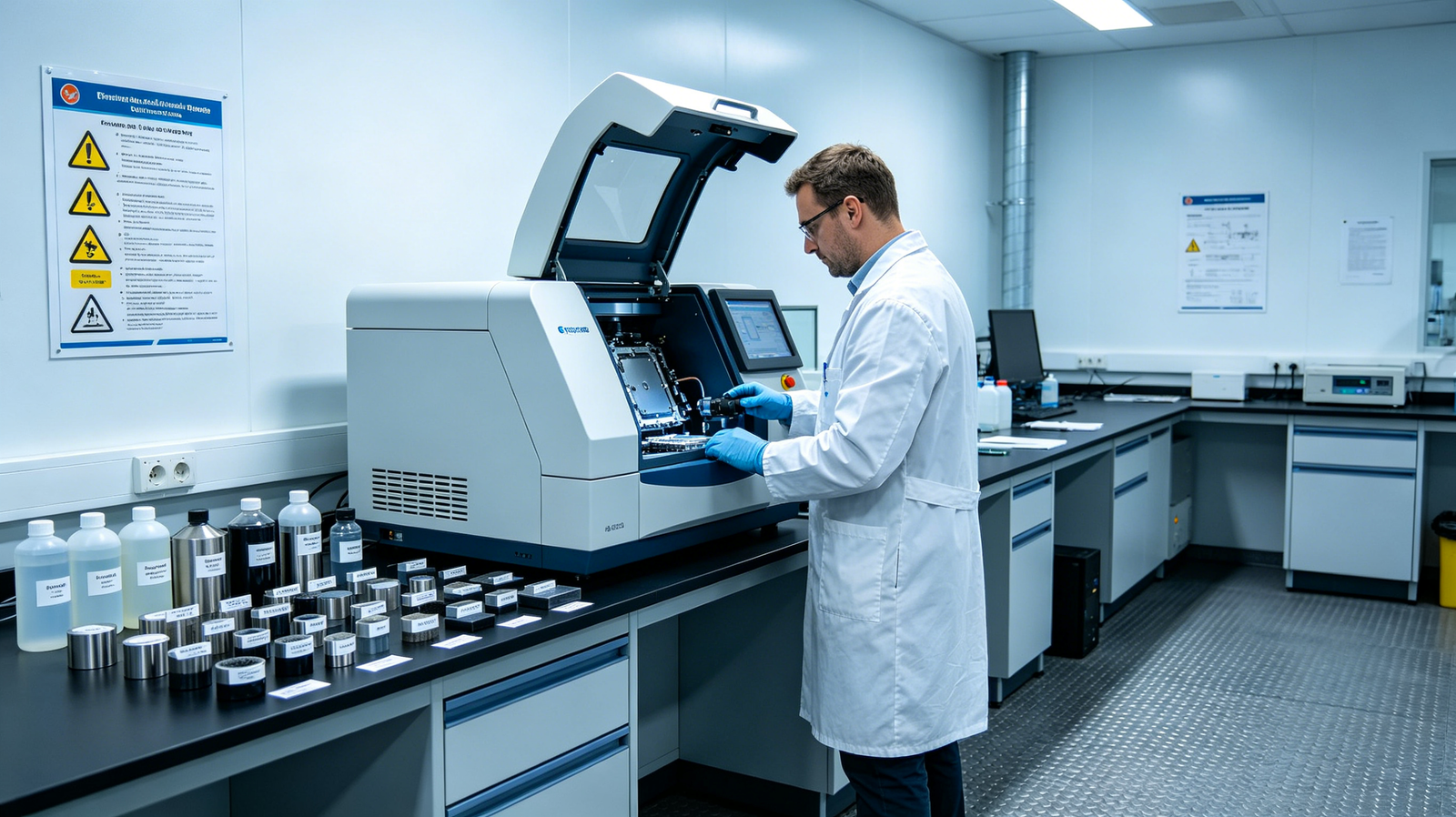
As the European electric vehicle market continues to expand, more manufacturers are seeking reliable suppliers for automotive battery components. For products such as battery housings, connector covers, insulation brackets, and protective enclosures, mold development is no longer limited to dimensional accuracy and functionality. Regulatory compliance has become a critical part of the development process.
At Xiamen Ruicheng, we have seen a growing number of European customers prioritize compliance capabilities when selecting manufacturing partners. From material selection and product design to mold engineering and mass production, every stage must align with the latest EU requirements to avoid certification failures, shipment delays, or market access restrictions.The implementation of the EU Battery Regulation has introduced stricter standards for sustainability, traceability, and product safety. Integrating compliance requirements during the mold development stage has become essential for successful entry into the European automotive supply chain.
Which Regulations Must Automotive Battery Components Comply With Before Mold Development?
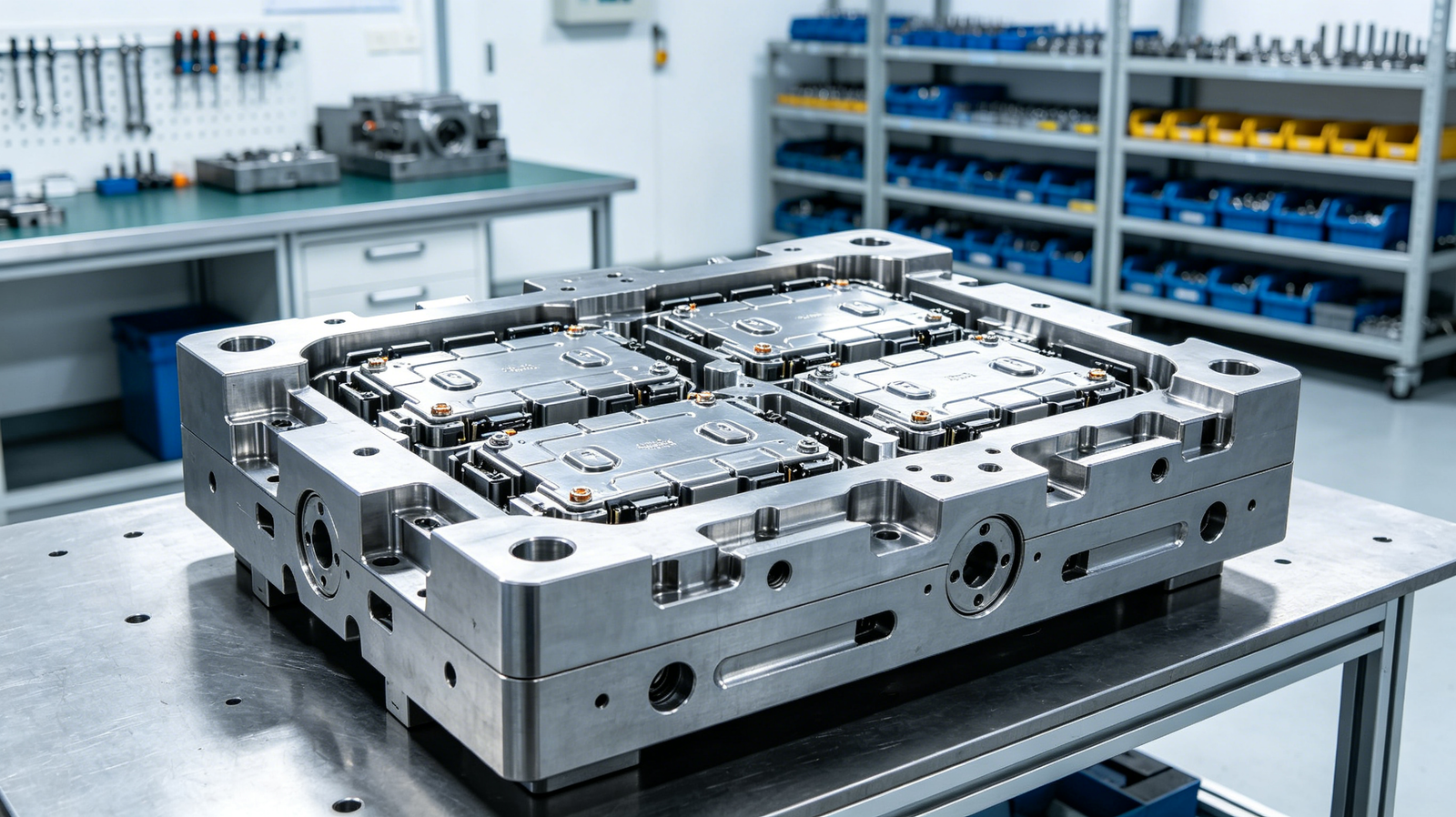
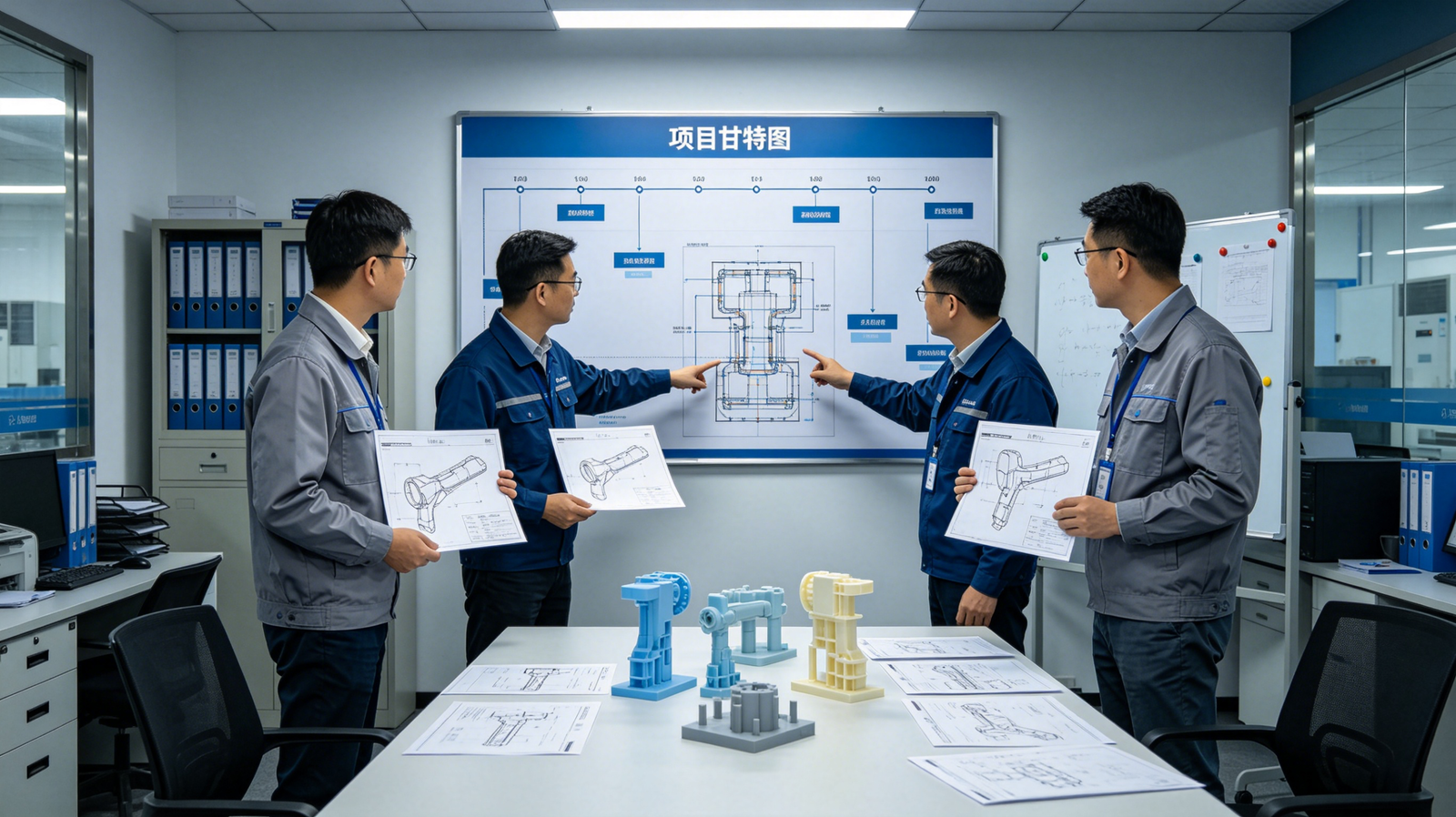
Before mold development begins, automotive battery components intended for the EU market must be evaluated against applicable regulations, including the EU Battery Regulation, REACH Regulation, RoHS requirements, and relevant automotive industry standards. At Xiamen Ruicheng, we conduct material compliance assessments, structural feasibility reviews, and supply chain evaluations at the project kickoff stage to minimize future certification risks. Early integration of regulatory requirements significantly reduces redesign costs and improves project success rates. Compliance has become a key competitive advantage for automotive battery component suppliers.
Regulatory Identification: Determine the applicable regulations according to the product’s intended application.
Material Verification: Review raw material compliance documents and supplier qualifications in advance.
Design Assessment: Incorporate regulatory requirements into product and mold design from the beginning.
Documentation Preparation: Establish complete technical files to support future certification and audits.
🔋 Early compliance planning helps reduce uncertainty throughout the product development process.
How Does the New EU Battery Regulation Affect Automotive Battery Component Development?
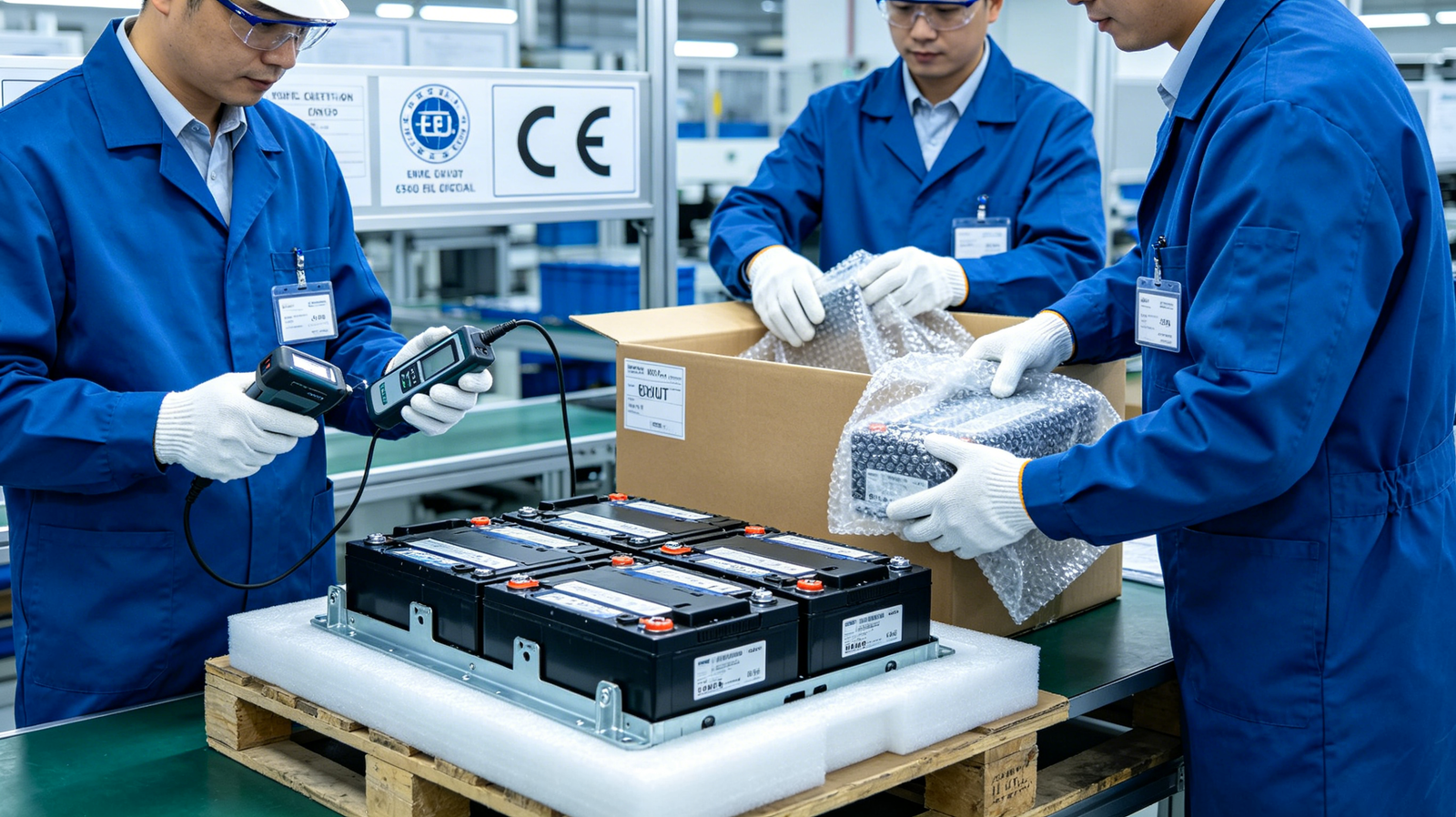
The new EU Battery Regulation influences not only manufacturing activities but also product development strategies. Requirements now extend to material sourcing, carbon footprint management, sustainability reporting, and supply chain transparency. Regulations such as the Battery Regulation and various carbon footprint initiatives are increasingly included in customer audits and supplier qualification procedures. Xiamen Ruicheng helps customers establish traceable material management systems at the early stages of project development. Suppliers capable of providing complete compliance documentation often gain a stronger position in long-term partnerships.
Traceability Requirements: Material origins and manufacturing records must be clearly documented.
Environmental Targets: Product development must balance sustainability objectives with performance requirements.
Supply Chain Audits: Customers expect greater visibility into supplier management systems.
Market Access: Compliance readiness directly impacts the speed of entering the European market.
🌍 The new regulations are driving the automotive battery industry toward greater transparency and sustainability.
How Can You Select a Mold Development Supplier That Meets EU Compliance Requirements?
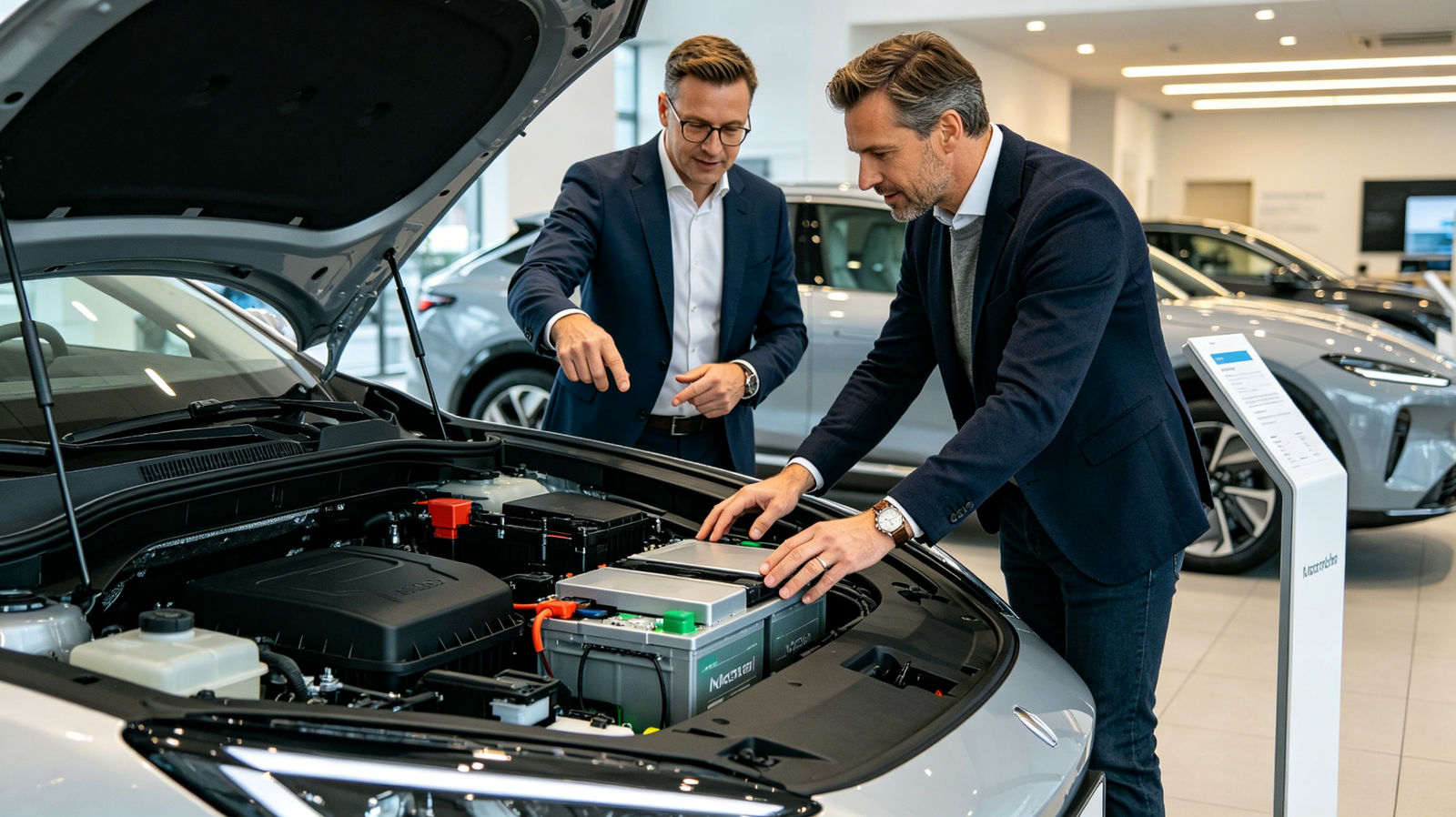
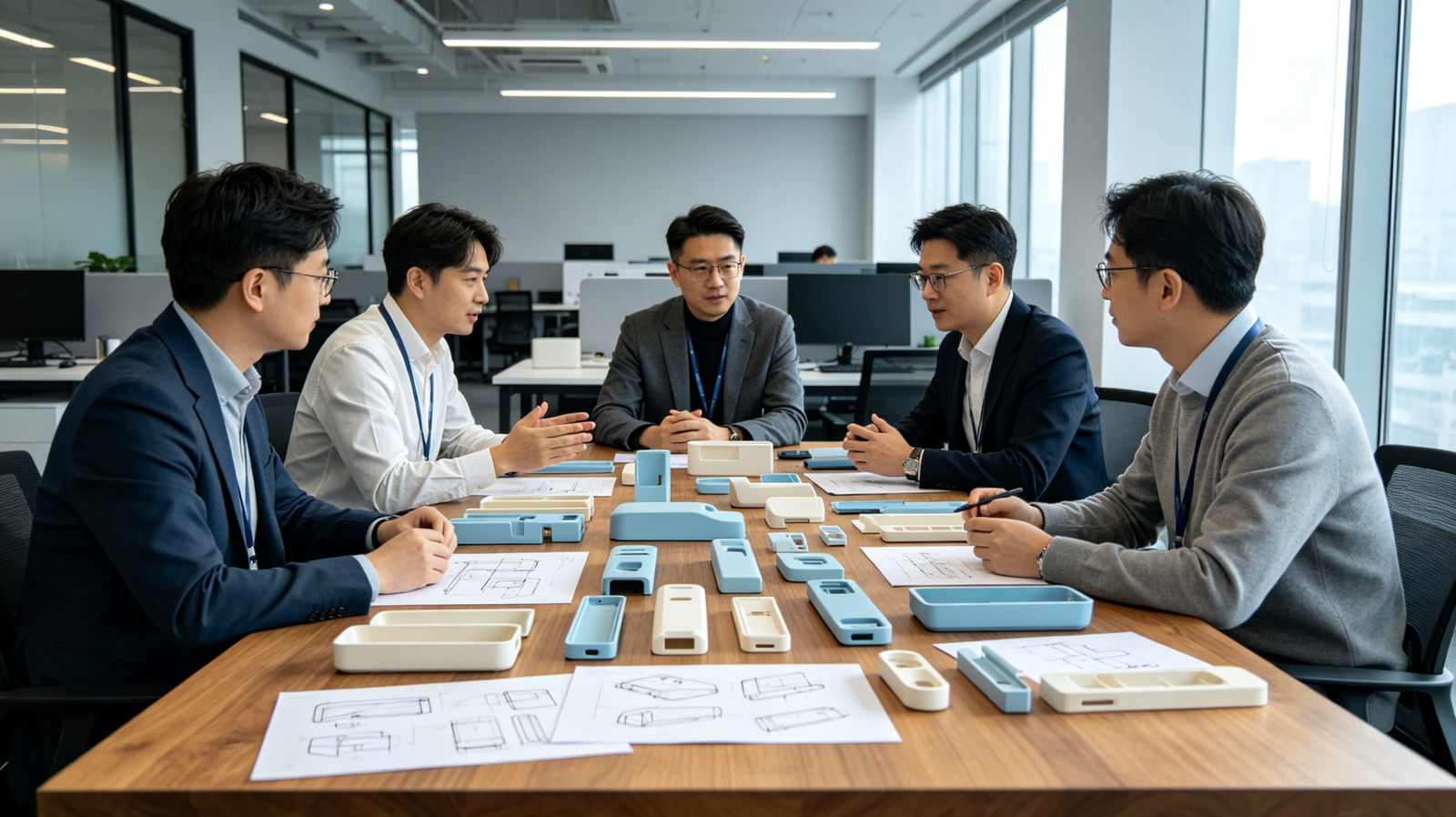
As EU regulations continue to evolve, selecting the right automotive battery component mold development supplier requires more than comparing prices. Companies should evaluate engineering capabilities, quality systems, compliance experience, and international project references. Manufacturers familiar with CE compliance requirements and IATF 16949 standards can identify risks earlier and streamline project execution. Xiamen Ruicheng provides integrated services covering mold design, material validation, prototype testing, and mass production support to help customers achieve compliance goals efficiently. For companies targeting the European EV market, choosing an experienced compliance-focused partner creates long-term value beyond initial project costs.
Industry Experience: Previous EU projects help identify potential regulatory challenges early.
Certified Systems: Robust quality management systems support customer audits and approvals.
Engineering Support: Technical teams can optimize designs for both performance and compliance.
Long-Term Service: Continuous support remains available after project completion.
🚗 A supplier with international compliance experience can significantly improve your EU market entry success.
Key Compliance Checkpoints Throughout the Development Process
| Compliance Item | Before Mold Development | Prototype Stage | Mass Production | Shipment Stage |
|---|---|---|---|---|
| Material Compliance | Mandatory Review | Continuous Verification | Periodic Inspection | Documentation Submission |
| REACH Compliance | Early Confirmation | Testing & Validation | Ongoing Monitoring | Report Delivery |
| RoHS Compliance | Design Integration | Sample Testing | Batch Control | File Archiving |
| Traceability System | Framework Setup | Data Recording | Full Process Tracking | Customer Audit Support |
If you are planning an automotive battery component project for the European market and want to reduce compliance risks while accelerating development timelines, contact the engineering team at Xiamen Ruicheng for a tailored solution: contact us
Why Are More European Buyers Adopting a Compliance-Driven Development Approach?
The increasing complexity of EU regulations has made traditional product development approaches less effective. Through numerous EV-related projects, Xiamen Ruicheng has observed that customers increasingly prefer suppliers who incorporate compliance assessments, material verification, and supply chain reviews from the earliest project stages. A compliance-driven development strategy helps identify potential issues before certification begins, reducing costly rework and improving approval rates. For export-oriented manufacturers, building a development process aligned with EU standards strengthens customer confidence and enhances competitiveness in international markets.
1.Risk Reduction: Identify and resolve compliance issues before certification audits.
2.Faster Approvals: Reduce delays caused by redesigns and repeated testing.
3.Competitive Advantage: Increase trust among European customers and OEMs.
4.Market Expansion: Improve access to the European automotive supply chain.
FAQ About Custom Mold Development for Automotive Battery Components
What Are Your Core Advantages and Quality Standards for Automotive Battery Component Mold Development?
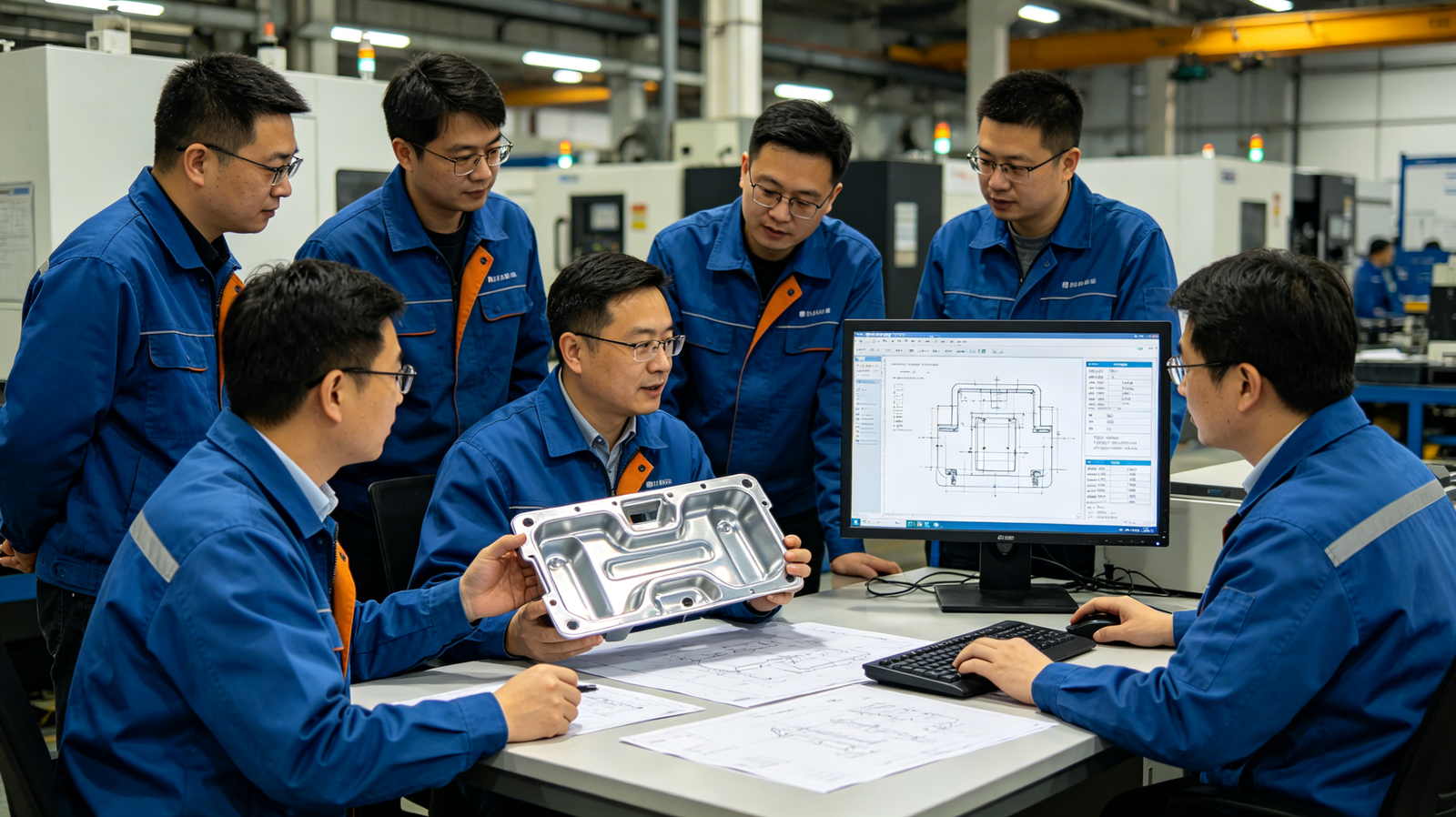
Xiamen Ruicheng offers extensive experience in EV-related projects, providing mold development, material verification, prototype validation, and production support. Our quality management systems, traceability procedures, and inspection processes help ensure compliance with EU market requirements while maintaining product consistency.
What Information Should We Provide to Receive a Fast Quotation?
Customers typically provide 3D CAD files, 2D drawings, application details, estimated order quantities, and target market requirements. After reviewing the information, our engineering team conducts a manufacturability assessment and provides a detailed quotation with process recommendations.
What Are the Typical MOQ and Lead Time Requirements?
Prototype projects can accommodate low-volume validation runs, while production programs are planned according to product complexity and tooling configurations. Lead times vary depending on project requirements, and expedited services may be available for urgent orders.
How Do You Handle Quality Issues or Delivery Delays?
Xiamen Ruicheng maintains a structured response process for quality and delivery concerns. Once an issue is reported, our engineering team investigates the root cause, develops corrective actions, and works closely with customers to minimize disruptions.
Can You Provide Customized Solutions for Special Applications?
Yes. We support custom development for electric vehicles, battery systems, energy storage equipment, and other specialized applications. Customers can provide performance requirements, operating conditions, and project objectives, and our team will assist with design optimization, material selection, and tooling development.
Conclusion
Exporting automotive battery components to the European Union now requires more than manufacturing expertise. Success increasingly depends on the ability to integrate regulatory compliance into every stage of product development. Xiamen Ruicheng helps customers achieve end-to-end compliance management from design and mold development through mass production. For companies seeking entry into the European EV supply chain, partnering with an experienced compliance-focused manufacturer can significantly improve long-term market success.
For expert assistance in implementing solutions for your production needs, visit our resource center or contact us. Let’s help you scale up your manufacturing with precision and efficiency!