Understanding VOC Risks in Automotive Injection Molded Parts

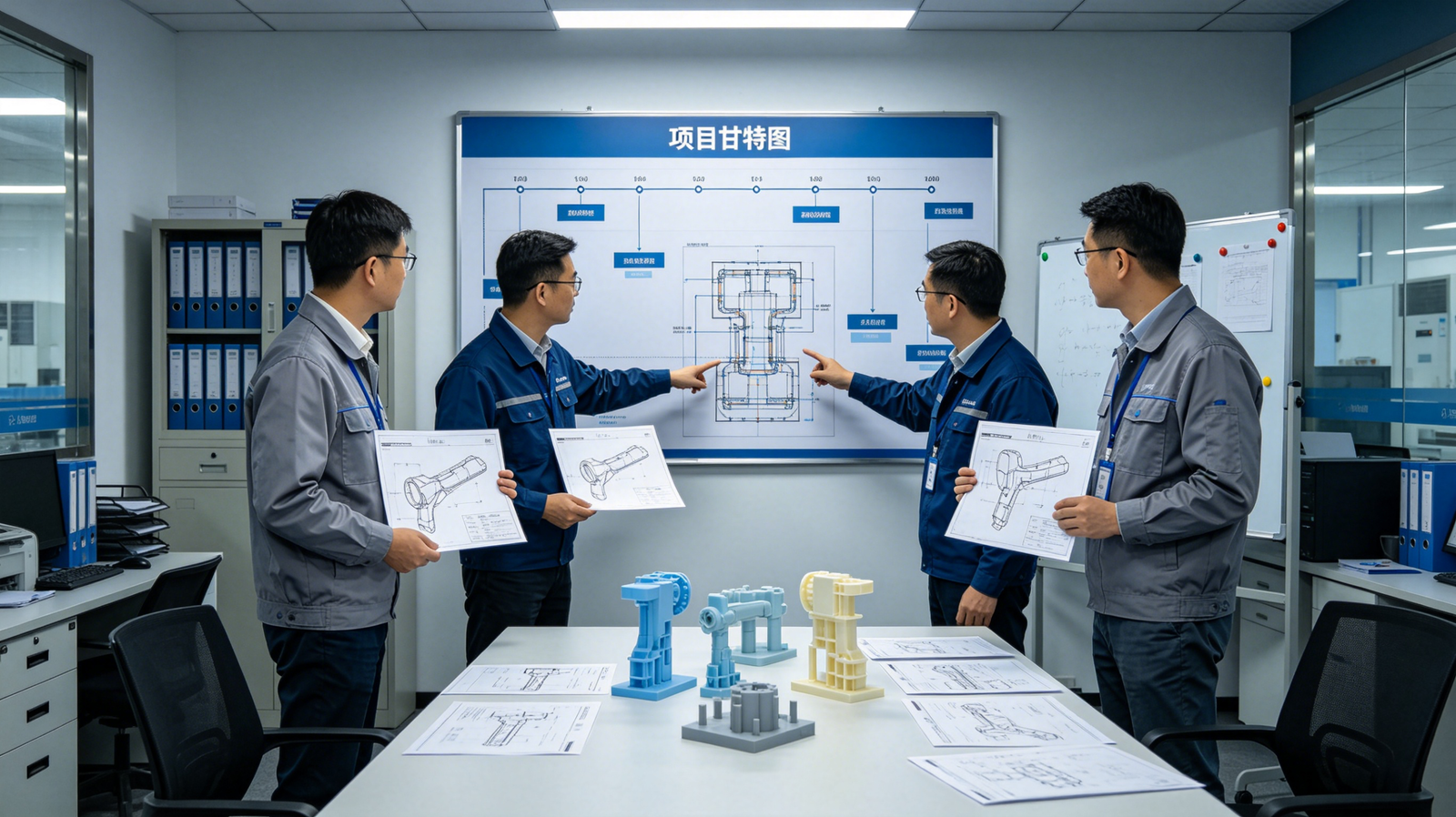
As automotive manufacturers continue to raise standards for interior air quality, VOC testing has become a critical requirement during the development and production of custom automotive plastic components. Many suppliers discover VOC failures during validation testing and often assume that the plastic resin is responsible, overlooking the impact of mold release agents used during manufacturing.
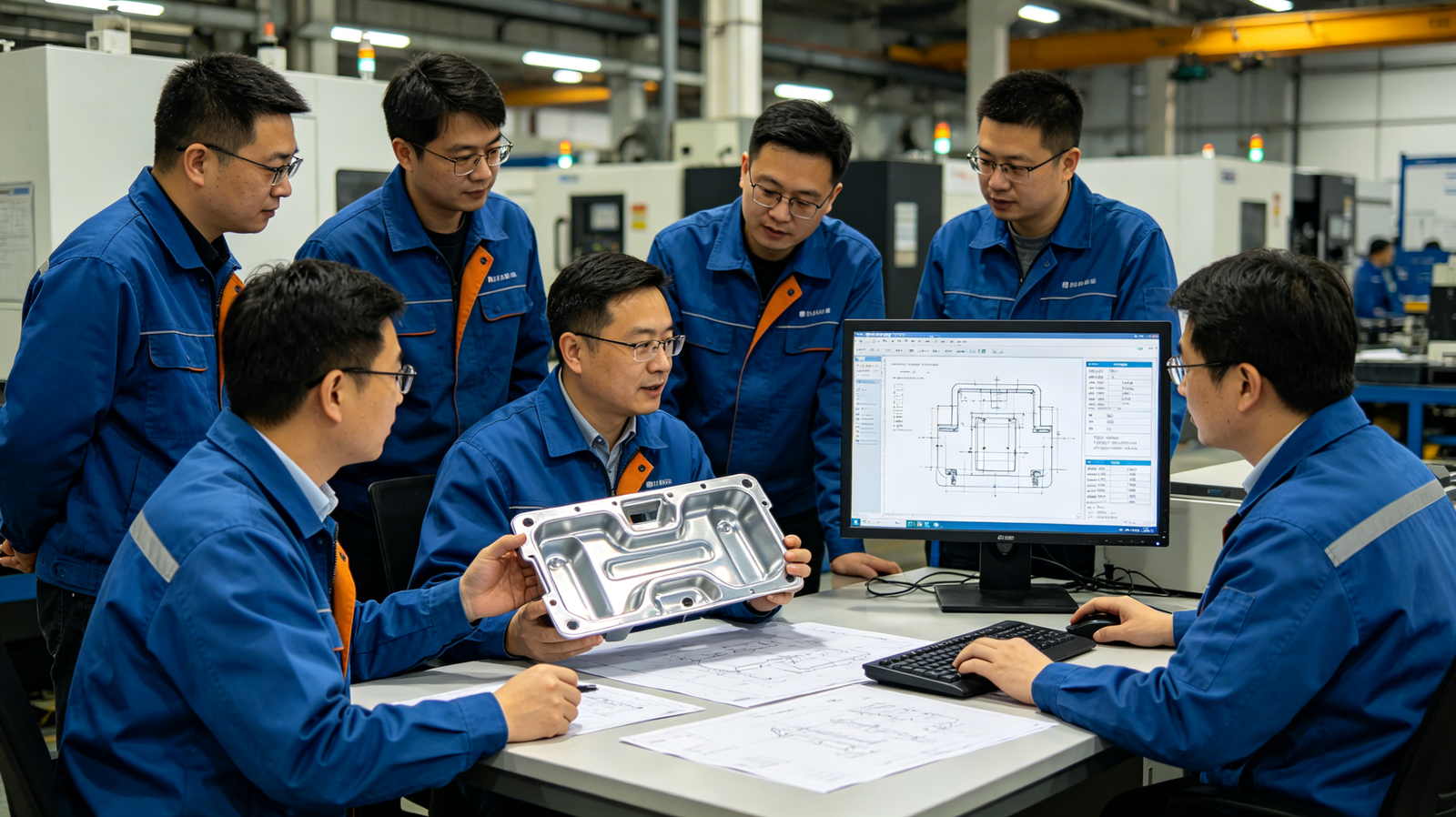
Based on extensive automotive injection molding experience, Xiamen Ruicheng has found that mold release residue, improper process control, and insufficient post-treatment can significantly influence VOC test results. For automotive interior plastic parts, mold release agent management has become one of the most important factors affecting VOC compliance.**Within OEM and Tier-1 supply chains, VOC control capability is increasingly viewed as a key indicator of supplier competitiveness.**
Why Can Mold Release Agents Affect VOC Test Results?

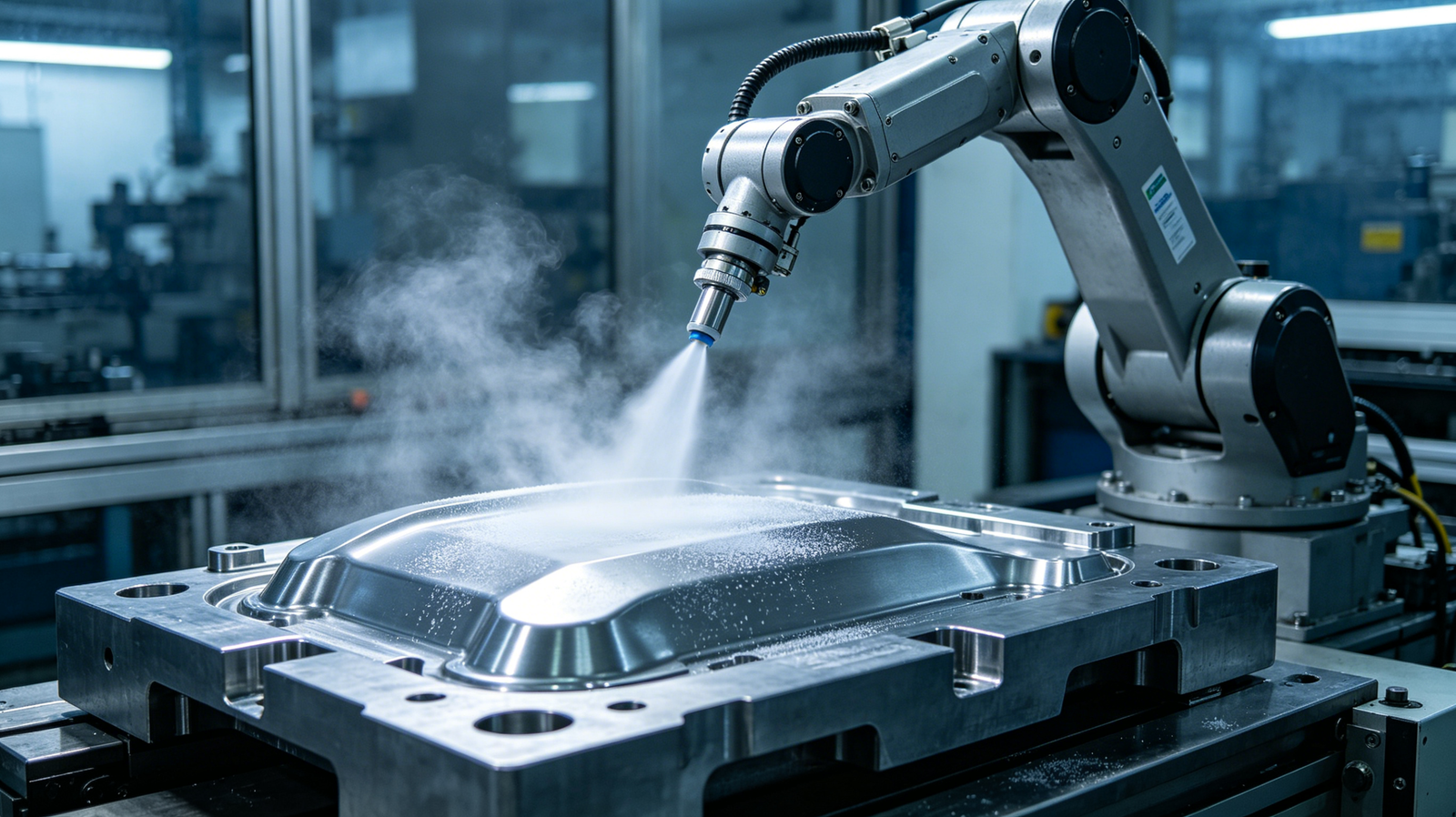
During automotive injection molding, some external mold release agents contain silicone oils, waxes, fatty acid esters, and organic solvents. When these substances remain on the part surface, they can volatilize under VOC testing conditions and increase measured emissions. Through numerous VOC testing projects, Xiamen Ruicheng has observed that even parts molded with compliant resins may fail because of excessive mold release residue. An inappropriate mold release agent can create VOC risks even when the material itself meets automotive requirements.
Chemical Composition: Solvent-based release agents typically generate higher VOC emissions.
Surface Residue: Excessive spraying may leave a persistent film on molded parts.
Testing Amplification: Elevated test temperatures accelerate the release of volatile compounds.
Project Delays: VOC failures can postpone validation schedules and production launches.
🔍 VOC failures are not always caused by plastic materials; mold release residues are often the hidden source of the problem.
How to Select Low-VOC Mold Release Agents?

As automotive VOC regulations become stricter, mold release agent selection should be evaluated during the early development stage. Xiamen Ruicheng recommends low-emission formulations that have been verified for automotive applications and integrates environmentally friendly mold release agents with customer-specific automotive interior standards. This approach minimizes potential VOC emissions before production begins. Combining low-VOC release agents with disciplined process control is the most effective strategy for compliance.
Certified Products: Choose release agents validated for automotive applications.
Controlled Application: Reducing spray volume lowers residual contamination.
Process Validation: Conduct VOC pre-testing before mass production.
Alternative Solutions: Consider internally lubricated or self-releasing material grades when feasible.
✅ Proper mold release agent selection can significantly improve VOC test pass rates.
How Does Xiamen Ruicheng Ensure VOC Compliance?
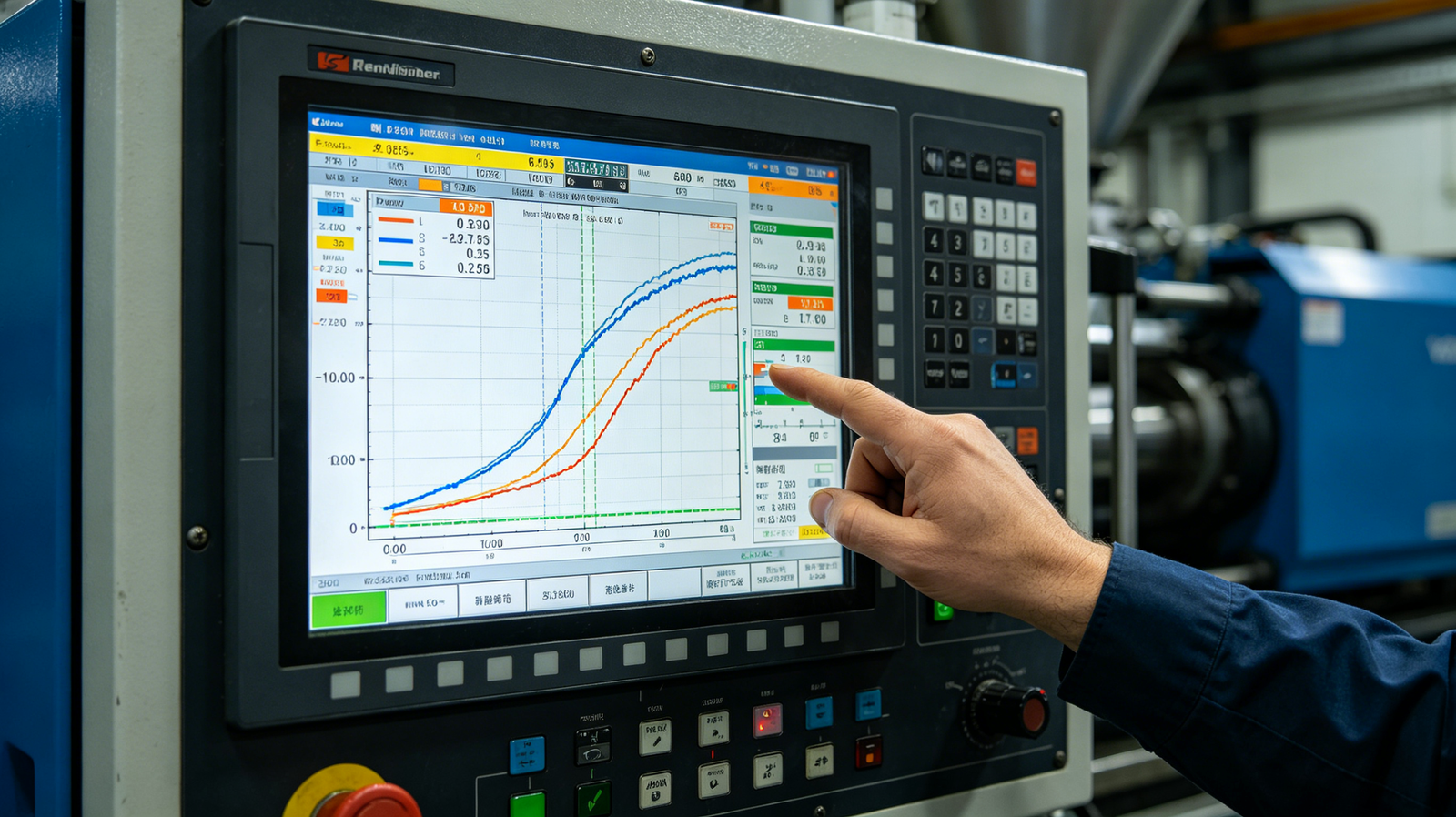
Xiamen Ruicheng has established a comprehensive VOC control system covering mold design, material selection, mold release management, process optimization, and production verification. By integrating injection molding process optimization with certified quality management systems, we minimize the risk of VOC-related failures throughout the project lifecycle. Preventive VOC management is far more effective than relying solely on final testing.
Risk Assessment: VOC risks are evaluated at the project planning stage.
Process Monitoring: Mold release agent usage is strictly standardized.
Laboratory Verification: Regular VOC testing validates process consistency.
Continuous Improvement: Production parameters are refined according to customer requirements.
🚗 A systematic VOC control strategy helps prevent costly compliance issues during mass production.
Comparing VOC Control Strategies for Automotive Plastic Parts
| Control Method | VOC Risk | Investment Level | Stability | Recommendation |
|---|---|---|---|---|
| Standard Mold Release Agent | High | Low | Low | ★★ |
| Low-VOC Mold Release Agent | Low | Medium | High | ★★★★★ |
| Internal Release Materials | Very Low | Medium | High | ★★★★★ |
| Full VOC Management System | Lowest | Medium-High | Highest | ★★★★★ |
If your automotive project is facing VOC compliance challenges, Xiamen Ruicheng can help identify risks before production and improve testing success rates. Learn more or contact us.
From VOC Approval to Stable Mass Production
Passing a VOC test once is not enough for automotive manufacturers. Long-term production consistency is equally important. Xiamen Ruicheng believes that reliable VOC compliance requires a complete strategy covering material selection, mold design, mold release management, process optimization, and final validation. A comprehensive VOC management system dramatically reduces the likelihood of rework, failed testing, and delayed product launches. This is especially important for EV interior components, premium automotive parts, and export-oriented automotive programs.
1.Source Control: Establish VOC standards for materials and release agents from the beginning.
2.Process Control: Minimize volatile residue through optimized production procedures.
3.Testing Verification: Detect potential issues through pre-compliance testing.
4.Long-Term Stability: Maintain compliance throughout the entire production lifecycle.
Frequently Asked Questions (FAQ)
What are the key advantages of your automotive VOC control solutions?
Xiamen Ruicheng applies a comprehensive VOC management system that covers materials, mold release agents, tooling design, process control, and production verification. This integrated approach helps ensure compliance with customer-specific automotive standards and air-quality requirements.
What information is required to obtain a quotation quickly?
To accelerate project evaluation, please provide 3D CAD files, 2D drawings, material specifications, annual demand forecasts, application details, and VOC compliance requirements. Our engineering team can then perform a manufacturability review and provide a detailed quotation with VOC risk assessment.
What are your MOQ, lead time, and payment options?
MOQ and lead times depend on product complexity and project requirements. Prototype orders, pilot production runs, and mass production projects can be arranged accordingly. Expedited manufacturing services are also available for urgent programs.
What happens if quality issues or VOC failures occur?
Xiamen Ruicheng follows a structured root-cause analysis process to identify the source of any issue. Corrective actions are implemented promptly, and our engineering team works closely with customers to ensure rapid resolution and project continuity.
Can you provide customized VOC optimization solutions?
Yes. We offer customized solutions based on customer standards, application requirements, target markets, and regulatory specifications. Services include low-VOC material selection, mold release optimization, process refinement, and compliance testing support.
Conclusion
VOC failures in automotive injection molded parts are not always caused by the resin itself. Mold release agents can significantly influence testing outcomes when residues remain on component surfaces. Xiamen Ruicheng helps customers reduce VOC risks through material evaluation, low-emission release agent selection, and comprehensive process management. Sustainable VOC compliance is achieved through systematic control rather than isolated corrective actions. Early VOC planning can improve product qualification efficiency and strengthen competitiveness in the automotive market.
For expert assistance in implementing VOC-compliant automotive injection molding solutions, visit our resource center or contact us. Let’s help you scale up your manufacturing with precision and efficiency!