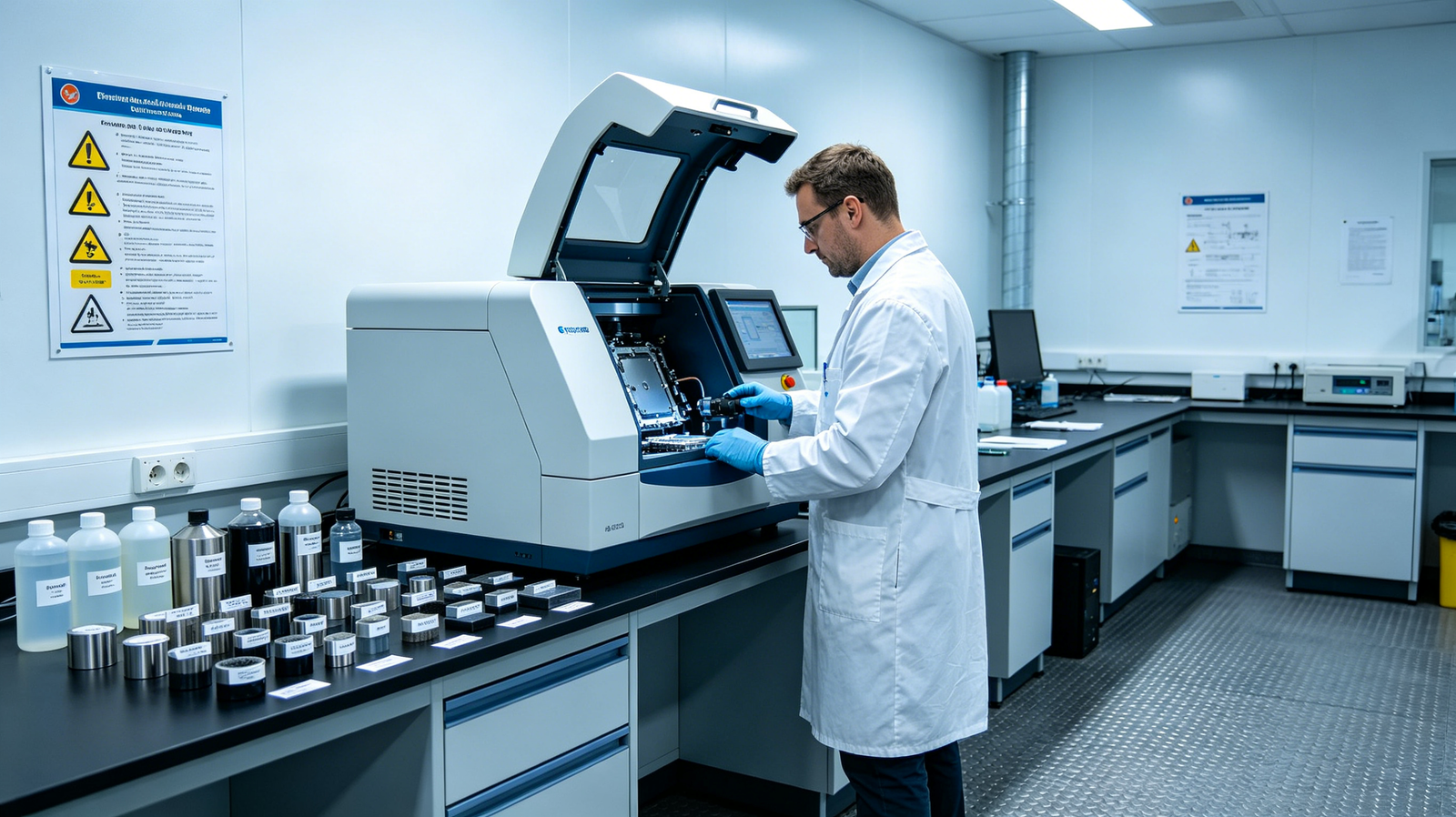
Introduction
Injection molded components used in high vibration environments are widely applied in automotive systems, industrial equipment, robotics, electronics, and precision machinery. These applications require plastic parts to withstand continuous mechanical stress, repeated impact, and long-term fatigue without cracking, deformation, or performance degradation.Selecting the right injection molding material is not only about strength values but also about balancing vibration resistance, fatigue life, stiffness, and environmental durability. Xiamen RuiCheng works with customers to evaluate application requirements and develop reliable material solutions through engineering analysis, material testing, and manufacturing experience.
For engineers and product developers, choosing an unsuitable plastic material can create serious risks after mass production. A material with high hardness may become brittle under vibration, while excessive flexibility may reduce dimensional stability and assembly accuracy.A successful material selection process considers the complete operating environment instead of focusing on a single mechanical property. Through professional material evaluation and injection molding experience, manufacturers can help customers reduce product failure risks before tooling investment.
How Should You Select Injection Molding Materials for High Vibration Applications?
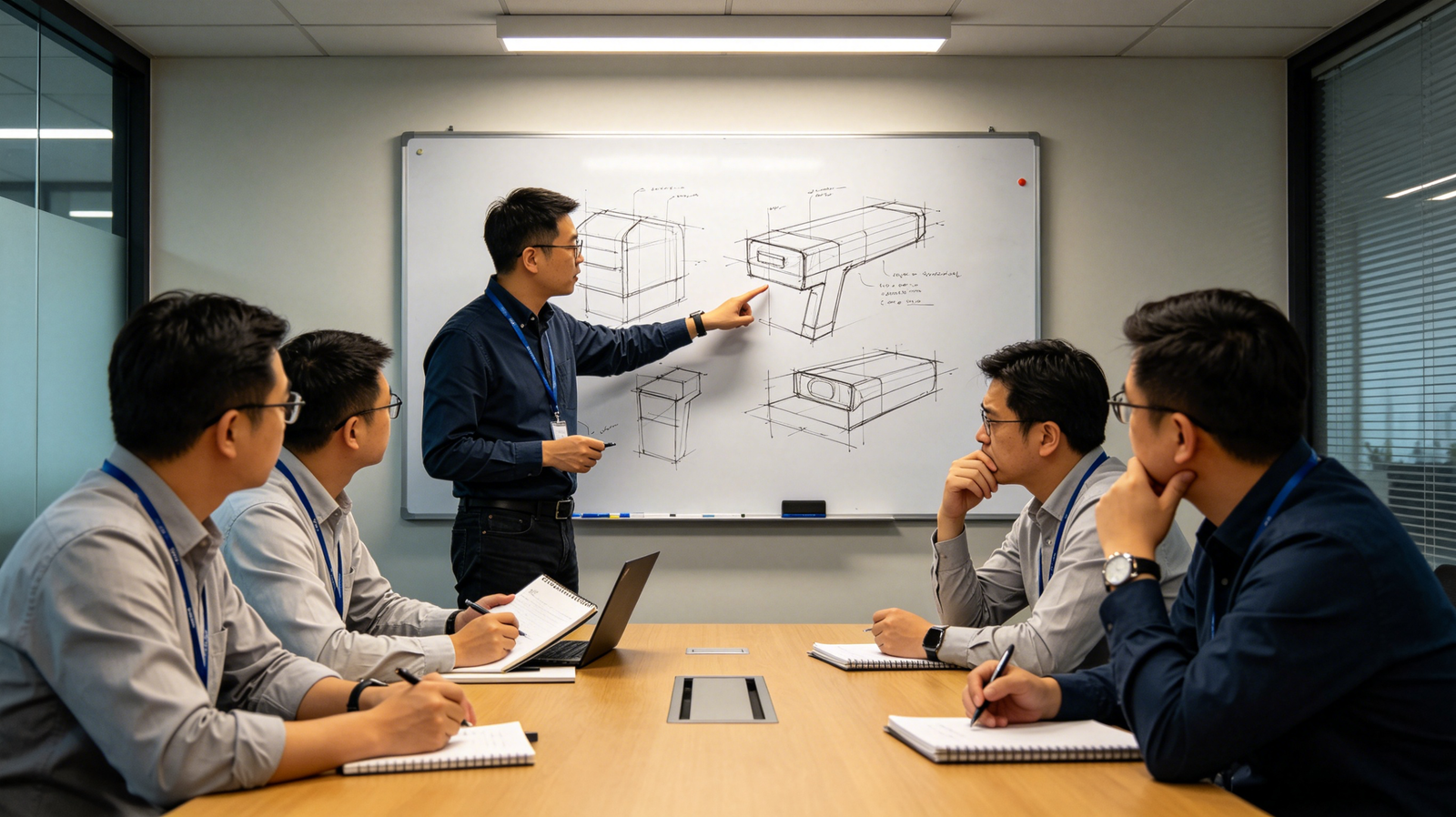
Selecting injection molding materials for vibration-intensive applications requires understanding the relationship between polymer characteristics and real operating conditions. Materials must handle repeated mechanical cycles while maintaining dimensional stability, impact resistance, and structural integrity. During material evaluation, engineers should consider factors such as impact resistance , fatigue performance, temperature exposure, and chemical compatibility. The best vibration-resistant material is not always the strongest material, but the one that maintains performance under repeated stress conditions. Xiamen RuiCheng evaluates customer requirements through material analysis and DFM design review to recommend suitable solutions.
Impact Resistance Requirements: Materials with strong impact resistance can absorb vibration energy and reduce the possibility of sudden cracking.
Fatigue Performance Evaluation: Repeated vibration creates continuous stress cycles, making fatigue resistance critical for long-term reliability.
Environmental Compatibility: Temperature, humidity, chemicals, and outdoor exposure can significantly influence polymer performance.
Mechanical Property Balance: The ideal material combines stiffness, toughness, and dimensional stability according to the application.
🌱 Material selection for high vibration applications requires balancing multiple performance factors instead of choosing materials based only on strength ratings.
Which Injection Molding Materials Perform Better Under Continuous Vibration?
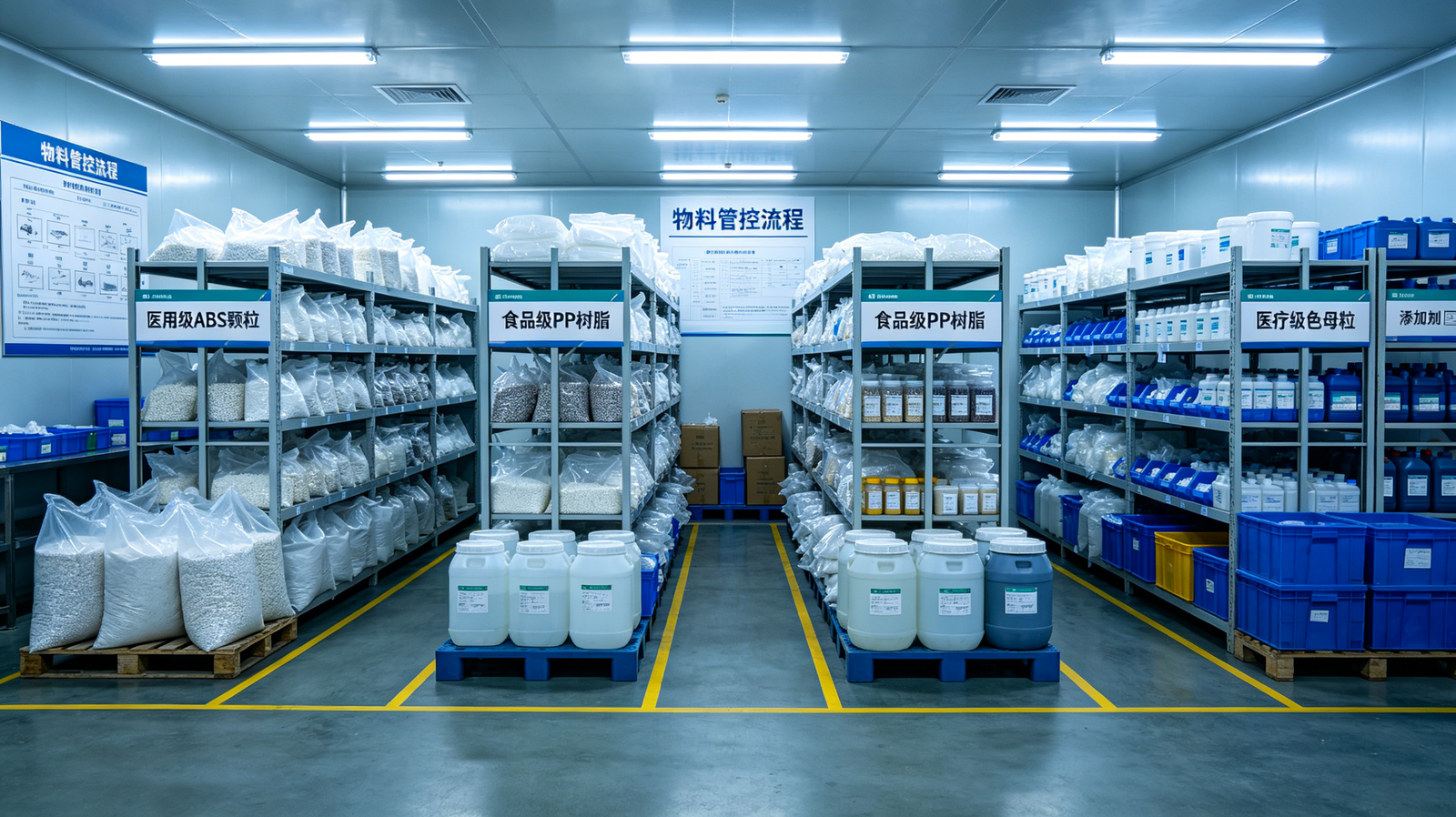
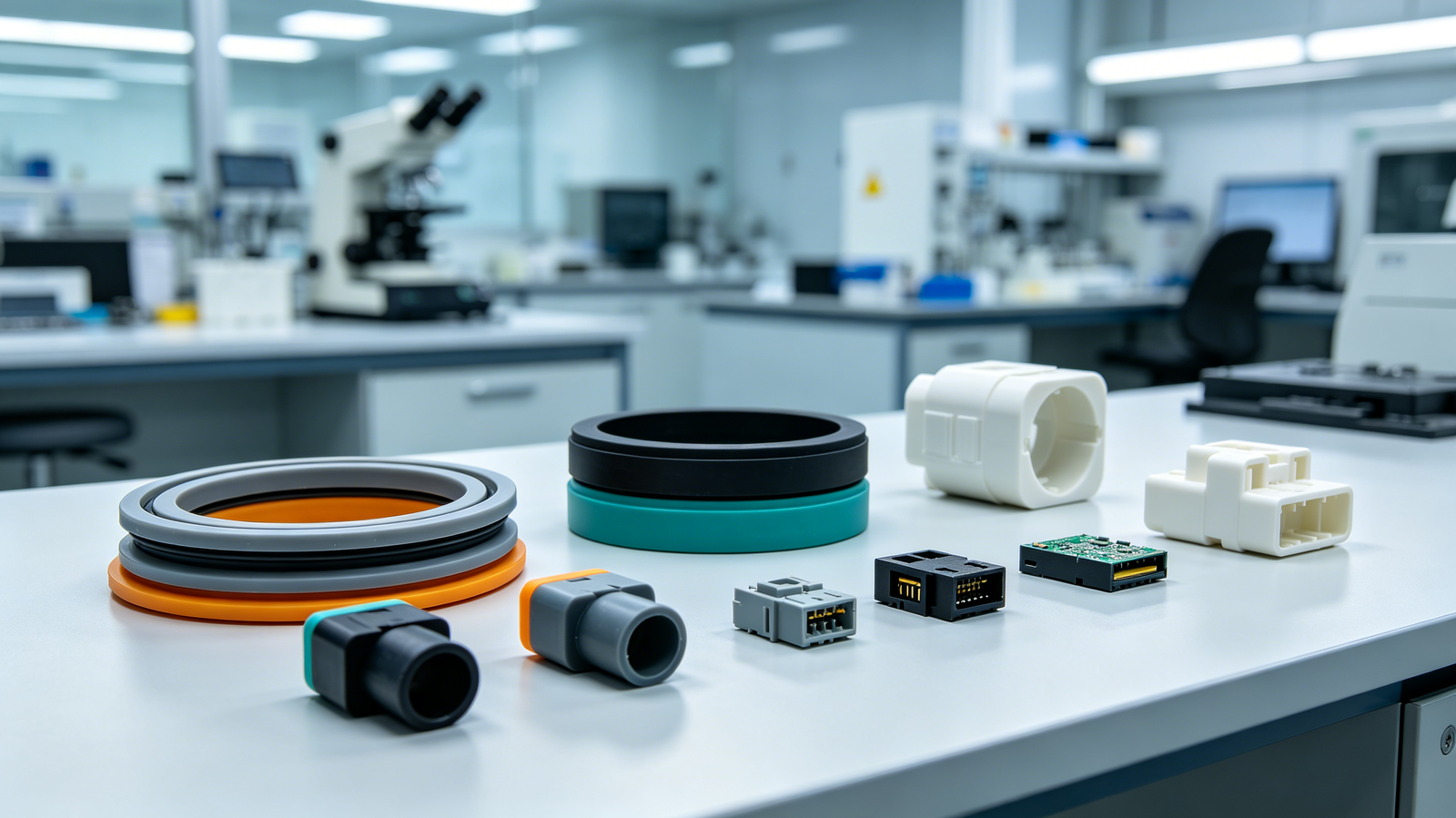
Different engineering plastics provide different advantages when exposed to continuous vibration conditions. Materials such as PA, PC, PBT, PPS, and reinforced polymers are commonly considered for demanding applications because they provide improved mechanical performance compared with standard plastics. However, material selection depends on the specific application environment, loading conditions, and production requirements. A suitable polymer solution must match both vibration conditions and manufacturing requirements to achieve reliable long-term performance. Xiamen RuiCheng helps customers compare material options based on mechanical data, application scenarios, and production feasibility.
PA (Nylon) Materials: Nylon provides excellent toughness and wear resistance, making it suitable for components exposed to repeated mechanical movement.
PC Materials: Polycarbonate offers strong impact resistance and maintains performance under sudden vibration loads.
PBT Materials: PBT provides good dimensional stability and electrical performance for automotive and industrial applications.
Fiber Reinforced Materials: Glass fiber reinforced plastics improve stiffness and reduce deformation under continuous mechanical stress.
🌱 The right vibration-resistant material depends on the application requirements, not simply the highest mechanical specification.
What Manufacturing Factors Affect Vibration Resistance of Injection Molded Parts?
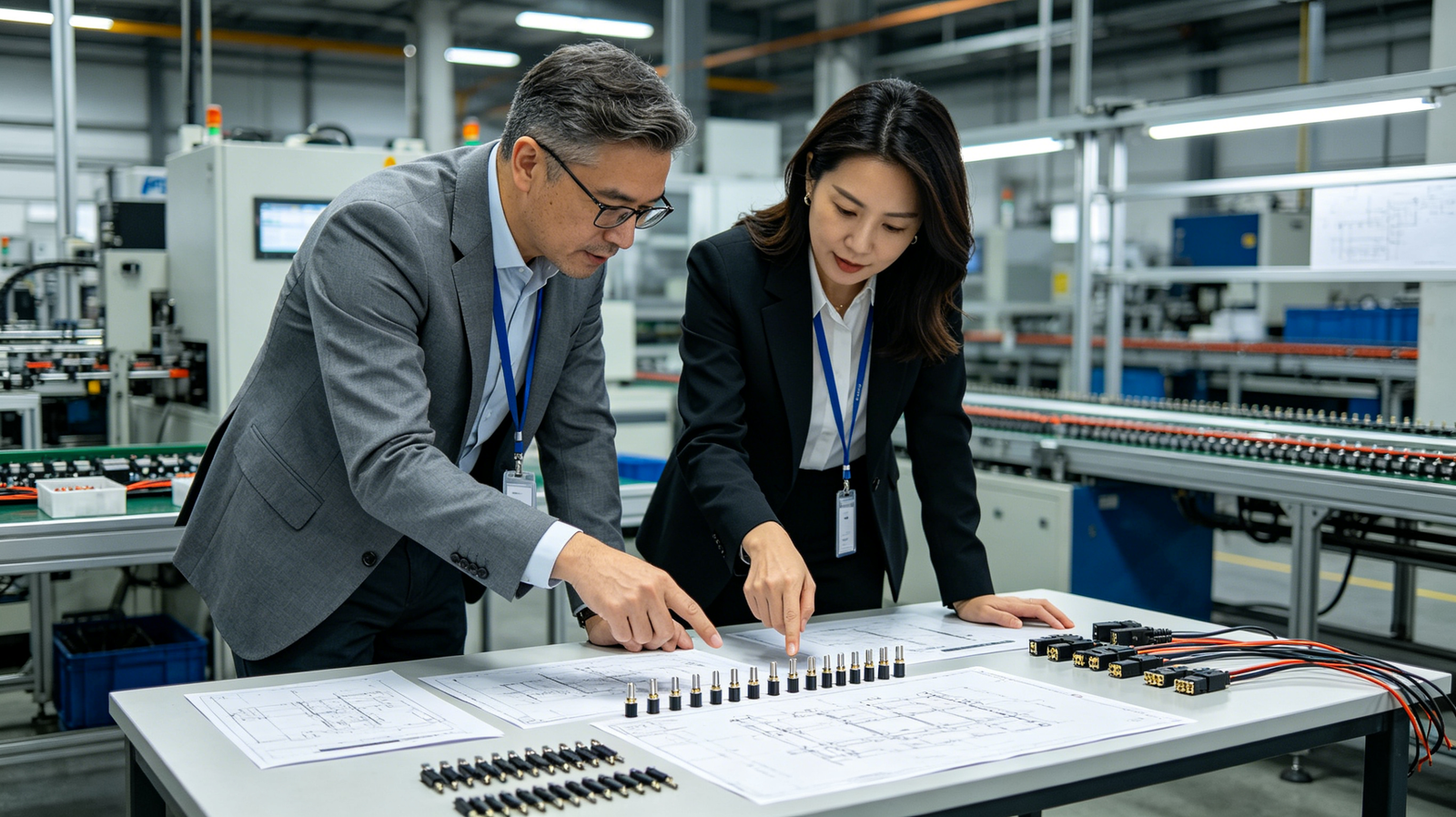
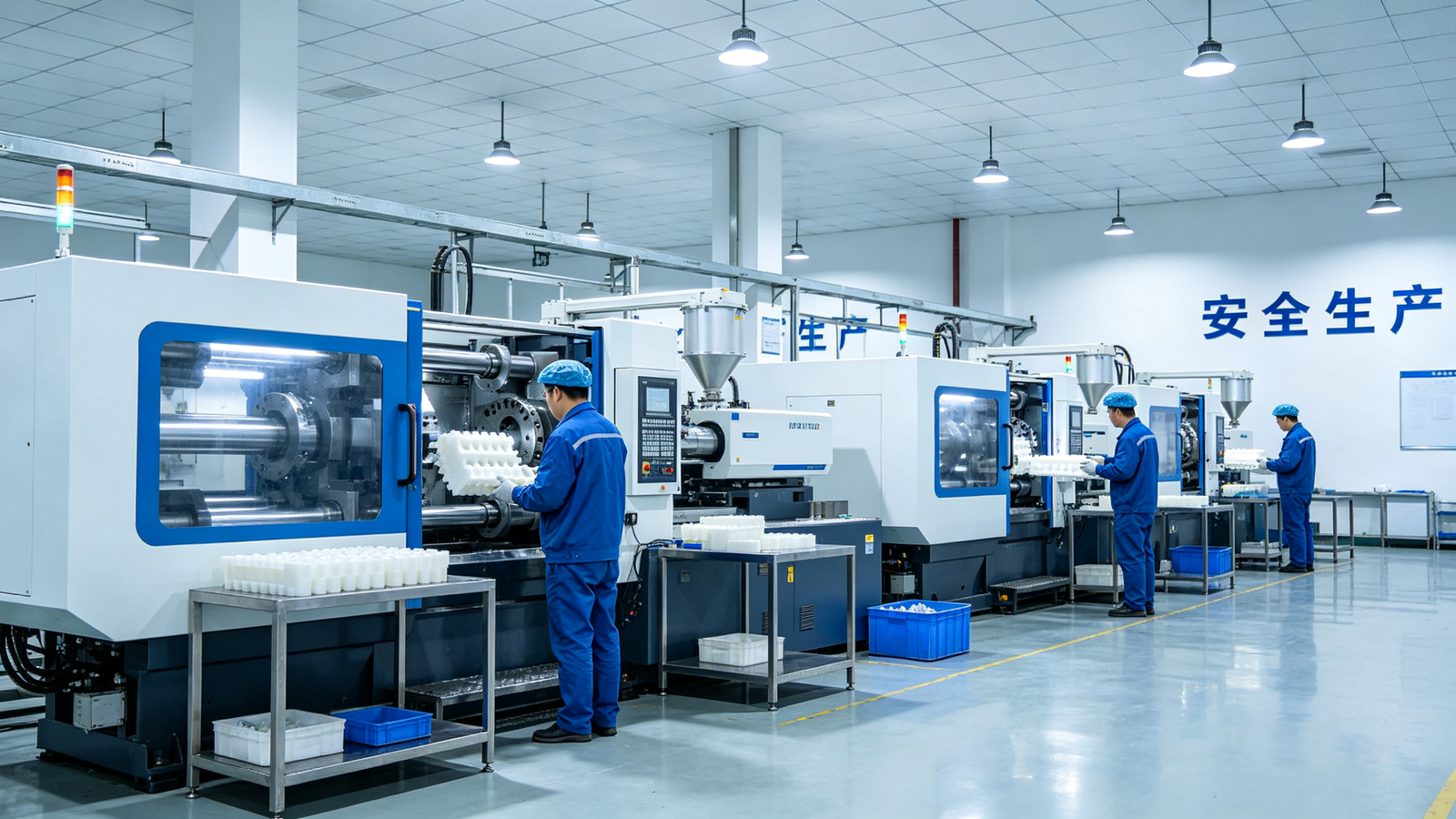
Even when the selected material has excellent vibration resistance, poor manufacturing control can reduce the final product performance. Injection molding parameters, mold design, fiber orientation, cooling conditions, and internal stress management all influence how a component behaves under vibration. During production, manufacturers need to control processing conditions to maintain consistent mechanical properties across every batch. Material performance can only be fully achieved when the injection molding process is properly optimized. Xiamen RuiCheng combines engineering analysis and production control to improve consistency for vibration-sensitive components.
Mold Design Optimization: Proper gate location and runner design help maintain uniform material flow and reduce internal stress.
Process Parameter Control: Injection pressure, temperature, and cooling time influence final mechanical performance.
Internal Stress Management: Excessive residual stress may reduce fatigue life during continuous vibration.
Quality Verification: Testing and inspection ensure each production batch maintains expected performance.
🌱 Reliable vibration performance requires cooperation between material selection, mold engineering, and manufacturing process control.
Comparison of Injection Materials for High Vibration Applications
| Material | Vibration Performance | Main Advantages | Typical Applications |
|---|---|---|---|
| PA + GF | Excellent fatigue resistance | High strength and stiffness | Automotive brackets, industrial components |
| PC | High impact resistance | Strong toughness and durability | Protective housings, electronic parts |
| PBT | Stable mechanical performance | Low moisture absorption and dimensional stability | Automotive connectors, electrical components |
| PPS | High temperature resistance | Excellent chemical and thermal stability | Industrial equipment, demanding environments |
Choosing the correct material is critical for preventing vibration-related failures in mass production. Xiamen RuiCheng provides professional material evaluation and injection molding solutions based on your application requirements. Please contact us to discuss your high vibration component development needs.
How Can Suppliers Help Reduce Material Selection Risks?
Selecting injection molding materials for high vibration applications is not only a technical decision but also a manufacturing risk management process. Many product failures occur because material selection is separated from mold design, production capability, and final application conditions. A capable supplier should participate during the early development stage and provide engineering recommendations based on actual manufacturing experience. The value of an injection molding supplier is not only producing parts but helping customers avoid costly failures before mass production.
1.Engineering Material Analysis: Suppliers should evaluate operating conditions, mechanical requirements, and environmental factors before recommending materials.
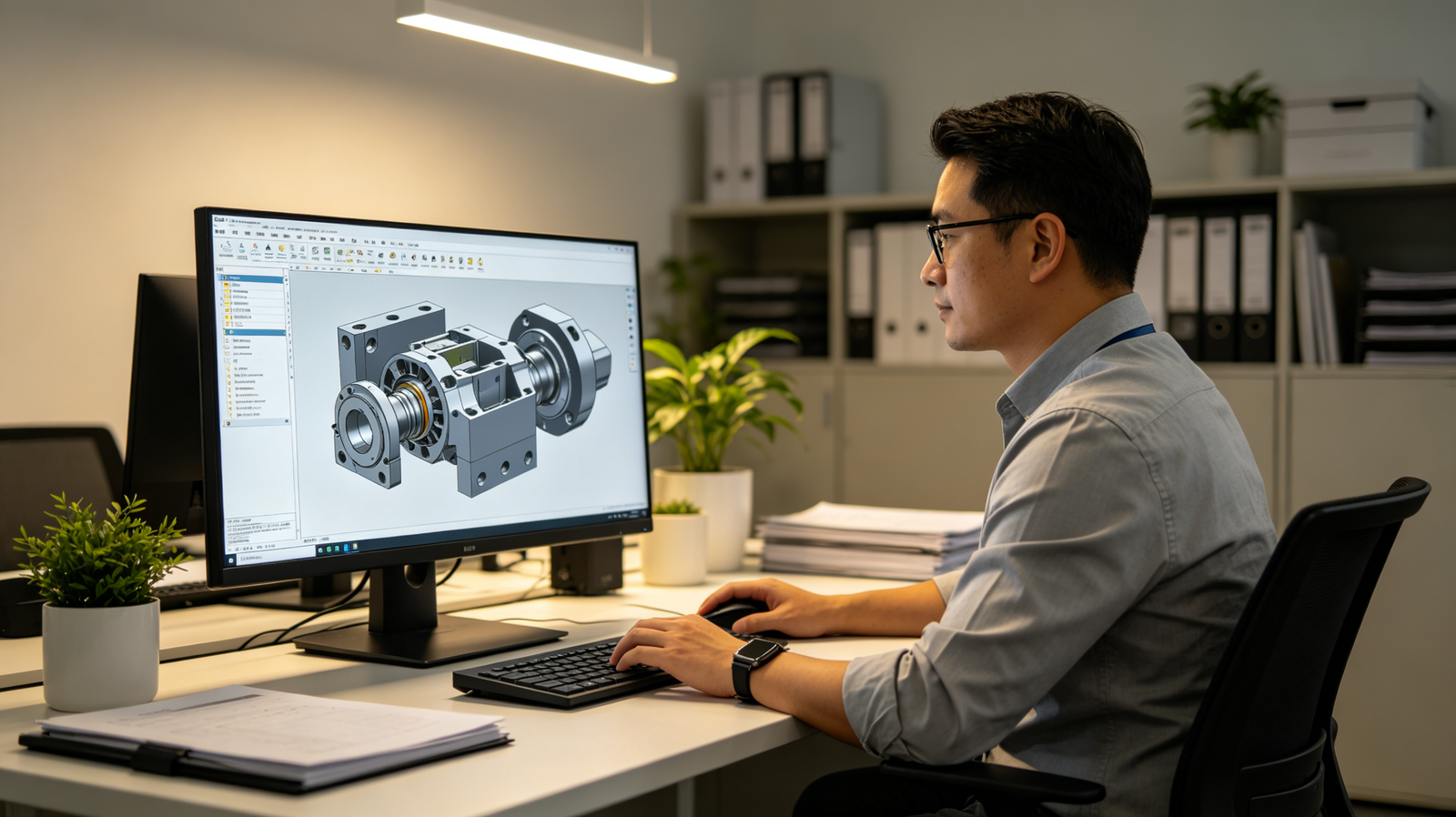
2.Design Optimization Support: Professional suppliers review part structures to ensure the selected material can perform effectively during vibration cycles.
3.Production Capability Assessment: Manufacturing experience ensures that material advantages can be maintained during large-scale production.
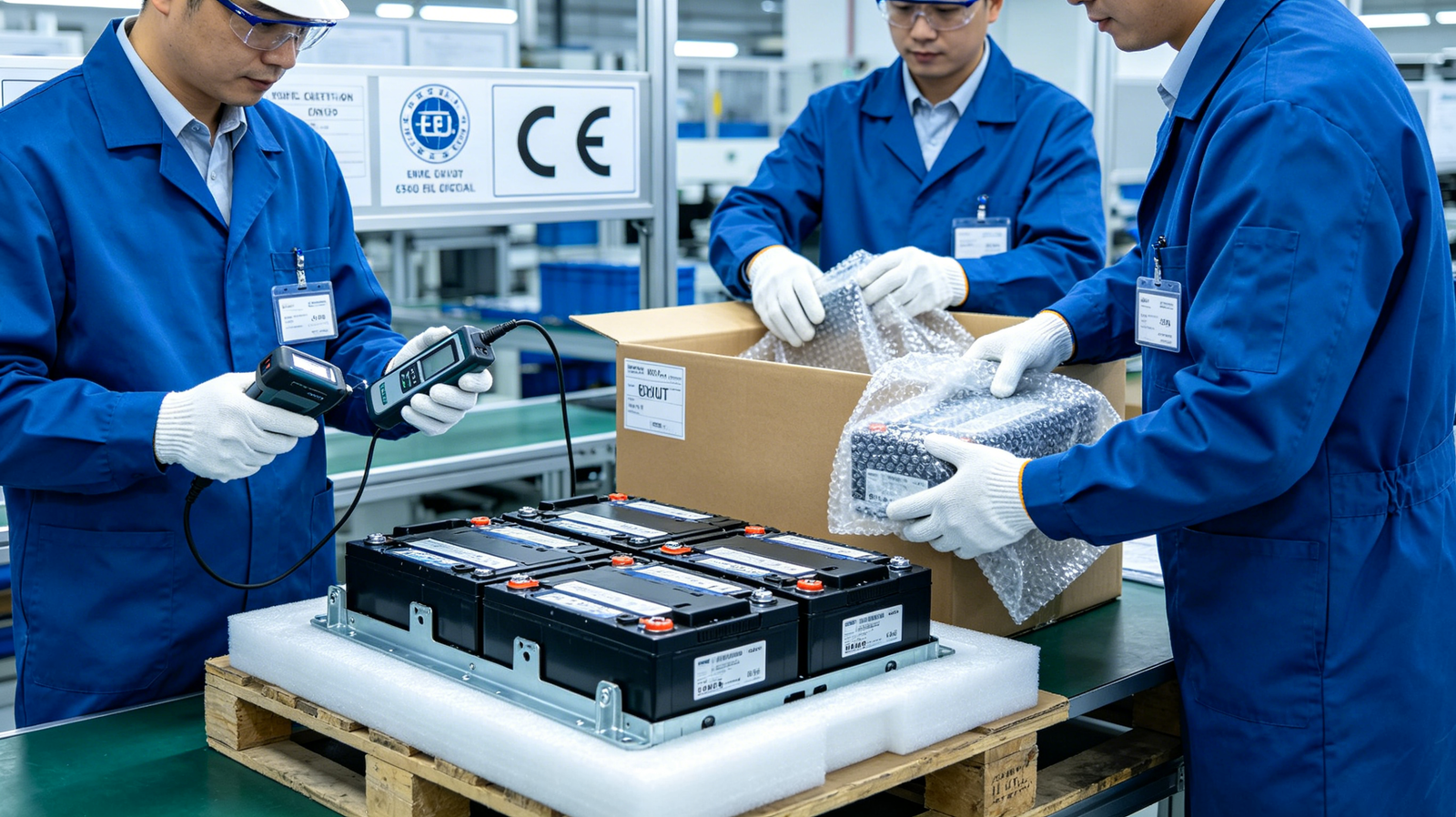
4.Quality Validation System: Inspection methods and testing procedures verify that the final parts meet application expectations.
Frequently Asked Questions
Question 1: What are the key quality standards for your injection molded parts used in high vibration applications?
Answer: Xiamen RuiCheng evaluates vibration-resistant injection molded components based on application requirements, including mechanical strength, impact resistance, dimensional stability, fatigue performance, and environmental durability. Material selection, mold design, and production processes are controlled together to ensure reliable performance during long-term operation.
Question 2: What information should we provide when requesting a quote for vibration-resistant injection molded parts?
Answer: Customers should provide product drawings, operating environment details, vibration conditions, temperature range, expected service life, material requirements, and estimated production quantities. Xiamen RuiCheng engineers analyze these factors to recommend suitable materials and provide manufacturing solutions.
Question 3: How do different production volumes affect delivery time and supply planning?
Answer: Delivery schedules depend on tooling requirements, material availability, order quantities, and production planning. Xiamen RuiCheng supports prototype validation, small-batch production, and high-volume manufacturing with flexible production arrangements to maintain quality and delivery reliability.
Question 4: How do you handle performance issues after delivery?
Answer: If vibration-related performance issues occur, Xiamen RuiCheng analyzes production records, material data, inspection results, and application conditions to identify root causes. Improvement actions are developed based on technical evaluation to ensure future production stability.
Question 5: Can you customize injection molding materials for special vibration environments?
Answer: Yes. Xiamen RuiCheng provides customized material recommendations based on specific requirements such as vibration frequency, temperature exposure, chemical resistance, mechanical loads, and product structure. Engineering teams support material selection and manufacturing optimization throughout the development process.
Conclusion
Selecting injection molding materials for high vibration applications requires more than comparing basic material specifications. Engineers must consider fatigue resistance, impact performance, environmental conditions, processing requirements, and long-term reliability before making a final decision. The right material selection combined with professional injection molding control can significantly reduce product failure risks and improve lifecycle performance.For companies developing automotive, industrial, robotic, and electronic components, working with an experienced manufacturing partner can shorten development cycles and improve production confidence. Xiamen RuiCheng provides engineering-driven injection molding solutions, helping customers achieve reliable performance in demanding vibration environments.
For expert assistance in implementing high vibration injection molding material solutions, visit our resource center or contact us. Let’s help you scale up your manufacturing with precision and efficiency!