introduction

Injection mold steel acts as the foundational asset that defines long‑term production stability for injection molding operations. Many procurement teams only compare initial mold quotation and overlook the correlation between steel grade and actual service cycles. Improper mold steel specification will trigger continuous hidden costs including unplanned downtime and repeated mold repairs. Tooling investment should focus on total‑cost‑of‑ownership instead of raw material price alone.
Resin properties, expected production volume and surface finish requirements jointly narrow down qualified mold steel candidates. Even identical steel grades deliver divergent performance when paired with different heat‑treatment workflows. Validating metallurgical processing quality is equally important as picking the correct steel grade for target mold life.
What core steel properties dominate injection mold service life?
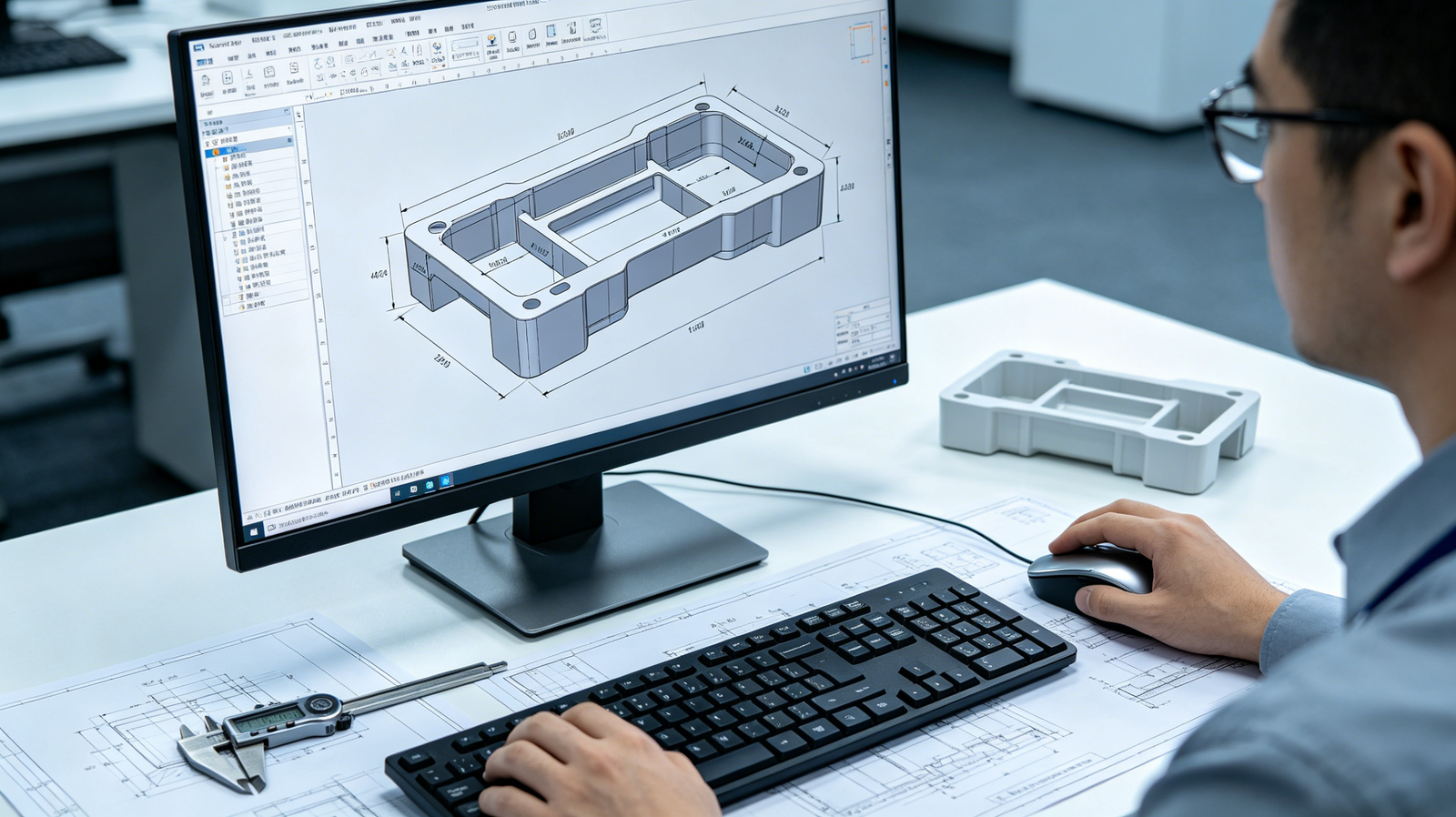
Every injection mold sustains repeated thermal shock, mechanical compression and material abrasion during mass production, so engineers need to assess wear resistance and thermal fatigue performance before finalizing steel specifications. Each mechanical property brings inherent trade‑offs, higher hardness usually sacrifices part of material toughness. Balancing multi‑dimensional steel properties avoids premature cavity cracking, gate erosion and surface gloss fading in mass production. Procurement personnel should not simply chase maximum hardness value without matching real production conditions.
Wear Resistance: It resists abrasive damage brought by glass‑filled or mineral‑filled engineering plastics during continuous injection cycles.
Thermal Fatigue Resistance: It suppresses fine surface crack generation caused by frequent temperature alternation inside mold cavities.
Corrosion Resistance: It protects mold surface against acidic decomposition substances released from corrosive polymer materials.
Polishability: It supports stable high‑gloss surface output and maintains texture consistency across long‑run production.
⚠️ Core steel properties jointly decide realistic usable cycles for injection molds.
How does production volume shape mold steel grade selection logic?

Projected shot quantity is one primary baseline for mold steel evaluation, low‑volume prototyping scenarios pursue fast machining and low initial cost while high‑volume mass manufacturing emphasizes long‑term durability. Many buyers mistakenly adopt medium‑run steel for million‑shot projects and face early tool failure. Over‑specification of premium steel for small‑batch tasks will create unnecessary tooling budget waste. Users should cross‑reference production volume with standard mold steel grade and heat‑treatment process to lock proper material solutions.
Low‑volume Production Adaptation: Pre‑hardened steel grades can satisfy prototype and small‑batch tasks below 100 000 molding shots.
Medium‑volume Production Adaptation: Enhanced pre‑hardened steel balances processing efficiency and durability for 100 000‑500 000 continuous production cycles.
High‑volume Production Adaptation: Through‑hardened hot‑work tool steel becomes mandatory when expected production shots exceed 500 000 times.
Ultra‑high‑volume Production Adaptation: Surface nitriding or PVD coating further extends service life for long‑cycle heavy‑duty mold applications.
📊 Production volume sets the primary boundary condition for mold steel grade screening.
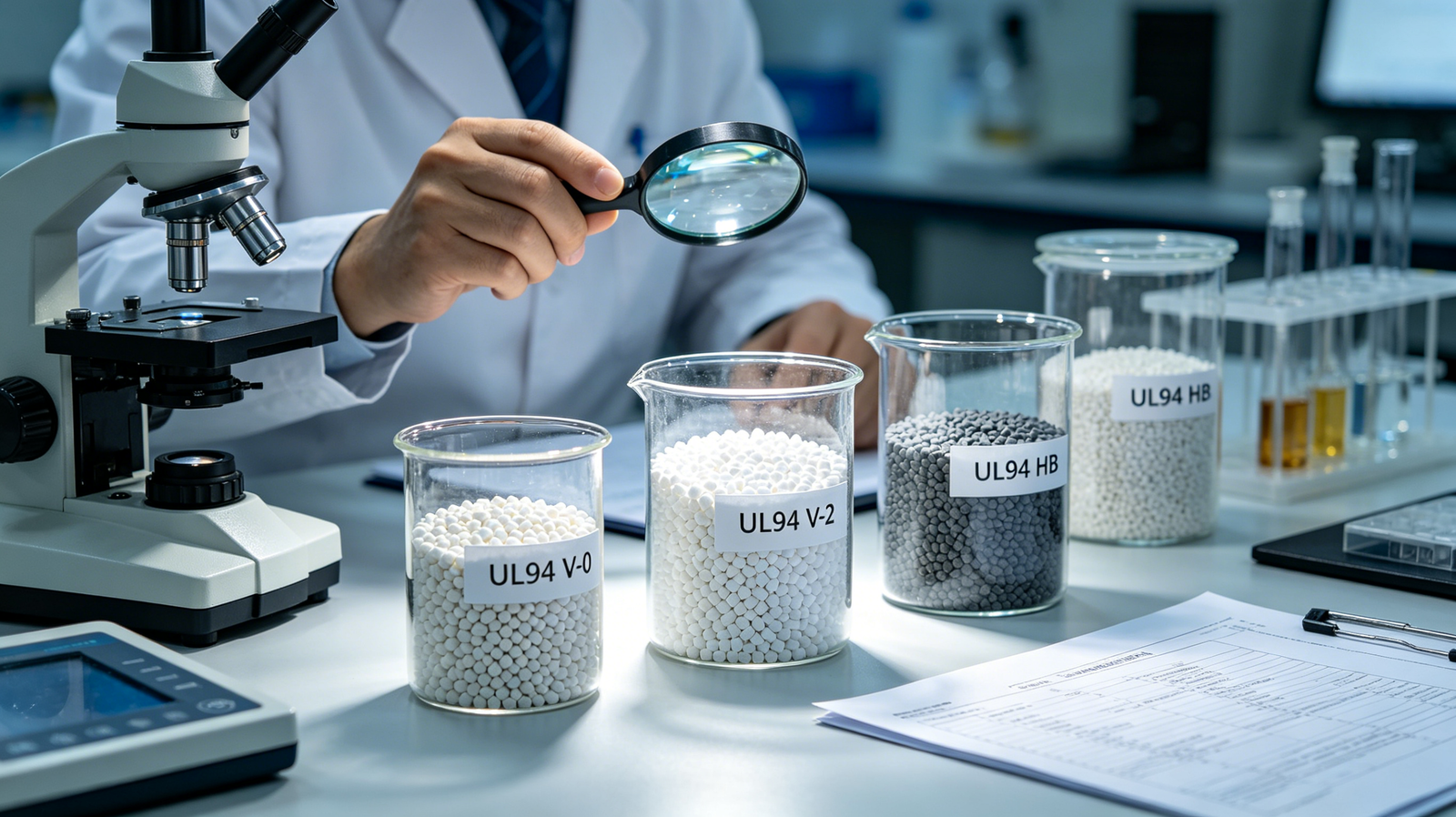
Different polymer raw materials bring distinct threats to mold steel, glass‑filled fillers accelerate abrasive wear and corrosive resins generate chemical erosion on cavity surfaces. A steel grade performing well for general‑purpose plastics may degrade rapidly under reinforced or corrosive polymer processing. Neglecting resin characteristics will lead to unexpected mold aging even if steel hardness meets nominal requirements. Mold designers should combine filler component and polymer chemical property to complete steel material assessment work.
Abrasion Risk Handling: High‑hardness hot‑work steel effectively counteracts scratch and erosion caused by glass fiber and mineral filler inside polymer melts.
Corrosion Risk Handling: Martensitic stainless mold steel prevents pitting corrosion when processing PVC, flame‑retardant and acid‑releasing plastic materials.
Surface Deposit Risk Handling: Selected steel shall keep stable surface status against carbon residue precipitation from high‑temperature engineering plastics.
Special‑material Compatibility: For transparent optical‑grade parts, steel with excellent mirror polish capability is required to guarantee part appearance quality.
🔍 Plastic resin types create critical constraints for final mold steel decision‑making.
Mold Steel Grade Performance & Application Comparison
| Steel Grade | Typical Hardness(HRC) | Estimated Mold Life(Shots) | Suitable Resin Type | Core Limitation |
|---|---|---|---|---|
| P20 | 28‑32 | 300 000‑500 000 | Unfilled general‑purpose plastics | Poor anti‑abrasion for filled materials |
| 718H | 33‑37 | 350 000‑550 000 | Medium‑run consumer components | Limited performance under corrosive polymer |
| H13(1.2344) | 48‑52 | 500 000‑1 200 000 | Glass‑filled high‑temperature engineering plastics | Insufficient corrosion‑resistant capacity |
| S136(1.2083) | 48‑52 | 500 000‑1 000 000 | Corrosive resin, optical transparent parts | Higher raw‑material procurement cost |
If you struggle to match steel grade with your real‑world molding project parameters, contact us to get targeted material evaluation suggestions.
Practical Steps to Evaluate Mold Steel for Injection Mold Life
Project teams can follow systematic assessment steps to avoid subjective judgment errors in mold steel selection work. Procurement and engineering staff should jointly review production target, material condition and post‑processing solution before mold steel ordering. Cross‑checking multiple evaluation dimensions helps strike optimal balance between mold service life and total project cost.
1.Define production target: Confirm exact expected molding shot quantity and clarify long‑term capacity planning for the injection‑molded component.
2.Analyze resin features: Sort out filler content, corrosive risk and special appearance requirement of the plastic raw material for production.
3.Filter candidate steel grades: Narrow down qualified steel options according to volume threshold, resin risk and surface finish specification.
4.Verify post‑treatment solution: Confirm heat‑treatment, nitriding or coating scheme and define acceptance criteria for final mold steel delivery.
FAQ
Q: What are the core evaluation indicators for your injection mold steel solution?
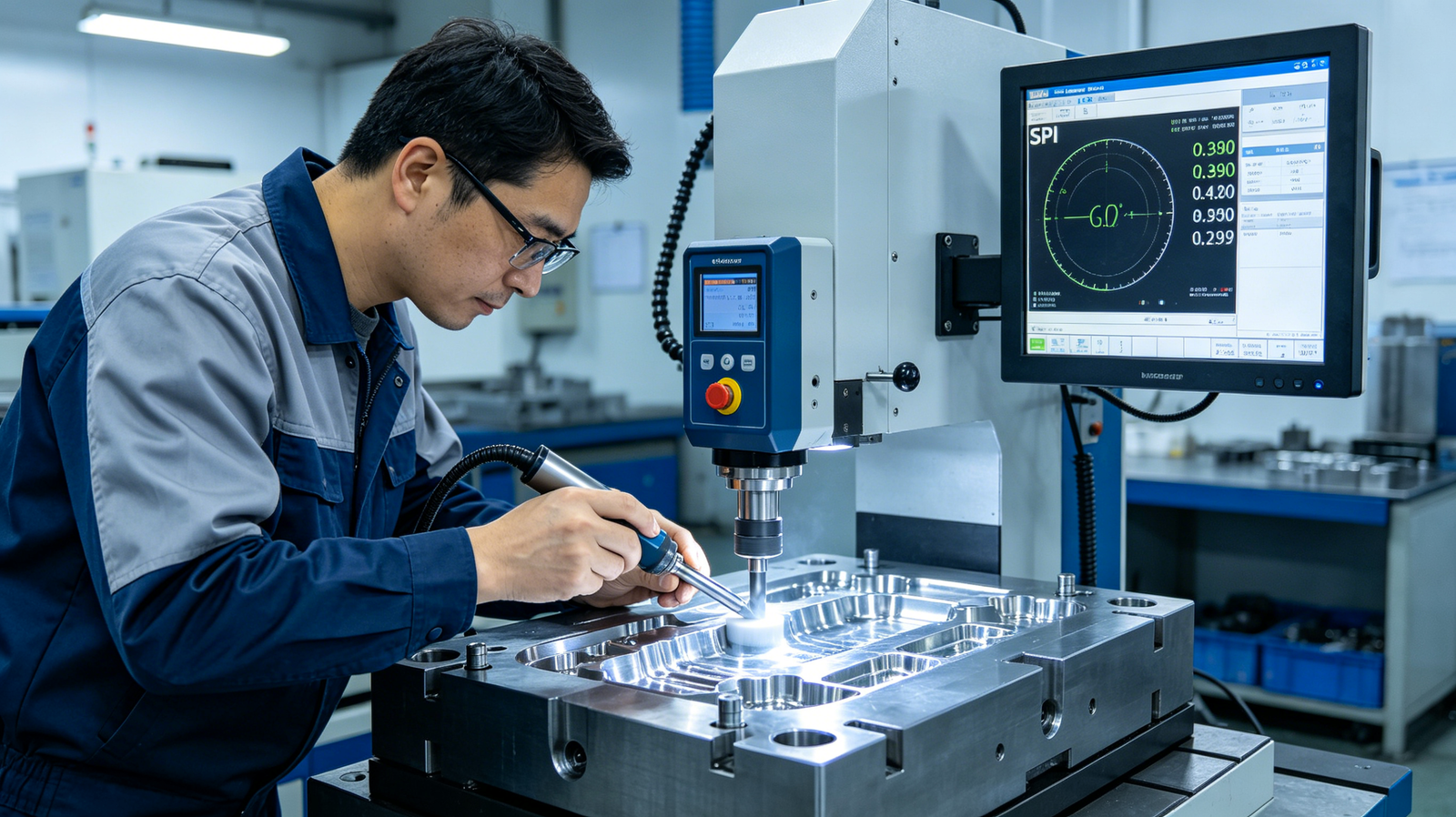
A: Our evaluation system covers achievable hardness range, wear‑resistance performance, corrosion‑resistant capability and heat‑treatment stability. We adopt standardized metallurgical inspection and hardness testing to validate steel quality, which can support procurement teams to achieve preset mold‑life goals of different‑volume injection‑molding projects.
Q: If we plan to purchase injection molds, what documents do we need to submit for fast steel‑grade assessment and quotation?
A: You need to provide 2D/3D part drawings, plastic resin datasheet, target production shot quantity and surface finish requirements. Send these materials through our official contact channel, our technical team will give steel‑grade recommendation and corresponding quotation within 12 working hours, and we support sample verification service for key projects.
Q: For injection mold projects, what are your MOQ, delivery cycle and payment terms for different production scales?
A: For small‑batch trial mold, there is no strict minimum order quantity, general delivery cycle ranges from 14‑21 working days. For mass‑production mold orders above 500 000 shots, we can provide preferential unit price. We have multi‑group mold‑processing production lines, and urgent orders can get compressed delivery time after communication and confirmation on project details.
Q: After we complete mold procurement, how will you handle problems such as insufficient mold service life or steel‑related quality defects?
A: We will conduct pre‑shipment full‑item inspection for mold steel and heat‑treatment status. If steel‑caused quality defects occur within agreed warranty period after receiving goods, we will complete problem assessment within 48 hours and give repair or replacement solution. The formal cooperation contract will clearly mark warranty scope and corresponding responsibility clauses.
Q: Can you offer customized steel‑matching solution for our special injection‑molding working‑condition requirements?
A: We support customized mold steel assessment for special working‑condition scenarios. You need to provide detailed information including actual injection temperature, pressure parameter, filler ratio and long‑term running environment. Our engineers will output complete customized steel‑selection proposal within 3 working days, and the extra cost caused by customized scheme will be marked clearly in the quotation document.
Conclusion
Evaluating mold steel for injection mold life is not merely picking a material grade, but a comprehensive decision balancing technical performance, production demand and total‑cycle economic benefit. Buyers should avoid only focusing on initial quotation and ignoring hidden risks brought by inappropriate steel specification. Matching steel grade with production volume, resin characteristics and post‑treatment is the core approach to realize expected mold service life. Full‑dimension steel assessment effectively reduces unexpected mold maintenance downtime and improves return‑on‑investment for your injection‑molding tooling assets.
For expert assistance in implementing for your production needs, visit our resource center or contact us. Let’s help you scale up your manufacturing with precision and efficiency!