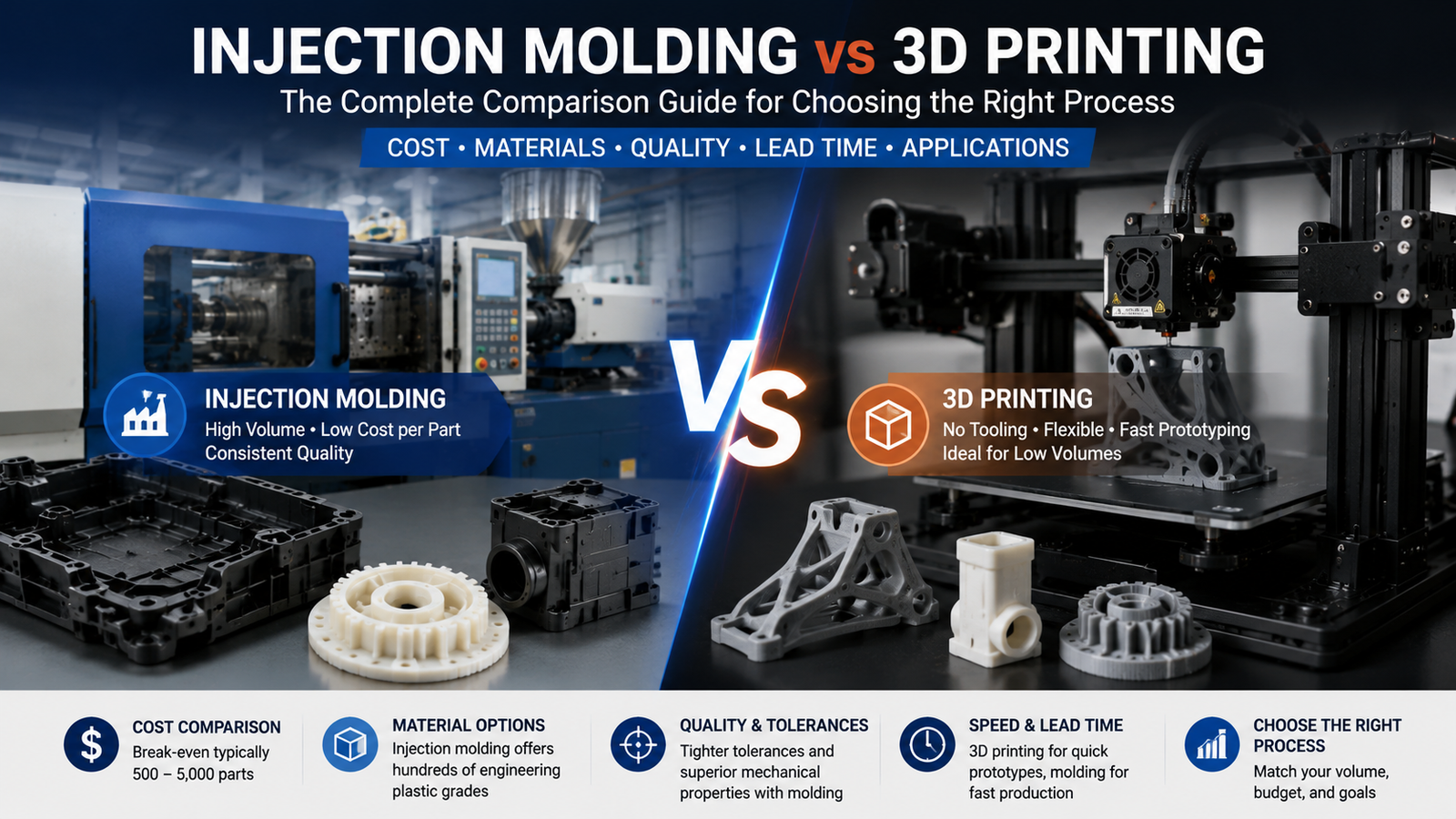
Introduction

In precision manufacturing, sourcing precision injection molded parts is far more than comparing prices—it is a systematic evaluation of product performance, reliability, and long-term supply capability. Based on Xiamen Ruicheng’s global project experience, many delays and cost overruns originate from unclear requirement definitions at the early stage. Clearly defining technical requirements and specifications is the foundation for reducing trial-and-error costs and accelerating mass production.
In complex applications, components often serve multiple roles such as structural support, sealing, thermal resistance, or electrical insulation, making single-parameter decisions insufficient. Xiamen Ruicheng helps clients translate application needs into manufacturable specifications through DFM collaboration. Shifting from passive quoting to proactive requirement definition is a key upgrade in modern B2B procurement.
How should you structure core technical requirements before sourcing precision injection molded parts?
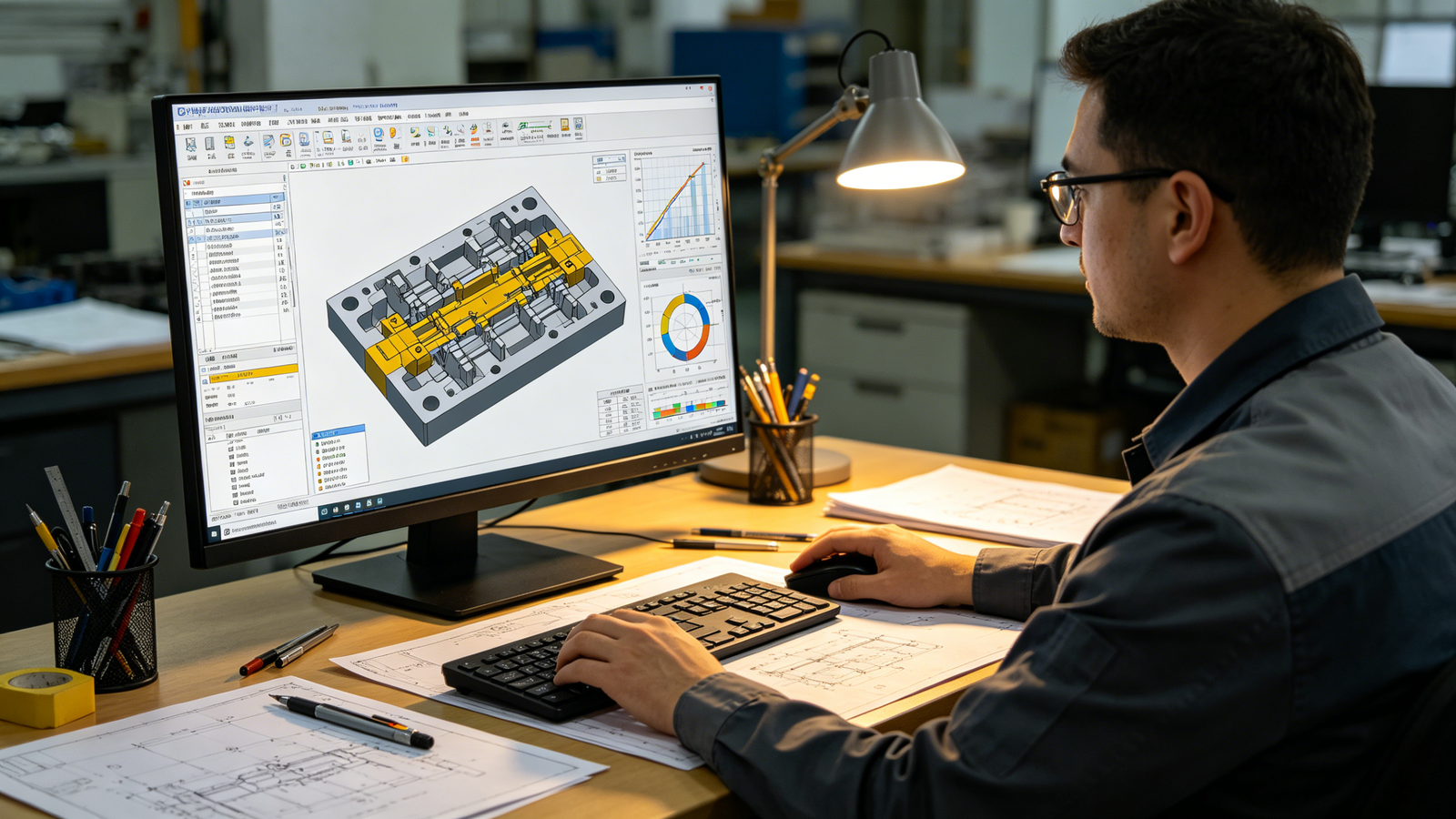
Before sourcing precision injection molded parts, requirement structuring must be based on real application scenarios rather than just dimensional drawings. Xiamen Ruicheng recommends breaking down needs into material performance, structural functionality, and lifecycle expectations, while validating feasibility through injection molding process and DFM analysis. Clear requirement definition significantly improves first-pass success rates and reduces communication friction.
Application environment: Define temperature, humidity, and media exposure to ensure material suitability.
Functional structure: Align part design with assembly method and load conditions.
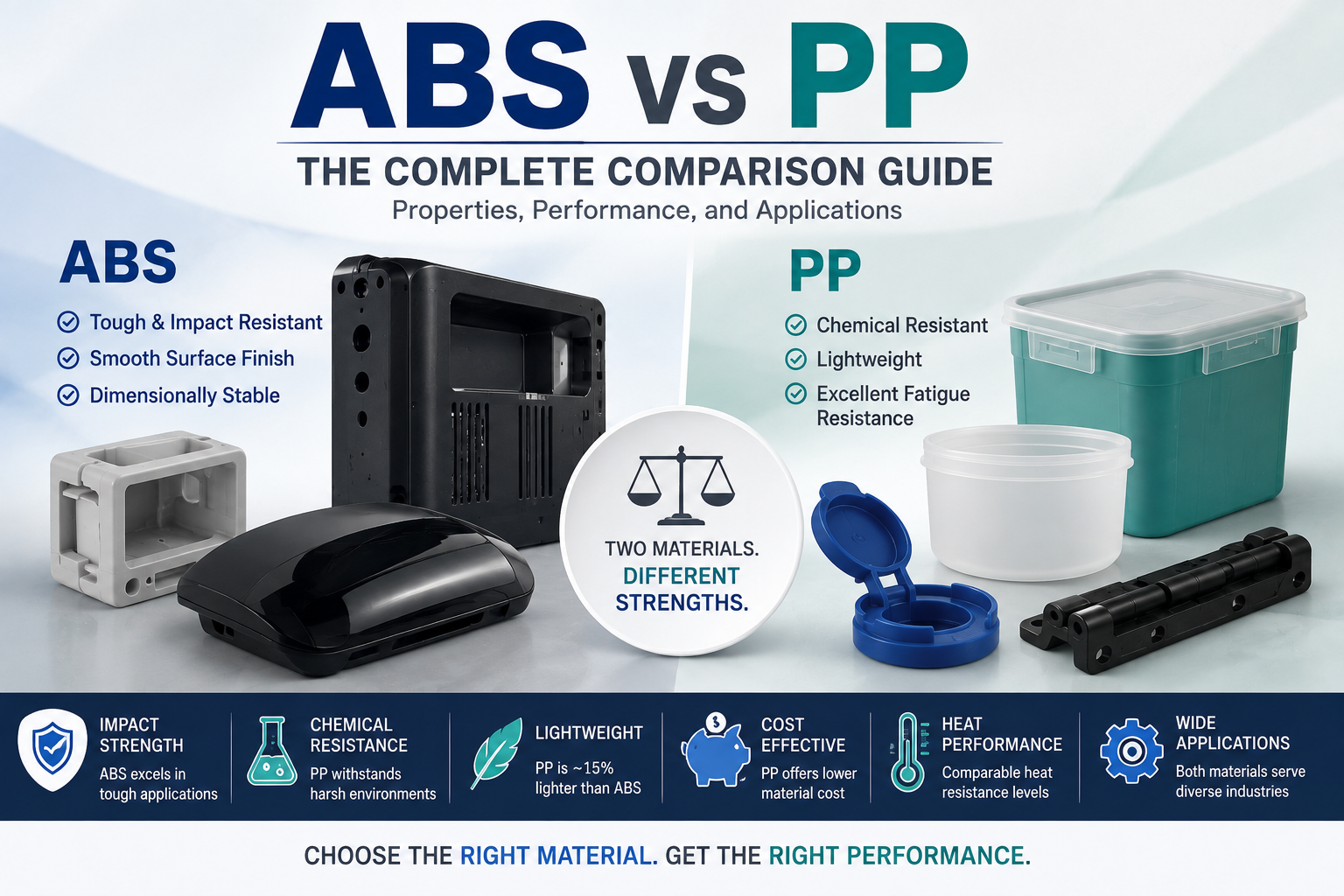
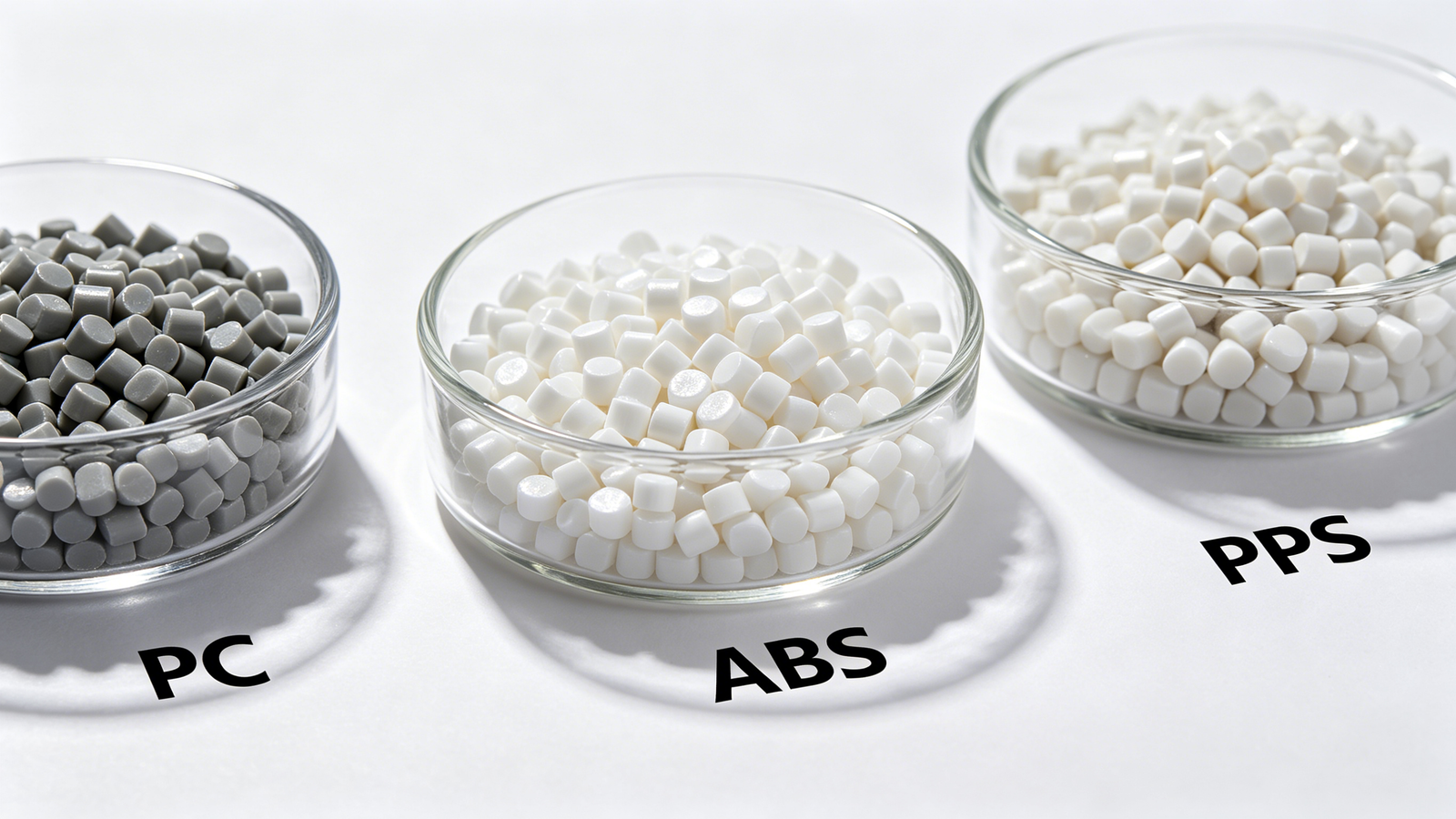
Material selection: Choose engineering plastics like PC, ABS, or PPS based on performance needs.
Lifecycle planning: Estimate durability based on usage frequency and wear conditions.
🔍 The clearer the requirements, the smoother the project execution.
How to define key specification parameters for precision injection molded components?
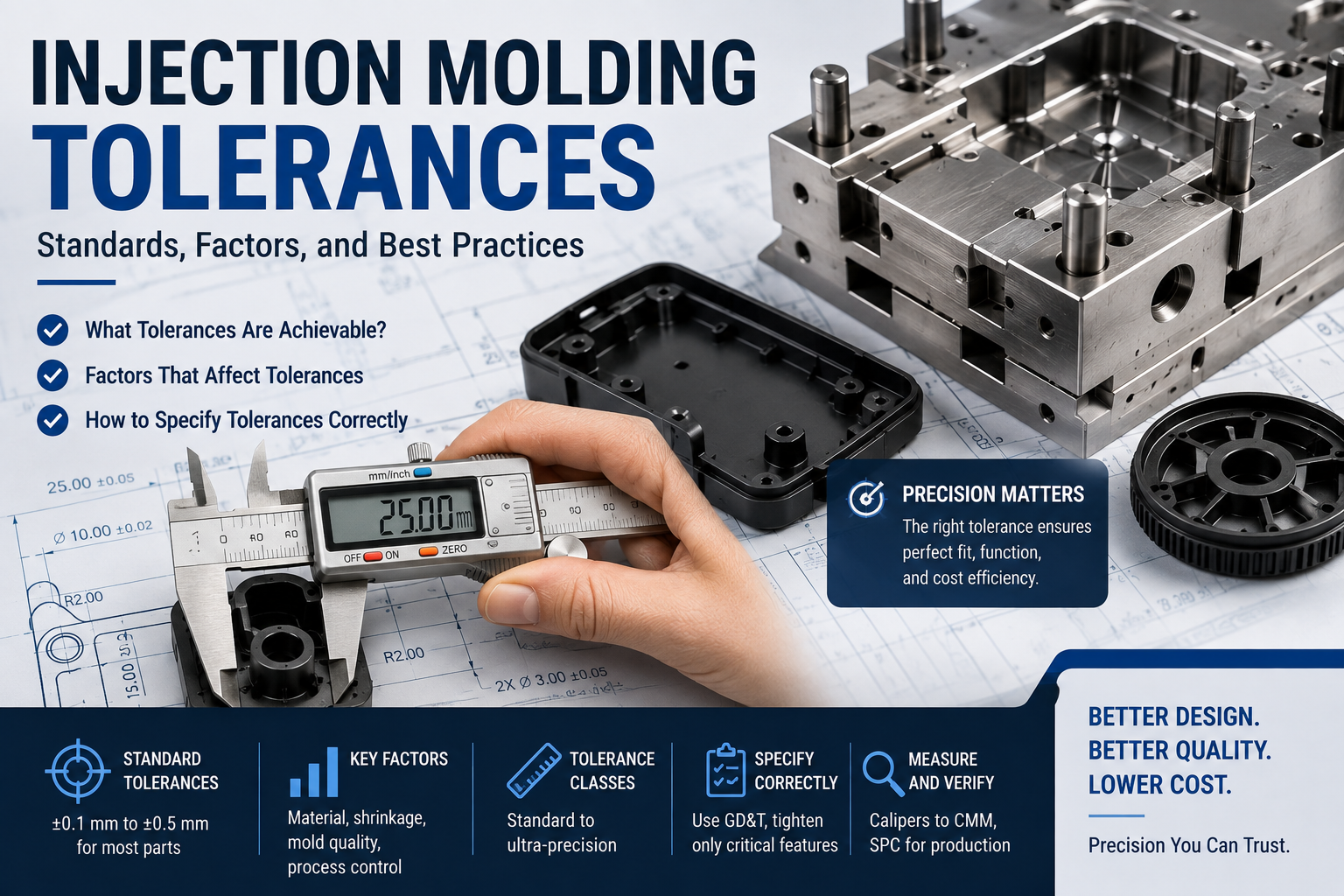
Specification definition directly impacts both product performance and production stability. Xiamen Ruicheng advises clarifying dimensional tolerances, surface requirements, and assembly interfaces while aligning with ISO tolerance standards and plastic material properties. Standardized specifications are the cornerstone of consistent quality and scalable production.
Dimensional tolerance: Define allowable deviations to ensure assembly accuracy.
Surface finishing: Specify texture, gloss, or coating requirements for appearance control.
Structural tolerance: Control deformation and warpage for stability.
Assembly interface: Define snap-fit, threading, or insert integration methods.
📐 The more precise the specifications, the more controllable the production.
How can you avoid project risks caused by unclear specifications?
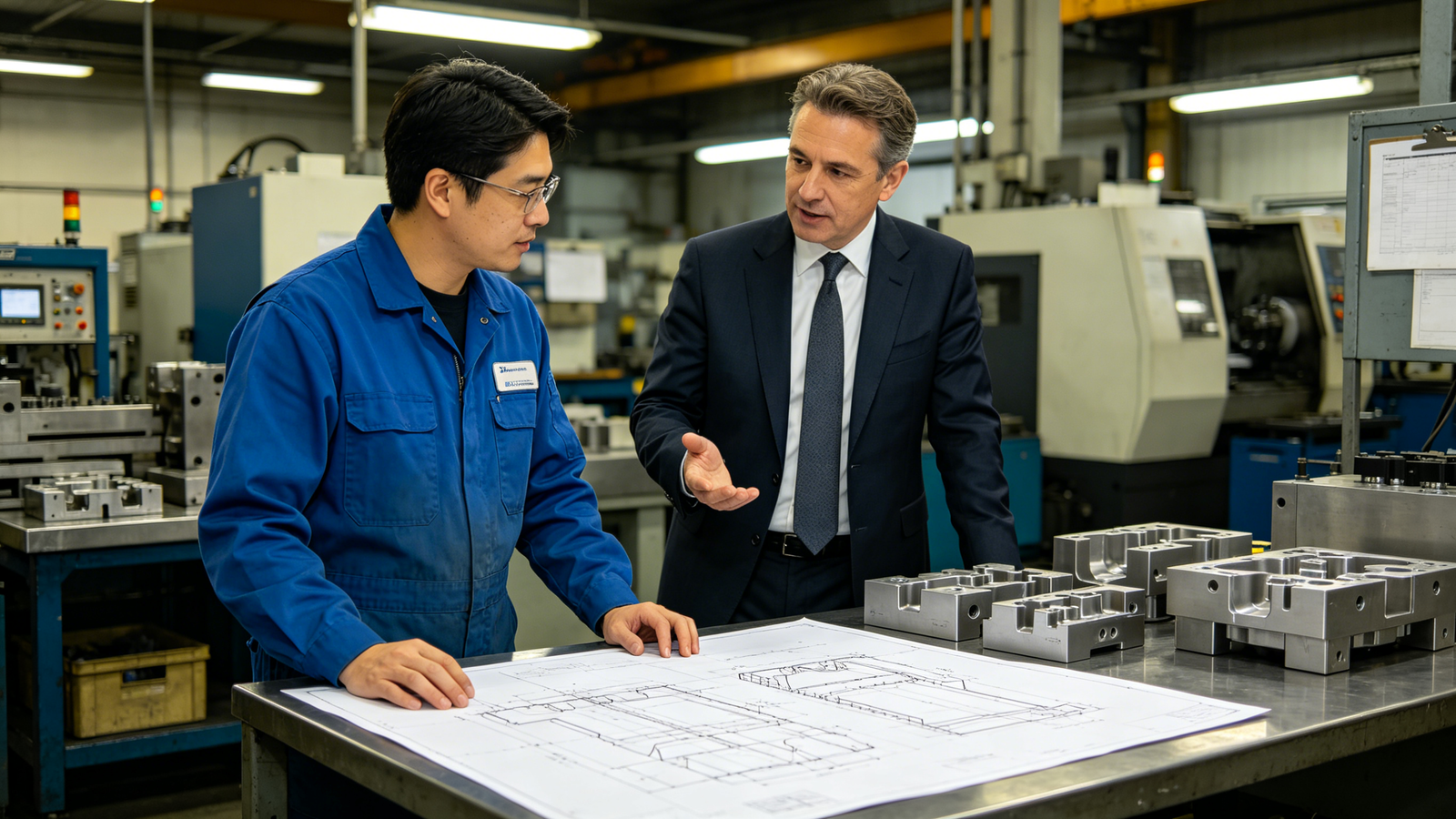
Unclear specifications often lead to repeated sampling, mold revisions, and project delays. Xiamen Ruicheng mitigates these risks through early technical reviews and sample validation, supported by mold design optimization and quality management systems. The more effort invested upfront, the lower the risk of costly rework later.
Drawing completeness: Ensure all critical dimensions and annotations are included.
Sample validation: Confirm feasibility and performance through prototyping.
Communication system: Establish clear technical contact points.
Change management: Control requirement changes to avoid cost escalation.
⚙️ Preventing issues early is always more efficient than fixing them later.
Comparative Table of Requirement Definition Approaches in Precision Injection Procurement
| Dimension | Basic Sourcing | Standard Definition | Engineering Collaboration | Xiamen Ruicheng Solution |
|---|---|---|---|---|
| Clarity | Low | Medium | High | Very High |
| Risk Control | Weak | Moderate | Strong | Fully Controlled |
| Sampling Efficiency | Low | Medium | High | Rapid Validation |
| Cost Stability | Unstable | Stable | Optimized | Best-in-class |
Defining requirements precisely is the first step toward efficient procurement and stable production. contact us
Why is shifting from “product parameters” to “requirement definition” more critical?
In today’s precision manufacturing landscape, focusing solely on product parameters is no longer sufficient to meet complex application demands. Procurement decisions must be based on real-world use cases and functional requirements. Xiamen Ruicheng transforms client needs into executable engineering solutions, improving success rates from the source. A requirement-driven approach reduces communication costs and significantly enhances product-market fit.
1.Reduce trial-and-error costs: Clear requirements prevent repeated revisions and wasted resources.
2.Improve communication efficiency: Unified technical language minimizes misunderstandings.
3.Enhance design quality: DFM analysis improves manufacturability.
4.Accelerate mass production: Reduced iteration cycles enable faster delivery.
FAQ (Frequently Asked Questions)
Q1: What are the core advantages and quality benchmarks of your precision injection molded parts?
A: Xiamen Ruicheng achieves tolerances up to ±0.01mm using imported materials and ISO-certified quality systems. Multiple inspections and performance tests ensure high precision and stability for demanding applications.
Q2: What information do we need to provide to get a quotation quickly?
A: Clients should submit 3D drawings, material requirements, and application details via email or online channels. Xiamen Ruicheng typically delivers an initial evaluation within 12 hours, including technical optimization suggestions.
Q3: What are the MOQ, lead time, and payment terms for different order volumes?
A: Prototype MOQ starts at 100 units, with flexible scaling for mass production. Standard lead time is 7–15 days, and urgent orders can be expedited to meet tight schedules.
Q4: How do you handle quality issues or delivery delays?
A: A 7-day inspection window is provided after delivery. Confirmed issues are resolved within 48 hours, with up to 18 months of quality assurance for key components.
Q5: Do you support customization based on specific application needs?
A: Yes, we offer tailored solutions based on environmental and functional requirements. Clients need to provide detailed working conditions, and our engineering team will propose a solution within 3 working days.
Conclusion
In precision injection molding procurement, the clarity of technical requirements and specifications directly determines project success. Xiamen Ruicheng empowers clients with engineering-driven support to ensure efficient decision-making and stable production outcomes. Starting from requirement definition rather than parameter comparison is the key to achieving reliable, cost-effective manufacturing. Establishing clear standards early enables the balance of quality, cost, and delivery in later stages.
For expert assistance in implementing solutions for your production needs, visit our resource center or contact us. Let’s help you scale up your manufacturing with precision and efficiency!