Precision Flame Retardant Material Selection
In industries such as electronics, power supplies, new energy systems, and industrial automation, precision injection molded parts are not only structural components but also critical elements affecting product safety and export certification efficiency. Xiamen Ruicheng has found through long-term project experience that many buyers focus only on achieving UL94 V-0 ratings while ignoring dimensional stability, heat resistance, and processing compatibility, which often leads to cracking, deformation, or certification failures during mass production. The ideal flame retardant material for precision injection molding must balance flame resistance, molding stability, and long-term reliability simultaneously.
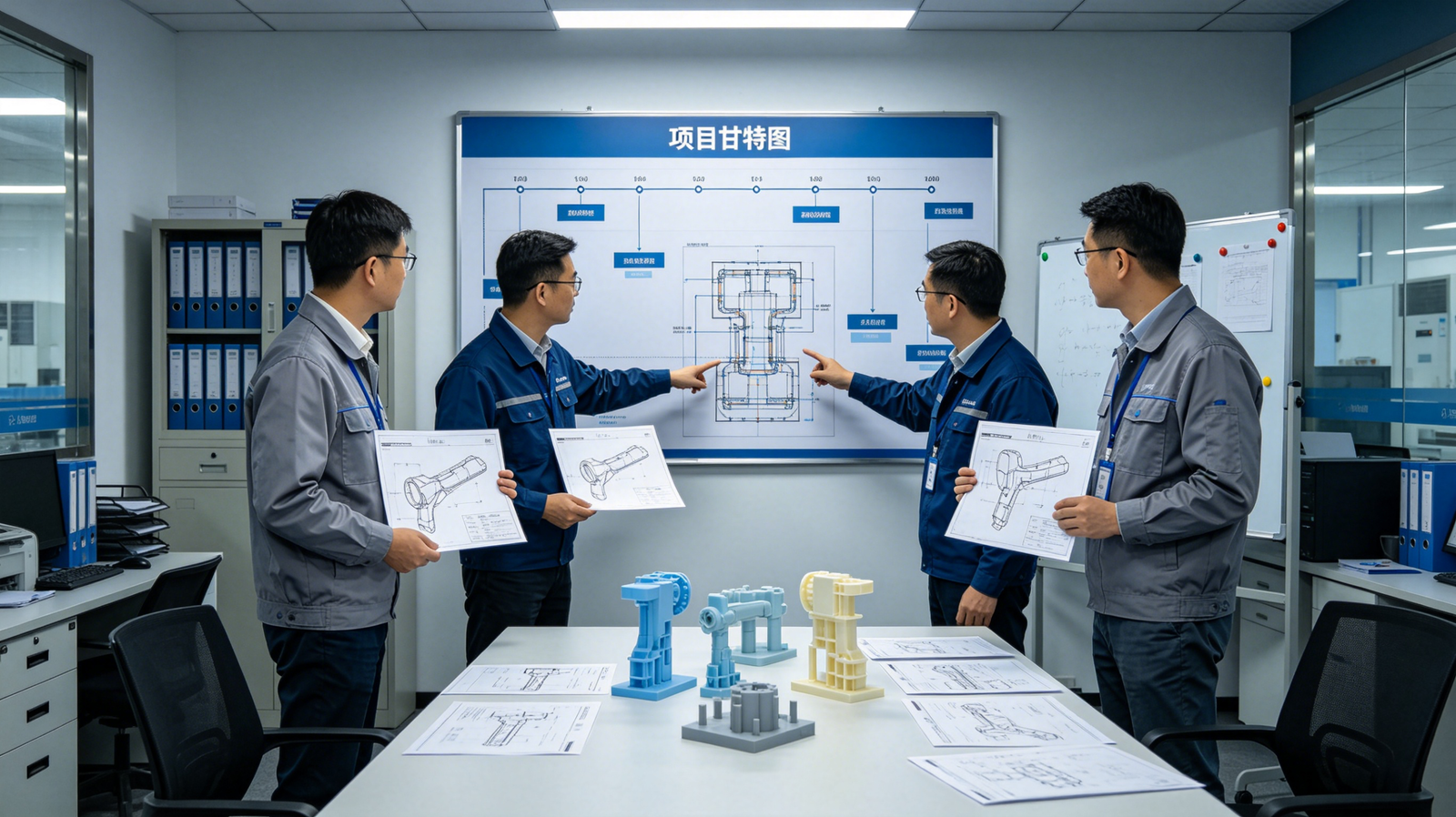
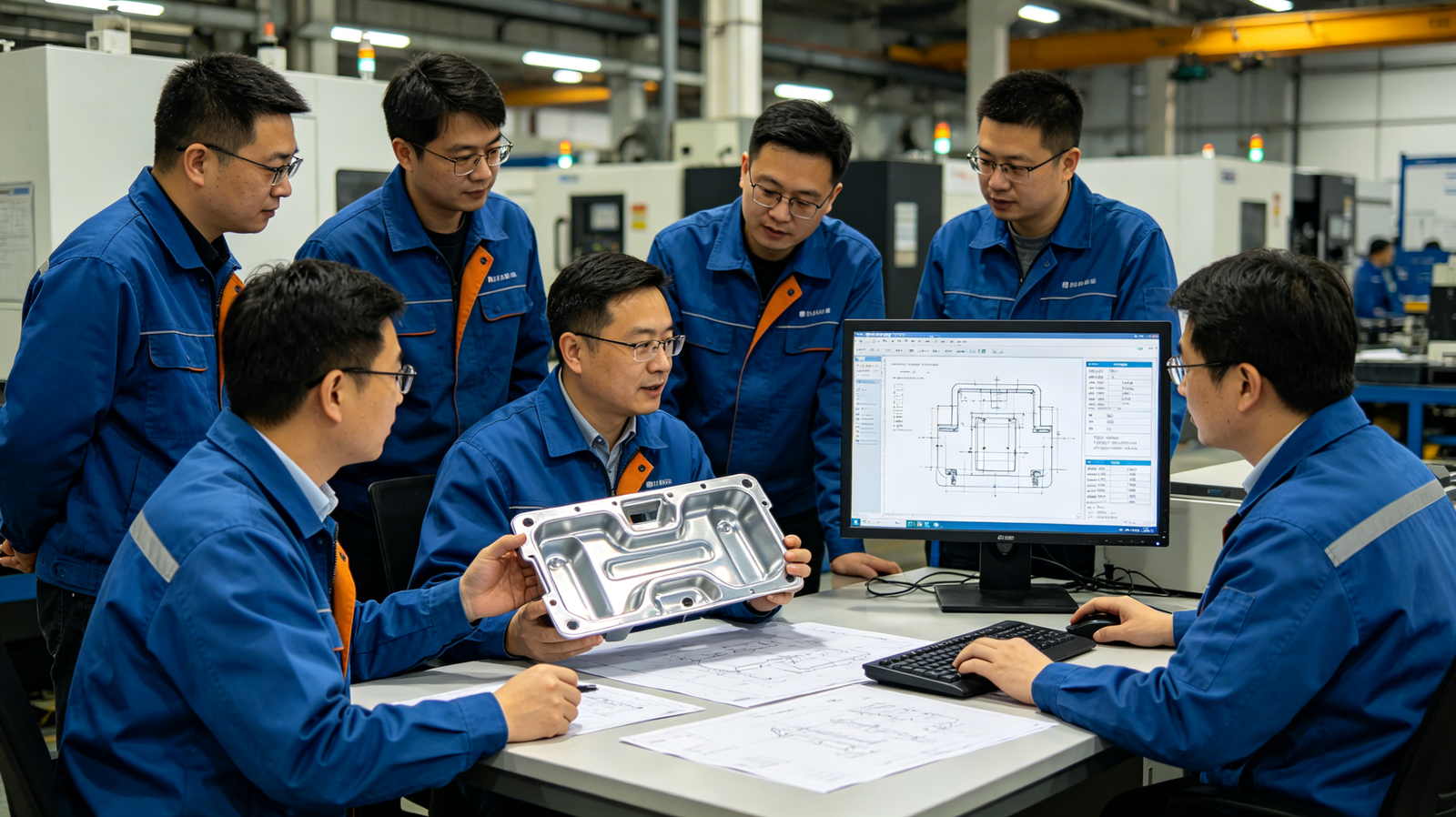
For B2B procurement projects requiring stable long-term supply, material selection is more than a technical issue because it directly affects delivery schedules, manufacturing costs, and after-sales risks. Xiamen Ruicheng evaluates product application environments, structural complexity, and certification requirements in advance to reduce development risks through material flow analysis, mold compatibility assessment, and mass production consistency validation. Accurate UL94 flame retardant material matching can significantly shorten product verification cycles and reduce rework costs.
Does the UL94 Flame Retardant Rating Affect Precision Injection Molded Part Performance?

In custom precision injection molding projects, different UL94 ratings directly affect product safety standards, material formulations, and processing stability, especially in electronic connectors, industrial controllers, and new energy structural components. The compatibility between UL94 flame retardant standards and precision injection molded parts determines whether products can successfully enter European and North American markets. Xiamen Ruicheng prioritizes evaluating material heat resistance, shrinkage performance, and dimensional accuracy during the early project stage to avoid certification failures or deformation issues during long-term use. Although V-0 materials provide higher flame resistance, this does not mean every precision structural component must use a V-0 solution. For many thin-wall products, blindly pursuing higher flame retardant grades may instead cause brittleness, warpage, or insufficient flow performance.
Flame Retardant Grade: Different UL94 classifications correspond to different burning times and dripping requirements, making proper application matching essential.
Processing Stability: Some high flame retardant materials are prone to decomposition under high processing temperatures, requiring mature injection molding temperature control.
Dimensional Accuracy: Highly filled flame retardant compounds can alter material flow direction and shrinkage behavior, directly impacting precision dimensions.
Certification Efficiency: Selecting materials with verified UL Yellow Card approval can significantly reduce certification lead time and repeated testing costs.
🔥 Choosing the correct UL94 grade is more important than simply selecting the highest flame resistance level.
Which Flame Retardant Plastics Are Better for High-Precision Injection Molding?

In high-precision molding applications, different flame retardant plastics greatly influence product strength, dimensional stability, and surface appearance. Flame retardant PC materials are commonly used for transparent protective parts and impact-resistant housings, while flame retardant PBT is more suitable for electronic connectors and automotive electrical components. Xiamen Ruicheng recommends optimized material solutions based on product wall thickness, structural complexity, and long-term operating environments. A truly stable precision injection molding project must balance flame retardancy, mold compatibility, and long-term dimensional consistency. In industries such as new energy and industrial equipment, high temperatures, humidity exposure, and continuous electrical operation create even stricter requirements for material stability.
Flame Retardant PC: Provides excellent impact resistance and is ideal for protective housings and appearance parts.
Flame Retardant ABS: Offers superior flowability and is suitable for complex structures and consumer electronics products.
Flame Retardant PA: Delivers high mechanical strength but requires strict moisture control during processing.
Flame Retardant PBT: Features stable heat resistance and is widely used in connectors and automotive electronics.
⚙️ Material performance and processing compatibility must work together to achieve stable precision injection molding.
How Can You Reduce Mass Production Risks for UL94 Flame Retardant Injection Molded Parts?

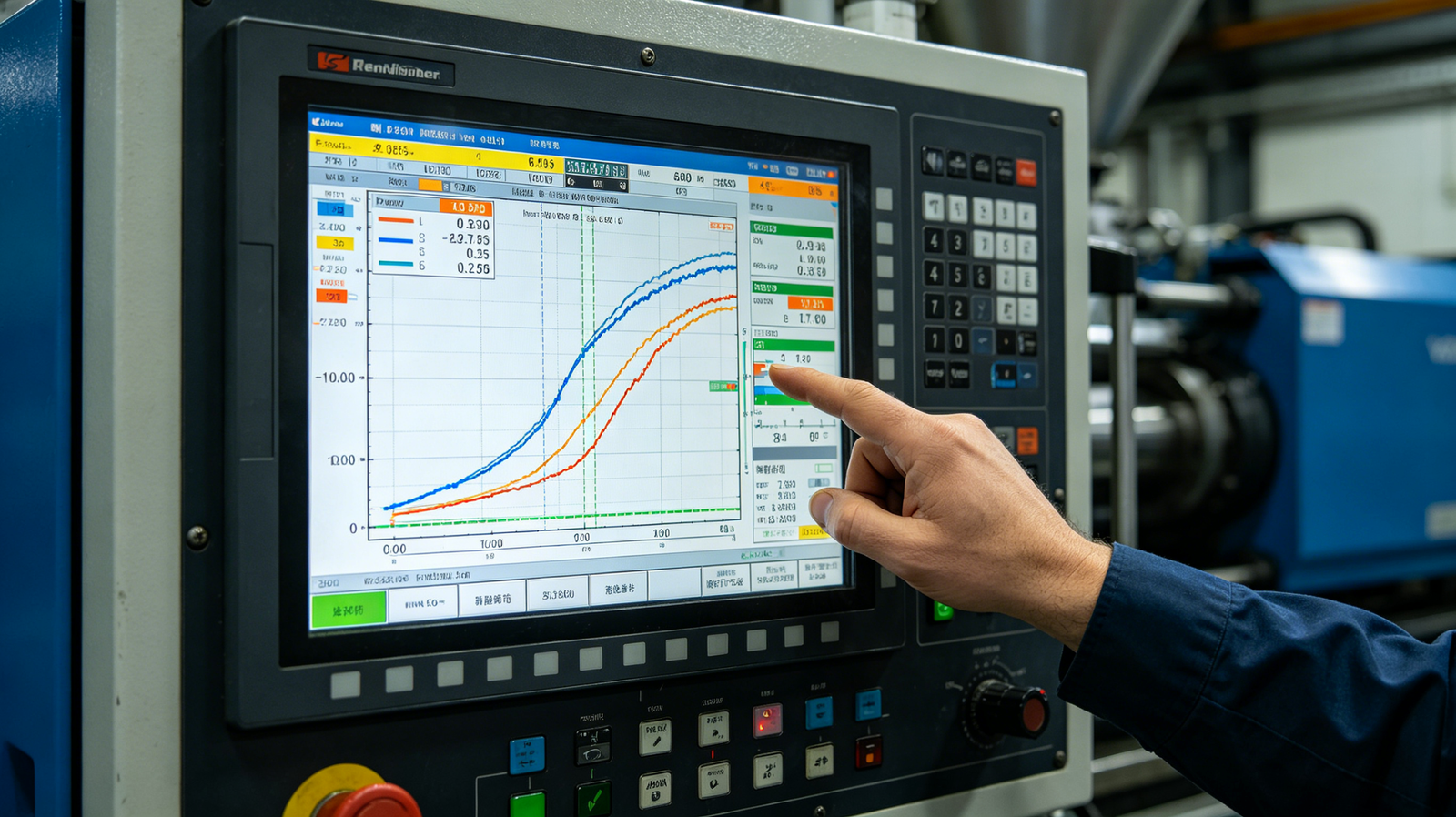
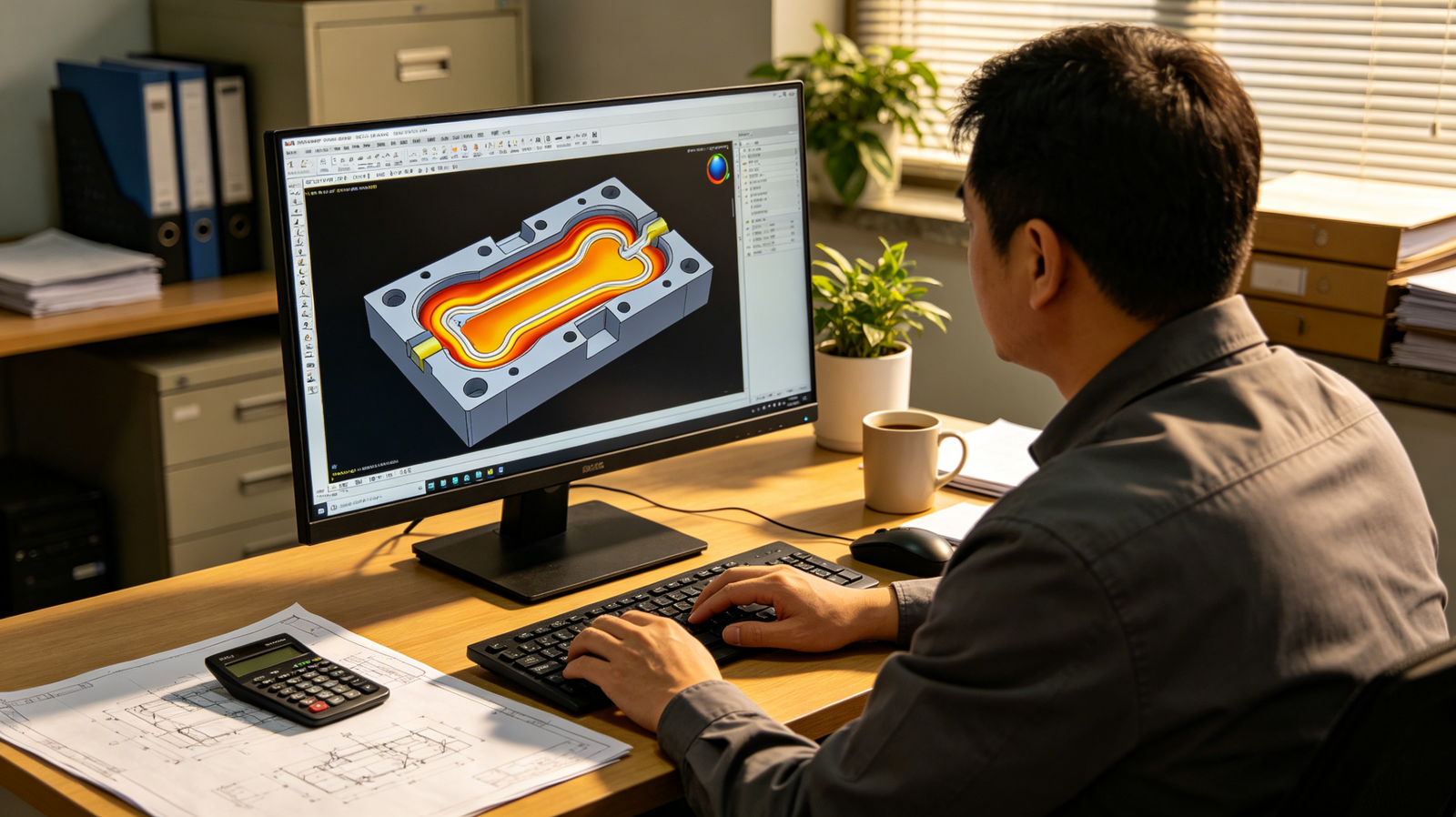
Many buyers focus heavily on material specifications during the early development stage while overlooking mass production stability issues. In practical applications involving flame retardant injection molding and UL certified materials, mold venting, temperature management, and fiber orientation can all affect final product quality. Xiamen Ruicheng performs DFM analysis, mold flow simulation, and material compatibility testing during project introduction to ensure long-term production consistency. The greatest risk in flame retardant material projects often comes not from laboratory testing but from dimensional fluctuation and performance degradation during continuous mass production. For high-precision structural parts, maintaining a stable processing window is more important than achieving excellent one-time test data.
Mold Flow Analysis: Early simulation helps reduce warpage and shrinkage problems during production.
Temperature Management: Stable barrel and mold temperatures reduce the risk of flame retardant additive decomposition.
Ventilation Design: Proper mold venting minimizes burn marks, silver streaks, and trapped gas issues.
Mass Production Validation: Small-batch trial production helps identify dimensional and assembly risks before full-scale manufacturing.
🛠️ Reliable mass production control is the real foundation of successful flame retardant precision injection molding projects.
Comparison of Common UL94 Flame Retardant Materials
| Material Type | UL94 Grade | Processing Stability | Heat Resistance | Main Application |
|---|---|---|---|---|
| Flame Retardant PC | V-0 | Good | High | Power Supply Equipment |
| Flame Retardant ABS | V-0/V-1 | Excellent | Medium | Consumer Electronics |
| Flame Retardant PBT | V-0 | Stable | High | Automotive Electronics |
| Flame Retardant PA | V-0 | Medium | Very High | Industrial Control |
If you are looking for a more stable flame retardant precision injection molding solution for export certification and long-term production, Xiamen Ruicheng can provide more accurate material recommendations based on your product structure and application requirements. contact us
How Does Xiamen Ruicheng Help Customers Optimize Flame Retardant Precision Injection Projects?
Xiamen Ruicheng focuses on precision flame retardant injection molding solutions for electronics, new energy systems, and industrial equipment industries. During the early development stage, we simultaneously evaluate material properties, mold structures, and certification requirements to minimize future rework risks. For complex structural components requiring UL94 V-0 certification, we recommend more reliable flame retardant solutions based on wall thickness, assembly methods, and long-term operating environments. Instead of simply offering injection molding services, Xiamen Ruicheng emphasizes project stability and risk management throughout the entire product lifecycle. From DFM optimization and material selection to pilot production validation, we help customers shorten development timelines and improve export certification success rates.
1.Early DFM Support: Optimized structural designs help reduce mold modification costs later in the project.
2.Material Matching Recommendations: We recommend more stable UL94 flame retardant materials according to industry application requirements.
3.Mass Production Risk Evaluation: Mold flow analysis and trial production help minimize manufacturing fluctuations.
4.Export Certification Assistance: We support customers in matching UL Yellow Card materials and international certification requirements.
FAQ About Flame Retardant Precision Injection Molding Procurement
What are the core advantages of your UL94 flame retardant precision injection molding solutions?
Xiamen Ruicheng matches flame retardant material solutions based on industry requirements, product structures, and export standards while prioritizing certified materials with verified UL Yellow Cards. We support V-0, V-1, and other flame retardant grades while combining mold flow analysis, dimensional inspection, and mass production validation to ensure product safety and long-term stability.
What information should we provide to receive a quotation for flame retardant precision injection molded parts?
Customers can provide 3D files, 2D drawings, estimated order quantities, application industries, and required flame retardant ratings. After receiving the information, Xiamen Ruicheng quickly performs preliminary process evaluation and provides detailed quotations with engineering suggestions within 12 hours.
What are the MOQ and lead time requirements for different order volumes?
For prototype projects, Xiamen Ruicheng supports small-batch validation production to help customers complete testing and certification efficiently. Standard precision flame retardant molding projects typically require 7-15 days, while large-volume production schedules are arranged according to capacity planning.
How do you handle dimensional deviations or flame retardant performance issues after delivery?
Xiamen Ruicheng performs quality evaluation based on project agreements and provides fast reinspection services for dimensional, appearance, or flame retardant performance issues. Once production-related issues are confirmed, we provide corrective actions such as rework, remanufacturing, or process optimization within 48 hours.
Can you provide customized flame retardant solutions for special applications?
For high-temperature, high-humidity, or chemical-resistant environments, Xiamen Ruicheng can provide customized flame retardant material recommendations and assist customers with structural optimization and certification evaluation. Customers only need to provide detailed operating conditions and performance requirements to receive a tailored solution.
Conclusion
Selecting UL94 flame retardant materials for custom precision injection molded parts is not simply about choosing the highest flame resistance level. It requires balancing product structure, long-term operating conditions, and manufacturing consistency. Xiamen Ruicheng helps customers achieve the right balance between safety standards and production efficiency through material matching, DFM analysis, and production validation. Stable flame retardant precision injection molding projects are built on the combination of material performance, process control, and long-term delivery reliability. For companies requiring export certification and stable long-term supply, choosing an experienced manufacturing partner early can significantly reduce development and procurement risks.
For expert assistance in implementing solutions for your production needs, visit our resource center or contact us. Let’s help you scale up your manufacturing with precision and efficiency!