Standard Scope
Plastic blow molded components used in automotive applications cannot be considered compliant simply because the material supplier describes the resin as flame retardant or provides a general flammability certificate. For components used in or around the occupant compartment, buyers first need to determine whether the part falls within the scope of FMVSS 302 and then verify the actual material, thickness, structure, and test conditions. NHTSA identifies FMVSS 302 as a standard addressing the burning behavior of certain materials used in the occupant compartment of motor vehicles.Reliable compliance verification should begin with application scope rather than with a material certificate. For an automotive blow molding manufacturer, flame-retardant performance is only one part of the assessment, while material formulation, wall thickness, processing conditions, and final-part validation must also be considered.
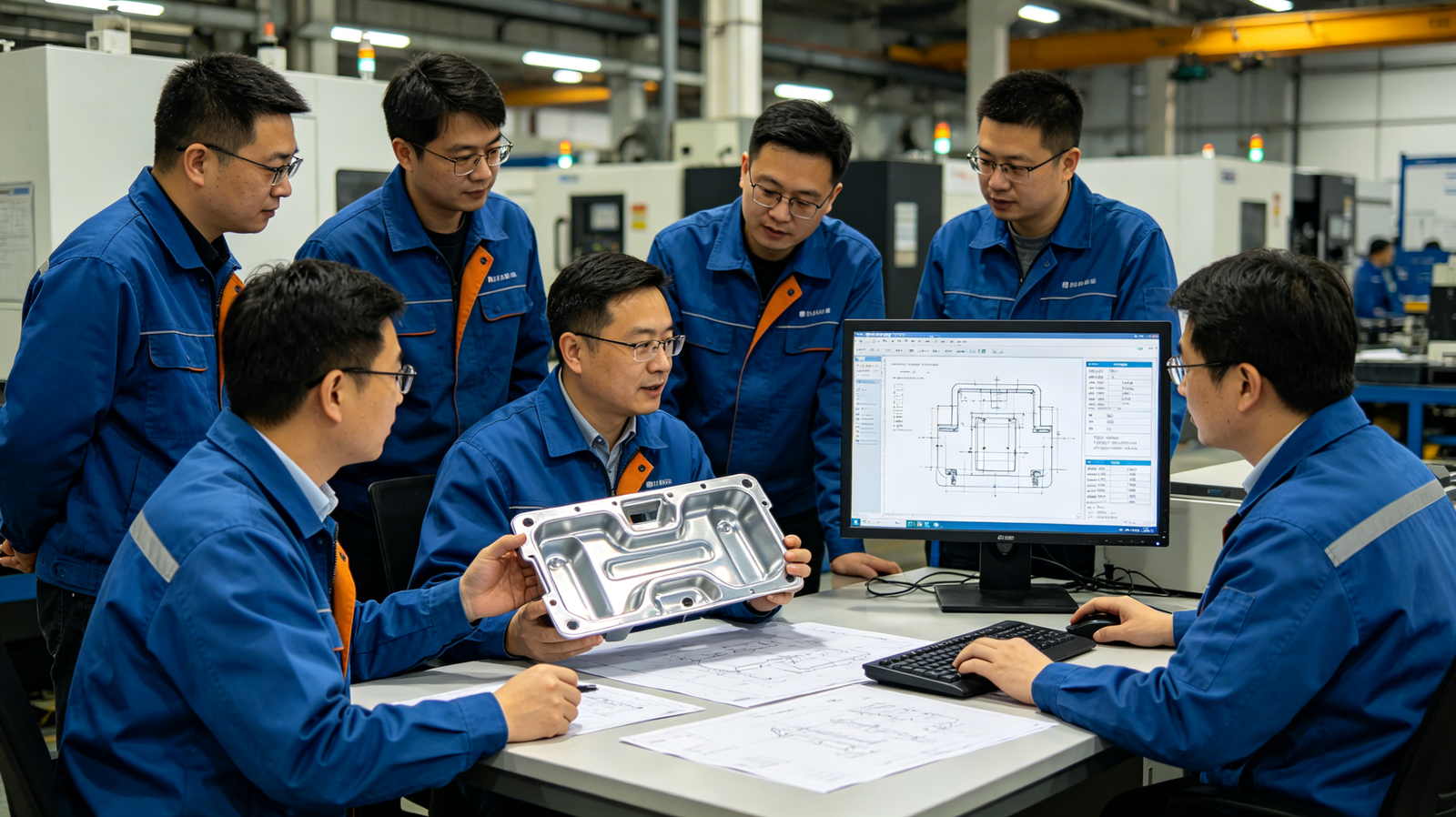
For automotive OEMs, Tier 1 suppliers, and engineering teams developing new programs, this distinction is critical because the same polymer family can behave differently when its formulation, color, thickness, or processing conditions change. A test report for a generic resin does not automatically prove that every finished blow molded component will meet the customer's requirements.At Xiamen RuiCheng, we evaluate automotive plastic projects across material selection, blow molding process control, and final-part validation rather than relying only on a generic material datasheet.
What Automotive Plastic Materials Need to Meet US Flammability Requirements?
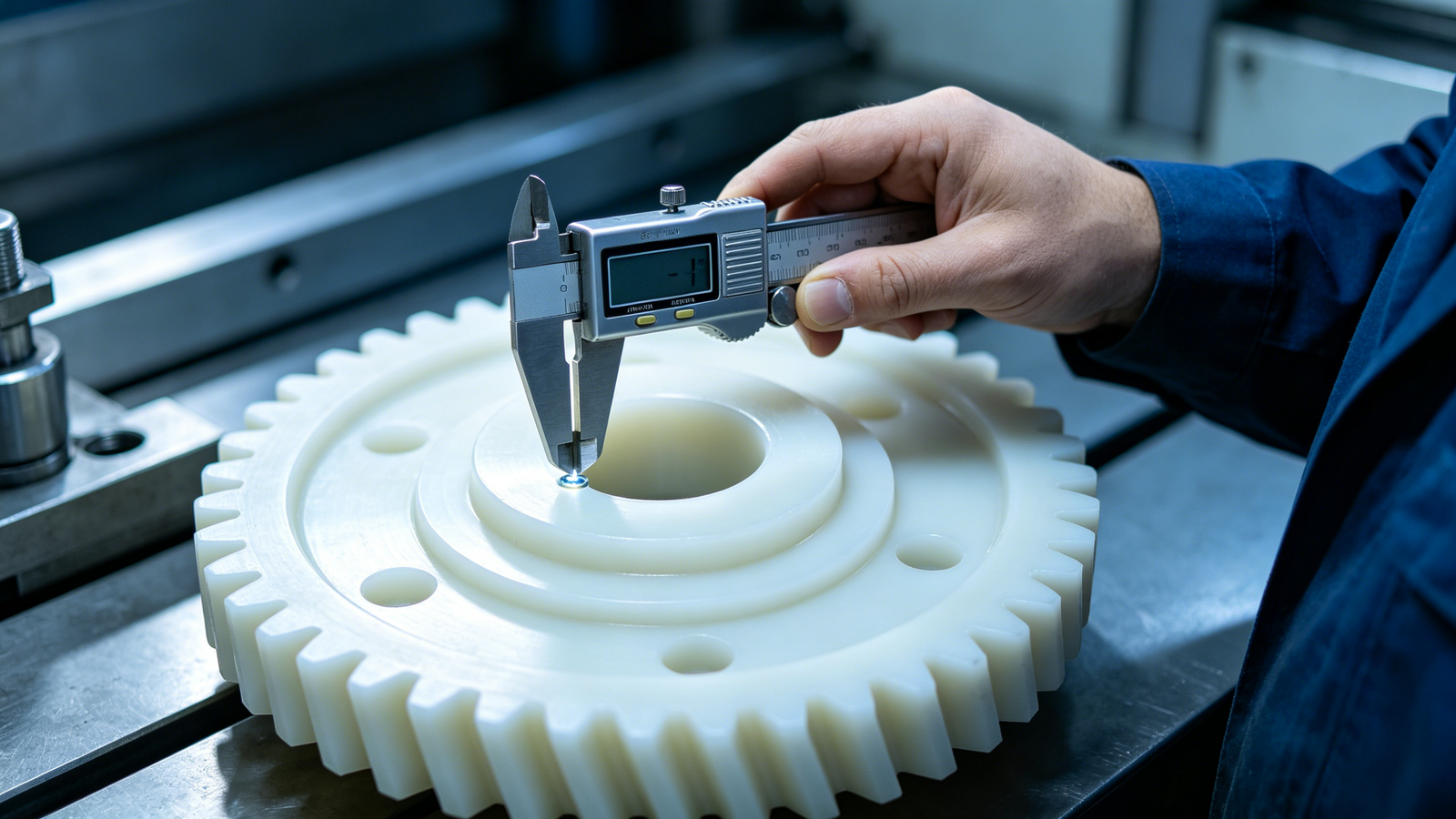
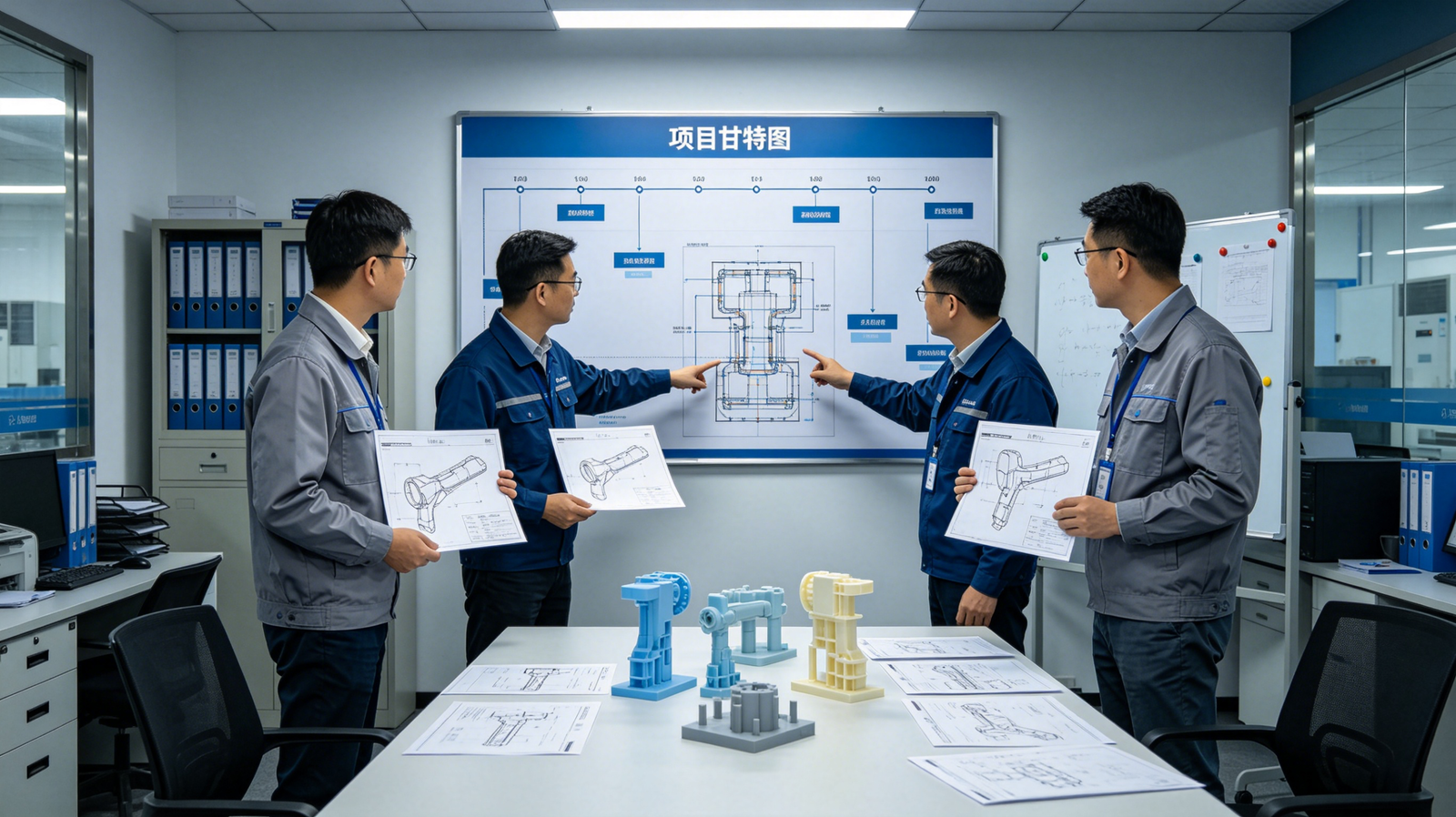
The first step in evaluating automotive blow molding materials is determining whether the finished component is subject to the applicable automotive flammability requirement. FMVSS 302 applies to certain materials and components located within the occupant compartment, so the installation location and intended function of the component must be evaluated before selecting a test method. This means that the phrase “automotive plastic part” alone is not sufficient to determine whether FMVSS 302 applies.
Application Location: The buyer should confirm whether the blow molded component is located within the area covered by the applicable occupant-compartment requirements.
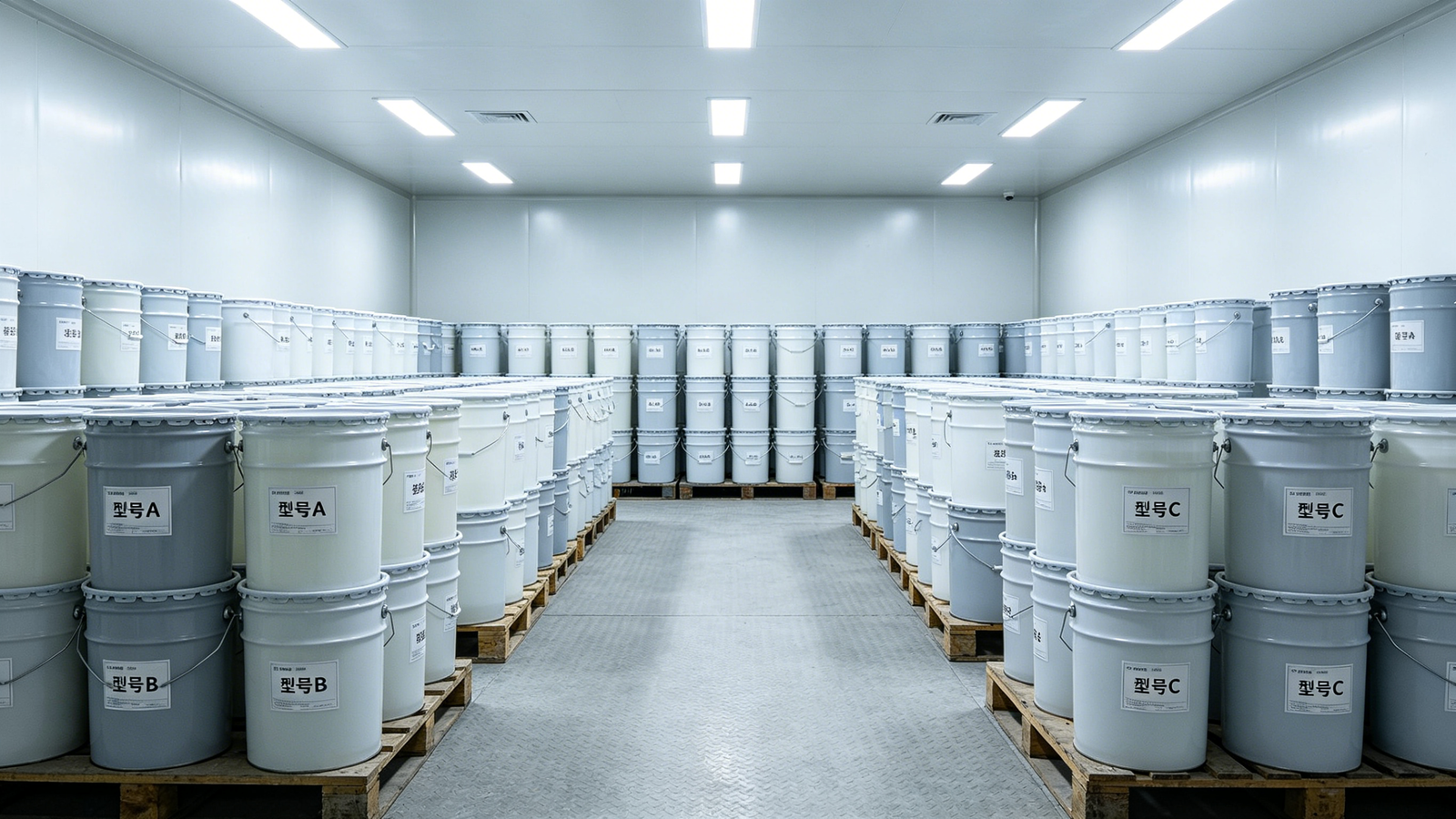
Material Composition: The actual polymer grade, flame-retardant additives, colorants, and other formulation components should be identified rather than relying on the base resin name alone.
Finished Part Structure: Actual wall thickness, geometry, surface condition, and processing history can influence the final behavior of a blow molded component.
Compliance Responsibility: NHTSA operates under a self-certification system, meaning vehicle manufacturers are responsible for certifying compliance, while suppliers need to provide accurate material and production information to support the vehicle program.
🔥 Before reviewing a flammability report, confirm whether the actual automotive component falls within the applicable regulatory scope.
How Can You Verify That Blow Molding Materials Meet the Required Flammability Standard?

Once the applicable requirement has been identified, the next step is to verify whether the supplier's material data actually supports the automotive application. FMVSS 302 evaluates the burning behavior of specified materials and uses defined test conditions and performance limits. A supplier claiming that a material is “flame retardant” is therefore not enough evidence for a production automotive program.The buyer should request test documentation that clearly identifies the material grade, formulation or material designation, sample thickness, test method, test results, laboratory information, and test date. These details should then be compared with the actual material intended for mass production.
Test Standard: Confirm that the report uses the test method required by the automotive program instead of treating a different flammability classification as an automatic substitute.
Test Results: Review the actual burning rate and test observations rather than relying only on a “Pass” statement on the front page.
Sample Consistency: The tested material should closely represent the production material in terms of grade, formulation, color, and relevant thickness.
Traceability: Material supplier information, laboratory records, test dates, sample identification, and production batch information should be traceable for future customer audits and validation activities.
🔥 A useful flammability report must be traceable to the material and production conditions actually used in the automotive project.
How Can Blow Molding Processes Affect Automotive Flammability Results?

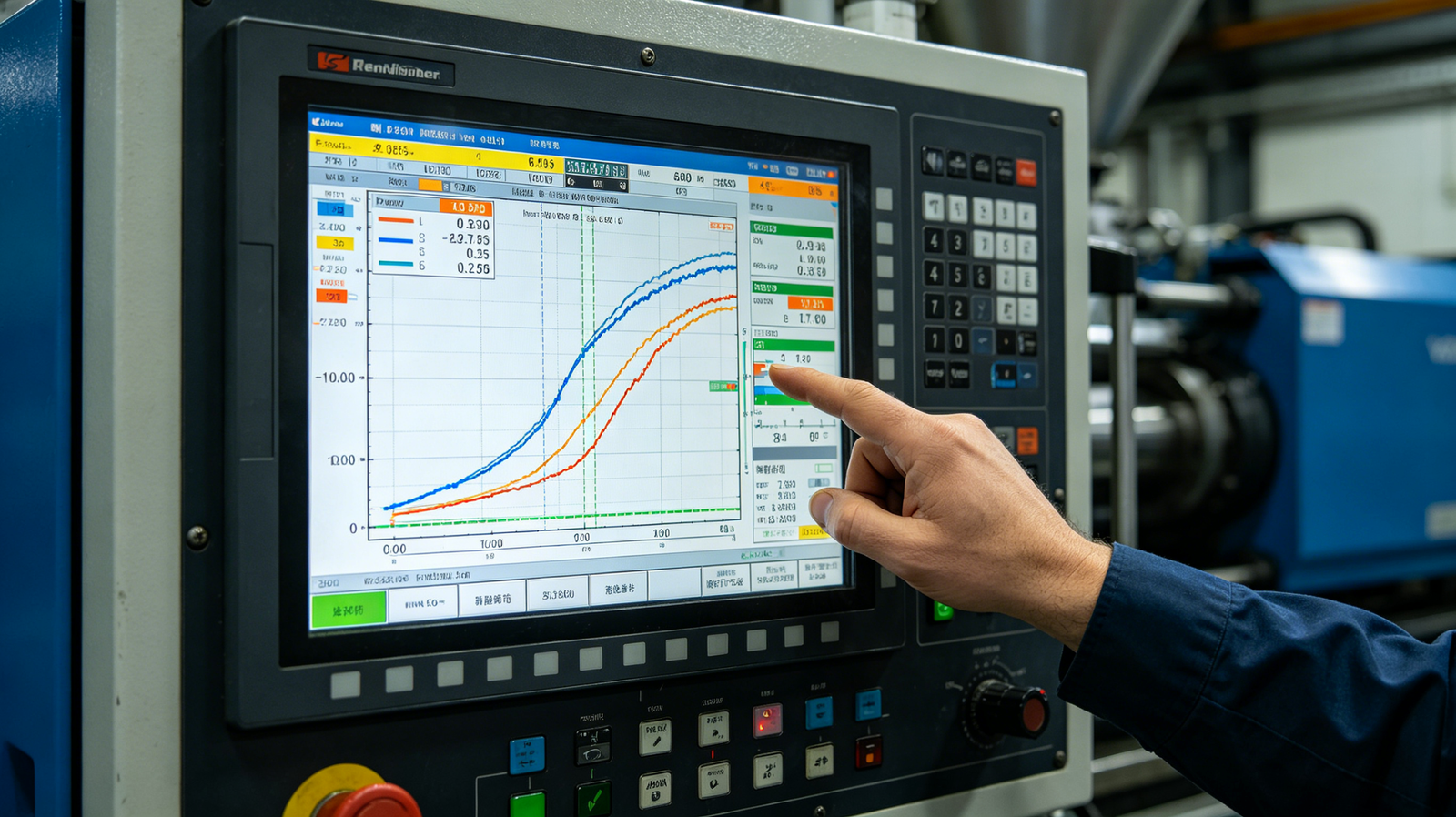
Flammability performance is not determined by resin formulation alone. During blow molding, melt temperature, parison programming, wall thickness distribution, blow-up ratio, cooling conditions, and processing stability can affect the physical structure of the finished component. Large automotive ducts, reservoirs, air channels, and other hollow components may have significant wall-thickness variation, making process control especially important.Passing a material test does not automatically mean that every finished blow molded part will perform identically under all production conditions. Xiamen RuiCheng therefore considers the relationship between material data and actual manufacturing parameters when developing automotive blow molded components.
Wall Thickness Control: Consistent wall thickness helps reduce variation between different regions of the finished component.
Processing Temperature: Stable processing temperatures help maintain a consistent melt condition and prevent unnecessary variation during production.
Formulation Consistency: Changes in resin suppliers, flame-retardant systems, colorants, or additives should trigger a technical review before mass production.
Production Validation: Material-level testing should be combined with appropriate validation of representative production parts when required by the customer's specification.
🔥 Automotive flammability compliance ultimately depends on a stable relationship between material formulation and repeatable mass-production conditions.
Key Checks for Automotive Blow Molding Material Compliance
| Check Item | Main Focus | Potential Risk | Recommended Action |
|---|---|---|---|
| FMVSS 302 Scope | Application location | Wrong standard | Confirm installation area |
| Material Test Report | Actual test results | Data mismatch | Verify grade and formulation |
| Sample Consistency | Thickness and material | Testing deviation | Use production-representative samples |
| Mass Production | Wall thickness and process | Batch variation | Control process window |
If you need an automotive blow molding supplier that can support material selection, flammability evaluation, mold development, and mass production, Xiamen RuiCheng can review your drawings, material requirements, and application conditions. contact us to discuss your project.
How Should Automotive Blow Molding Flammability Verification Be Managed?
For automotive buyers, the real objective is not simply obtaining a flame-retardant material certificate but establishing a traceable compliance chain from raw material to finished production parts. FMVSS 302 should be treated as part of the vehicle manufacturer's broader compliance process rather than as a standalone “certification label.” A supplier's ability to maintain material consistency, production traceability, and validation records can significantly reduce downstream project risk.
1.Build a Material File: Record resin grade, supplier, formulation changes, color, additives, and associated flammability test documentation.
2.Create a Test Matrix: Define validation samples according to material grade, color, thickness, and component structure when these variables can affect performance.
3.Lock the Production Process: Establish controlled blow molding temperatures, parison programming, wall thickness targets, cooling conditions, and other critical process parameters.
4.Manage Engineering Changes: Reassess flammability risk whenever the resin supplier, formulation, flame-retardant system, colorant, mold, or critical process conditions are changed.
Frequently Asked Questions
Question 1: What are the key quality requirements for your automotive blow molded components?
Answer: Xiamen RuiCheng develops quality control requirements according to the customer's application, drawings, material specifications, and applicable automotive standards. For projects involving FMVSS 302, we focus on material traceability, representative test data, wall-thickness consistency, production-process stability, and the customer's required validation documentation.
Question 2: What information should we provide to receive a fast evaluation and quotation?
Answer: Customers should provide the 2D or 3D drawings, application location, material requirements, wall-thickness requirements, estimated annual volume, customer specifications, and any existing flammability test reports. With this information, Xiamen RuiCheng can evaluate manufacturability, material suitability, mold requirements, and potential compliance risks before quotation.
Question 3: How do MOQ and delivery times vary for different production volumes?
Answer: Delivery schedules depend on component size, mold development status, material validation, trial molding, inspection requirements, and production volume. Xiamen RuiCheng normally separates prototype, pilot production, and mass-production stages so that tooling and validation activities can be aligned with the customer's SOP schedule.
Question 4: What happens if the finished component fails a required flammability test?
Answer: Xiamen RuiCheng first separates the potential causes into material formulation, sample structure, wall-thickness distribution, and processing conditions. Production records and test data are then reviewed to identify the root cause before determining whether material adjustment, process optimization, tooling modification, or additional validation is required.
Question 5: Can you customize flame-retardant materials and blow molding processes for our automotive project?
Answer: Xiamen RuiCheng can evaluate customized material and manufacturing solutions based on the required automotive standard, installation location, wall thickness, color, environmental conditions, and production volume. Customers should provide the target specification and material restrictions so that our engineering team can assess feasibility and establish an appropriate validation plan.
Conclusion
Checking whether plastic blow molding materials meet US automotive flammability requirements requires more than reviewing a generic flame-retardant certificate. The correct approach is to establish the applicable regulatory scope, verify material-specific test evidence, confirm representative part conditions, and control the manufacturing process throughout mass production.A reliable automotive compliance strategy creates a traceable connection between the raw material, tested sample, production process, and finished component. For buyers, working with a supplier that understands both blow molding technology and automotive validation requirements can reduce failed testing, engineering changes, production delays, and supply-chain risk.Xiamen RuiCheng provides customized plastic manufacturing support covering engineering review, material evaluation, mold development, blow molding production, quality inspection, and project coordination for automotive applications.
For expert assistance in implementing automotive blow molding material validation and production requirements, visit our resource center or contact us. Let’s help you scale up your manufacturing with precision and efficiency!