Introduction
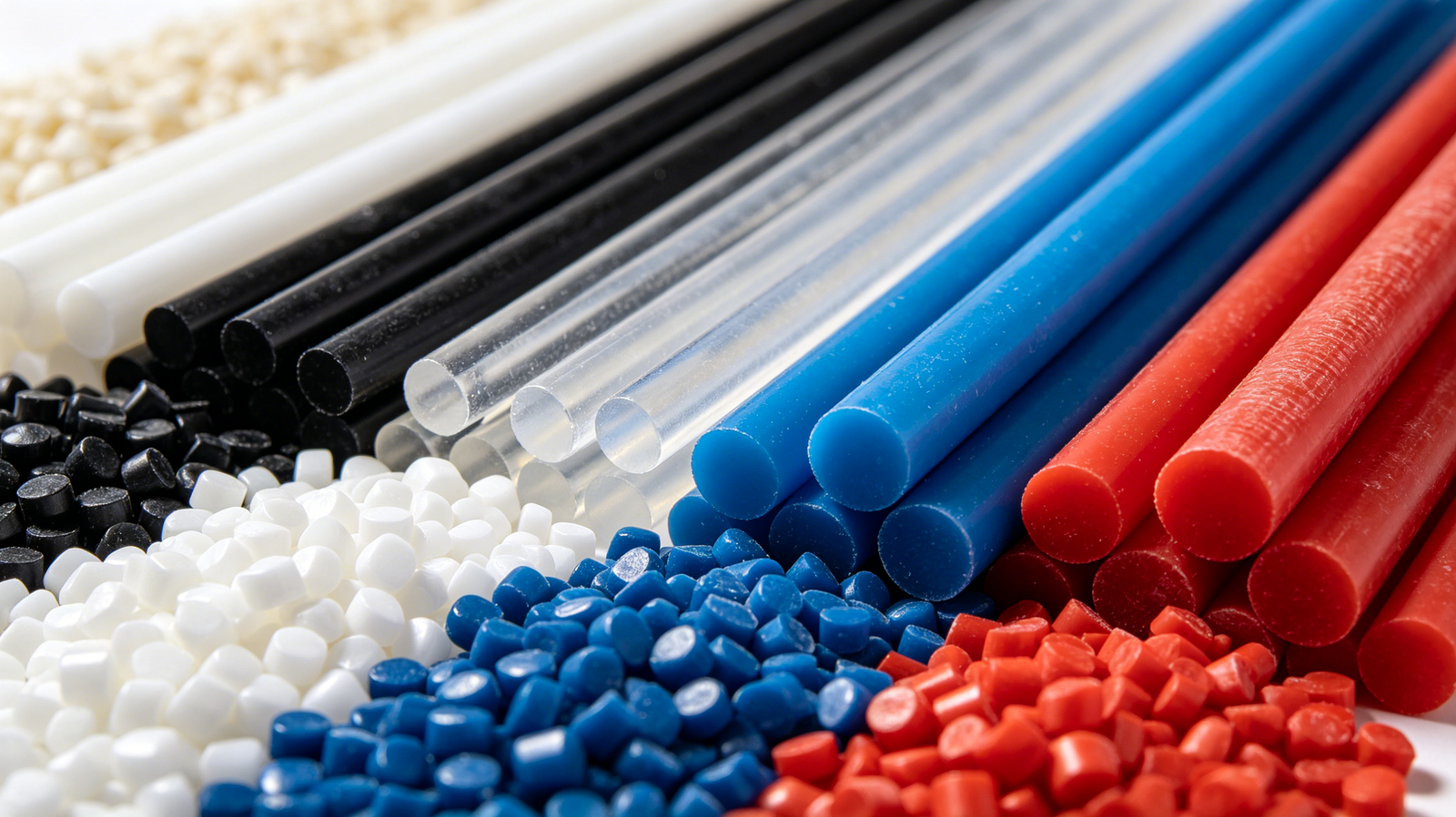
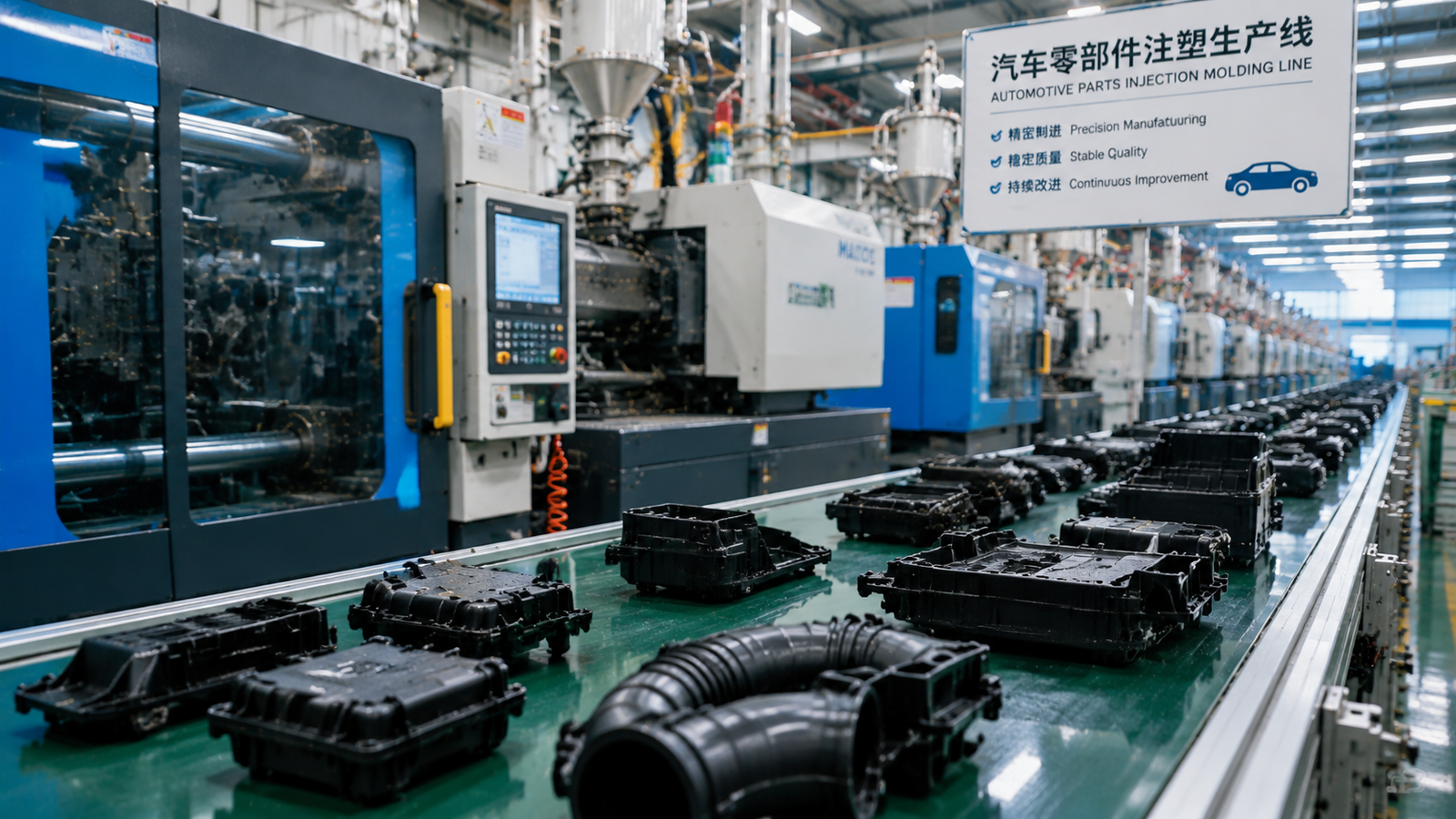
Plastic tubes are widely used in fluid transportation, medical equipment, agricultural irrigation, and industrial systems, where surface quality directly affects product performance, appearance, and long-term reliability. During injection molding production, mold polishing determines how accurately the plastic material replicates the cavity surface and influences factors such as gloss, friction performance, and cleanliness.High-quality mold polishing not only improves plastic tube surface appearance but also reduces defect risks during mass production. At Xiamen RuiCheng, we control mold manufacturing, surface treatment processes, and production validation procedures to help customers achieve consistent plastic tube surface quality.
For buyers, plastic tube surface problems are not always simple cosmetic defects. Poor mold finishing, machining marks, or insufficient polishing can affect assembly performance, fluid resistance, and product durability.Selecting a supplier with strong mold manufacturing experience and surface quality control capability helps reduce modification costs and production risks.
Why Does Mold Polishing Affect Plastic Tube Surface Finish?
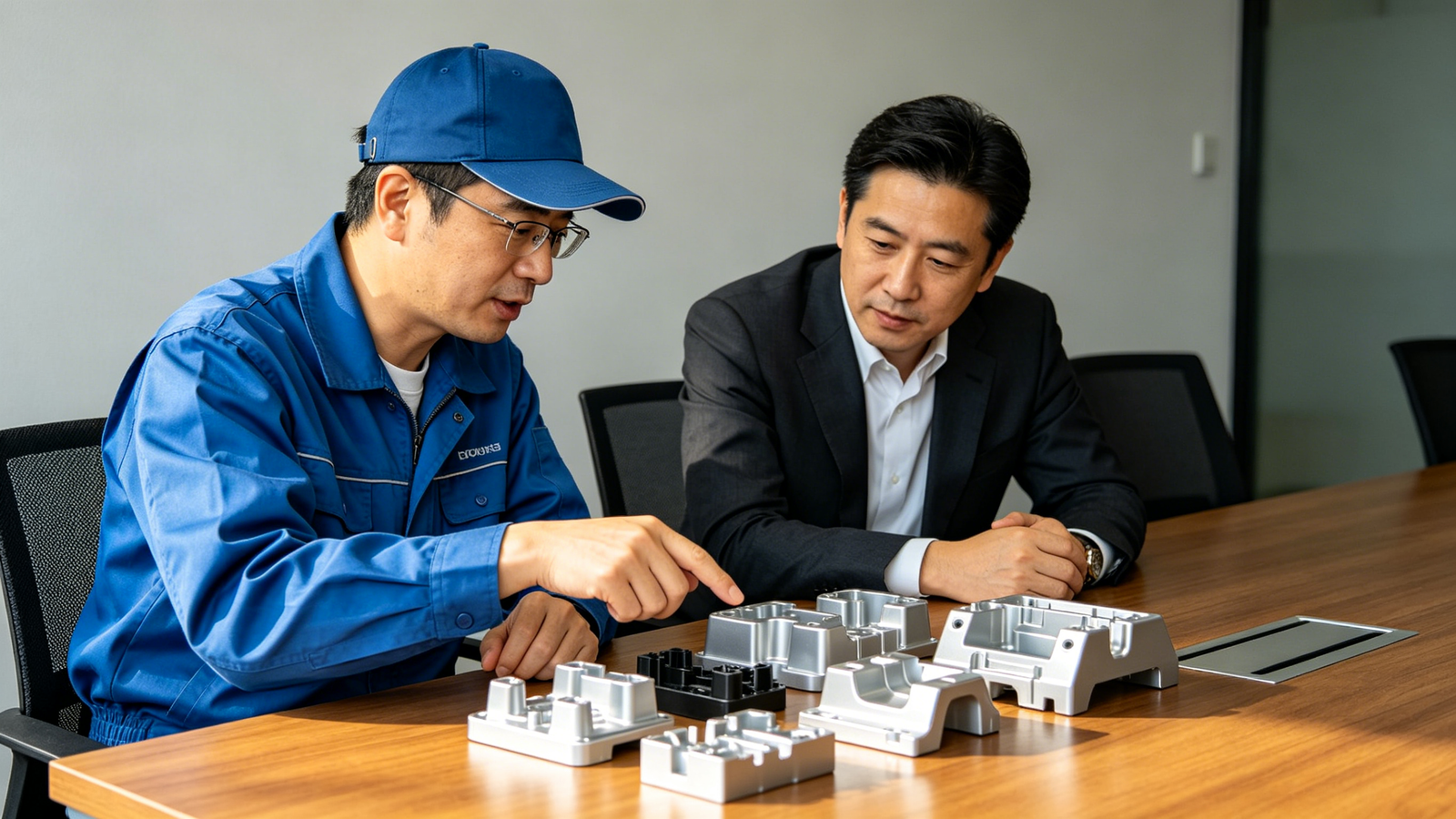
Mold polishing improves cavity surface smoothness, allowing molten plastic to replicate the mold surface more accurately during cooling and solidification. For long injection molded products such as plastic tubes, internal surface quality is especially dependent on mold precision because even minor imperfections can influence the final fluid contact surface. Through proper mold polishing processes and injection molding control, manufacturers can reduce surface textures, flow marks, and uneven gloss. Mold surface quality directly determines the final appearance and consistency of plastic tubes. Xiamen RuiCheng develops suitable surface treatment solutions based on material characteristics and application requirements.
Surface Roughness Control: A smoother mold surface improves replication quality and creates more consistent tube finishes.
Material Flow Influence: Proper polishing reduces flow resistance and supports more uniform filling behavior.
Demolding Performance Improvement: Appropriate polishing reduces friction during ejection and minimizes scratches or deformation.
Appearance Quality Enhancement: High-quality mold surfaces help achieve better gloss and visual consistency.
🌱 Mold polishing is a critical factor in plastic tube surface quality control and directly influences both appearance and performance.
How Do Different Polishing Levels Affect Plastic Tube Surface Quality?
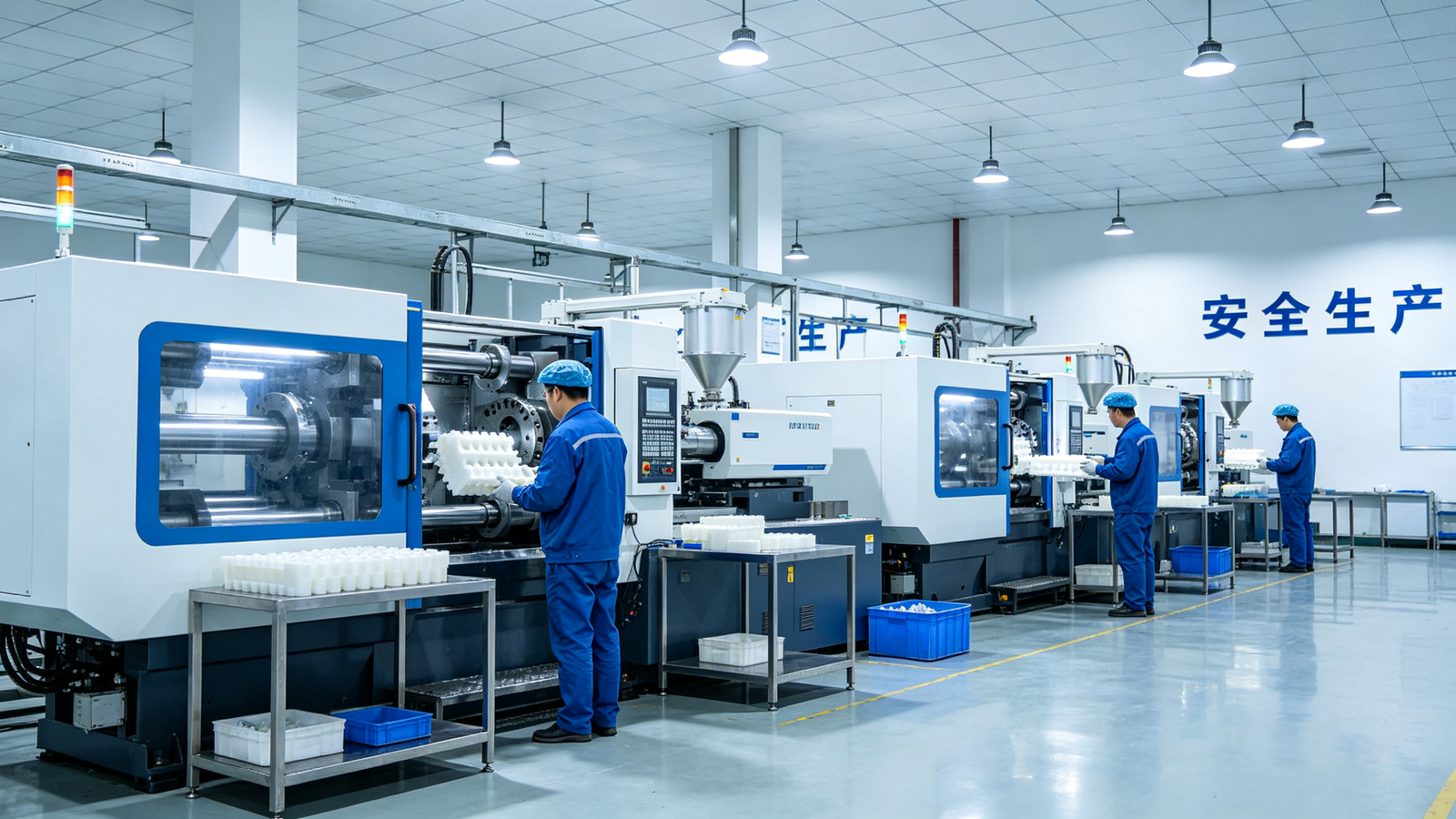
Different applications require different surface finish standards, which means molds must use appropriate polishing levels according to product requirements. Standard industrial tubes may only require basic finishing, while medical tubes, transparent tubes, or precision equipment components often require higher polishing grades. Insufficient polishing can create visible textures, cloudy surfaces, or flow marks on finished products. Selecting the correct mold polishing level helps balance product quality, manufacturing cost, and production efficiency. Xiamen RuiCheng evaluates application requirements, materials, and appearance expectations to recommend suitable mold finishing solutions.
Standard Polishing Level: Suitable for industrial plastic tubes where appearance requirements are limited.
Fine Polishing Level: Used for products requiring improved surface gloss and better visual appearance.
Mirror Polishing Level: Applied to transparent components and high-end precision applications.
Texture Treatment Options: Special surface treatments can provide functional effects such as improved grip or customized appearance.
🌱 Choosing the right polishing level allows manufacturers to achieve the required finish without unnecessary processing costs.
Why Does Mold Manufacturing Precision Determine Plastic Tube Surface Stability?
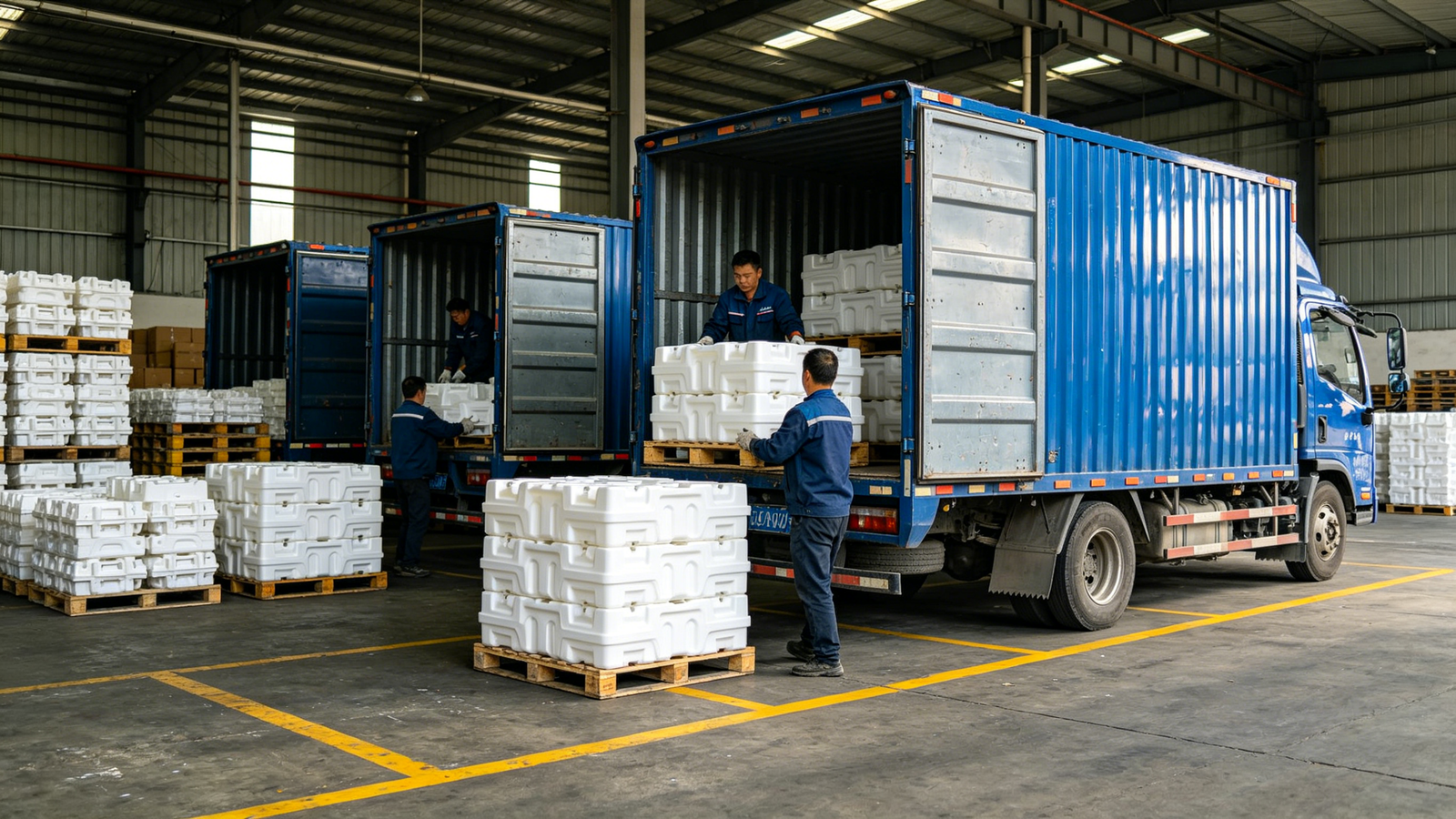
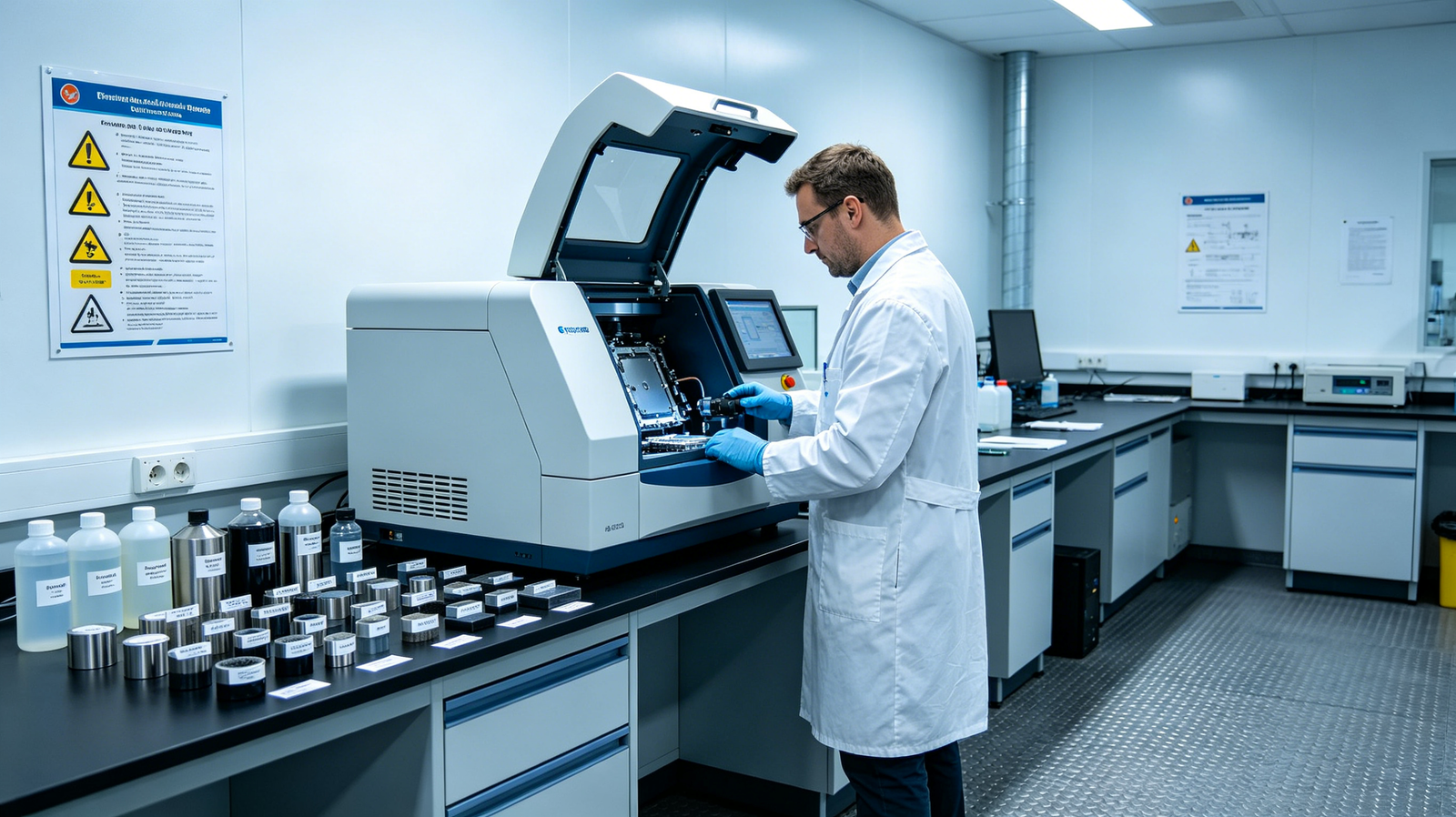
Mold polishing cannot completely compensate for poor machining accuracy. If the mold has dimensional errors, roundness problems, or machining defects, the final plastic tube may still experience surface quality issues. Plastic tube molds often involve long cavity structures, requiring consistent machining accuracy, alignment control, and surface treatment throughout the mold. Stable mold manufacturing capability is the foundation for consistent surface quality during mass production. Xiamen RuiCheng uses precision machining equipment and inspection procedures to ensure molds meet long-term production requirements.
Machining Accuracy Control: High-precision machining creates a reliable foundation for effective polishing.
Dimensional Consistency Management: Stable mold dimensions prevent variation between production batches.
Mold Inspection Process: Inspection equipment verifies critical dimensions and surface conditions.
Mass Production Validation: Trial molding and production testing confirm mold performance before full-scale manufacturing.
🌱 Mold precision and polishing technology work together to determine long-term plastic tube production quality.
Comparison of Factors Affecting Plastic Tube Surface Finish
| Factor | Main Function | Common Issues | Improvement Direction |
|---|---|---|---|
| Mold Polishing | Improves surface replication | Visible texture | Optimize polishing grade |
| Machining Precision | Ensures mold accuracy | Dimensional variation | Improve machining control |
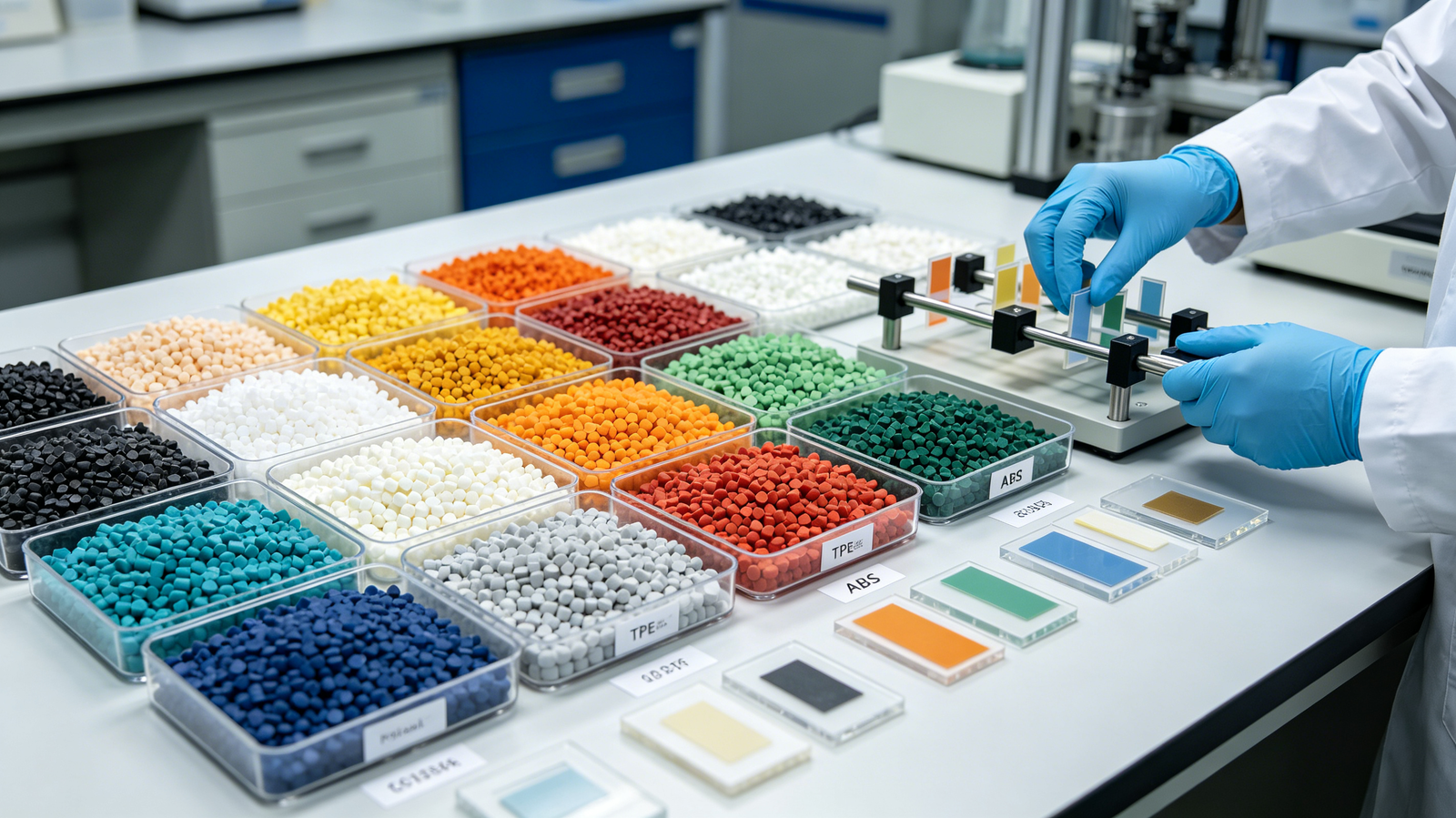
| Material Properties | Affects melt flow | Uneven gloss | Optimize material selection |
| Injection Parameters | Controls molding stability | Flow marks | Adjust processing window |
If you are looking for an injection molding partner capable of controlling plastic tube surface quality and supporting stable mass production, Xiamen RuiCheng provides complete solutions from mold development and polishing optimization to manufacturing. Please contact us.
How Can Manufacturing Processes Improve Plastic Tube Surface Quality?
Improving plastic tube surface quality requires control throughout product design, mold manufacturing, trial molding, and mass production management. Simply increasing polishing levels cannot solve every surface issue. Manufacturers need to consider material behavior, product structure, and injection parameters together. A complete manufacturing process helps customers reduce surface defects and achieve long-term production stability.
1.Mold Evaluation: DFM analysis identifies potential structural and surface risks before tooling begins.
2.Polishing Validation: Surface treatment levels are confirmed according to product requirements.
3.Trial Molding Optimization: Samples are evaluated to adjust materials and processing parameters.
4.Mass Production Control: Quality monitoring ensures consistent performance across production batches.
Frequently Asked Questions
Question 1: What surface quality standards can your plastic tube molds achieve?
Answer: Xiamen RuiCheng develops mold surface treatment solutions according to customer requirements, including surface roughness targets, polishing grades, material compatibility, and production validation. Mold inspection and trial molding processes ensure the final products meet application expectations.
Question 2: What information should we provide when purchasing injection molded plastic tubes?
Answer: Customers typically need to provide product drawings, material requirements, surface finish expectations, operating environment, and estimated order quantity. Xiamen RuiCheng engineers evaluate these details to develop suitable mold and manufacturing solutions.
Question 3: How do delivery times vary for different order quantities?
Answer: Delivery schedules depend on mold complexity, production volume, and manufacturing planning. Prototype validation and mass production projects are managed differently to maintain both delivery efficiency and quality consistency.
Question 4: How do you handle plastic tube surface quality issues after delivery?
Answer: Xiamen RuiCheng analyzes quality concerns through sample evaluation, production records, and mold condition checks. Improvement actions are implemented by adjusting polishing, material selection, or injection parameters to ensure stable future production.
Question 5: Can you provide customized surface finishes for plastic tubes?
Answer: Xiamen RuiCheng supports customized solutions including different polishing levels, material recommendations, structural optimization, and manufacturing adjustments for industrial, agricultural, medical, and other application requirements.
Conclusion
Mold polishing has a direct impact on plastic tube surface finish, influencing not only appearance but also fluid performance, demolding stability, and long-term reliability. For buyers, supplier evaluation should focus on mold manufacturing capability, surface treatment experience, and production control systems rather than only product pricing. Effective mold polishing management helps companies reduce quality risks and improve product competitiveness. Xiamen RuiCheng provides reliable plastic tube manufacturing solutions supported by professional mold development and injection molding expertise.
For expert assistance in implementing plastic tube production needs, visit our resource center or contact us. Let’s help you scale up your manufacturing with precision and efficiency!