Introduction
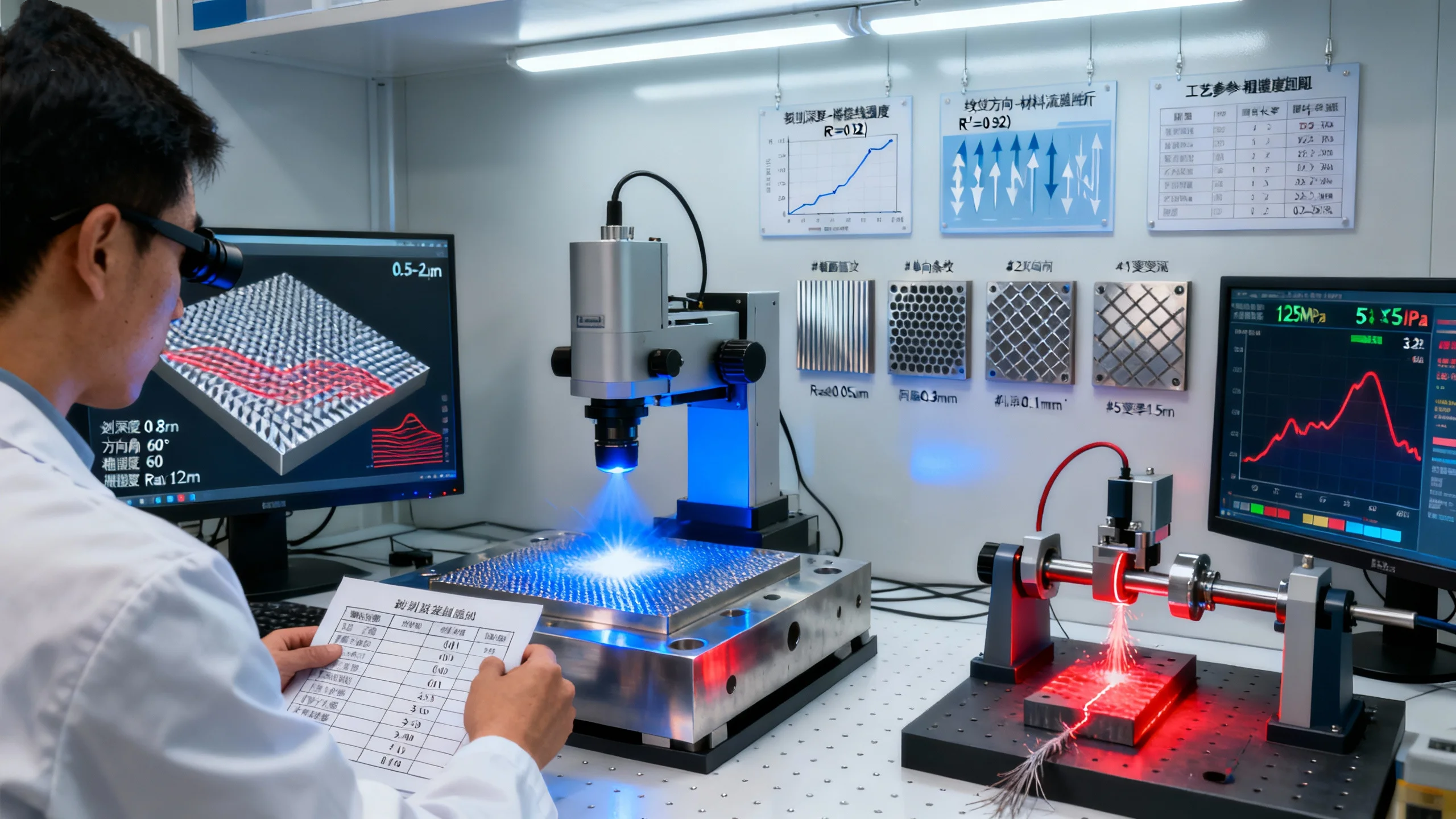
Mold etching plays a crucial role in shaping the micro-texture of an injection mold cavity, influencing how the melt flows and bonds in weld line areas. When etching depth and pattern direction align with the material flow, weld line strength can improve significantly.
In mass production, texture is not just an aesthetic choice—it is an engineered strategy that regulates surface roughness and interface friction to enhance weld line fusion during solidification. This design approach helps manufacturers improve both structural performance and surface value.
How does etching texture generate strength differences?
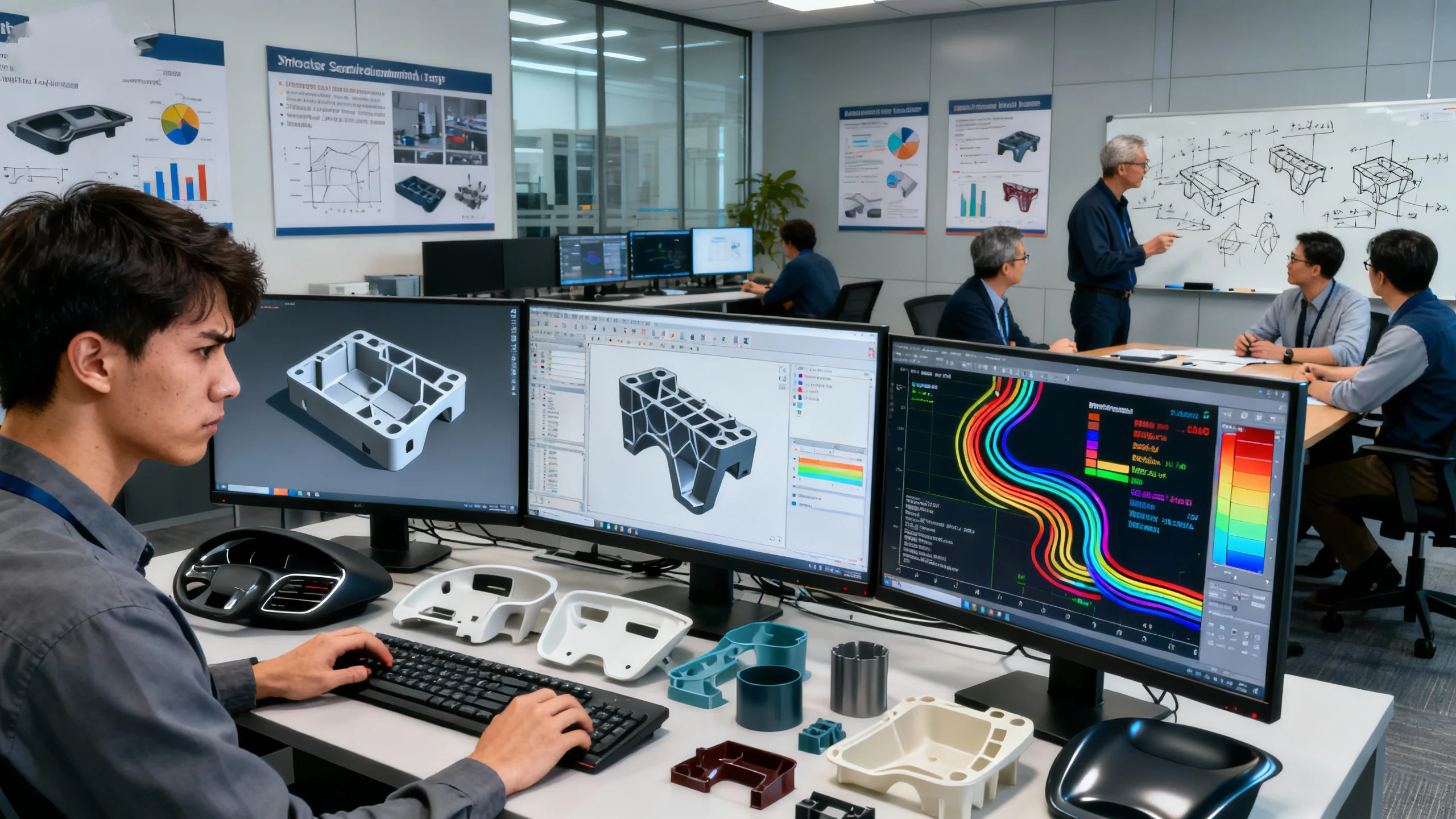
Mold etching modifies the cavity’s surface roughness to create controlled melt disturbances that influence weld line bonding. Proper texture helps maintain localized temperature, allowing polymer chains to fuse more thoroughly in the weld zone. When texture direction works in harmony with the melt flow, weld line integrity often improves substantially.
- Shallow Texture Optimization: Shallow textures reduce surface drag to maintain smoother melt fusion.
- Deep Etching Strategy: Deeper textures support higher local temperature retention.
- Texture Orientation Control: Orientation influences final melt-meeting angles.
- Process Stability: Stable melt temperature keeps etching performance consistent.
😊 Well-engineered textures lead to more reliable weld line strength.
What factors contribute to weld line weakness?
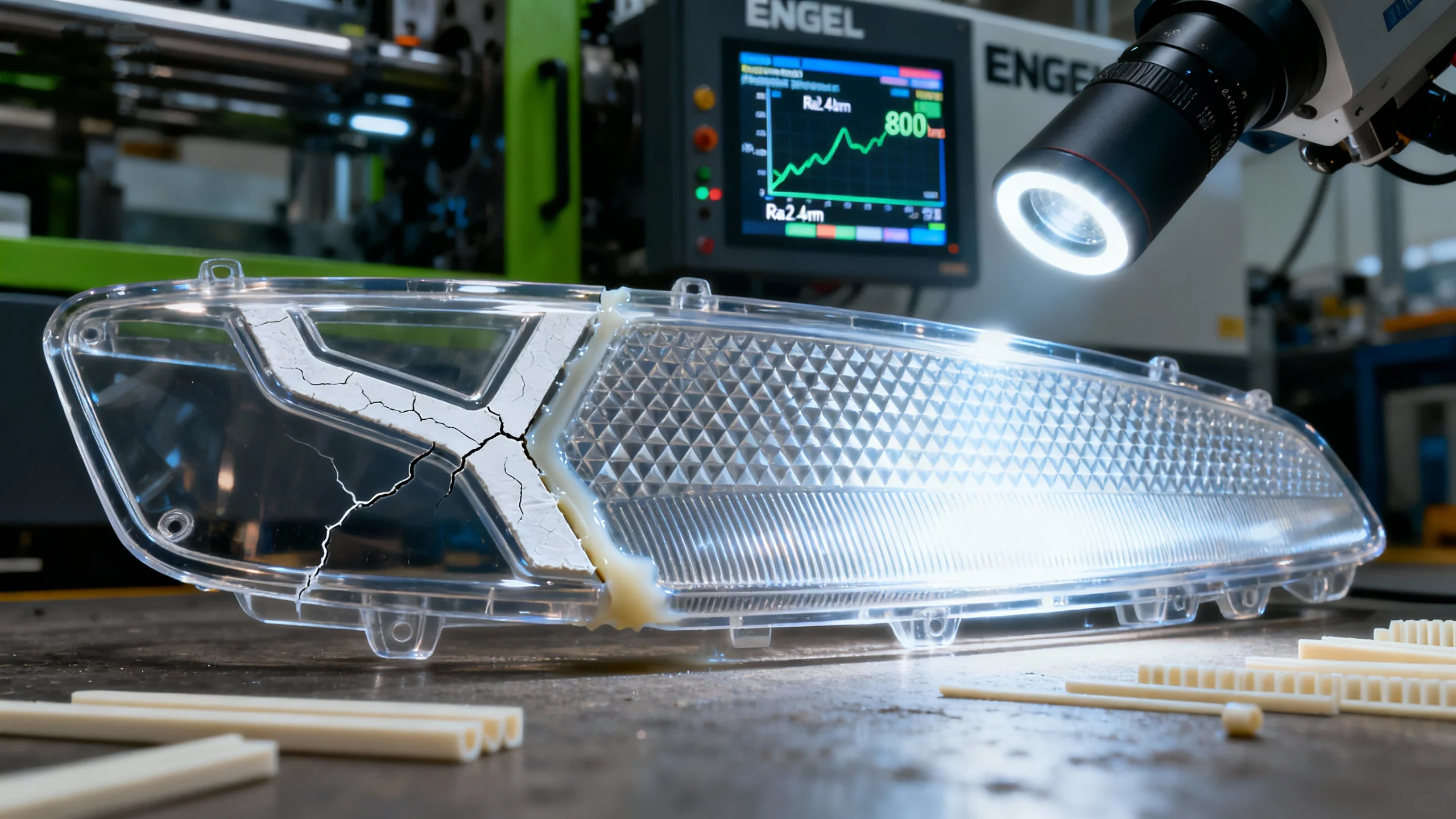
Weld line weakness often arises from inadequate melt temperature, uneven pressure, or disrupted polymer chains at the moment of contact. Mold etching helps address these issues by redistributing flow velocity and pressure through micro-surface geometry. When textures help minimize pressure loss, weld line defects are significantly reduced.
- Thermal Retention: Higher localized temperature improves weld fusion.
- Texture Geometry: Pattern shape impacts melt angle and meeting speed.
- Pressure Compensation: Texture mitigates friction-induced pressure variation.
- Material Sensitivity: Different resins respond differently to etched textures.
🔥 Reducing weld line weakness starts with improving micro-flow behavior.
How do mold textures and flow control work together to enhance weld lines?
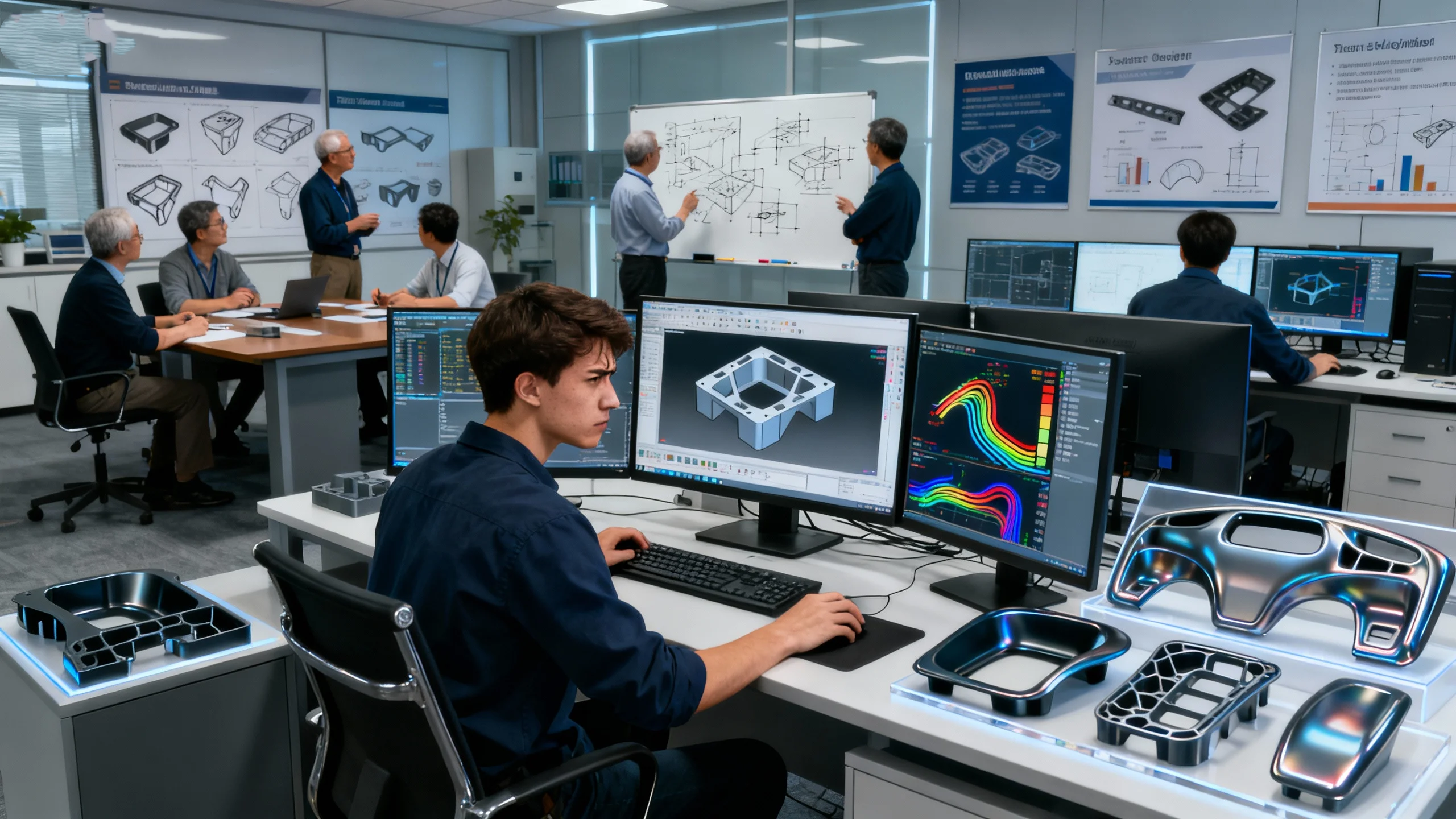
Mold texture influences the boundary layer during melt flow, helping weld line regions achieve more uniform pressure distribution. Etched surfaces also fine-tune filling rhythm, particularly valuable for complex geometries. When texture helps regulate both flow speed and direction, weld line strength can increase dramatically.
- Flow-Guiding Textures: Directs melt toward favorable fusion paths.
- Boundary Layer Stability: Texture reduces turbulence for smoother fusion.
- Pressure Gradient Improvement: Texture enhances melt pressure uniformity.
- Reduced Cooling Variance: Texture decreases local cooling rate differences.
⚙️ Texture + flow control = the core formula for stronger weld lines.
Differences Among Etching Types and Their Impact on Weld Line Strength
| Etching Type | Temperature Retention | Flow Direction Effect | Weld Enhancement Level | Suitable Resins |
|---|---|---|---|---|
| Shallow Texture | Medium | Moderate | Medium | ABS/PP |
| Mid-Depth Texture | Good | Strong | High | PC/PA |
| Directional Texture | Medium | Strong | High | PC/ABS |
| Micro-Structured Texture | Strong | Precise Control | Very High | Engineering Plastics |
Optimizing texture design dramatically boosts weld line strength — explore custom solutions via contact us.
Optimal Etching Depth Strategy
Etching depth must be chosen based on resin viscosity, filling speed, and desired surface performance, as different depths create different flow resistance effects. Precise control enhances weld line stability and improves part consistency. When etching depth is matched with resin behavior, weld line defects can be minimized effectively.
1.Shallow Texture Plan: Suitable for highly flowable materials.
2.Mid-Depth Texture Plan: Increases local temperature retention.
3.Deep Texture Reinforcement: Improves weld lines on complex parts.
4.Custom Depth Engineering: Tailored for advanced engineering plastics.
Conclusion
Mold etching plays a decisive role in weld line enhancement, influencing melt flow, temperature retention, and interfacial bonding. By optimizing texture direction, depth, and micro-geometry, manufacturers can achieve more reliable weld performance. Texture engineering has become a fundamental tool for boosting structural reliability in precision molding.With well-designed etching strategies, large-scale production benefits from stronger consistency and reduced rework.
For expert assistance in implementing for your production needs, visit our resource center or contact us. Let’s help you scale up your manufacturing with precision and efficiency!