Introduction
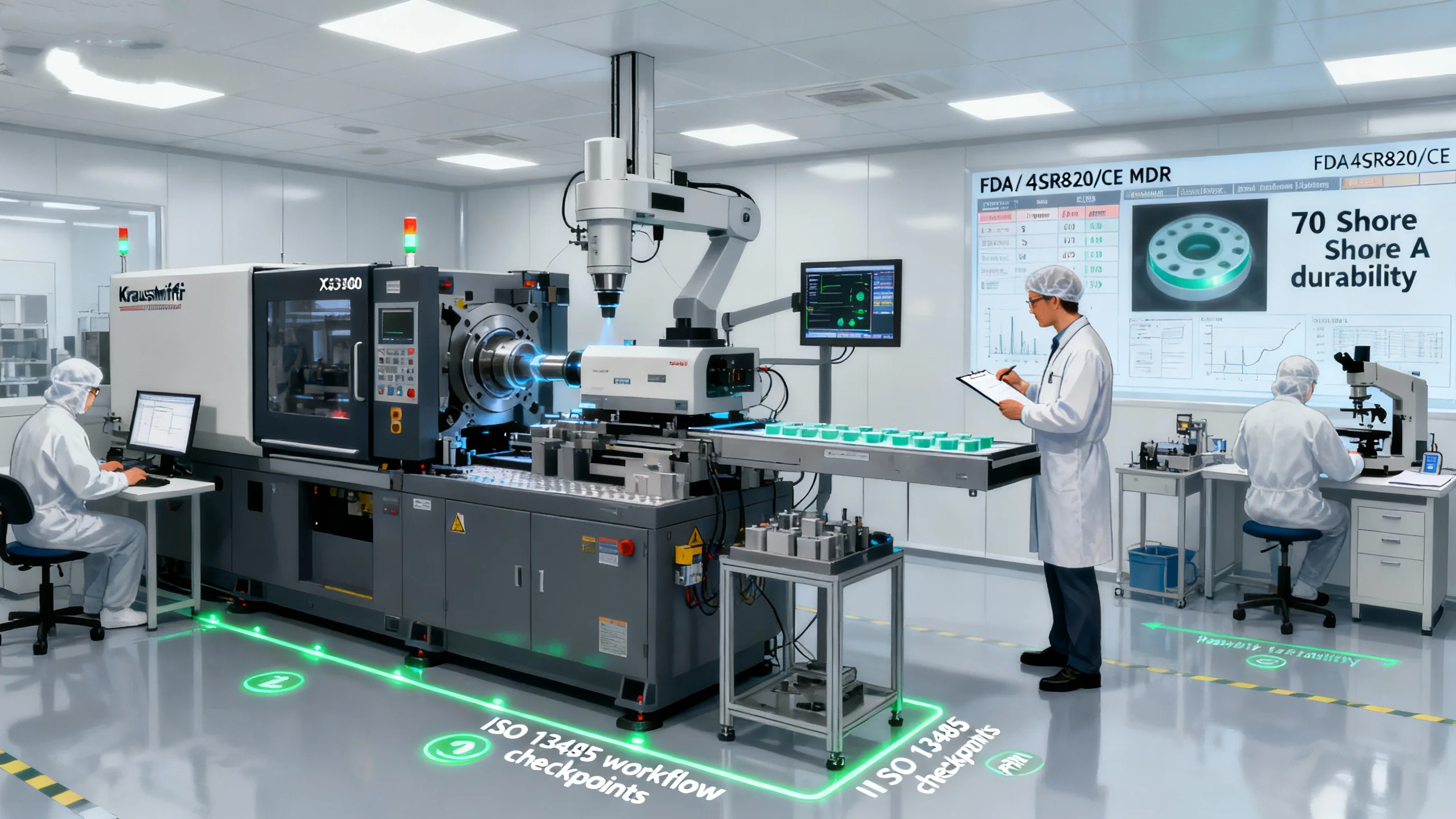
Our silicone injection molding solutions are trusted across worldwide markets due to strict control over materials, processes, and validation checkpoints. Through systemized management, our products maintain consistent performance even under various national certification frameworks. This cross-standard stability empowers our clients with greater competitiveness in global expansion.
Across many international projects, our silicone molding outputs not only pass major regulations but also shorten approval timelines significantly. Each production step undergoes structured verification, ensuring faster certification readiness. This traceable mechanism is also one of the key reasons customers choose us.
How Does Silicone Injection Molding Meet Multiple Regulatory Systems?
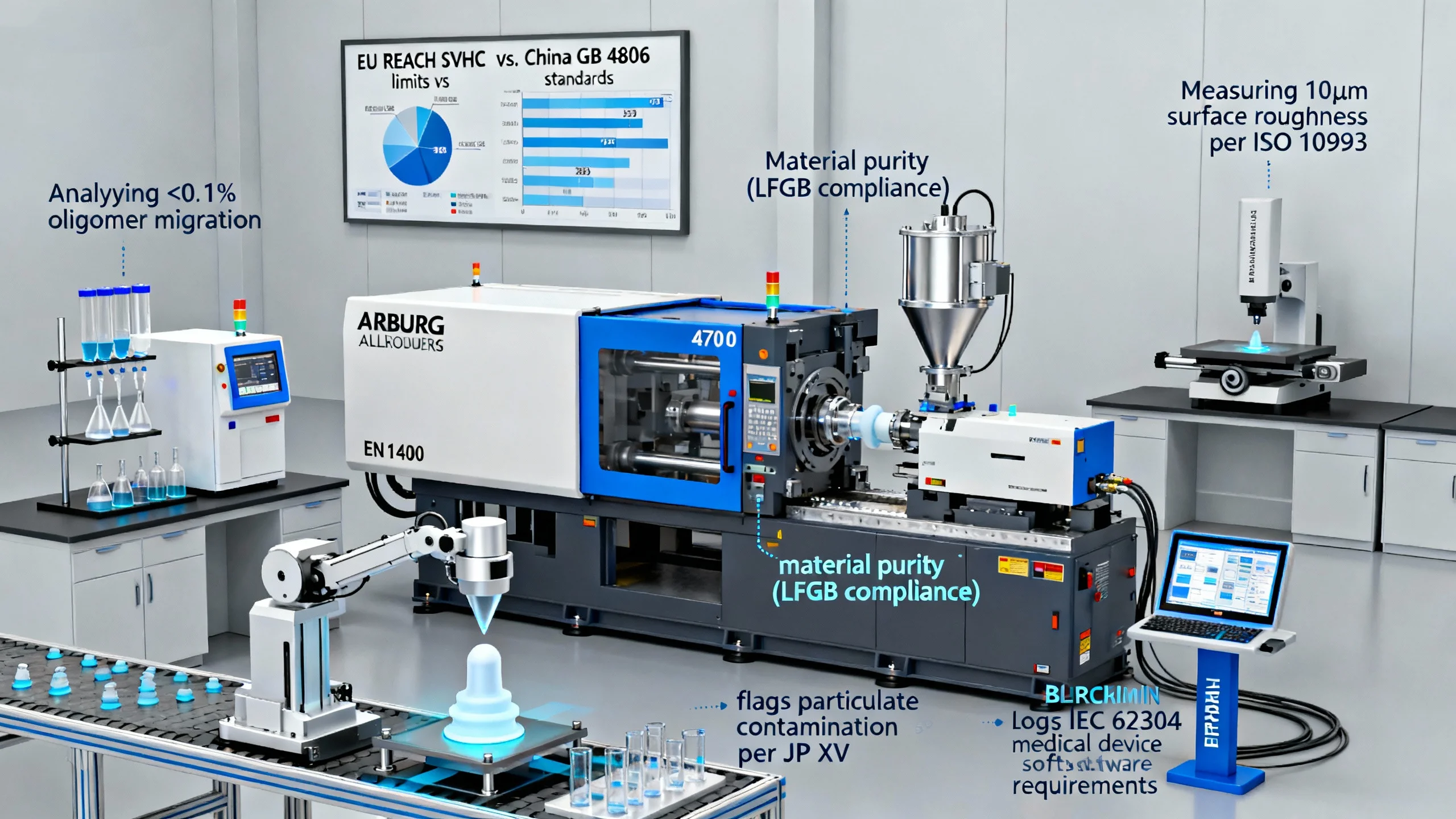
Our manufacturing system ensures compliance with multiple national standards through material screening, controlled production parameters, and repeated performance validations. We build standard-specific verification routes so a single product can satisfy multiple international requirements simultaneously. These workflows ensure stable product performance across different regulatory systems.
- Material Compliance Selection : Choosing FDA, LFGB and food/medical-grade silicone materials.
- Process Consistency Control: Stable molding parameters ensure quality and durability.
- Multi-Standard Parallel Testing : ISO, RoHS, and global conformity validations.
- Full Traceability System: Batch-level tracking from raw material to shipment.
😊 This section highlights how structured workflows increase multi-standard approval success.
How Do Silicone Materials Maintain Certification Consistency?
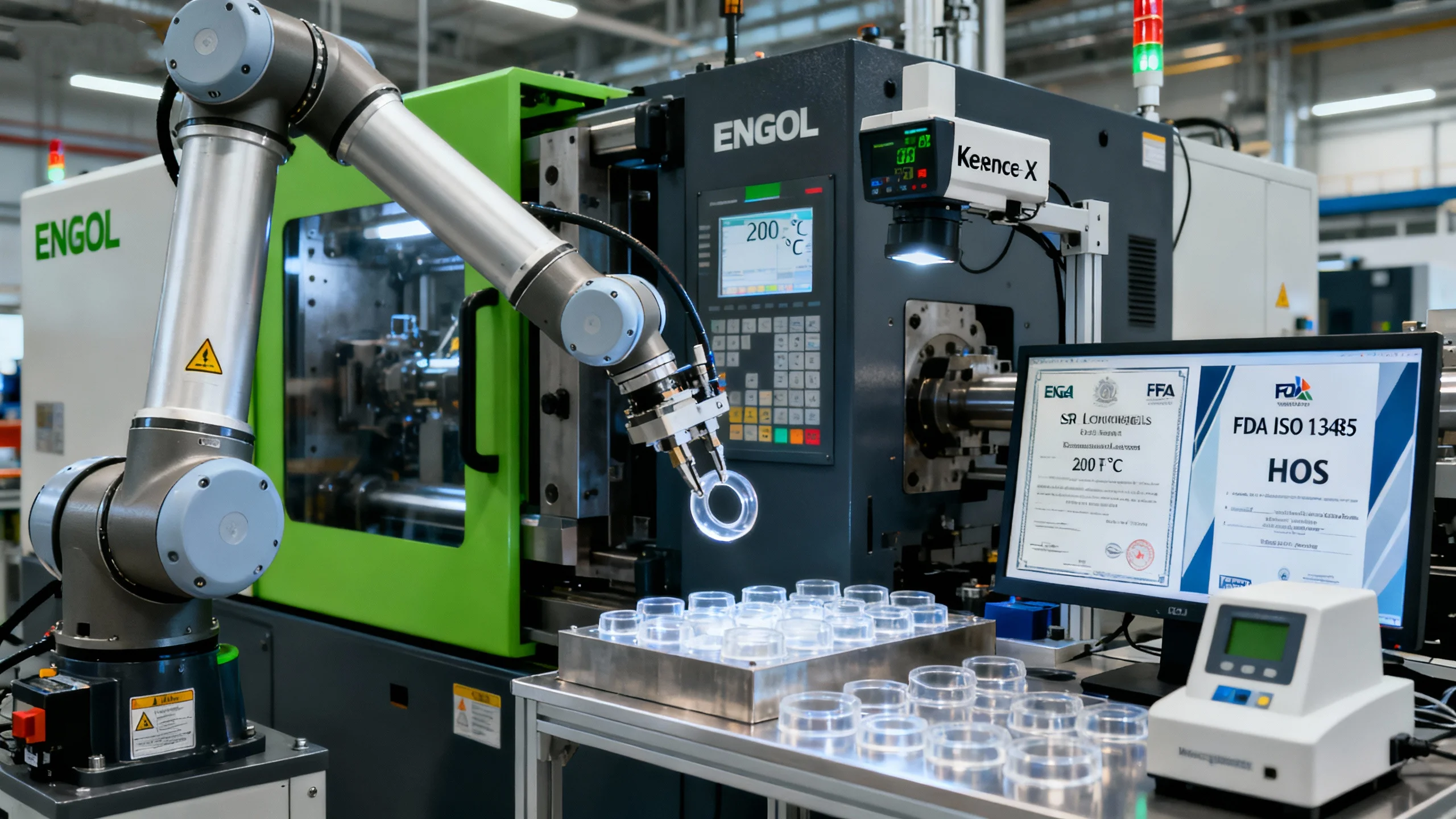
To meet different countries’ testing protocols, we pre-evaluate silicone materials for VOCs, heavy metals, biocompatibility, and thermal durability to ensure cross-standard compatibility. All raw materials are documented with test records to support international certification. These material foundations are crucial for export-level consistency.
- Clean Material Assessment : Ensures no harmful residue.
- Thermal Endurance Testing: Guarantees long-term stability.
- Regulation-Aligned Formulation : Meets EU, U.S., and Asian requirements.
- Batch-Level Material Tracking: Every raw material batch is traceable.
🔍 This section explains how materials safeguard global certification stability.
How Do Silicone Molding Products Pass Export-Grade Performance Tests?
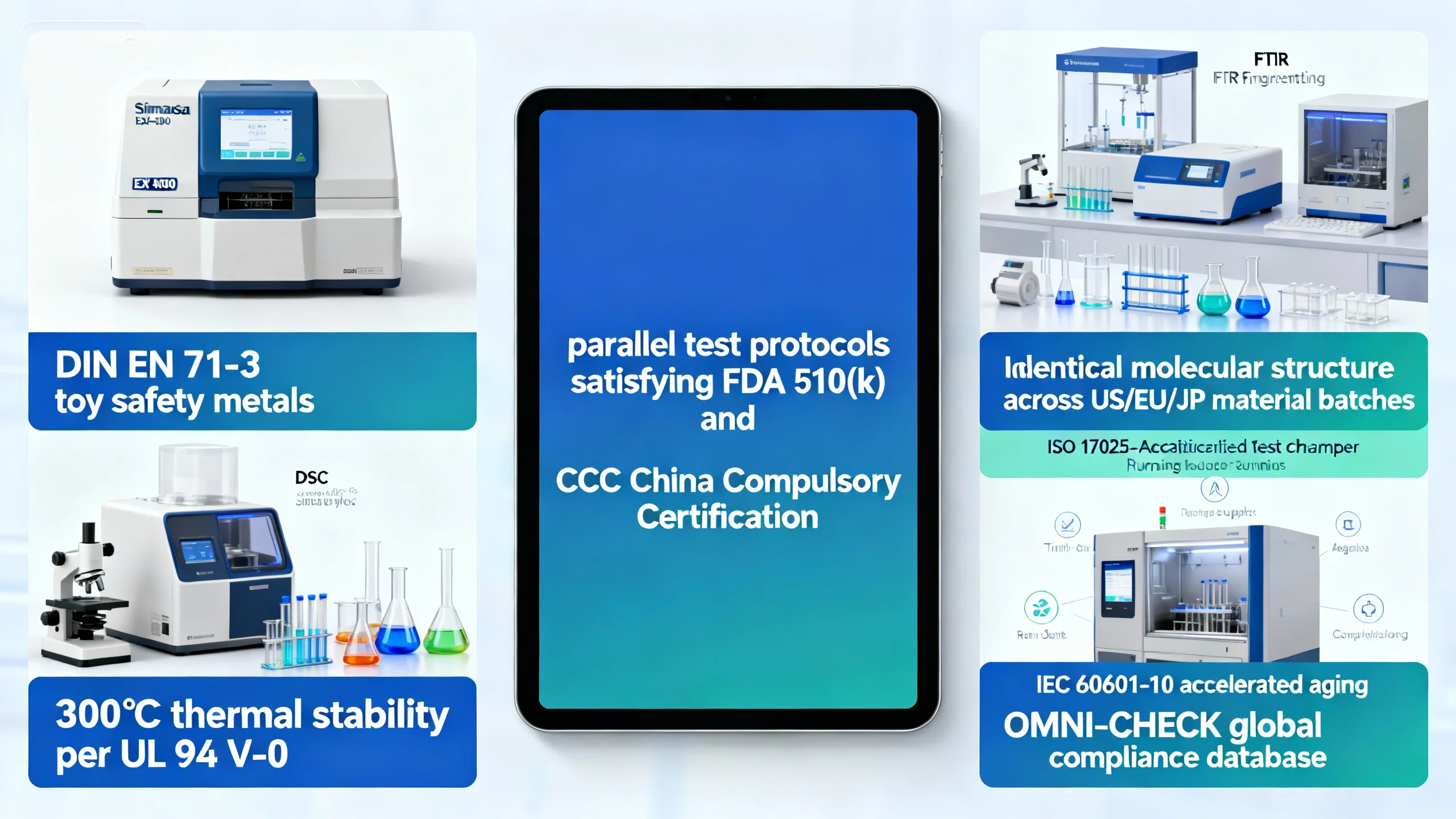
To support global market requirements, we validate mechanical strength, environmental durability, and chemical stability to meet medical, food-grade, and industrial certifications. Multidimensional validation ensures consistent behavior across exporting destinations. This level of stable performance builds stronger international competitiveness.
- Mechanical Strength Tests: Tear-resistance and tensile stability checks.
- Environmental Resistance Testing : Heat, humidity, and aging durability.
- Chemical Compatibility Evaluation: Stability for general or specialized use.
- Functional Consistency Validation: Ensures minimal batch deviation.
📦 This section highlights our complete chain of export-grade performance validation.
International Certification Compatibility Comparison
| Category | Food-Grade Compliance | Medical-Grade Compliance | Industrial-Grade Compliance | Environmental Regulation Fit |
|---|---|---|---|---|
| Material Requirements | ✔ | ✔ | ✔ | ✔ |
| Process Cleanliness | Medium | High | Medium | Medium |
| Performance Stability | High | High | High | Medium |
| Certification Cycle | Medium | Long | Medium | Medium |
A strong cross-standard compatibility system accelerates global market entry, and you may request a tailored evaluation anytime: contact us
Expansion
Our silicone injection molding capabilities not only meet multi-country certifications but also enhance product performance through custom processes. With material modification, precision mold engineering, and optimized production pathways, we support clients in completing export-level projects faster. This dual-driven model of “certification + performance” strengthens global competitiveness.
1.Material Reinforcement Options: Enhanced heat resistance and flexibility.
2.Micro-Tolerance Design: Higher dimensional precision via mold optimization.
3.Upgraded Clean-Processing Chain: Supports food and medical industry standards.
4.Accelerated Testing Channels: Enables shorter certification cycles.
FAQ
Question 1 (Core Classification): What is the core classification basis of how our silicone injection molding meets multi-country certifications?
Answer: Defined by regulatory attributes.
Question 2 (Subtype Division): What major subtypes are included?
Answer: Food-grade, medical-grade, industrial-grade, and environmental compliance.
Question 3 (Common Types & Applications): What is the most common type and its application?
Answer: Food-grade silicone is used in utensils and sealing products.
Conclusion
Our silicone injection molding system achieves multi-country certification compatibility through material compliance, controlled processes, and comprehensive testing. We unify workflows across global regulatory frameworks, helping clients significantly reduce approval timelines. This replicable validation model accelerates product access into worldwide markets. Ultimately, we help businesses build stronger international competitiveness through higher efficiency and higher standards.
For expert assistance in implementing for your production needs, visit our resource center or contact us. Let’s help you scale up your manufacturing with precision and efficiency!