Introduction

In custom injection molding projects, the quotation structure often confuses buyers, especially regarding whether mold fees are included in the total price. At Xiamen Ruicheng, we’ve learned that clear cost separation significantly improves communication efficiency, helping clients build predictable budgets. Transparent pricing is not just a service format—it's the foundation of reliable collaboration.
For different product types, mold investment and production costs are not simply added together but influence each other as part of a complete system. Xiamen Ruicheng adheres to a principle of “predictable cost and reliable delivery,” ensuring customers reduce manufacturing risks through proper mold cost planning. A clear cost boundary allows companies to make smarter decisions about production strategy and product scaling.
Is the mold fee included?
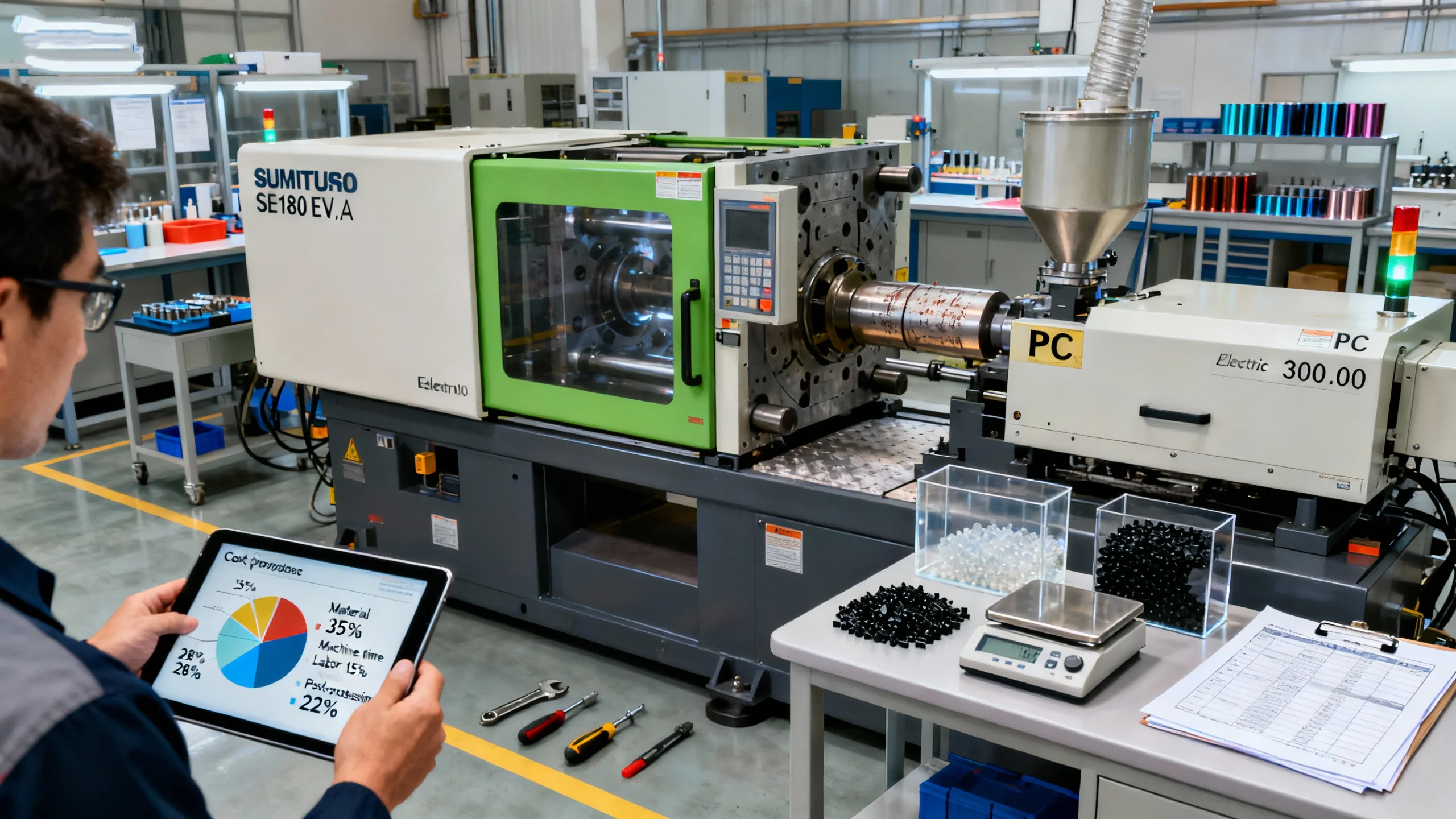
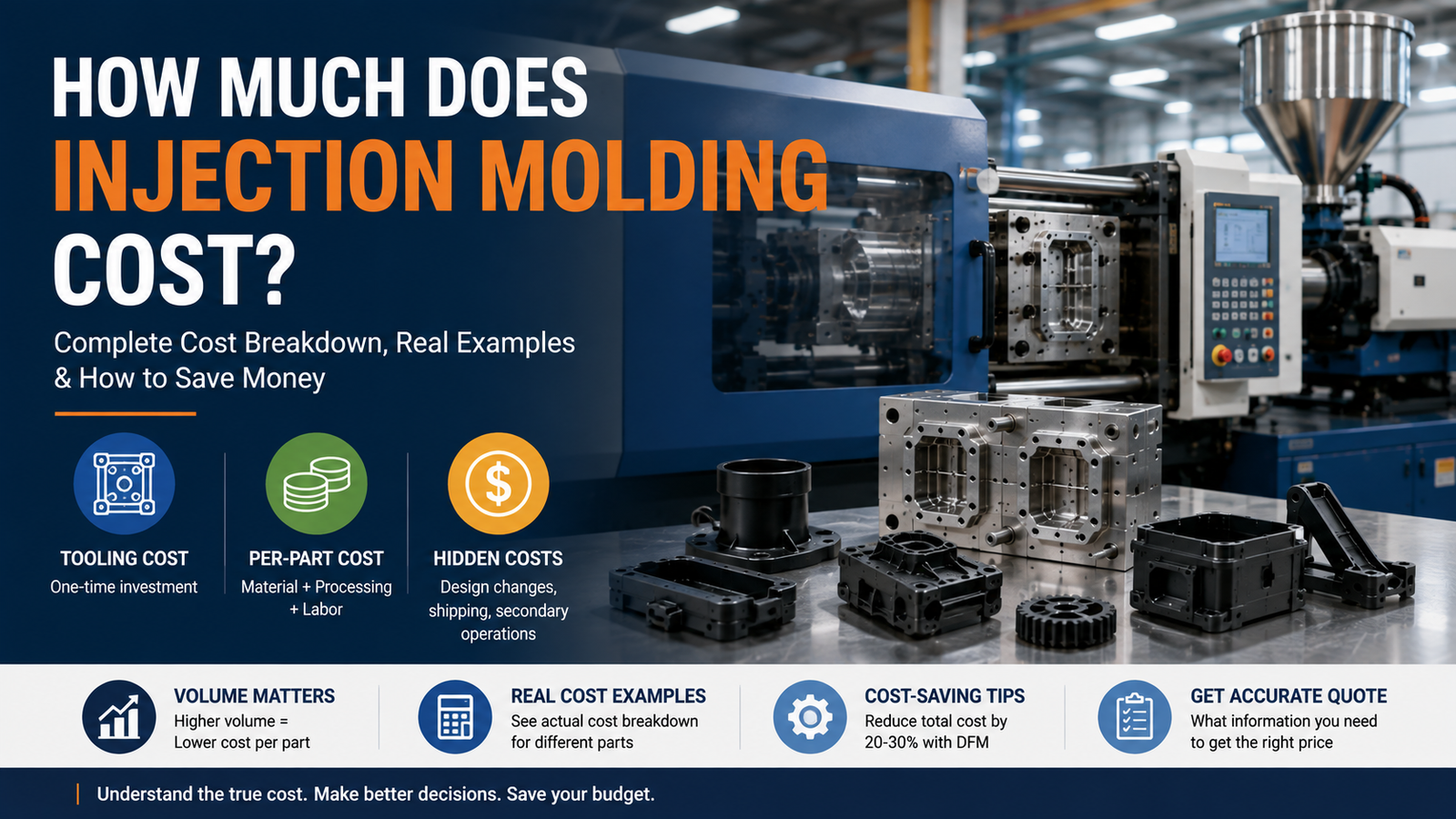
In the injection molding industry, mold fees are usually quoted separately from unit production costs because molds are a one-time investment rather than a recurring expense. Xiamen Ruicheng’s pricing structure follows a “transparent cost” principle, ensuring every fee serves its unique purpose. Whether mold fees are included depends on customization level, complexity, and planned production volume, which explains why different companies often offer varied quotes.
- Standard Split Pricing : Mold fees calculated independently to avoid confusion.
- Bundled Pricing Strategy : Suitable for simple components requiring minimal tooling effort.
- Stage-Based Payment: Beneficial for complex molds requiring multiple trial runs.
- Mass Production Deduction: Partial mold fee reimbursement based on order volume.
😊 Key takeaway: Mold fees and unit pricing are usually separated.
How Is the Quotation Structured?
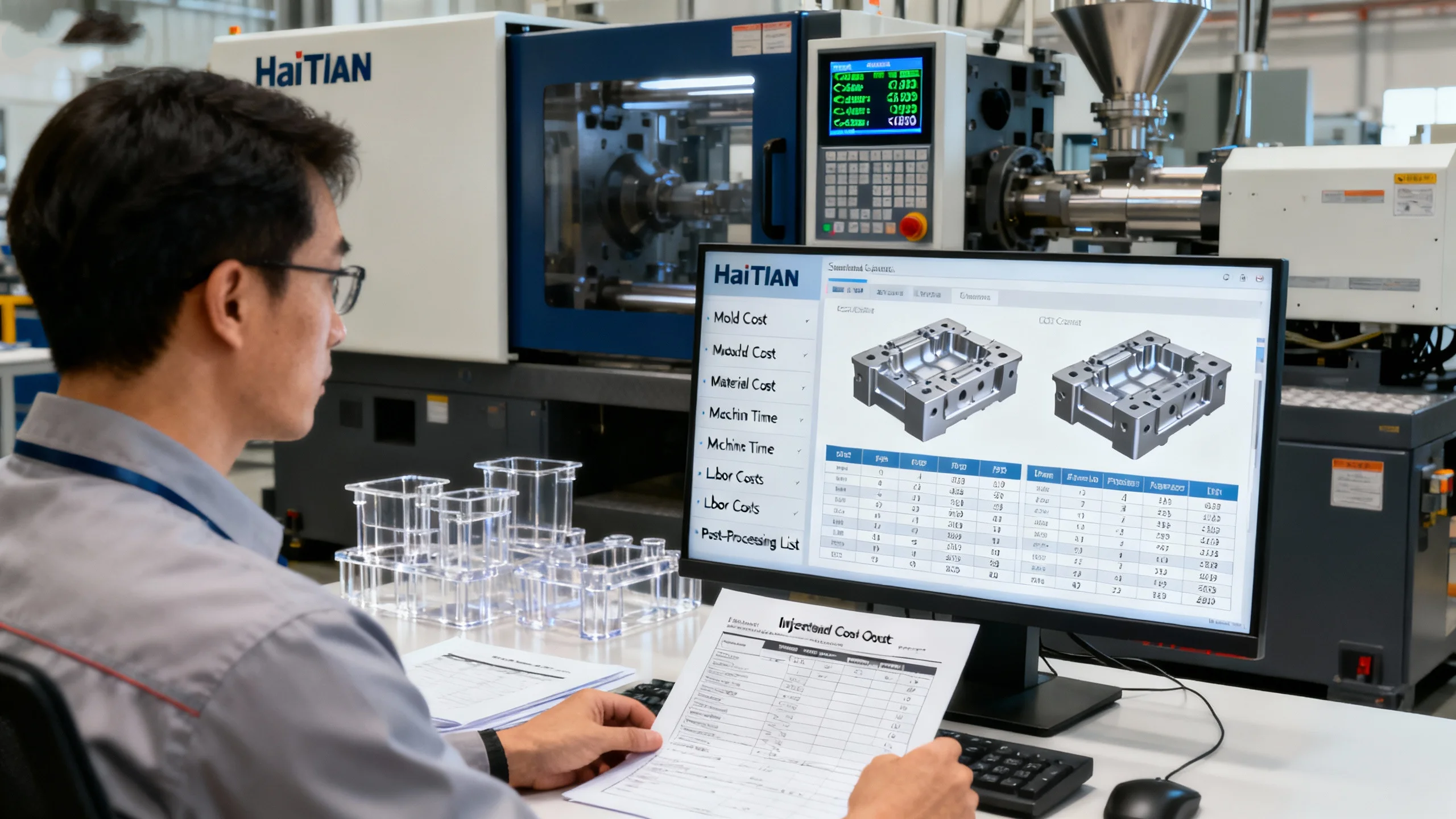
An injection molding quotation typically consists of mold fees, material cost, machine time, labor, and additional finishing processes. Before quoting, Xiamen Ruicheng evaluates structural complexity and estimated volume to build a reliable cost model. A transparent quotation breakdown helps clients quickly identify cost drivers, especially for long-life-cycle products where budgeting accuracy is essential.
- Material & Cycle-Time Breakdown : Accurate calculation based on resin and molding cycle.
- Standardized Mold Classes : Cost varies by mold life and cavity count.
- Labor & Management Clarity: Important for precision parts and complex assemblies.
- Detailed Post-Processing List: Painting, polishing, printing, and more.
😊 Key takeaway: Clear breakdowns help clients understand cost origins.
How Are Mold Fees Calculated?
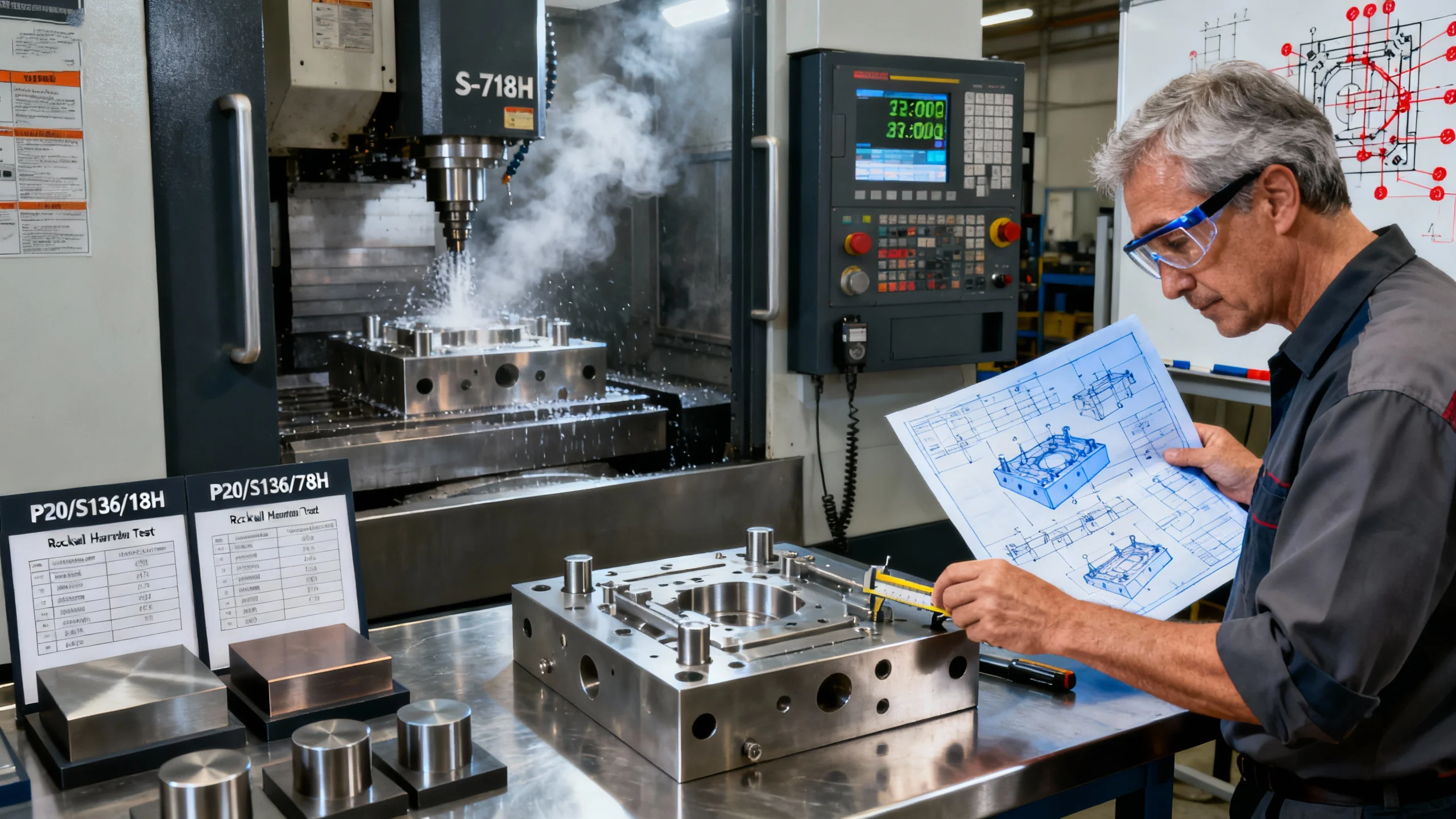
Mold cost estimation involves design complexity, steel grade, machining hours, and trial runs—leading to substantial pricing differences among suppliers. Xiamen Ruicheng evaluates drawings based on structure, mold life expectations, and functional requirements. Accurate mold costing prevents delays caused by underquoted molds, ensuring the project timeline remains stable and predictable.
- Structure Complexity Evaluation: Based on sliders, lifters, inserts, and parting layout.
- Steel Grade Selection : Choosing P20, S136, or 718H affects durability and cost.
- Trial Molding Calculation: More trial iterations increase cost.
- Production-Volume Matching: Mold life must match expected output.
😊 Key takeaway: Mold cost depends on structure, steel material, and expected lifespan.
Cost Difference Comparison Table
| Item | High-Durability Mold | Standard Mold | Multi-Cavity Mold | Simplified Structure |
|---|---|---|---|---|
| Steel Grade | High | Medium | High | Medium |
| Machining Difficulty | High | Medium | High | Low |
| Suitable Output | Large | Medium | Large | Small |
| Initial Cost | High | Medium | High | Low |
Want to further optimize cost planning? Contact us: contact us
Cost-Reduction Strategies
Reducing cost at different development stages is one of the most valuable management approaches in injection molding projects. Xiamen Ruicheng offers full-process guidance—from rapid prototype tooling to mass production tooling—based on client product lifecycle. Smart mold-class selection and optimized mold structure can reduce initial investment by 15%–30%, especially beneficial for startup products or early verification phases. Cost optimization isn’t merely saving money; it's essential for ensuring stable product launch schedules.
1.Structure Optimization: Reduce sliders, inserts, and high-cost mechanisms.
2.Stage-Based Development: Prototype-first, then mass-production tooling.
3.Material-Level Matching: Use appropriate mold steel—avoid unnecessary over-spec.
4.Accurate Output Prediction: Align mold life with expected production volume.
FAQ
(Theme: “Does injection molding quotation include mold fees?”)
Q1: What is the core classification basis for mold-fee quotations in injection molding?
A: Classified mainly based on cost structure.
Q2: What major sub-types exist under mold-fee quotation models?
A: Independent quotation, bundled quotation, and deduction-based quotation.
Q3: What is the most common quotation type and its application?
A: Independent quotation, widely used in industrial mass production.
Conclusion
Clear separation between mold fees and production costs is essential for efficient collaboration and transparent budgeting. Xiamen Ruicheng uses a systematic quotation model that allows clients to understand cost expectations early in development. A properly structured quotation helps prevent rework, delays, and quality issues, ensuring molds meet both production volume and performance requirements. As projects scale, staged budgeting and structural optimization continue to reduce overall manufacturing costs.
For expert assistance in implementing for your production needs, visit our resource center or contact us. Let’s help you scale up your manufacturing with precision and efficiency!