Introduction
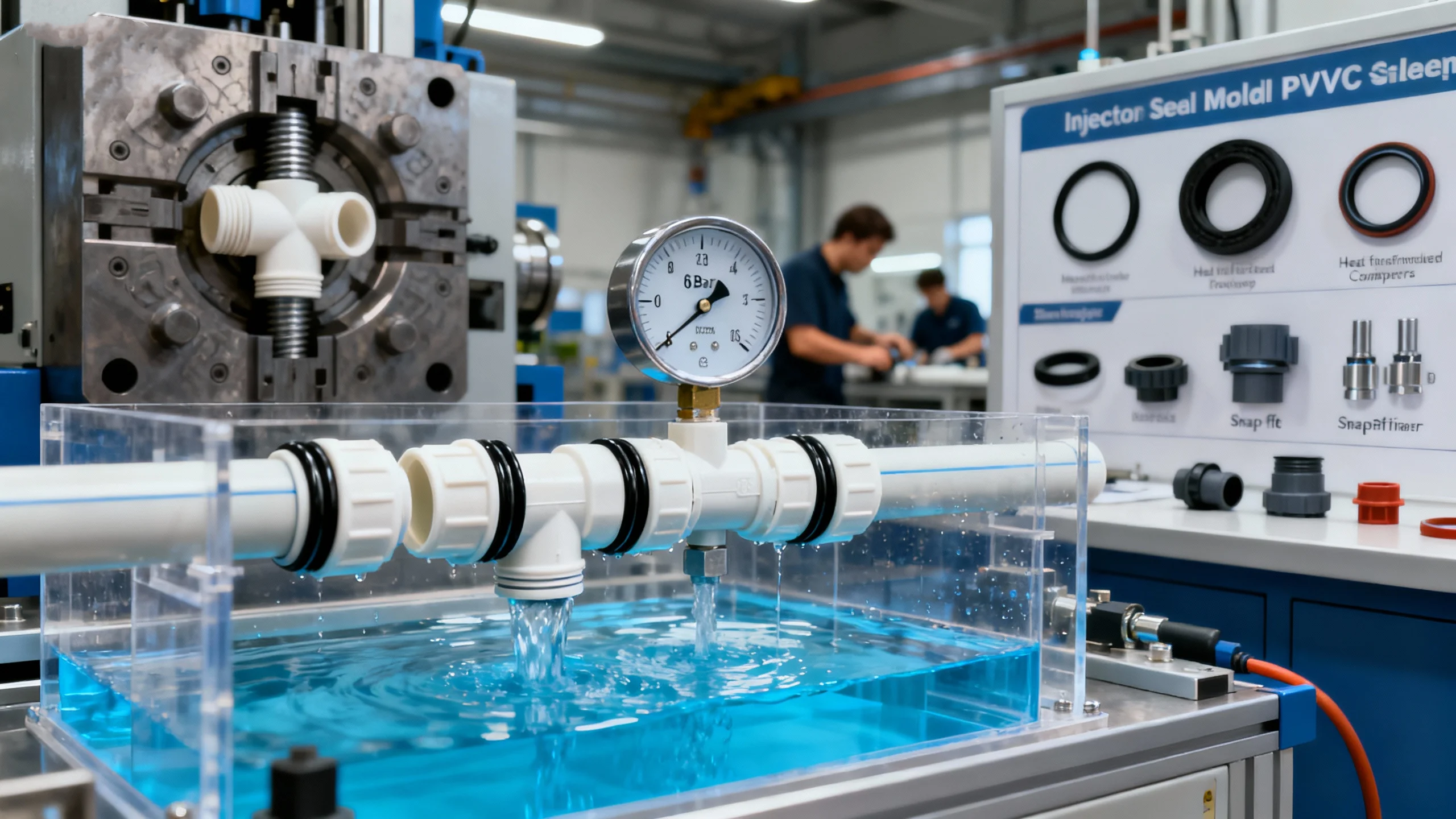
Agricultural irrigation systems are rapidly transitioning toward efficient and durable PVC pipelines, with Xiamen Ruicheng supporting this shift through precision injection molding. PVC material offers lightweight performance, high strength, and cost efficiency, making it increasingly suitable for modern farmland supply systems. This strong compatibility is reshaping industry expectations for irrigation pipelines.
In real applications, PVC adapts well to diverse pressure conditions and water delivery modes, from drip irrigation to spraying systems. With customized injection-molded components from Xiamen Ruicheng, the pipe structures align better with field layouts and long-term use. This level of customization significantly accelerates system deployment.
How to Achieve the Best PVC Specification Fit?
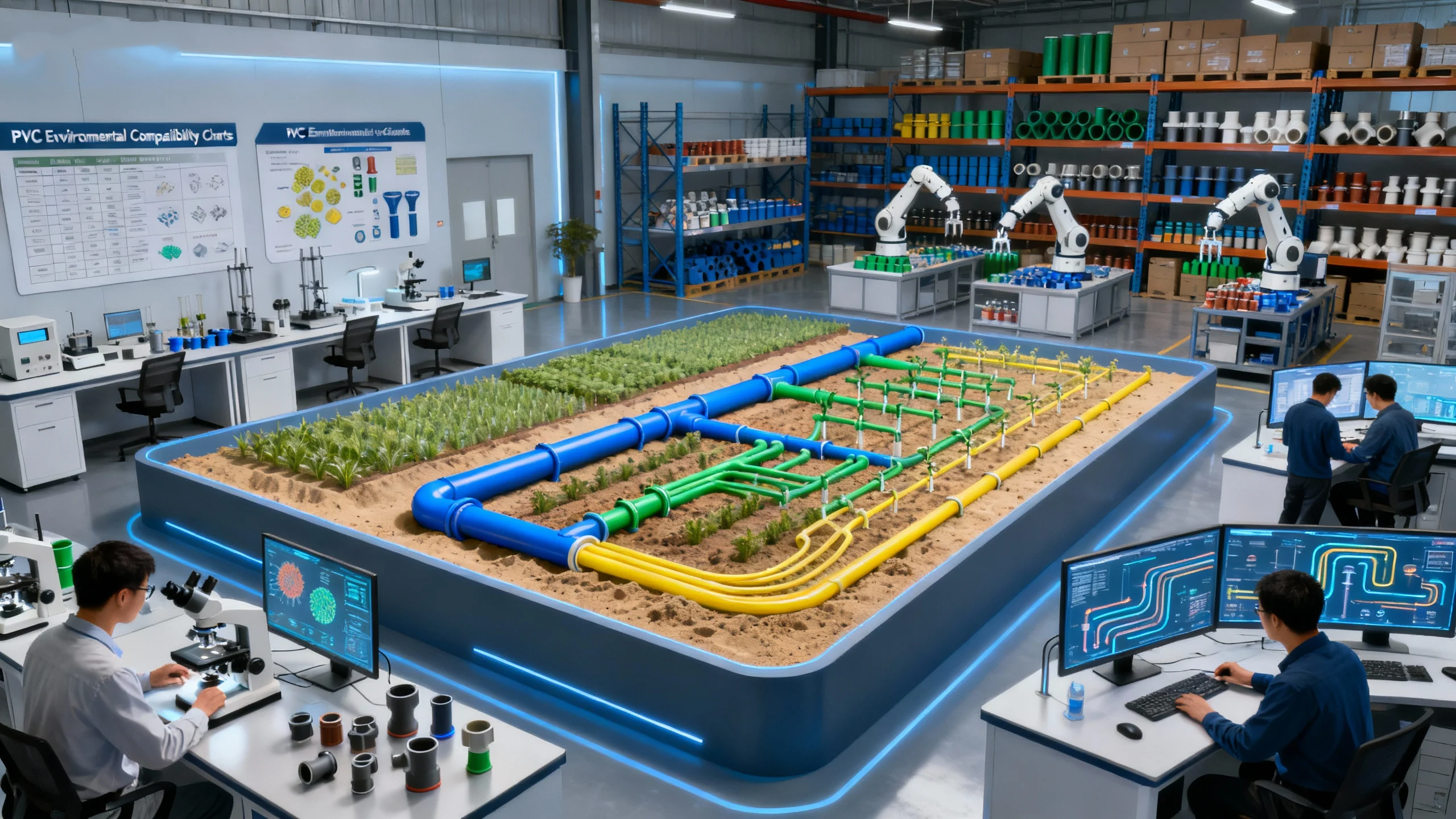
PVC pipe specifications for agricultural irrigation must be selected according to terrain, pressure, and distribution mode. Proper wall thickness, diameter, and joint design directly influence system performance and water delivery stability. Across irrigation configurations, PVC demonstrates excellent adaptability and durability.
- Pressure Class Selection: Choose PVC pressure rating based on pump output.
- Wall-Thickness Strategy: Match wall thickness with water-transport distance.
- Joint Compatibility: Maintain unified connection types to minimize leakage.
- Field Layout Integration: Combine specifications according to terrain requirements.
😊 Proper PVC specs greatly boost irrigation performance.
How Does PVC Structure Improve Flow Stability?
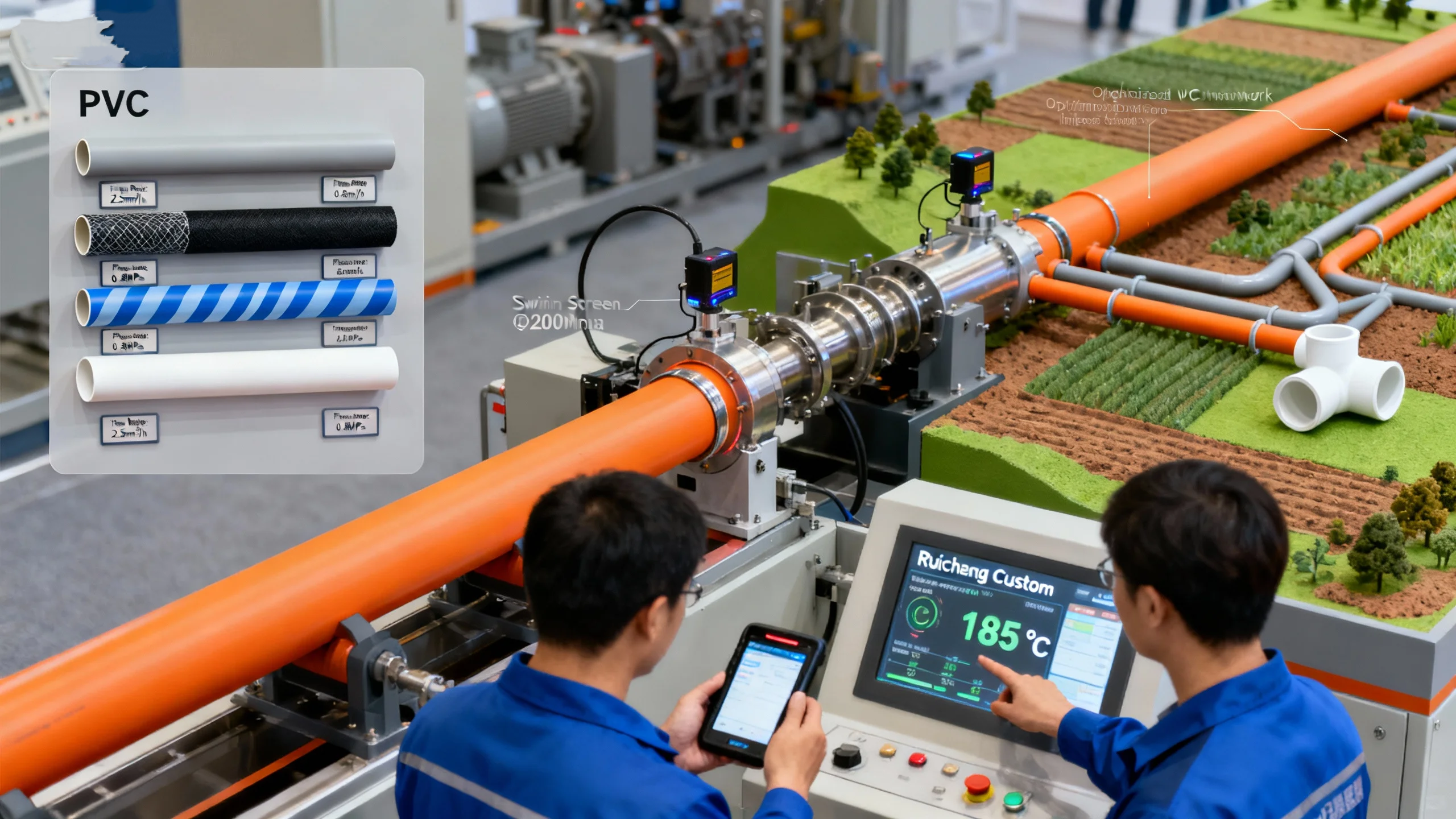
The structural stability of PVC pipes helps minimize flow fluctuations and maintain even water delivery. Their smooth internal wall reduces flow resistance and sediment accumulation over time. This hydraulic advantage enhances long-term irrigation consistency.
- Flow-Speed Optimization: Smooth walls stabilize overall flow rate.
- Sediment Reduction: Minimizes particle retention and blockage risk.
- Pressure Equalization: Supports balanced water pressure across multiple outlets.
- Energy Efficiency: Lowers pump load due to reduced friction loss.
💧 PVC design supports more stable and even flow.
How Do Sealed Joints Ensure Long-Term Leak-Free Irrigation?
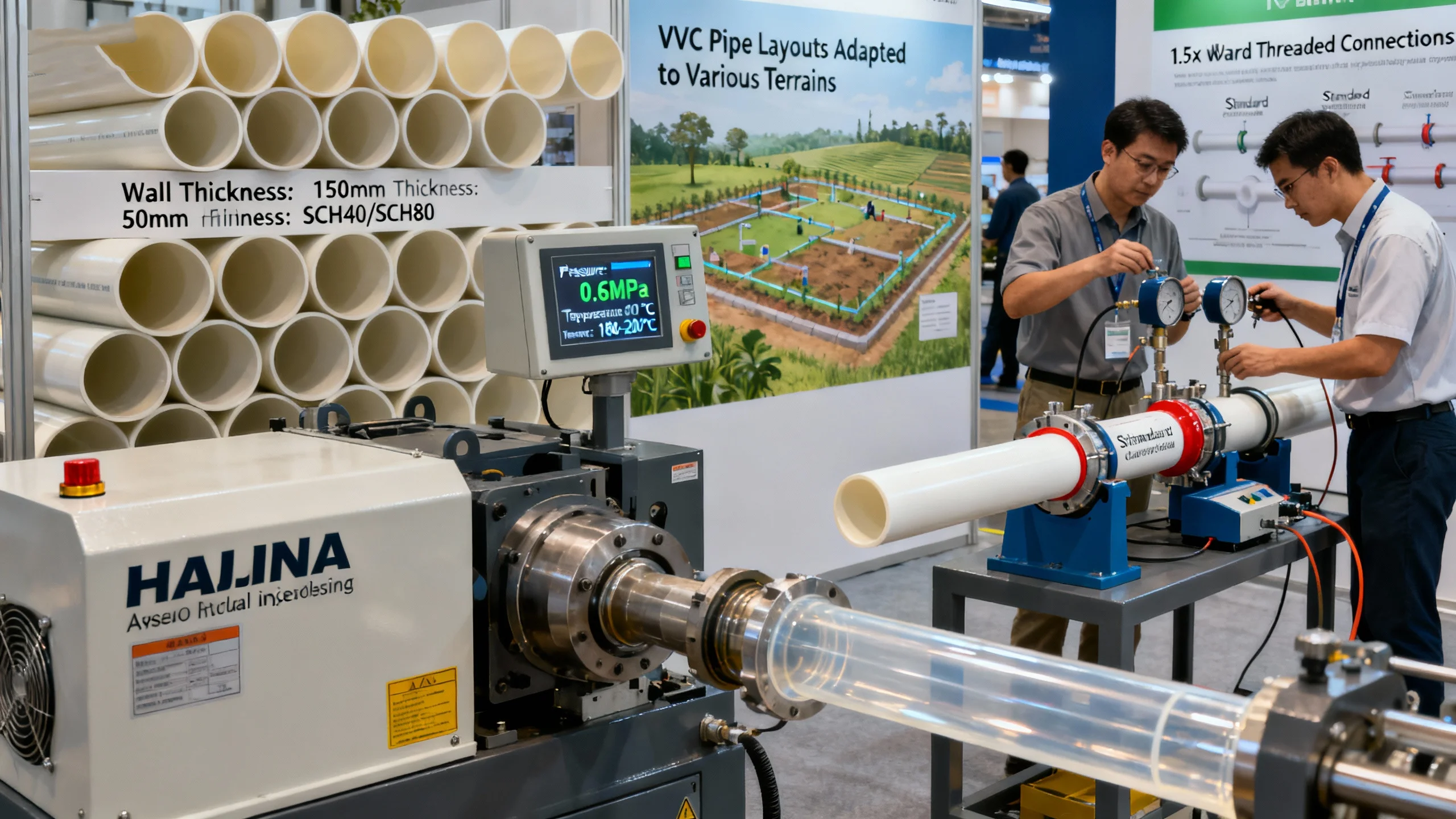
The reliability of an irrigation system heavily depends on joint sealing performance, and PVC excels in molded joint structures and seal compatibility. Enhanced sealing ensures safer water delivery and minimizes maintenance demand. Robust sealing prevents leaks even under long-term field operation.
- Seal Ring Design: Match seal quality with pressure grade.
- Structural Tightness: Injection-molded joints reduce micro-gaps.
- Anti-Aging Performance: Seal material withstands outdoor climate exposure.
- Easy Maintenance: Joints allow simple replacement at low cost.
🔧 Strong sealing is crucial for long-term system stability.
PVC Performance Comparison for Irrigation
| Item | PVC Compatibility | Weathering | Cost | Maintenance |
|---|---|---|---|---|
| Irrigation Requirements | High | Medium-High | Low | High |
| Service Lifespan | Long | Medium-High | Low | High |
| Joint Compatibility | High | High | Medium | High |
| Environmental Adaptability | Medium-High | High | Medium | High |
Efficient irrigation requires more than material selection—complete system optimization matters. Learn more or reach out anytime contact us.
System Integration Plan
PVC system integration for agricultural irrigation involves efficiency, material matching, layout design, and long-term maintenance. Xiamen Ruicheng delivers tailored injection-molded solutions to ensure PVC pipelines meet agricultural conditions. A well-integrated plan helps balance cost and overall system performance.
1.Structural Integration: Multi-pipeline planning enhances flow stability.
2.Material Guidance: Ensures PVC matches environmental conditions.
3.Flow-Path Planning: Minimizes blockages and ensures consistent water supply.
4.Maintenance Strategy: Reduces long-term operational cost.
FAQ
Question 1: What is the core classification basis for PVC irrigation pipes?
Answer: They are classified mainly by diameter, pressure class, and intended irrigation mode.
Question 2: What major sub-types do PVC irrigation pipes include?
Answer: They include low-pressure PVC, thick-wall PVC, straight-joint PVC, and drip-irrigation PVC categories.
Question 3: What is the most common PVC irrigation pipe type and its application?
Answer: Thick-wall PVC is commonly used in high-pressure farmland main supply lines.
Conclusion
A stable agricultural irrigation network depends on coordinated optimization of pipe structure, material performance, and system design. PVC offers strength, durability, and cost-efficiency, making it a preferred choice for modern irrigation needs. With Xiamen Ruicheng’s injection-molded customization, PVC pipelines can be precisely matched to field requirements. Moving forward, integrated PVC solutions will continue to enhance irrigation efficiency and reduce operating cost.
For expert assistance in implementing for your production needs, visit our resource center or contact us. Let’s help you scale up your manufacturing with precision and efficiency!