Introduction
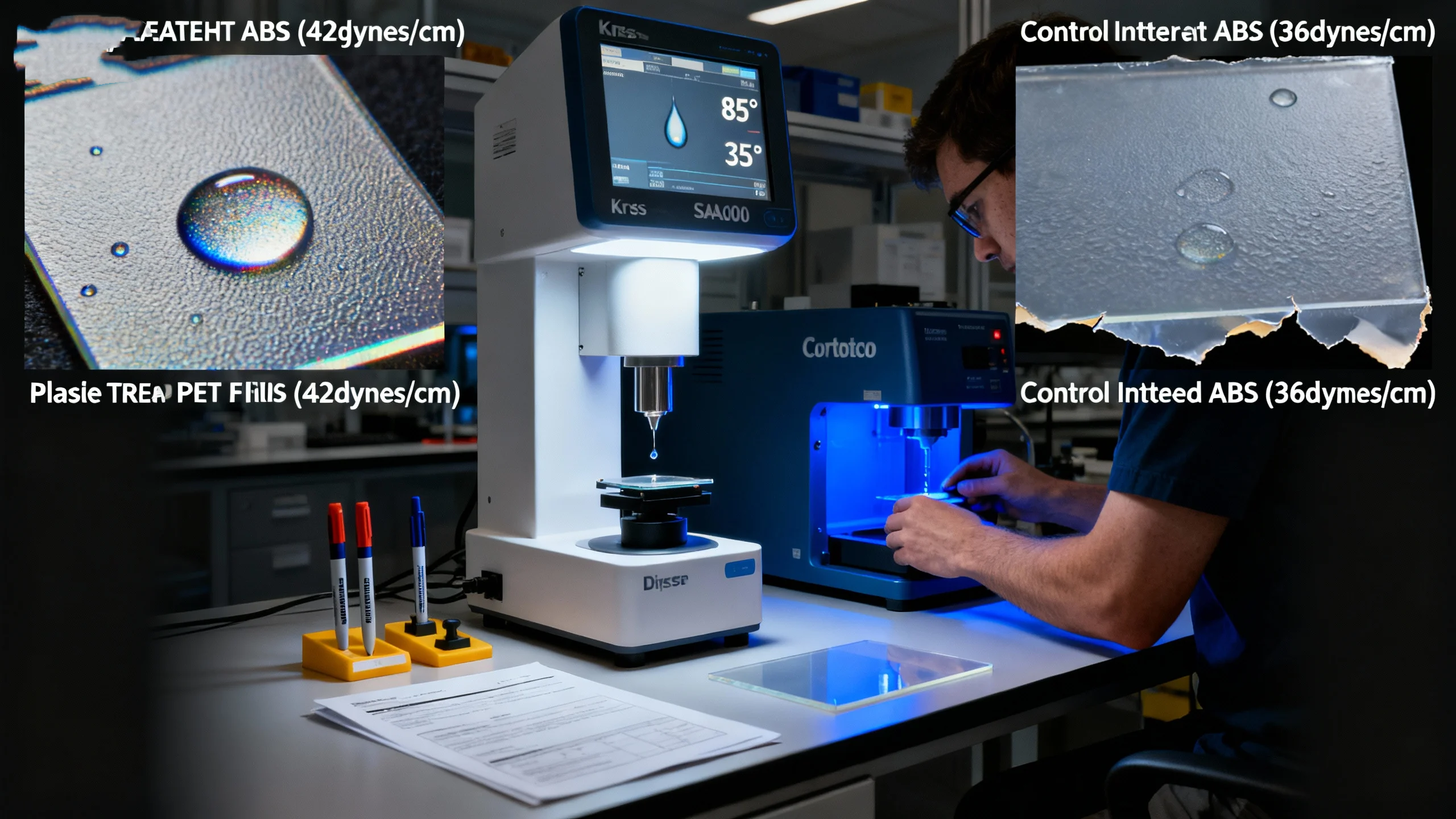
In-Mold Labeling (IML) has become a key technology for integrating aesthetics and functionality in ABS injection molding. The flowability, surface energy, and heat resistance of different ABS grades determine the bonding performance and visual outcome of IML films. Material compatibility and precise mold temperature control are the two core factors for successful integration.
As industries such as consumer electronics, automotive interiors, and home appliances pursue higher aesthetic and durability standards, the application of IML on ABS products becomes increasingly diversified. It is not only a decoration choice but also a brand differentiation strategy. From mold design to film material matching, IML is driving ABS molding toward greater customization and design freedom.
How does surface energy of ABS affect IML adhesion?
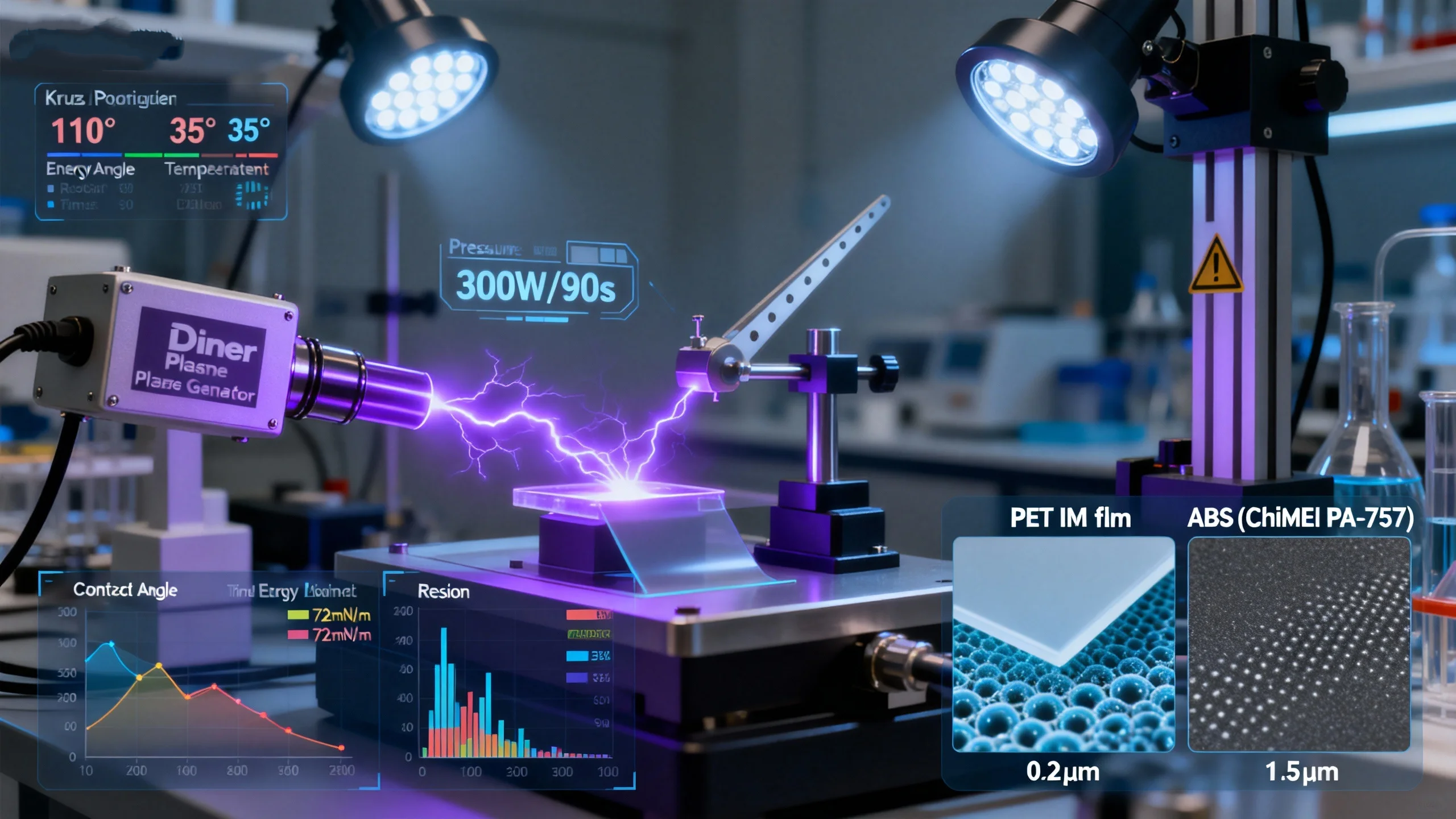
The surface energy of ABS directly determines the bonding strength and image clarity of IML films. For low-surface-energy ABS, insufficient pretreatment often leads to delamination or bubbling. Plasma or corona treatment can significantly enhance surface tension, allowing the film and resin to bond effectively.
- Plasma Activation Technology: Pre-treats the ABS surface to enhance adhesion.
- Surface Energy Testing: Measures contact angle to ensure film compatibility.
- Modified ABS Formulation: Adds polar copolymers to improve interfacial bonding.
- Thermal Press Assistance: Increases bond strength during mold closing.
😊 Boosting surface energy is the first step toward stable IML adhesion.
How does mold temperature control affect IML molding quality?
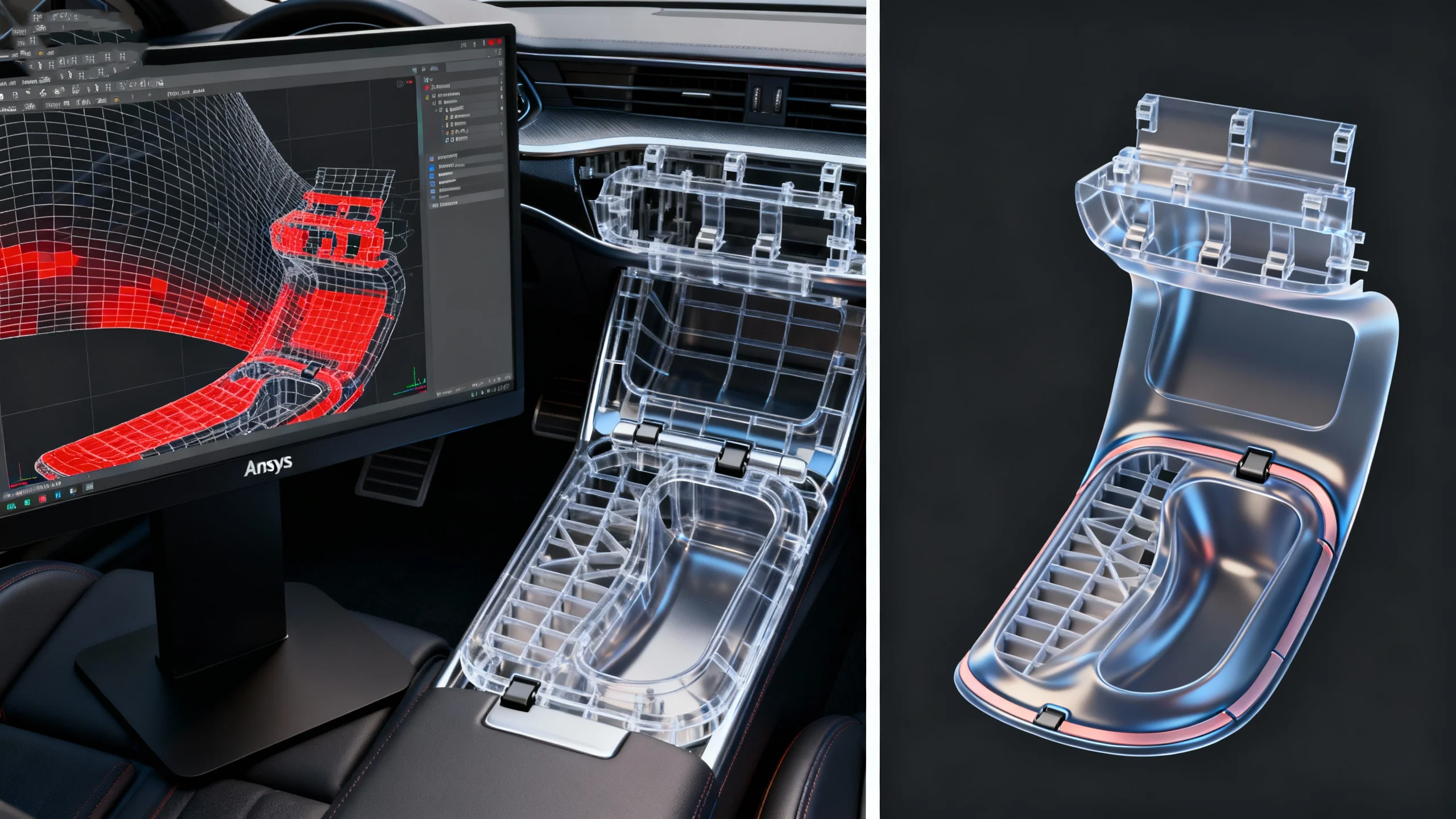
In IML processing, mold temperature is a decisive factor for film adhesion and final appearance. Low temperatures may cause poor film contact, while excessive heat can deform the film. Dynamic temperature control allows optimal fusion between molten ABS and the film layer.
- Precision Mold Temperature Control: Regulates thermal zones to prevent warpage.
- Cooling Cycle Optimization: Reduces stress concentration and improves clarity.
- Localized Heating: Provides compensation for complex areas.
- Online Monitoring Feedback: Enables closed-loop temperature management.
🔥 Stable mold temperature is the hidden guarantee of IML quality.
How do different ABS structures affect IML design?
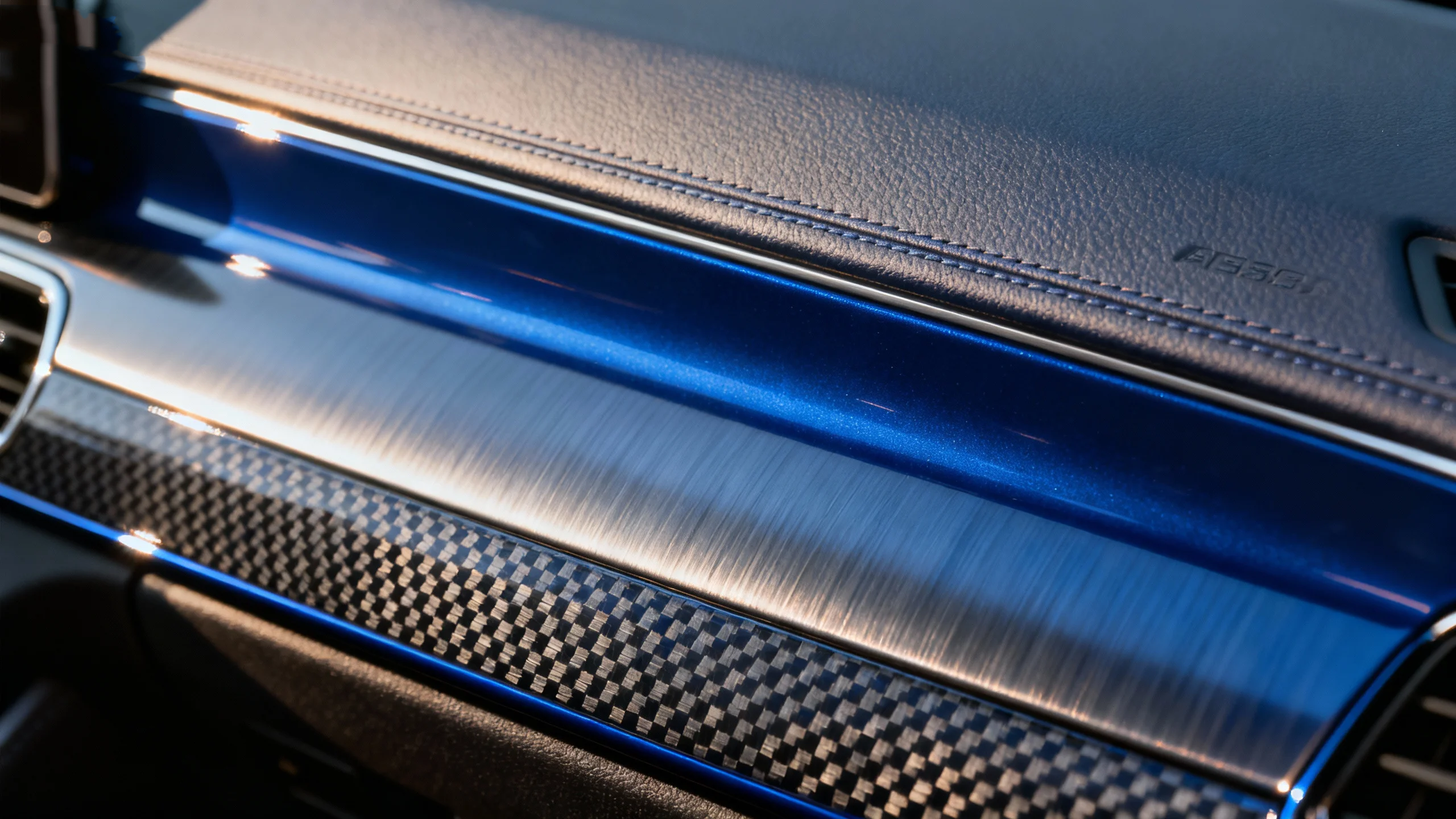
The structural complexity of ABS parts directly impacts film alignment and molding risk. Complex curves or sharp angles can cause uneven film stretching. By considering film stretch direction and mold parting line during design, distortion risks can be significantly reduced.
- Curved Surface Design: Uses 3D pre-deformation to ensure film conformity.
- Parting Line Optimization: Prevents film overlap or tearing.
- Vacuum Assistance: Ensures tight adhesion on complex surfaces.
- Edge Reinforcement: Prevents peeling and corner warping.
🎯 Optimized structural design is the key to successful IML molding.
IML Performance Comparison Among Different ABS Grades
| ABS Type | Surface Energy Level | Recommended Mold Temp (℃) | Adhesion Rating | Compatible Film | Appearance Stability | Cost Level |
|---|---|---|---|---|---|---|
| General ABS | Medium | 70–85 | ★★★ | PET | Good | Medium |
| High-Gloss ABS | Low | 80–95 | ★★ | PMMA | Excellent | Mid-High |
| Flame-Retardant ABS | Low | 90–100 | ★★★ | PC | Stable | High |
| Modified ABS | High | 75–90 | ★★★★ | TPU | Outstanding | Medium |
Understanding the differences between ABS grades and temperature control logic enables more efficient, competitive IML production. contact us
How Multi-Layer IML Enhances Decorative Depth of ABS Parts
Multi-layer IML technology embeds different functional layers to achieve scratch resistance, UV protection, and metallic visual effects. This layered design not only enhances the appearance of ABS parts but also extends their service life. The laminated structure improves optical uniformity and color richness.
1.Functional Layer Design: Select UV, anti-fingerprint, or scratch-resistant coatings.
2.Optical Layer Control: Maintain consistent color and light transmission.
3.Automated Lamination: Enables high-efficiency production.
4.Decorative Depth Enhancement: Integrates textures and optical layers for premium perception.
Conclusion
The implementation path of IML on different ABS products depends on material characteristics, temperature control, and structural design. With a tailored process strategy, both visual and functional performance can be significantly improved. IML technology is becoming the key to achieving aesthetic and functional integration in ABS injection molding.
For expert assistance in implementing IML solutions for your production needs, visit our resource center or contact us. Let’s help you scale up your manufacturing with precision and efficiency!