Introduction

Mold steel performance directly decides the final service life and dimensional stability of finished mold products. Every molding project carries unique load, thermal and chemical challenges that cannot be solved by one‑size‑fits‑for‑all steel grades. Improper mold steel selection will trigger frequent mold maintenance and unexpected production downtime. Manufacturing teams need to sort out real‑world operating constraints before locking any material specification.
Many purchasing and engineering teams tend to prioritize material brand or hardness data while ignoring actual working conditions of mold cavities. Blind pursuit of high‑grade steel often brings extra material cost without practical performance improvement. Balancing performance requirement, process feasibility and total cost is the core logic for mold steel decision‑making. Production profitability will be enhanced when steel grade matches project demands precisely.
How do mold working conditions affect mold steel grade picking?

Molds sustain combined mechanical stress, cyclic thermal shock and chemical erosion during continuous production. Different forming modes bring completely different load characteristics, so engineers should evaluate stress type, peak operating temperature and medium corrosion risk before confirming steel optionshot‑work tool steel andcold‑work tool steel serve distinct application scenarios and cannot be substituted arbitrarily. Wrong material matching under extreme working conditions causes early crack, wear or surface corrosion of mold core. Mold failure cases mostly root in neglected actual service environment rather than raw material quality defects.
Mechanical load assessment: You need to sort out impact force, extrusion pressure and repeated cyclic stress borne by mold cavity before steel selection.
Temperature range confirmation: You should record long‑time working temperature peak value to judge whether thermal‑fatigue‑resistant steel is necessary.
Corrosion medium identification: You need to check whether molded workpiece will release corrosive volatile substances inside mold cavity.
Abrasion source analysis: You shall confirm whether filler such as glass fiber will accelerate surface abrasive wear on mold surfaces.
🔍 Working condition analysis lays the basic premise for scientific mold steel selection.
What mechanical properties should we prioritize for target mold steel?

Key mechanical indicators of mold steel include hardness, toughness, wear resistance and polishing performance, and these properties commonly exist mutual restriction relations. Higher hardness usually promotes wear resistance meanwhile reduces material toughness, which raises brittle fracture risk under heavy impactpre‑hardened mold steel andpowder metallurgy tool steel provide different trade‑off solutions for property balance. Engineers must rank property priorities instead of pursuing maximum value for every mechanical indicator. Over‑specification of single performance will increase material and machining budget without bringing extra production benefit.
Hardness target setting: You shall set reasonable HRC hardness target according to expected mold cycle life instead of blindly chasing maximum hardness value.
Toughness demand screening: You should improve toughness priority when mold bears frequent impact load to prevent sudden brittle cracking.
Wear‑resistance configuration: You need to enhance wear resistance grade if abrasive filler exists in molded raw materials.
Surface quality requirement: You shall reserve high‑polish steel option if cosmetic surface finish is required for final molded parts.
⚙️ Rational property priority ranking helps avoid over‑specification for mold steel procurement.
How to balance production volume, machining performance and total cost for mold steel?
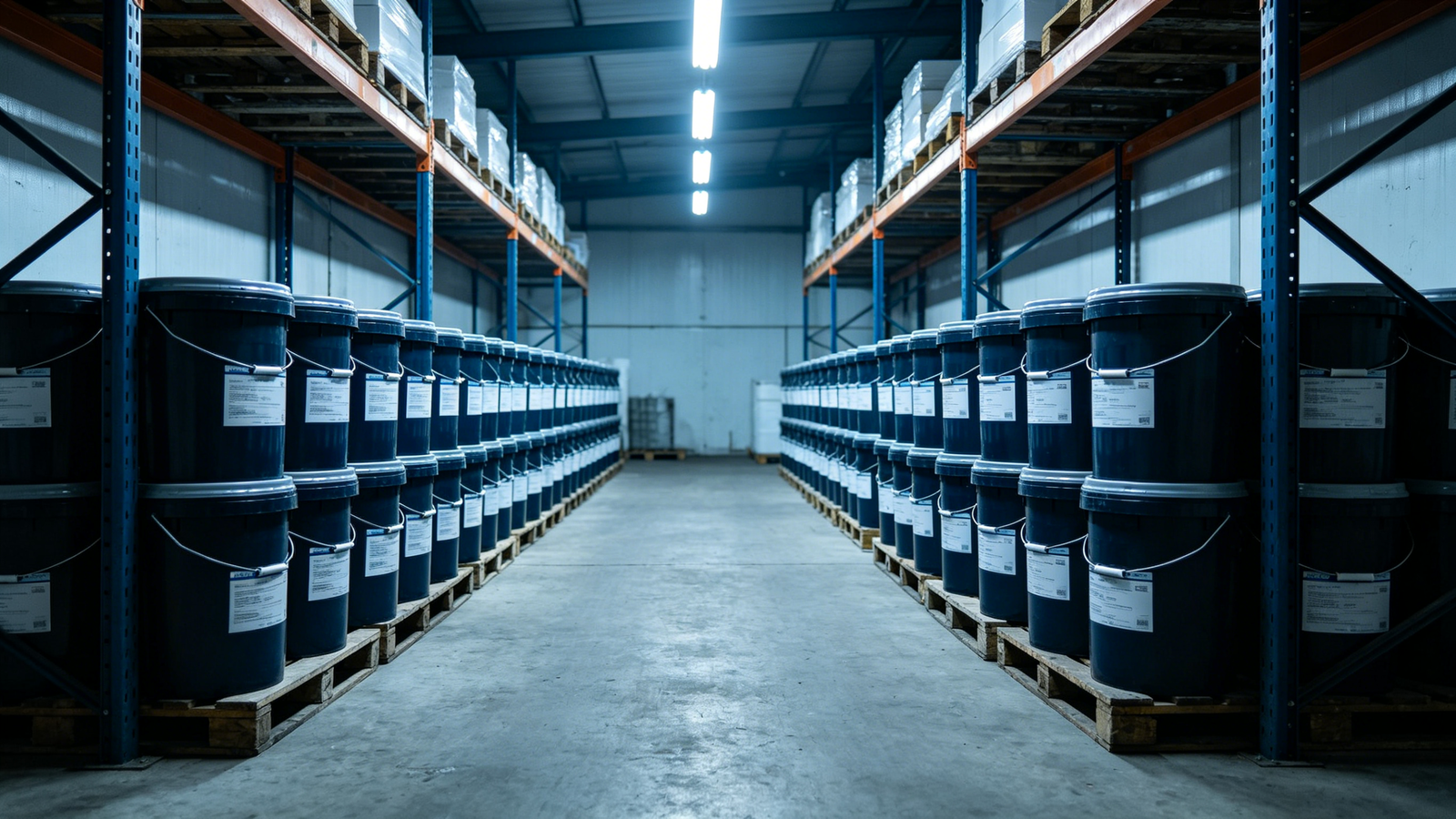
Total mold cost covers raw steel expense, heat‑treatment charge, machining consumption, maintenance cost and loss caused by premature mold scrap. High‑priced premium steel may cut long‑term comprehensive cost for mass‑volume production while bringing unnecessary waste for small‑batch prototype tasks. Machinability directly influences CNC cutting time, tool consumption and post‑processing difficulty of mold componentsheat treatment andEDM machining will create extra cost differences among different mold steel grades. The optimal mold steel solution focuses on total‑life‑cycle cost rather than unit raw‑material price. Project batch scale shall become the critical reference benchmark for final material decision.
Production batch evaluation: You can adopt economical pre‑hardened steel for low‑volume prototype molds and select high‑wear‑resistant steel for mass continuous production.
Machining difficulty prediction: You need to assess local workshop processing capacity to avoid choosing steel grade beyond existing equipment capability.
Heat‑treatment risk control: You shall consider deformation risk during quenching especially for large‑size or complex‑structure mold inserts.
Whole‑life‑cycle accounting: You should calculate comprehensive expense including replacement and maintenance instead of only comparing raw steel quotation.
💰 Total‑life‑cycle cost accounting supports objective mold steel purchasing judgment.
Comparison of Typical Mold Steel Grade Application Scenarios
| Steel Grade | Core Merit | Suggested Production Cycles | Typical Application | Limitation |
|---|---|---|---|---|
| P20 | Good machinability, moderate cost | 50k‑100k | General plastic injection mold | Poor corrosion resistance, limited wear resistance |
| 718 | Fine polishing performance, stable hardness | 100k‑500k | Appearance‑required plastic parts | Cannot sustain heavy abrasive filler |
| H13 | Excellent thermal fatigue & impact resistance | 300k‑1M | Die‑casting, hot forging mold | Demanding for heat‑treatment process |
| S136 | High anti‑corrosion & polishing capacity | 200k‑800k | Corrosive resin & transparent product | Higher raw‑material purchase cost |
If you struggle to pick proper mold steel grade for your upcoming project, you can reach contact us for professional material matching suggestion.
Practical Principles for Mold Steel Final Confirmation
After finishing working‑condition analysis and performance screening, purchasers and mold designers need to combine project schedule, material supply accessibility and after‑service support to complete final steel grade confirmation. Many overlooked factors such as local stock availability and heat‑treatment delivery cycle will delay whole mold manufacturing progress. Qualified mold steel solution needs to satisfy technical requirement meanwhile match project schedule and supply chain condition. Even steel with perfect lab performance will lose practical value if long procurement lead‑time blocks project timeline. The following principles can assist teams to complete efficient final decision.
1.Match working condition first: Always take actual mold load, temperature and chemical environment as the primary judging standard for steel grade selection.
2.Control comprehensive cost: Calculate full‑life‑cycle expenditure instead of simply comparing raw material unit price on quotation sheet.
3.Adapt to process capacity: Confirm whether local workshop owns mature heat‑treatment and machining capability for selected mold steel.
4.Verify supply stability: Check stock situation and delivery cycle to prevent project delay caused by out‑of‑stock special steel grades.
FAQ: Mold Steel Selection & Procurement Common Questions
Q1: What are the core evaluation indicators for your recommended mold steel?
A: We will clarify target hardness range, toughness threshold, wear‑resistance class and anti‑corrosion performance according to your mold working scenario. Material will go through metallurgical inspection including purity test and carbide distribution check to match your molding requirement, covering cold‑work, hot‑work and plastic mold application scenarios.
Q2: If we plan to purchase mold steel for mold making, what documents should we provide to get fast formal quotation?
A: Please submit mold type description, expected production cycles, molded material composition, key surface‑finish requirement and mold dimension information. Send above information via official contact channel, our team will give preliminary technical feedback within 2 working hours and deliver complete quotation with material suggestion within 12 working hours, and we support sample supply for verification.
Q3: Regarding mold steel purchasing, what are MOQ, lead‑time and payment terms for different order volumes?
A: Small‑batch trial order supports minimum order of single piece for common stock steel grades, standard order delivery cycle is 7‑10 working days. For special customized remelted mold steel, delivery time will extend to 14‑21 working days. We support flexible negotiation for bulk order discount and payment condition based on your actual purchasing quantity. Emergency order service is available upon communication.
Q4: After we purchase mold steel, how will you handle issues including material performance non‑conformity and delivery delay?
A: Material quality inspection report will be attached for each batch of delivered mold steel. You can apply re‑inspection within 7 working days after receiving goods. If material performance fails to meet agreed specification, we will arrange replacement or refund within 48 hours. We will notify risk in advance once delivery delay may occur and coordinate countermeasures to lower your project loss.
Q5: Can you provide customized mold steel solution for our special molding working condition? What information do we need to offer?
A: Customized suggestion for special operating environment is available. You need to provide detailed data including working temperature range, impact load feature, corrosive medium type and target service life. Our technical team will output targeted material proposal within 3 working days. Customized non‑standard steel will bring extra cost fluctuation comparing with conventional stock grades.
Conclusion
Mold steel selection is never about picking the most high‑end material on market, but finding the grade best fitting your specific molding project. Engineers need to integrate working conditions, mechanical‑property trade‑offs, production batch scale and supply‑chain reality comprehensively during decision‑making. Ignoring actual application background and only referring to material parameter sheet will inevitably induce premature mold failure and extra comprehensive production cost. Systematic evaluation helps you reduce unexpected mold repair downtime and raise overall manufacturing return‑on‑investment.
For expert assistance in implementing for your production needs, visit our resource center or contact us. Let’s help you scale up your manufacturing with precision and efficiency!