Introduction
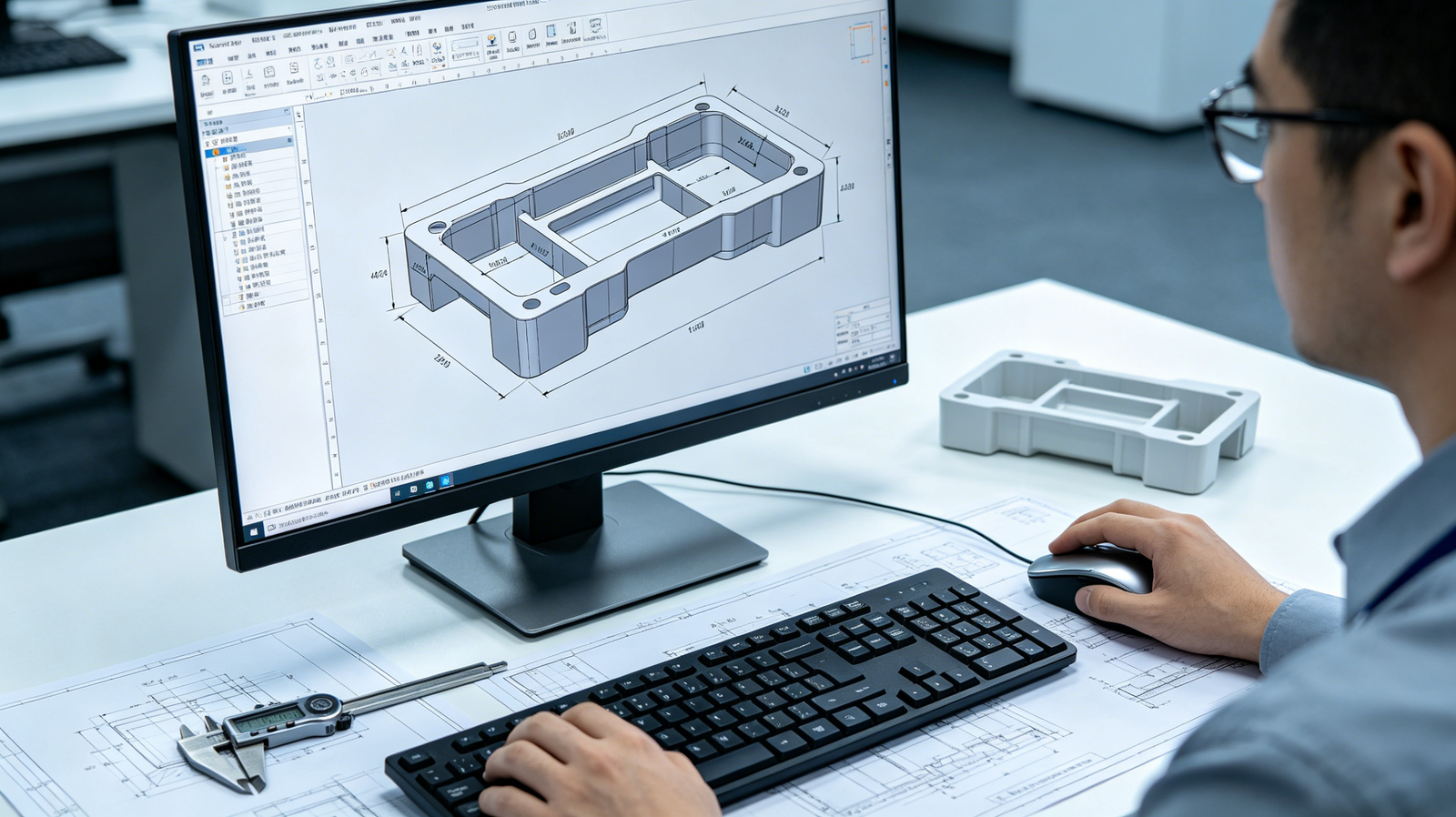
Expedited injection molding helps product teams compress development cycles when market launch windows are tight. Many procurement engineers struggle to set reasonable budgets without clear reference for rush‑order surcharges and hidden expenses. Expedited service does not follow fixed unit pricing and changes with project conditions. Project managers need to balance speed, quality and total expenditure instead of only chasing the shortest lead‑time.
Different part geometry, mold specifications and production volumes will reshape the final expense of expedited injection molding. Even identical parts can show large price gaps under different delivery deadline requirements. Transparent itemized quotation is the core premise to avoid unexpected over‑budget risks. Buyers should sort out drawing requirements, target lead‑time and batch scale before sending inquiry to suppliers.
What core components make up expedited injection molding costs?
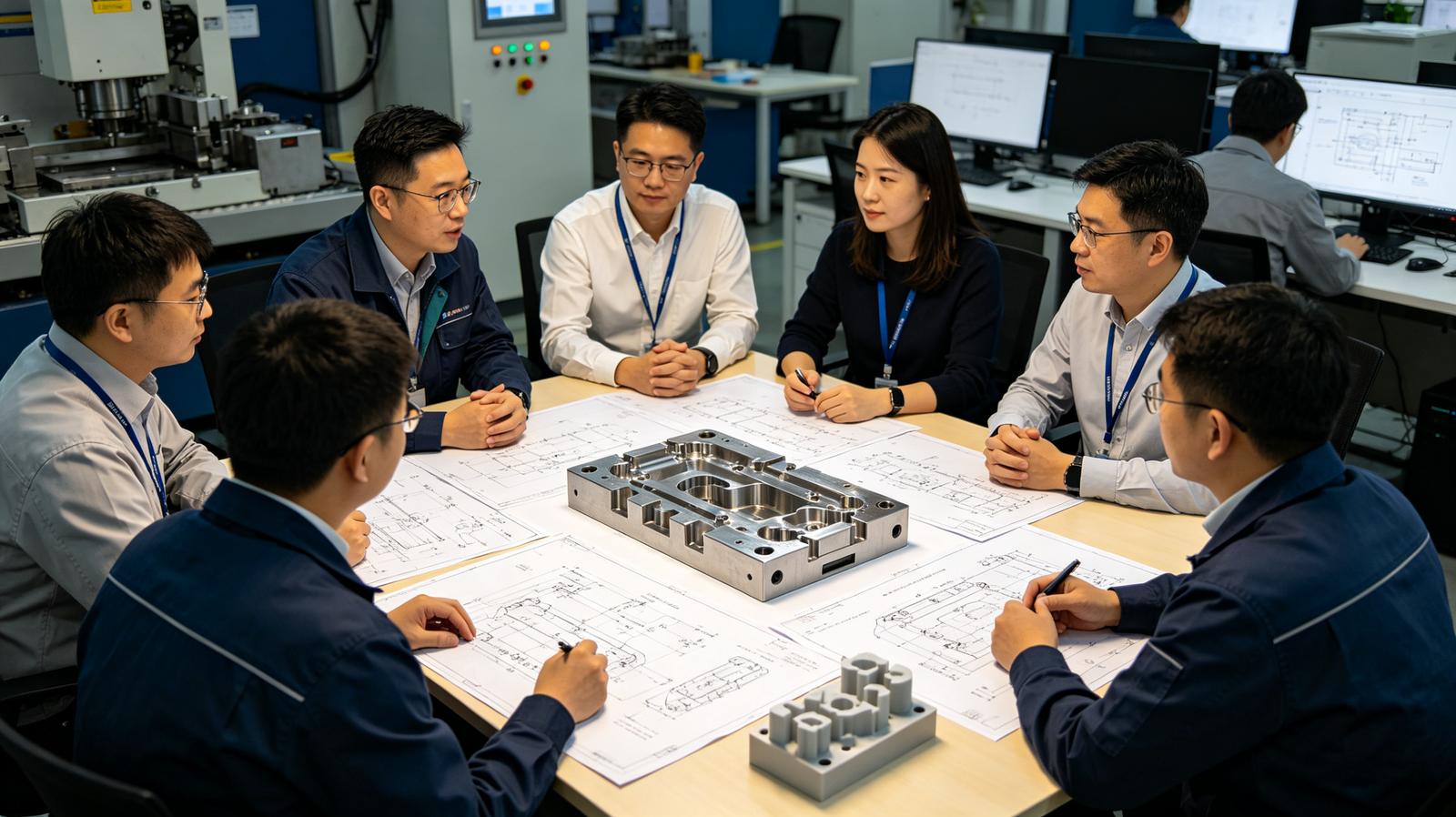
Expedited injection molding total expense consists of accelerated tooling fees, part‑processing charges, raw‑material expenditure and rush‑order surcharges that distinguish it from standard injection molding. Tooling cost covers mold material, CNC machining, EDM work and repeated mold trials compressed into shortened schedules. Rush surcharges originate from overtime labor, priority production scheduling and parallel‑arranged manufacturing workflows. Material expenses are determined by selected resin grades while processing cost links closely with machine occupancy and QC inspection frequency.
Tooling acceleration fee: It accounts for the largest proportion among extra expedited charges and rises obviously for complex molds with multiple slides or lifters.
Rush‑order surcharge: It normally ranges from 15 %‑50 % of baseline project cost according to how heavily lead‑time is compressed.
Material & processing cost: It keeps mostly consistent with standard molding unless special high‑performance resins or enhanced inspection standards are demanded.
Ancillary expense: It includes expedited shipping, dimensional verification reports and PPAP‑related documentation work for urgent batches.
⚙️ Every sub‑item jointly decides the final overall cost of your expedited injection molding project.
Which key factors drive price fluctuation for expedited injection molding?

Part structural complexity directly decides tool‑making workload for expedited injection molding, and intricate undercuts, thin‑wall features or strict cosmetic requirements extend necessary machining hours even under rush mode. The degree of lead‑time compression creates the most obvious premium difference; squeezing lead‑time far below standard cycles will trigger higher overtime surcharges. Mold material selection between aluminum rapid‑tooling and hardened production steel brings huge gaps on both baseline cost and feasible shortest delivery window. Production batch size also influences per‑piece cost since fixed setup expenditures are allocated across total manufactured quantities.
Part complexity: Complex geometry raises required machining workload and enlarges the expedited‑service premium you need to bear.
Lead‑time compression amplitude: The bigger gap between requested lead‑time and standard cycle, the higher percentage surcharge you will receive on quotations.
Mold material option: Aluminum rapid‑tooling fits short‑run urgent projects with lower cost, while hardened steel brings higher baseline expense for mass‑production urgent orders.
Production volume: Larger batches dilute fixed tooling‑related expenditure and lower per‑unit cost for expedited molding output.
📊 Adjusting part design or relaxing non‑critical deadlines can effectively cut your expedited injection molding budget.

Many buyers only focus on explicit tooling and part‑unit prices while ignoring easily‑overlooked hidden costs frequently attached to expedited injection‑molding projects. Late‑stage design revisions under tight schedules will generate extra rework charges for mold modification. Enhanced quality‑control demands for urgent batches may produce separate inspection and test‑report fees not included in basic pricing. Expedited freight, special packaging and temporary‑warehouse management can add considerable extra expenditure for time‑sensitive delivery. Some suppliers merge rush‑order premium into each‑part price instead of marking it as an independent item, making cost comparison harder for procurement teams.
Late‑change modification fee: Adjustments to CAD files after mold‑making starts under rush schedules will trigger additional mold‑reworking charges.
Enhanced QC documentation cost: Dimensional inspection reports, material certification and PPAP files for urgent projects may be charged separately.
Priority‑logistics surcharge: Air‑shipping or express logistics for fast part delivery creates extra freight expense beyond regular transport plans.
Unstated rush‑premium bundling: Some vendors integrate expedited‑service surcharge into unit‑part price without independent listing on formal quotations.
⚠️ Request itemized quotation sheets to expose hidden expenditures before confirming your expedited injection‑molding cooperation.
Comparison Table: Expedited vs Standard Injection Molding Reference Cost & Lead‑Time
| Item | Standard Injection Molding | Expedited Injection Molding(Rapid Tooling) | Expedited Injection Molding(Accelerated Steel Mold) | Prototype‑Only Fast Molding |
|---|---|---|---|---|
| Tooling Lead‑Time | 6‑12 weeks | 2‑5 weeks | 3‑6 weeks | 1‑3 weeks |
| Tooling Cost(Single‑Cavity) | $15000‑$100000+ | $1500‑$15000 | $18000‑$120000 | $1200‑$8000 |
| Rush‑Surcharge Rate | 0% | 15‑25% | 25‑50% | 10‑20% |
| Typical Per‑Part Cost | $0.4‑$2.2 | $0.6‑$2.8 | $0.5‑$2.5 | $0.8‑$3.2 |
| Mold Shot‑Life | 500000‑1000000+ | 1000‑50000 | 300000‑800000 | 500‑20000 |
If you want to get an accurate customized budget for your urgent molding project, contact us.
Practical advice to control expedited injection molding total expenditure
Procurement teams can adopt multiple practical strategies to manage total spending when ordering expedited injection molding without sacrificing core delivery objectives. Proper DFM review before launching urgent tooling helps avoid costly later‑stage modification fees. Choosing aluminum rapid‑tooling for verification batches instead of rushing hardened‑steel molds will greatly lower upfront investment. Balancing non‑critical cosmetic requirements and tolerance standards can reduce extra machining workload for rush‑mode manufacturing. Buyers also are suggested to prepare complete CAD drawings, material specifications and quantity requirements in advance to shorten supplier quotation cycles.
1.DFM pre‑evaluation: Complete design for manufacturability review before kick‑off to reduce post‑start mold revision costs.
2.Select reasonable mold material: Choose aluminum rapid‑tooling for short‑run urgent projects instead of blindly adopting expensive hardened steel molds.
3.Optimize non‑key technical indicators: Appropriately relax non‑critical tolerance and cosmetic requirements to cut extra expedited‑processing workload.
4.Fully prepare inquiry documents: Submit finished CAD files, material specifications and batch demands so suppliers output precise quotations rapidly.
FAQ
Q1:What are the core advantages and key indicators of your expedited injection molding service?
A:Our expedited injection molding service supports lead‑time compression from 1‑week prototype batches to accelerated steel‑mold mass‑production. We implement DFM pre‑check, multi‑round mold trial and full‑dimensional inspection. It fits product verification, pre‑launch sample preparation and time‑critical small‑to‑medium batch manufacturing demands.
Q2:If we plan to purchase expedited injection molding service, what materials or information should we provide for fast quotation?
A:You need to provide CAD drawing files, target resin material, required part quantity, expected delivery deadline, tolerance and cosmetic‑surface requirements. Send above‑mentioned information through our official contact channel. We will return a full itemized quotation including rush‑surcharge breakdown within 12 working hours and support free feasibility assessment.
Q3:For expedited injection molding service, what are rules about minimum order quantity, delivery cycle and payment under different purchase volumes?
A:Prototype expedited batches support MOQ starting from 50 pieces; mass‑production expedited orders get preferential unit price above 1000‑piece volume. Standard expedited lead‑time ranges 2‑5 weeks based on project complexity. We maintain flexible production capacity and can further compress cycle for qualified urgent orders after negotiation. Payment terms can be adjusted for long‑term bulk‑purchase clients.
Q4:After purchasing expedited injection molding service, how will you handle problems such as non‑conforming quality or delivery delay?
A:We perform full‑sample inspection before shipment. Customers can apply for re‑inspection within 7 working days after goods arrival. If quality non‑conformity is confirmed to be our responsibility, we arrange re‑manufacture or replacement within 48 hours. We clarify delivery risk clauses in formal contracts and give corresponding compensation for confirmed delivery delays caused by our side.
Q5:Can you provide customized adjustment or supporting services for expedited injection molding according to our special production conditions?
A:We support customized expedited‑molding solutions for special working‑condition requirements including high‑temperature‑resistant resin, special surface texture and insert over‑molding. You need to offer detailed working‑condition parameters and functional‑performance targets. Customized scheme feedback will be finished within 3 working days, and customized‑item cost will increase by 5%‑18% compared with standard expedited projects.
Conclusion
Expedited injection molding cost is not a fixed number, which is determined comprehensively by tooling expense, rush‑order premium, part complexity, mold material and production batch. Buyers should focus on total‑project cost rather than only comparing unit‑part price when evaluating urgent‑molding quotations. Itemized quotation and clear demand sorting are two effective ways to avoid unexpected over‑budget risks for expedited injection‑molding projects. Reasonable selection between aluminum rapid‑tooling and accelerated steel molds can help procurement teams balance delivery speed, quality target and capital investment.
For expert assistance in implementing for your production needs, visit our resource center or contact us. Let’s help you scale up your manufacturing with precision and efficiency!