introduction
Injection molding inquiry serves as the core carrier for information transmission between buyers and injection‑molding manufacturers, and complete information directly determines the accuracy of quotation and project progress. Many purchasers omit key information when filling out inquiry forms, which leads to repeated communication and prolonged project cycles. A standardized injection‑molding inquiry form can effectively reduce information deviation between both parties. Buyers need to sort out product‑related information before submitting inquiries, so that manufacturers can quickly evaluate process difficulty, material selection and production costs. Clear information input also helps manufacturers arrange subsequent mold opening, sample trial production and mass‑production plans in advance.
The quality of inquiry information will affect the whole link from mold development to finished‑product delivery. Missing critical parameters often causes rework of molds and adjustment of production schemes in the later stage. Sufficient inquiry information is the premise for injection‑molding suppliers to give reasonable and feasible solutions. Purchasers should classify product drawings, material requirements and application‑scenario information, and fill in the inquiry form item‑by‑item according to actual production demands. This operation mode can greatly improve the docking efficiency of B2B procurement of injection‑molded parts.
What key drawing documents need to be attached to the injection molding inquiry form?
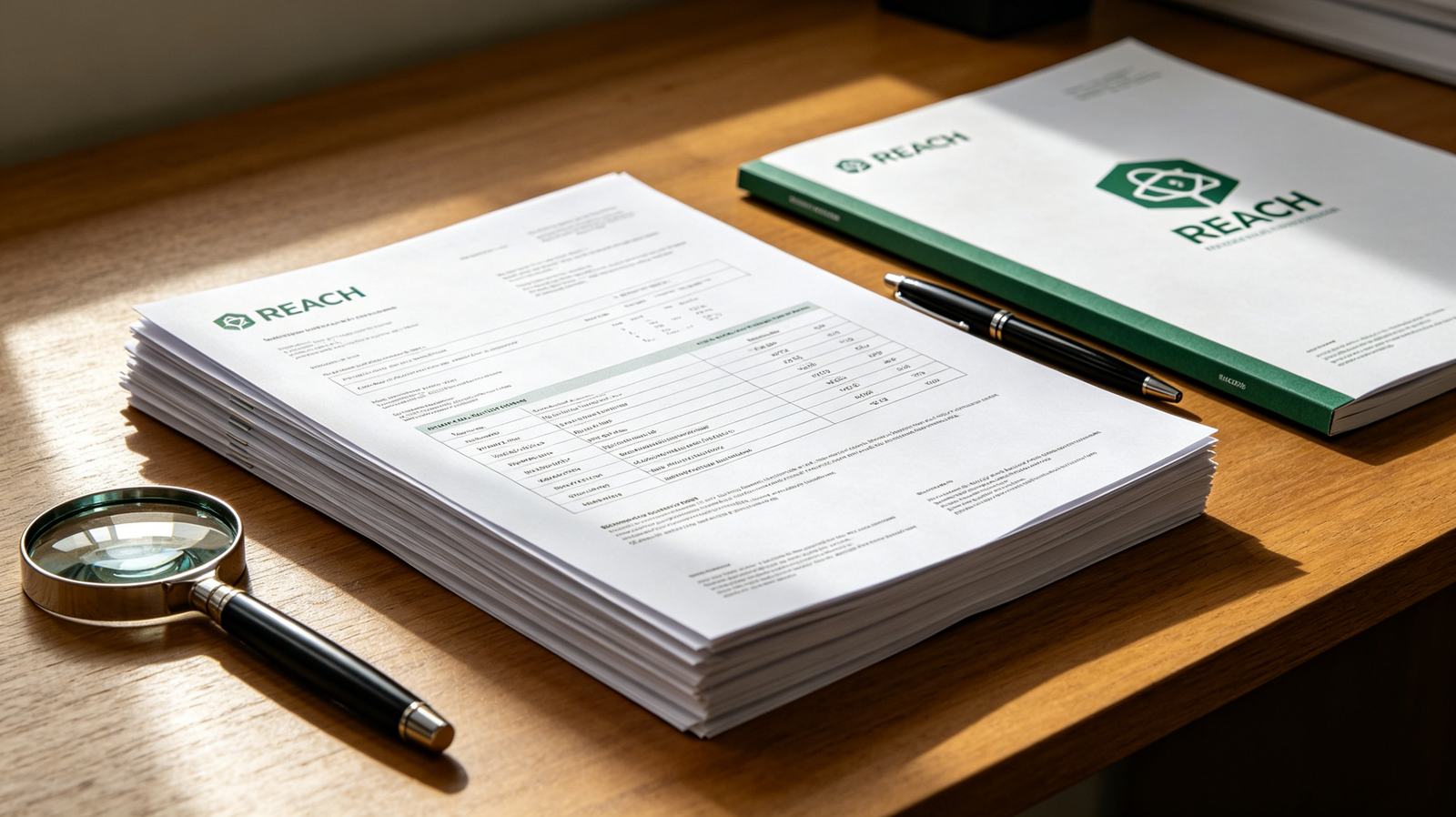
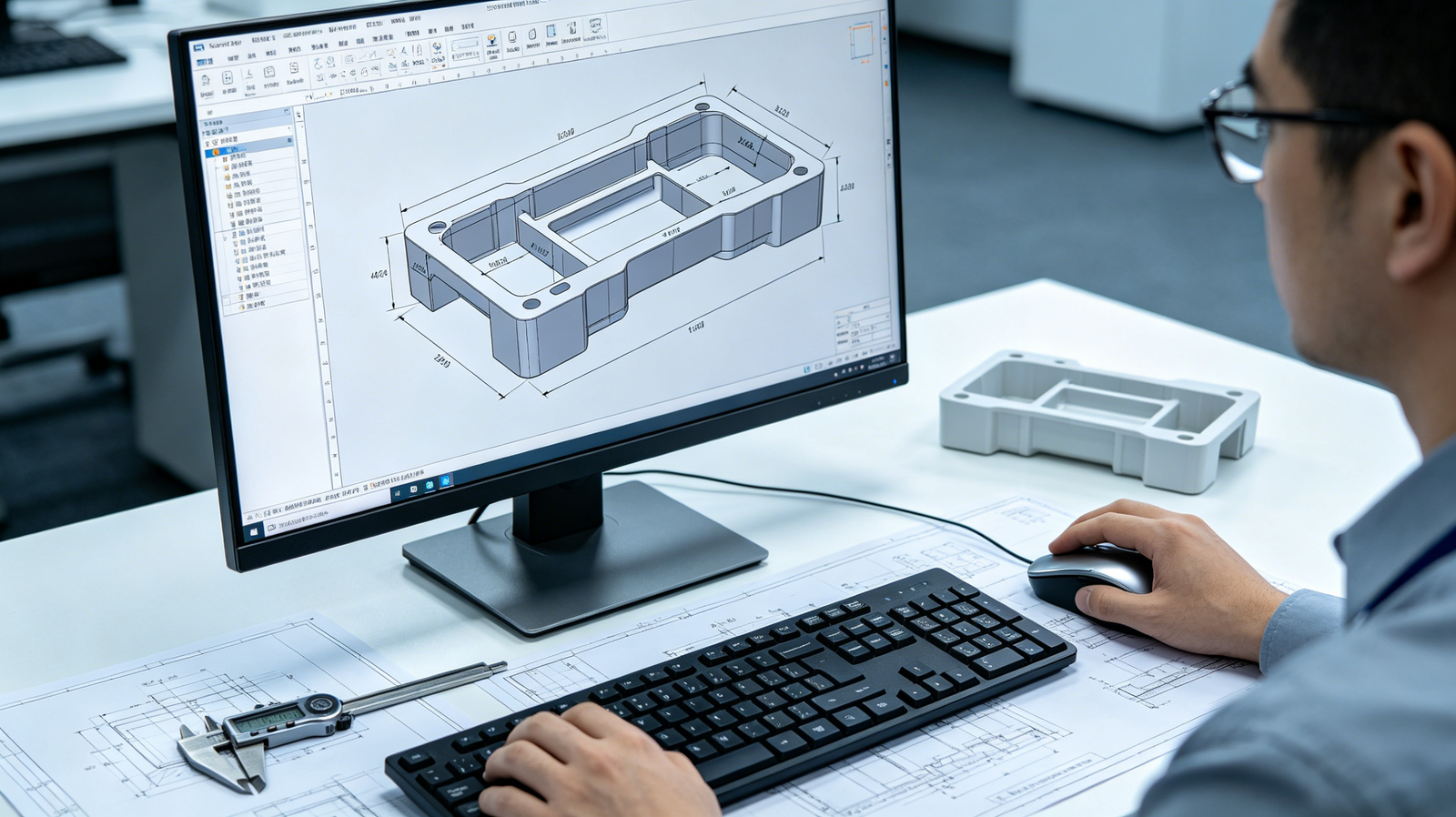
Complete drawing documents are the basic reference for manufacturers to carry out mold design and product size evaluation, and incomplete drawings will make it impossible for suppliers to carry out effective technical assessment. Purchasers need to provide formal 3D model files and 2D engineering drawings with complete dimension marking and tolerance requirements in the inquiry form, and mark special assembly positions and appearance‑surface standards on the drawings. Drawings with clear tolerance marks can avoid size disputes in the subsequent sample‑confirmation stage. Buyers can upload 3D model and 2D engineering drawing in the attachment area of the inquiry form to facilitate engineers to view and analyze product structure characteristics.
Drawing format specification: You need to confirm the available file formats accepted by the manufacturer before uploading drawing files to avoid format‑opening failures
Tolerance marking requirement: Key assembly dimensions and appearance‑related dimensions shall be marked with corresponding tolerance ranges on two‑dimensional drawings.
Version control of drawings: It is necessary to mark the drawing version number clearly to prevent manufacturers from using expired drawing versions for mold development.
Auxiliary annotation description: Special structural features and hidden‑position processing requirements can be supplemented in the drawing annotation column.
📑 Complete drawing attachments lay a solid foundation for accurate technical evaluation of injection‑molding projects.
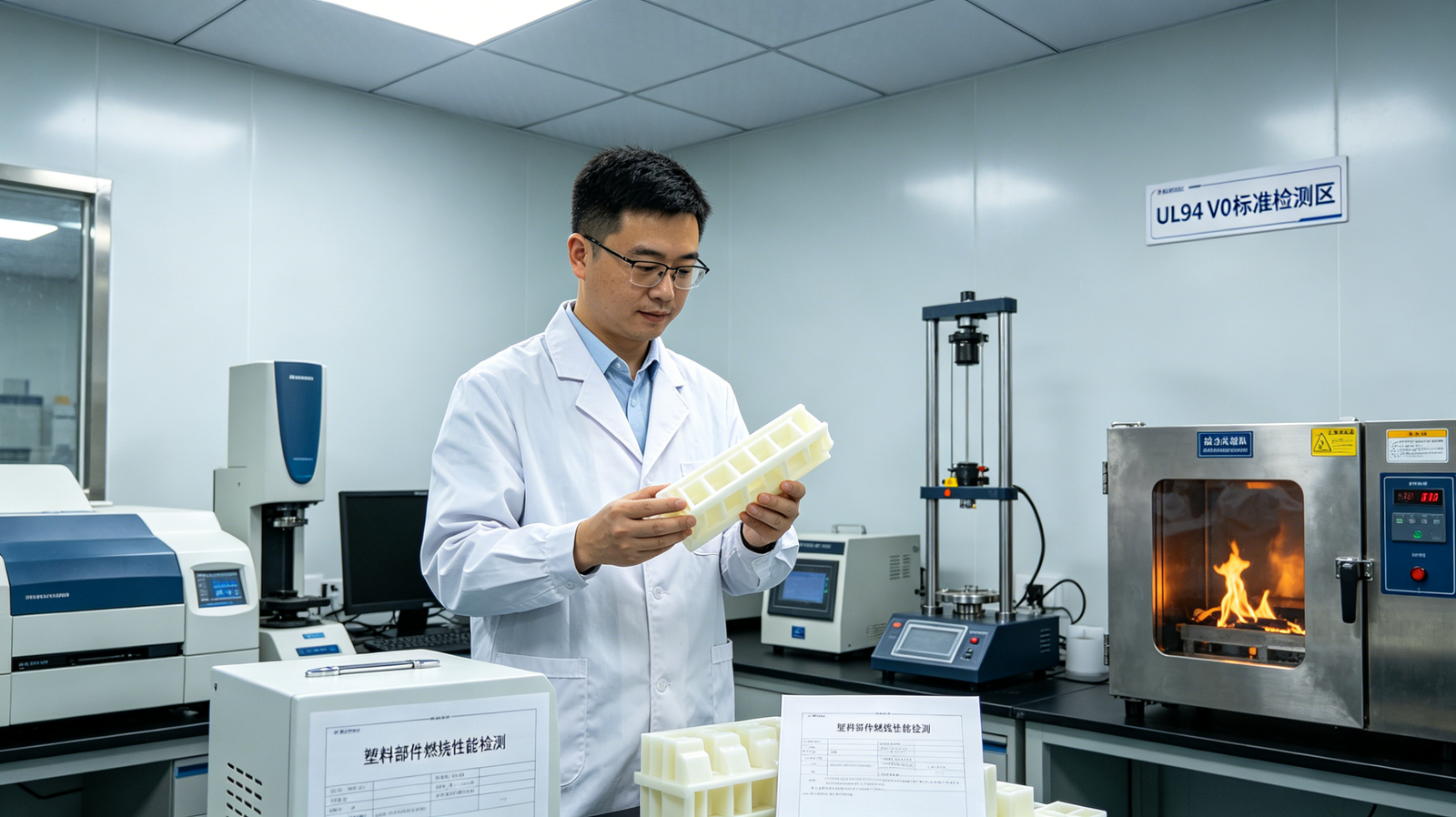
Plastic material selection directly affects the mechanical performance, service life and production difficulty of injection‑molded products, and material information is an indispensable part of the inquiry form. Purchasers shall clarify the base material type, brand preference, filling‑modification requirements and environmental‑resistance performance indexes of the product, and indicate whether recycled materials are allowed in mass‑production. Clear material requirements help manufacturers calculate raw‑material cost and formulate targeted injection‑process parameters. If there are special performance test standards, you can fill in the corresponding test‑item requirements in the form and attach material performance sheet and material certification report for reference by technical personnel.
Base material selection: Confirm the specific plastic model, and give priority to specifying the brand when there are brand‑restriction requirements.
Modified material demand: Clarify the filling proportion of glass fiber, talcum powder and other fillers if modified materials are adopted.
Recycled material regulation: Specify the allowable proportion of recycled materials or clearly prohibit the use of recycled materials for product production.
Performance test standard: List the environmental resistance, mechanical strength and other test indexes that finished products need to meet.
🧪 Accurate material information ensures that finished‑product performance matches the actual application requirements.
What production‑demand information should be supplemented in the injection molding inquiry form?
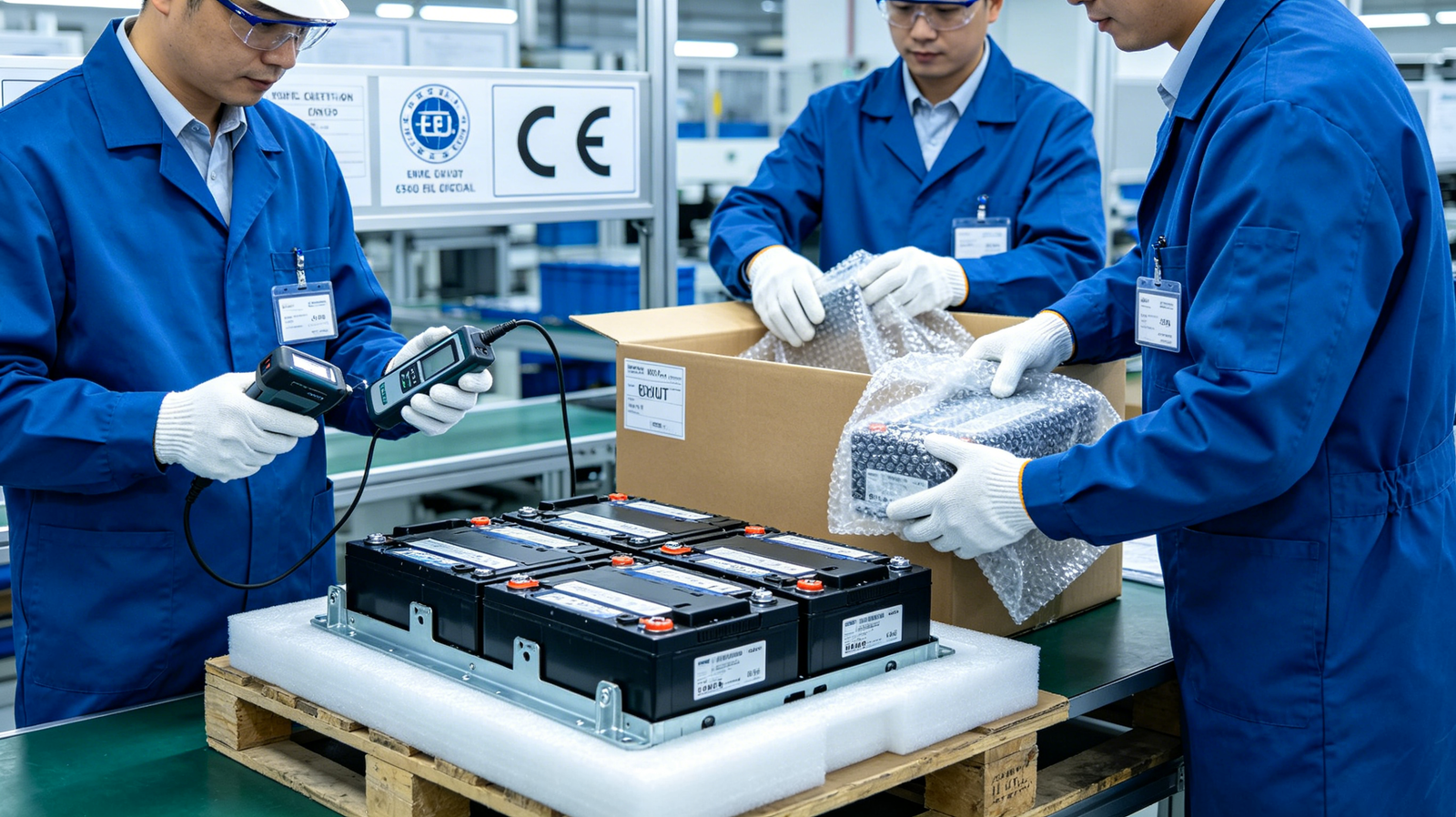
Production‑demand information determines the mold scheme, production‑line arrangement and quotation result of injection‑molding projects, and incomplete demand description is easy to cause deviation between quotation and actual situation. Purchasers need to fill in sample‑testing quantity, mass‑production annual demand, expected delivery cycle, surface‑treatment mode and packaging requirements in the inquiry form, and explain whether there are special requirements for mold ownership. Clear production quantity and cycle requirements support manufacturers to make reasonable capacity scheduling. When submitting the form, buyers can fill in annual production volume and surface treatment process to help suppliers judge mold‑cavity quantity and post‑processing workload
Sample and batch quantity: Fill in the quantity of trial‑produced samples and the estimated annual mass‑production demand of formal orders.
Expected delivery cycle: Put forward the expected time nodes for sample confirmation and mass‑product delivery according to the project schedule.
Surface‑processing requirement: Clarify post‑processing modes such as painting, silk‑screen printing and matte texture for finished‑product surfaces.
Mold ownership agreement: Indicate whether the mold belongs to the buyer after mold development is completed.
📦 Detailed production‑demand information helps suppliers give targeted quotation and delivery plans.
Comparison of core information modules of injection molding inquiry form
| Module | Core content | Filling reminder | Risk of missing information |
|---|---|---|---|
| Drawing document | 3D file, 2D drawing, tolerance mark | Mark drawing version | Mold modification and size deviation |
| Material requirement | Material model, brand, modification index | Attach material specification | Finished‑product performance fails to reach standard |
| Production demand | Sample quantity, annual output, delivery time | Distinguish trial‑production and mass‑production | Quotation deviation and capacity arrangement disorder |
| Product application | Usage scenario, working condition, test standard | Describe actual operating environment | Scheme mismatches practical working conditions |
Complete and standardized inquiry information can greatly shorten the whole cycle of injection‑molding project docking, if you need customized inquiry‑form template support, you can contact us.
Matters needing attention for filling injection molding inquiry form
It is necessary to sort out all kinds of product information before filling in the injection‑molding inquiry form, and avoid vague description which will bring obstacles to the supplier's technical evaluation. Purchasers should distinguish mandatory requirements and optional requirements, and mark special non‑negotiable indexes in the form. Marking mandatory requirements separately can help suppliers quickly identify non‑adjustable core indicators. Reasonable information sorting can avoid multiple rounds of supplementary information communication in the later period and improve the overall procurement efficiency
1.Information sorting: Sort drawing, material and production‑demand information in advance before filling in the inquiry form to avoid missing key items.
2.Distinguish demand priority: Mark mandatory hard indicators and optional adjustable requirements respectively to facilitate suppliers to make scheme evaluation.
3.Attachment check: Double‑check the integrity and opening availability of all attached files after completing form filling.
4.Special‑note input: Record special working‑condition requirements and project background information in the remark column of the inquiry form.
FAQ
Question 1 (Product core evaluation): What are the core evaluation criteria for your injection molding project inquiry docking?
Answer: We focus on drawing completeness, material performance indexes and product working‑condition requirements, adopt professional mold‑development evaluation standards, and rely on senior mold engineers to carry out technical review, so as to match the reasonable mold‑opening and production scheme for your product development demands.
Question 2 (Cooperation docking process): We plan to launch an injection molding project, what information do we need to provide for quick docking and quotation acquisition?
Answer: You need to submit complete 3D & 2D drawings, material specification requirements, estimated production quantity and product application‑scenario description, submit relevant materials through the official inquiry channel, we will complete technical review within 12 working hours and feed back the formal quotation with process analysis.
Question 3 (Procurement landing guarantee): For injection molding projects, what are the regulations on sample‑trial cycle, mass‑production delivery cycle and minimum order quantity under different demand quantities?
Answer: The MOQ of trial‑production sample is 50 pieces, small‑batch mass‑production starts from 500 pieces, conventional sample‑making cycle is 7‑10 working days, formal mass‑production delivery cycle is 15‑20 working days; equipped with multi‑group injection‑molding equipment, urgent orders can negotiate to compress the delivery cycle on the premise of process permission.
Question 4 (After‑sales and risk guarantee): After we complete the injection‑molding product procurement, how will you handle problems such as dimensional non‑conformity, appearance defects and delayed delivery?
Answer: We accept product inspection within 7 working days after receiving goods. Once quality problems caused by mold and injection‑molding process are confirmed, we will arrange re‑sample‑making or replacement treatment within 48 hours. The mold developed for customers enjoys long‑term maintenance service, and the contract shall clarify the liability for delayed delivery.
Question 5 (Customization and value‑added service): Can you provide customized adjustment or supporting services for injection‑molding projects according to our special working‑condition and production demands?
Answer: We support customized adjustment for mold structure, material matching and surface‑treatment scheme aiming at special working‑condition scenarios. You need to provide detailed working‑condition parameters and target performance indexes, we will output the targeted solution within 3 working days, and the cost will float according to the actual process difficulty.
conclusion
A high‑quality injection‑molding inquiry form integrates drawing, material, production demand and application‑scenario information, which is the starting point for smooth cooperation between purchasers and manufacturers. Incomplete or ambiguous information will trigger extra communication costs and project risks in mold opening, sample trial‑production and mass‑production links. Purchasers should standardize the information filling logic of inquiry forms from the source to reduce unnecessary project changes. Standardized inquiry information can help both parties lock project schemes rapidly and promote the steady advancement of injection‑molding procurement projects.
For expert assistance in implementing for your production needs, visit our resource center or contact us. Let’s help you scale up your manufacturing with precision and efficiency!