Introduction
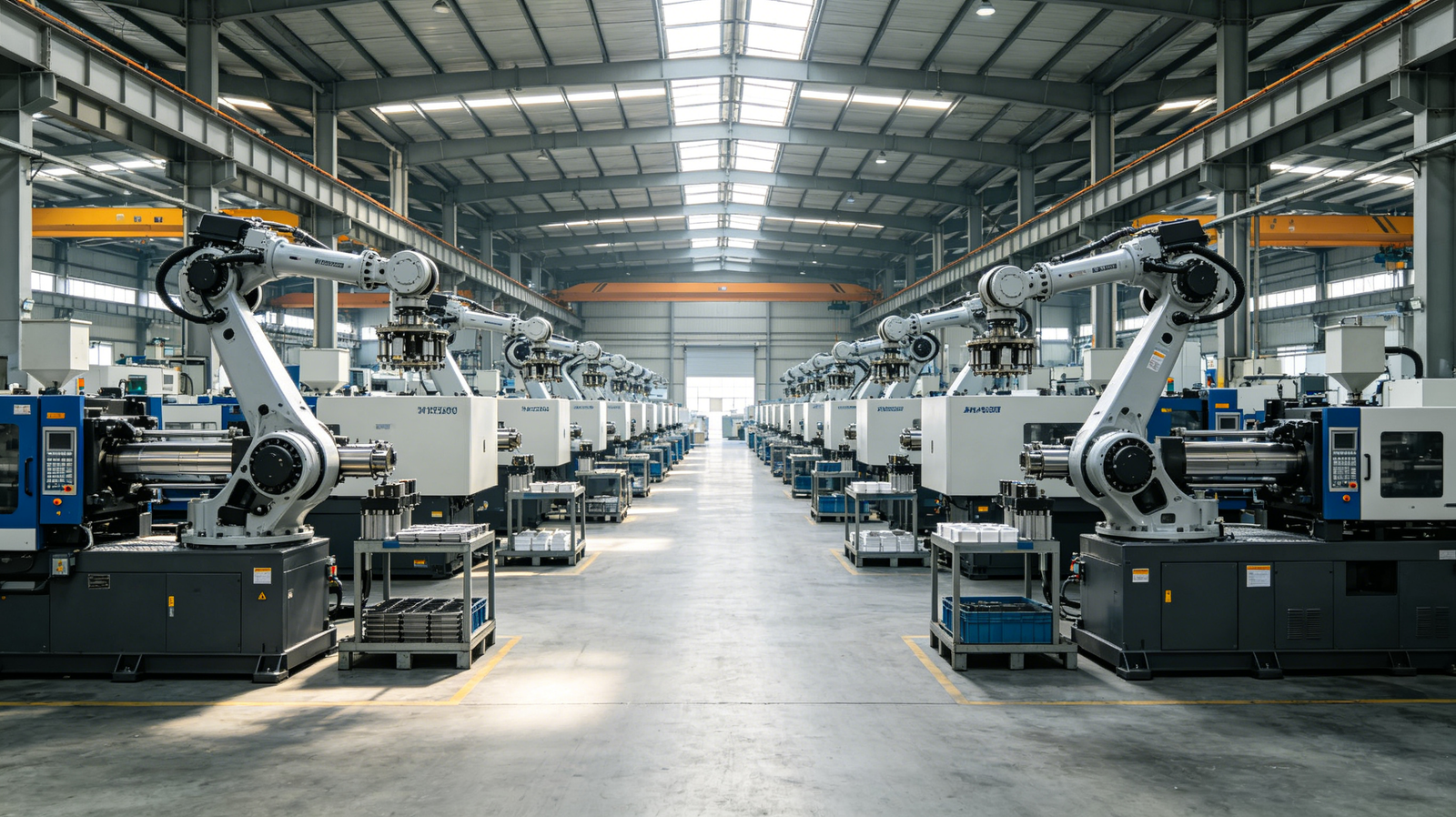
Evaluating an injection molding supplier's production capacity requires more than counting the number of injection molding machines in the factory or accepting a stated daily output. Real production capacity depends on equipment suitability, mold availability, cycle time, equipment utilization, changeover efficiency, workforce allocation, quality control, and production scheduling. The key question for buyers is whether the supplier can maintain stable production when volume, delivery requirements, and quality standards must all be met simultaneously.
For companies preparing a new product launch or transferring a production program to a new supplier, the supplier's theoretical maximum capacity can be very different from its actual available capacity. A factory may have dozens of machines, but if critical equipment is already heavily loaded, mold maintenance is weak, or production scheduling has little flexibility, delivery risks can quickly appear when order volume increases. From Xiamen RuiCheng's perspective, production capacity should always be evaluated as the interaction between equipment, molds, processes, people, and quality systems.
How Can You Verify Whether an Injection Molding Supplier Has Enough Production Capacity?
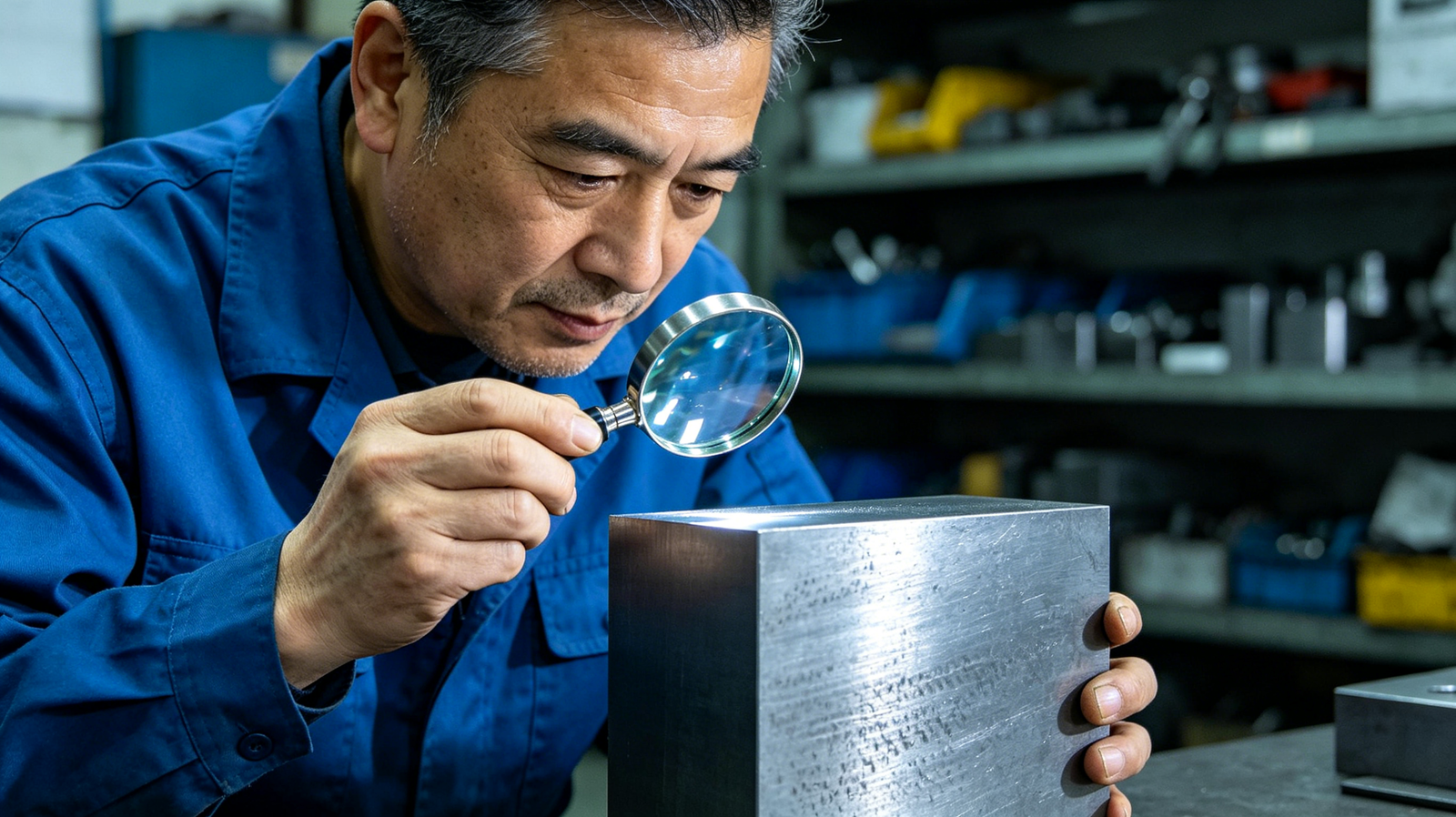
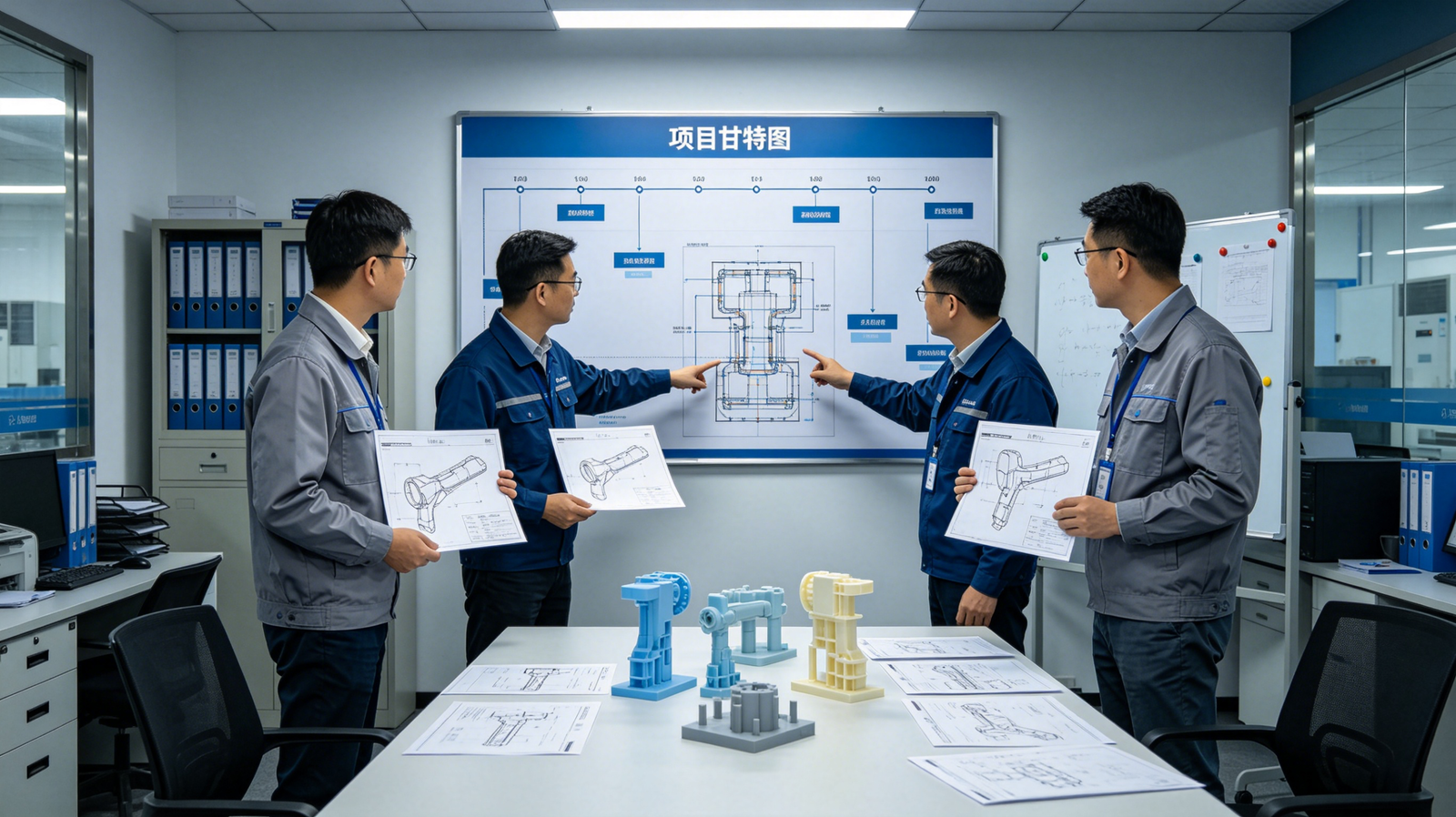
The first step in evaluating whether an injection molding supplier has sufficient capacity is to convert your actual demand into measurable production requirements, including part weight, mold cavity count, injection molding cycle time, expected monthly volume, and target delivery schedule. The supplier should have an equipment range that covers the required clamping force, but the more important question is whether your specific product can be consistently scheduled on suitable machines. Injection molding equipment must match the product dimensions, material, mold structure, and clamping force requirements, while custom injection molding capacity is also affected by cycle time, yield, and equipment utilization. Buyers should therefore request a capacity calculation based on their actual project instead of relying on a general annual production figure. At Xiamen RuiCheng, we evaluate equipment allocation, production cycle, and available resources according to the customer's product and order requirements.
Equipment Range: The supplier should have machines covering the required clamping force range so the product does not depend on a single specialized machine.
Effective Capacity: Actual available capacity should account for mold changes, maintenance, trials, downtime, and production capacity already committed to other customers.
Production Cycle: Calculate theoretical output using actual Cycle Time and mold cavity count, then factor in yield to estimate realistic output.
Capacity Buffer: A reliable supplier should maintain reasonable equipment and workforce capacity reserves rather than operating continuously at maximum utilization.
🔎 When evaluating an injection molding supplier, focus on effective capacity available for your specific order rather than the total number of machines listed in the factory.
How Do You Know If a Supplier Can Scale from Sampling to Mass Production?

Many injection molding projects perform well during sampling but encounter delivery delays, dimensional variation, or quality problems after entering mass production. The underlying problem is often not a lack of equipment but an inability to transition efficiently from trial production to stable mass production. Buyers should examine mold condition, process parameter control, production planning, and quality management to determine whether these systems can scale with increasing order volume. Xiamen RuiCheng provides integrated support from product development and mold manufacturing to injection molding production, reducing information loss between separate suppliers. Successfully completing one mold trial does not prove mass-production capability; real capability is demonstrated by maintaining delivery and quality consistency over continuous production.
Mold Condition: Before mass production, verify mold life, critical component condition, maintenance requirements, and preventive maintenance planning.
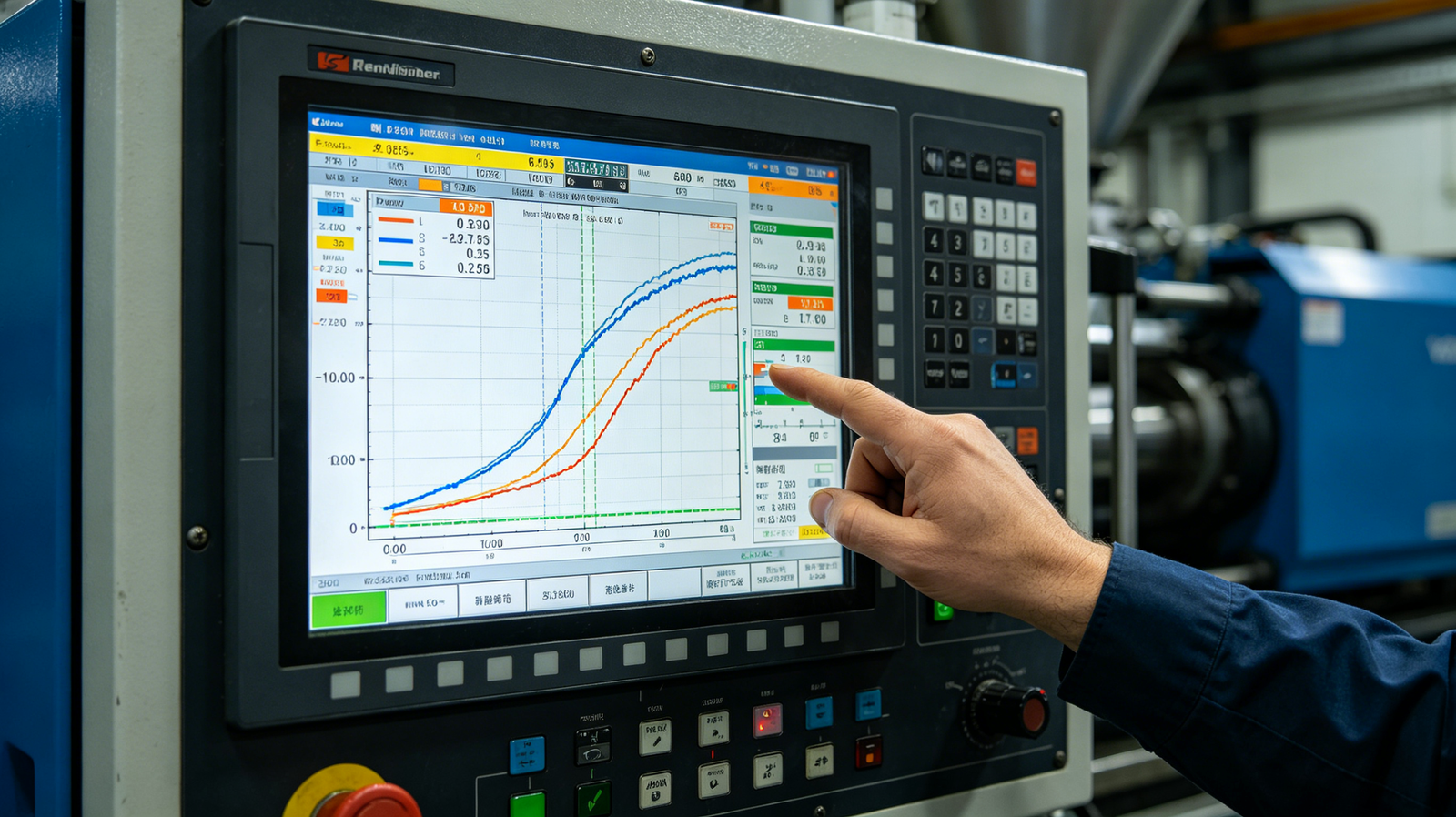
Process Control: Mature projects should have a stable injection molding parameter window to minimize repeated machine adjustments between production shifts.
Production Planning: The supplier should be able to explain machine scheduling, mold changeover arrangements, and order priorities to prevent unexpected orders from disrupting delivery.
Quality Scaling: When production increases from hundreds to tens of thousands of parts, inspection frequency, process monitoring, and corrective-action capabilities must also scale accordingly.
📈 A reliable supplier must be able to turn one successful sample run into a repeatable and predictable mass-production process.
What Production Data Should You Request Before Placing a Large Order?
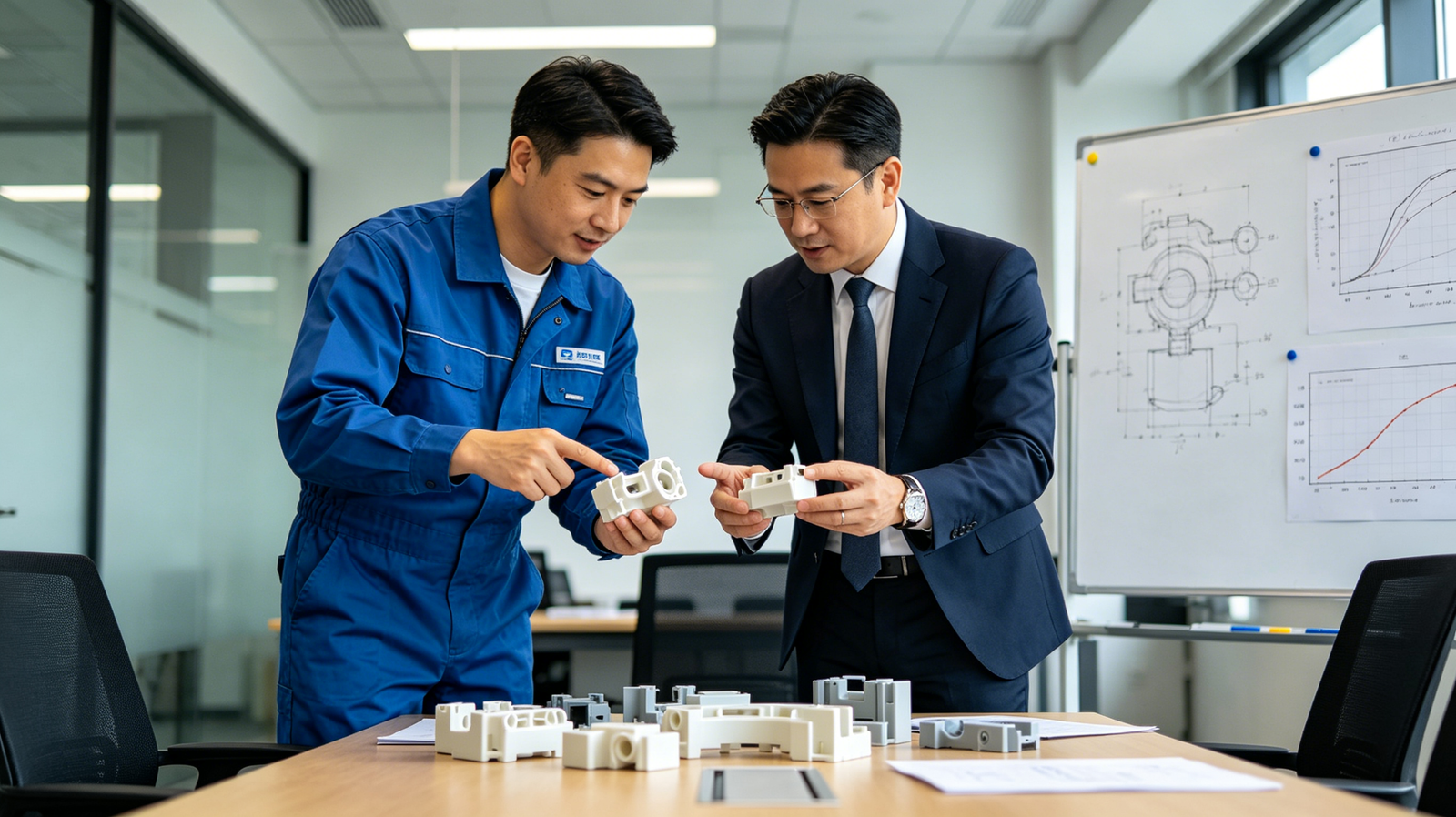
Before placing a large production order, buyers should request measurable production data that can verify the supplier's actual manufacturing capability rather than relying only on factory photos or an equipment list. Useful information includes machine tonnage and quantity, expected Cycle Time, mold cavity count, planned output, equipment utilization, historical delivery performance, and quality data. For long-term programs, buyers should also ask how the supplier will handle critical machine failures, mold maintenance, and sudden increases in demand. Capacity evaluation becomes meaningful only when the supplier's manufacturing resources are converted into measurable data that directly relates to your order.
Equipment List: Verify machine brands, clamping force ranges, quantities, and the products currently occupying key machines.
Capacity Calculation: Estimate output using Cycle Time, Cavities, effective production hours per day, and expected yield.
Delivery History: Check whether the supplier has experience with similar order volumes, product structures, and delivery requirements.
Backup Resources: Confirm whether backup machines, maintenance resources, and production flexibility are available when equipment or molds require unexpected attention.
📊 Transparent production data allows buyers to move from trusting a supplier's claims to objectively verifying its capacity.
What Should Buyers Compare When Evaluating Injection Molding Capacity?
| Evaluation Area | Key Indicator | Main Risk | Verification Method |
|---|---|---|---|
| Equipment Capability | Tonnage and quantity | Machine mismatch | Review equipment list |
| Production Efficiency | Cycle Time | Insufficient output | Verify actual cycle |
| Mold Capability | Cavities and mold life | Frequent downtime | Review mold data |
| Delivery Capability | Monthly output and capacity buffer | Late delivery | Review production plan |
If you are evaluating an injection molding supplier for a new mass-production project, Xiamen RuiCheng can assess your product drawings, material, expected volume, and delivery requirements to determine equipment matching, production capacity, and potential delivery risks. contact us
How Can Buyers Evaluate the Real Production Capacity Behind Factory Claims?
Injection molding suppliers often use statements such as "hundreds of thousands of parts per month" or "dozens of injection molding machines" to demonstrate manufacturing strength. These figures indicate the factory's basic resources, but they do not necessarily represent the production capacity available for your project. The more important metric is Effective Capacity, which accounts for machine maintenance, mold changes, workforce transitions, process adjustments, downtime, and rejected parts. At Xiamen RuiCheng, production planning is based on the actual product cycle and order requirements rather than simply applying theoretical machine output. For B2B buyers, effective capacity is far more useful than maximum theoretical capacity when selecting a long-term manufacturing partner.
1.Calculate Theoretical Output: Use mold cavity count, Cycle Time, and effective daily production hours to calculate baseline output.
2.Account for Production Losses: Consider mold changes, machine maintenance, process adjustments, and planned downtime.
3.Factor in Yield: Only qualified parts contribute to the supplier's actual deliverable production capacity.
4.Evaluate Capacity Competition: Determine whether existing customer orders will occupy the production window required for your project.
Frequently Asked Questions
Question 1: What are the key indicators of your injection molding production capacity?
Answer: Xiamen RuiCheng evaluates capacity based not only on machine quantity but also on injection molding machine tonnage, product structure, mold cavity count, Cycle Time, material requirements, and expected order volume. Our factory has injection molding equipment ranging from 80 to 1,400 tons, with semi-automated workstations, robots, and vision systems that can be matched to different production programs. Specific capacity is confirmed during the engineering and quotation stages based on the actual project requirements.
Question 2: What information should we provide for a large-volume injection molding capacity assessment?
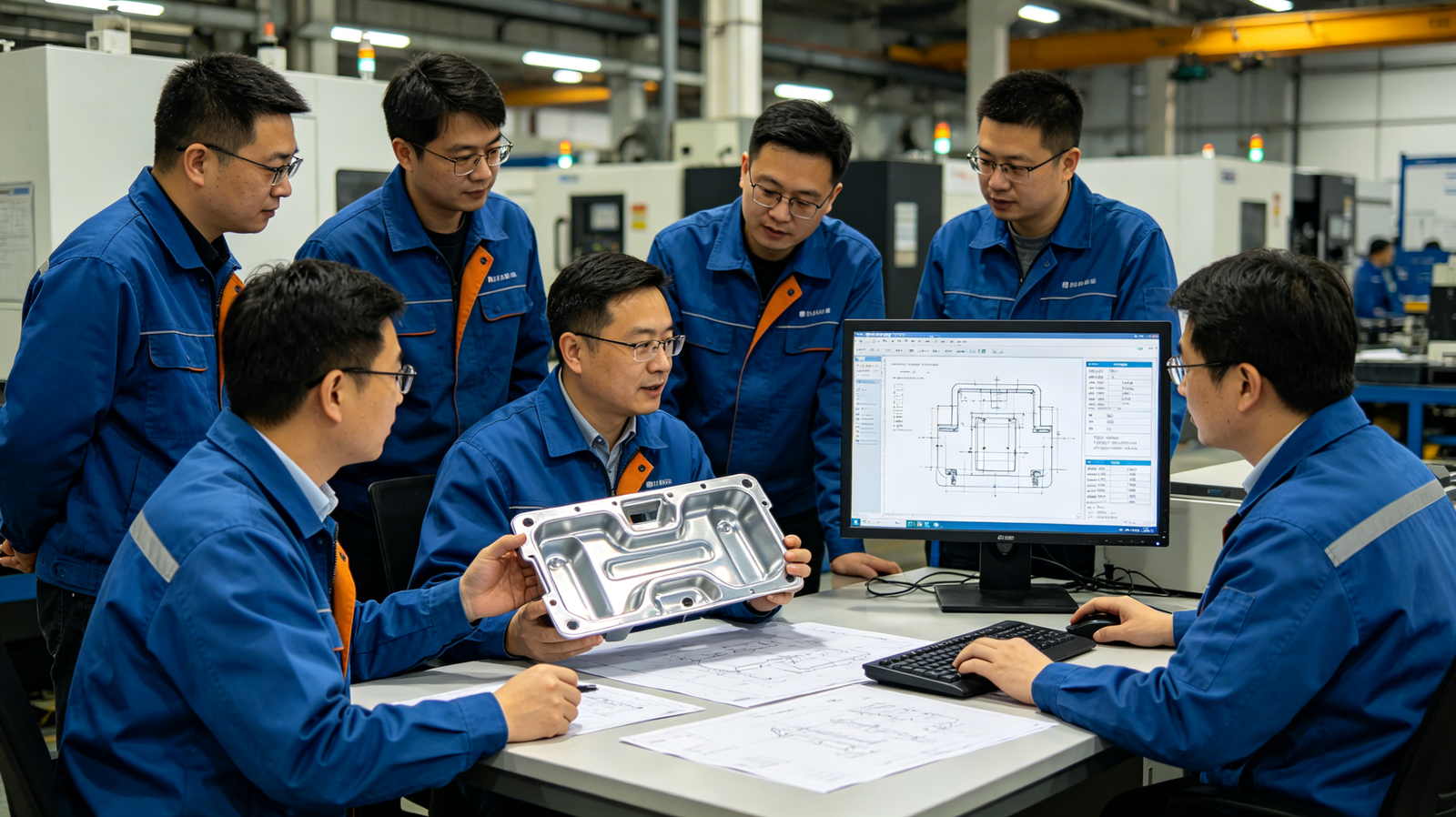
Answer: We recommend providing 3D or 2D product drawings, material requirements, part weight, expected monthly demand, annual demand, desired mold cavity count, and target delivery schedule. Xiamen RuiCheng's engineering team can use this information to evaluate required clamping force, machine compatibility, Cycle Time, mold configuration, and expected production output before developing a mass-production plan.
Question 3: How are MOQ and delivery times determined for different order volumes?
Answer: MOQ and lead time cannot be determined using one fixed standard for every product. They depend on mold investment, product structure, material, production cycle, and order volume. Small-volume projects can be arranged around prototype or validation requirements, while larger programs require production capacity, molds, and machine schedules to be reserved in advance. For long-term programs, monthly forecasts can also be used to plan capacity allocation.
Question 4: How do you protect delivery if demand suddenly increases or a machine fails?
Answer: Xiamen RuiCheng uses production scheduling, equipment coordination, preventive mold maintenance, and process quality monitoring to reduce the impact of unexpected downtime. For critical mass-production programs, backup equipment, mold maintenance plans, and reasonable production buffers should be confirmed at the beginning of the project rather than waiting until the delivery deadline approaches.
Question 5: Can you adjust the production solution according to our product requirements?
Answer: Yes. Xiamen RuiCheng can evaluate equipment tonnage, mold cavity count, automation level, and production cycle according to product dimensions, material, annual demand, target cost, and delivery requirements. When demand is expected to increase, we can also compare single-cavity, multi-cavity, and different machine configurations to evaluate their impact on unit cost, production efficiency, and delivery capacity.
Conclusion
Evaluating an injection molding supplier's production capacity is essentially about determining whether the supplier can convert its manufacturing resources into stable, predictable, and project-specific delivery capability. Machine quantity is only the starting point; buyers should also examine effective capacity, mold condition, Cycle Time, yield, workforce allocation, production scheduling, and available capacity buffers. A reliable injection molding supplier should be able to demonstrate with verifiable data that it can not only manufacture your parts, but also maintain stable production as your order volume grows. From Xiamen RuiCheng's perspective, capacity evaluation is not about simply proving that a factory is large; it is about developing a manufacturing solution that genuinely matches the customer's volume, quality, cost, and delivery requirements.
For expert assistance in evaluating injection molding supplier capacity for your production needs, visit our resource center or contact us. Let’s help you scale up your manufacturing with precision and efficiency!