Technical Specs for Plastic Blow Molding RFQs

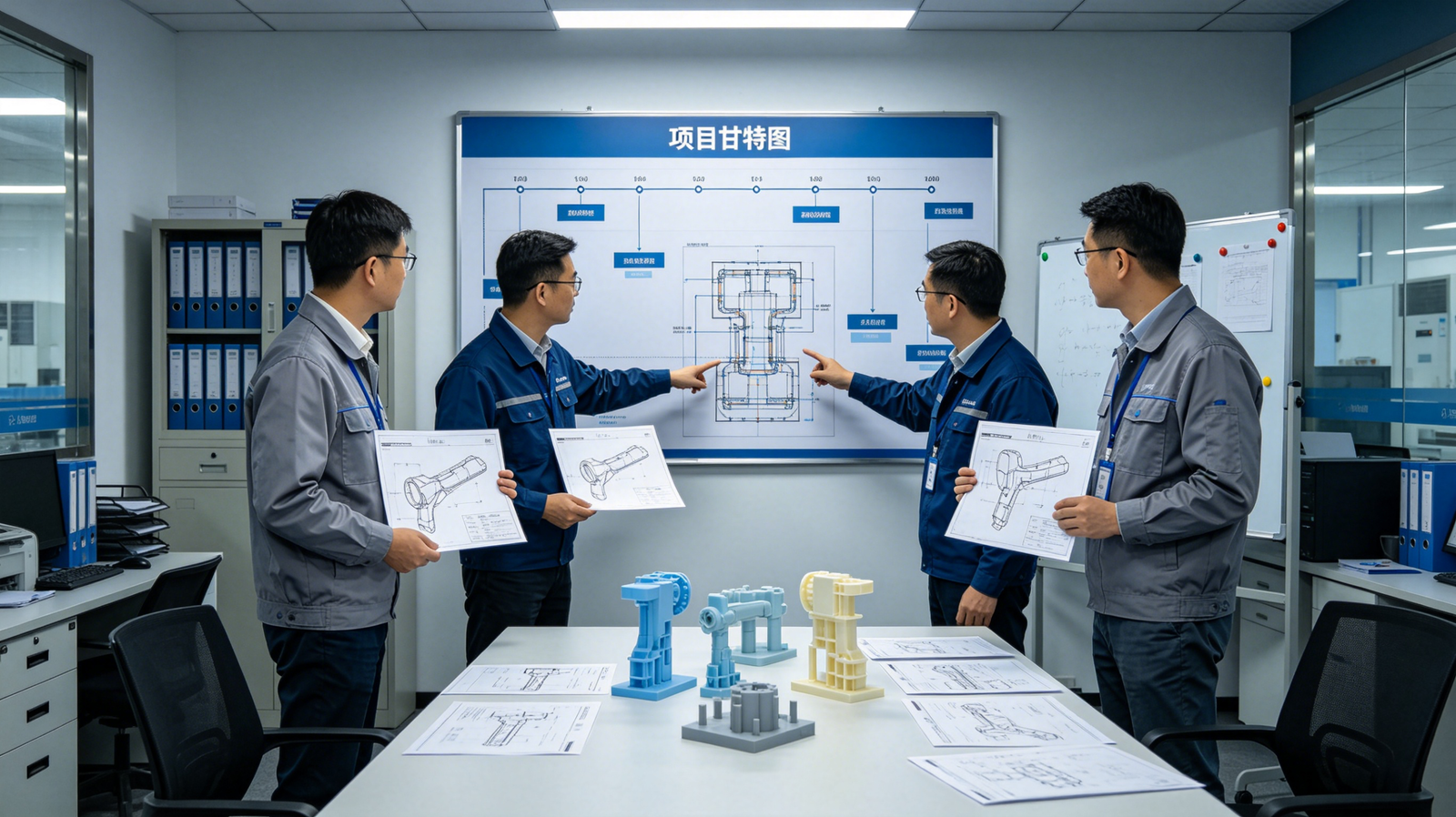
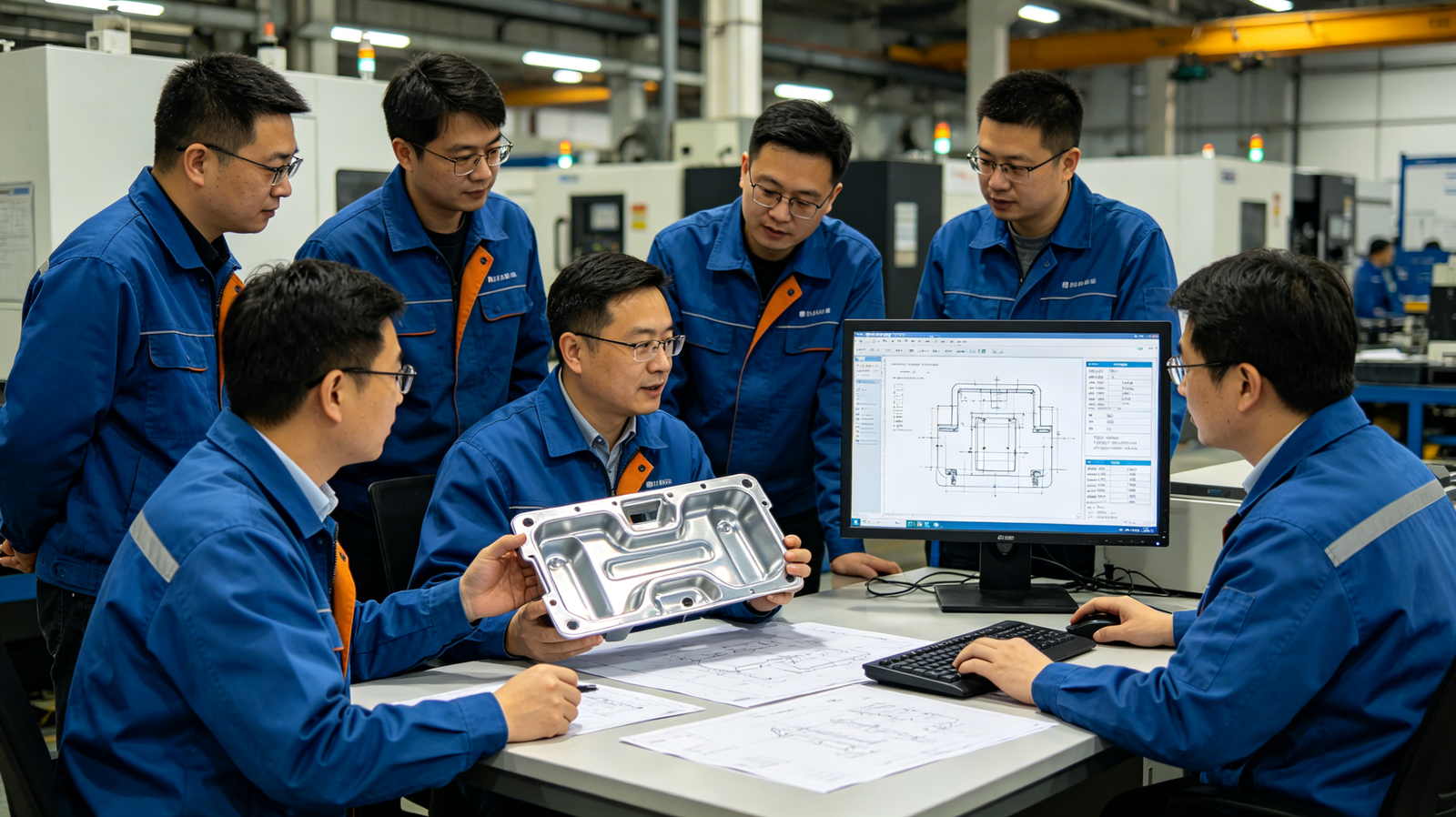
When sourcing plastic blow molded parts, a well-defined RFQ specification does more than help suppliers prepare a quotation. It determines how accurately they understand the product, evaluate tooling requirements, select materials, estimate production costs, and plan quality control. Many sourcing problems occur because dimensions, material requirements, performance expectations, and inspection criteria are incomplete or open to interpretation. A strong RFQ should clearly communicate what needs to be manufactured, how it needs to perform, and how compliance will be verified.Blow molded parts often involve hollow structures, variable wall thickness, openings, sealing areas, handles, mounting features, and functional interfaces. Providing only a 2D drawing may therefore leave important manufacturing assumptions unresolved. From the perspective of Xiamen RuiCheng, we evaluate blow molding projects using the 3D model, engineering drawings, critical dimensions, material requirements, application conditions, expected production volume, and quality standards together.
When technical specifications are incomplete, different suppliers may quote based on different assumptions about materials, tooling, tolerances, production processes, or inspection requirements. This can make quotation comparison misleading because the lowest price may simply represent a different technical interpretation.A structured RFQ allows buyers to compare manufacturing solutions rather than simply comparing unit prices.
What Technical Information Should Be Included in a Blow Molding RFQ?

A complete plastic blow molding RFQ should normally include product drawings, 3D CAD files, material requirements, dimensional specifications, wall thickness requirements, application conditions, annual volume, and quality expectations. For complex hollow components, buyers should also identify openings, connection points, sealing surfaces, assembly areas, and cosmetic surfaces. Providing information about the required blow molding process allows suppliers to evaluate whether the proposed structure is suitable for production. The more clearly the technical requirements are defined, the easier it is for suppliers to prepare comparable and realistic quotations. At Xiamen RuiCheng, we also review custom plastic manufacturing requirements to evaluate tooling, process feasibility, and mass production risks.
Product Files: Provide an editable 3D CAD model such as STEP or IGES together with a 2D engineering drawing showing critical dimensions and functional areas.
Material Requirements: Specify the resin type, grade, color, recycled-content requirements if applicable, and any regulatory or industry compliance requirements.
Critical Dimensions: Separate functional, assembly, and reference dimensions so suppliers understand which measurements require tighter process control.
Production Volume: State prototype quantities, initial production volume, and expected annual demand so suppliers can evaluate tooling life and production economics.
💡 An RFQ is not simply a request for a price; it is the engineering input suppliers use to determine how the product should be manufactured.
How Should Dimensions and Tolerances Be Defined?

For blow molded parts, a nominal dimension alone is rarely sufficient because dimensional stability can be affected by material shrinkage, parison behavior, mold temperature, cooling conditions, and process variation. Buyers should therefore identify the dimensions that directly affect assembly, sealing, connection, or functional performance. Tolerance requirements should reflect actual product function instead of unnecessarily demanding precision that increases manufacturing cost. During RFQ evaluation, Xiamen RuiCheng reviews the product geometry and manufacturing process to determine whether critical tolerances are realistic for blow molding.
Functional Dimensions: Clearly identify dimensions that directly affect assembly, sealing, connection, or mechanical performance.
General Dimensions: Apply reasonable general tolerances to non-critical dimensions instead of imposing unnecessarily tight limits.
Wall Thickness: Specify average wall thickness, critical wall sections, and acceptable variation where wall distribution affects product performance.
Measurement Datums: Define reference surfaces, measurement locations, and measurement conditions to ensure suppliers use consistent inspection methods.
💡 Good tolerance definition protects critical functions while avoiding unnecessary manufacturing costs.
How Should Material and Performance Requirements Be Written?

Material selection determines the blow molded part's strength, chemical resistance, temperature resistance, weatherability, impact performance, and long-term durability. An RFQ should therefore avoid vague requirements such as simply specifying “PE” or “PP” when the application requires a particular performance level. Buyers should connect material requirements with actual operating conditions, including temperature, chemicals, UV exposure, pressure, impact, or outdoor service. Material specifications should explain what the part needs to withstand, not simply what polymer family should be used. Xiamen RuiCheng evaluates the application and target performance before recommending an appropriate material grade.
Resin Grade: Provide a specific resin grade or approved equivalent when the material has already been validated.
Operating Environment: Define temperature range, chemical exposure, UV exposure, humidity, outdoor conditions, and expected service life.
Mechanical Performance: Specify impact resistance, pressure resistance, tensile performance, or other functional requirements where applicable.
Compliance Requirements: Identify applicable requirements such as RoHS, REACH, FDA, food-contact, or industry-specific regulations.
💡 A useful material specification connects the selected polymer to the real operating conditions of the finished part.
Blow Molding RFQ Specification Comparison
| Specification | What to Define | Why It Matters | Buyer Benefit |
|---|---|---|---|
| Dimensions | Critical sizes and tolerances | Controls fit | Comparable quotes |
| Material | Grade and performance | Controls durability | Correct material cost |
| Performance | Load and environment | Controls function | Lower failure risk |
| Quality | Inspection criteria | Controls consistency | Clear acceptance standard |
If you want your blow molding RFQ to receive a more accurate engineering assessment, Xiamen RuiCheng can review your drawings, material requirements, production volume, and performance specifications before quotation. contact us
How Can a Detailed RFQ Improve Supplier Selection?
A well-prepared RFQ does more than generate supplier quotations. It creates a common technical baseline that allows buyers to evaluate suppliers under the same conditions. If each supplier interprets material grades, tolerances, inspection requirements, or tooling scope differently, even a detailed quotation cannot provide a meaningful cost comparison. Standardized RFQ specifications shift supplier evaluation from lowest-price competition toward manufacturing capability, quality control, and delivery-risk assessment.
1.Standardize Technical Inputs: Give every supplier the same drawings, material requirements, tolerances, performance criteria, and production assumptions.
2.Define Quotation Scope: Ask suppliers to identify tooling, sampling, production, packaging, and logistics costs separately where appropriate.
3.Verify Manufacturing Capability: Require suppliers to explain how critical dimensions and performance requirements will be inspected and controlled during production.
4.Reduce Engineering Changes: Resolve unclear requirements before tooling begins to reduce mold modifications, production delays, and unexpected costs.
Frequently Asked Questions
Question 1: What are the most important quality requirements to include in a blow molding RFQ?
Answer: The RFQ should identify critical dimensions, wall thickness, material grade, functional performance, appearance requirements, inspection methods, and acceptance criteria. For demanding applications, buyers should also specify the required test methods, sampling plan, and applicable standards instead of relying on general statements such as “high quality.”
Question 2: What files should I provide to receive an accurate quotation?
Answer: A 3D CAD model, 2D engineering drawing, material specification, expected annual volume, initial order quantity, application conditions, and packaging requirements provide a strong starting point. If the product is already in production, previous samples, inspection reports, field-performance data, and known quality issues can help the supplier identify potential manufacturing risks earlier.
Question 3: How should I compare quotations from different blow molding suppliers?
Answer: Compare quotations using the same material grade, tooling scope, tolerance requirements, production volume, inspection standard, packaging specification, and delivery terms. If one quotation is significantly lower, determine whether the supplier has made different assumptions about material, mold construction, quality control, tooling life, or production requirements before selecting the supplier.
Question 4: What should I do if a supplier cannot meet a requirement in my RFQ?
Answer: The supplier should identify the specific requirement that creates a manufacturing risk and explain why it may be difficult to achieve. A capable supplier should then propose an engineering alternative, such as modifying a tolerance, wall thickness, material grade, or structural feature, while explaining the potential effect on cost and performance. Xiamen RuiCheng uses engineering review during the quotation stage to identify these conflicts before mass production.
Question 5: Can a blow molding supplier help improve my RFQ before quoting?
Answer: Yes. An experienced supplier can review the product structure, critical dimensions, material requirements, tolerances, production volume, and application conditions before finalizing the quotation. Xiamen RuiCheng can provide DFM feedback to identify unnecessary requirements, manufacturing constraints, and potential tooling risks while protecting the product's critical functional requirements.
Conclusion
Describing technical specifications for plastic blow molded parts is not about adding as many parameters as possible. The objective is to create a common technical baseline that allows suppliers to understand the product's function, manufacturing boundaries, quality expectations, and acceptance criteria. A clear RFQ reduces quotation discrepancies while helping buyers identify tooling, material, quality, and mass-production risks earlier in the sourcing process. A structured technical RFQ is the bridge between product design, supplier engineering capability, and purchasing decisions.
Xiamen RuiCheng recommends defining critical dimensions, material requirements, performance conditions, production volume, inspection criteria, and acceptance standards before requesting quotations. This approach makes supplier responses easier to compare and provides a stronger foundation for tooling, sampling, validation, and mass production.
For expert assistance in implementing plastic blow molding RFQ specifications for your production needs, visit our resource center or contact us. Let’s help you scale up your manufacturing with precision and efficiency!