How ASTM Laboratory Compliance Affects Blow Molded Product Qualification

Plastic blow molded products are widely used in packaging, automotive components, medical products, industrial containers, fluid reservoirs, and agricultural applications. Depending on the end use, buyers may need to verify tensile properties, impact resistance, density, dimensional stability, environmental resistance, chemical compatibility, or other product characteristics. ASTM test methods provide standardized procedures for evaluating many of these properties, but simply seeing an ASTM designation on a supplier's report does not prove that the laboratory is properly equipped or that the test was performed correctly.For B2B buyers, ASTM compliance should be verified as part of the supplier qualification process rather than treated as a document-checking exercise. A supplier may have testing equipment inside its factory while still having weaknesses in calibration, sample preparation, test procedures, personnel qualification, data recording, or traceability. These gaps can create significant risks when test results are later used for customer approval, product validation, regulatory documentation, or mass-production release.
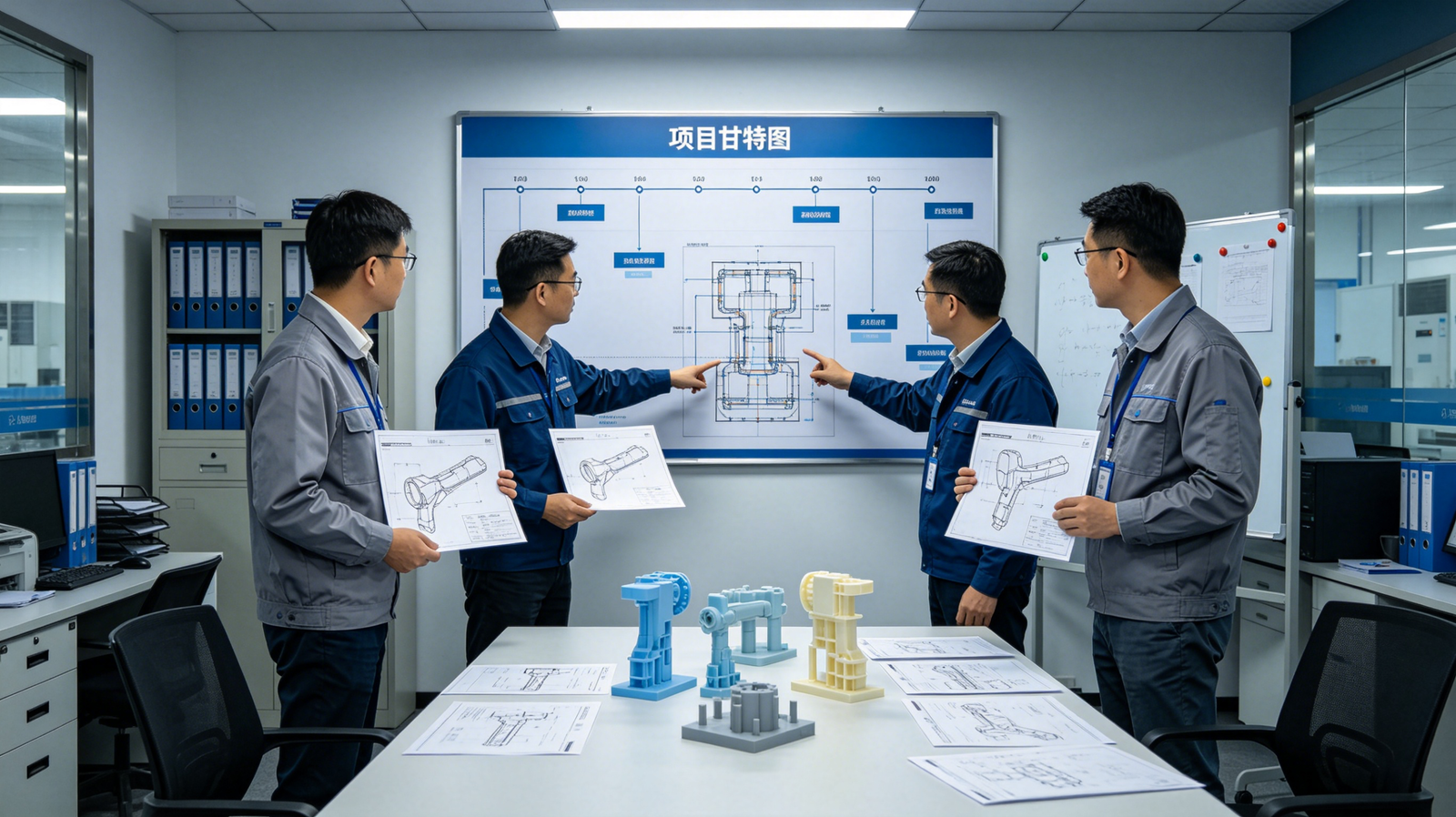
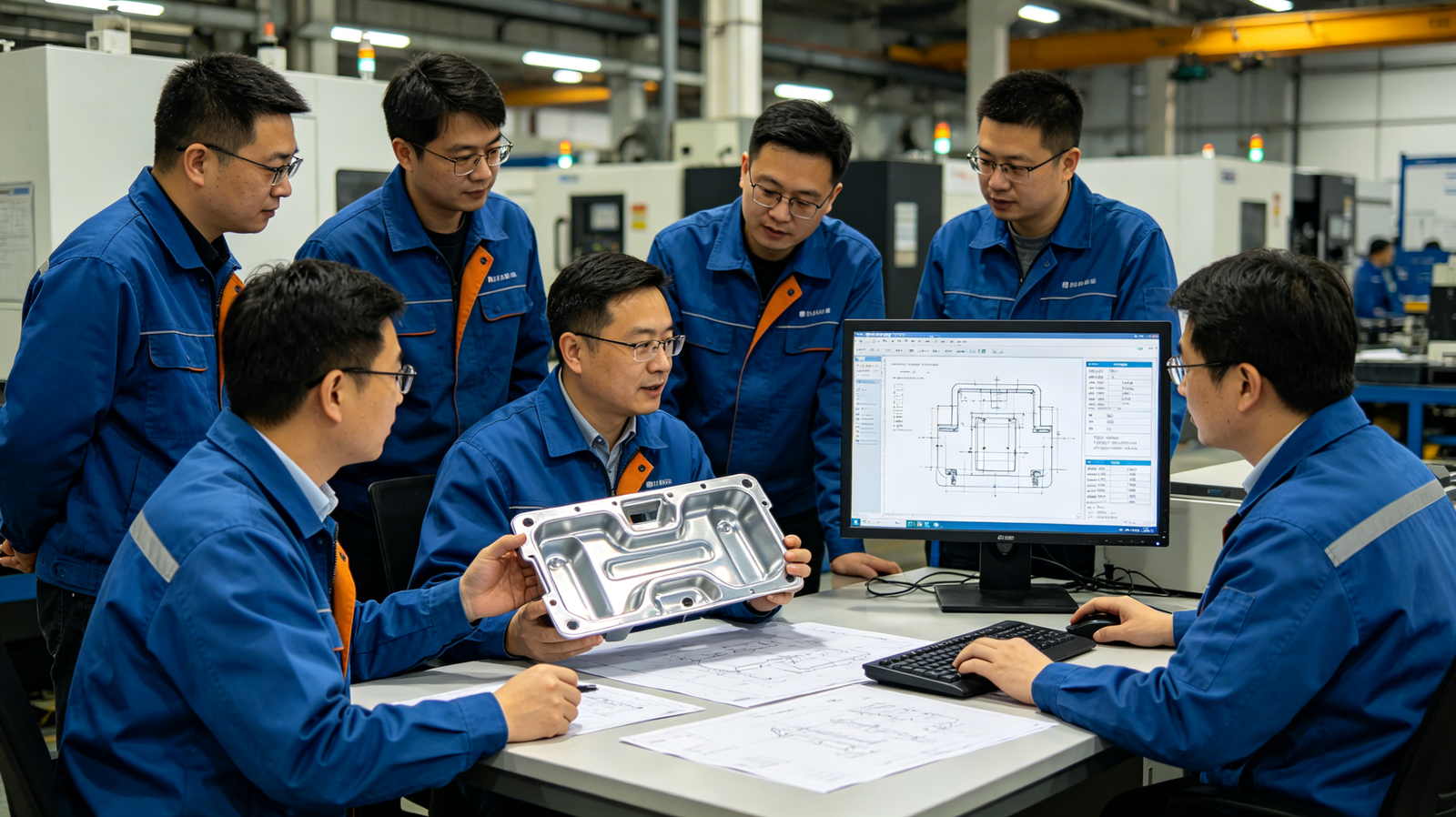
The laboratory should therefore be evaluated together with the supplier's overall manufacturing system. Buyers need to determine whether the laboratory can reproduce test results consistently and whether its testing process is connected to material batches, mold conditions, production parameters, inspection records, and corrective actions.At Xiamen RuiCheng, we view laboratory verification as part of manufacturing risk management rather than an isolated quality activity. Our approach is to connect testing requirements with DFM analysis, material control, process validation, dimensional inspection, and mass-production quality management so customers can make supplier decisions based on evidence rather than claims.
Does the Supplier Laboratory Use the Correct ASTM Test Method?
The first step is to verify whether the supplier is using the exact ASTM method required for the product and application. ASTM publishes different standards for different materials, properties, specimen geometries, conditioning requirements, and test procedures, so using an ASTM number alone is insufficient. For example, tensile properties of plastics may be evaluated using ASTM D638, while density may be evaluated using ASTM D792, but the correct method still depends on the product and material specification. Buyers should request the exact standard designation, applicable revision, specimen requirements, conditioning procedure, test equipment, calculation method, and acceptance criteria. A supplier should be able to demonstrate how its actual laboratory procedure corresponds to the ASTM method specified in the purchase or validation requirements. Buyers can review applicable standards through the official ASTM standards resource.
Exact Standard Identification: The laboratory should identify the complete ASTM designation and applicable edition or revision instead of simply stating that the product was “ASTM tested.”
Procedure Matching: The internal laboratory procedure should correspond to the specified ASTM test method, including specimen preparation, conditioning, test speed, environmental conditions, and calculation requirements.
Sample Preparation: The supplier should be able to explain how samples are selected and prepared, particularly when the blow molded product has different wall thicknesses, weld areas, corners, or other structural variations.
Acceptance Criteria: ASTM normally defines how a test should be conducted, while the customer's specification may define what result is acceptable, so these two requirements should be clearly separated.
🔬 The first ASTM compliance check is confirming that the supplier performs the right test under the correct standardized procedure.
How Can Buyers Verify Laboratory Equipment and Calibration?

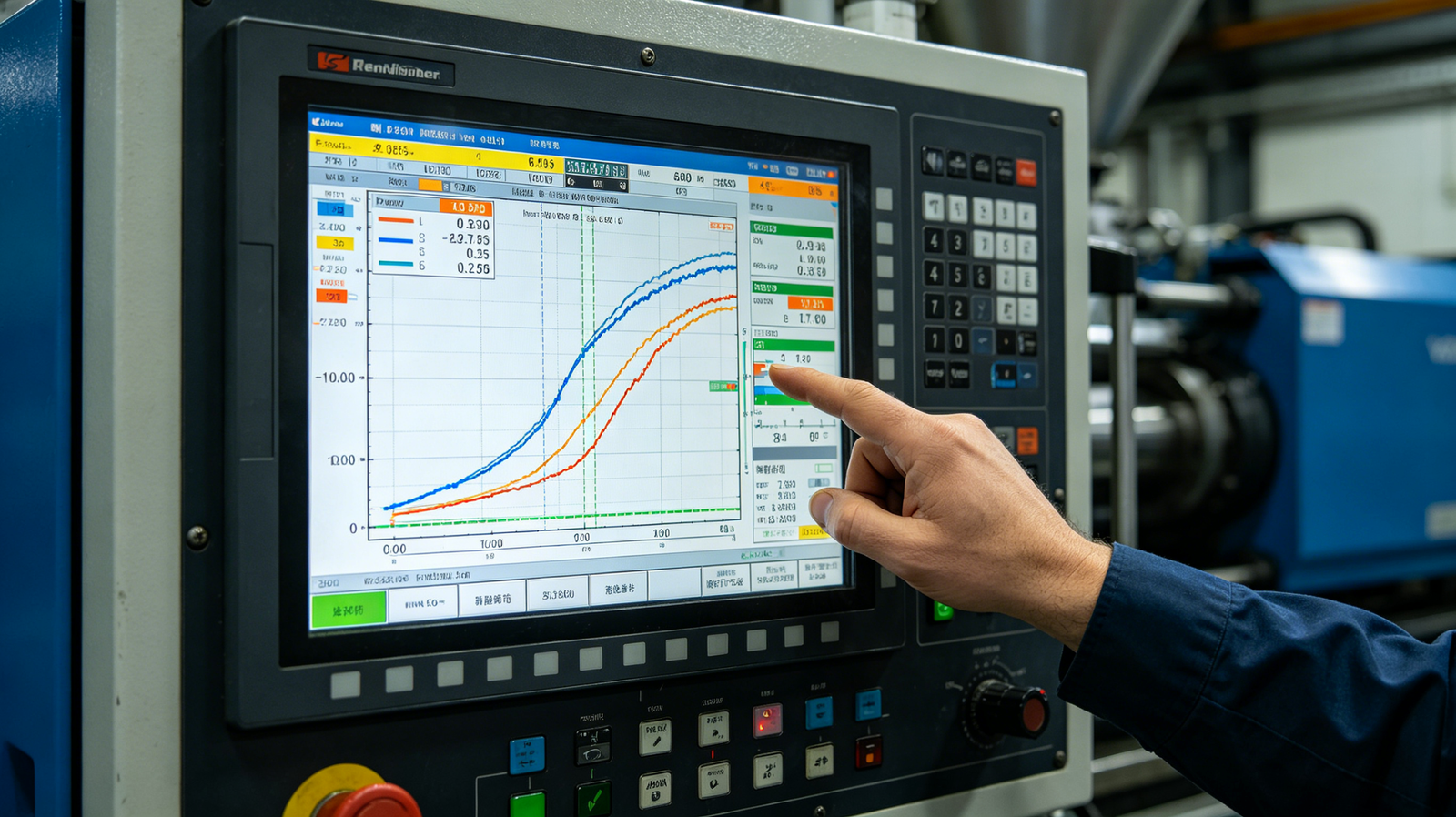
Laboratory equipment directly affects the reliability of test results, especially when measurements are close to customer acceptance limits. A plastic blow molding supplier may operate equipment such as universal testing machines, impact testers, precision balances, thickness gauges, environmental chambers, hardness testers, or dimensional inspection systems. However, the existence of this equipment does not demonstrate technical competence by itself. Buyers should verify equipment model, measurement range, accuracy, calibration status, calibration frequency, maintenance history, and measurement traceability before accepting laboratory results as reliable evidence.Equipment capability must match the required test range and accuracy rather than simply matching the name of the requested test. For example, a measurement system may technically be capable of performing a test but may not provide sufficient accuracy for a tight customer specification. At Xiamen RuiCheng, equipment management should be considered together with inspection procedures, calibration records, operator requirements, and production quality controls.
Equipment Capability: Verify that the instrument can operate within the required measurement range and accuracy.
Calibration Status: Check calibration certificates, calibration dates, expiration dates, identification numbers, and applicable traceability information.
Maintenance Control: Review preventive maintenance and repair records to determine whether equipment is kept in suitable operating condition.
Measurement Traceability: Critical measurements should have appropriate traceability to recognized reference standards or calibration systems.
🔧 A credible ASTM test result depends on suitable equipment, valid calibration, and controlled measurement practices working together.
What Laboratory Records Should Be Reviewed Before Supplier Approval?

A professional laboratory should maintain records that allow a buyer to understand exactly how a test result was generated. Important information may include sample identification, material lot, production batch, test date, operator, environmental conditions, equipment identification, calibration status, raw data, calculations, deviations, and final results. For blow molded products, sample traceability is particularly important because material distribution, wall thickness, parison behavior, mold conditions, and production parameters can influence performance. The buyer should therefore determine whether a reported result can be traced back to a specific product batch rather than being presented as a generic laboratory number.The strongest laboratory evidence is traceable from the final report back to the actual sample, production batch, material lot, equipment, and test procedure. Buyers may also ask whether the laboratory operates under an ISO/IEC 17025 accredited system or whether specialized testing is performed by an accredited third-party laboratory. ISO/IEC 17025 accreditation and ASTM test-method compliance are not the same thing: one concerns laboratory competence and management requirements, while the other specifies a particular testing method. Both should be evaluated separately when the project requires them.
Sample Traceability: Each specimen should be connected to a specific production lot, material batch, or sampling record.
Raw Data Availability: The supplier should retain sufficient raw measurements to support the reported result and permit technical review when necessary.
Controlled Procedures: Written laboratory procedures should describe sample preparation, conditioning, equipment setup, test execution, calculations, and reporting.
Deviation Management: Any departure from the specified ASTM procedure should be documented, explained, and approved according to the supplier's quality system.
📋 Laboratory records become valuable when they allow buyers to trace a test result back to the actual manufacturing conditions behind the sample.
Which ASTM Laboratory Evidence Should Buyers Request from a Blow Molding Supplier?
| Verification Area | What to Check | Buyer Risk | Evidence to Request |
|---|---|---|---|
| ASTM Method | Standard and revision | Wrong test method | Test procedure |
| Equipment | Range and accuracy | Unreliable results | Equipment list |
| Calibration | Status and traceability | Measurement error | Calibration certificate |
| Samples | Identification and conditioning | Invalid comparison | Sampling records |
If you are evaluating a plastic blow molding supplier and need to verify whether its laboratory can support your ASTM testing requirements, Xiamen RuiCheng can review your drawings, material specifications, testing requirements, and validation plan before mass production. contact us
How Should Buyers Evaluate ASTM Testing Capability Before Mass Production?
Laboratory verification should be integrated into the broader supplier qualification process rather than performed as a separate paperwork exercise. A technically capable supplier should demonstrate how laboratory testing supports incoming material inspection, first article inspection, process validation, production monitoring, final inspection, and corrective action. This is particularly important for custom blow molded products because product performance can change when production volume increases, raw material batches change, tooling conditions evolve, or molding parameters drift.The real value of a supplier laboratory is its ability to provide reliable evidence that manufacturing remains within the agreed technical requirements throughout production. Buyers should therefore evaluate not only whether a supplier can perform a particular ASTM test, but also how the resulting data is used to control production and prevent recurring quality problems.
1.Define Testing Requirements: Establish the applicable ASTM methods, material specifications, required properties, sample quantity, conditioning requirements, testing frequency, and acceptance limits before supplier qualification.
2.Audit Laboratory Capability: Review laboratory equipment, calibration records, test procedures, operator qualifications, environmental controls, sample management, and record retention.
3.Validate Test Results: For high-risk applications, compare selected supplier results with an independent or accredited third-party laboratory to evaluate consistency.
4.Connect Testing to Production: Confirm that laboratory results can be linked to material batches, production lots, process parameters, nonconformance records, and corrective actions.
Frequently Asked Questions
Question 1: What are the key quality standards for your ASTM-tested blow molded products?
Answer: Xiamen RuiCheng evaluates ASTM testing requirements according to the customer's material, product geometry, application environment, and performance requirements. Depending on the project, testing may cover tensile properties, density, impact performance, dimensional stability, environmental resistance, or other product-specific characteristics. The exact ASTM method, specimen preparation, conditioning requirements, equipment, sampling frequency, and acceptance criteria should be confirmed during the engineering and validation stage rather than assumed from a generic ASTM reference.
Question 2: What information should we provide to quickly evaluate an ASTM testing requirement?
Answer: Customers should provide the product drawing or 3D model, material specification, intended application, applicable ASTM standards, target performance values, expected production volume, sampling requirements, and any customer-specific quality documentation. If the testing requirement is not fully defined, Xiamen RuiCheng can review the product application and help establish an appropriate validation scope. Providing this information before quotation allows the engineering team to evaluate testing requirements alongside tooling, material selection, production process, and quality-control requirements.
Question 3: How do different production volumes affect ASTM testing, delivery, and purchasing arrangements?
Answer: Prototype, pilot production, and mass production may require different testing frequencies and validation procedures. During initial development, customers may require broader material and product validation, while mass production can use a defined sampling frequency based on the approved quality plan and product risk level. Delivery schedules depend on tooling status, production quantity, testing requirements, and laboratory capacity, so Xiamen RuiCheng recommends confirming the complete validation schedule before issuing the production order.
Question 4: How do you handle quality problems when test results do not meet the agreed requirements?
Answer: Xiamen RuiCheng first verifies whether the issue originates from the product, material, process, measurement system, or laboratory procedure. The investigation can include reviewing sample identification, material batch records, production parameters, equipment calibration, raw test data, inspection results, and applicable ASTM procedures. If a manufacturing issue is confirmed, engineering and quality teams can define corrective actions and verify subsequent production results. For critical applications, independent laboratory testing may also be used to establish an objective comparison.
Question 5: Can you customize laboratory testing and validation for our specific application?
Answer: Yes. Xiamen RuiCheng can coordinate customized validation plans based on product geometry, material, application environment, mechanical requirements, production stage, and customer quality requirements. Customers should provide the applicable ASTM standards, target values, sample quantities, conditioning conditions, test frequency, and reporting requirements. If a specialized test requires equipment or accreditation that is not appropriate for in-house testing, qualified third-party laboratory testing can be incorporated into the project validation plan.
Conclusion
Verifying a plastic blow molding supplier's laboratory requires substantially more than checking whether an ASTM standard appears on a test report. Buyers should verify the exact test method, equipment capability, calibration traceability, sample preparation, laboratory procedures, personnel competence, data records, and connection between laboratory results and production batches. The strongest supplier is not simply the one that can provide an ASTM report, but the one that can use reliable testing data to demonstrate repeatable manufacturing performance.For B2B buyers, this verification process reduces the risk of approving a supplier based on incomplete or poorly controlled test evidence. It also creates a stronger foundation for tooling approval, first article validation, production release, and long-term quality management. Xiamen RuiCheng approaches plastic blow molding projects from this broader manufacturing perspective, combining engineering evaluation, material management, tooling development, process control, inspection, and customer-specific validation requirements.
For expert assistance in implementing ASTM-based testing and plastic blow molding production needs, visit our resource center or contact us. Let’s help you scale up your manufacturing with precision and efficiency!