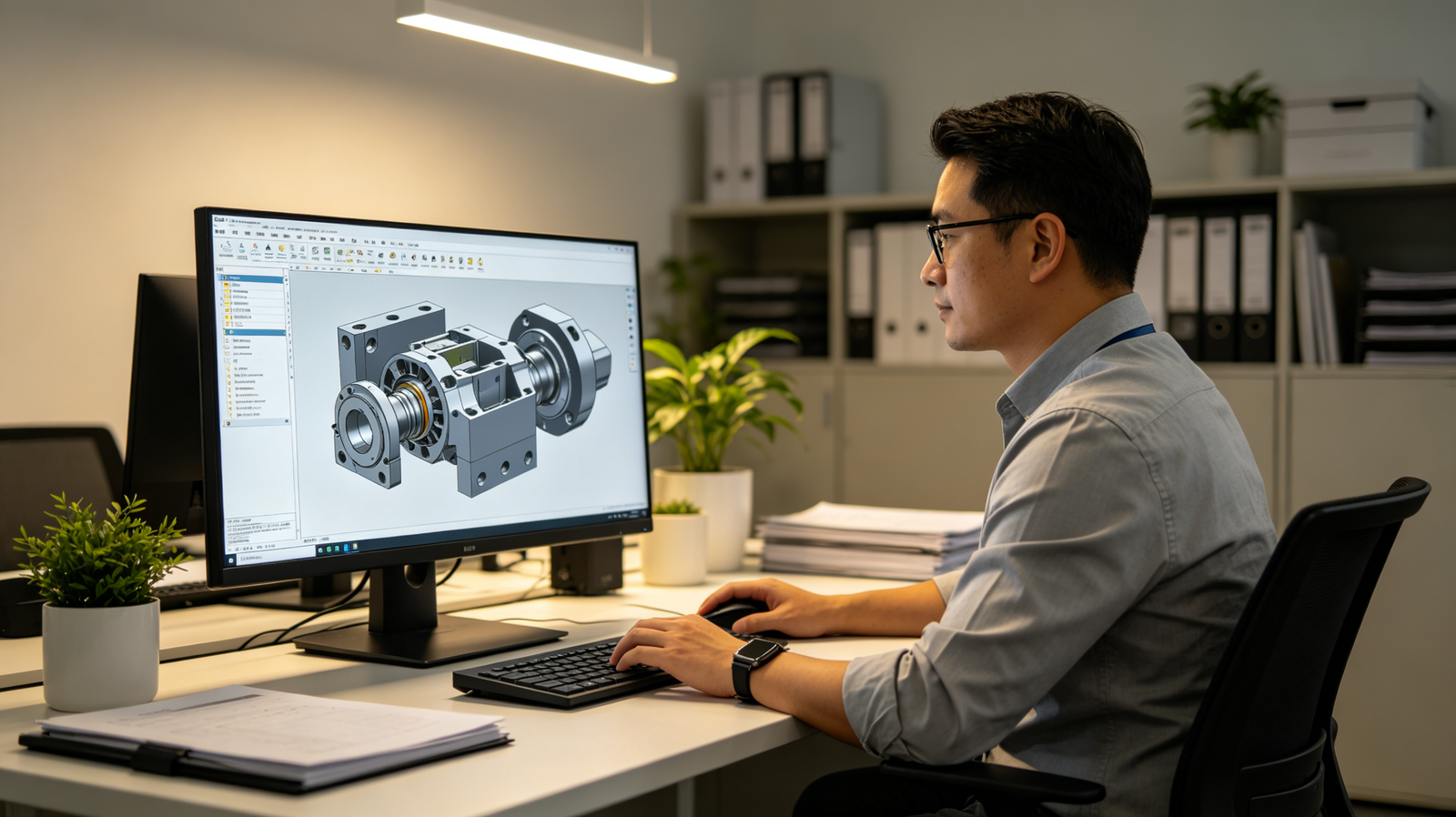
Introduction
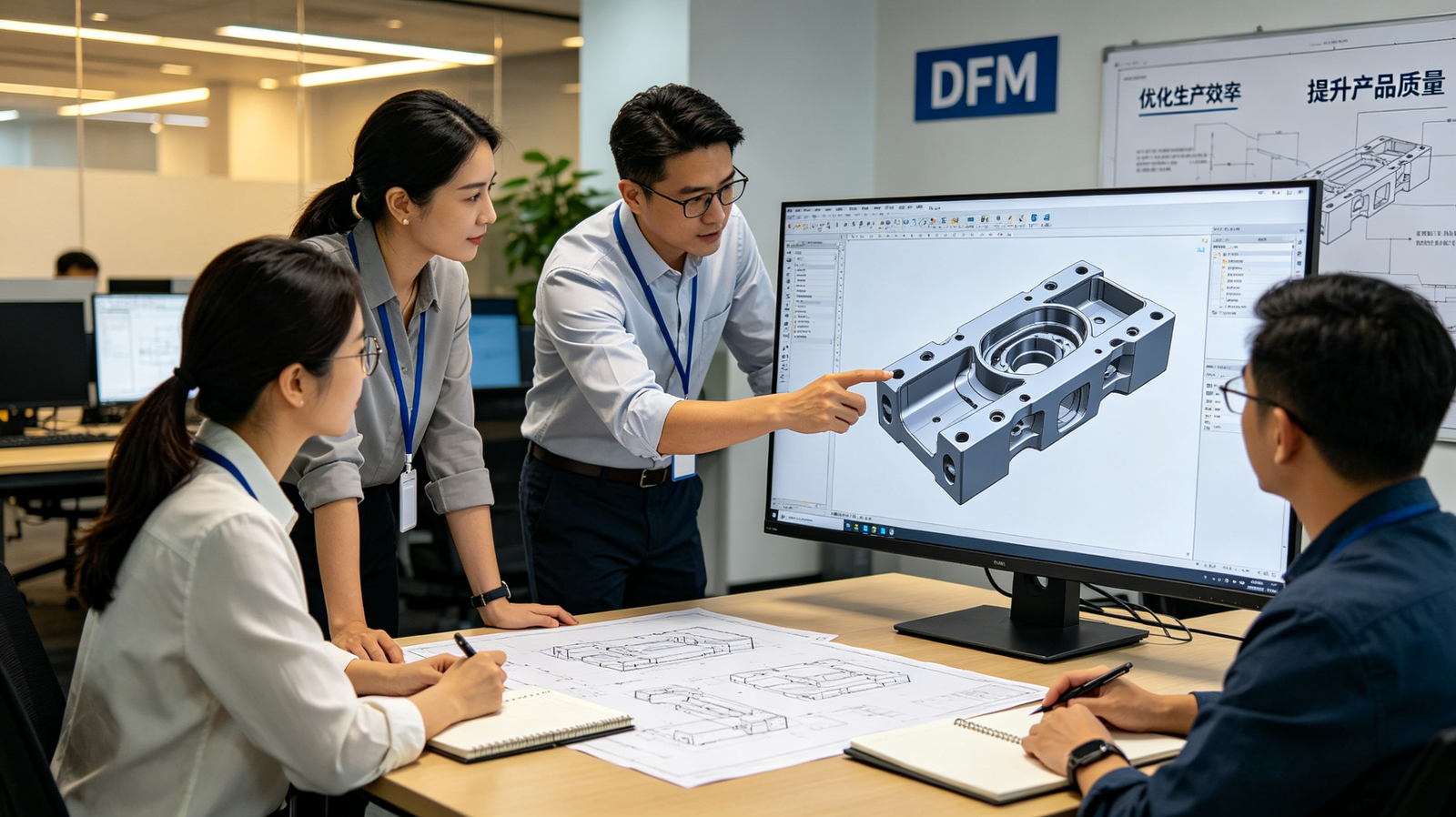
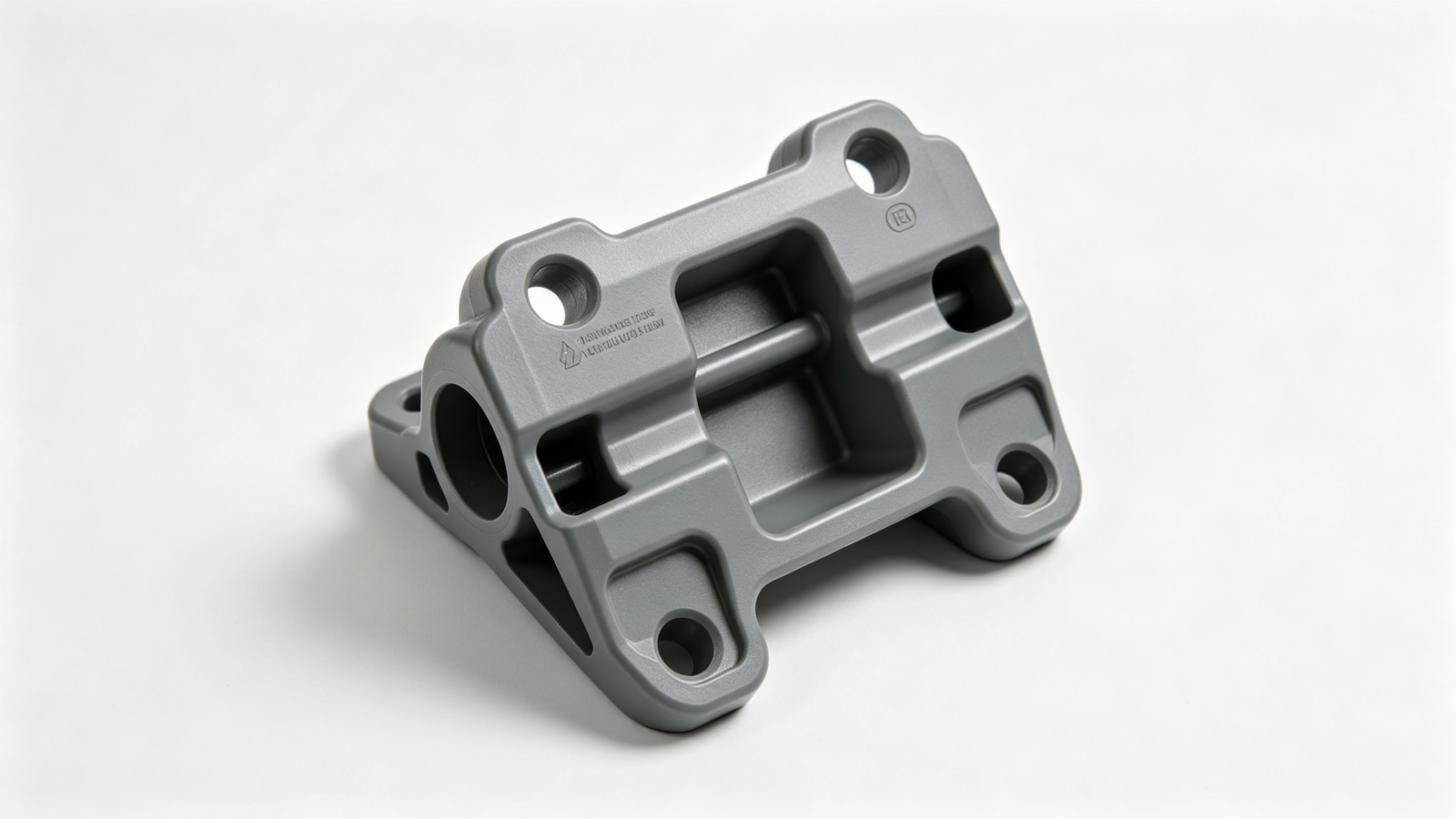
Injection molded parts are widely used in automotive components, medical devices, consumer electronics, industrial equipment, and other precision manufacturing fields. Before entering mass production, manufacturers need to verify whether the parts can maintain stable dimensions, mechanical performance, and functional reliability under continuous production conditions. Many quality problems discovered after mass production are actually caused by insufficient validation during the early development stage.A reliable production validation process helps companies identify potential risks before investing in large-scale manufacturing. At Xiamen RuiCheng, we support customers through engineering verification, mold trial analysis, and systematic testing procedures to ensure injection molded parts meet production requirements before scaling up.
For product developers and project managers, passing initial samples does not always mean the parts are ready for mass production. A successful prototype only proves that one batch can be manufactured, while production validation proves that thousands or millions of parts can maintain consistent quality.Mass production success depends on whether the injection molding process, tooling system, material performance, and quality control methods have been fully verified.
What Tests Should Injection Molded Parts Pass Before Mass Production?
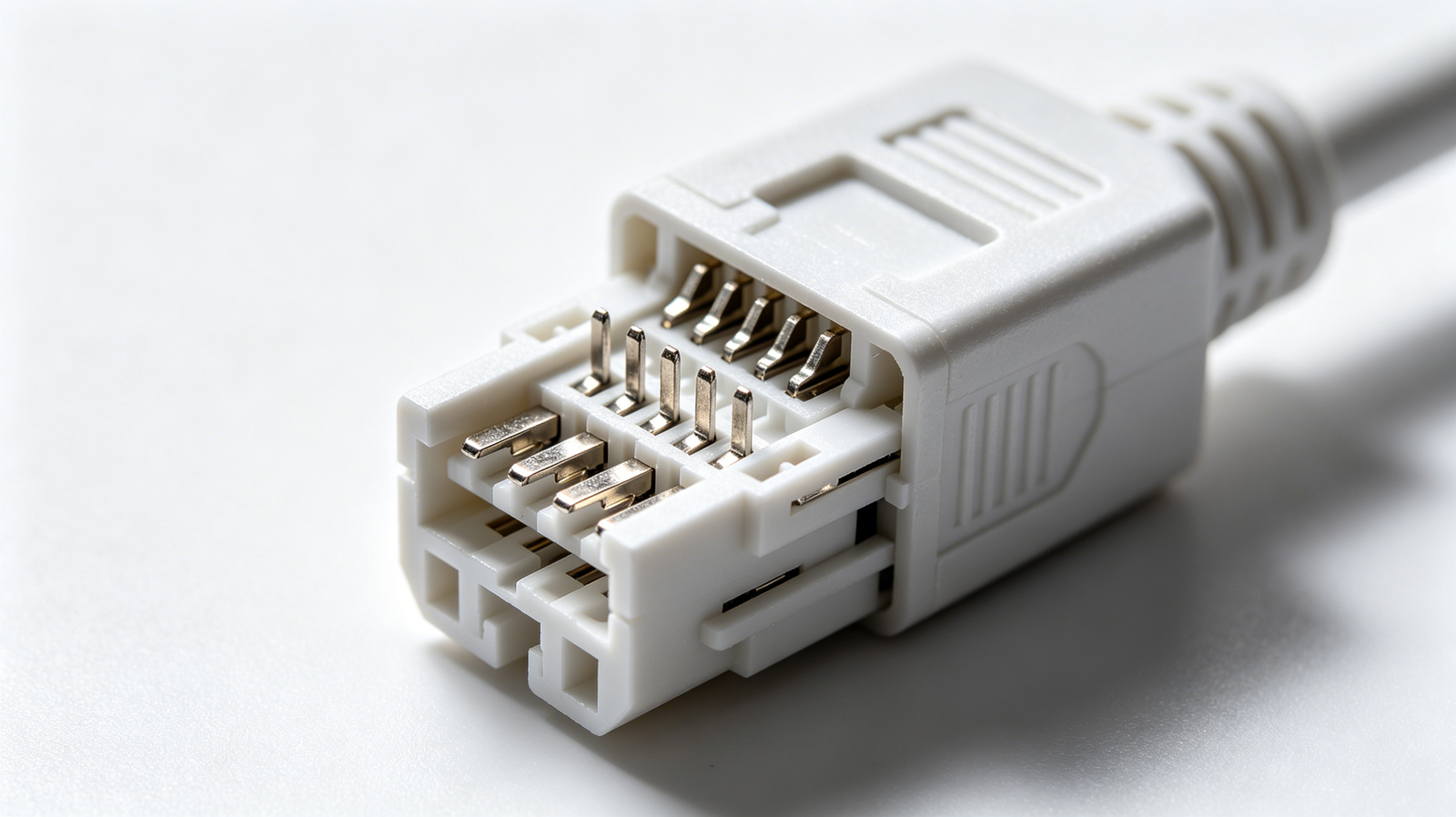
Before injection molded parts enter mass production, manufacturers should complete multiple validation tests to confirm product reliability and manufacturing stability. These tests usually include dimensional inspection, material verification, functional testing, durability evaluation, and process capability analysis. Through injection molding quality control, manufacturers can identify hidden risks related to shrinkage, deformation, surface defects, and mechanical failures. Pre-production testing is not only a quality checkpoint but also a risk management process that protects the entire product launch schedule. Xiamen RuiCheng uses engineering evaluation and production data analysis to help customers confirm whether their parts are ready for stable volume production.
Dimensional Verification: Dimensional testing confirms whether molded parts consistently meet drawing specifications and tolerance requirements.
Material Performance Testing: Material testing ensures selected plastics provide required strength, temperature resistance, and environmental durability.
Functional Validation: Functional tests verify whether the molded parts perform correctly under actual operating conditions.
Process Capability Analysis: Production capability studies evaluate whether the molding process can maintain stable output over repeated cycles.
🔍 Comprehensive validation testing helps manufacturers avoid expensive production failures and ensures injection molded parts are prepared for commercial manufacturing.
How Does Dimensional Testing Prevent Injection Molding Production Risks?

Dimensional inspection is one of the most important validation steps before mass production because injection molded parts can experience shrinkage, warpage, and variation caused by material behavior and processing conditions. Even when prototype samples appear acceptable, production tools may create differences after thousands of molding cycles. Manufacturers often use CMM inspection and precision measurement equipment to verify critical dimensions, assembly features, and tolerance requirements. Accurate dimensional validation ensures that every production batch can maintain compatibility with the customer's final assembly system. Xiamen RuiCheng applies engineering inspection methods to evaluate critical-to-function dimensions before production approval.
Critical Dimension Analysis: Critical dimensions are identified according to assembly requirements and product functionality.
Tolerance Verification: Measurement data confirms whether parts remain within specified engineering limits.
Warping Evaluation: Deformation analysis helps identify structural problems caused by uneven cooling.
First Article Inspection: FAI reports provide detailed validation records before production release.
🔍 Dimensional testing provides measurable evidence that injection molded parts can achieve stable performance during long-term manufacturing.
Why Is Material Testing Important Before Injection Molded Parts Reach Mass Production?
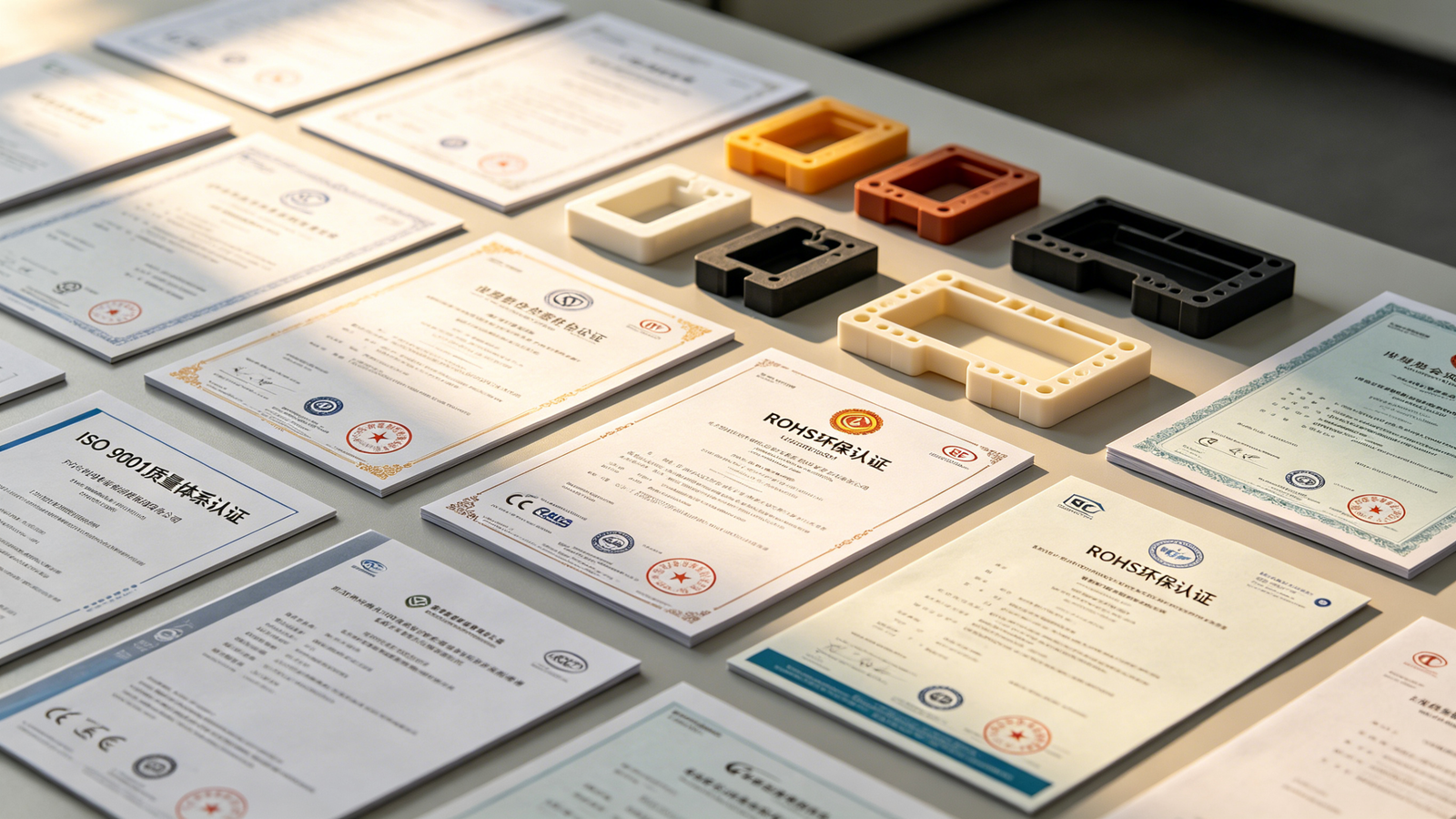
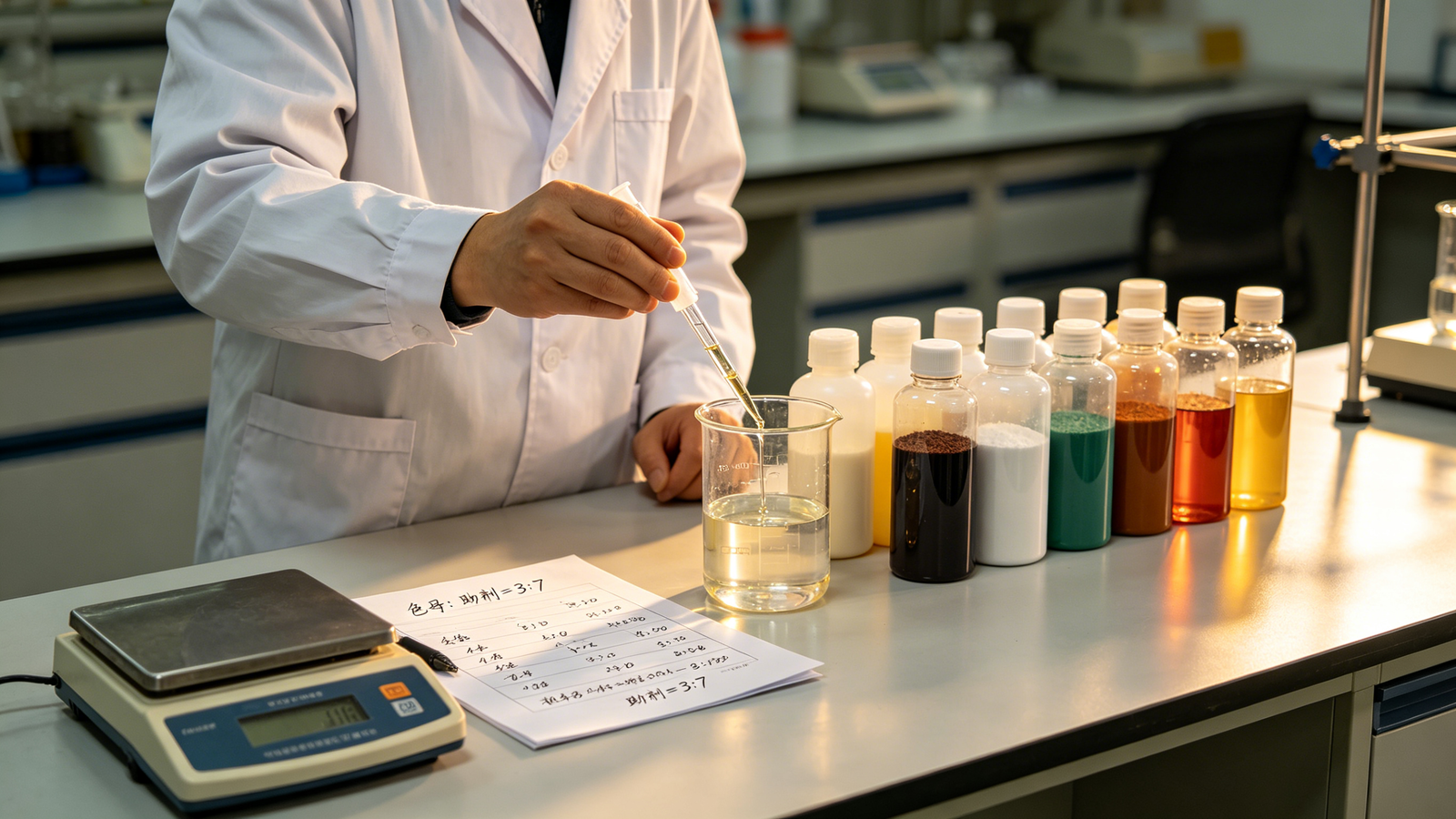
Material performance directly affects the durability, safety, and service life of injection molded parts. Different applications require different material characteristics, including impact resistance, heat resistance, chemical compatibility, and flame performance. Without proper material verification, products may experience unexpected failures after market release. Selecting and validating the correct material before mass production reduces product reliability risks and prevents costly redesigns. Xiamen RuiCheng works with customers to evaluate material specifications, processing conditions, and application requirements during the product development stage.
Material Certification Review: Material documents confirm compliance with customer requirements and industry regulations.
Mechanical Property Testing: Tensile strength, impact resistance, and hardness tests verify functional durability.
Temperature Resistance Evaluation: Thermal testing confirms whether materials can withstand operating environments.
Environmental Compatibility Testing: Chemical and aging tests evaluate long-term material stability.
🔍 Material validation ensures injection molded parts can maintain reliable performance throughout their expected service life.
Injection Molded Parts Validation Test Comparison Before Mass Production
| Test Type | Main Purpose | Common Risk Identified | Recommended Application |
|---|---|---|---|
| Dimensional Testing | Verify size accuracy | Shrinkage and warpage | Precision components |
| Material Testing | Confirm material performance | Strength and durability issues | Industrial and medical parts |
| Functional Testing | Validate product operation | Assembly or performance failure | Final application products |
| Process Testing | Check production stability | Batch variation | High-volume manufacturing |
If you need a manufacturing partner that can validate injection molded parts before mass production and reduce launch risks, Xiamen RuiCheng provides engineering verification, mold optimization, and production quality support. Please contact us to discuss your project requirements.
How Xiamen RuiCheng Helps Customers Prepare Injection Molded Parts for Mass Production
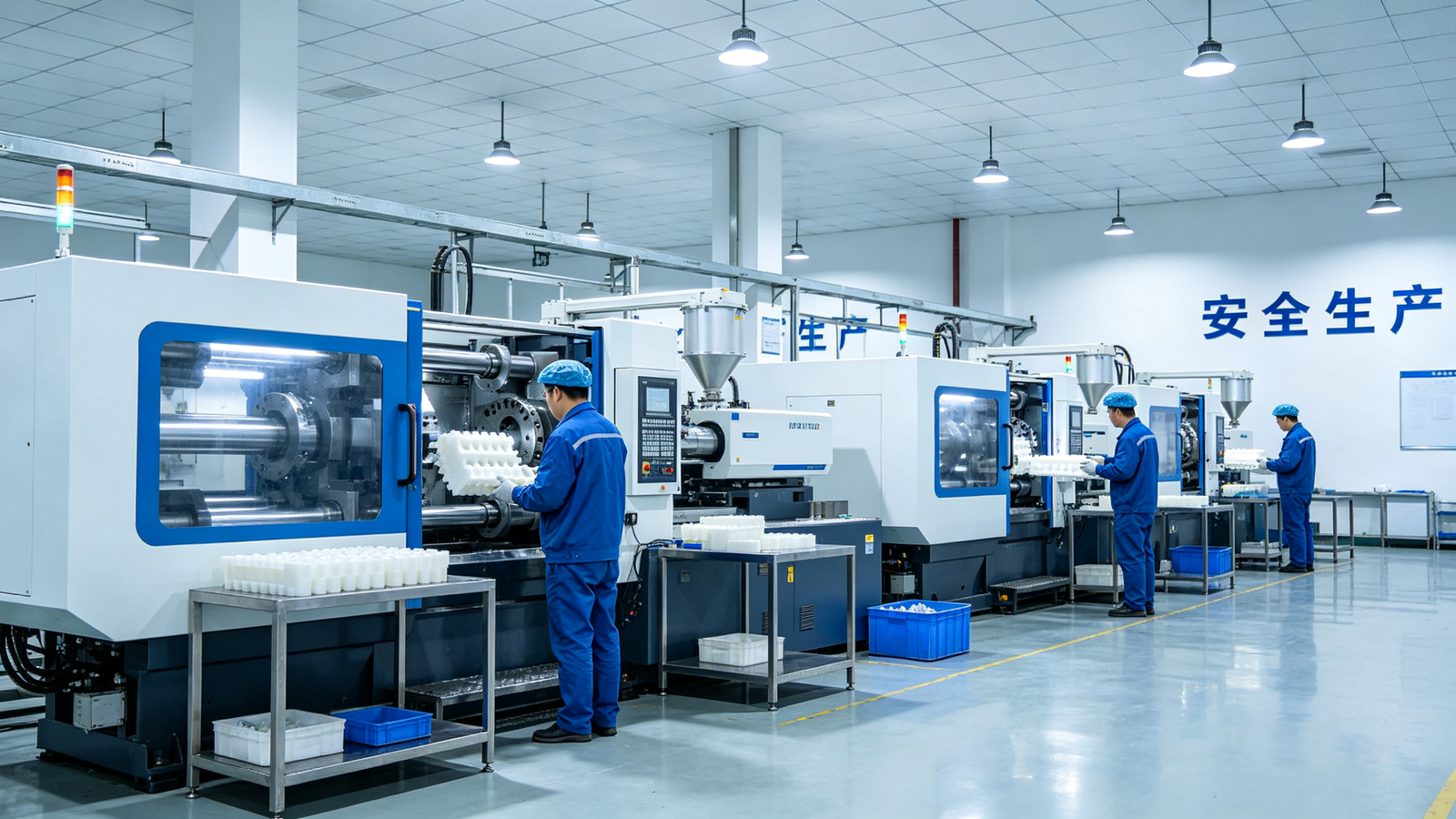
Moving from prototype production to mass manufacturing requires a structured validation process that connects engineering development with production execution. Many suppliers focus only on producing samples, but professional manufacturing partners help customers understand whether their products are truly ready for commercial release. At Xiamen RuiCheng, we provide a complete support system covering design review, mold development, testing verification, and production control.
1. Engineering ReviewXiamen RuiCheng evaluates product structures through DFM analysis to identify potential molding risks before tooling investment.
2. Mold ValidationOur engineering team reviews mold performance, filling conditions, cooling efficiency, and potential defect risks during trial production.
3. Quality VerificationInspection procedures are established according to customer requirements, including dimensional checks, appearance inspection, and functional validation.
4. Mass Production ControlProduction parameters, material batches, and inspection records are monitored to maintain stable manufacturing performance.
Frequently Asked Questions
Question 1: What quality tests should injection molded parts pass before mass production?
Answer: Injection molded parts should normally pass dimensional inspection, material verification, functional testing, and process stability evaluation before mass production. Xiamen RuiCheng develops validation procedures based on product requirements, industry applications, and customer quality expectations.
Question 2: What information should we provide before starting injection molded part validation?
Answer: Customers should provide product drawings, material requirements, application conditions, tolerance specifications, expected production volume, and testing standards. Based on this information, Xiamen RuiCheng can recommend suitable validation methods and manufacturing solutions.
Question 3: How long does the validation process take before mass production?
Answer: The validation timeline depends on product complexity, mold development requirements, testing scope, and customer approval procedures. Prototype testing may take shorter periods, while automotive, medical, or highly regulated projects usually require more detailed verification.
Question 4: What happens if injection molded parts fail validation testing?
Answer: If a part does not meet requirements, Xiamen RuiCheng analyzes the root cause through engineering review, process data, and inspection results. Improvements may include material adjustment, mold modification, parameter optimization, or design recommendations before production release.
Question 5: Can Xiamen RuiCheng support customized validation requirements?
Answer: Yes. Xiamen RuiCheng can support customized validation plans based on specific industries and applications, including functional testing, dimensional reports, material verification, and production capability evaluation.
Conclusion
Injection molded parts require systematic validation before entering mass production because early testing helps identify risks before they become expensive production problems. A qualified supplier should not only manufacture parts but also provide engineering support throughout the transition from prototype development to stable production. A complete validation process improves product reliability, reduces manufacturing uncertainty, and helps customers launch products with greater confidence. Xiamen RuiCheng combines injection molding expertise, quality management, and engineering experience to support customers in achieving successful mass production.
For expert assistance in implementing injection molded part production validation, visit our resource center or contact us. Let’s help you scale up your manufacturing with precision and efficiency!