Introduction
Injection molded components are widely used in automotive systems, medical devices, industrial equipment, consumer electronics, and mechanical assemblies where long-term durability is critical. Although many parts pass initial dimensional inspections and functional tests, fatigue failures may still occur after thousands or millions of operating cycles due to hidden design weaknesses.DFM (Design for Manufacturability) provides a systematic approach to identify structural risks before tooling and mass production begin. At Xiamen RuiCheng, we help customers improve injection molded part reliability by combining engineering analysis, mold design optimization, material evaluation, and manufacturing process control.
Fatigue failure in injection molded parts is usually not caused by a single manufacturing defect. Stress concentration areas, uneven wall thickness, poor material orientation, improper gate locations, and insufficient mold cooling can all reduce the service life of plastic components.A successful injection molding project should not only focus on producing a part that works today but also ensuring that it remains reliable throughout its expected operating lifetime.
How Does DFM Improve Injection Molded Part Fatigue Life?
DFM improves injection molded part fatigue performance by identifying potential failure risks during the product development stage before they become expensive tooling or production problems. Through injection molding design analysis and engineering review, manufacturers can optimize wall thickness, eliminate stress concentration areas, and improve material flow conditions. Early DFM evaluation helps prevent fatigue-related failures by improving the relationship between part design, mold structure, and manufacturing process. Xiamen RuiCheng uses DFM analysis to support customers in creating more durable injection molded components.
Stress Concentration Reduction: DFM identifies sharp corners, sudden thickness changes, and weak structural areas that may create fatigue cracks during repeated loading.
Wall Thickness Optimization: Balanced wall thickness improves cooling consistency and reduces internal stress that can shorten component life.
Gate Location Improvement: Proper gate positioning helps optimize molecular orientation and improves mechanical strength in critical areas.
Assembly Load Analysis: DFM considers real application conditions to ensure parts can withstand repeated mechanical stress.
🔧 DFM improves fatigue life by solving durability risks before they appear during real-world operation.
How Does Material Selection Affect Injection Molded Part Fatigue Performance?

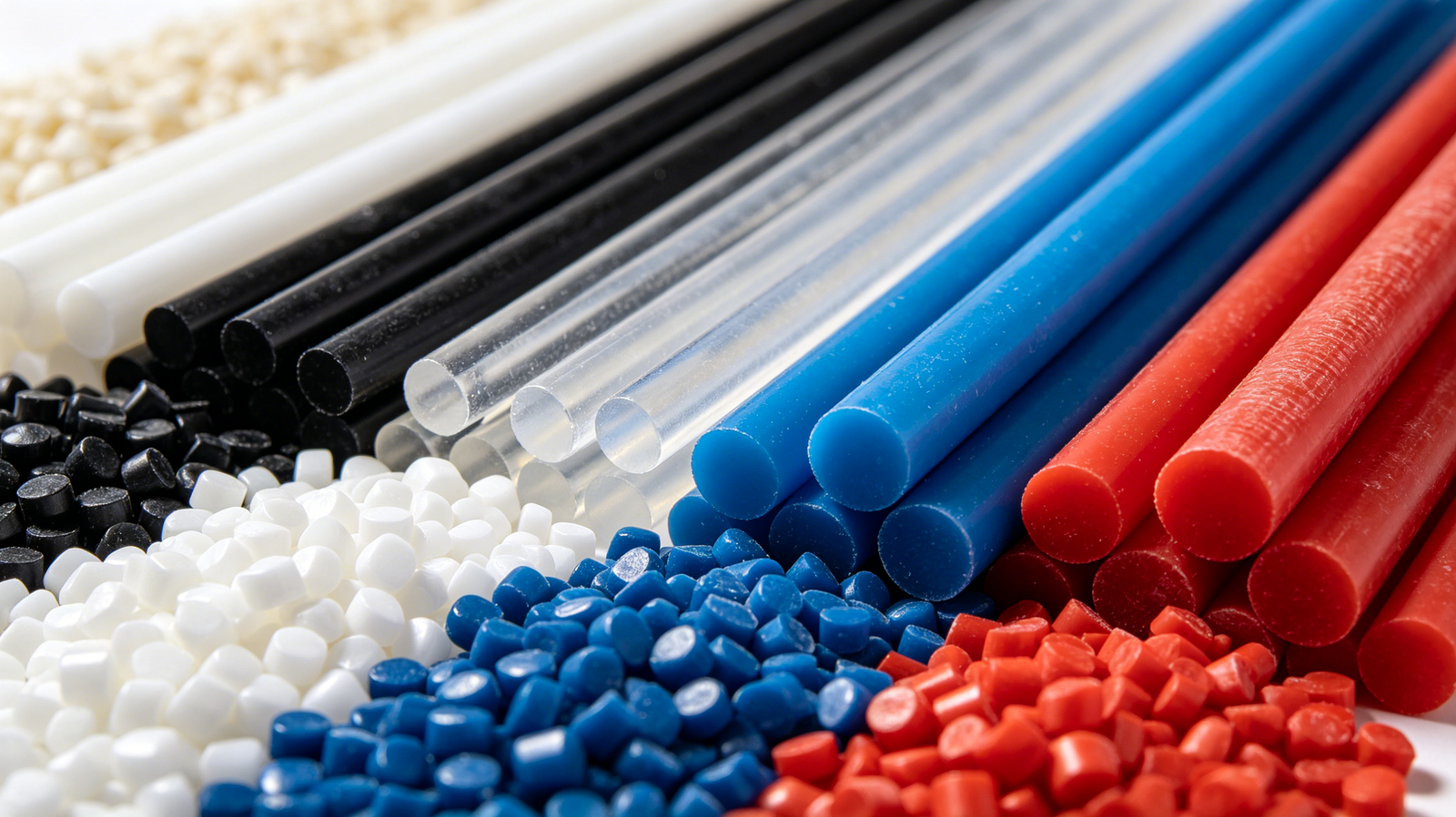
Material selection plays an important role in determining the fatigue resistance of injection molded components. Different polymers have different levels of impact strength, chemical resistance, creep resistance, and fatigue behavior under repeated loading conditions. Engineering plastics such as PA, POM, PC, and reinforced materials require careful evaluation because processing conditions can influence their final mechanical performance. Selecting the correct material according to application requirements is essential for achieving long-term durability. Xiamen RuiCheng evaluates material properties, operating environments, and production requirements to recommend suitable solutions.
Polymer Fatigue Behavior: Materials with better fatigue resistance maintain mechanical performance under repeated stress cycles.
Fiber Reinforcement Direction: Glass fiber and other reinforcements can improve strength but require proper flow analysis to avoid weak orientations.
Environmental Resistance: Temperature, chemicals, moisture, and UV exposure can significantly affect fatigue performance.
Processing Stability: Consistent molding conditions help maintain the expected mechanical properties of the selected material.
🔧 The right material combined with optimized processing conditions creates a stronger foundation for durable injection molded parts.
Why Does Mold Design Influence Injection Molded Part Fatigue Life?
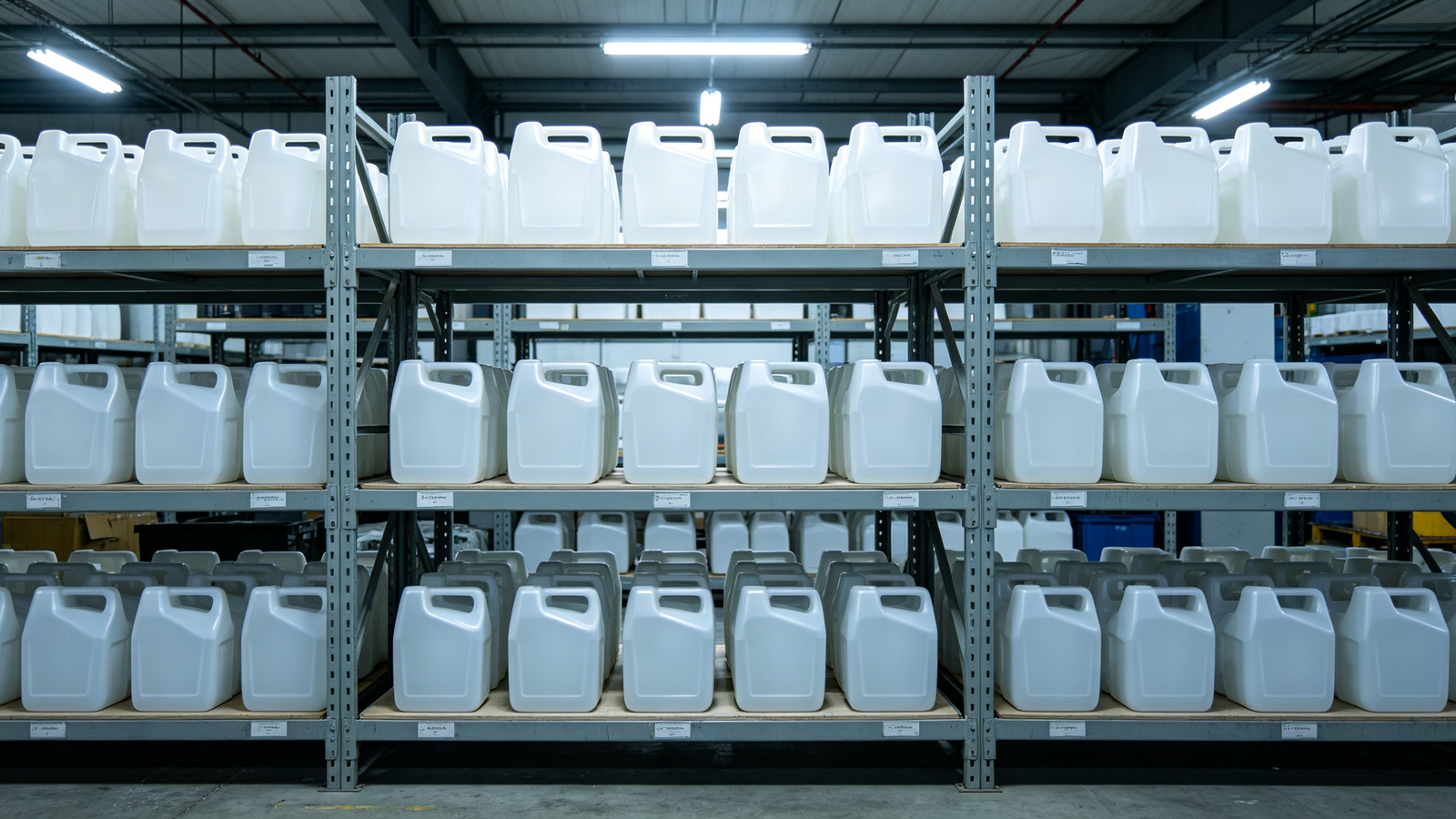
Mold design directly affects the internal stress distribution and mechanical performance of injection molded parts. Poor runner design, incorrect gate location, insufficient venting, or uneven cooling can create residual stress that reduces fatigue resistance during long-term operation. Through advanced injection mold manufacturing practices, manufacturers can improve part consistency and reduce hidden durability risks. A well-designed mold is not only a production tool but also a key factor controlling the long-term reliability of molded components. Xiamen RuiCheng focuses on mold optimization to ensure stable quality from prototype validation to mass production.
Runner Balance: Balanced runner systems help achieve uniform filling and reduce stress differences between different areas.
Cooling System Design: Proper cooling prevents excessive shrinkage variation and improves dimensional stability.
Venting Optimization: Effective venting reduces trapped gas and prevents weak areas caused by incomplete filling.
Mold Precision Control: Accurate mold manufacturing ensures repeatable production and stable mechanical performance.
🔧 Mold design determines how effectively a component can maintain strength throughout repeated service conditions.
Comparison of DFM Factors Affecting Injection Molded Part Fatigue Life
| DFM Factor | Main Influence | Potential Failure Risk | Optimization Direction |
|---|---|---|---|
| Part Geometry | Stress distribution | Crack initiation | Improve structural design |
| Material Selection | Mechanical durability | Fatigue degradation | Match application requirements |
| Gate Design | Molecular orientation | Weak stress areas | Optimize filling balance |
| Cooling System | Internal stress control | Early fatigue failure | Improve cooling uniformity |
If you are developing injection molded parts that require higher fatigue resistance and long-term reliability, Xiamen RuiCheng can provide engineering support from DFM analysis, mold optimization, and production validation. Please contact us to evaluate your project requirements.
How Can Manufacturers Validate Fatigue Performance Before Mass Production?
Fatigue performance should be considered throughout the complete product development process rather than only after production begins. A professional manufacturer evaluates structural design, material behavior, molding conditions, and testing requirements before approving mass production. At Xiamen RuiCheng, we combine engineering experience with manufacturing data to help customers reduce unexpected failures during product operation. Reliable injection molded parts are created through continuous validation between design intent and actual manufacturing capability.
1.Design Review: Engineers examine product geometry, stress areas, and application conditions to identify possible durability concerns.
2.Prototype Testing: Functional samples help verify whether the design can withstand expected mechanical loading conditions.
3.Process Verification: Production parameters are reviewed to ensure stable material flow and consistent part performance.
4.Quality Monitoring: Continuous inspection maintains product reliability throughout high-volume manufacturing.
FAQ About Injection Molded Part Fatigue Life Improvement
Question 1: What are the key advantages of your DFM approach for injection molded parts?
Answer: Xiamen RuiCheng applies DFM principles to evaluate structural design, material selection, mold feasibility, and manufacturing risks before production begins. The process helps identify potential fatigue issues early and provides engineering recommendations to improve durability, consistency, and long-term product performance.
Question 2: What information should we provide before requesting an injection molded part evaluation?
Answer: Customers should provide 3D CAD files, product drawings, application environments, expected loading conditions, material preferences, and production quantities. Based on these details, Xiamen RuiCheng engineers can review design feasibility, recommend improvements, and provide a suitable manufacturing solution.
Question 3: How do different production volumes affect injection molded part development?
Answer: Production strategies vary depending on project stage and order quantity. Prototype projects may focus on rapid validation, while mass production requires optimized tooling, stable processes, and continuous quality control to ensure consistent fatigue performance.
Question 4: How do you handle durability issues after production delivery?
Answer: Xiamen RuiCheng analyzes durability-related concerns through design review, production records, material verification, and quality inspection data. After identifying the root cause, engineering improvements are implemented to prevent repeated issues and maintain stable future production.
Question 5: Can you customize injection molded parts for special fatigue requirements?
Answer: Xiamen RuiCheng supports customized solutions based on specific mechanical loads, environmental conditions, and service life requirements. Customers can receive assistance with material selection, structural optimization, mold design improvements, and manufacturing process adjustments.
Conclusion
Injection molded part fatigue life depends on the interaction between product design, material performance, mold structure, and production stability. A component that meets initial specifications may still experience early failure if hidden stress risks are ignored during development. Applying DFM principles allows manufacturers and customers to create more reliable parts by solving durability problems before mass production begins.Xiamen RuiCheng helps global customers improve injection molded component reliability through engineering-driven design review, precision tooling, and controlled manufacturing processes. By focusing on long-term performance rather than short-term production output, companies can reduce maintenance costs, improve product reputation, and achieve more predictable product lifecycles.
For expert assistance in implementing injection molded part fatigue improvement solutions, visit our resource center or contact us. Let’s help you scale up your manufacturing with precision and efficiency!