Introduction

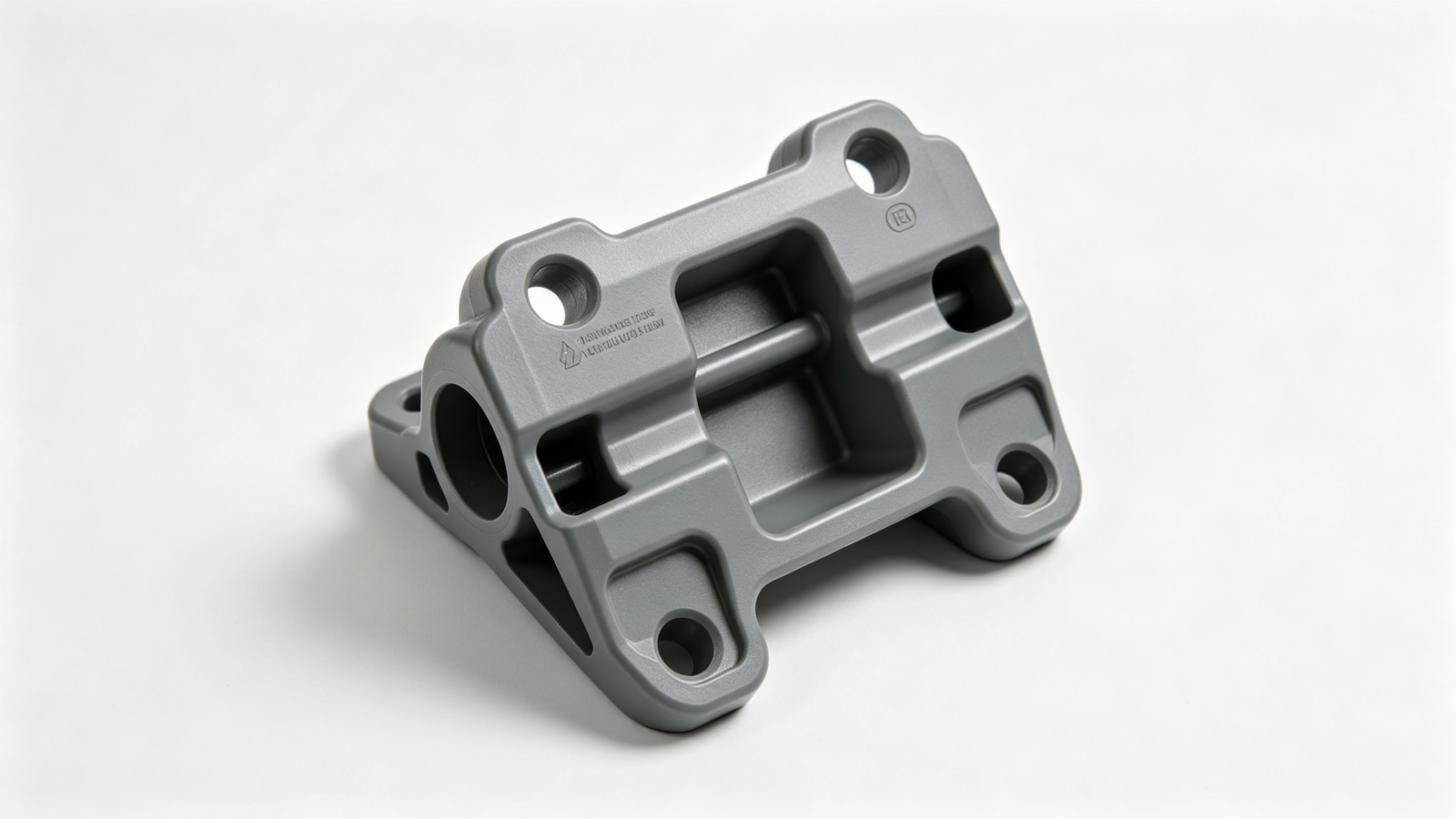
Agricultural equipment components often operate in challenging outdoor environments where they are exposed to moisture, fertilizers, temperature changes, mechanical loads, and long-term operating cycles. Therefore, material selection during injection molding directly affects component durability, dimensional stability, and equipment reliability. PA66 GF and PBT GF are two widely used glass fiber reinforced engineering plastics commonly applied in agricultural machinery connectors, sensor housings, structural brackets, and precision components.Choosing the right reinforced plastic material determines not only component performance but also the overall manufacturing cost and long-term maintenance risk of agricultural equipment projects. As an experienced injection molding manufacturer, Xiamen RuiCheng evaluates real application conditions, product structures, and production requirements to help customers select the most suitable material solution.
Many buyers focus only on strength data when comparing PA66 GF and PBT GF, while overlooking important factors such as moisture absorption, dimensional variation, processing stability, and environmental resistance. In reality, material suitability must be evaluated based on the complete application environment and manufacturing process.Early material evaluation during product development helps customers reduce trial failures, mold modifications, and production quality fluctuations.
Why Should Agricultural Equipment Components Evaluate the Differences Between PA66 GF and PBT GF?
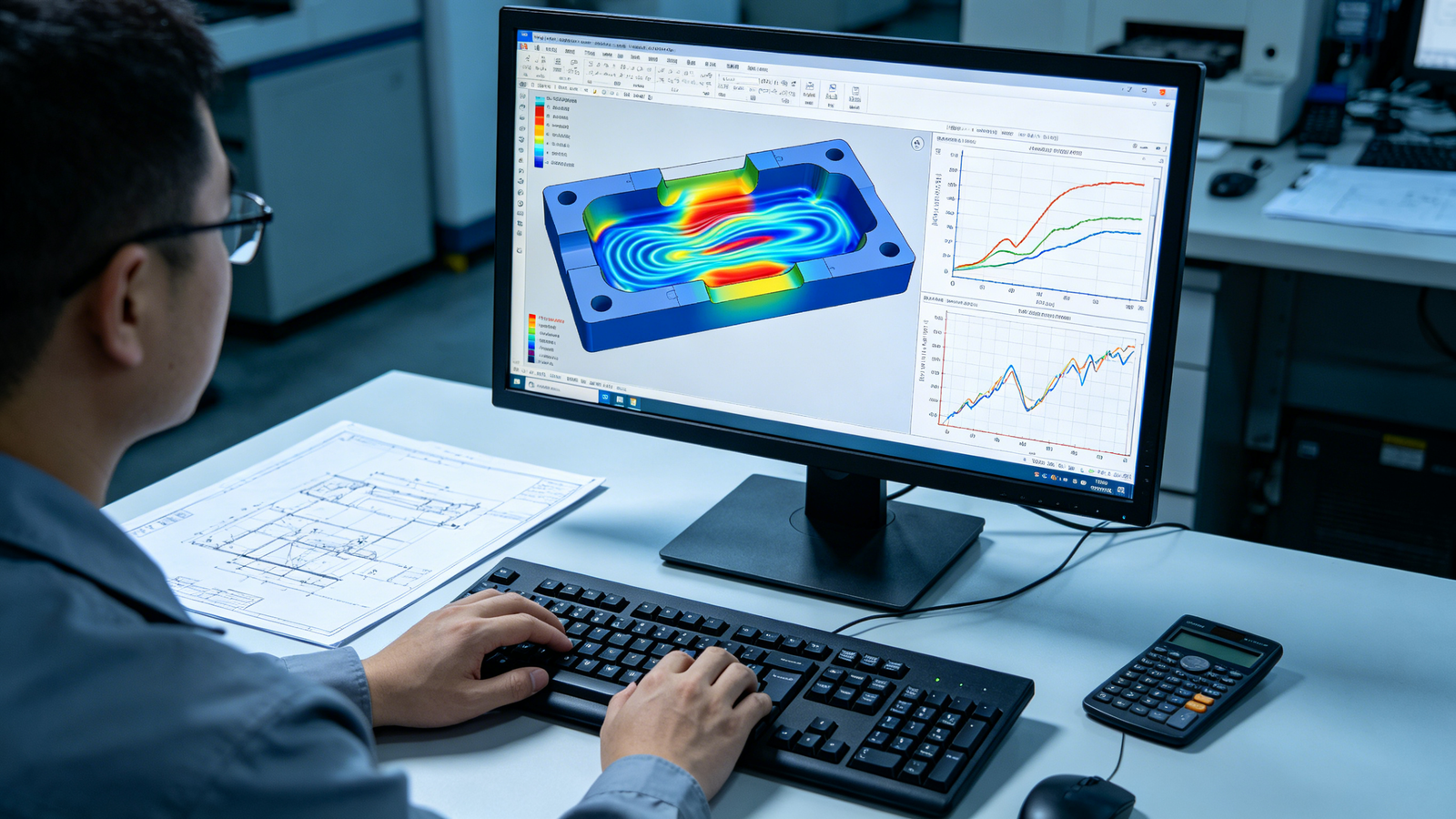
Agricultural equipment components require a balance of mechanical strength, heat resistance, dimensional stability, and environmental durability. Therefore, selecting between PA66 GF and PBT GF becomes a critical decision during product development. PA66 GF provides excellent mechanical strength and impact resistance, making it suitable for heavily loaded structural components, while PBT GF offers lower moisture absorption and better dimensional stability for precision applications. During the injection molding process, material characteristics directly influence molding stability and final product quality. Material selection for agricultural components should not depend on one strength value but on the complete application requirements. Xiamen RuiCheng provides engineering evaluation through plastic material selection to help customers develop reliable manufacturing solutions.
Mechanical Strength Performance: PA66 GF generally provides higher tensile strength and impact resistance for components exposed to continuous mechanical loads.
Dimensional Stability: PBT GF absorbs less moisture and maintains more consistent dimensions in humid environments.
Temperature Resistance Difference: PA66 GF performs well in higher temperature cycling applications, while PBT GF maintains stable performance under moderate temperature conditions.
Processing Requirements: Different materials require different injection temperatures, mold designs, and production parameter controls.
🌱 PA66 GF and PBT GF do not have an absolute winner. The correct choice depends on the actual working conditions of agricultural equipment components.
How Should Agricultural Equipment Manufacturers Choose PA66 GF or PBT GF Based on Operating Environment?

Agricultural equipment components are continuously exposed to outdoor conditions, including rainwater, fertilizers, dust, UV exposure, and temperature fluctuations. Therefore, material selection should not only consider laboratory performance but also long-term real-world reliability. Although PA66 GF provides excellent mechanical properties, moisture absorption may influence dimensional stability. PBT GF, with lower water absorption, often performs better in applications where humidity changes frequently. Selecting the right material for agricultural components is essentially an investment in long-term reliability. Xiamen RuiCheng evaluates equipment conditions, assembly requirements, and service expectations before recommending suitable materials.
High Humidity Applications: PBT GF is often preferred for components exposed to continuous moisture or humidity changes.
High Load Structural Parts: PA66 GF is suitable for components requiring higher mechanical strength and impact resistance.
Precision Assembly Components: PBT GF provides better dimensional control for parts requiring tighter assembly accuracy.
Outdoor Durability Requirements: Both materials may require additional stabilization solutions for improved weather resistance.
🌱 Agricultural material selection should begin with actual operating conditions instead of simply comparing material specifications.
How Do PA66 GF and PBT GF Affect Injection Molding Stability?

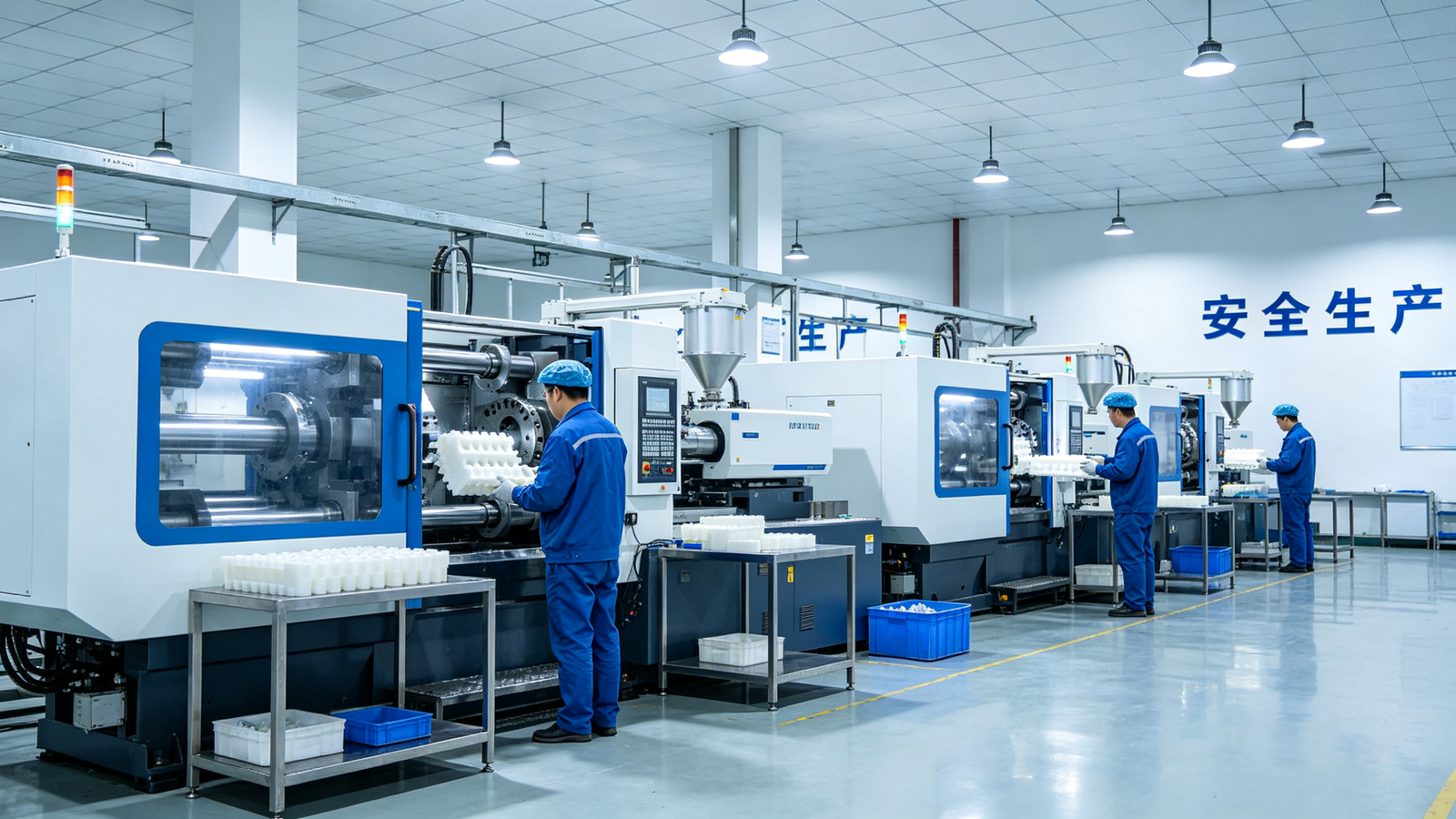
Besides final component performance, processing characteristics also influence mass production stability. PA66 GF and PBT GF differ in melting temperature, flow behavior, shrinkage characteristics, and mold requirements. If the material does not match the product structure, problems such as warpage, dimensional deviation, and surface defects may occur. This is especially important for complex agricultural components where mold design and injection parameters must be optimized according to material behavior. A stable material processing window is essential for achieving consistent agricultural component production. Xiamen RuiCheng applies DFM analysis, mold trials, and production monitoring to reduce manufacturing risks.
Material Flow Performance: Different reinforced plastics influence filling capability in thin-wall areas and complex structures.
Glass Fiber Orientation: Fiber alignment affects mechanical strength and dimensional changes after molding.
Mold Design Requirements: Different materials require optimized gate locations, venting systems, and cooling layouts.
Process Parameter Control: Injection temperature, pressure, and cooling time must be adjusted according to material characteristics.
🌱 Material performance and manufacturing process optimization must work together to achieve stable mass production.
Comparison of PA66 GF and PBT GF for Agricultural Equipment Components
| Comparison Factor | PA66 GF | PBT GF | Purchasing Recommendation |
|---|---|---|---|
| Mechanical Strength | Higher strength and impact resistance | Good mechanical performance | Choose PA66 GF for high-load applications |
| Moisture Absorption | Higher moisture absorption | Lower water absorption | Choose PBT GF for humid environments |
| Dimensional Stability | Affected by moisture changes | More stable dimensions | Choose PBT GF for precision assemblies |
| Processing Performance | Requires tighter processing control | More stable molding behavior | Evaluate production complexity |
If you are developing agricultural equipment plastic components and are uncertain whether PA66 GF or PBT GF is the better choice, Xiamen RuiCheng can provide professional material evaluation based on operating conditions, product structure, and production requirements. Please contact us for engineering support.
How Can Agricultural Equipment Manufacturers Reduce Material Selection Risks?
Selecting materials for agricultural equipment components is not simply about choosing a stronger or lower-cost plastic. It requires a complete evaluation throughout the product lifecycle, from initial material verification and mold development to mass production quality control. Every stage influences the final performance, reliability, and manufacturing cost of the component. A professional manufacturing partner provides more value by helping customers reduce uncertainty throughout the entire development process. Xiamen RuiCheng supports customers with material evaluation, injection molding expertise, and production management to create reliable agricultural equipment solutions.
Define Application Conditions: Confirm operating temperature, humidity, mechanical loads, chemical exposure, and expected service life before selecting materials.
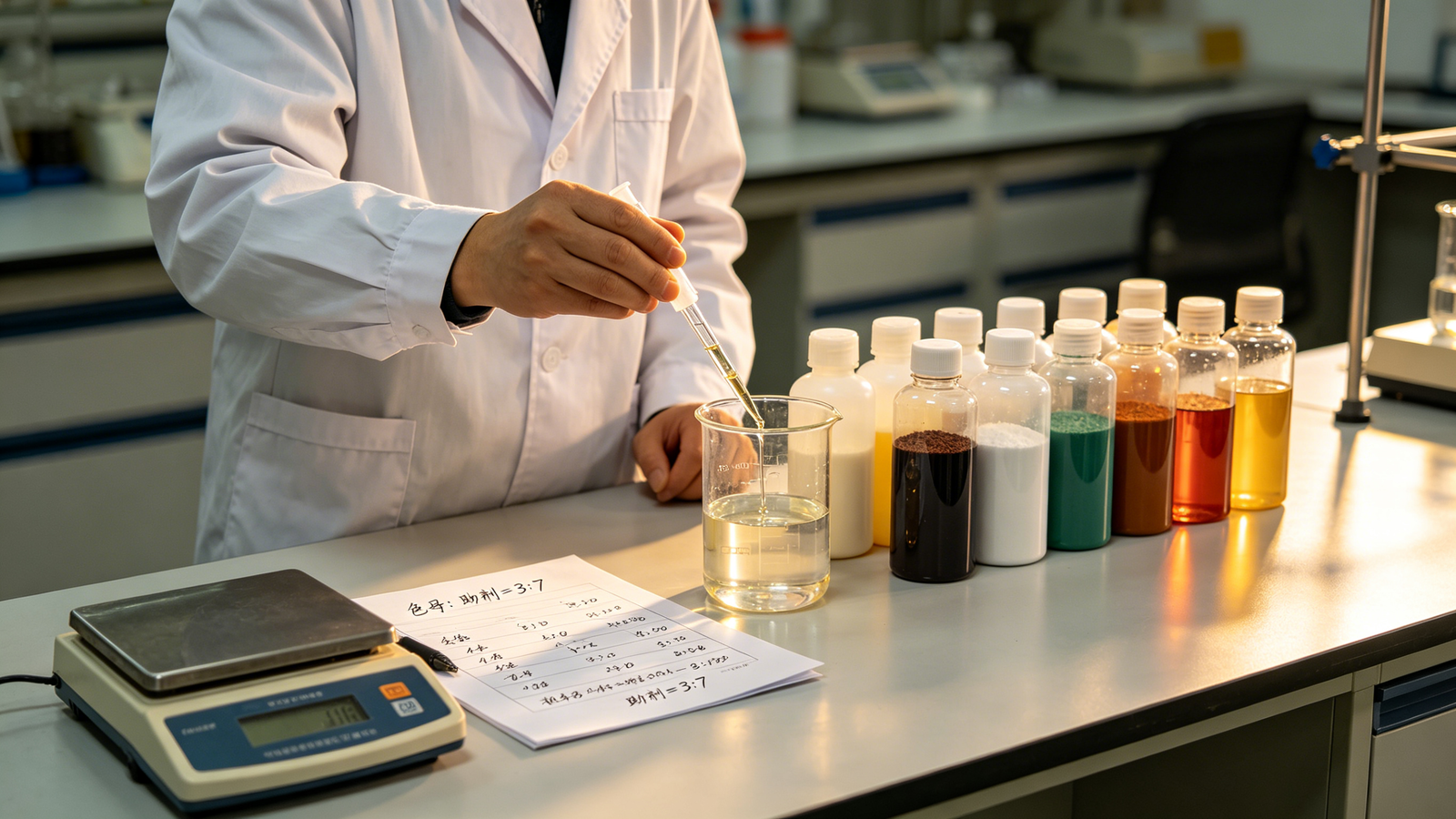
Validate Material Performance: Conduct prototype testing and engineering verification to confirm whether the selected material meets actual application requirements.
Optimize Product Design: Adjust component structures according to material characteristics to improve molding stability and long-term performance.
Establish Quality Control Systems: Apply systematic process monitoring to maintain consistent quality during mass production.
🌱 A successful material selection process combines engineering analysis, manufacturing experience, and real application requirements.
PA66 GF vs PBT GF Agricultural Component Purchasing FAQ
Question 1: What are the key material advantages of your agricultural equipment plastic components?
Answer: Xiamen RuiCheng provides PA66 GF, PBT GF, and other engineering plastic evaluation solutions based on actual agricultural equipment applications. We analyze load requirements, environmental conditions, assembly accuracy, and service life expectations to recommend suitable materials while maintaining stable injection molding quality through controlled manufacturing processes.
Question 2: What information should we provide when purchasing agricultural injection molded components?
Answer: Customers typically need to provide 3D drawings, material requirements, application environments, assembly methods, and expected order quantities. Xiamen RuiCheng engineers evaluate these details through DFM analysis, material assessment, mold feasibility review, and manufacturing planning.
Question 3: How do delivery schedules vary for different agricultural component order quantities?
Answer: Xiamen RuiCheng develops production plans based on project stages, including prototype validation, pilot production, and mass manufacturing. Delivery schedules depend on mold development status, material confirmation, component complexity, and order volume, while production planning ensures stable supply.
Question 4: How do you handle quality issues with agricultural equipment components?
Answer: Xiamen RuiCheng uses a complete quality traceability system to analyze dimensional inspection records, material information, production parameters, and product samples. After identifying the root cause, improvement actions such as process adjustment, mold optimization, or material reassessment are implemented.
Question 5: Can you provide customized PA66 GF and PBT GF material solutions?
Answer: Xiamen RuiCheng supports customized material solutions based on specific operating conditions, including glass fiber reinforcement adjustments, flame retardant requirements, weather resistance improvements, and structural optimization. Customers can provide application requirements, and our engineering team develops practical manufacturing solutions.
Conclusion
Selecting between PA66 GF and PBT GF for agricultural equipment components does not have a universal answer. Each material provides different advantages in mechanical strength, moisture resistance, dimensional stability, and processing behavior, so the final decision should be based on the actual application environment and component requirements. A well-planned material decision helps agricultural equipment manufacturers reduce maintenance costs and improve long-term product reliability. Xiamen RuiCheng combines material engineering, precision injection molding, and complete quality management to provide dependable agricultural component manufacturing solutions.
For expert assistance in implementing PA66 GF or PBT GF agricultural equipment component production needs, visit our resource center or contact us. Let’s help you scale up your manufacturing with precision and efficiency!