Introduction
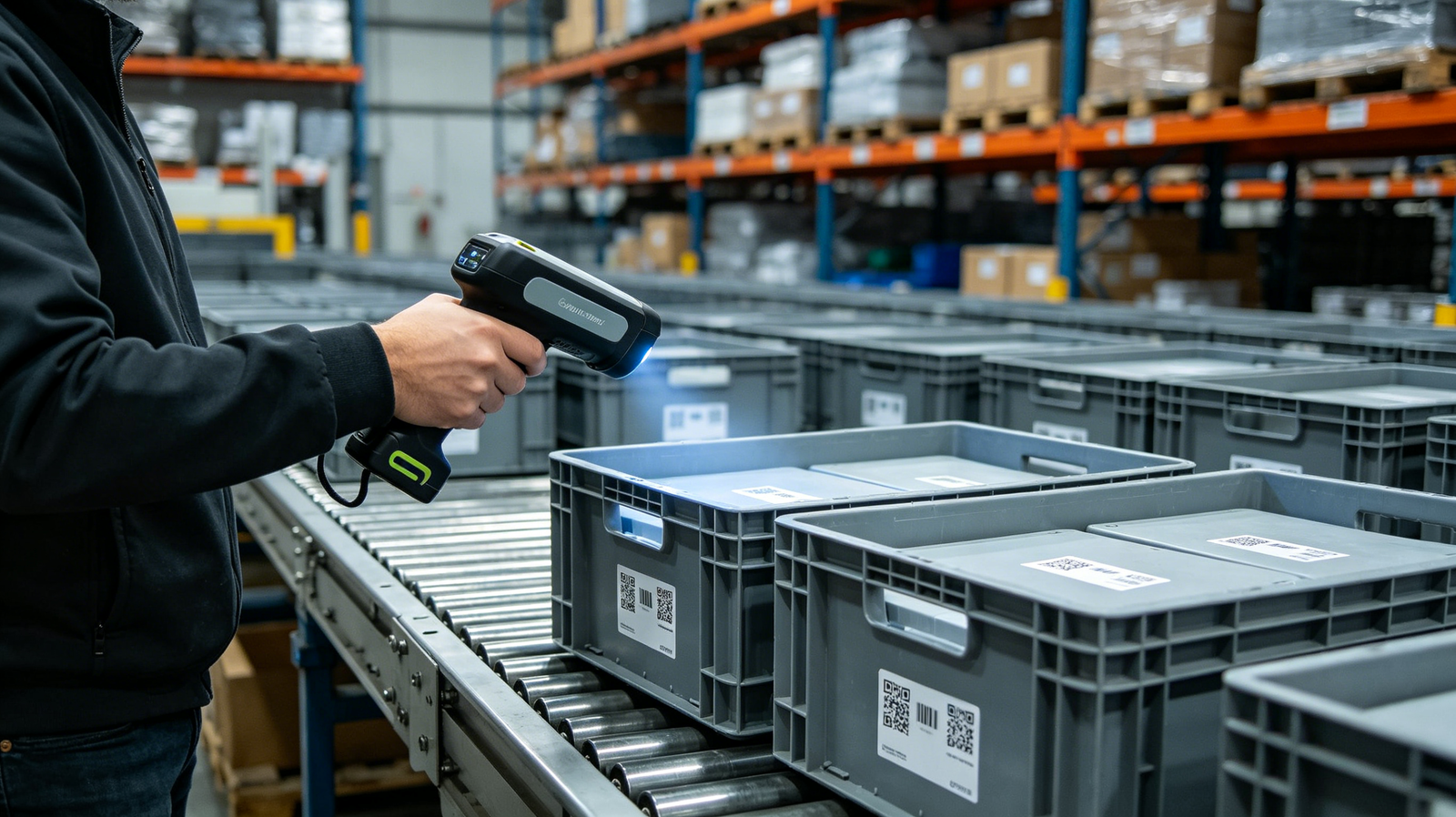
Agricultural machinery plastic components operate under harsh outdoor conditions where they must withstand continuous vibration, impact loads, temperature changes, moisture, and dust exposure. From engine covers and sensor housings to hydraulic system connectors, the reliability of plastic components directly affects equipment performance, maintenance frequency, and operational costs.Cracking problems in agricultural machinery plastic parts are usually caused by the combined effects of design, material selection, injection molding processes, and actual working conditions. As an experienced injection molding manufacturer, Xiamen RuiCheng helps customers reduce plastic component failure risks through engineering analysis, structural optimization, and mass production control.
For agricultural equipment manufacturers, plastic parts may pass initial testing but develop cracks after entering real field applications. Vibration fatigue, assembly stress, unsuitable materials, and manufacturing variations can gradually reduce component service life.A systematic manufacturing evaluation approach helps identify potential failure risks before production and enables customers to select a more reliable plastic parts supplier.
Why Do Agricultural Machinery Plastic Parts Crack Under Vibration?
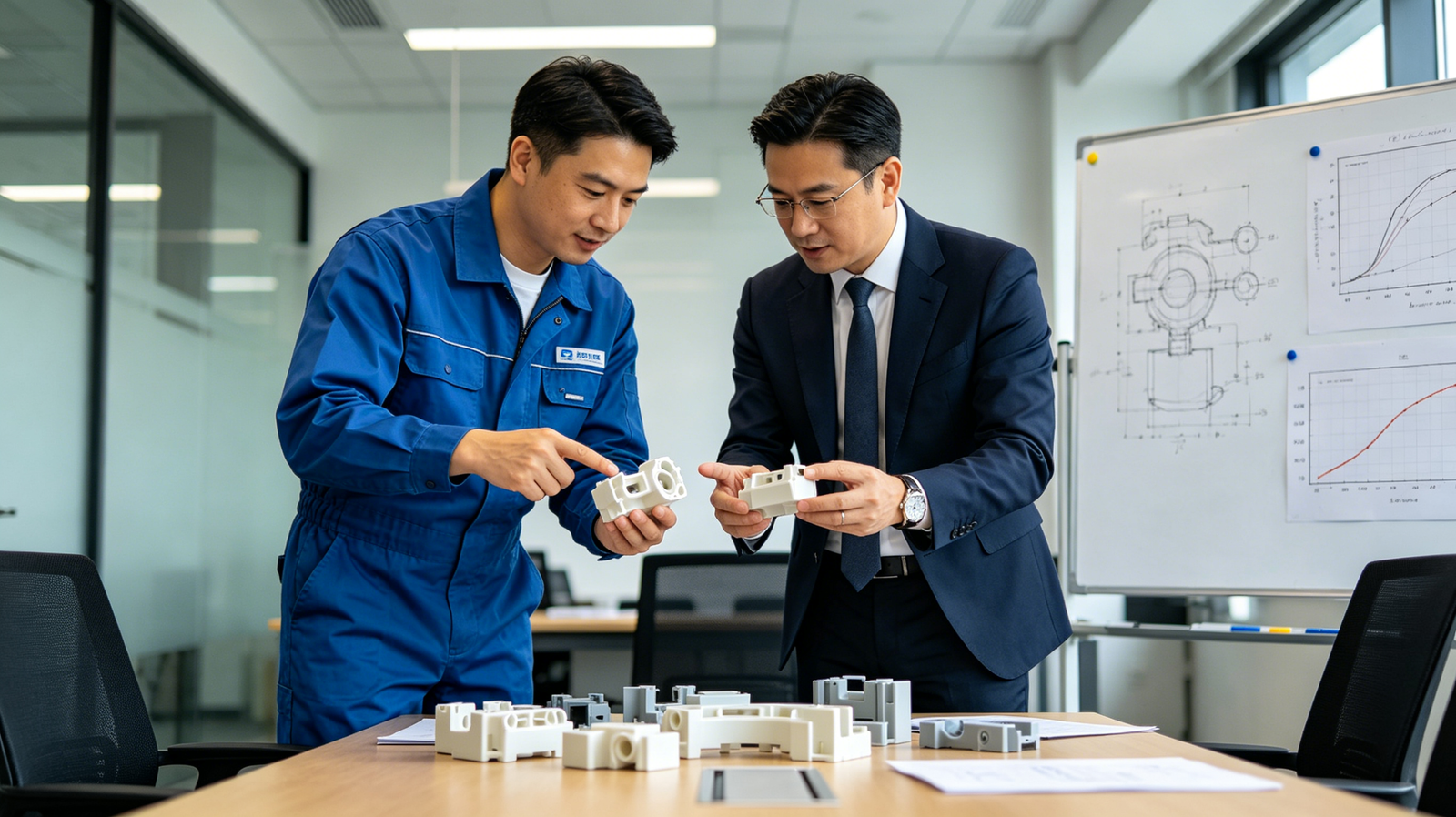
Agricultural machinery plastic parts commonly crack under vibration because of repeated cyclic loading, stress concentration, and insufficient fatigue resistance. During operation, components experience continuous dynamic forces from engines, mechanical movement, and uneven terrain. Without proper plastic part design consideration during development, weak areas can become crack initiation points. In addition, residual stress generated during the injection molding process may further reduce vibration resistance. The reliability of agricultural plastic components depends on the balance between design, materials, and manufacturing processes. Xiamen RuiCheng uses DFM analysis and engineering validation to reduce cracking risks during mass production.
Cyclic Vibration Fatigue: Continuous repeated loading gradually reduces material strength and allows cracks to expand from small defects.
Structural Stress Concentration: Sharp corners, thickness variations, and mounting areas can create localized high-stress zones.
Insufficient Material Performance: Certain plastics may fail under long-term vibration, impact, or temperature cycling conditions.
Residual Injection Stress: Internal stress created during molding can release over time and cause cracks during operation.
🌱 Agricultural machinery plastic part cracking requires a complete analysis of structure, material, and manufacturing conditions rather than simply changing materials.
How Does Material Selection Reduce Vibration Cracking Risks in Agricultural Plastic Parts?

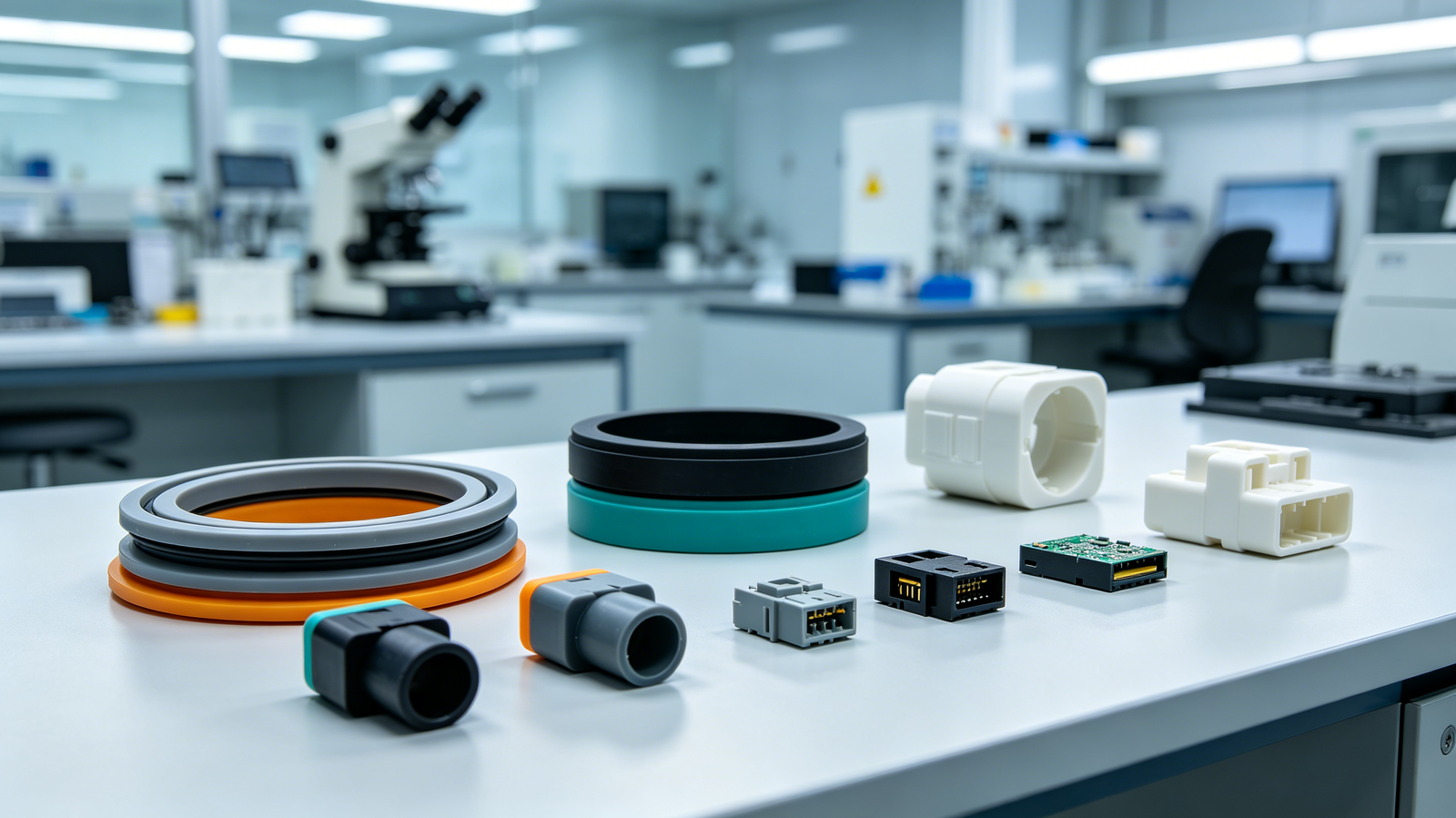
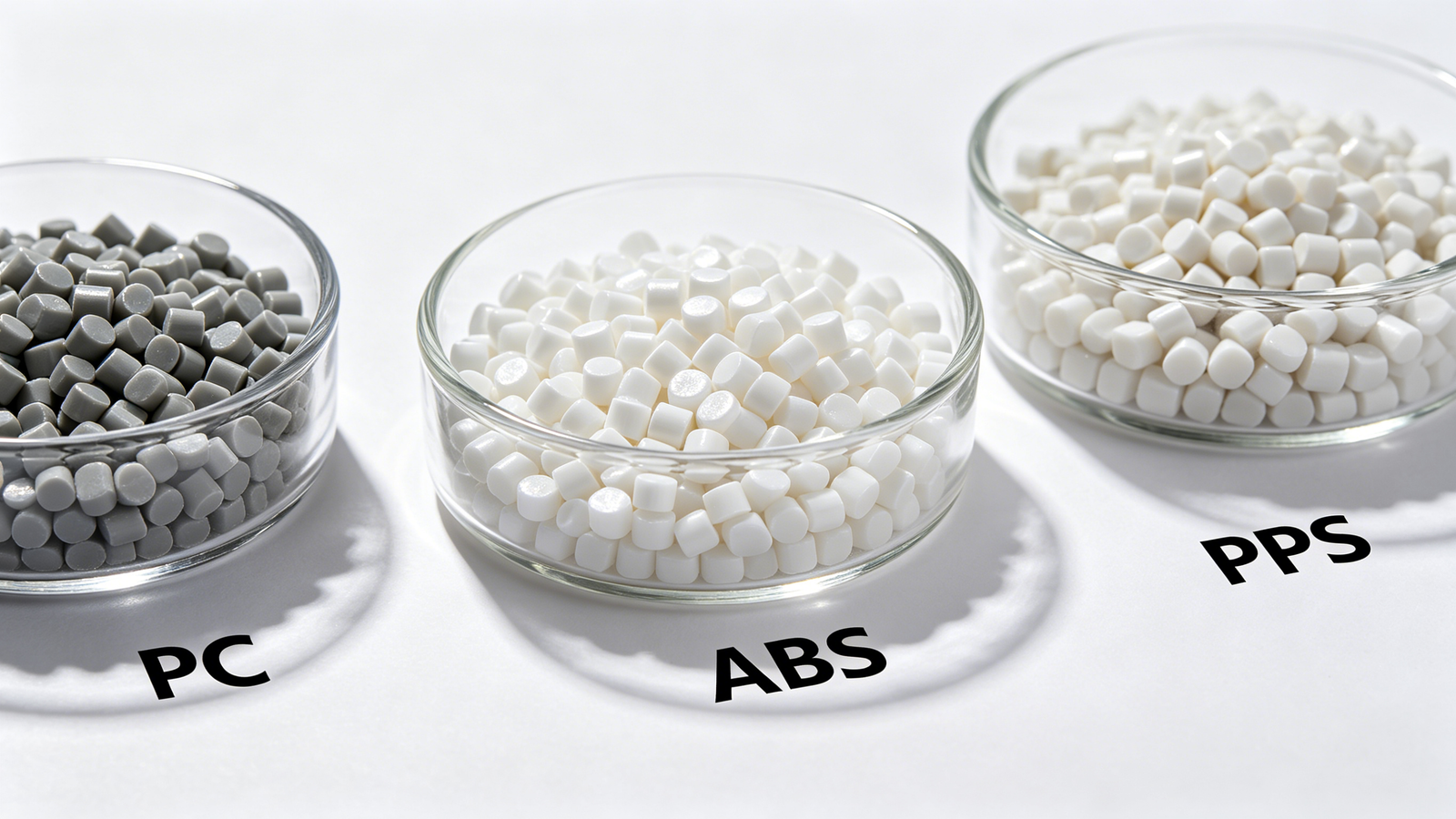
Agricultural machinery plastic components require excellent impact resistance, weather durability, and fatigue performance because they operate in demanding environments. Standard materials such as ABS and PP may perform well in general applications, but continuous vibration, temperature cycling, and outdoor exposure often require modified materials or reinforced polymers. Selecting the right material system is essential for improving long-term reliability in agricultural machinery applications. Xiamen RuiCheng evaluates equipment conditions, loading requirements, and service cycles to recommend suitable material solutions.
Material Toughness Requirements: High-toughness materials absorb impact energy more effectively and reduce sudden fracture risks.
Reinforced Material Applications: Glass fiber reinforced PA and PBT materials can improve stiffness and dimensional stability.
Environmental Resistance: Agricultural components must withstand moisture, chemicals, temperature changes, and outdoor exposure.
Fatigue Life Evaluation: Material selection should consider actual vibration frequency and operating cycles.
🌱 The best material choice is not always the hardest one; agricultural plastic parts require the right balance between strength and toughness.
How Can Structural Design Cause Agricultural Machinery Plastic Parts to Fail?
Many vibration-related failures in agricultural plastic parts originate from structural design limitations. Excessive wall thickness variation, improper rib placement, sharp corners, and insufficient reinforcement around mounting areas can create stress concentration points. During long-term operation, these weak areas become the starting locations for cracks. Proper structural design can eliminate many potential fatigue failures before products enter mass production. At Xiamen RuiCheng, DFM design reviews are used during product development to improve durability and reduce future modification costs.
Wall Thickness Design: Uniform wall thickness reduces uneven shrinkage and internal stress.
Radius Optimization: Proper corner radii reduce stress concentration around sharp edges.
Rib Structure Design: Correct rib placement improves stiffness while preventing deformation.
Assembly Area Design: Mounting holes and clips must be designed to withstand dynamic loads.
🌱 Structural design is a critical factor in determining whether agricultural plastic parts can survive long-term vibration environments.
Comparison of Agricultural Machinery Plastic Part Failure Risk Factors
| Factor | Main Impact | Common Issue | Improvement Direction |
|---|---|---|---|
| Material Selection | Fatigue and impact resistance | Long-term cracking | Optimize material system |
| Structural Design | Stress distribution | Local fractures | Improve geometry |
| Injection Process | Internal stress | Batch failures | Control molding parameters |
| Working Environment | Dynamic loading | Reduced lifespan | Strengthen validation |
If your agricultural machinery plastic components are experiencing vibration cracks, early failures, or insufficient service life, Xiamen RuiCheng provides complete support from material analysis and structural optimization to production validation. Please contact us for professional evaluation.
How to Build a Reliable Supply System for Agricultural Machinery Plastic Parts?
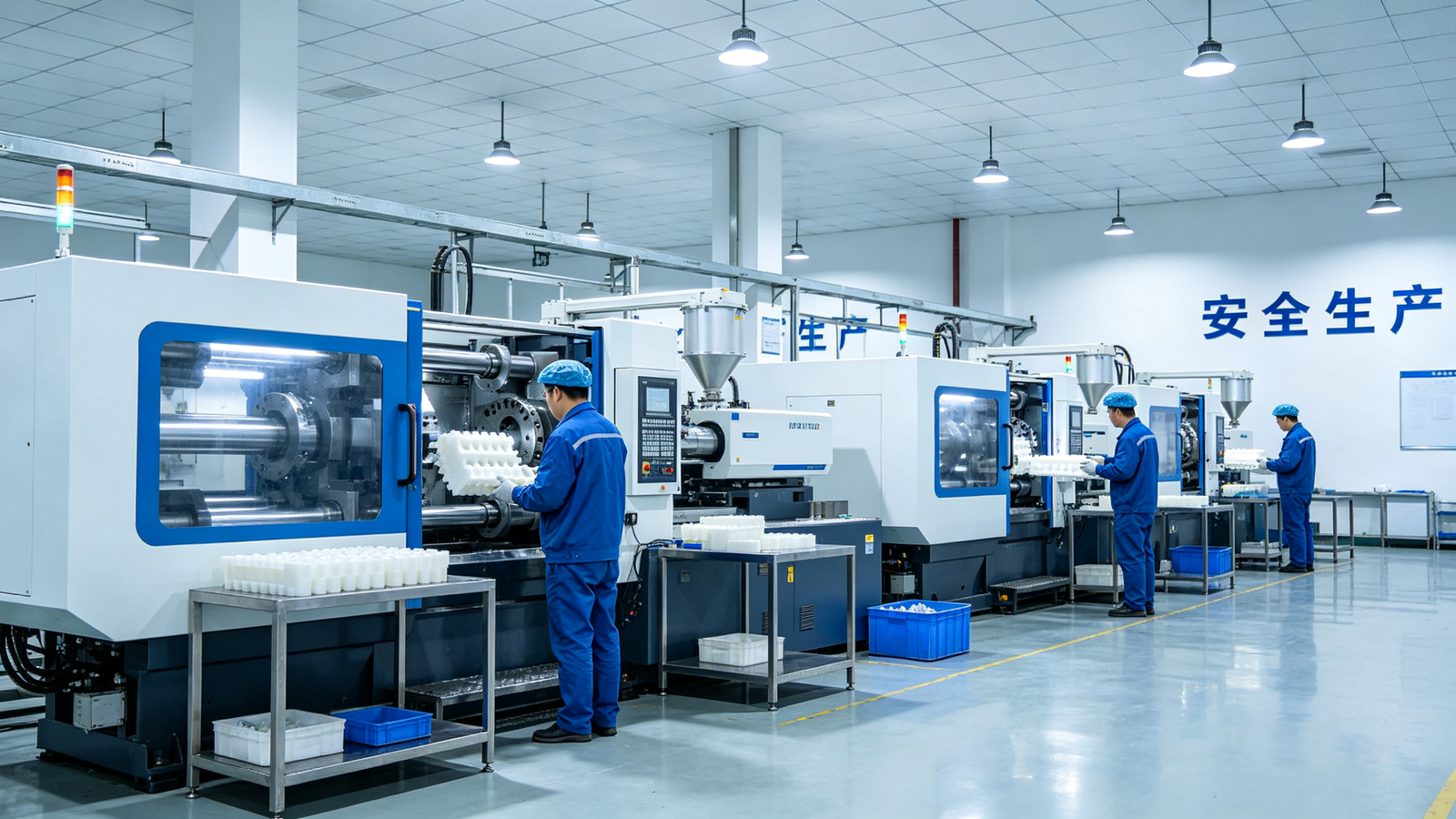
For agricultural equipment manufacturers, selecting a plastic parts supplier requires more than comparing prices. A capable supplier should have engineering expertise, product development experience, and production control capability. From early-stage DFM analysis and mold development to mass production management, a complete manufacturing system helps reduce project risks.
1.Early Engineering Analysis: Identify potential failure risks through material and structural evaluation.
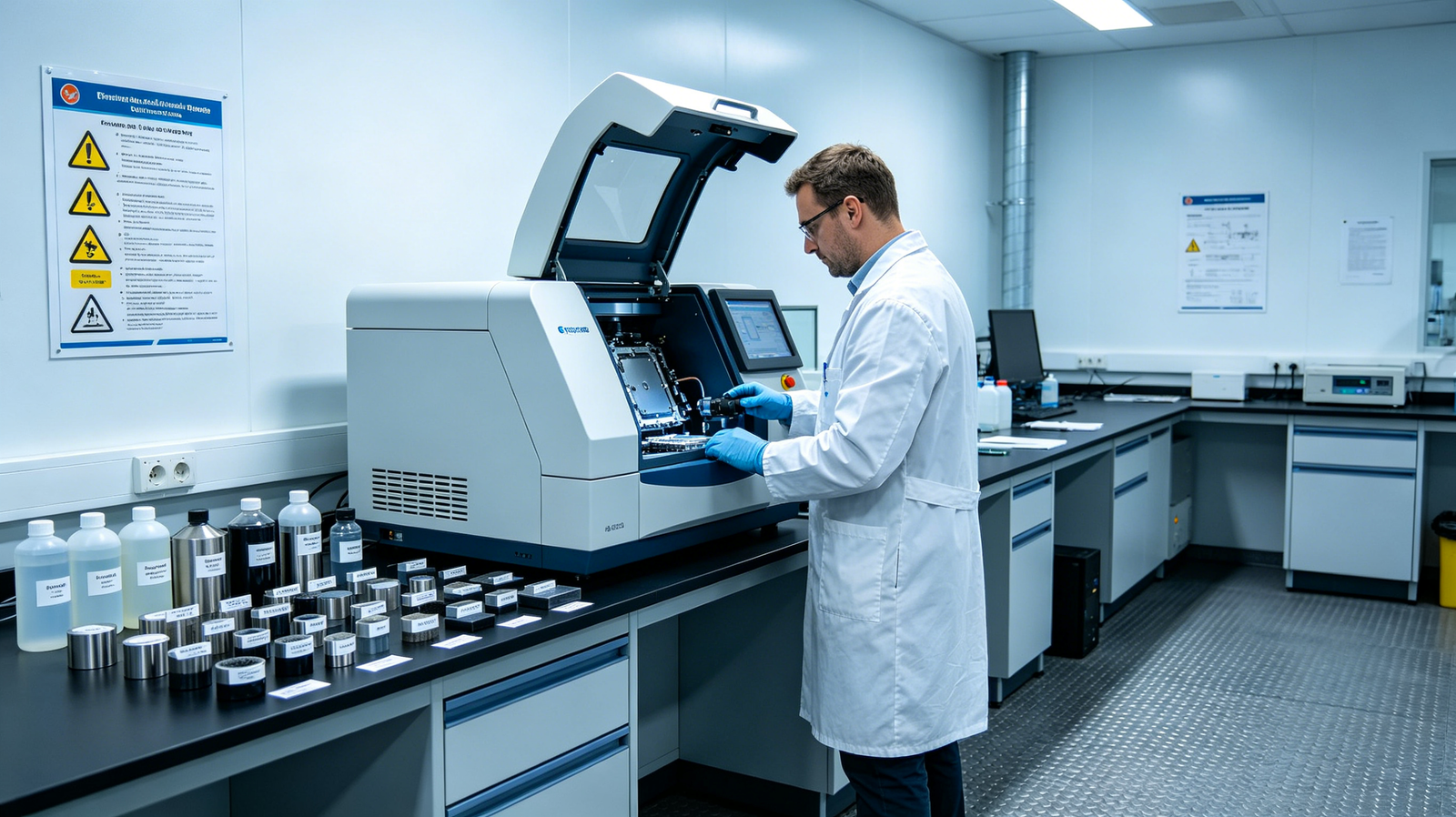
2.Validation Process Establishment: Confirm product reliability through prototype testing and durability verification.
3.Mass Production Control: Monitor manufacturing data to reduce quality variation.
4.Continuous Improvement: Optimize product performance based on application feedback.
Frequently Asked Questions
Question 1: What are the key quality advantages of your agricultural machinery plastic parts?
Answer: Xiamen RuiCheng provides a complete quality control system for agricultural machinery plastic parts, including material evaluation, structural optimization, mold development, injection process control, and product inspection to improve vibration resistance and long-term reliability.
Question 2: What information should we provide when purchasing agricultural machinery plastic parts?
Answer: Customers usually need to provide product drawings, assembly requirements, working environment, vibration conditions, and estimated order quantities. Xiamen RuiCheng engineers evaluate these details to recommend suitable materials and manufacturing solutions.
Question 3: How do delivery schedules vary for different order quantities?
Answer: Delivery schedules depend on mold development status, order volume, and production planning. Xiamen RuiCheng provides different manufacturing strategies for prototype validation and large-scale production to balance efficiency and quality.
Question 4: How do you handle vibration cracking issues after delivery?
Answer: Xiamen RuiCheng conducts failure analysis through material testing, structural review, and production data investigation. After identifying the root cause, improvement solutions are developed to reduce future supply risks.
Question 5: Can you customize agricultural machinery plastic parts based on specific requirements?
Answer: Xiamen RuiCheng supports customized solutions including material selection, structural optimization, mold design, and injection molding production based on equipment requirements and application conditions.
Conclusion
Vibration cracking in agricultural machinery plastic parts is usually the result of insufficient coordination between product design, material performance, and manufacturing control. For equipment manufacturers, selecting a supplier with engineering development capability can reduce maintenance costs and product reliability risks. A reliable plastic component supply system helps agricultural equipment companies improve market competitiveness and long-term product stability. Xiamen RuiCheng provides professional injection molding solutions supported by engineering expertise and comprehensive quality management.
For expert assistance in implementing agricultural machinery plastic parts production needs, visit our resource center or contact us. Let’s help you scale up your manufacturing with precision and efficiency!