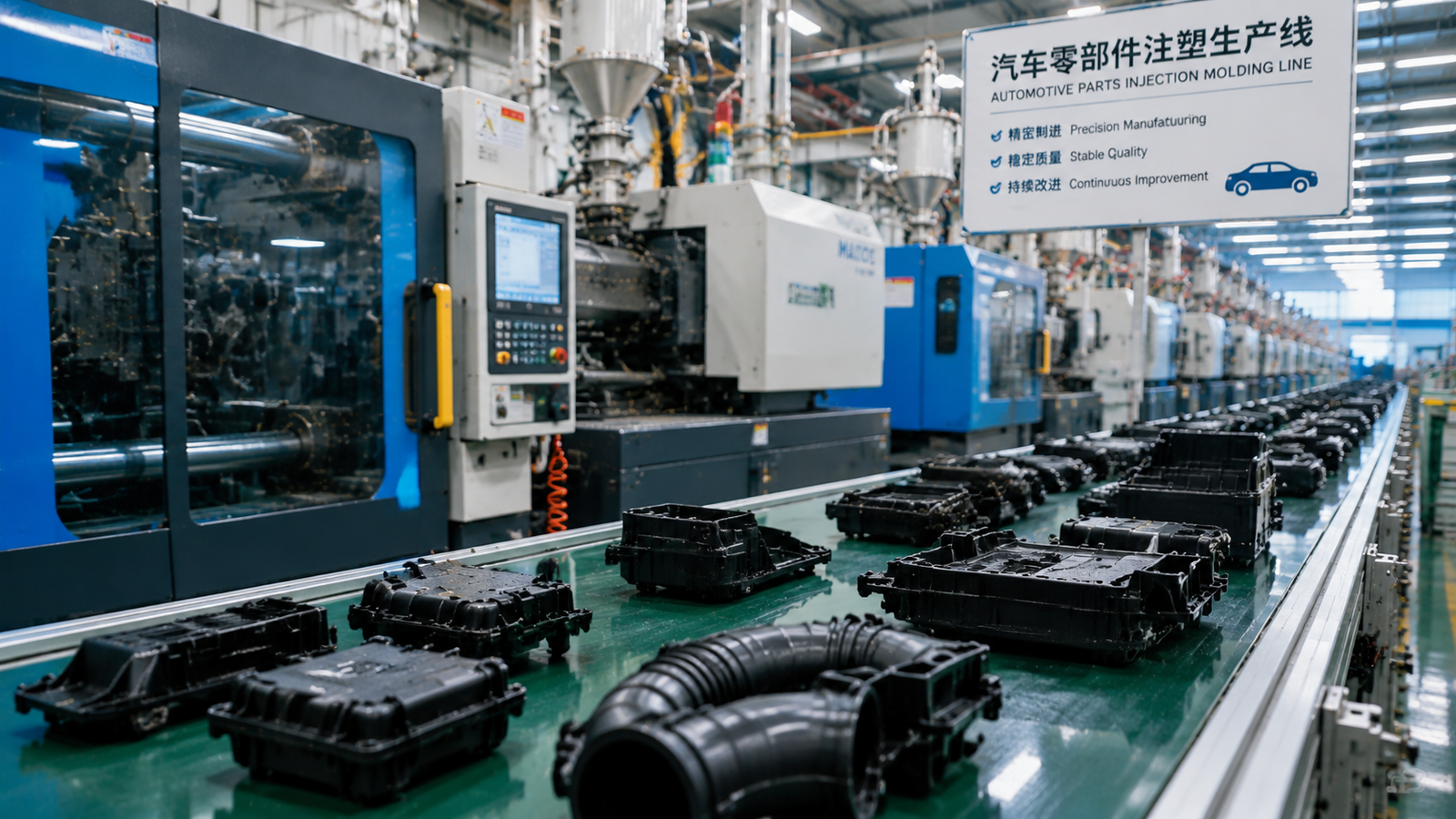
Introduction
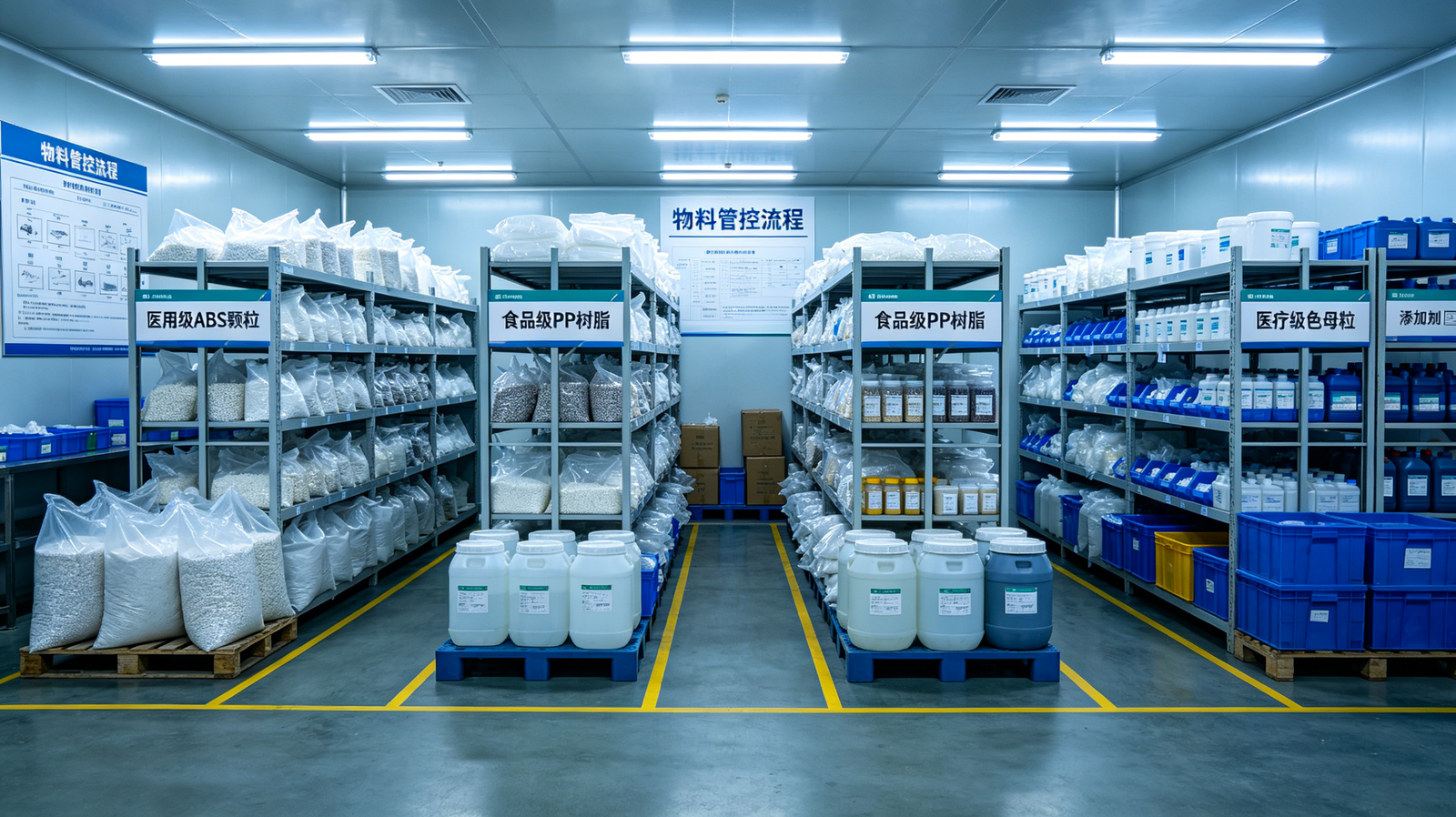
Agricultural equipment increasingly relies on plastic components that can maintain smooth movement, reduce energy loss, and withstand long-term outdoor operating conditions. Parts such as gears, bushings, sliding guides, seals, and mechanical connectors require carefully selected materials to minimize friction and improve service life. When unsuitable plastics are selected, agricultural systems may experience increased wear, higher maintenance frequency, and unexpected downtime.Choosing the right low-friction plastic material is not only a material decision but also a reliability strategy for agricultural equipment manufacturers. Xiamen RuiCheng provides customized injection molding solutions by combining material engineering, structural optimization, and manufacturing experience to help customers develop durable agricultural components.
For engineers and purchasing teams, the challenge is not simply finding a plastic with a low coefficient of friction. The selected material must also balance wear resistance, impact strength, environmental stability, dimensional accuracy, and production feasibility. Different agricultural applications require different material solutions.A professional material selection process helps customers avoid premature failures and achieve stable performance during mass production.
Which Plastic Materials Are Most Suitable for Low-Friction Agricultural Components?
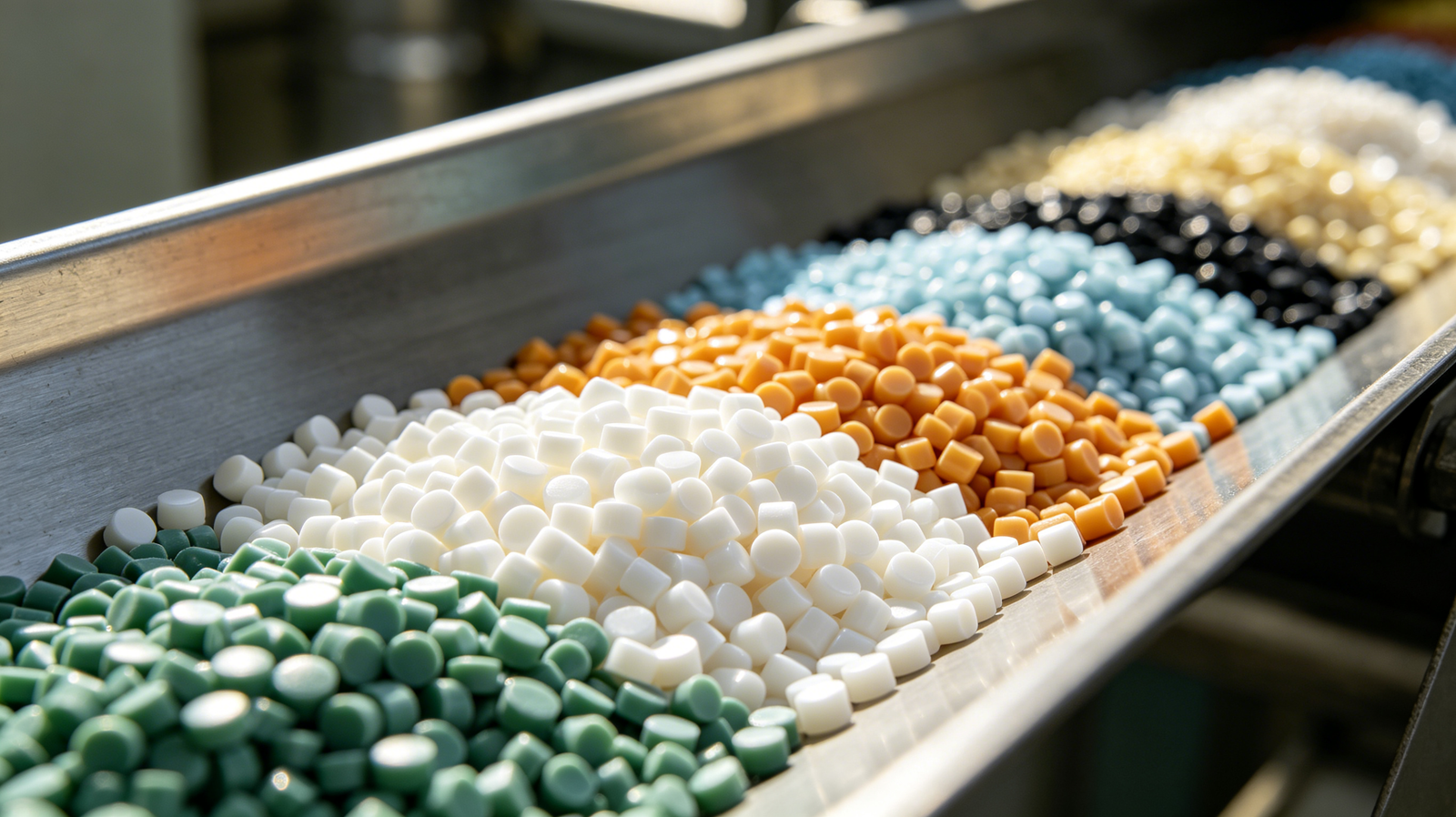
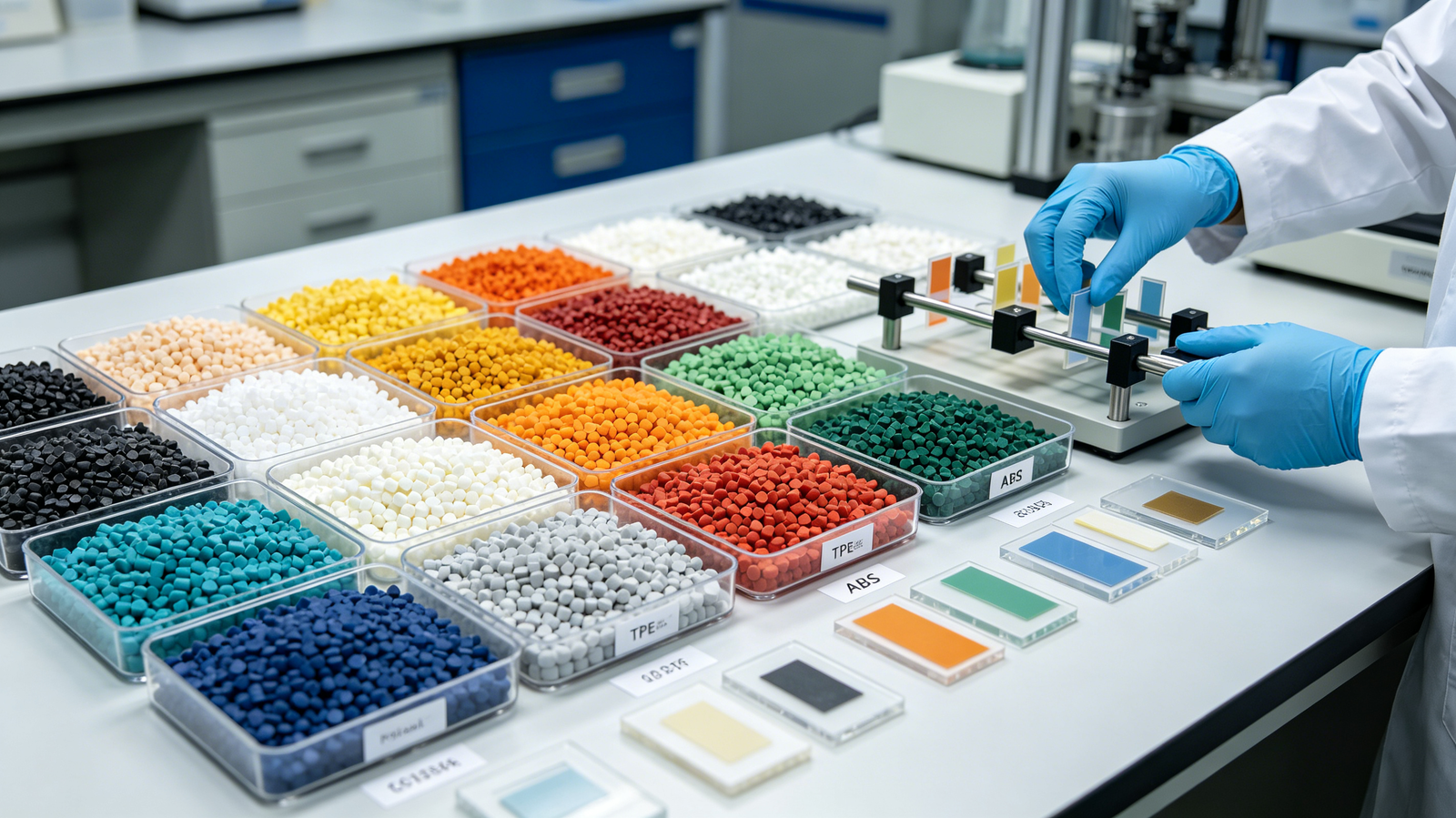
Selecting plastic materials for low-friction agricultural components requires evaluating friction behavior, wear resistance, operating environment, and manufacturing requirements. Common engineering plastics such as POM material , PA nylon , and UHMW-PE are frequently used because they provide excellent sliding performance and reduced mechanical resistance. However, each material has different advantages depending on load conditions, temperature range, and moisture exposure. The best low-friction material is determined by the actual working environment rather than friction coefficient alone. At Xiamen RuiCheng, we analyze application requirements before recommending materials for agricultural components.
POM for Precision Sliding Parts: POM provides low friction, excellent dimensional stability, and good wear resistance for gears, bushings, and moving components.
UHMW-PE for High Wear Applications: UHMW-PE offers outstanding abrasion resistance and is suitable for components exposed to continuous sliding contact.
PA Nylon for Heavy Loads: Nylon materials provide strong mechanical performance and can handle higher loads in demanding agricultural systems.
Modified Engineering Plastics: Filled materials with additives such as PTFE or glass fiber can further improve friction performance and durability.
🌱 Low-friction agricultural components require a balanced material solution that considers friction, wear, strength, and environmental conditions together.
How Does the Agricultural Operating Environment Affect Plastic Material Selection?

Agricultural components operate in challenging environments involving moisture, dust, fertilizers, chemicals, and temperature fluctuations. A plastic material that performs well in laboratory testing may fail when exposed to outdoor conditions for extended periods. Factors such as water absorption, UV exposure, chemical resistance, and temperature stability directly influence component lifespan. Material selection must consider the complete agricultural operating environment instead of focusing only on laboratory friction data. Xiamen RuiCheng helps customers evaluate application conditions and select suitable plastic materials for long-term reliability.
Moisture Resistance: Materials with low water absorption maintain better dimensional stability in irrigation and outdoor applications.
Chemical Compatibility: Agricultural chemicals and fertilizers require plastics with strong chemical resistance.
Temperature Stability: Components exposed to seasonal temperature changes require materials with stable mechanical properties.
UV Resistance: Outdoor agricultural equipment may require UV-resistant additives to prevent degradation.
🌱 The best plastic material depends on how the component performs under real agricultural conditions, not only its basic mechanical properties.
How Can Plastic Material Choice Reduce Agricultural Component Wear?

Wear is one of the most common failure causes in agricultural mechanical components. When plastic parts operate under repeated sliding or rotational movement, material selection directly affects maintenance cycles and equipment reliability. Low-friction materials reduce surface contact resistance, minimize heat generation, and extend component service life. Selecting the correct plastic material can significantly reduce replacement frequency and improve total equipment efficiency. Xiamen RuiCheng evaluates friction requirements, load conditions, and production volume to develop optimized injection molded solutions.
Friction Performance: Low-friction polymers reduce resistance between moving surfaces and improve mechanical efficiency.
Wear Resistance: Durable materials maintain dimensional accuracy after repeated operation.
Self-Lubricating Properties: Certain engineering plastics provide internal lubrication characteristics without additional maintenance.
Component Design Compatibility: Material performance must match part geometry and injection molding requirements.
🌱 Reducing wear starts with selecting a material that matches the movement conditions and operating demands of the agricultural application.
Comparison of Plastic Materials for Low-Friction Agricultural Components
| Material | Friction Performance | Main Advantage | Typical Application |
|---|---|---|---|
| POM | Excellent | Low friction and dimensional stability | Gears, bushings, sliding parts |
| UHMW-PE | Excellent | High wear resistance | Wear plates, guides |
| PA Nylon | Good | High strength and load capacity | Mechanical components |
| PTFE Filled Plastic | Outstanding | Extreme friction reduction | Special sliding applications |
Selecting the right low-friction plastic requires balancing performance, cost, and production reliability. If you need professional material evaluation and injection molding support for agricultural components, Xiamen RuiCheng can help optimize your project. Please contact us for engineering consultation.
How Can Buyers Evaluate a Low-Friction Agricultural Component Supplier?
Choosing a low-friction plastic component supplier requires more than checking whether they can produce plastic parts. Agricultural equipment manufacturers need a partner who understands material behavior, injection molding processes, and long-term application requirements. A supplier without engineering support may provide low-cost parts but create hidden risks such as premature wear, inconsistent dimensions, and frequent replacements. The right manufacturing partner helps customers reduce technical uncertainty before mass production begins. Xiamen RuiCheng supports customers through material analysis, mold development, process optimization, and quality verification.
Material Engineering Capability: A qualified supplier should understand polymer characteristics and recommend materials based on application conditions.
Injection Molding Experience: Professional molding experience ensures that selected materials achieve stable performance during production.
Quality Control System: Reliable inspection processes help maintain consistent dimensions and mechanical performance.
Engineering Support Ability: Technical communication during development reduces design risks and unnecessary modifications.
🌱 Supplier selection should focus on engineering capability and production reliability rather than only comparing material prices.
How Does Xiamen RuiCheng Support Custom Low-Friction Agricultural Components?
Agricultural equipment manufacturers often require customized plastic components because different applications involve unique loads, speeds, environments, and service requirements. Standard materials may not always provide the best balance between friction reduction, strength, and cost. Xiamen RuiCheng works with customers from early design evaluation through mass production to develop suitable solutions. Customized injection molding allows agricultural component manufacturers to achieve better performance without unnecessary material costs.
1.Application Analysis: Xiamen RuiCheng evaluates operating conditions such as load, movement frequency, temperature, and chemical exposure.
2.Material Recommendation: Engineering teams compare different polymers and additives to identify the most suitable option.
3.Mold Development: Mold structures are optimized to ensure stable filling, accurate dimensions, and consistent quality.
4.Mass Production Control: Production monitoring and inspection procedures maintain long-term product reliability.
Frequently Asked Questions
Question 1: What are the key advantages of your low-friction agricultural plastic components?
Answer: Xiamen RuiCheng develops low-friction agricultural plastic components based on application requirements, including friction performance, wear resistance, dimensional stability, and environmental durability. Material selection, injection molding control, and inspection procedures are combined to ensure reliable performance during long-term operation.
Question 2: What information should we provide when requesting a quote for agricultural plastic components?
Answer: Customers should provide product drawings, application conditions, expected loads, movement requirements, operating environment, material preferences, and estimated order quantities. Xiamen RuiCheng engineers review these details to recommend suitable materials, manufacturing methods, and production solutions.
Question 3: How do you select the right plastic material for low-friction applications?
Answer: Material selection depends on several factors, including friction requirements, wear conditions, temperature range, moisture exposure, chemical contact, and mechanical load. Xiamen RuiCheng compares materials such as POM, UHMW-PE, PA Nylon, and modified engineering plastics to identify the most suitable solution.
Question 4: How do you ensure consistent quality during mass production?
Answer: Xiamen RuiCheng applies controlled injection molding processes, dimensional inspections, material verification, and production monitoring to maintain consistency. Quality records and process control methods help identify potential issues before they affect large-volume production.
Question 5: Can you customize agricultural plastic components based on special working conditions?
Answer: Yes. Xiamen RuiCheng provides customized solutions based on specific requirements such as high humidity environments, chemical exposure, heavy loads, continuous sliding movement, and outdoor applications. Customers can provide operating details, and our engineering team will evaluate suitable materials and structures.
Conclusion
Selecting the right plastic material for low-friction agricultural components requires a comprehensive understanding of application conditions, material performance, and manufacturing capability. Different polymers provide different advantages, and the best choice depends on balancing friction reduction, wear resistance, strength, environmental durability, and cost efficiency.For agricultural equipment manufacturers, working with an experienced injection molding supplier can significantly reduce development risks and improve long-term product reliability. A professional manufacturing partner does not simply provide plastic parts but helps customers build more reliable agricultural equipment solutions.Xiamen RuiCheng combines material expertise, injection molding experience, and engineering support to deliver customized low-friction plastic components for agricultural applications. Through optimized material selection and controlled manufacturing processes, we help customers improve equipment performance and reduce maintenance requirements.
For expert assistance in implementing low-friction agricultural component production needs, visit our resource center or contact us. Let’s help you scale up your manufacturing with precision and efficiency!