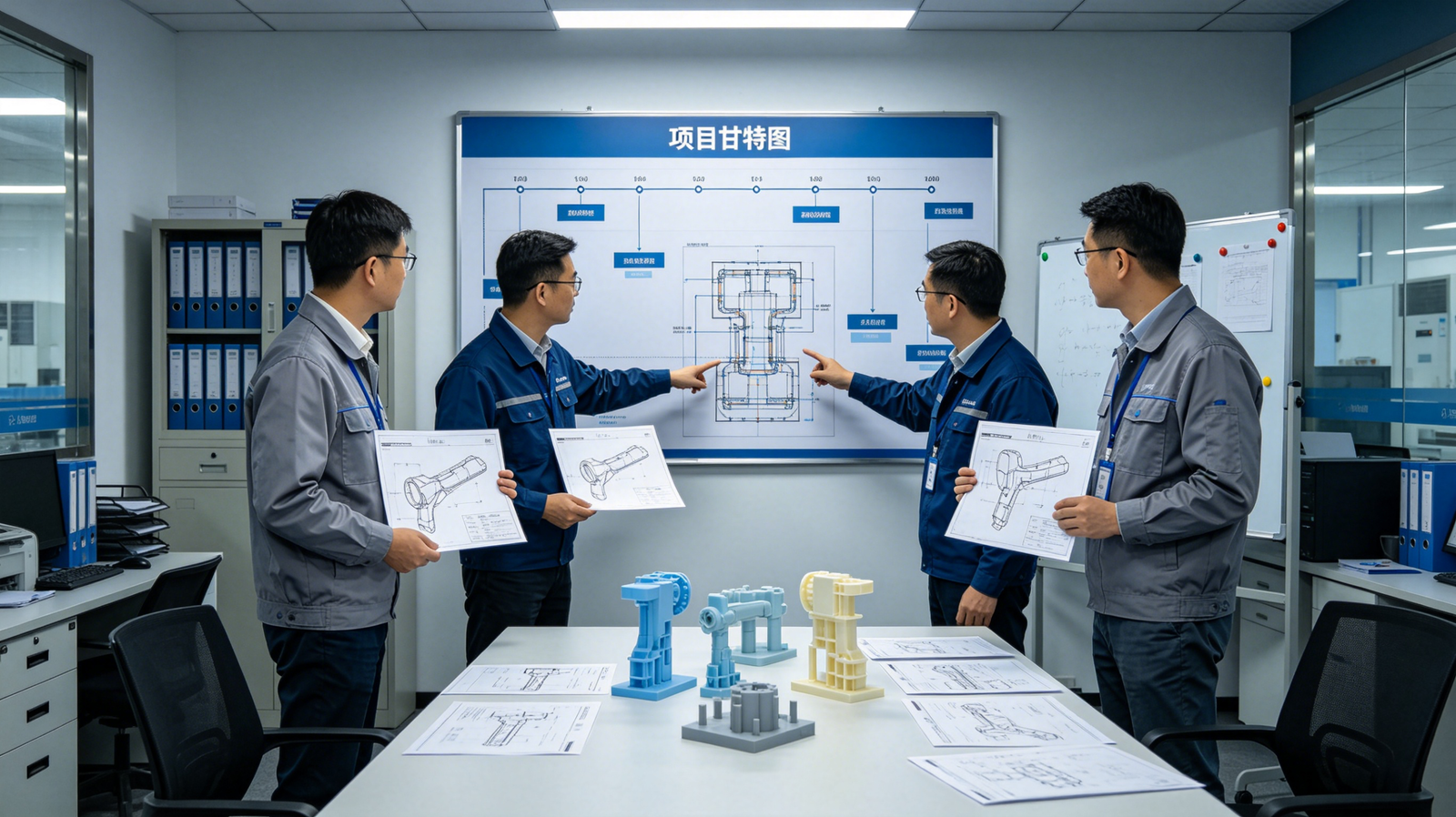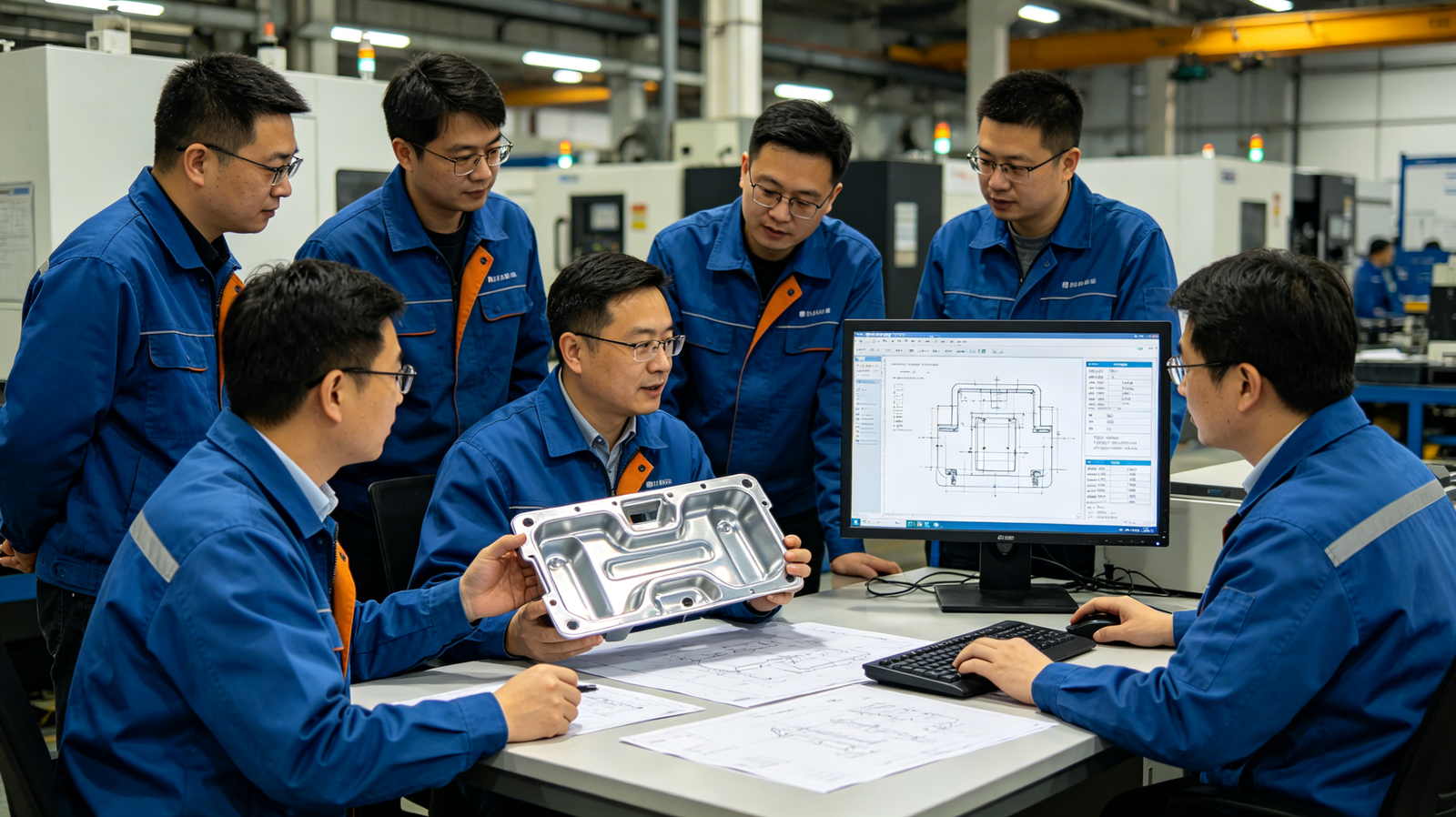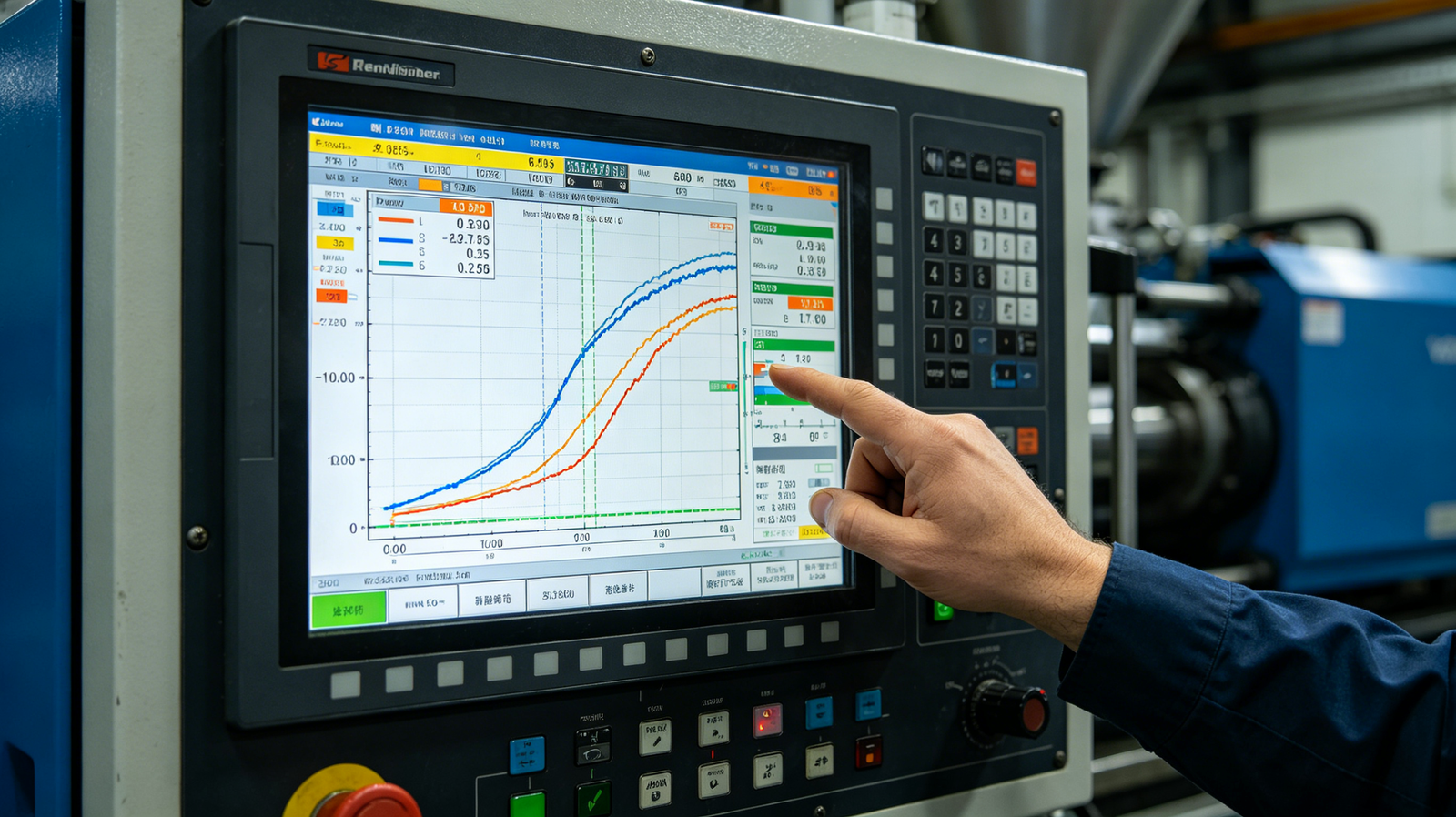

When a German agricultural machinery OEM approached us with a recurring problem, their story sounded familiar to many equipment manufacturers worldwide: a critical plastic component kept cracking during the harvest season. The part — a 280x180x65 mm sensor housing with 2.5 mm wall thickness — had been running for three years with an Asian supplier. Then the failures started, initially at 2%, escalating to over 7% within a single season. At the peak, the OEM was replacing nearly one failed unit per day.
This case study details how we diagnosed the root cause through systematic investigation, redesigned the part, upgraded the material, and optimized the process. The solution achieved zero field failures over two harvest cycles — a 100% reduction saving $180,000 annually.
The Challenge: Intermittent Cracking Under Field Load

The sensor housing sat on the harvester chassis in one of the most demanding environments for plastic components. During a 12-week harvest season running 12-16 hours daily, the part was exposed to:
- Continuous vibration. The engine generated vibration at 15-80 Hz with 5-8 G peak acceleration — approximately 500 million vibration cycles per season.
- Temperature cycling. Daily -5°C to 65°C swings (70°C differential).
- Impact loads. Field debris generated impulse forces up to 200 N.
- Chemical exposure. Diesel fumes, hydraulic fluid, and agricultural chemicals.
The original part was molded in standard PA66+GF30 (30% glass fiber reinforced nylon 66). The supplier had selected a general-purpose grade that met the material specification on paper — ISO 527 tensile strength of 170 MPa and flexural modulus of 8,500 MPa. But these are dry-as-molded values at 23°C.
Three-Phase Investigation
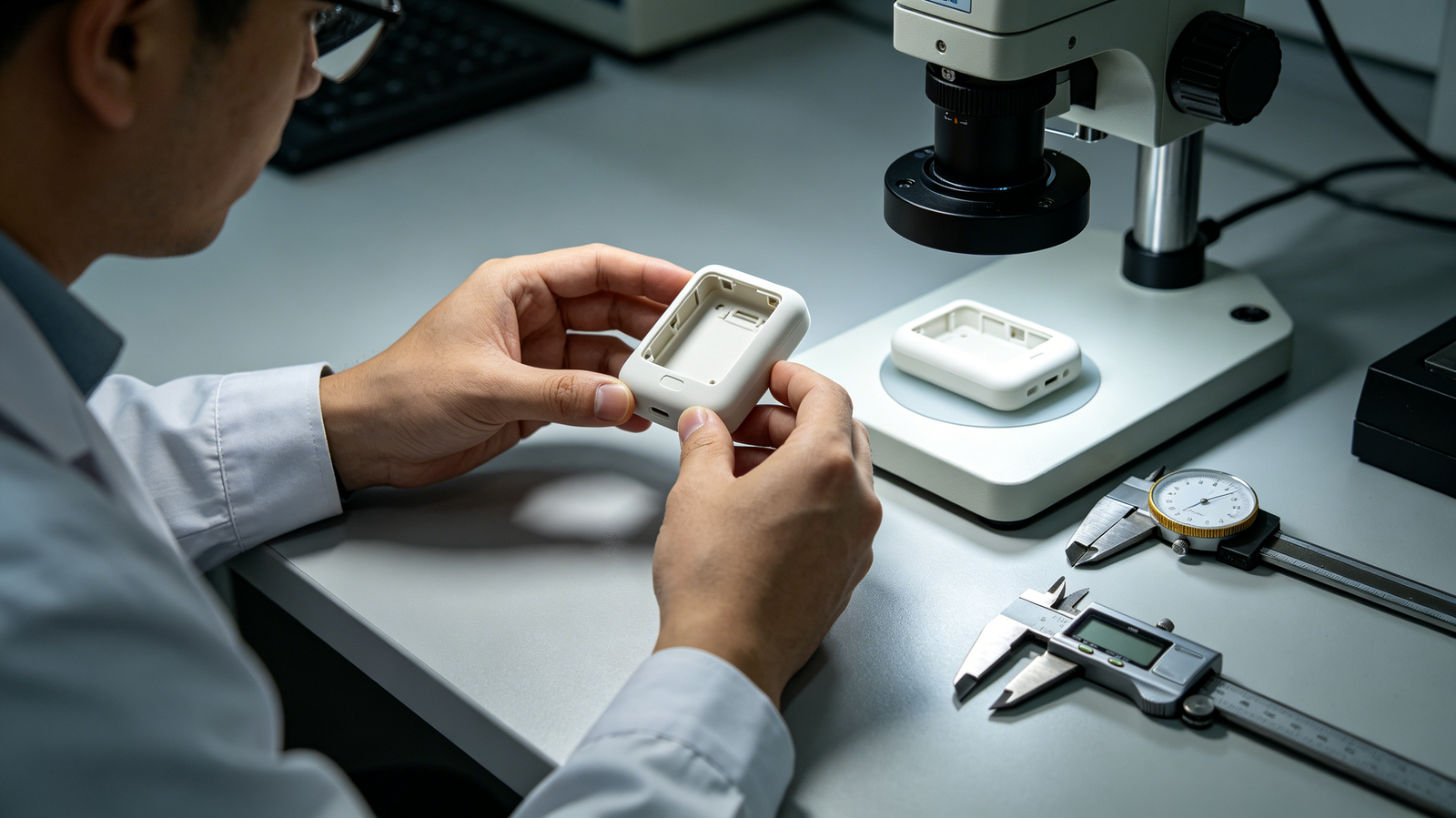
Phase 1: Fracture Surface Analysis
SEM of 15 failed parts showed beach marks and fatigue striations — classic evidence of fatigue failure. Crack initiation at an R0.48 mm corner. EDX confirmed no contamination.
Phase 2: FEA Simulation
We conducted coupled mold flow and structural FEA using Moldflow and Abaqus:
| Finding | Measured | Acceptable | Severity |
|---|---|---|---|
| Peak stress at corner | 178 MPa | ≤ 120 MPa | Critical |
| Weld line strength | 62% of bulk | ≥ 75% | Major |
| Sink mark depth | 0.12 mm | ≤ 0.05 mm | Moderate |
| Predicted fatigue life | 2.1M cycles | ≥ 10M cycles | Critical |
Stress was 85% of yield. At 60-80°C where modulus drops 15-20%, ratio approached 95%.
Phase 3: Material Re-Evaluation
At 50% RH, PA66+GF30 absorbed 2.8% moisture:
| Property | Dry | Conditioned | Loss |
|---|---|---|---|
| Tensile strength | 170 MPa | 110 MPa | -35% |
| Notched Izod impact | 85 J/m | 49 J/m | -42% |
| Flexural modulus | 8,500 MPa | 5,800 MPa | -31% |
Field properties were 60% of dry-as-molded values, far below the NIST reference data for this material class.
The Solution: Design x Material x Process
Design Modifications
- Corner radius R0.5 to R2.5 mm — stress reduced 39% (178 to 108 MPa)
- Gate repositioned, 1.5 mm rib added
Material Upgrade
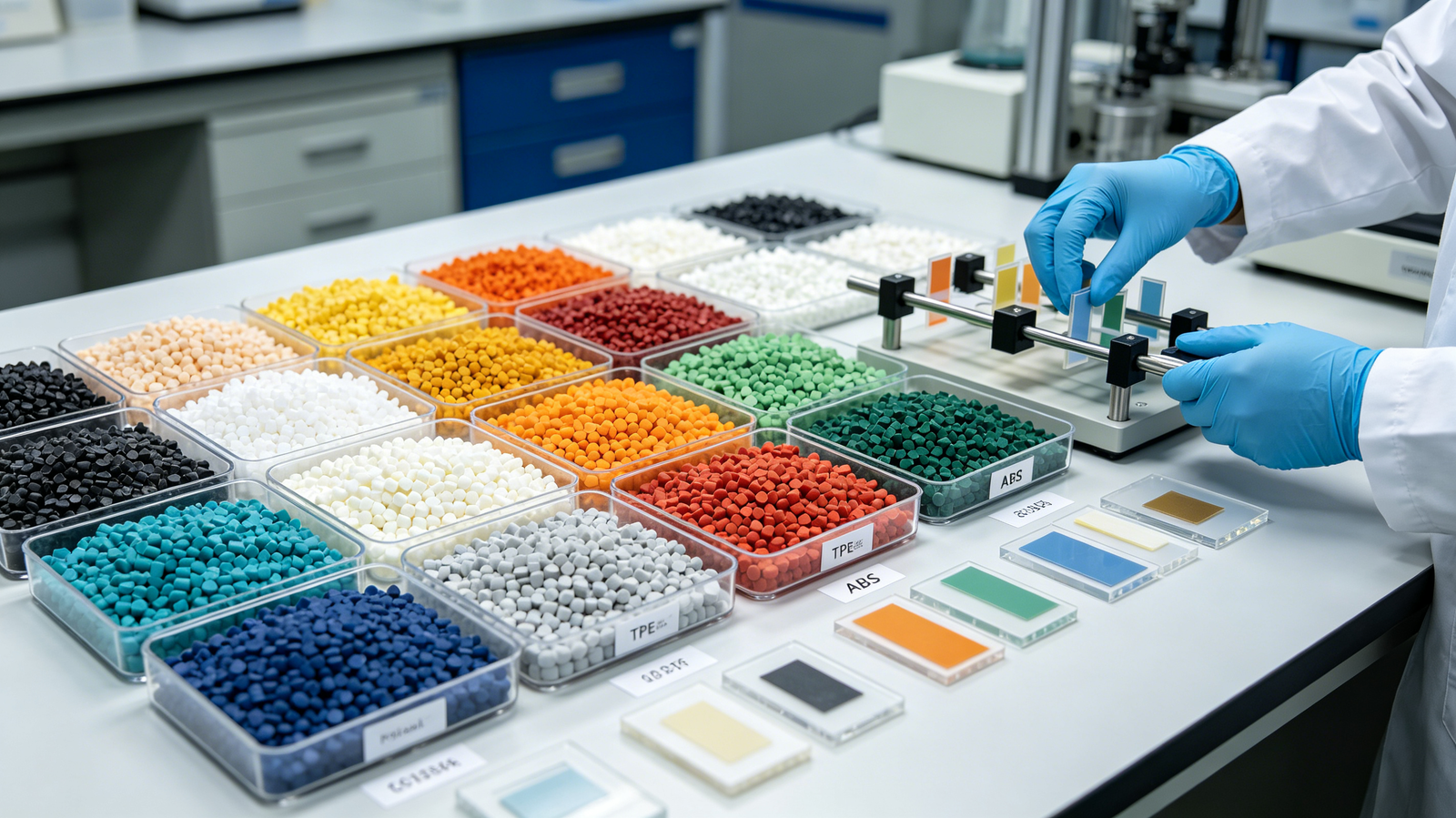
Switched to PA66+GF35 meeting IATF 16949 automotive quality standards:
| Property | Original | Upgraded | Gain |
|---|---|---|---|
| Tensile (conditioned) | 110 MPa | 145 MPa | +32% |
| Impact (conditioned) | 49 J/m | 80 J/m | +63% |
| Moisture absorption | 2.8% | 1.9% | -32% |
Cost: $0.12/part. At 7.2% failure rate, ROI was infinite.
Process Optimization
We conducted a full DOE based on Society of Plastics Engineers best practices:
| Parameter | Original | Optimized | Gain |
|---|---|---|---|
| Mold temperature | 80°C | 110°C | +25% impact |
| Injection speed | 45 cm³/s | 65 cm³/s | +18% weld line |
| Packing pressure | 60 MPa | 85 MPa | -70% sink marks |
| Post-mold conditioning | None | 4h at 120°C | Stable dimensions |
Validation Results
| Metric | Before | After | Improvement |
|---|---|---|---|
| Field failure rate | 7.2% (36/500) | 0% (0/1,000) | 100% |
| Cpk | 0.8 | 1.4 | +75% |
| Assembly rejection | 3.5% | 0.2% | -94% |
| First-pass yield | 89% | 97% | +9% |
Two harvest seasons: zero failures. Customer awarded four more programs.
Key Takeaways
- Datasheet values are not guarantees. Real-world can be 40-50% lower. Always reference ISO 9001 quality management principles.
- Cheapest quote is rarely cheapest long-term. A $0.12 upgrade eliminated a 7.2% failure rate.
- Early DFM prevents expensive problems. A 20-minute FEA review saves $8,000-15,000.
- Systems approach is essential. Design x Material x Process — all three required.
Conclusion
This case study demonstrates how a systematic engineering approach — combining fracture analysis, FEA simulation, and material re-evaluation — can transform a failing plastic component into a reliable production part. By addressing design geometry, material selection, and process parameters simultaneously, we eliminated a 7.2% field failure rate and delivered zero defects over two full harvest seasons.
Selecting the right injection molding partner is about more than just unit price — it is about engineering capability, quality systems, and manufacturing experience that directly impact your product reliability in the field.
With extensive experience in injection molding, material science, and project management, PlasticXperts provides comprehensive component manufacturing support for agricultural and industrial equipment manufacturers. Contact our engineering team today for a free DFM review and FEA assessment.