Introduction
The surface finish of injection molded parts affects more than product appearance. It directly influences friction performance, impact resistance, environmental durability, and long-term structural reliability during actual operation. Many engineering teams focus on dimensional accuracy and material selection during product development but underestimate the impact of mold texture, surface roughness, and demolding conditions.Proper surface finish control can significantly reduce the risk of plastic part failure during long-term use. For automotive components, medical housings, industrial equipment parts, and consumer electronics products, surface quality has become a critical factor affecting product reliability.
At Xiamen RuiCheng, we have found through years of injection molding experience that stable surface performance is not achieved by a single manufacturing step. It requires the combination of material selection, mold design, molding parameters, and quality control systems.A reliable injection molding supplier should evaluate surface finish from the entire product lifecycle instead of only focusing on prototype appearance.
How Does Injection Molding Surface Finish Affect Plastic Part Durability?
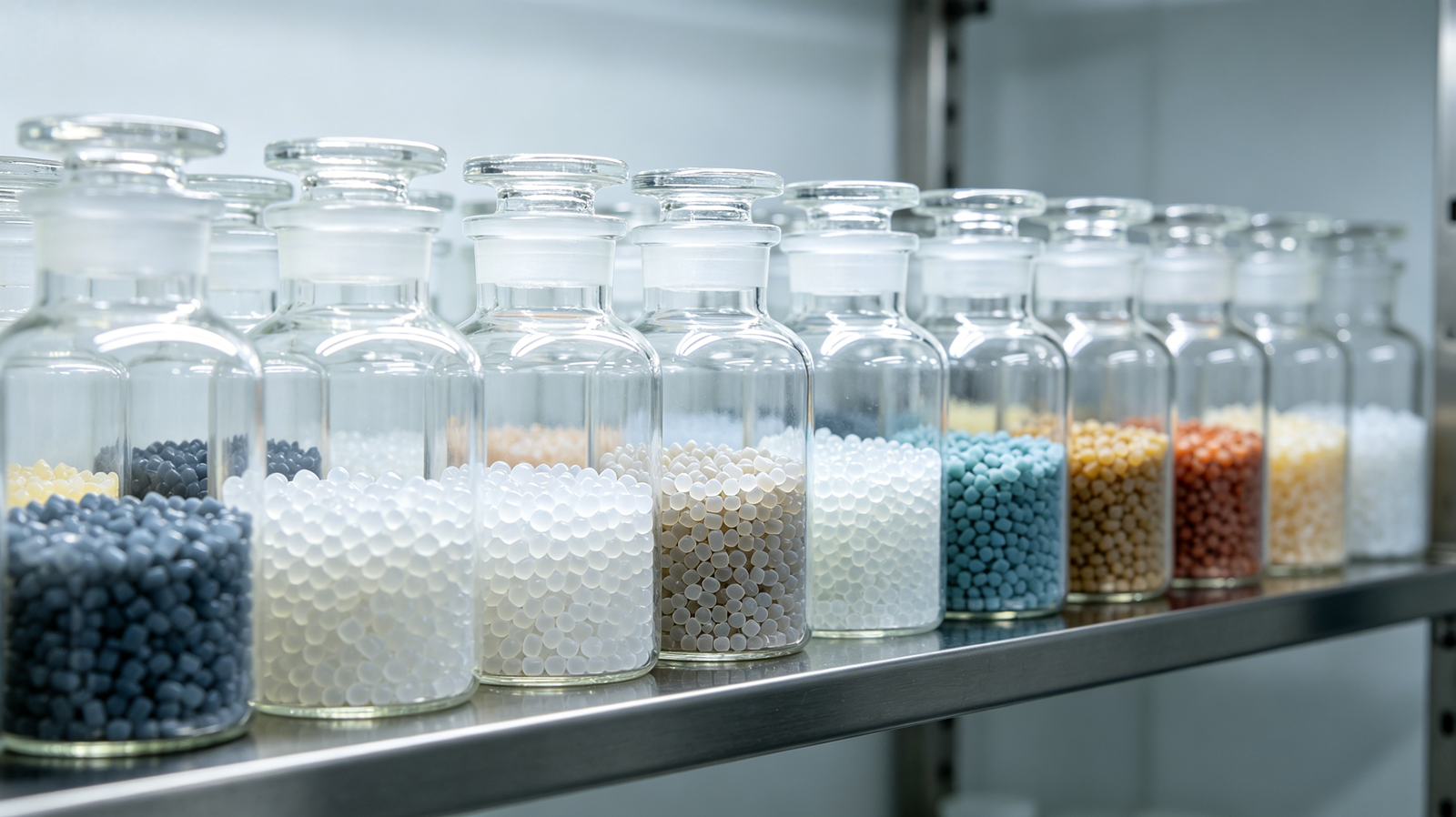
Plastic parts are exposed to friction, pressure, temperature changes, and chemical environments during real-world applications. The surface condition created during injection molding directly affects how well a part can resist these factors. Different surface roughness, mold textures, and processing conditions can lead to different levels of wear, cracking, or fatigue failure. Surface finish quality determines the difference between a plastic part that passes production inspection and one that remains reliable throughout its service life. Xiamen RuiCheng integrates surface requirements into early injection molding process analysis to help customers identify potential risks before mass production.
Friction Performance:Surface texture changes the contact condition between components and can either reduce or increase friction during continuous operation.
Wear Resistance:Surface defects may become stress concentration points, increasing the possibility of fatigue damage under repeated loading conditions.
Environmental Resistance:Temperature, humidity, and chemical exposure can accelerate aging through surface areas, making surface stability essential.
Manufacturing Consistency:Surface variation between production batches can affect product performance, requiring strict mold maintenance and process monitoring.
🔍 Surface finish is not only about appearance; it is a key factor determining whether plastic parts can operate reliably over time.
How Do Different Surface Finishing Methods Change Plastic Part Performance?
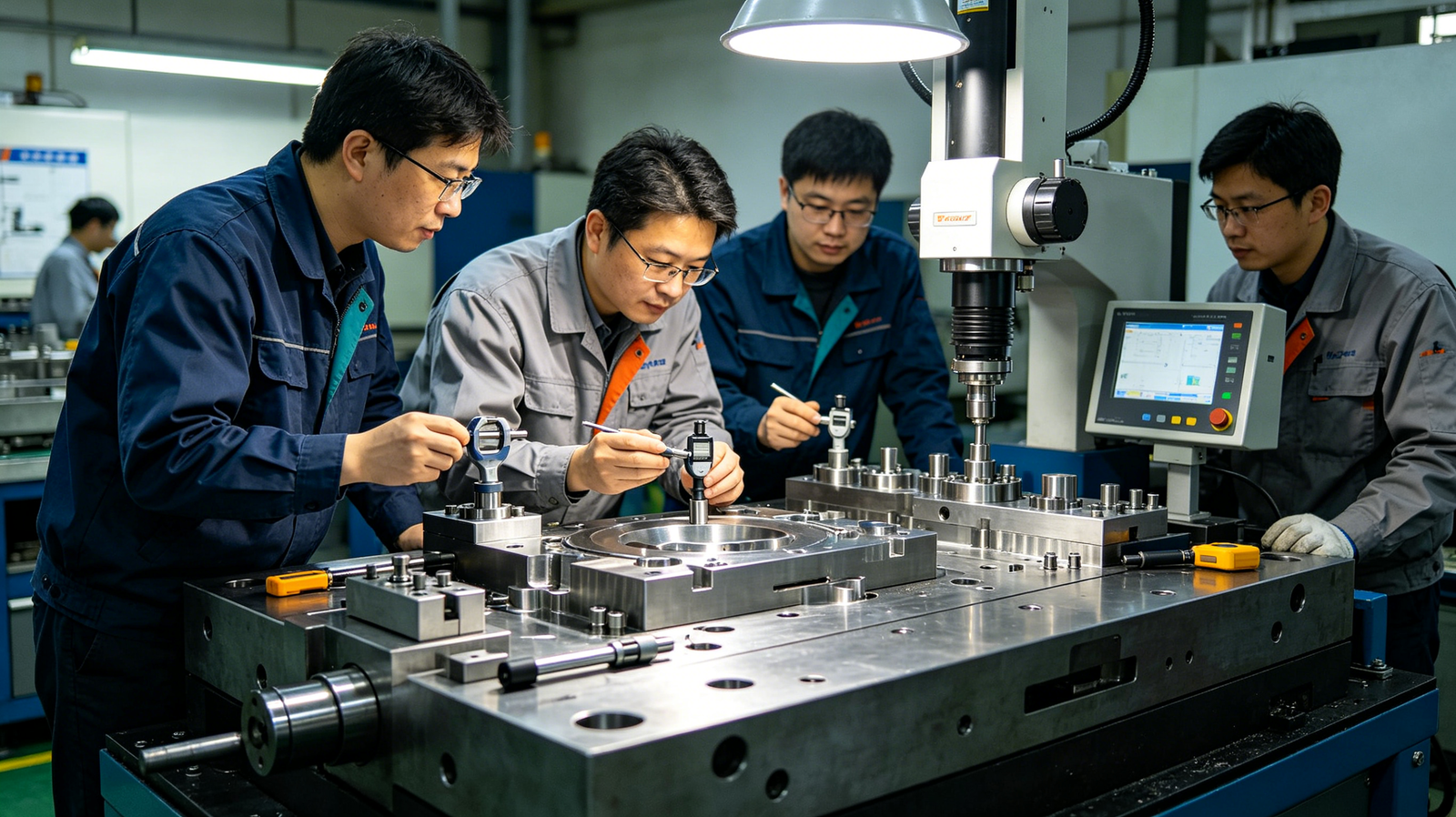
Different applications require different surface performance levels. Automotive interior components usually require scratch resistance, medical housings require easy cleaning characteristics, and industrial parts require long-term mechanical stability. Selecting the right combination of plastic materials and surface finishing methods is essential for achieving the expected service life. An incorrect surface finish selection may cause unexpected performance degradation after mass production begins.
Textured Surface:Mold textures can improve appearance and hide minor scratches, but excessive texture depth may increase cleaning difficulties.
High Gloss Surface:High gloss injection molding improves premium appearance but requires higher mold precision and cleaner production conditions.
Etched Texture:Etched surfaces provide consistent tactile performance, but texture depth must be controlled to avoid affecting structural strength.
Special Coatings:Some applications require additional surface protection, such as wear resistance, corrosion resistance, or UV protection.
⚙️ The correct surface finishing method should match the product function rather than simply improving visual appearance.
Why Do Injection Molded Parts Perform Well During Sampling but Fail in Mass Production?
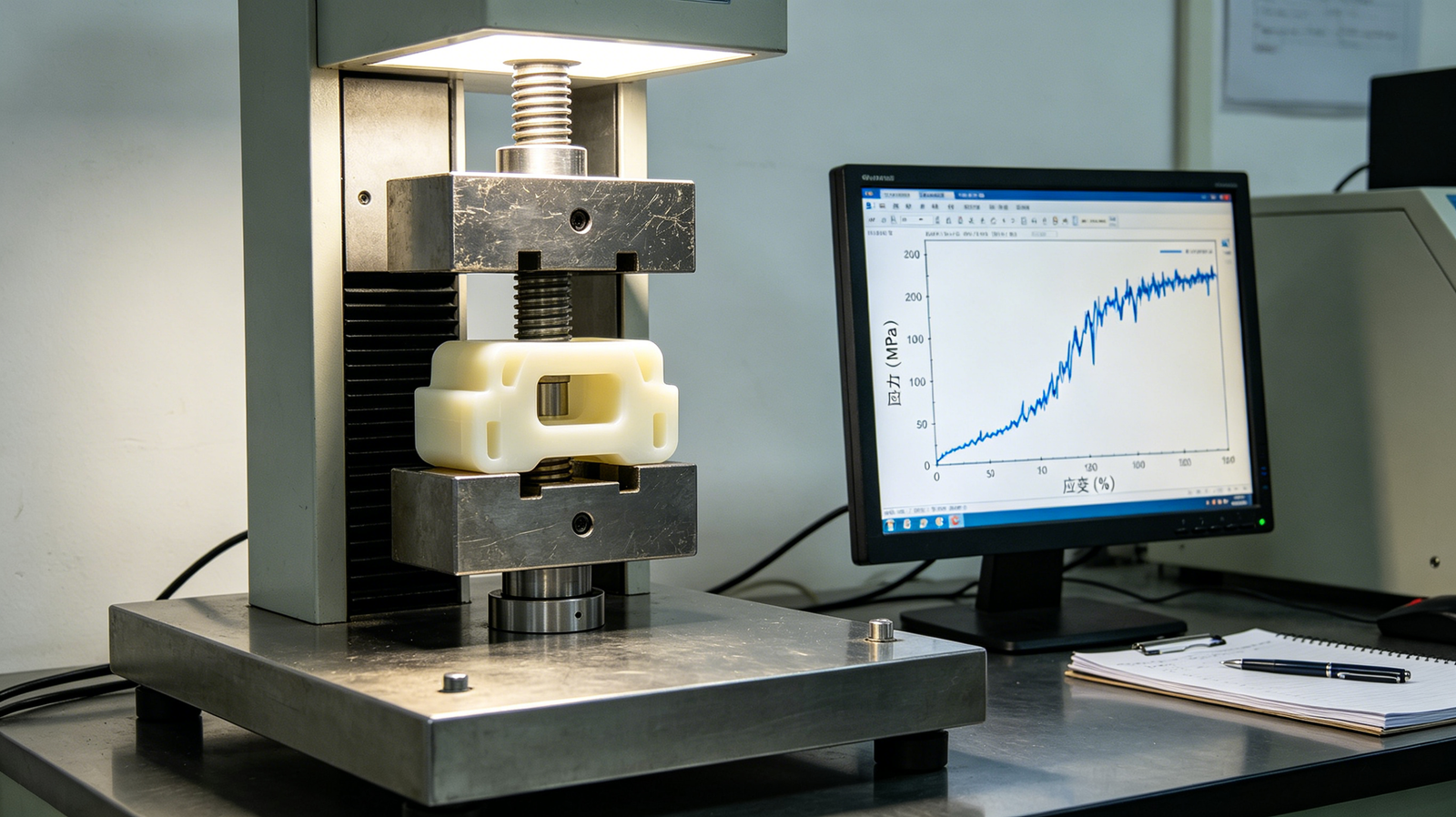
Many customers experience similar issues during product development: prototype samples achieve excellent surface quality, but production parts later show problems such as gloss variation, scratches, or reduced wear resistance. These issues are usually related to mold conditions, process fluctuations, and insufficient production control. Stable surface quality depends on a complete manufacturing system rather than a one-time adjustment. Xiamen RuiCheng uses SPC monitoring and mold maintenance practices to reduce uncertainty during large-scale production.
Mold Condition:Continuous production can gradually wear mold surfaces, causing changes in texture replication and surface gloss.
Process Variation:Changes in temperature, injection pressure, and cooling time can influence how accurately plastic materials reproduce mold surfaces.
Material Consistency:Different material batches may create variations in surface appearance and durability performance.
Inspection System:Appearance inspection, dimensional measurement, and reliability testing help identify potential issues before delivery.
📌 Mass production control capability is one of the most important indicators when evaluating an injection molding supplier.
Comparison of Injection Molding Surface Requirements and Durability Performance
| Surface Type | Main Benefit | Common Application | Durability Concern |
|---|---|---|---|
| Smooth Surface | Premium appearance | Electronics housing | Scratch visibility |
| Fine Texture | Hides defects | Automotive interior | Cleaning performance |
| Deep Texture | Better grip | Industrial equipment | Structural impact |
| Special Treatment | Enhanced performance | Advanced products | Cost control |
If your product requires both premium appearance and long-term durability, Xiamen RuiCheng can provide engineering-based injection molding solutions based on material selection, structure design, and operating conditions. Please contact us to discuss your project requirements with our engineering team.
How to Select an Injection Molding Supplier That Ensures Surface Durability?
Choosing an injection molding supplier requires more than reviewing sample appearance. Customers should evaluate whether the supplier has the capability to maintain stable quality through mold manufacturing, material management, production control, and inspection processes. A truly reliable manufacturing partner should identify the root causes of surface problems and provide engineering solutions.
1.Evaluate Engineering Capability:Xiamen RuiCheng performs DFM analysis during the early development stage to identify potential surface risks, including texture design, draft direction, and material compatibility.
2.Confirm Quality Management System:A complete quality control process ensures consistency between production batches and reduces performance variation after mass production.
3.Review Testing Capability:Wear testing, environmental testing, and dimensional inspection help verify whether the surface finish meets actual application requirements.
4.Build Long-Term Cooperation:A strong supplier does not only provide manufacturing services but also participates in product optimization and improves overall development efficiency.
Injection Molding Surface Finish FAQ
Question 1: What are the key standards for your injection molding surface quality control?
Answer: Xiamen RuiCheng establishes surface quality standards according to product application requirements, including appearance specifications, texture consistency, dimensional stability, and reliability validation. Mold maintenance and production inspection systems are used to ensure consistent quality during mass production.
Question 2: What information should we provide to receive a fast injection molding quotation?
Answer: Customers should provide 3D drawings, 2D engineering drawings, material requirements, surface finish specifications, expected order quantities, and application conditions. Xiamen RuiCheng engineering teams evaluate product structure and manufacturing feasibility based on these details.
Question 3: How do you manage delivery schedules for different order volumes?
Answer: Prototype production, small-batch manufacturing, and large-scale production projects require different scheduling strategies. Xiamen RuiCheng develops delivery plans based on mold complexity, production capacity, and project requirements.
Question 4: How do you handle plastic parts with unacceptable surface quality after delivery?
Answer: Xiamen RuiCheng analyzes quality issues through a systematic review process, including material evaluation, mold inspection, and process analysis, then provides corrective solutions to prevent recurrence.
Question 5: Can you customize surface finishing solutions for special applications?
Answer: Yes. Xiamen RuiCheng supports customized solutions involving material selection, mold texture design, surface appearance, and manufacturing processes. Customers only need to provide specific application conditions and performance requirements.
Conclusion
Injection molding surface finish is a critical factor affecting plastic part reliability, connecting product appearance, mechanical performance, and service life. When selecting a manufacturing partner, companies should evaluate engineering capability and production stability rather than only judging prototype samples.Consistent surface quality comes from a complete manufacturing system, not from a single processing step. Xiamen RuiCheng combines material analysis, mold optimization, and production management to provide reliable injection molding solutions for global customers.
For expert assistance in implementing injection molding surface finish solutions for your production needs, visit our resource center or contact us. Let’s help you scale up your manufacturing with precision and efficiency!