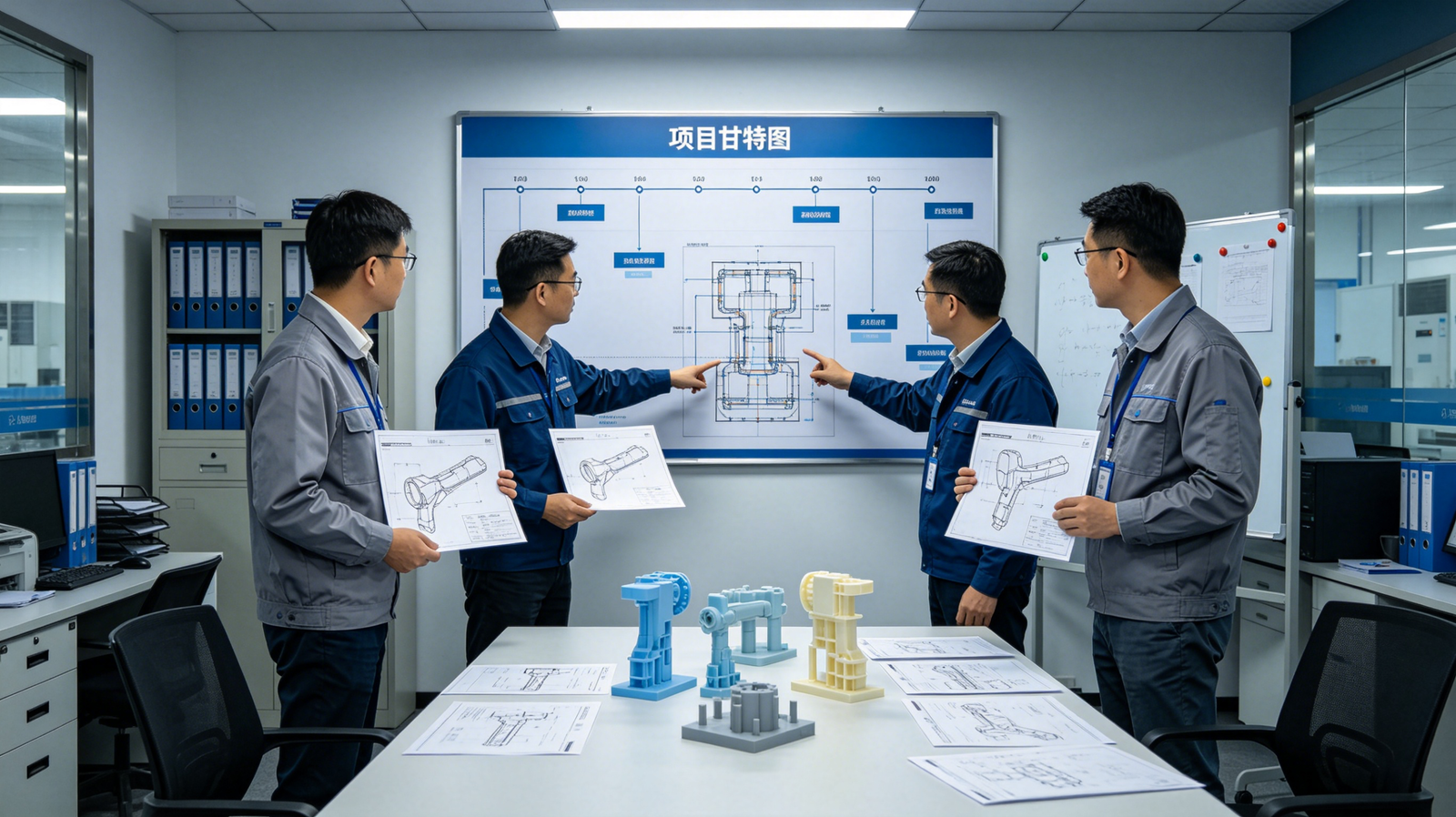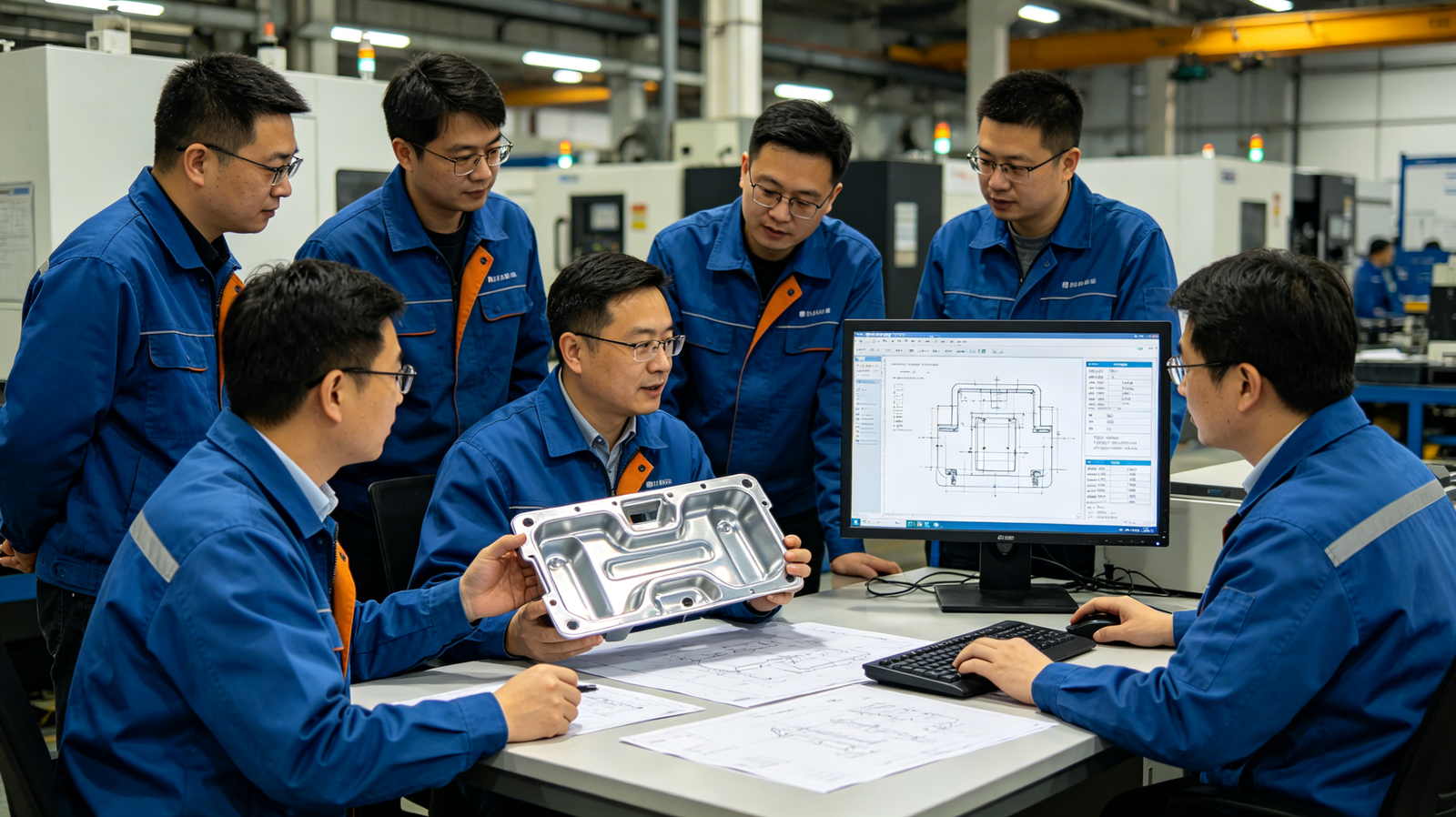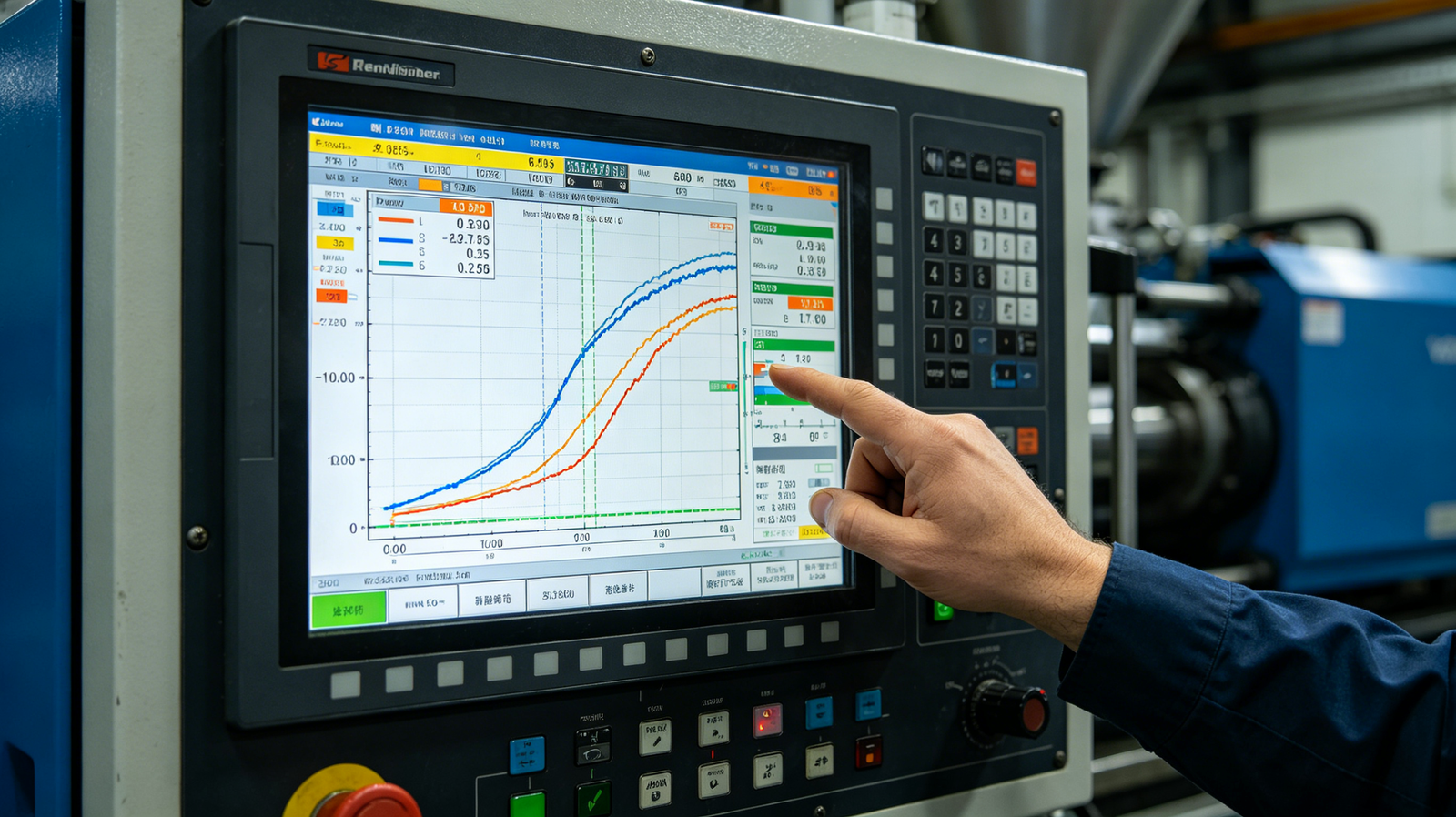
Introduction

During the development of plastic injection molded parts, material thickness not only affects structural strength and appearance performance but also directly influences UL94 flame testing results. Under different thickness conditions, material combustion speed, melt dripping behavior, and self-extinguishing capability may vary significantly. Proper material thickness control is a critical factor in improving flame retardant reliability.
In automotive electronics, industrial housings, and consumer electronics structural parts, UL94 ratings are often important indicators for evaluating supplier capabilities. Xiamen Ruicheng helps customers reduce certification risks through material validation, mold flow analysis, and process optimization during flame retardant injection molding projects. Flame performance is not determined by material alone, but by the combined influence of material, thickness, and molding process.
Why Does Material Thickness Affect UL94 Flame Performance?
Material thickness changes the heat transfer rate, melting behavior, and combustion duration during the burning process, meaning the same material may achieve different UL94 results at different thicknesses. In flame retardant injection molding projects, Xiamen Ruicheng analyzes the relationship between material thickness and combustion behavior through UL94 testing standards and injection molding process optimization. Thickness variation directly changes the safety window for passing flame resistance tests.
Heat Transfer Rate: Thicker structures generally have higher thermal capacity, which can slow down rapid temperature transmission during combustion.
Burning Duration Changes: Increased thickness may affect burning time and needs to be evaluated together with the flame retardant system.
Melt Dripping Control: Different thicknesses can change molten material dripping behavior and influence V-level test results.
Design Safety Margin: Proper thickness design improves certification stability and production reliability.
📌 Material thickness is not simply a dimensional parameter, but a key engineering factor affecting UL94 flame performance.
How to Determine the Appropriate Material Thickness Based on UL94 Requirements?

Different UL94 ratings have different testing requirements related to material thickness. Engineers cannot determine flame performance only by material type; actual product thickness must also be considered for validation. Xiamen Ruicheng typically uses material data analysis and trial molding verification to help customers develop structures that meet UL94 V-0 rating requirements. Correct thickness matching prevents certification failures caused by insufficient design considerations.
Material Grade Confirmation: Suitable flame retardant materials must be selected according to the target UL94 rating.
Thickness Range Evaluation: Different materials show significant performance differences at different thickness levels.
Structural Area Analysis: Ribs, thin-wall sections, and local transitions may become potential flame performance risks.
Testing Validation Process: Sample testing is required to confirm the final production solution.
📌 UL94 certification is not achieved simply by selecting a higher-grade material; material and thickness must work together to meet requirements.
How Does Material Thickness Affect UL94 Certification Cost and Supply Risks?
Material thickness affects not only flame performance but also material consumption, mold design, and production costs. In real projects, Xiamen Ruicheng evaluates the overall impact of thickness adjustments through DFM analysis and manufacturing experience. Reducing certification risks requires balancing performance, cost, and manufacturing feasibility during the design stage.
Material Cost Impact: Increasing thickness may raise material consumption, requiring evaluation of overall cost benefits.
Mold Development Impact: Thickness changes may influence filling behavior, cooling performance, and shrinkage control.
Testing Cycle Impact: Certification failures increase additional sampling and testing time costs.
Supply Stability Impact: Experienced suppliers need strong material validation and mass production control capabilities.
📌 The goal of flame retardant design optimization is not adding more thickness, but finding the best balance point.
Material Thickness Impact on UL94 Performance Comparison
| Comparison Dimension | Thin Wall Structure | Medium Thickness | Thick Wall Structure | Influencing Factor |
|---|---|---|---|---|
| Thermal Stability | Lower | Balanced | Higher | Heat Capacity |
| Burning Speed | Faster | Medium | Slower | Material Structure |
| Molding Difficulty | Higher | Lower | Medium | Flow Performance |
| Cost Control | Better | Balanced | Higher | Material Consumption |
If you are developing injection molded parts requiring UL94 flame ratings, Xiamen Ruicheng can provide engineering evaluation based on material type, target thickness, and application environment. contact us to receive professional support.
How to Optimize Material Thickness Design to Improve UL94 Testing Pass Rate?
Material thickness design requires comprehensive consideration of flame requirements, structural strength, and manufacturing process limitations. During project development, Xiamen Ruicheng typically applies material evaluation, mold flow analysis, and trial molding validation to identify thickness-related risks in advance. Excellent thickness design can reduce certification failures and improve mass production stability.
1.Define Application Environment: Determine flame requirements based on temperature, electrical safety, and operating conditions.
2.Optimize Structural Design: Avoid local thin-wall areas that may negatively affect flame testing performance.
3.Validate Material Performance: Confirm suitable thickness ranges through testing data.
4.Control Production Consistency: Ensure stable flame performance across different production batches.
FAQ: Common Questions About Material Thickness and UL94 Flame Performance
Q1: What is the UL94 performance control standard for your flame retardant injection molded parts?
A: Xiamen Ruicheng evaluates customer UL94 requirements through material performance data, thickness design, and testing validation processes to ensure products meet real application requirements.
Q2: We plan to purchase flame retardant injection molded parts. What information is required to quickly receive a solution?
A: Customers typically need to provide product drawings, target flame rating, material requirements, operating environment, and expected production quantity. Xiamen Ruicheng can then evaluate suitable materials and manufacturing processes.
Q3: How are delivery schedules arranged for different order quantities of flame retardant injection molded parts?
A: Delivery schedules depend on mold status, product complexity, and order quantity. Small-batch validation and mass production projects follow different project management approaches.
Q4: How do you handle failed flame retardant testing results?
A: Xiamen Ruicheng identifies root causes through material review, structural analysis, process adjustment, and revalidation procedures, then develops corresponding improvement solutions.
Q5: Can you provide customized flame retardant material and optimization services?
A: Xiamen Ruicheng supports customized material selection, thickness optimization, mold design recommendations, and mass production process adjustments according to customer requirements.
Conclusion
Material thickness has a direct impact on UL94 flame performance. Proper thickness design can improve flame testing stability while reducing material waste and certification risks. In real injection molding projects, comprehensive evaluation of material system, product structure, and operating environment is essential. Successful flame retardant solutions come from engineering validation rather than selecting materials based only on specifications.Through a complete system of material analysis, injection molding process control, and quality validation, Xiamen Ruicheng provides reliable flame retardant injection molding solutions to help customers achieve stable production and certification compliance.
For expert assistance in implementing solutions for your production needs, visit our resource center or contact us. Let’s help you scale up your manufacturing with precision and efficiency!