Introduction

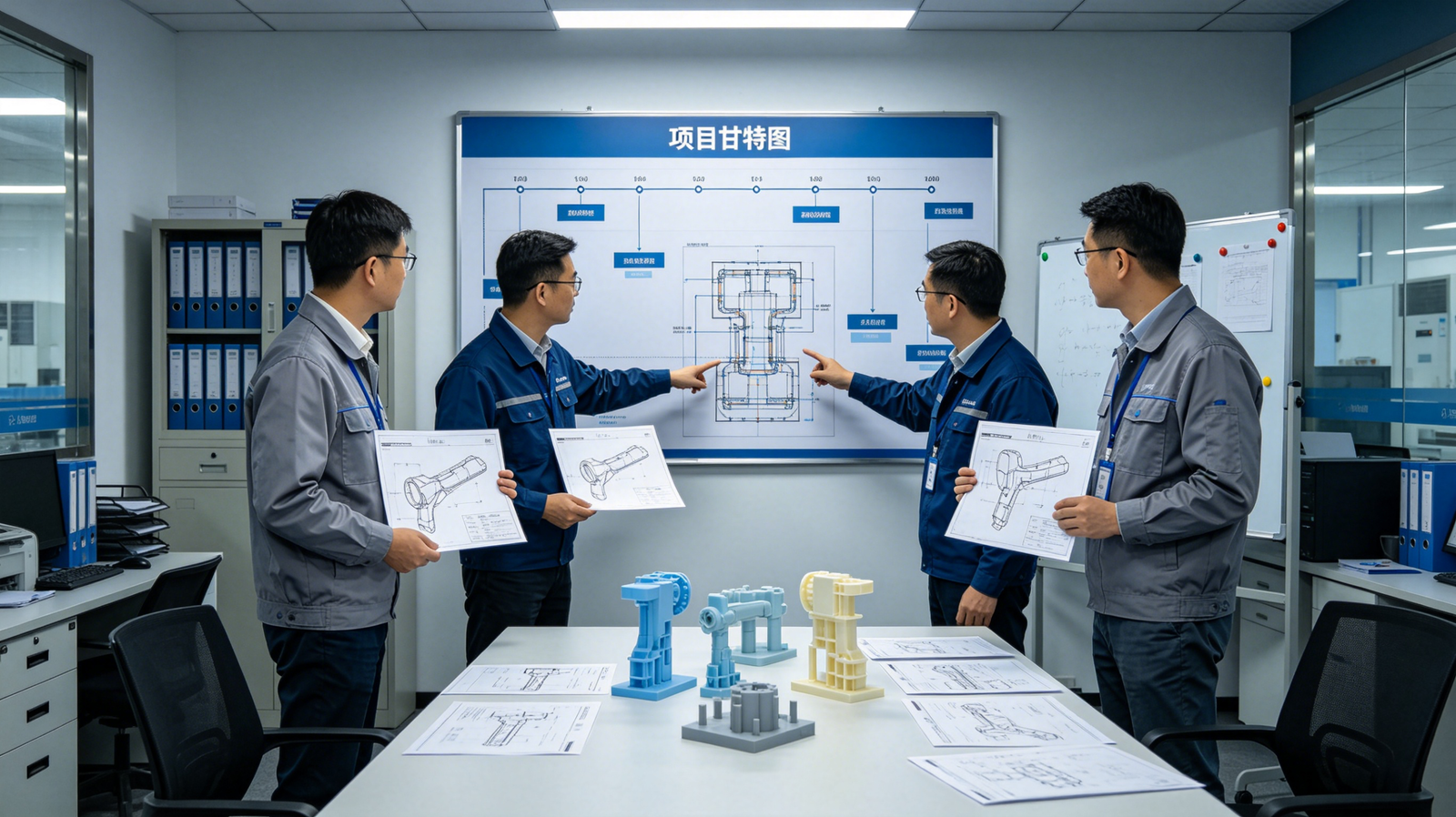
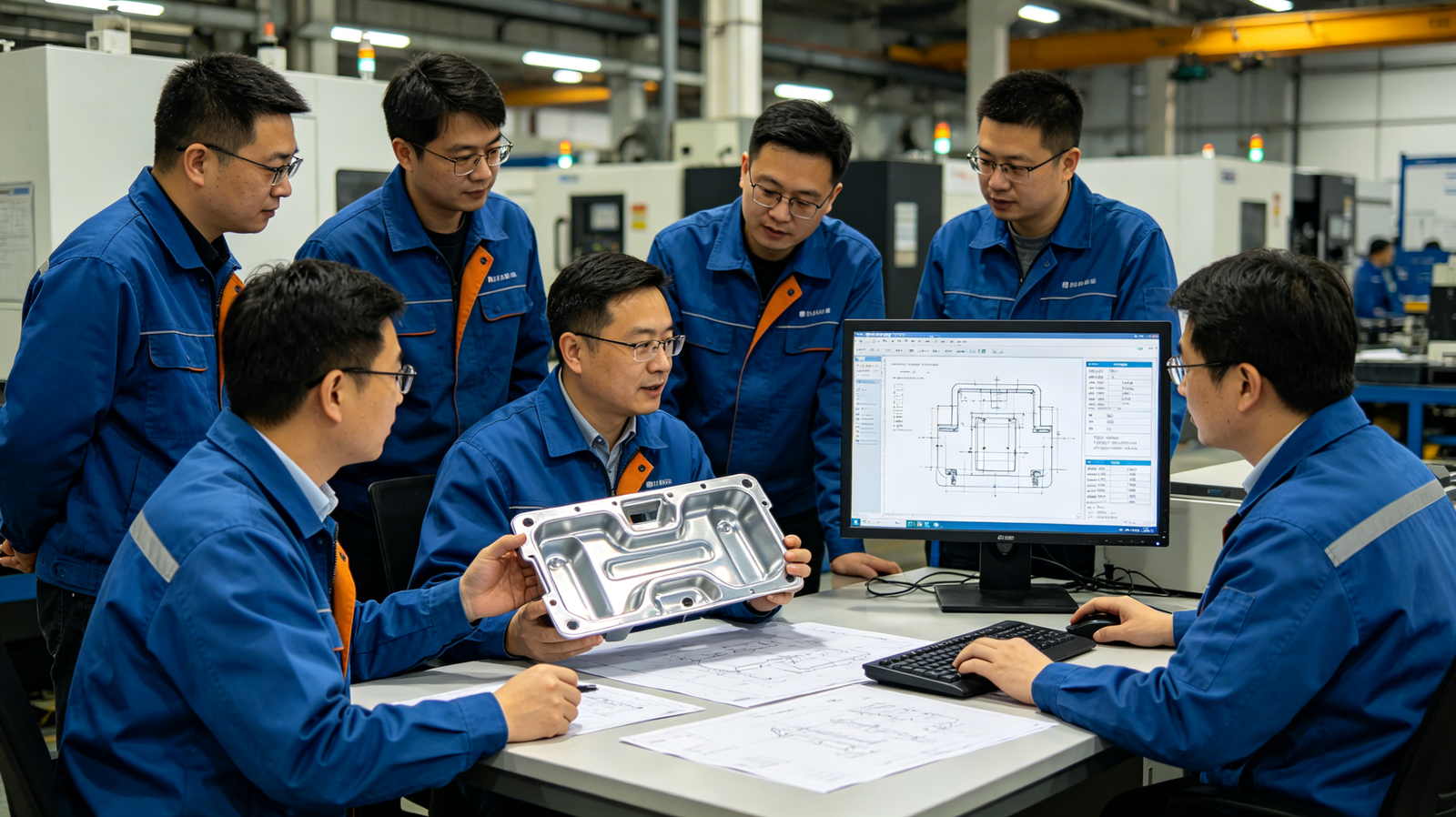
Thin wall injection molding requires higher standards for material flow, mold design, and production stability as product structures become increasingly lightweight and compact. Compared with conventional injection molded parts, thin wall components are more sensitive to small process variations during filling, cooling, and dimensional control stages. Stable process control capability has become a critical foundation for successful thin wall injection molding mass production.
For consumer electronics housings, automotive components, and industrial equipment parts, customers are not only concerned about whether samples meet requirements but also whether long-term mass production remains consistently stable. Xiamen Ruicheng helps customers reduce quality fluctuation risks through process data management during thin wall injection molding development. SPC data analysis enables manufacturing teams to shift from passive inspection to proactive prevention.
Why Does Thin Wall Injection Molding Require SPC Control?
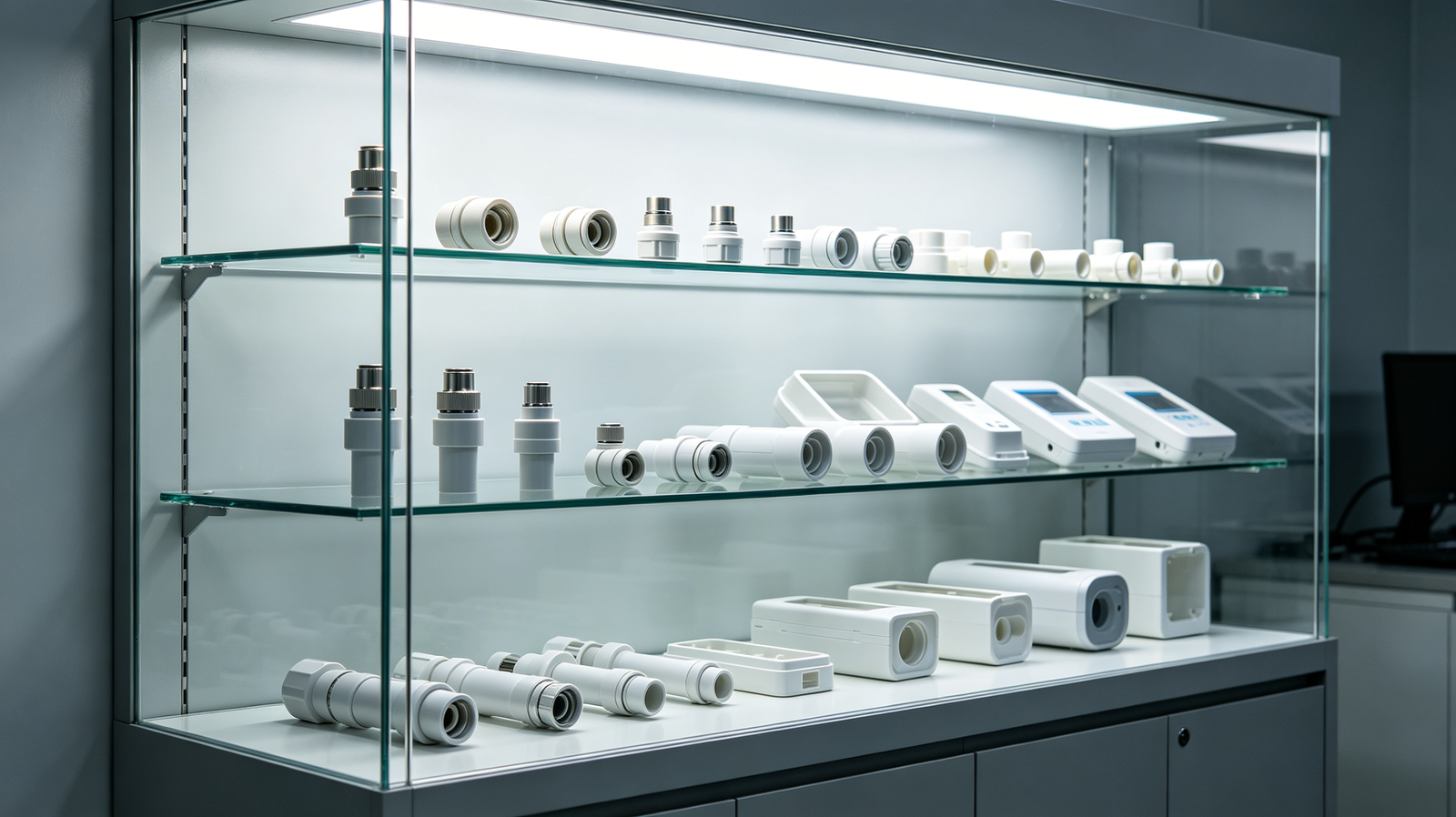
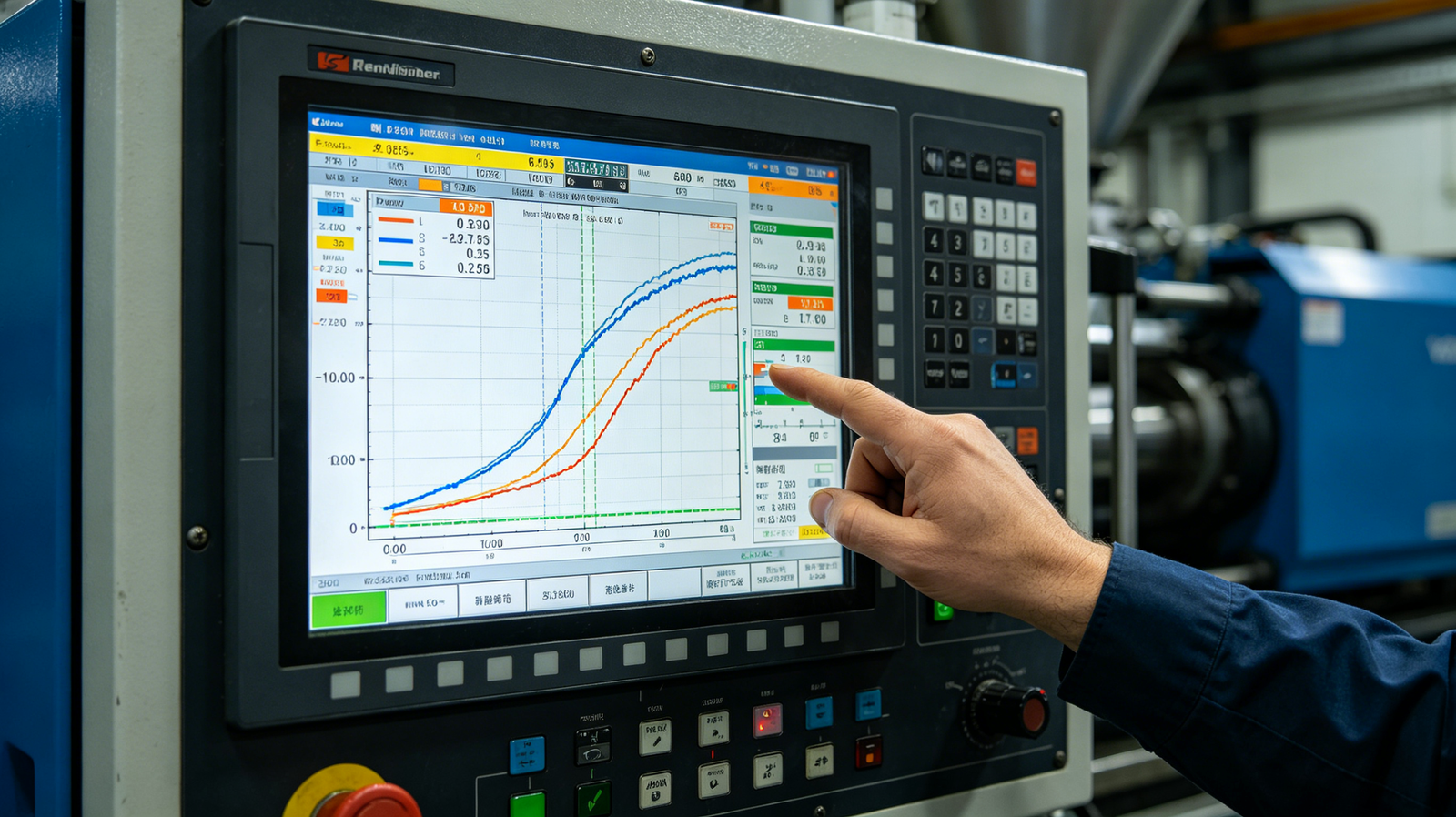
Due to their reduced wall thickness, thin wall injection molded parts usually have a narrower molding window than conventional components. Variations in injection speed, holding pressure, mold temperature, and other parameters can directly affect final product performance. Xiamen Ruicheng applies Statistical Process Control methods in actual production to continuously monitor critical process data and maintain production stability. The core value of SPC is identifying process trends before defects occur, rather than responding after problems appear.
Process Variation Identification: Continuous production data collection helps detect parameter deviation trends at an early stage.
Critical Parameter Management: Establishes reasonable control ranges for injection pressure, temperature, and cycle time.
Quality Risk Reduction: Uses process capability analysis to reduce abnormal events during mass production.
Supplier Capability Evaluation: Buyers can evaluate long-term manufacturing stability through SPC records.
📌 The key challenge of thin wall injection molding is not achieving one successful molding trial, but ensuring every production batch remains consistent.
Which Injection Molding Parameters Need SPC Monitoring?

Thin wall injection molding quality is affected by multiple process variables. Manual sampling inspection alone cannot fully reflect production conditions. Through injection molding process data management, manufacturers can establish parameter trend analysis systems. Effective SPC management allows engineering teams to quickly identify the sources of dimensional and appearance issues.
Injection Speed Control: Stable filling speed helps prevent defects such as short shots and weld lines.
Mold Temperature Monitoring: Proper temperature ranges improve material flow and surface quality.
Pressure Variation Analysis: Pressure curve changes can indicate mold filling conditions.
Cycle Time Management: Stable production cycles help maintain batch consistency.
📌 The more precise the thin wall component, the more sensitive it becomes to production data variations.
How Does SPC Reduce Thin Wall Injection Molding Defects?

Common thin wall injection molding issues include dimensional deviation, warpage, insufficient filling, and surface defects. These problems often result from long-term accumulation of small process variations. Xiamen Ruicheng reduces uncertainty in mass production through quality records, first article validation, and process monitoring. SPC transforms quality control from final inspection into process management.
Dimensional Deviation Control: Uses data trend analysis to reduce product size drift.
Improved Surface Quality: Stable parameters help reduce flow marks, sink marks, and other appearance defects.
Batch Consistency Assurance: Continuous monitoring ensures consistent performance across different production cycles.
Rapid Abnormal Response: Process adjustments can be made quickly when data exceeds control limits.
📌 Through process data management, thin wall injection molding can achieve more stable mass production performance.
How Do Thin Wall Injection Molding Suppliers Use SPC to Ensure Mass Production?
| Management Area | Traditional Production Method | SPC Management Method | Customer Value |
|---|---|---|---|
| Parameter Control | Experience-based adjustment | Data trend monitoring | Reduces trial-and-error costs |
| Quality Inspection | Problem response after defects | Early warning system | Reduces batch risks |
| Production Records | Basic storage | Systematic analysis | Supports quality traceability |
| Supplier Evaluation | Sample performance review | Process capability evaluation | Determines long-term cooperation capability |
For thin wall injection molding projects, selecting a supplier with strong data management capability is more important than simply comparing quotations. Xiamen Ruicheng provides stable thin wall injection molding solutions through comprehensive production processes, quality inspection systems, and engineering support. If you are evaluating a thin wall injection molding project, contact us for engineering evaluation support.
How to Evaluate a Thin Wall Injection Molding Supplier’s SPC Capability?
The capability of a thin wall injection molding supplier is not only reflected in equipment specifications but also in whether they have a complete system for continuous production process control. When selecting a manufacturing partner, customers should evaluate whether the supplier has complete data collection, quality verification, and corrective action procedures. A truly reliable supplier can prove product stability through data rather than simply showing the number of machines available.
1.Review Process Control Systems: Confirm whether the supplier has standardized production monitoring procedures.
2.Verify Inspection Capability: Understand whether dimensional inspection, CMM measurement, and other verification methods are used.
3.Evaluate Quality Records: Analyze historical batch data to determine long-term manufacturing stability.
4.Understand Engineering Support Capability: Strong suppliers can participate in DFM optimization and identify risks before production.
FAQ: Common Questions About SPC Quality Control in Thin Wall Injection Molding
Q1: Why does thin wall injection molding require SPC management?
A: Thin wall structures are more sensitive to process variations. SPC monitors production data trends, allowing manufacturers to adjust parameters proactively and reduce quality fluctuations during mass production.
Q2: What quality data should buyers focus on when purchasing thin wall injection molded parts?
A: Buyers should typically review dimensional stability, process capability, batch records, and defect control performance. These data points help determine whether a supplier has long-term delivery capability.
Q3: What information should suppliers provide before thin wall injection molding mass production?
A: Suppliers should provide material information, process parameter ranges, inspection standards, first article validation results, and mass production quality control plans to establish consistent requirements.
Q4: How should thin wall injection molding quality issues be handled?
A: Professional suppliers should use quality traceability, data analysis, and process optimization to identify root causes and implement corrective actions to prevent recurrence.
Q5: How does Xiamen Ruicheng support thin wall injection molding projects?
A: Xiamen Ruicheng combines injection molding engineering experience, quality management systems, and production data control to provide integrated support from design analysis and trial molding validation to mass production management.
Conclusion
The role of SPC in thin wall injection molding is not only to record production data but also to help manufacturers establish stable and predictable production processes. For customers requiring long-term mass production, process control capability directly affects supply chain reliability. Selecting an injection molding supplier with SPC management experience can effectively reduce quality risks and improve project success rates.
For expert assistance in implementing solutions for your production needs, visit our resource center or contact us. Let’s help you scale up your manufacturing with precision and efficiency!