Introduction
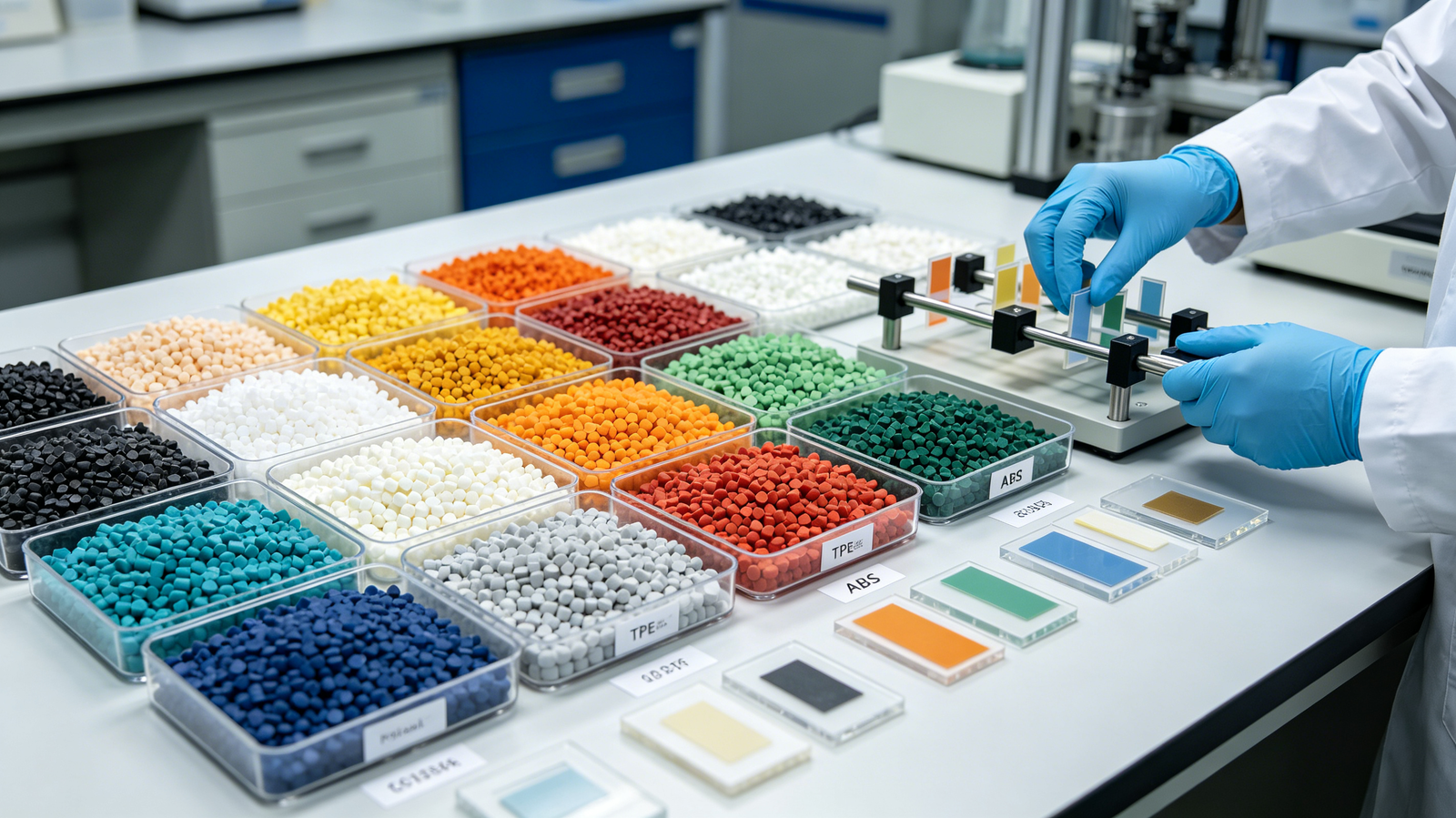
Material selection plays a critical role in determining the durability, dimensional stability, and long-term reliability of industrial injection molded parts. PA66 and POM are two widely used engineering plastics applied in automotive components, industrial gears, precision mechanical parts, and structural assemblies. Choosing the right material affects not only part performance but also tooling cost, manufacturing efficiency, and production stability.
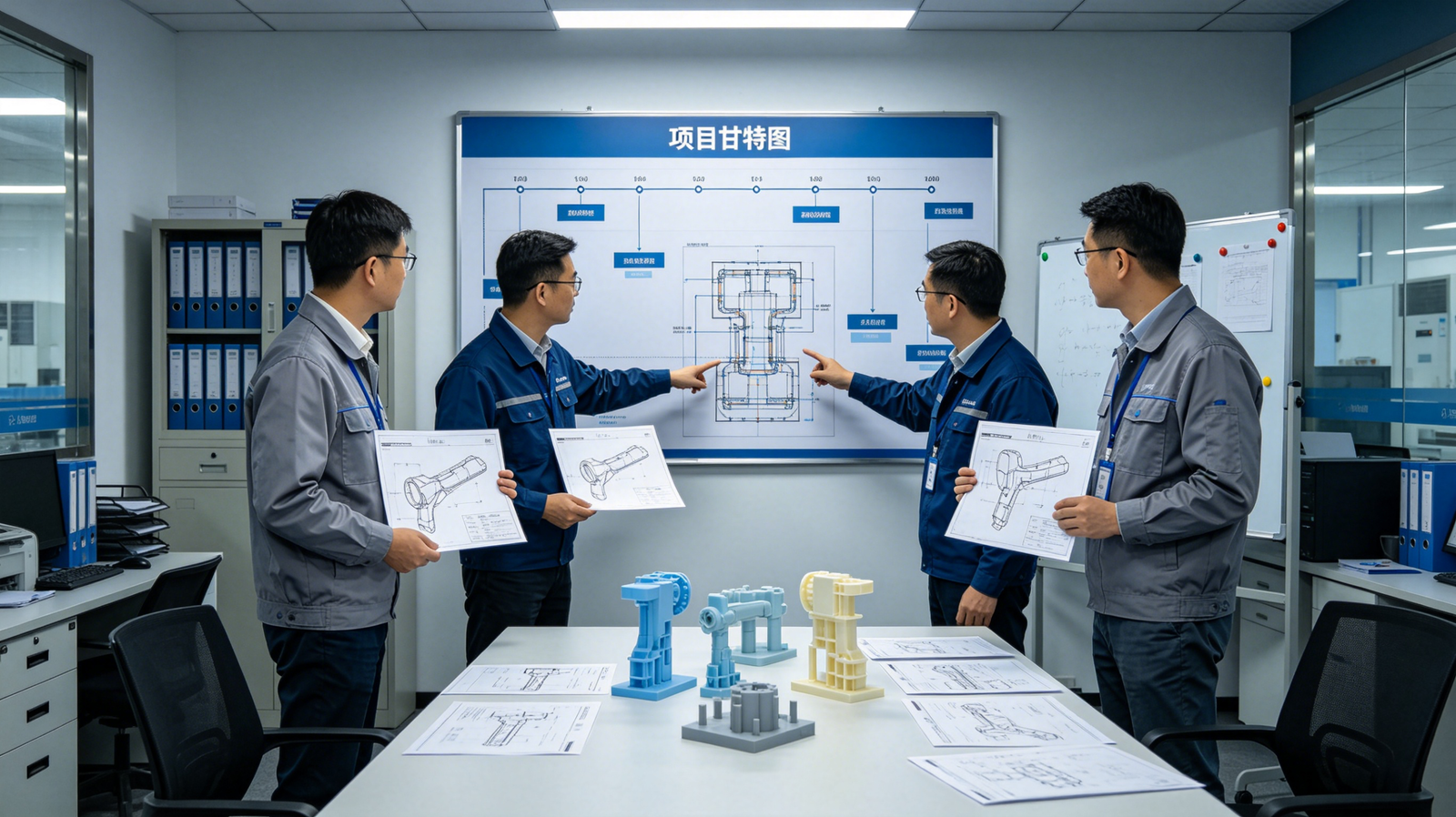
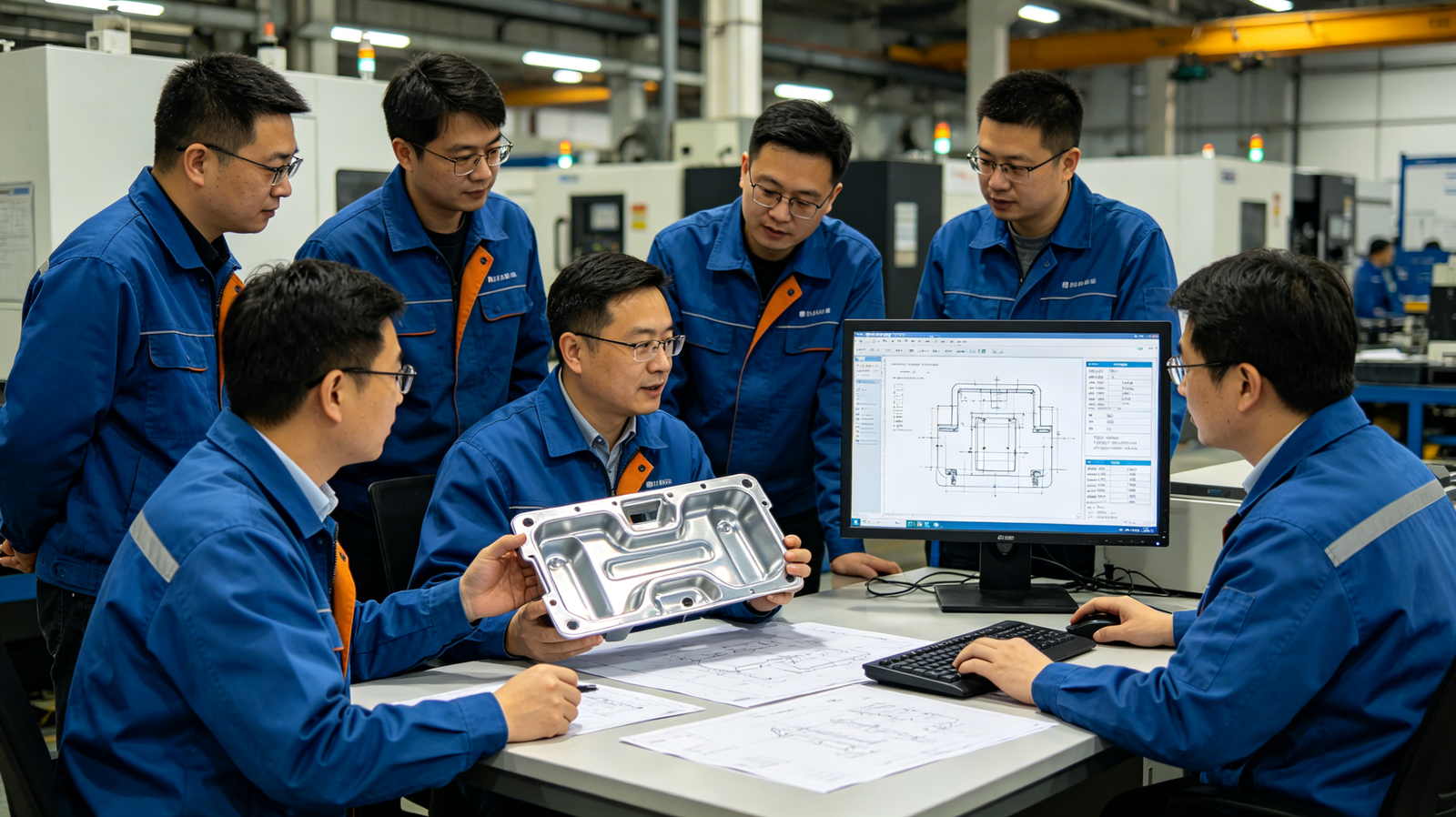
In real manufacturing projects, customers do not simply compare material datasheets. They need to understand which material is more suitable based on operating conditions, mechanical loads, temperature requirements, and production goals. Xiamen Ruicheng provides engineering support during custom injection molding projects by evaluating application requirements, material behavior, and mass production risks. The best material choice is not the one with the highest specifications, but the one that matches the actual application requirements.
What Are the Differences Between PA66 and POM for Industrial Injection Molded Parts?
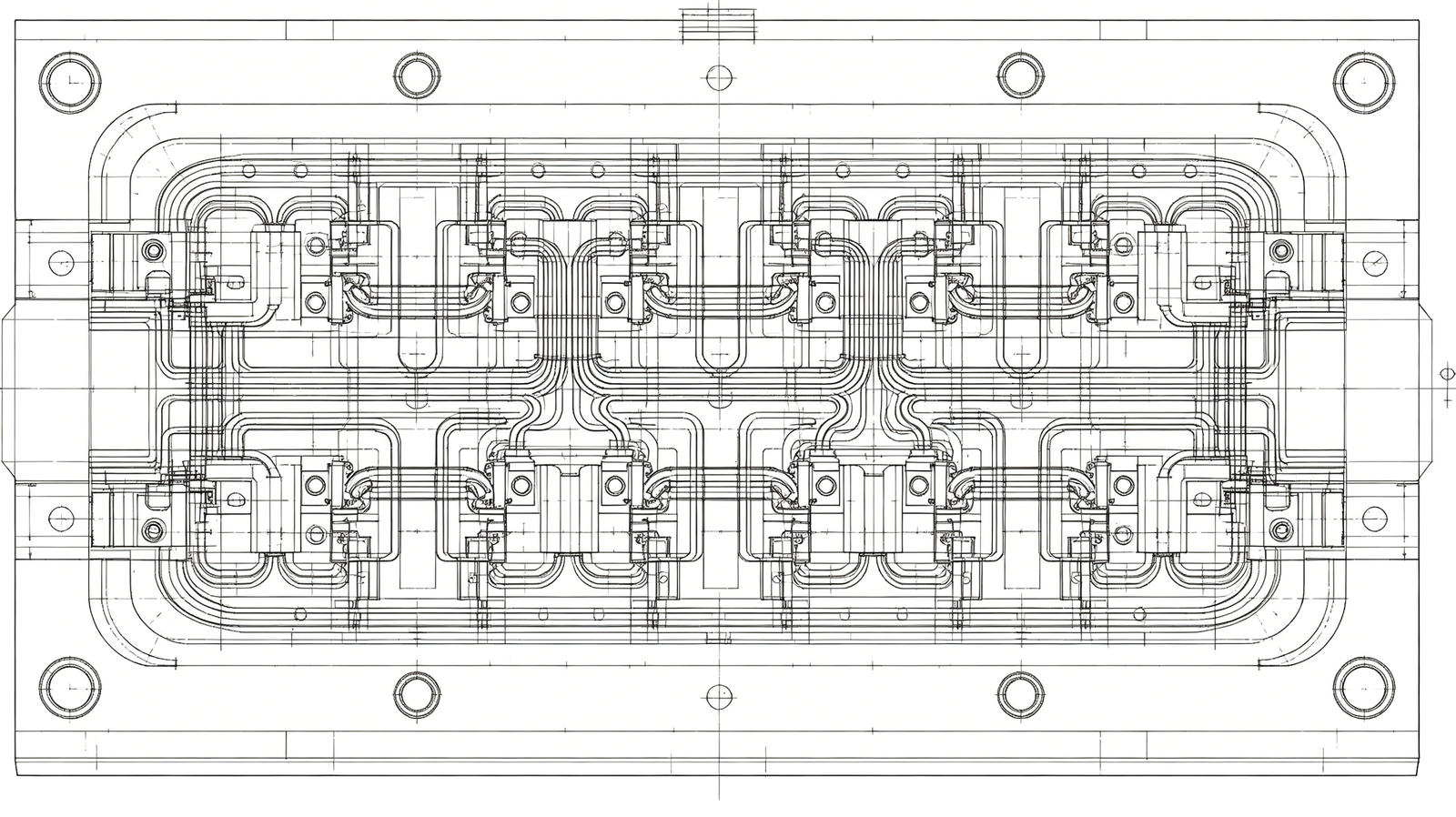
Although PA66 and POM are both engineering plastics, they have significant differences in moisture absorption, wear resistance, dimensional stability, and mechanical performance. In PA66 injection molding projects, PA66 is often selected for structural parts requiring high strength and heat resistance, while POM injection molding is commonly used for precision components requiring low friction and stable dimensions. The different material characteristics determine their different roles in industrial injection molding applications.
Mechanical Strength Performance: PA66 provides higher tensile strength and impact resistance, making it suitable for heavy-load components.
Wear Resistance Difference: POM offers excellent self-lubricating properties, making it ideal for gears, bushings, and sliding components.
Dimensional Stability Analysis: POM has lower moisture absorption, providing better dimensional consistency in precision applications.
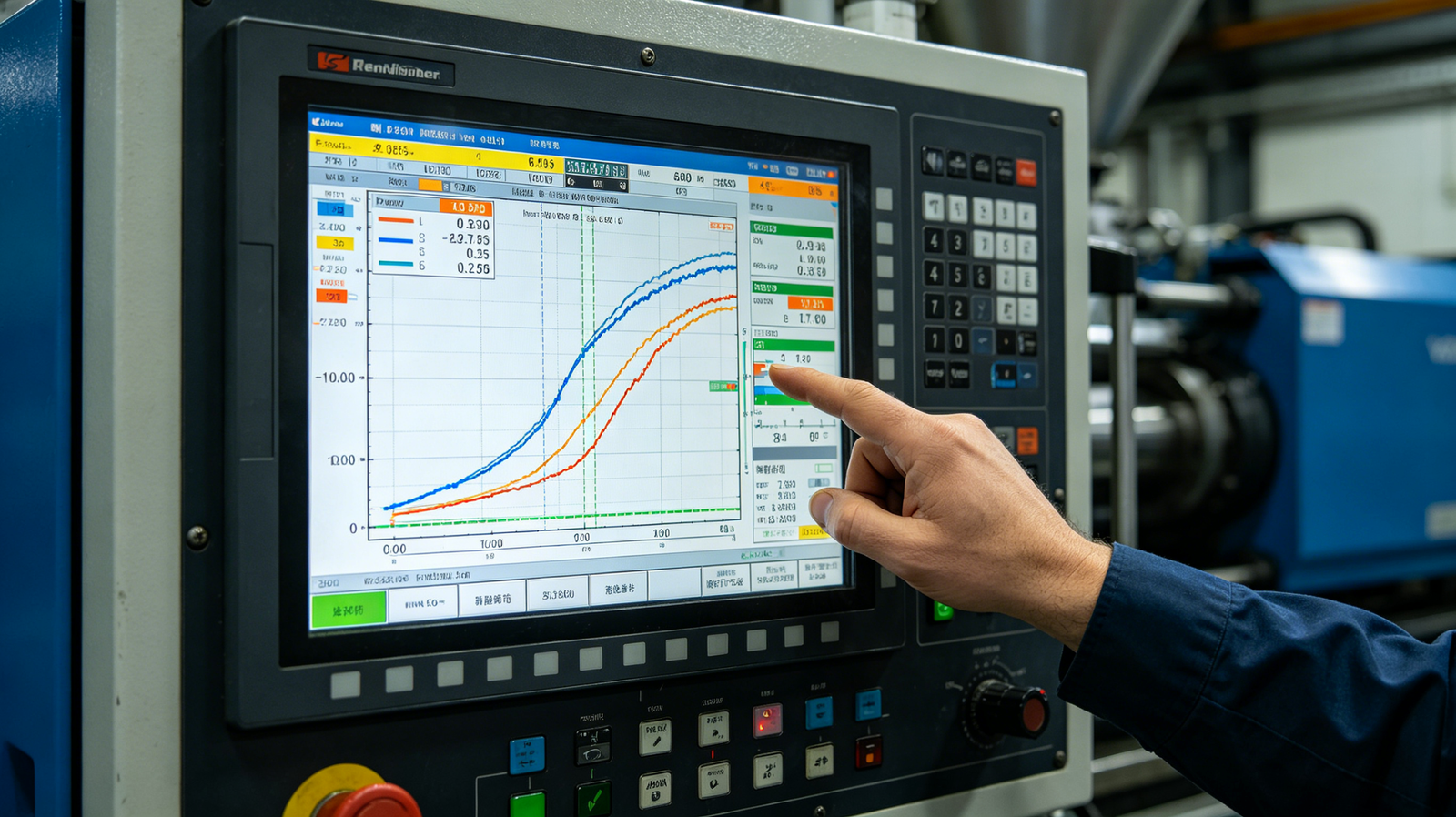
Processing Requirement Evaluation: PA66 requires moisture control before molding, while POM requires strict temperature control to prevent material degradation.
🔧 Industrial material selection should be based on actual working conditions instead of comparing only individual material properties.
When Is PA66 More Suitable for Industrial Injection Molded Parts?
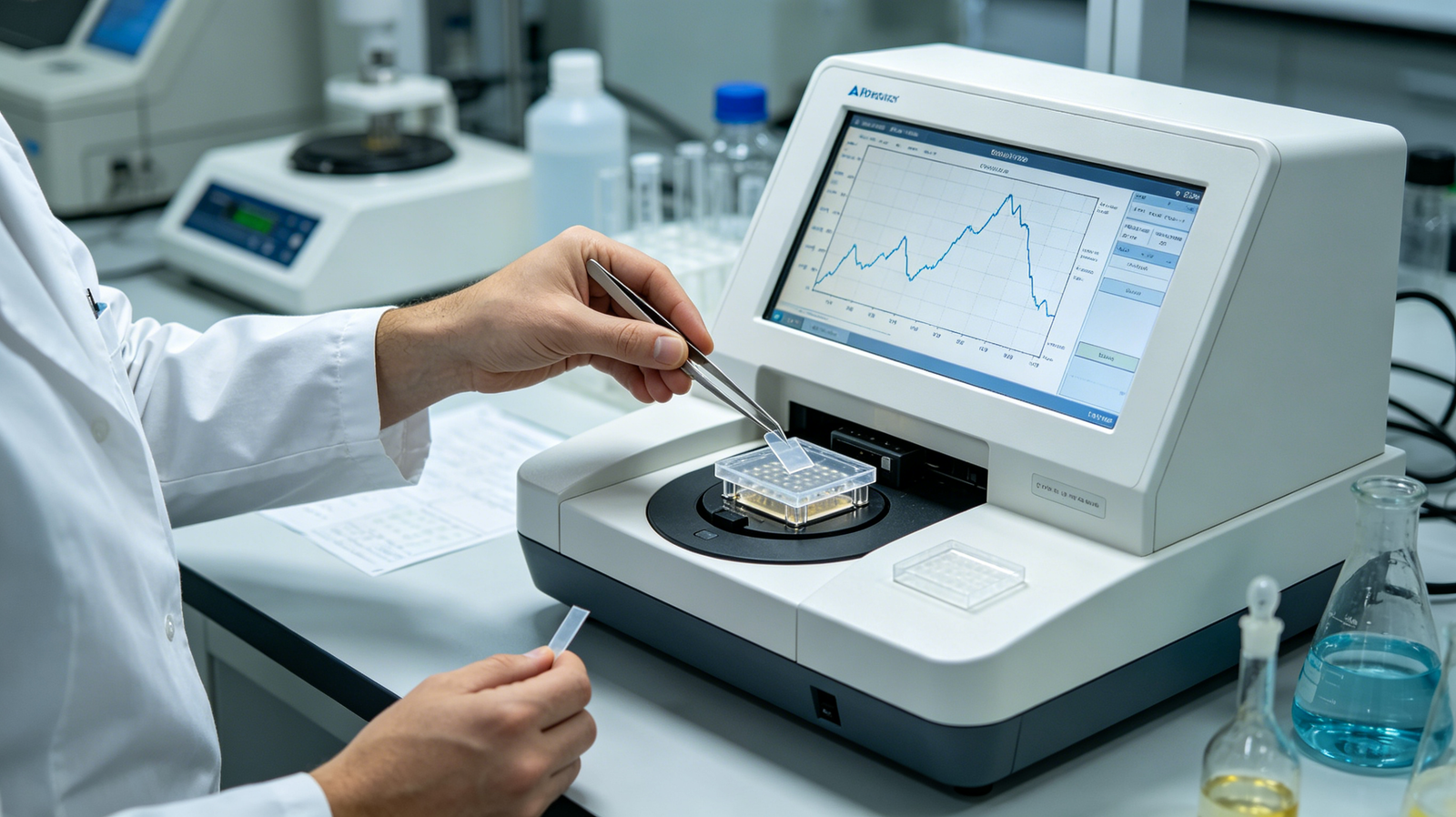
PA66 offers excellent mechanical strength, heat resistance, and impact performance, making it widely used for industrial components exposed to continuous mechanical stress. At Xiamen Ruicheng, PA66 is commonly evaluated for automotive connectors, structural supports, and high-strength plastic components where load-bearing capability is critical. For applications involving high loads and elevated temperatures, PA66 often provides stronger overall performance.
Automotive Component Applications: PA66 is widely used for engine-related parts, electrical connectors, and structural components.
High Temperature Applications: Glass fiber reinforced PA66, such as PA66 GF30, improves thermal stability and mechanical rigidity.
Structural Part Development: PA66 is suitable for components requiring strength, impact resistance, and durability.
Material Reinforcement Options: Reinforced PA66 grades can improve stiffness and dimensional retention under demanding conditions.
📌 When parts face mechanical stress and temperature challenges, PA66 is often the preferred engineering plastic solution.
Why Is POM Preferred for Precision Industrial Injection Parts?
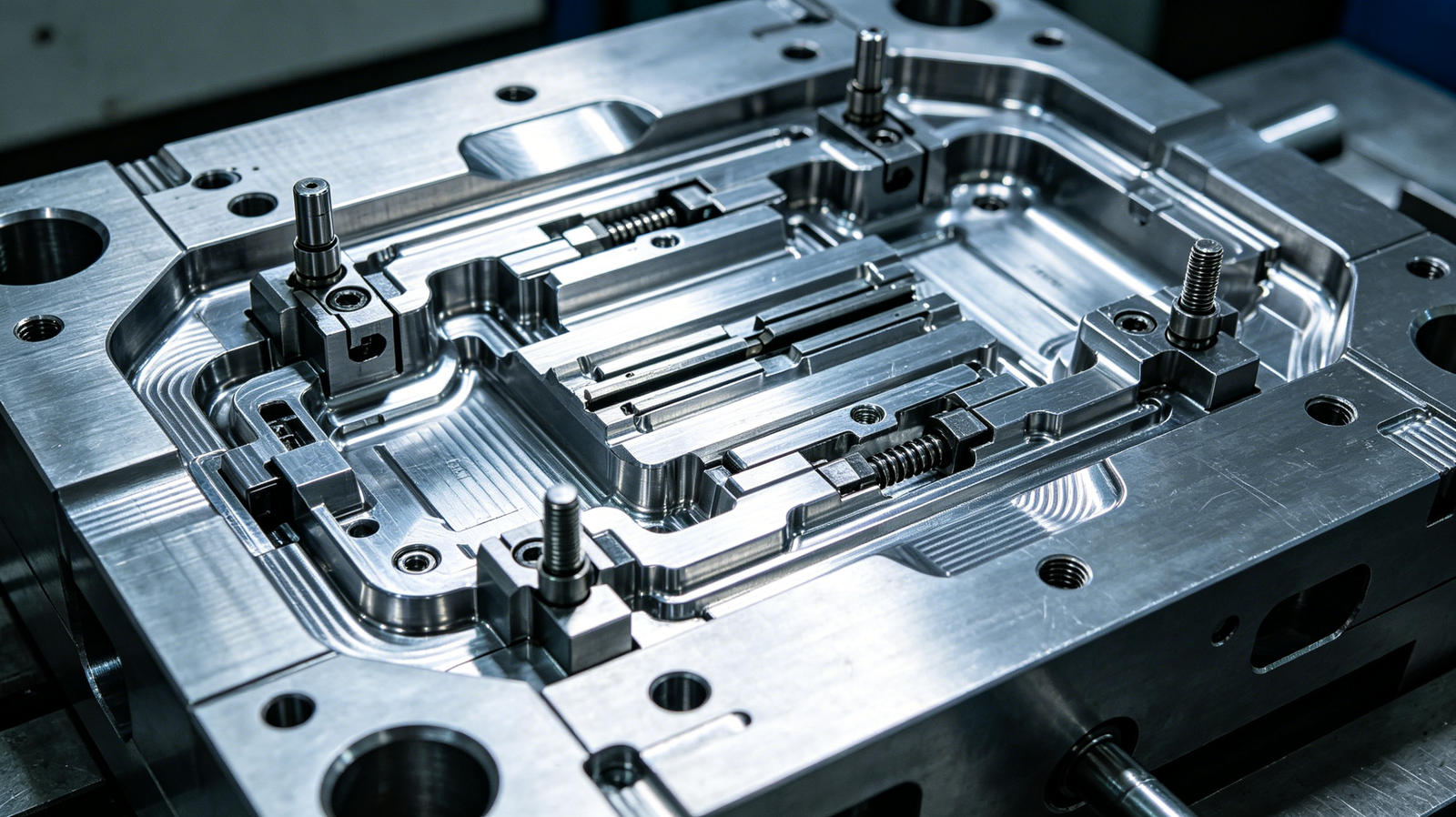
POM is widely used for precision industrial components because of its low friction, excellent wear resistance, and dimensional stability. For gears, sliders, rollers, and moving mechanical components, POM injection molding helps reduce friction losses and extend service life. The biggest advantage of POM is its long-term stability in continuous motion applications.
Precision Dimensional Control: Low moisture absorption helps minimize dimensional changes caused by environmental humidity.
Friction Performance Advantage: POM naturally provides excellent sliding properties and reduces mechanical wear.
Complex Structure Manufacturing: POM is suitable for producing high-precision and complex injection molded designs.
Long-Term Operation Stability: POM performs well in applications involving repeated movement and continuous operation.
⚙️ For precision moving components, POM often delivers greater practical value than higher-strength materials.
How Should You Select Between PA66 and POM for Industrial Injection Molding?
| Comparison Factor | PA66 | POM | Selection Recommendation |
|---|---|---|---|
| Strength Requirement | High | Medium-High | Choose PA66 for heavy loads |
| Wear Resistance | Good | Excellent | Choose POM for moving parts |
| Moisture Influence | Higher | Lower | Choose POM for precision parts |
| Temperature Resistance | Better | Moderate | Consider PA66 for high temperatures |
If you are developing industrial injection molded parts and are unsure whether PA66 or POM is the better choice, engineering evaluation can help reduce material selection risks. Xiamen Ruicheng provides complete support from material analysis and DFM review to prototype validation and mass production. contact us to receive professional material selection guidance.
How Can a Supplier Help Reduce Material Selection Risks?
Many industrial plastic part failures are not caused by the material itself, but by poor coordination between material selection, mold design, and manufacturing processes. When choosing an injection molding supplier, customers should evaluate engineering capability rather than only comparing unit prices. A reliable injection molding partner should help reduce product lifecycle risks from development to mass production.
1.Material Evaluation Capability: The supplier should recommend suitable PA66 or POM grades based on operating conditions and technical requirements.
2.DFM Engineering Support: Professional engineers can identify risks related to wall thickness, shrinkage, warpage, and mold design before production.
3.Quality Control System: Dimensional inspection, first article validation, and batch inspection help maintain consistent production quality.
4.Mass Production Capability: Stable equipment and production management reduce quality variation between different production batches.
FAQ: PA66 vs POM Industrial Injection Molding Questions
Question 1: Which material performs better, PA66 or POM?
Answer: Neither material is universally better. PA66 is more suitable for high-strength and high-temperature structural applications, while POM is better for precision moving parts requiring low friction and wear resistance.
Question 2: What information should buyers provide when sourcing industrial injection molded parts?
Answer: Customers should provide CAD drawings, operating environment information, temperature requirements, mechanical loads, annual volume, and dimensional specifications. This allows suppliers to evaluate material suitability and provide accurate quotations.
Question 3: What is the typical lead time for PA66 and POM injection molded parts?
Answer: Lead time depends on mold complexity, part design, and production volume. Xiamen Ruicheng typically supports projects through DFM analysis, tooling development, prototype validation, and production scheduling.
Question 4: How can buyers verify a supplier’s engineering plastic experience?
Answer: Buyers can evaluate supplier capability through previous application cases, material expertise, quality inspection procedures, and the ability to provide engineering improvement suggestions.
Question 5: Does Xiamen Ruicheng provide customized PA66 and POM injection molding services?
Answer: Yes. Xiamen Ruicheng provides customized injection molding solutions using PA66, POM, and other engineering plastics, including material analysis, mold development, prototype testing, and mass production support.
Conclusion
PA66 and POM are both important engineering plastics for industrial injection molding, but they serve different application requirements. PA66 is generally better suited for high-strength, high-temperature, and structural applications, while POM is ideal for precision moving components requiring low friction and wear resistance. Successful material selection requires a complete evaluation of operating conditions, manufacturing capability, and long-term product requirements.
Xiamen Ruicheng combines engineering experience, quality management systems, and custom manufacturing capabilities to help customers complete the entire process from material selection to production delivery. For companies seeking reliable industrial injection molding suppliers, working with a manufacturer that understands material behavior can significantly reduce development risks.
For expert assistance in implementing for your production needs, visit our resource center or contact us. Let’s help you scale up your manufacturing with precision and efficiency!