Introduction

Plastic housings play an important role in consumer electronics, industrial equipment, and medical products by providing both appearance performance and functional protection. The selected SPI surface finish directly affects the texture, gloss, and tactile experience of injection molded parts. Many companies focus on structural design during product development but overlook how surface requirements influence tooling costs, manufacturing efficiency, and mass production stability. Choosing the right SPI Finish affects not only product appearance but also the overall manufacturing performance.
For OEMs and product engineering teams, SPI Finish selection is not simply about choosing a glossy or textured surface. It requires comprehensive evaluation of product positioning, application environment, material characteristics, and supplier manufacturing capabilities. At Xiamen Ruicheng, we analyze customer requirements during plastic housing development and recommend suitable surface finishing solutions to reduce development risks. A proper SPI finish strategy helps prevent expensive mold modifications and production delays.
How Does SPI Finish Affect the Final Quality of Plastic Housings?

When selecting an SPI Finish, many customers focus only on visual appearance while ignoring the relationship between surface requirements and mold polishing processes. The SPI standard defines different surface grades based on mold surface smoothness, where high-gloss finishes usually require more precise machining and maintenance, while textured finishes focus more on durability, grip, and defect hiding capability. The right SPI Finish should match the actual product application instead of simply choosing the highest grade. During injection molding production, SPI surface finish standards influence tooling lead time, part appearance consistency, and production stability, while injection molding process parameters must also be optimized.
Appearance Requirements: High-end electronic housings usually require higher SPI grades to maintain visual consistency.
Material Compatibility: Different plastics have different polishing performance and texture replication capabilities.
Tooling Cost Impact: Higher SPI grades usually require more processing time and stricter mold maintenance.
Production Risk Control: Proper surface selection helps reduce cosmetic defects during mass production.
🛠️ SPI selection should consider product goals, material behavior, and manufacturing conditions together.
Why Should Plastic Housings Not Only Focus on Gloss Level?
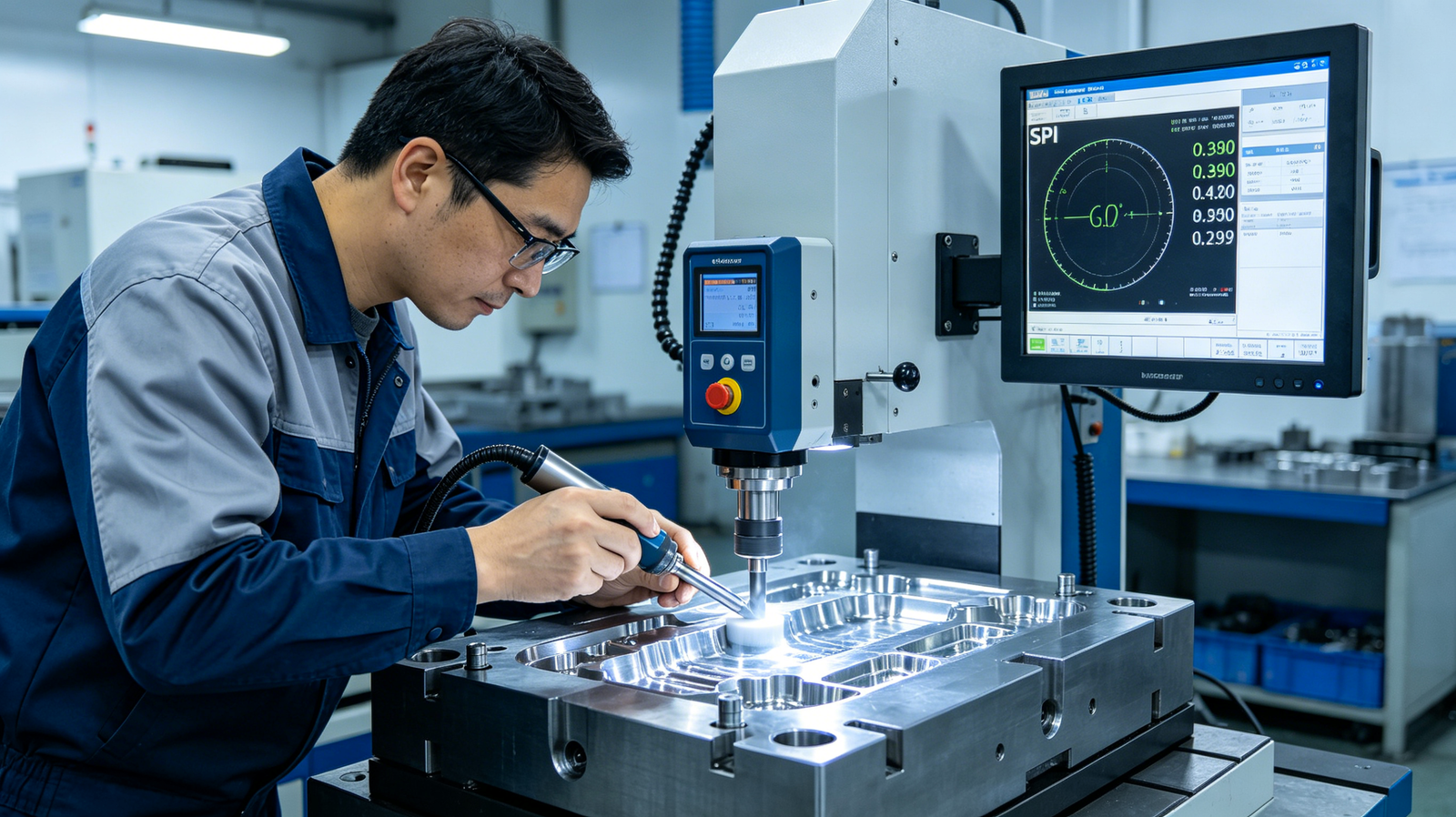
The surface finish of plastic housings influences more than the first impression of a product. It also affects user experience, durability, and long-term appearance retention. Some purchasing teams assume that higher gloss always represents higher quality, but mirror finishes can increase tooling maintenance requirements and make surface defects easier to notice. The most suitable SPI grade is more valuable than simply pursuing maximum gloss. At Xiamen Ruicheng, we evaluate plastic injection molding conditions during housing development and analyze how mold surface finishing affects final part quality.
Product Positioning: Brand level and product value determine the required surface appearance.
Usage Environment: Long-term friction or outdoor applications require better scratch resistance.
Manufacturing Stability: Consistent surface reproduction is more important than a single approved sample.
Supplier Capability: Experienced manufacturers can better control final surface quality.
✨ SPI selection should support the entire product lifecycle, not only the first prototype.
How to Evaluate a Supplier’s SPI Manufacturing Capability?

SPI Finish may appear to be a small surface detail, but it reflects a supplier’s overall capability in mold manufacturing, injection molding control, and quality management. A qualified plastic housing supplier should analyze surface requirements during the design stage and maintain consistency through tooling, trial molding, and mass production control. Supplier engineering experience determines whether SPI quality can be reproduced consistently. At Xiamen Ruicheng, plastic part manufacturing includes process evaluation, sample validation, and quality inspection to ensure housing performance meets customer expectations.
Mold Experience: Suppliers should understand different SPI grade requirements and polishing processes.
Validation Process: Sample verification prevents appearance issues during mass production.
Quality Management: Proper inspection systems ensure stable production consistency.
Engineering Communication: Technical teams must quickly understand customer appearance and functional requirements.
📌 When choosing a supplier, focus on problem-solving ability rather than only quotation price.
Which SPI Grades Are Suitable for Different Plastic Housings?
| SPI Grade | Surface Appearance | Suitable Applications | Purchasing Focus |
|---|---|---|---|
| SPI-A | Mirror Gloss | Premium electronic housings | Higher tooling cost |
| SPI-B | Semi Gloss | Industrial equipment housings | Balance between cost and appearance |
| SPI-C | Fine Texture | General structural parts | Better production stability |
| SPI-D | Heavy Texture | Functional housings | Better defect hiding ability |
💡 If your plastic housing project requires SPI evaluation, tooling recommendations, and production risk analysis, you can contact us for engineering support from Xiamen Ruicheng.
How to Reduce Development Risks Caused by Wrong SPI Selection?
Incorrect SPI Finish selection can result in mold modifications, repeated sampling, and delayed product launches. For complex plastic housing projects, judging surface appearance only through pictures or samples may create risks because material properties, part structure, and manufacturing conditions also influence the final result. Early SPI planning helps companies reduce uncertainty during product development.
1.Define Product Requirements: Determine surface expectations based on brand positioning, user experience, and functional needs.
2.Evaluate Manufacturing Conditions: Select the proper finish based on material flow, mold design, and injection molding parameters.
3.Verify Real Results: Confirm the final surface performance through trial molding samples.
4.Build Supplier Standards: Align SPI requirements with manufacturers to avoid quality disputes during production.
FAQ
Question 1: What are the key advantages of your plastic housing SPI Finish capability?
Answer: Xiamen Ruicheng develops SPI surface solutions based on customer product positioning, material selection, and appearance requirements while using mold manufacturing experience and injection molding control to maintain consistent quality.
Question 2: What information should we provide to quickly receive a quotation for plastic housings?
Answer: Customers usually need to provide 3D drawings, material specifications, surface finish requirements, and estimated order quantities. Xiamen Ruicheng engineering team evaluates the project and provides suitable manufacturing solutions.
Question 3: How do you arrange delivery time for different plastic housing order quantities?
Answer: Xiamen Ruicheng manages projects according to prototype development, low-volume production, and mass manufacturing requirements while coordinating production schedules to ensure delivery reliability.
Question 4: What happens if the SPI surface finish does not meet expectations?
Answer: Problems are identified through sample validation and quality inspection. The team analyzes the root cause and improves tooling or molding parameters when necessary.
Question 5: Can you customize SPI Finish solutions for special requirements?
Answer: Xiamen Ruicheng provides customized surface finish recommendations based on product environment, appearance requirements, and plastic material characteristics.
Conclusion
SPI Finish selection is a critical decision in plastic housing manufacturing because it affects appearance, production cost, development schedule, and long-term product stability. Companies should evaluate both surface requirements and supplier capabilities before making a final decision. A reliable surface finishing solution comes from combining engineering experience with manufacturing expertise.
For expert assistance in implementing for your production needs, visit our resource center or contact us. Let’s help you scale up your manufacturing with precision and efficiency!