How Incorrect Tonnage Reduces Part Strength
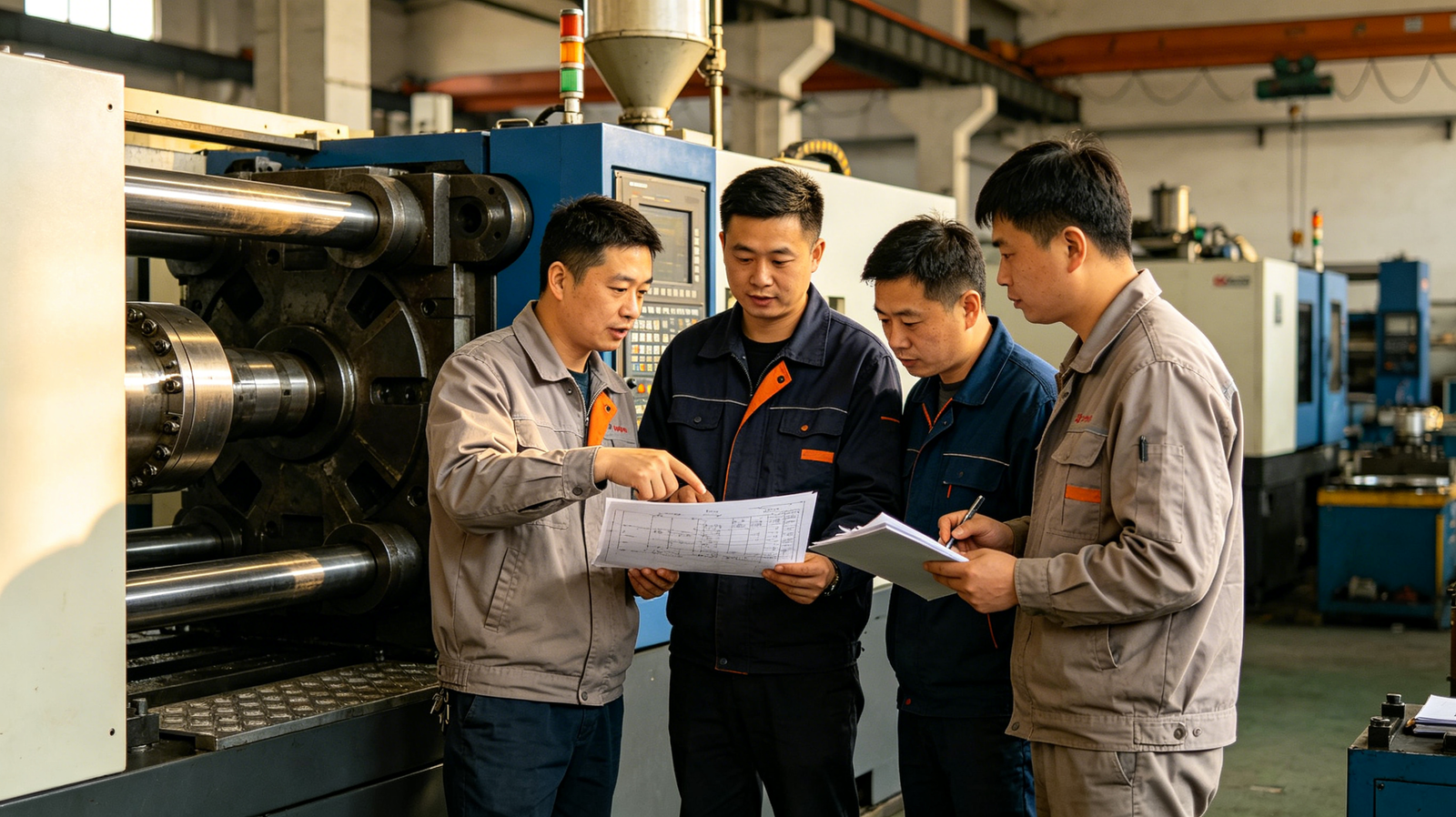
Many manufacturers attribute weak plastic parts to resin quality, mold design, or processing conditions while overlooking the impact of injection molding machine tonnage selection. For structural components, industrial housings, and load-bearing plastic parts, machine mismatch can directly affect final product performance.
Based on years of manufacturing experience, Xiamen Ruicheng has found that both insufficient and excessive clamp force can negatively impact melt flow, packing pressure, and molecular bonding inside molded parts. Proper injection molding machine tonnage selection is one of the most important factors in ensuring consistent product strength, dimensional stability, and long-term durability. Even when premium materials are used, incorrect machine sizing can still result in reduced mechanical performance.
Why Does Insufficient Machine Tonnage Affect Product Strength?
When machine tonnage is too low, the mold may slightly separate during injection, preventing pressure from being effectively transferred throughout the cavity. This can create voids, weak weld lines, and insufficient material density inside the molded component. Through numerous injection molding projects, Xiamen Ruicheng has observed that inadequate clamp force often reduces structural integrity and decreases the impact resistance of plastic parts. In many cases, poor product strength is caused by pressure loss during molding rather than by material defects.
Pressure Loss: Injection pressure cannot be maintained throughout the cavity.
Internal Voids: Shrinkage cavities and micro-air pockets may develop.
Weak Weld Lines: Molecular bonding strength decreases at flow convergence areas.
Performance Variation: Mechanical properties become inconsistent between production batches.
⚠️ Insufficient clamp force often creates hidden structural defects that are more damaging than visible cosmetic issues.
What Risks Can Excessive Machine Tonnage Create?
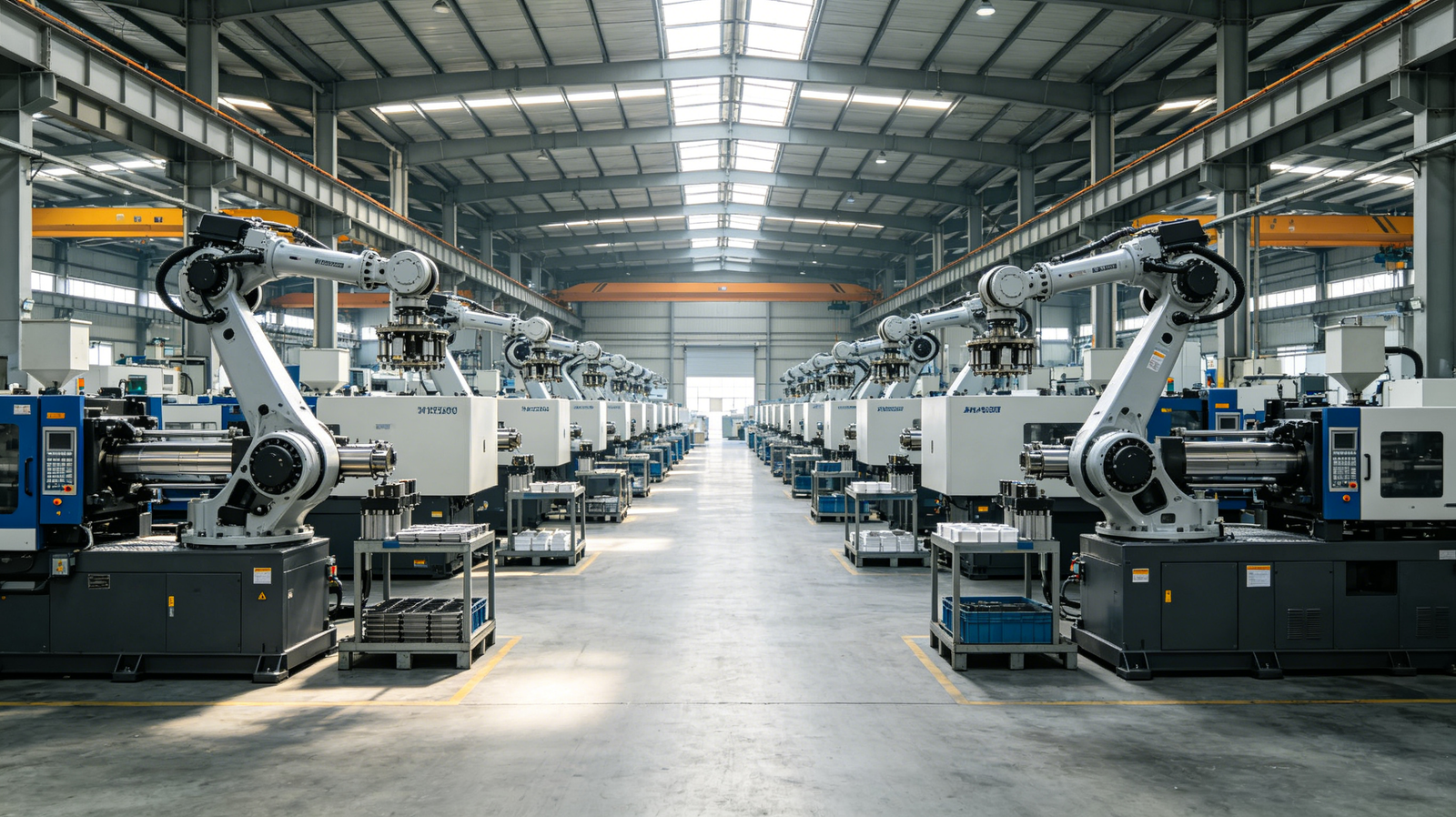
Many buyers assume that larger tonnage machines always produce better results, but this is not necessarily true. Excessive clamp force can place unnecessary stress on molds, accelerate wear, and reduce venting efficiency. During several precision injection molding projects, Xiamen Ruicheng found that excessive tonnage sometimes traps gases inside the cavity, resulting in burn marks and localized structural weaknesses. While higher tonnage may reduce flash, it can also introduce new quality risks that affect part strength.
Poor Venting: Air becomes trapped inside the mold cavity.
Accelerated Mold Wear: Constant excessive force shortens mold lifespan.
Higher Internal Stress: Residual stress levels increase within molded parts.
Increased Cost: Energy consumption and maintenance expenses rise.
⚙️ The largest machine is not always the best choice; correct matching delivers better results.
How Can You Select the Right Tonnage to Prevent Strength Issues?
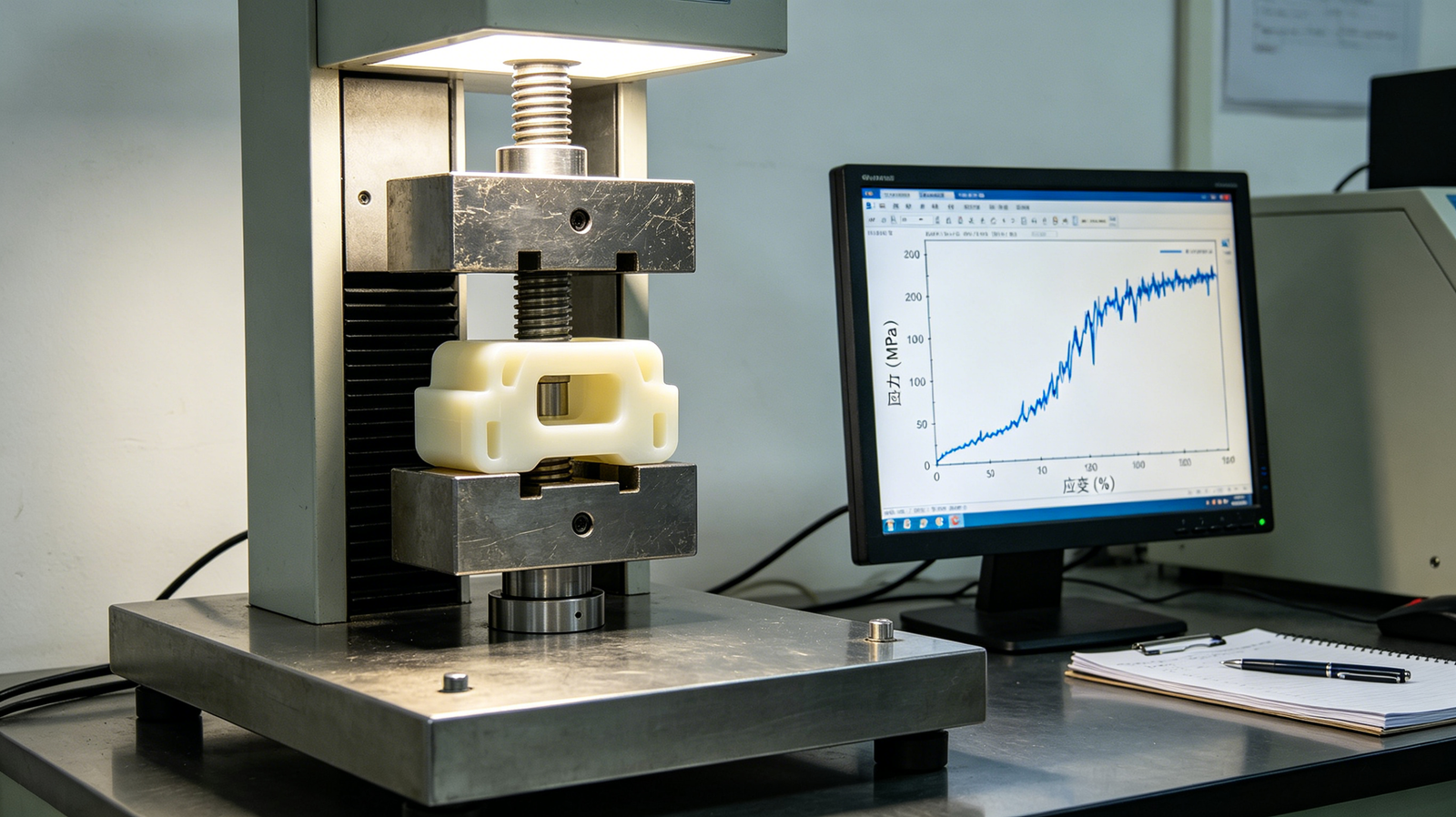
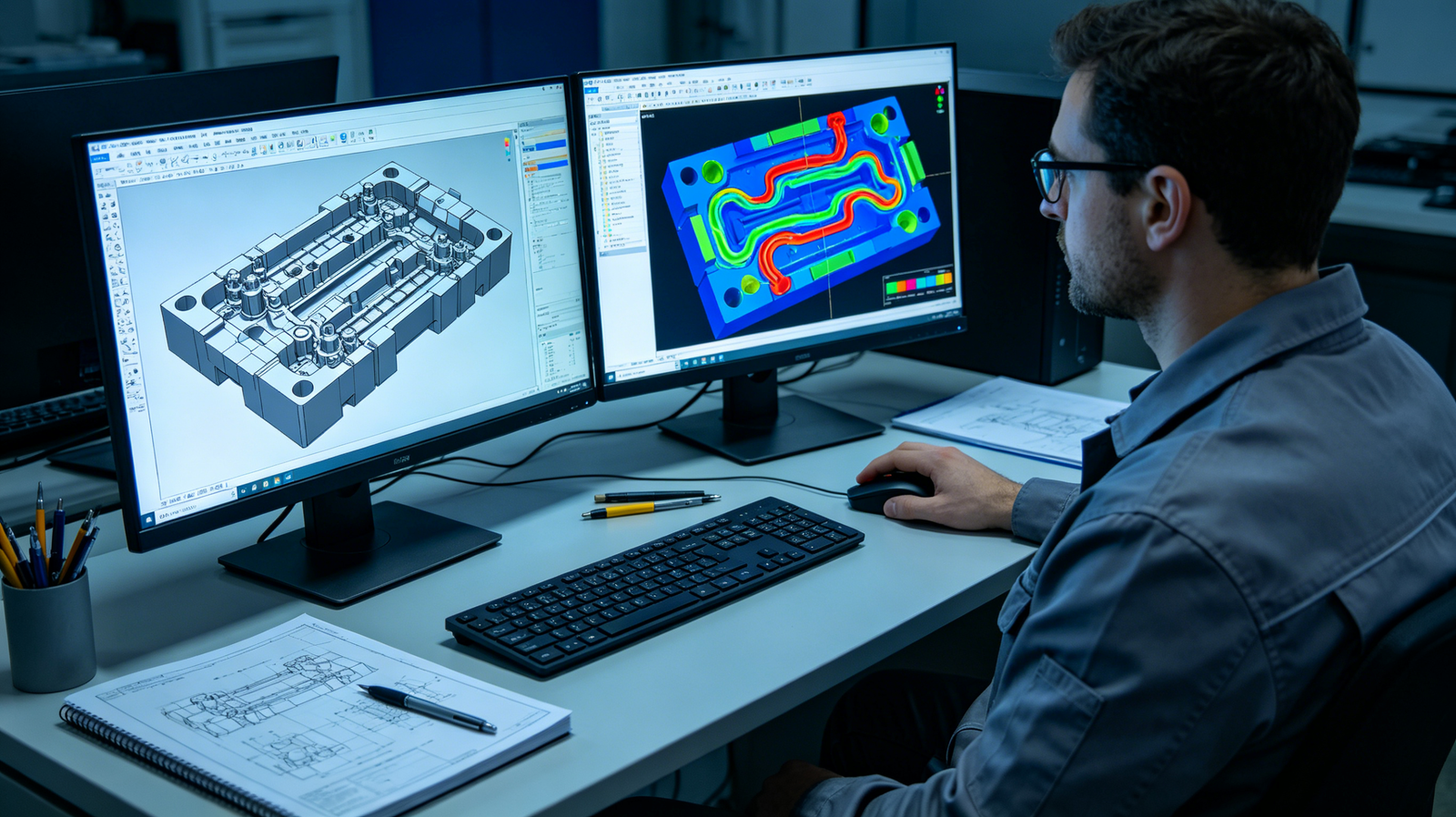
Proper machine selection requires evaluating projected area, material characteristics, mold design, cavity pressure requirements, and safety factors rather than simply considering part size. During new product development, Xiamen Ruicheng combines Moldflow analysis with injection mold design data to determine the most suitable machine configuration. Scientific tonnage selection significantly improves strength consistency, production stability, and overall product quality.
Projected Area Calculation: Determines the actual clamp force requirement.
Material Evaluation: Different resins require different cavity pressures.
Flow Simulation Verification: Identifies molding risks before production.
Safety Margin Planning: Maintains stable production performance.
✅ Preventing machine selection errors is far more effective than correcting molding problems later.
Comparison of Product Performance Under Different Tonnage Conditions
| Evaluation Factor | Insufficient Tonnage | Proper Match | Slightly Oversized | Excessively Oversized |
|---|---|---|---|---|
| Clamp Stability | Poor | Excellent | Good | Good |
| Product Strength | Low | Stable | Stable | Inconsistent |
| Flash Risk | High | Low | Very Low | Very Low |
| Production Cost | High Rework Cost | Optimal | Slightly Higher | High |
If you are experiencing part strength issues or evaluating machine selection for a new project, contact Xiamen Ruicheng's engineering team for professional guidance and manufacturing support: contact us
How Xiamen Ruicheng Helps Customers Avoid Tonnage Selection Mistakes
For industrial equipment housings, automotive components, medical device parts, and new energy system components, machine tonnage selection directly impacts product reliability and production efficiency. Xiamen Ruicheng evaluates product geometry, mold structure, resin behavior, and expected production volume during the project planning stage. Compared with troubleshooting defects after production begins, selecting the correct machine tonnage at the start dramatically reduces quality risks and development costs. For complex molded components, we also provide customized process optimization strategies tailored to specific application requirements.
1.Project Evaluation: Analyze part structure and production requirements.
2.Moldflow Simulation: Predict potential strength-related defects.
3.Trial Validation: Confirm optimal molding conditions through testing.
4.Mass Production Support: Maintain long-term process consistency.
Frequently Asked Questions (FAQ)
What is the core advantage of your machine tonnage selection process?
Xiamen Ruicheng evaluates projected area, material properties, mold design, and flow simulation data to determine the ideal machine size. Each project undergoes process verification to ensure stable strength, dimensional accuracy, and production consistency.
What information should we provide to receive an accurate quotation and technical evaluation?
Please provide 3D files, 2D drawings, material specifications, annual demand estimates, application requirements, and any special performance expectations. Our engineering team can then conduct a manufacturability review and prepare a detailed quotation.
What are your minimum order quantities and lead times?
Prototype projects typically support low-volume production, while mass production schedules are arranged according to mold readiness and project complexity. Standard lead times generally range from 7 to 20 working days.
What happens if quality issues or delivery delays occur?
Xiamen Ruicheng maintains a complete quality traceability system. Once an issue is reported, our team initiates root cause analysis and provides corrective actions such as replacement, rework, or process optimization based on the investigation results.
Can you provide customized engineering and process optimization services?
Yes. We support customized material selection, structural optimization, mold improvements, and production process upgrades based on specific customer applications and performance requirements.
Conclusion
Injection molding machine tonnage is far more than a simple equipment specification; it is a critical factor that directly influences product strength and manufacturing stability. Insufficient tonnage can create internal structural defects, while excessive tonnage may introduce unnecessary quality risks. Selecting the correct machine tonnage is one of the most effective ways to improve product strength, production efficiency, and long-term reliability. Xiamen Ruicheng recommends performing professional machine selection analysis during the early stages of product development to minimize quality issues and reduce manufacturing costs.
For expert assistance in implementing solutions for your production needs, visit our resource center or contact us. Let’s help you scale up your manufacturing with precision and efficiency!