Introduction
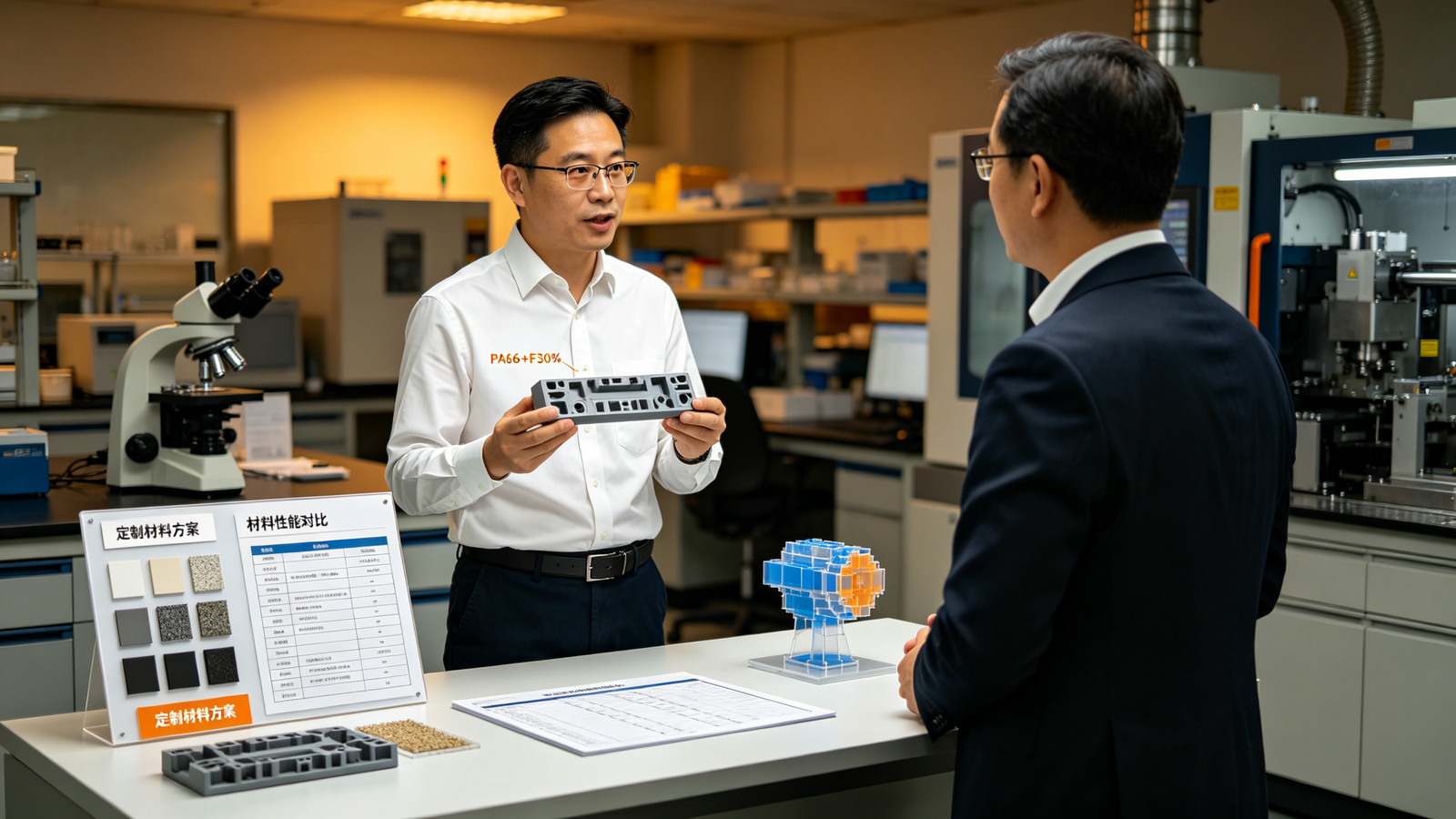
Procurement of precision injection molded parts is no longer just about price and lead time, but a long-term evaluation of how material properties affect product stability. Many projects experience quality fluctuations during mass production, and the root cause often lies in insufficient understanding of material parameters at the early stage. Material performance parameters directly determine the service life and reliability of injection molded parts.
In real projects handled by Xiamen Ruicheng, over 60% of rework cases are caused by incorrect material selection rather than processing issues. When buyers focus only on basic specifications without considering real application conditions, product failure becomes highly likely. Shifting from “parameter recognition” to “application matching” is now the core logic of high-quality sourcing.
Why are mechanical properties the primary concern when sourcing precision injection molded parts?
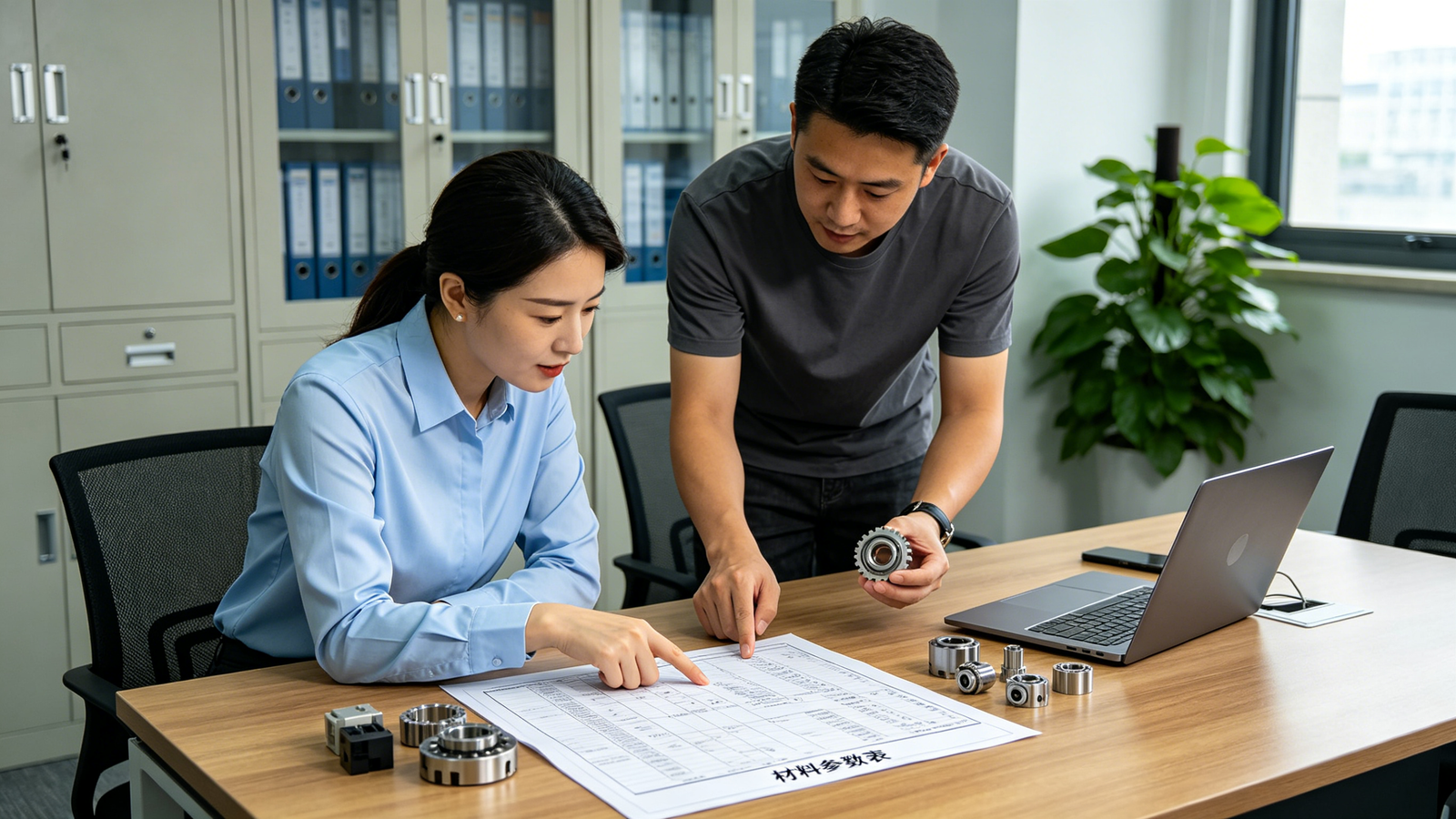
In precision injection molded part procurement, mechanical properties directly determine structural stability and load-bearing performance, especially in high-load or long-term fatigue environments. Parameters such as tensile strength and impact strength play a crucial role in preventing cracks or fractures. Ignoring mechanical properties often leads to premature failure or large-scale product rejection. Xiamen Ruicheng typically validates material selection through testing reports and simulation analysis to reduce risks at the source.
Tensile Strength: Determines the maximum load a part can withstand under tension.
Impact Resistance: Affects the ability to resist sudden external forces.
Fatigue Performance: Defines durability under repeated stress cycles.
Flexural Modulus: Reflects material stiffness and dimensional rigidity.
⚙️ Mechanical properties define whether a part works and how long it lasts.
Why do thermal properties affect the service life of injection molded parts?
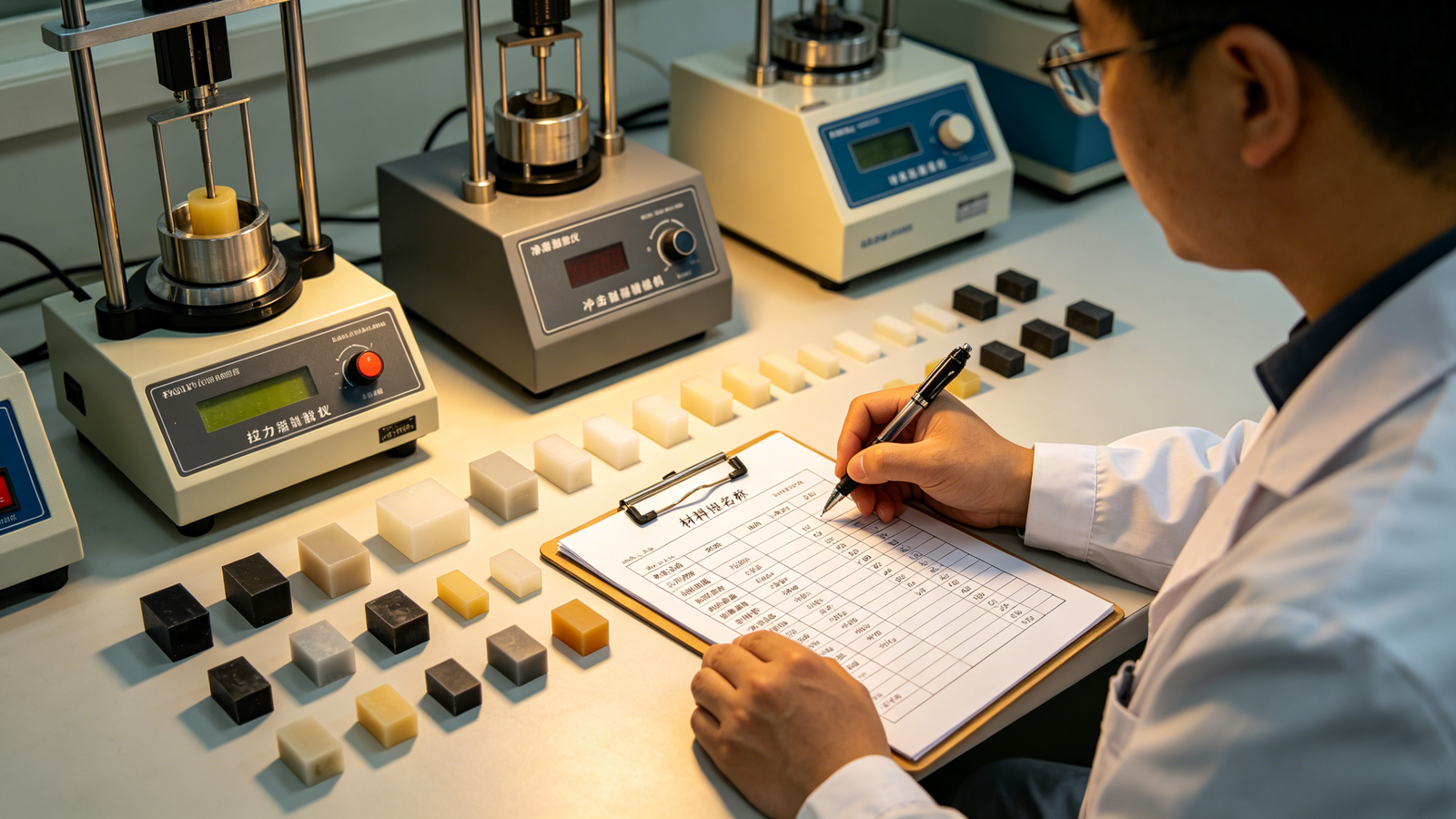
For precision parts used in high-temperature or fluctuating environments, thermal performance is a critical factor. Indicators like heat deflection temperature and glass transition temperature directly influence deformation risks under heat. Materials with insufficient thermal performance tend to soften, deform, or fail during operation. In industries such as medical and electronics, Xiamen Ruicheng selects materials based on real operating temperature ranges and provides validation support.
Heat Deflection Temperature: Indicates resistance to deformation under heat.
Glass Transition Temperature: Defines the transition between rigid and flexible states.
Thermal Aging Resistance: Impacts long-term performance stability.
Thermal Conductivity: Affects heat dissipation efficiency.
🔥 Thermal properties determine stability under extreme conditions.
How to evaluate dimensional stability and environmental adaptability?
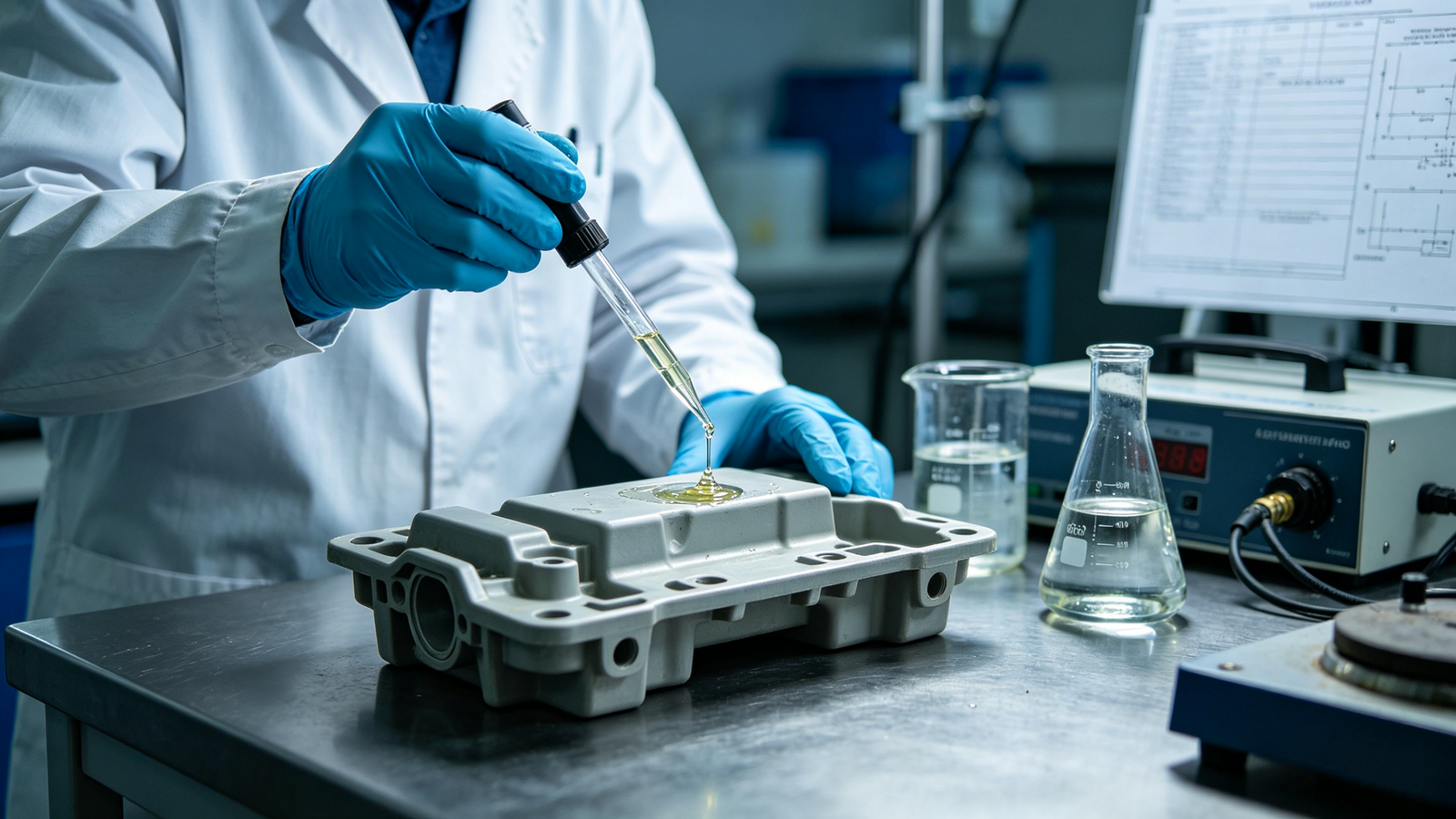
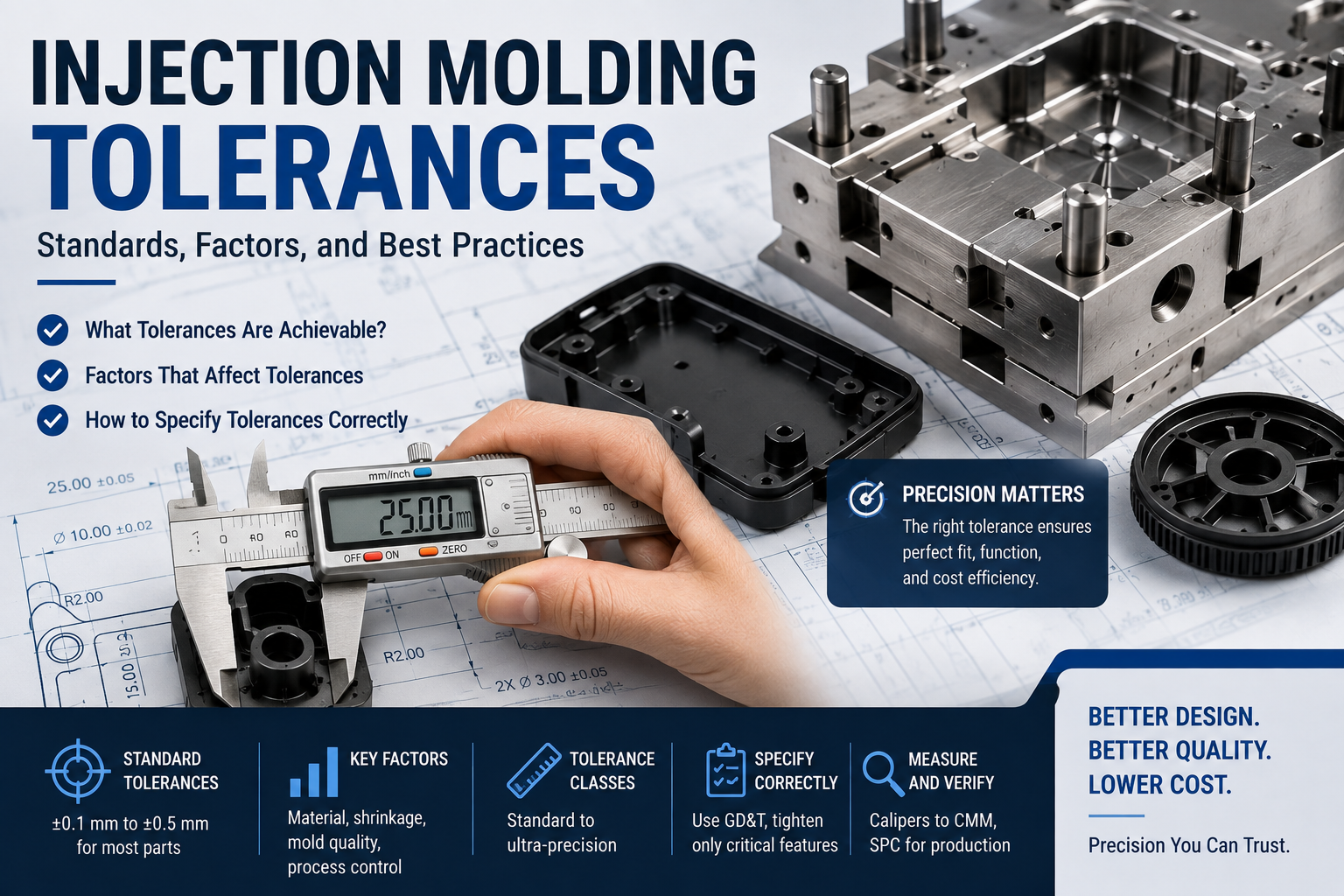
In high-precision assembly scenarios, dimensional stability and environmental adaptability are key to ensuring product consistency. Parameters such as water absorption and coefficient of thermal expansion significantly affect size variation and assembly accuracy. Ignoring environmental factors can lead to dimensional deviation under varying humidity or temperature conditions. Xiamen Ruicheng uses environmental simulation tests and material pre-treatment solutions to ensure stable production.
Moisture Control: Prevents dimensional changes due to humidity absorption.
Thermal Expansion Coefficient: Impacts size changes under temperature variation.
Chemical Resistance: Ensures durability in harsh environments.
Tolerance Matching: Guarantees compatibility with assembly systems.
🌍 Environmental adaptability ensures long-term operational stability.
Comparison Table of Key Material Parameters for Precision Injection Parts
| Parameter Type | Key Indicators | Typical Materials | Application Scenarios |
|---|---|---|---|
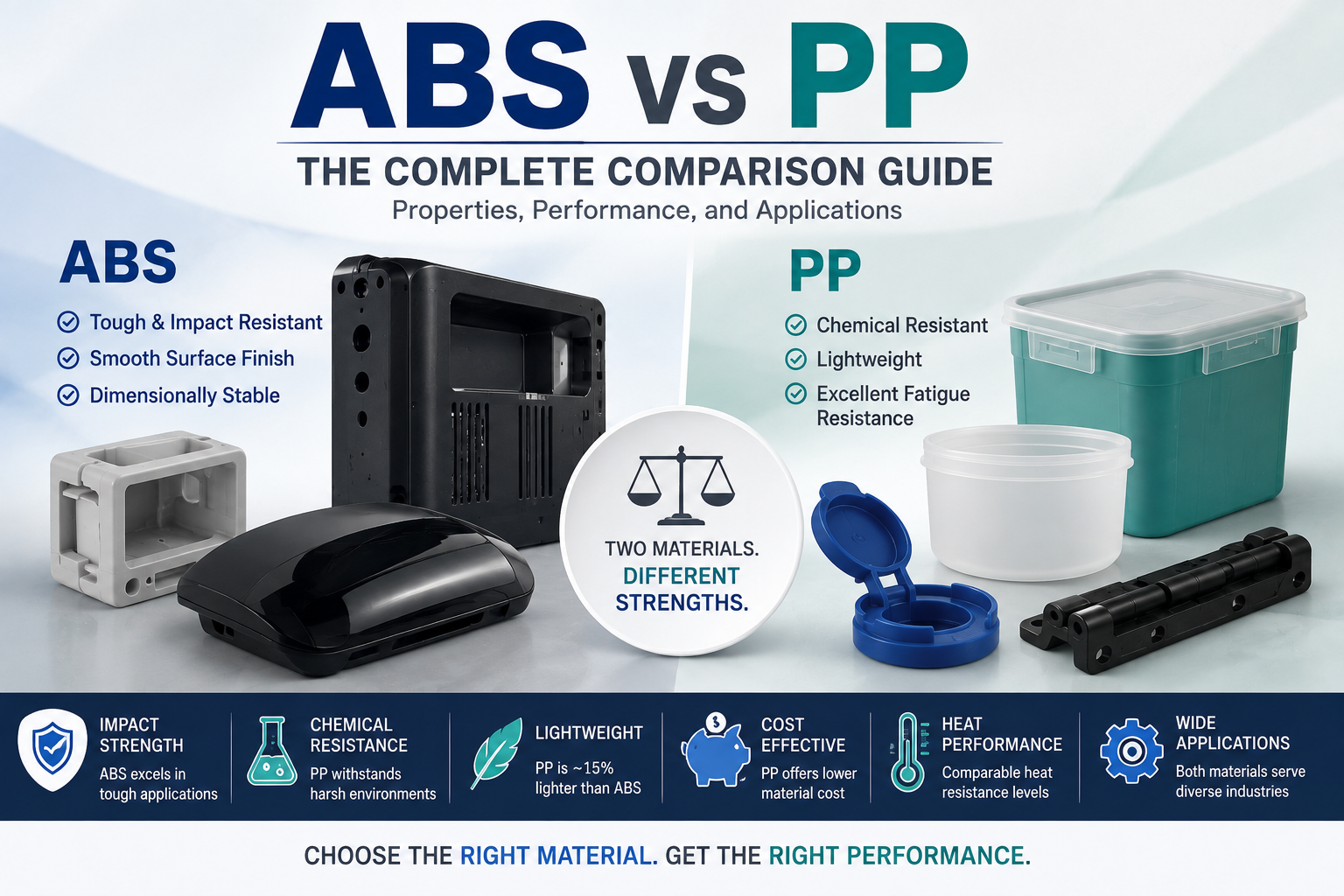
| Mechanical | Tensile / Impact Strength | ABS / PC | Structural parts |
| Thermal | HDT / Tg | PPS / PEEK | High-temperature use |
| Stability | Water Absorption / CTE | PA / POM | Precision assembly |
| Environmental | Corrosion / Aging Resistance | PVC / PP | Outdoor or chemical environments |
If you are struggling with material parameter selection, feel free to reach out for professional guidance 👉 contact us
How to build a material evaluation system for procurement decisions?
Establishing a structured material evaluation system is essential to improving sourcing success rates, especially in multi-category and multi-application projects. Xiamen Ruicheng builds standardized selection processes based on product functionality, usage environment, and lifecycle requirements to ensure accurate matching from parameters to real applications. A well-defined evaluation system significantly reduces trial-and-error costs and enhances production stability.
1.Define Application Scenarios: Identify performance requirements based on actual usage conditions.
2.Set Parameter Standards: Establish minimum thresholds for key indicators.
3.Validation Testing: Verify material suitability through sample testing.
4.Supply Chain Matching: Ensure stable and sustainable material sourcing.
FAQ (Frequently Asked Questions)
Q1: What are the core quality guarantees of your precision injection molded parts?
A: Xiamen Ruicheng ensures strict material selection and multi-dimensional performance testing, covering tensile strength, thermal resistance, and durability. Each batch is supported by internal validation and third-party inspection reports to meet demanding industrial requirements.
Q2: What information should we provide to get a quotation quickly?
A: Please provide 2D/3D drawings, application conditions, and estimated order quantity. Xiamen Ruicheng can complete an initial evaluation within 12 hours and provide a quotation along with process recommendations, including sample support if needed.
Q3: What are your MOQ and lead time for different order volumes?
A: Trial orders can start from as low as 50 pieces. Mass production typically requires 7–15 days depending on complexity. Flexible production lines allow us to adjust schedules for urgent orders.
Q4: How do you handle quality issues after delivery?
A: We provide a complete after-sales support system, including incoming inspection assistance, rapid issue response, and replacement or compensation processes to ensure customer satisfaction.
Q5: Do you support customized materials or special performance requirements?
A: Yes, Xiamen Ruicheng offers customization options such as high-temperature resistance, flame retardancy, and UV resistance. Provide your application conditions, and we will deliver tailored solutions within 3 working days.
Conclusion
Sourcing precision injection molded parts is essentially about matching material properties with real application needs. A single parameter cannot define product quality, and a systematic evaluation approach is essential. Only by translating material performance into real-world value can buyers achieve reliable procurement decisions. With strong technical expertise and a stable supply chain, Xiamen Ruicheng helps customers navigate complex choices and find optimal solutions.
For expert assistance in implementing solutions for your production needs, visit our resource center or contact us. Let’s help you scale up your manufacturing with precision and efficiency!