Introduction
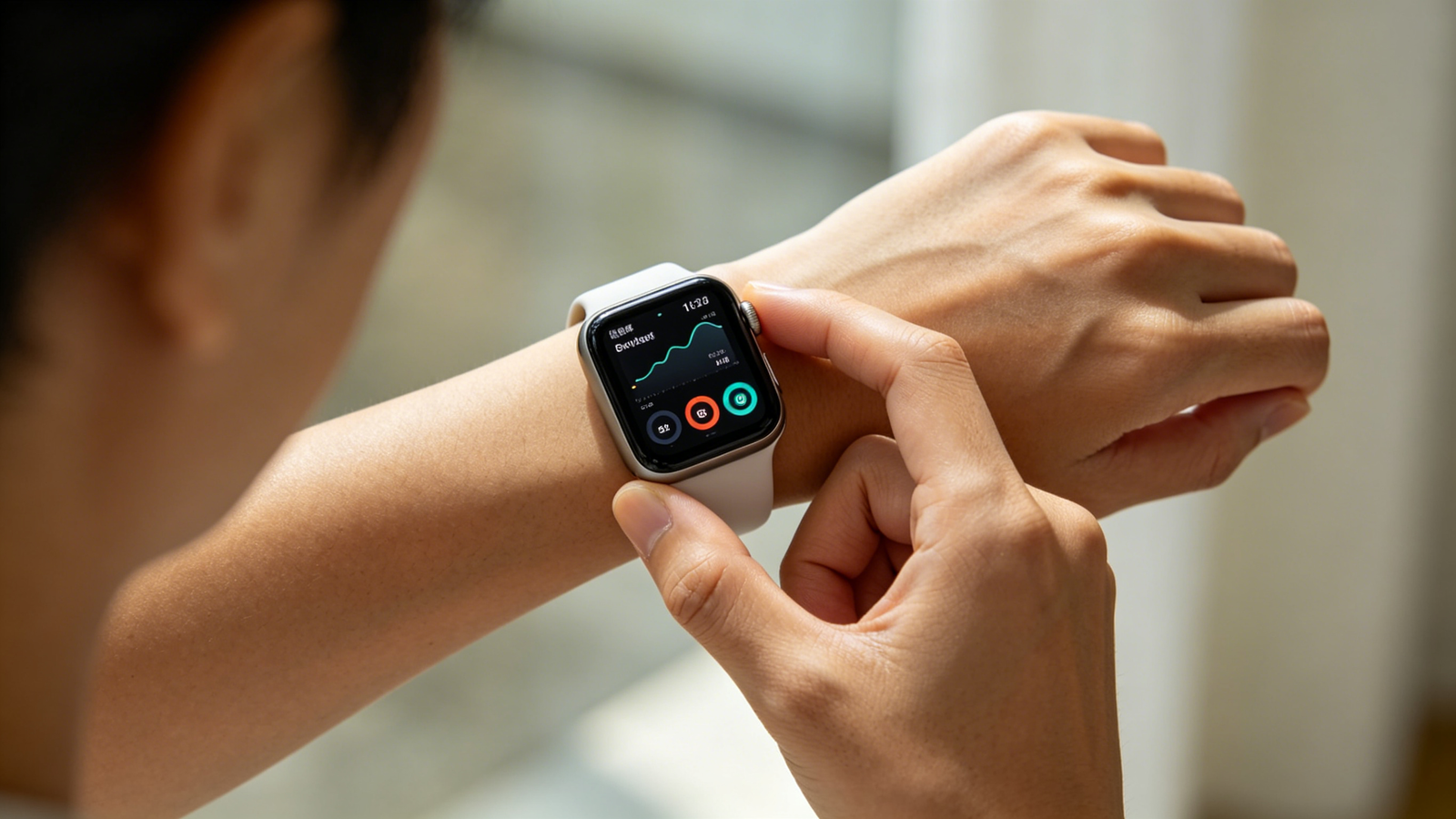
As wearable devices expand into medical-grade and long-duration use scenarios, housing materials are no longer just structural components but critical to user comfort and safety compliance. Xiamen Ruicheng has observed through global project experience that incorrect material selection often leads to higher failure rates than structural issues. The balance between skin-friendliness and manufacturability is the key to prototype success.
During the rapid prototyping stage, materials must not only simulate production performance but also meet efficiency and cost constraints, which raises the bar for procurement decisions. Xiamen Ruicheng provides integrated solutions from material selection to validation through extensive process testing and material databases. The right material choice allows prototypes to move directly into production validation, reducing costly iterations.
How to select skin-friendly materials for wearable devices?
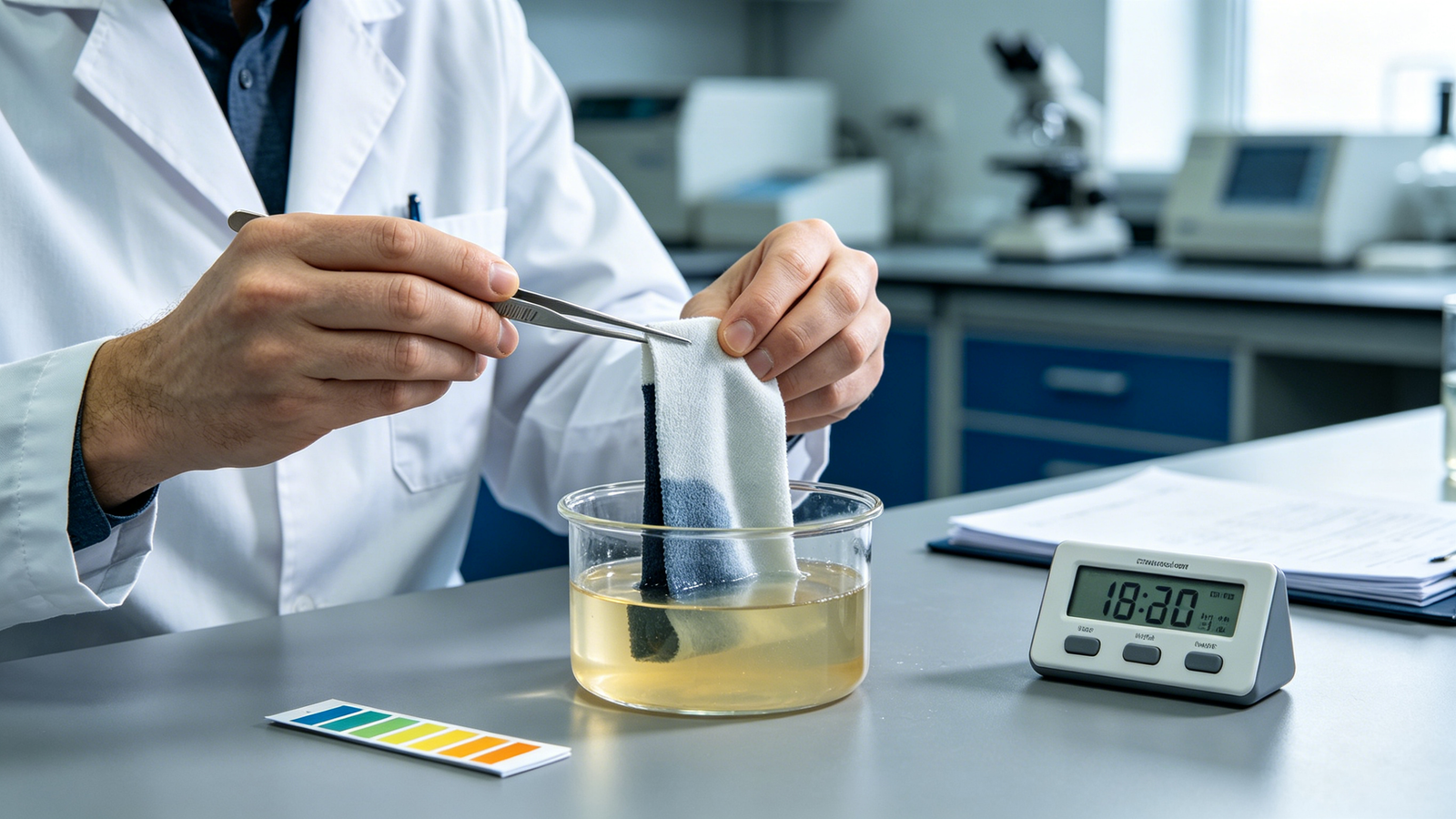
In wearable housing development, materials must meet requirements such as skin safety, flexibility, and structural stability, where medical-grade silicone and thermoplastic elastomers (TPE) are widely used, and Xiamen Ruicheng evaluates their performance under sweat exposure and long-term wear to help clients avoid user complaints and compliance risks. Material selection directly impacts both user experience and market approval readiness.
Material safety: Materials must comply with skin-contact safety standards and certifications.
Soft touch: Proper hardness enhances comfort and reduces pressure marks during wear.
Sweat resistance: Materials should resist sweat and oils to maintain durability.
Process compatibility: Materials must align with rapid prototyping processes for efficiency and accuracy.
😊 Choosing the right material means eliminating user experience risks early.
How to balance cost and performance during prototyping?
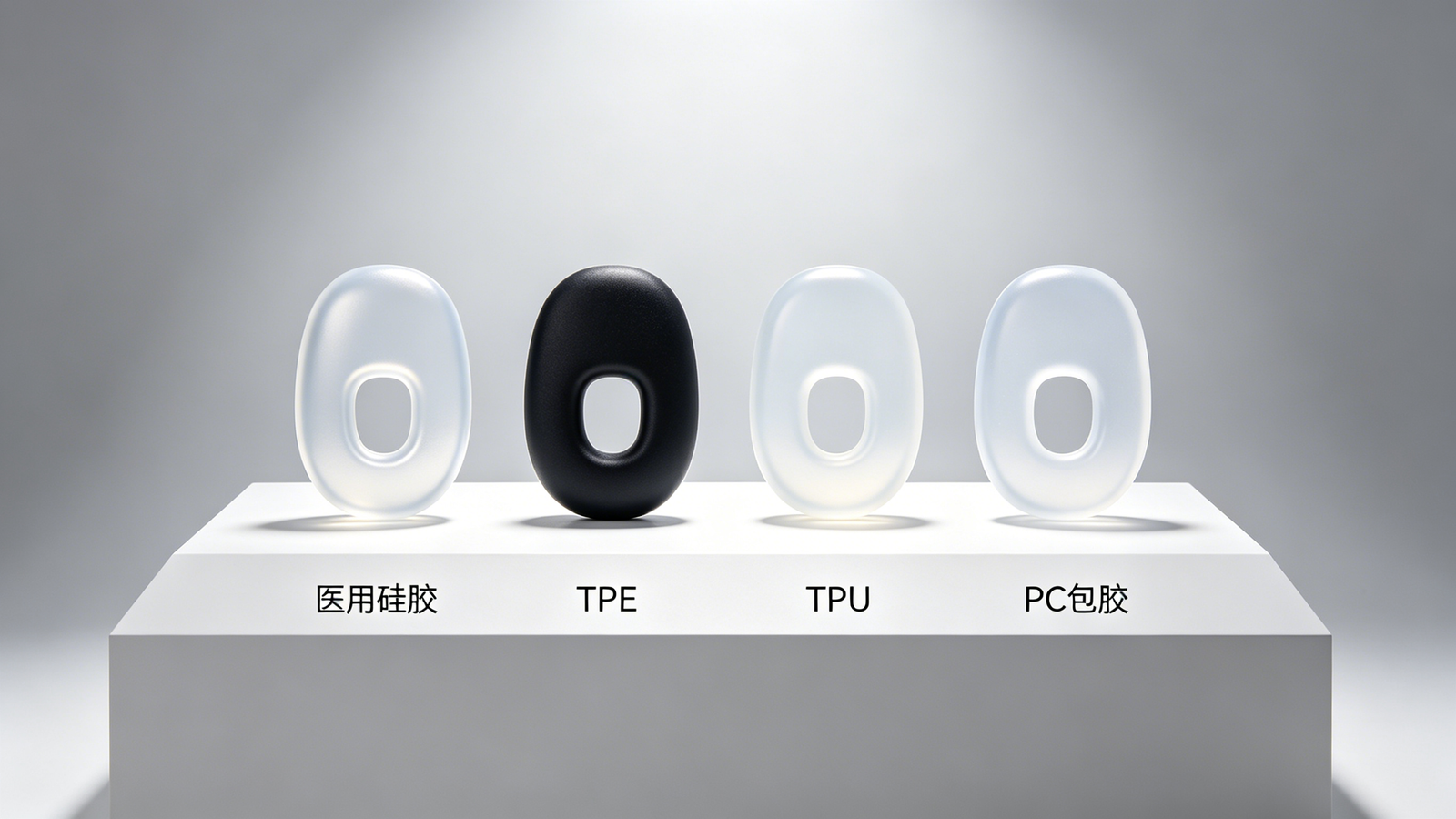
During rapid prototyping, clients often struggle between high-performance materials with high costs and low-cost options that fail to reflect real performance, and Xiamen Ruicheng uses combined processes such as vacuum casting and CNC machining to optimize both cost and performance, ensuring realistic validation within budget. A well-designed process combination enhances prototype value without increasing cost.
Process matching: Select suitable manufacturing methods based on material properties.
Small-batch validation: Use limited runs to simulate real-world usage conditions.
Cost optimization: Replace materials or refine processes to reduce expenses.
Performance simulation: Ensure prototypes closely match final product behavior.
💡 Cost and performance are not opposites but variables that can be engineered.
How to ensure a smooth transition from prototype to mass production?
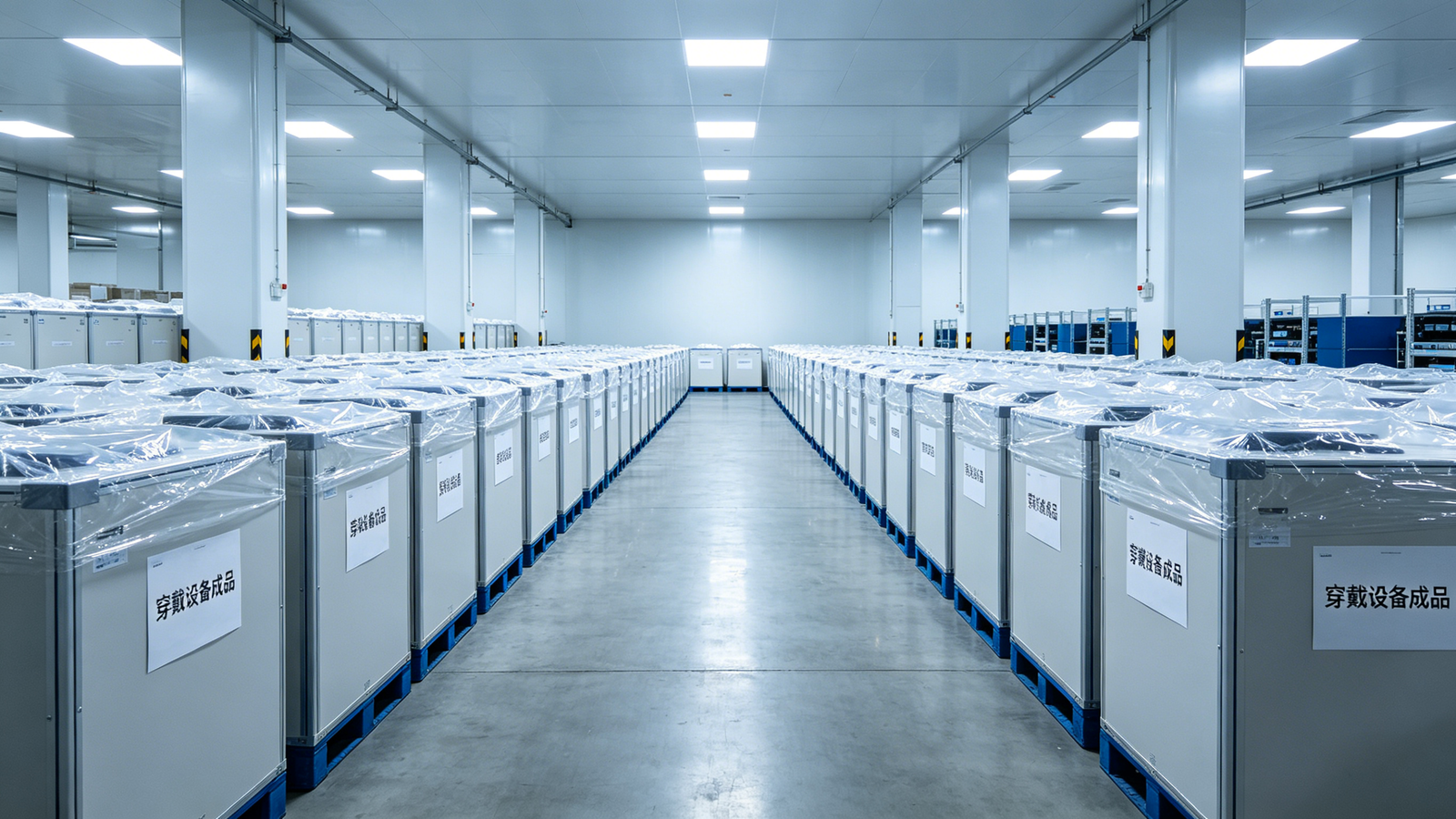
Many projects perform well during prototyping but fail in mass production due to material or process incompatibility, and Xiamen Ruicheng conducts DFM analysis and supply chain evaluation, integrating injection molding with material certification standards to ensure scalability and reduce transition risks. Material consistency between prototype and production is the foundation of project success.
Production compatibility: Choose materials that can be directly used in mass production.
Certification readiness: Align with medical or consumer compliance standards early.
Supply stability: Ensure consistent material sourcing for large-scale production.
Design integration: Optimize structure and material together for efficiency.
🚀 A prototype that cannot scale is not a real solution.
Comparison of Skin-Friendly Materials for Wearable Devices
| Material Type | Touch Feel | Skin Safety | Processing Method | Cost Level | Production Fit | Typical Application |
|---|---|---|---|---|---|---|
| Medical Silicone | Ultra soft | Very high | Casting/Molding | High | High | Smart bands |
| TPE | Soft | High | Injection/Casting | Medium | High | Straps/housings |
| TPU | Elastic | Medium-high | Injection/CNC | Medium | High | Sports devices |
| PC + Overmold | Rigid + soft | Medium | Injection + Overmold | Medium-high | High | Smartwatches |
If you are evaluating the right material solution and want to reduce trial-and-error costs, connect with our engineering team for tailored support: contact us
Why material selection determines project success
In wearable device development, materials are not just physical carriers but key to user experience, brand trust, and compliance risk, and Xiamen Ruicheng leverages its material database and project expertise to guide clients from the early stage, preventing costly redesigns caused by poor material decisions. The right material strategy significantly shortens time-to-market and improves product success rates.
1.Reduce trial and error: Quickly identify viable materials using proven data.
2.Enhance user experience: Improve comfort and tactile quality.
3.Minimize risk: Avoid compliance and performance failures.
4.Accelerate production: Ensure seamless transition to mass manufacturing.
Frequently Asked Questions (FAQ)
Question 1: What are the core advantages of your wearable housing prototyping service?
Answer: Xiamen Ruicheng supports a wide range of skin-friendly materials such as silicone, TPE, and TPU, combined with ISO 10993 screening standards, and delivers prototypes within 5–7 days using vacuum casting and CNC processes, ensuring both safety and realistic performance validation.
Question 2: What information is required to request a quotation?
Answer: Clients need to provide 3D files (STEP/IGES), application scenarios (sports, medical, etc.), estimated quantity, and surface requirements, and upon submission via email or online channels, Xiamen Ruicheng will respond within 2 hours and deliver a full quotation within 12 hours.
Question 3: What are the MOQ and lead time for different volumes?
Answer: Prototype MOQ ranges from 1–10 units, small batch validation from 20–100 units, standard lead time is 5–7 days, and urgent orders can be completed within 48 hours depending on complexity.
Question 4: How are quality or material issues handled?
Answer: Xiamen Ruicheng offers a 7-day inspection window, and once an issue is confirmed, replacement or rework is arranged within 48 hours, with all materials backed by test reports for compliance assurance.
Question 5: Do you support customization or special requirements?
Answer: Yes, we support customized materials including hardness, color, and antibacterial features, and clients need to provide detailed usage conditions, with feasibility feedback delivered within 3 working days.
Conclusion
Material selection in wearable device prototyping is no longer a simple technical step but a strategic decision that impacts user experience, cost efficiency, and production scalability. Xiamen Ruicheng integrates materials, processes, and supply chain expertise to support clients from prototyping to mass production. Choosing the right material from the beginning ensures efficient development and reliable scalability.
For expert assistance in implementing for your production needs, visit our resource center or contact us. Let’s help you scale up your manufacturing with precision and efficiency!