Introduction
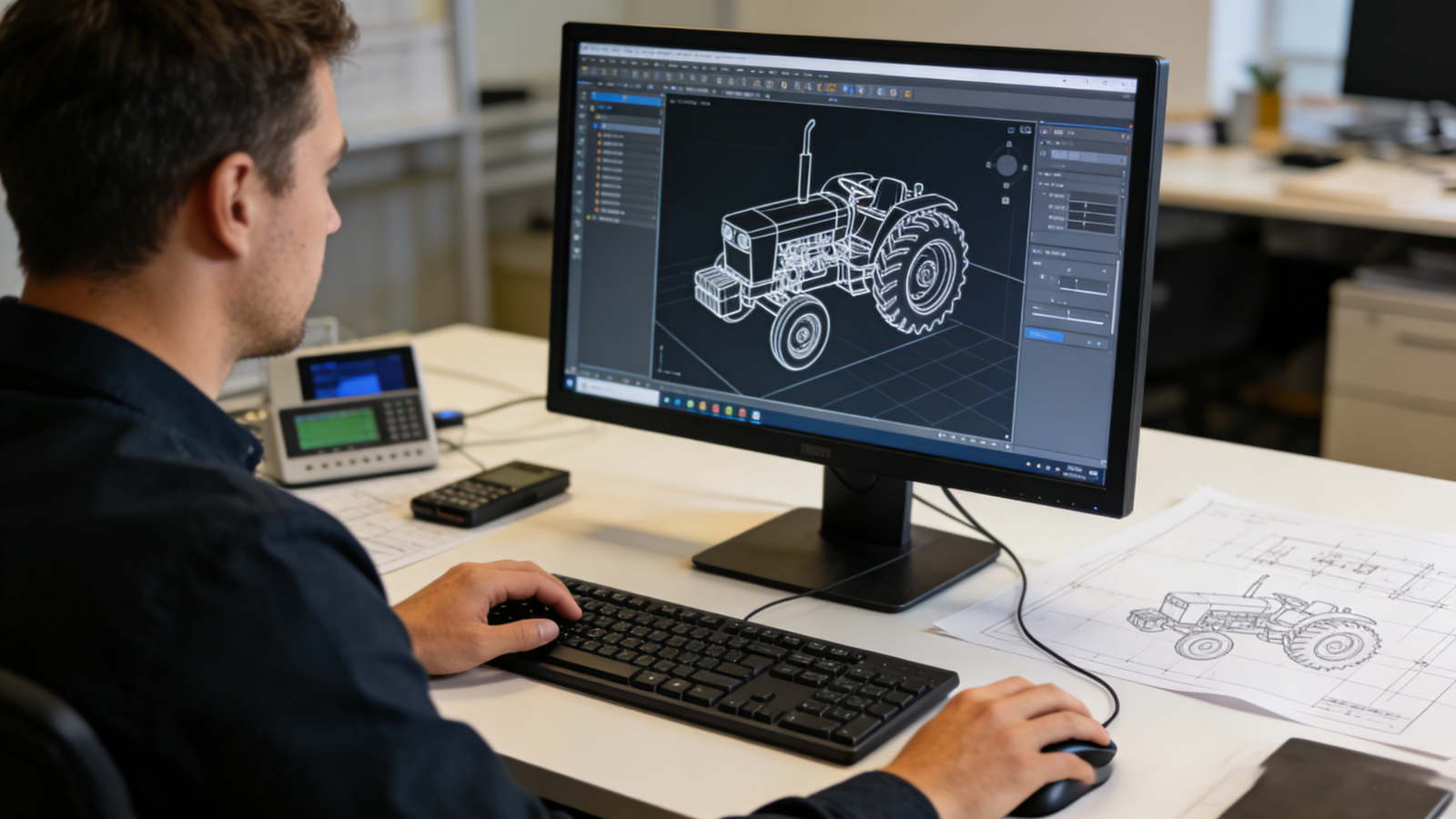
The agricultural machinery industry is shifting from mass standardized production to multi-variant, low-volume rapid iteration. Traditional injection molding is increasingly showing limitations in early-stage development due to long lead times and high tooling costs. Facing complex working environments and frequent design updates, companies are seeking more flexible manufacturing solutions to reduce trial-and-error costs. At the early stage of agricultural parts development, the choice of manufacturing process directly impacts project timelines and return on investment.
Xiamen Ruicheng, with extensive experience in vacuum casting, supports clients in achieving faster delivery and lower risks during product validation. By comparing real-world performance across different processes, decision-makers can better identify the most suitable manufacturing path. With a focus on “decision support,” we prioritize helping clients make confident and efficient choices under uncertainty.
Why Is Vacuum Casting More Suitable for Low-Volume Agricultural Parts?
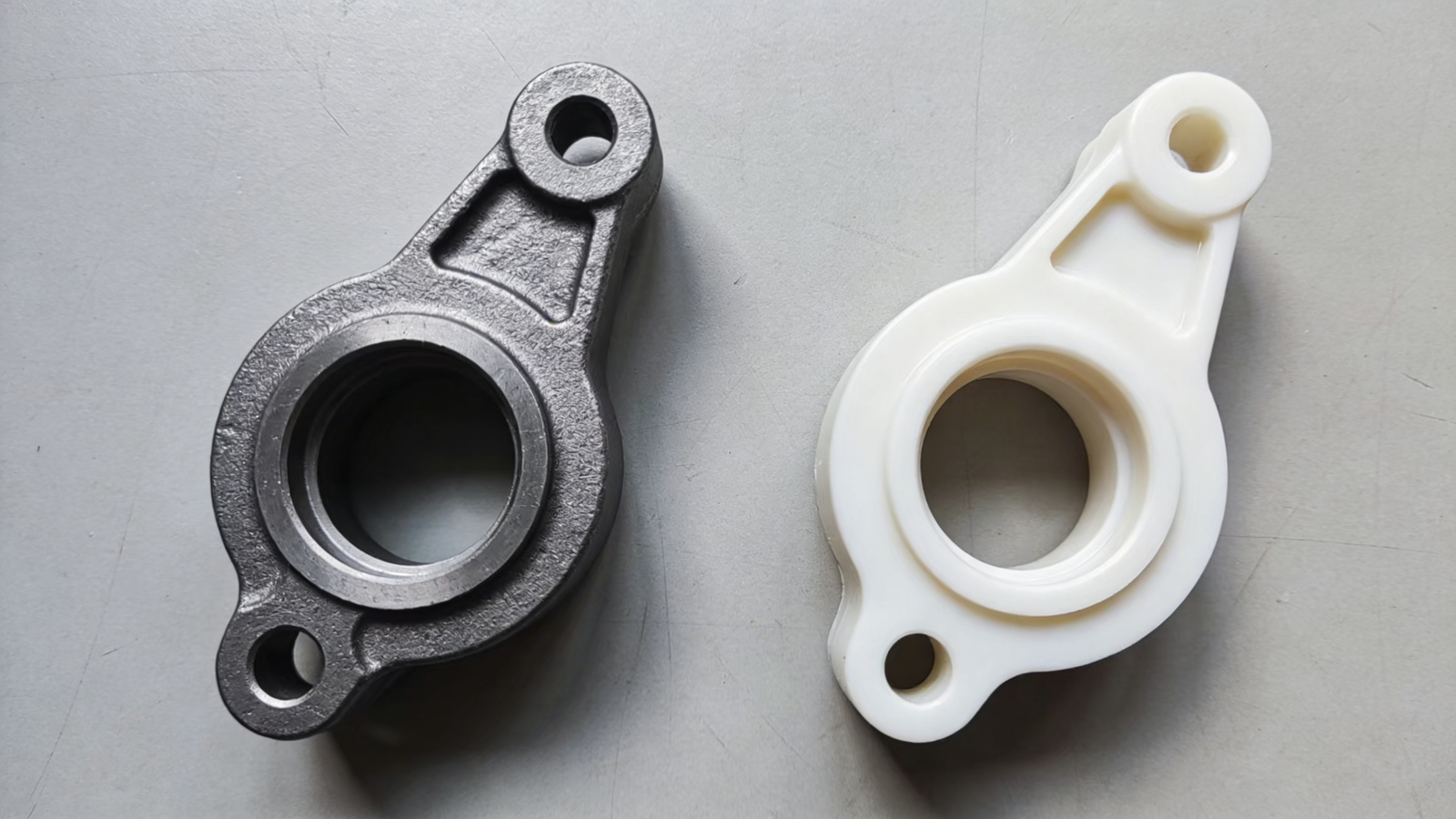
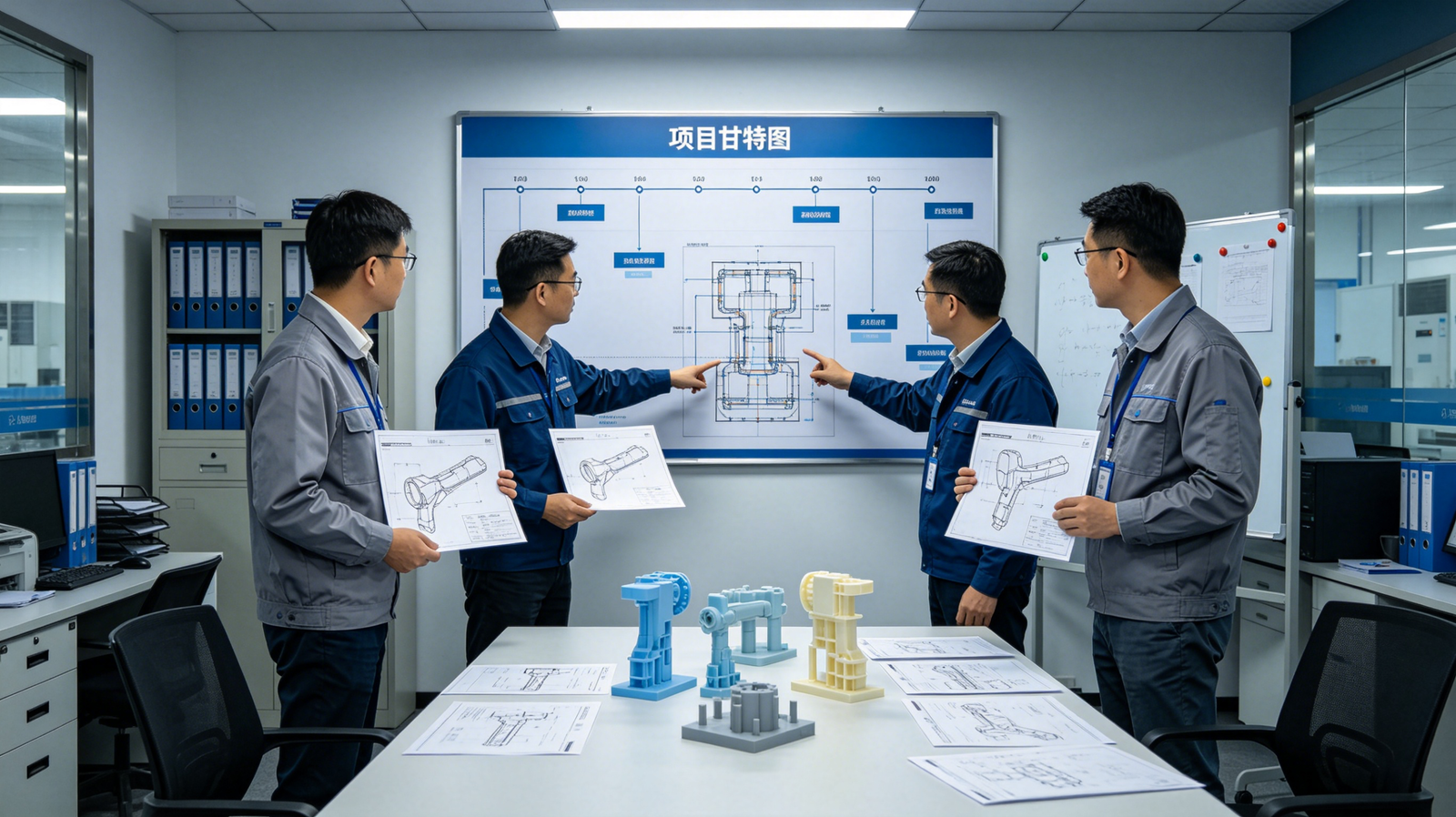
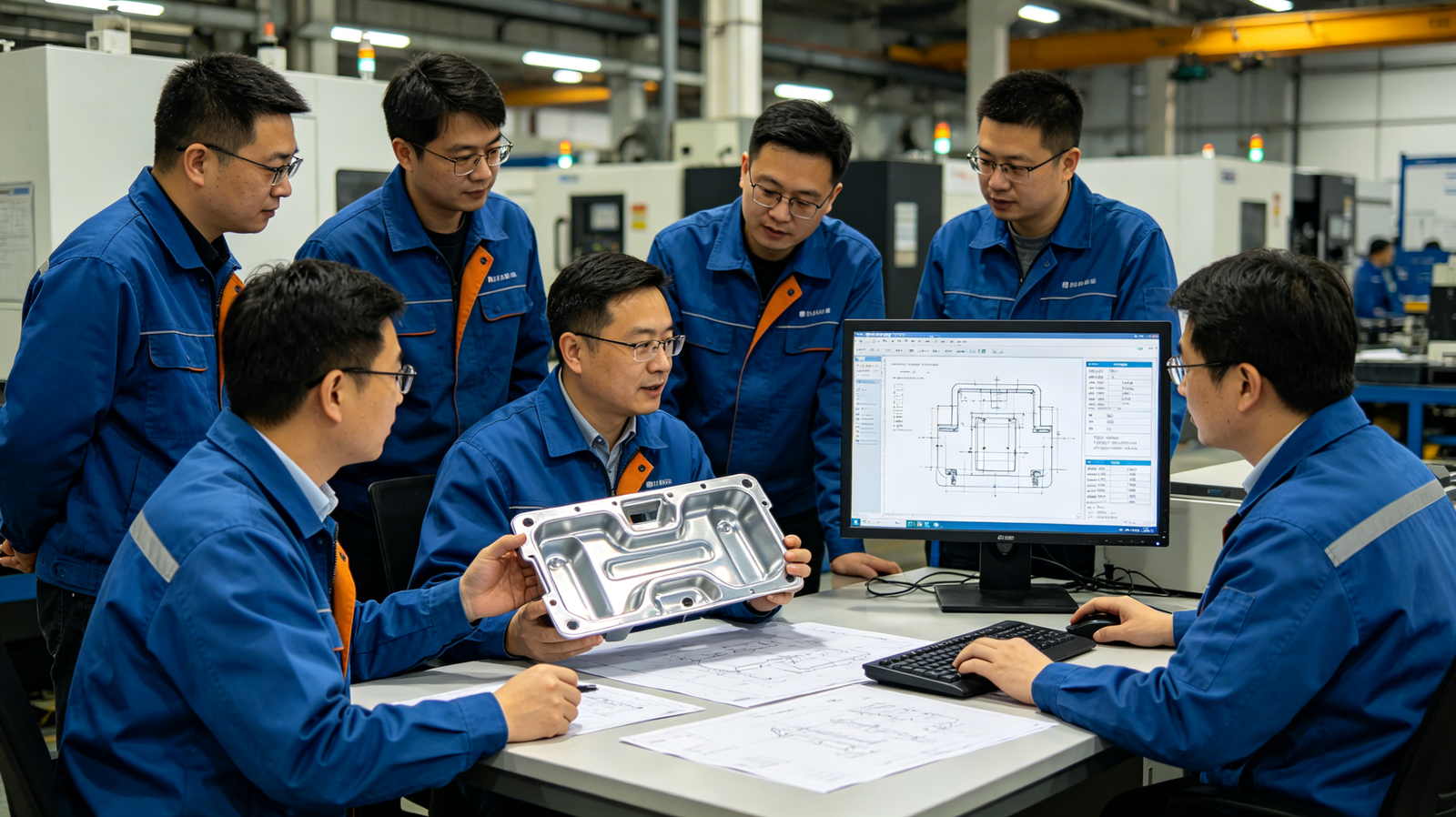
During the development phase of agricultural components, low-volume demand is often accompanied by frequent design changes and testing requirements. Vacuum casting offers greater flexibility and responsiveness compared to traditional injection molding. Xiamen Ruicheng utilizes silicone molds to rapidly replicate complex geometries, enabling customers to validate designs without investing in expensive tooling. In low-volume scenarios, vacuum casting significantly reduces trial costs while accelerating development cycles. This approach is especially suitable for agricultural housings, connectors, and functional components requiring quick iteration.
Cost Efficiency: No need for expensive steel molds, reducing upfront investment.
Fast Delivery: Parts can typically be delivered within 7 days.
High Fidelity: Complex geometries and fine textures are accurately replicated.
Flexible Iteration: Design changes can be quickly implemented without retooling.
🚜 Vacuum casting minimizes risk and accelerates product launch in low-volume production
How Should Cost Structures Be Evaluated Between Vacuum Casting and Injection Molding?
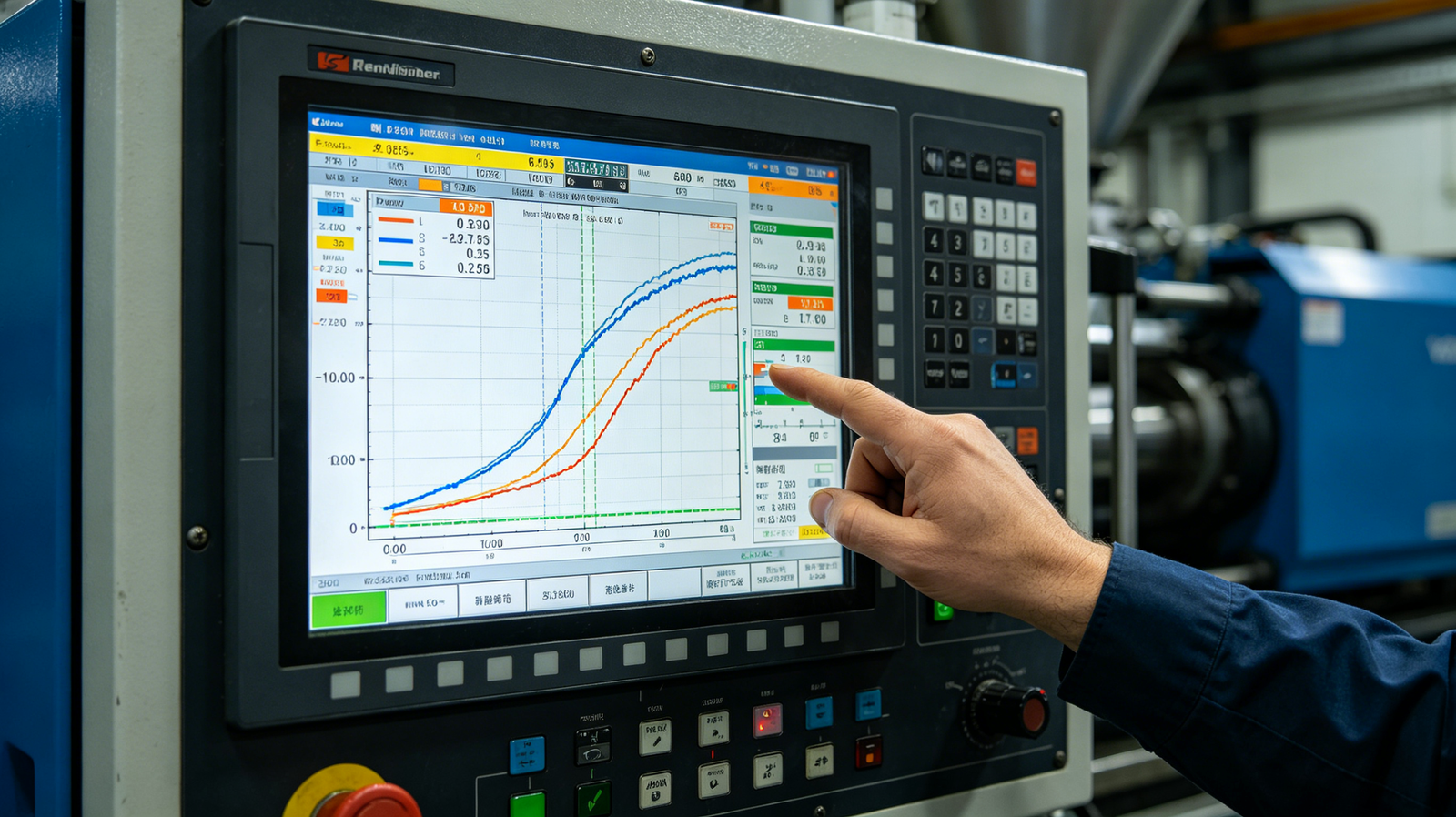
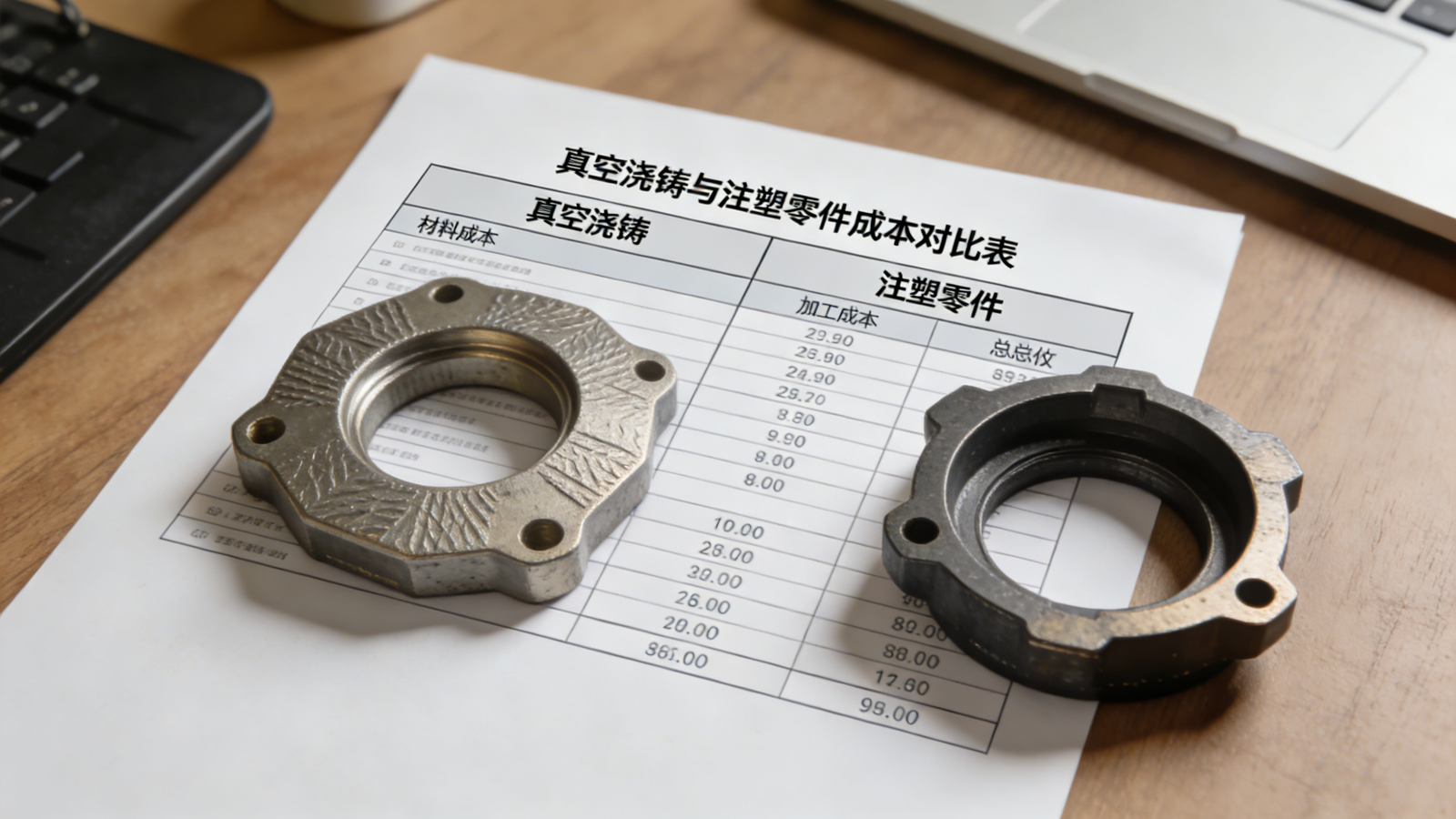
In agricultural parts procurement, cost includes not only unit price but also tooling investment and time-related expenses. Vacuum casting services offer clear advantages for small quantities, while injection molds are more cost-effective for mass production. Xiamen Ruicheng helps clients optimize cost structures through phased manufacturing strategies, ensuring smooth transitions from prototyping to full-scale production. Choosing the right process at each stage ensures overall cost efficiency rather than focusing on unit price alone. This strategy is especially valuable for projects with tight budgets and timelines.
Initial Investment: Vacuum casting eliminates high tooling costs.
Unit Cost: Injection molding becomes cheaper at higher volumes.
Time Cost: Faster turnaround reduces project delays.
Risk Cost: Avoids costly mold modifications during design changes.
💰 A phased manufacturing strategy delivers better overall cost control
Can Vacuum Casting Meet the Demands of Harsh Agricultural Environments?
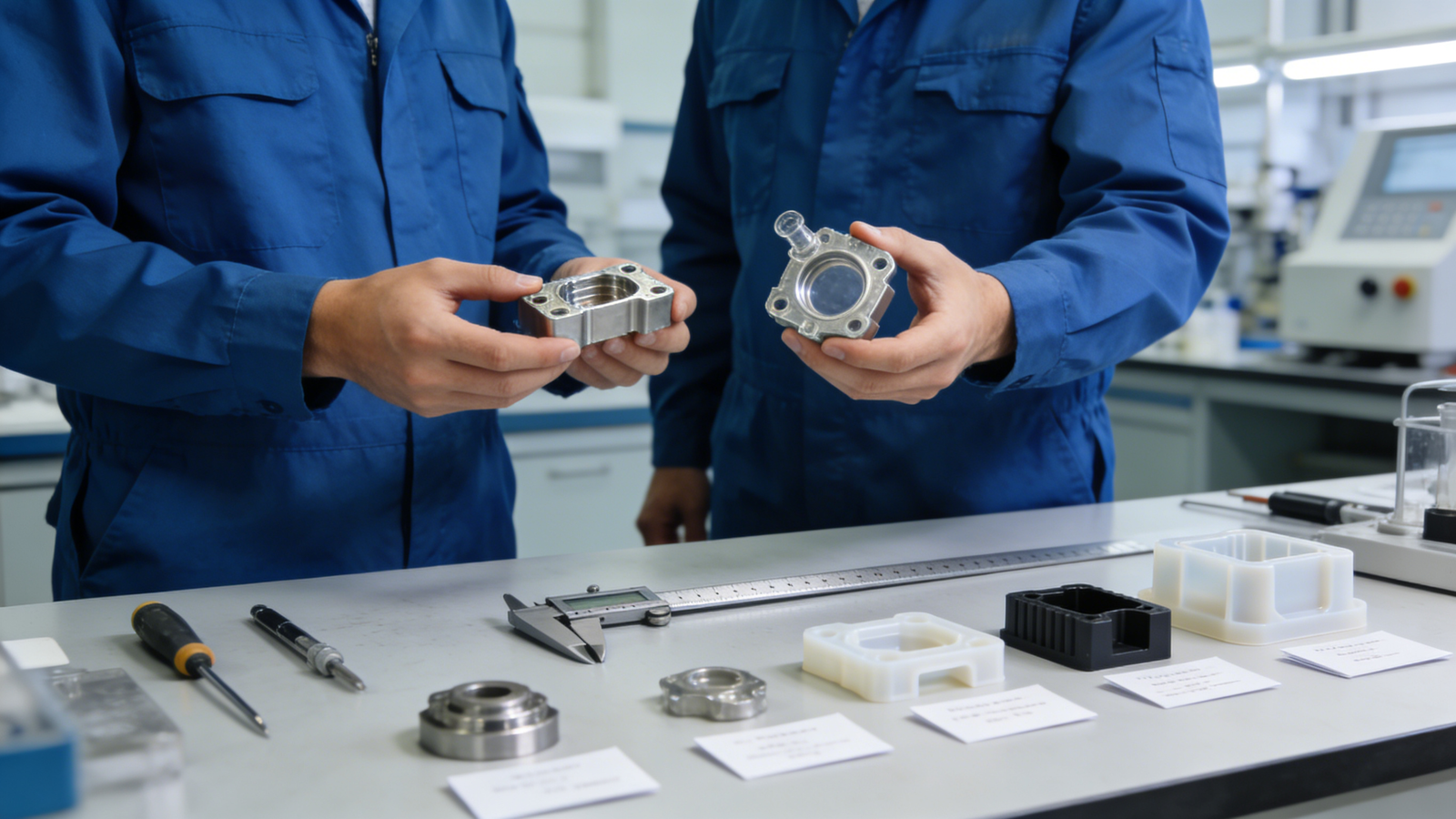
Agricultural parts often operate under harsh conditions such as heat, dust, and mechanical impact. Polyurethane materials used in vacuum casting processes can simulate the properties of engineering plastics, making them suitable for functional testing. Xiamen Ruicheng optimizes both materials and processes to ensure that cast parts closely match injection-molded performance. For validation and testing stages, vacuum-cast parts can meet most functional requirements. This provides reliable data before transitioning to mass production.
Material Simulation: PU materials can replicate ABS, PC, and other plastics.
Functional Testing: Suitable for assembly and performance validation.
Environmental Resistance: Offers moderate heat and impact resistance.
Testing Support: Ideal for real-machine testing and verification.
⚙️ Vacuum casting delivers near-production performance for validation purposes
Comparison of Manufacturing Methods for Agricultural Parts
| Criteria | Vacuum Casting | Injection Molding | CNC Machining | 3D Printing |
|---|---|---|---|---|
| Initial Cost | Low | High | Medium | Low |
| Lead Time | Fast | Slow | Medium | Fast |
| Quantity Range | 1–100 pcs | 1000+ pcs | 1–50 pcs | 1–20 pcs |
| Material Options | Wide | Very Wide | Limited | Limited |
| Surface Finish | High | High | High | Medium |
| Complexity | High | High | Medium | High |
| Flexibility | High | Low | Medium | High |
If you're evaluating the most suitable manufacturing solution for your project stage, feel free to reach out for expert advice contact us
How to Choose the Right Manufacturing Path for Agricultural Parts
Selecting the appropriate manufacturing process at different development stages is critical for agricultural parts projects. From concept validation to mass production, each phase requires a tailored approach. Xiamen Ruicheng recommends starting with vacuum casting for prototyping and transitioning to injection molding for large-scale production. A well-planned manufacturing strategy significantly improves project success rates while minimizing resource waste.
1.Stage Matching: Use flexible processes during early development.
2.Cost Evaluation: Consider tooling, unit price, and lead time together.
3.Risk Control: Avoid high tooling investment before design stabilization.
4.Long-Term Planning: Prepare for a smooth transition to mass production.
Frequently Asked Questions (FAQ)
Question 1: What are the core advantages of your vacuum casting service for agricultural parts?
Answer: Xiamen Ruicheng provides vacuum casting with ±0.1mm tolerance, using high-performance PU materials and multi-stage inspection processes to ensure stable performance in assembly and testing, meeting the dual requirements of precision and durability in agricultural equipment development.
Question 2: What information is required to get a quotation quickly?
Answer: Please provide 3D files (STEP/IGES), quantity requirements, and application details. Submit via email or website, and our team will respond within 2 hours, delivering a detailed quotation with process recommendations within 12 hours, including free DFM analysis.
Question 3: What are the MOQ and lead times for small-batch orders?
Answer: We support orders starting from 1 piece, with standard lead times of 5–7 days. For volumes up to 100 units, flexible production lines enable urgent orders to be completed within 48 hours if needed.
Question 4: How do you handle quality issues or delivery delays?
Answer: Quality inspection is available within 7 days of delivery. If issues are confirmed, we provide rework or refunds within 48 hours. All orders include quality agreements and delivery guarantees to ensure risk-free procurement.
Question 5: Do you support customization based on specific working conditions?
Answer: Yes, we offer customization based on temperature, load, and environmental requirements. Clients need to provide detailed parameters, and customized solutions are delivered within 3 working days, with costs adjusted by 5–15% depending on complexity.
Conclusion
For low-volume agricultural parts manufacturing, the key lies in balancing cost, lead time, and risk. Vacuum casting demonstrates clear advantages in early-stage production with its flexibility and speed. By strategically planning manufacturing processes, companies can achieve a seamless transition from validation to mass production. Choosing the right process is not just a technical decision but a critical business strategy that determines project success. Xiamen Ruicheng remains committed to guiding clients toward optimal solutions in complex decision-making scenarios.
For expert assistance in implementing solutions for your production needs, visit our resource center or contact us. Let’s help you scale up your manufacturing with precision and efficiency!