Introduction
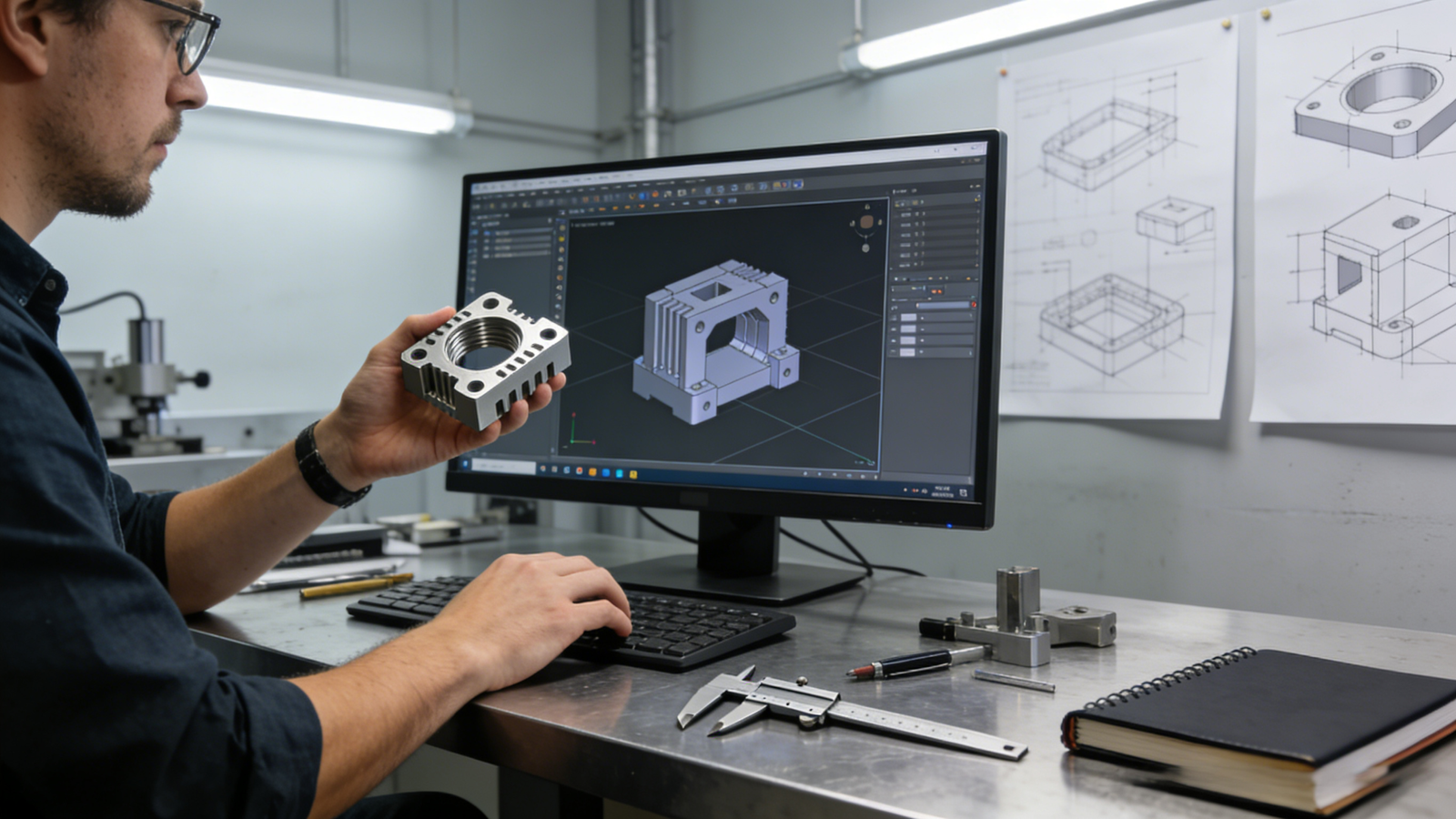
In outdoor equipment manufacturing, components must not only deliver structural strength but also withstand long-term exposure to rain, UV radiation, and corrosive environments. The combination of CNC machining and anodizing has become a critical approach for engineers to validate durability during early-stage development, especially in low-volume prototyping. Validating performance under real-world conditions has become a decisive factor before moving into mass production.
From Xiamen Ruicheng’s project experience, more buyers are shifting their focus from price alone to solution reliability and delivery efficiency. CNC rapid prototyping with anodizing allows risks to be identified early and optimized before scaling. Reducing rework costs through early validation has become a core strategy in modern manufacturing decisions.
Can anodized CNC prototypes truly meet outdoor wear and corrosion resistance requirements?
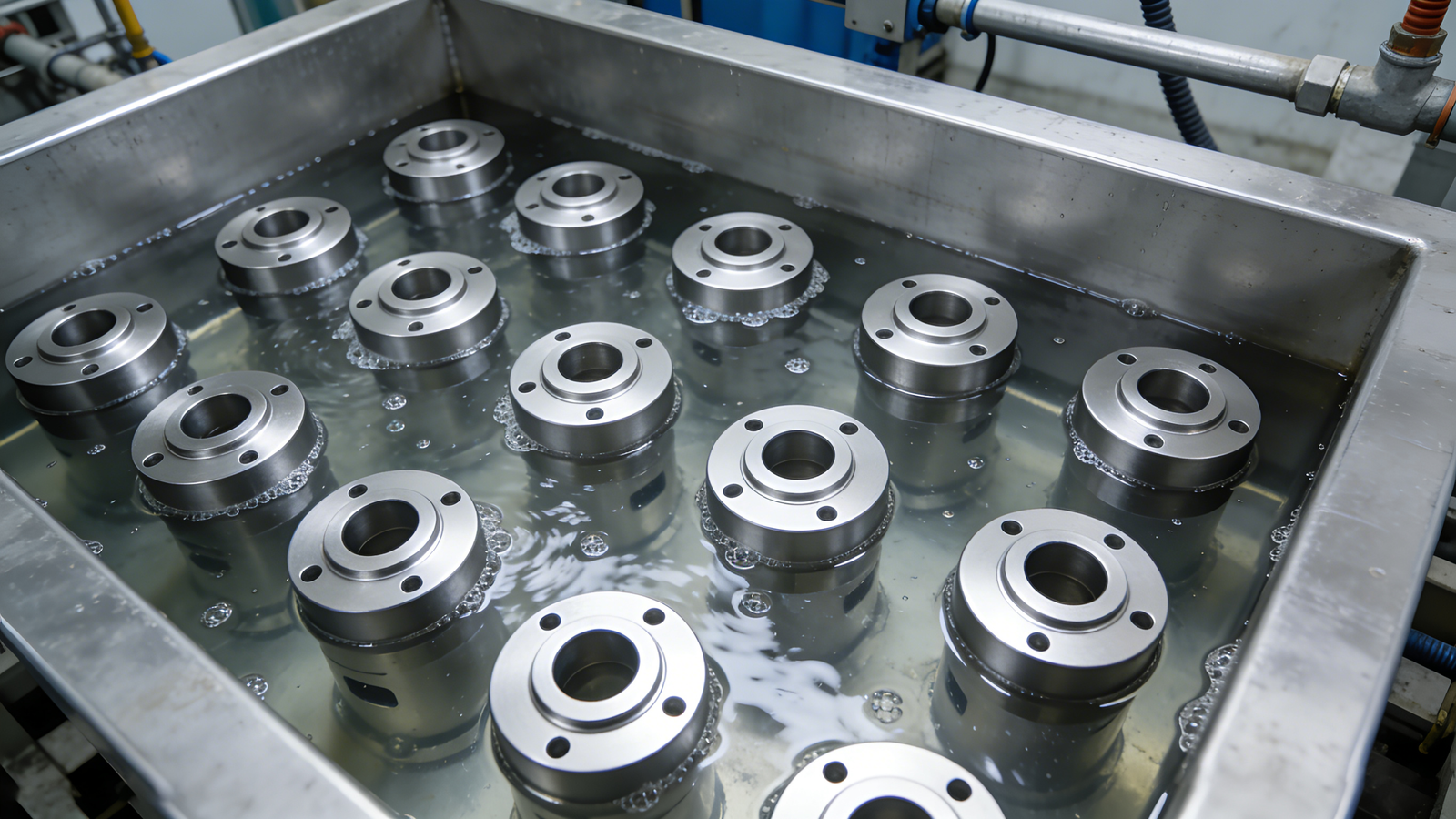
Outdoor components are exposed not only to mechanical wear but also to moisture, salt spray, and temperature fluctuations, while anodizing creates a dense oxide layer on aluminum surfaces to enhance corrosion resistance, and CNC machining ensures precision and structural stability for functional validation. Combining these processes delivers a cost-effective and high-performance solution for early-stage testing.
Coating strength: The anodized layer provides excellent wear resistance in real operating environments.
Corrosion protection: The dense oxide film effectively prevents moisture and oxygen penetration.
Machining accuracy: CNC ensures complex geometries meet assembly requirements.
Validation efficiency: Rapid prototyping enables early environmental testing.
🌧️ The integration of anodizing and CNC brings prototypes closer to real-world performance conditions
Why are more companies choosing CNC with anodizing for prototyping?
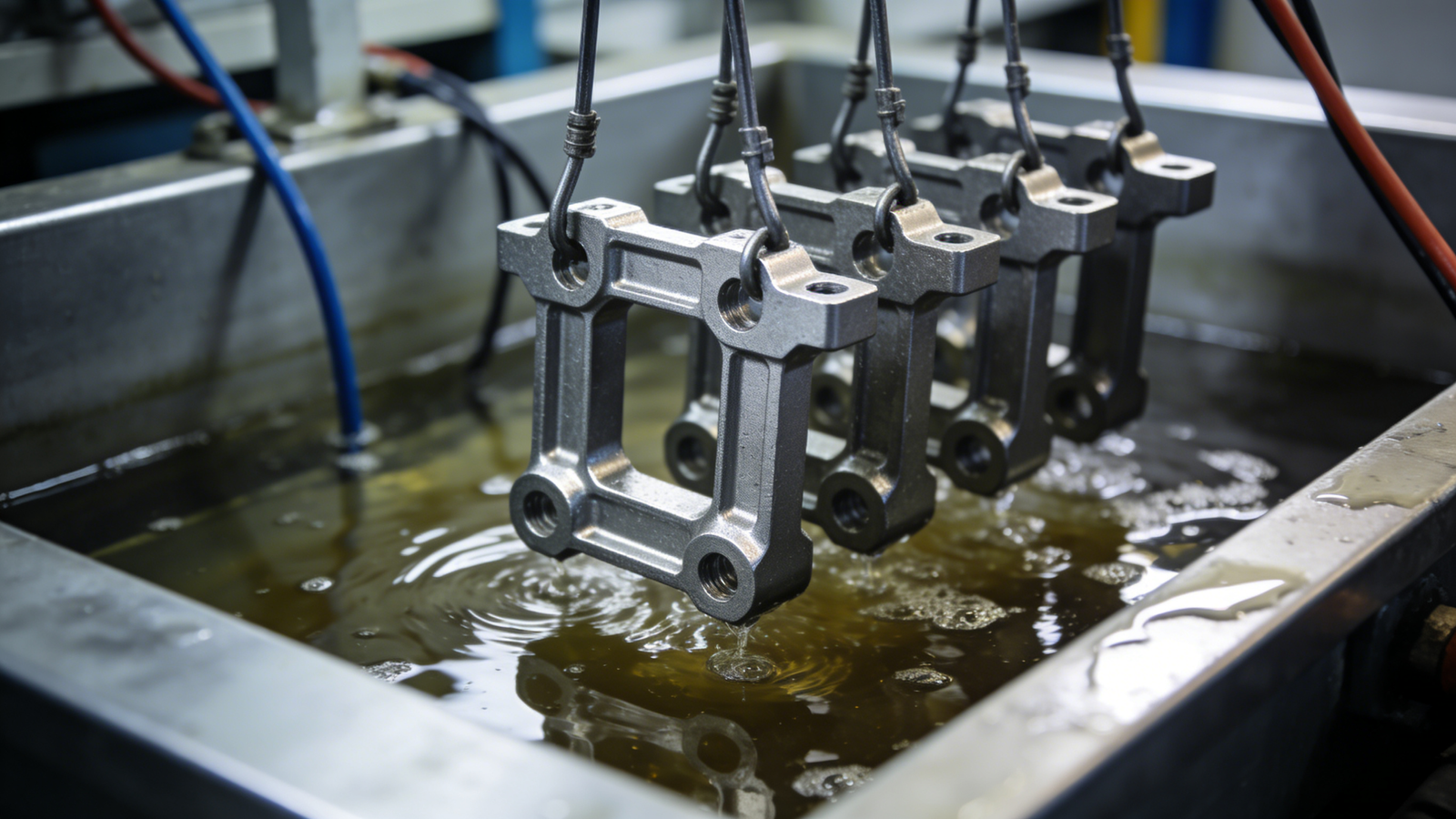
As product development cycles continue to shorten, companies need faster ways to validate both structure and surface performance, and combining rapid prototyping with surface finishing enables CNC solutions to deliver near-production-quality samples quickly. Time savings directly translate into competitive advantages in the market.
Lead time advantage: Prototypes can typically be completed within a few days.
Cost control: Eliminates tooling costs and reduces trial-and-error expenses.
Flexibility: Design changes can be implemented without additional tooling investment.
Realistic performance: Samples closely replicate final product behavior.
⚙️ Speed and realism make CNC anodized prototypes the preferred choice in development stages
How to determine if your outdoor parts are suitable for this solution?
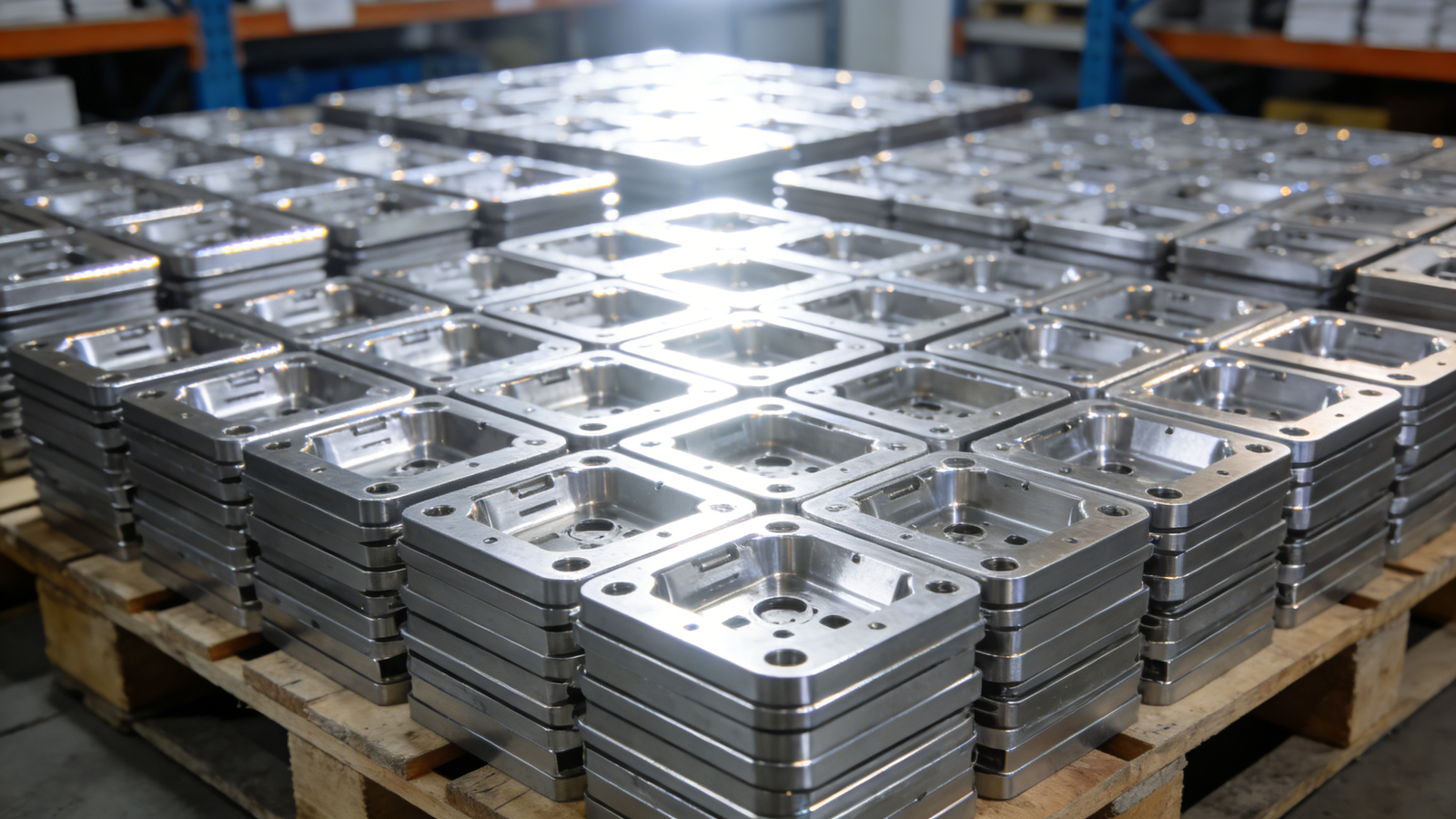
Not all components are ideal for this process combination, and evaluation should consider material type, environmental conditions, and structural complexity, as aluminum performs well in outdoor applications, while different levels of hard anodizing define final performance. Choosing the right process early prevents costly delays and repeated iterations later.
Material compatibility: Aluminum alloys are the most suitable and commonly used materials.
Environmental factors: Humidity, salt spray, and temperature variation must be evaluated.
Structural complexity: Complex geometries benefit from CNC validation.
Performance targets: Select anodizing type based on wear and corrosion requirements.
🔍 Correct process selection at the beginning determines efficiency and success later
Comparison of prototyping solutions for outdoor components
| Criteria | CNC + Anodizing | Die Casting | 3D Printing | Sheet Metal |
|---|---|---|---|---|
| Surface Performance | High | Medium | Low | Medium |
| Precision | High | Medium | Low | Medium |
| Lead Time | Fast | Slower | Very Fast | Fast |
| Cost | Medium | High | Low | Medium |
| Application Stage | Functional Testing | Pre-production | Visual Testing | Structural Testing |
| Material Options | Aluminum | Aluminum/Zinc | Plastics | Metal Sheets |
| Flexibility | High | Low | High | Medium |
| Overall Value | High | Medium | Medium | Medium |
If you are looking for a balance between performance and efficiency, click here to contact us for expert support
How to transition from prototyping to mass production smoothly
In Xiamen Ruicheng’s experience, the key to transitioning from CNC prototyping to mass production lies in data accumulation and process consistency, where early validation results directly guide production optimization and reduce repeated testing. Data generated during prototyping often determines the stability and cost efficiency of mass production.
1.Data accumulation: Test results from prototyping guide production improvements.
2.Process continuity: Maintaining consistent processes reduces risks.
3.Supply coordination: Integrated supply chains improve delivery stability.
4.Risk prevention: Identifying issues early avoids large-scale losses.
FAQ
Question 1: What are the core advantages of your anodized CNC prototypes for outdoor applications?
Answer: Xiamen Ruicheng uses 6061-T6 or 7075 aluminum with Type II or Type III anodizing, achieving coating thicknesses of 10–25μm or more, validated by salt spray testing, while CNC machining ensures high dimensional accuracy for long-term outdoor use.
Question 2: What information is required to get a quotation quickly?
Answer: Customers need to provide 3D drawings (STEP/IGES), application environment details, and estimated quantities. Xiamen Ruicheng responds within 12 hours with process analysis and quotation, including optimization suggestions.
Question 3: What are the MOQ and lead times for different order volumes?
Answer: Prototyping starts from 1 piece with a lead time of 5–7 days, while mass production typically takes 7–15 days depending on volume, with expedited services available.
Question 4: How do you handle quality or delivery issues?
Answer: All parts undergo full inspection before shipment. Issues reported within 7 days are handled with rework or replacement, and quality agreements can be signed for key projects.
Question 5: Do you support customization and additional services?
Answer: Xiamen Ruicheng supports customized anodizing levels, colors, and structural optimization, with solutions typically provided within 3 working days.
Conclusion
Outdoor components demand both wear resistance and corrosion protection, making the combination of CNC machining and anodizing a reliable validation method. Xiamen Ruicheng helps clients make informed decisions during prototyping with fast response and proven processes. A seamless transition from validation to production is essential for improving product success rates.
For expert assistance in implementing solutions for your production needs, visit our resource center or contact us. Let’s help you scale up your manufacturing with precision and efficiency!