Introduction
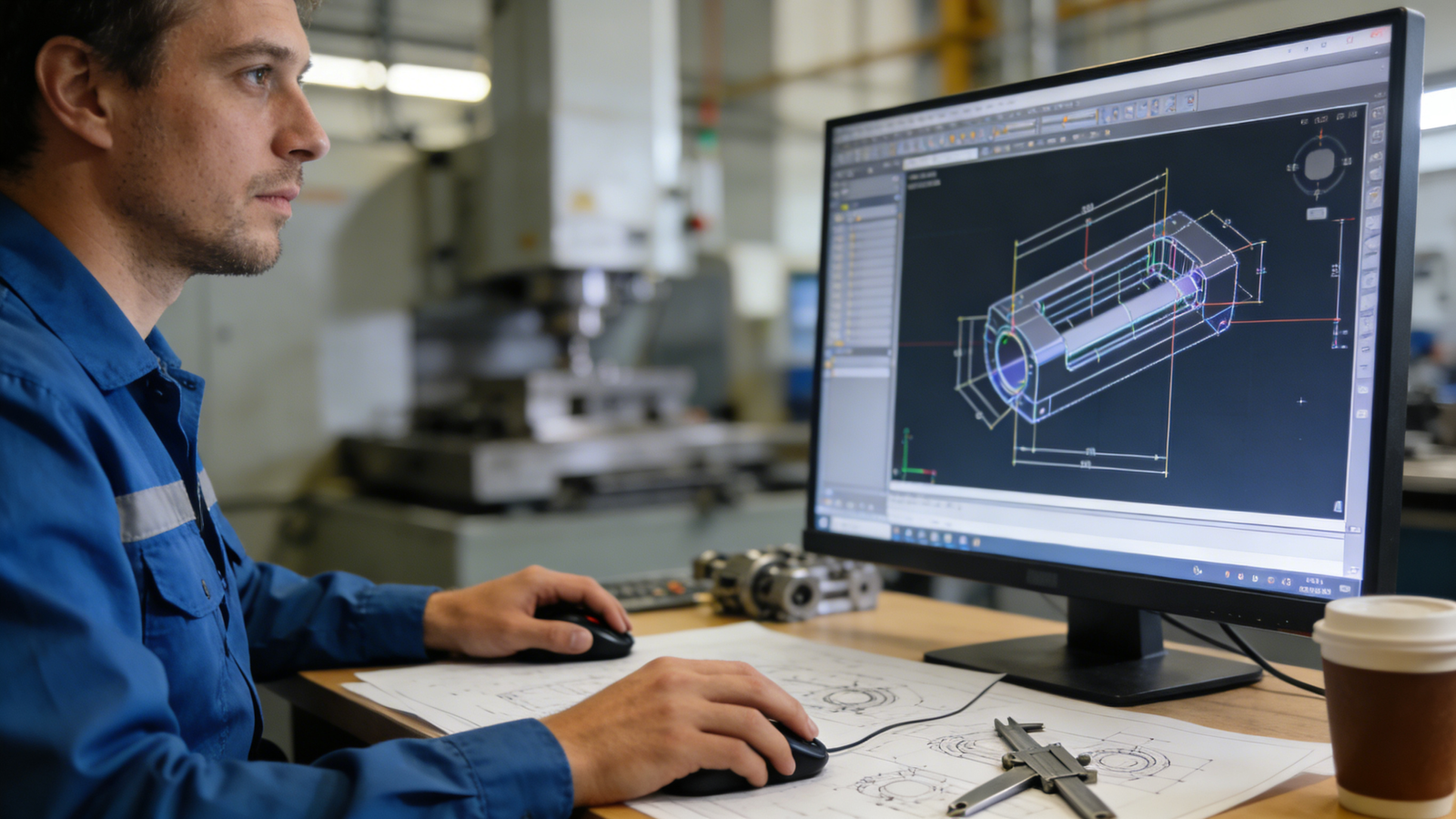
In the early stage of new product development, companies often face the dual pressure of time and cost. They aim to validate designs quickly while avoiding the high upfront investment of tooling. Low-volume trial production becomes a critical bridge between design validation and mass production decisions. At this stage, flexible, high-precision, and tool-free manufacturing methods become the preferred choice for many businesses.
From the perspective of Xiamen Ruicheng, we focus more on real customer challenges during trial production rather than just technical specifications. With extensive experience in metal rapid prototyping, we support clients from concept validation to final sample delivery. An effective trial production solution must balance cost control, lead time efficiency, and functional verification.
Why Are More Companies Choosing CNC for Low-Volume Trial Production?
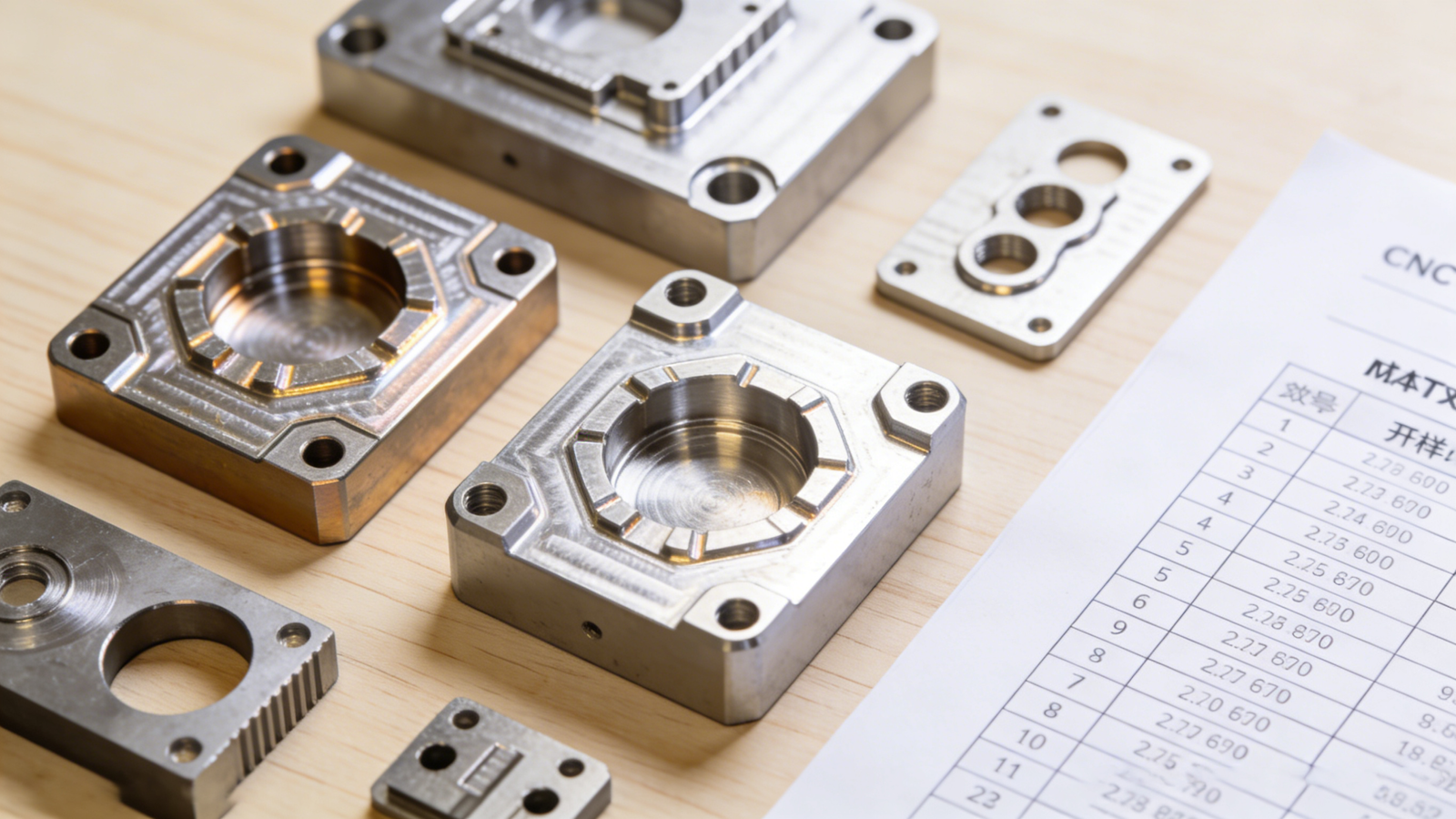
During new product trials, flexibility and validation efficiency are key concerns. Low-volume CNC machining allows direct production without tooling, significantly reducing initial investment while enabling rapid design iteration. CNC machining performs reliably in complex geometries and high-precision requirements, while rapid prototyping shortens the transition from design to physical parts. For projects requiring repeated structural and assembly validation, CNC offers unmatched efficiency in testing and decision-making.
Cost Advantage: Eliminates tooling costs and reduces upfront investment.
Fast Turnaround: Short lead times accelerate design validation cycles.
Design Flexibility: Easy modifications without additional tooling expense.
Material Versatility: Supports various metals for functional testing.
🚀 Low-volume CNC transforms trial production into a controllable and iterative process.
Can CNC Meet Structural and Functional Testing Requirements Without Tooling?
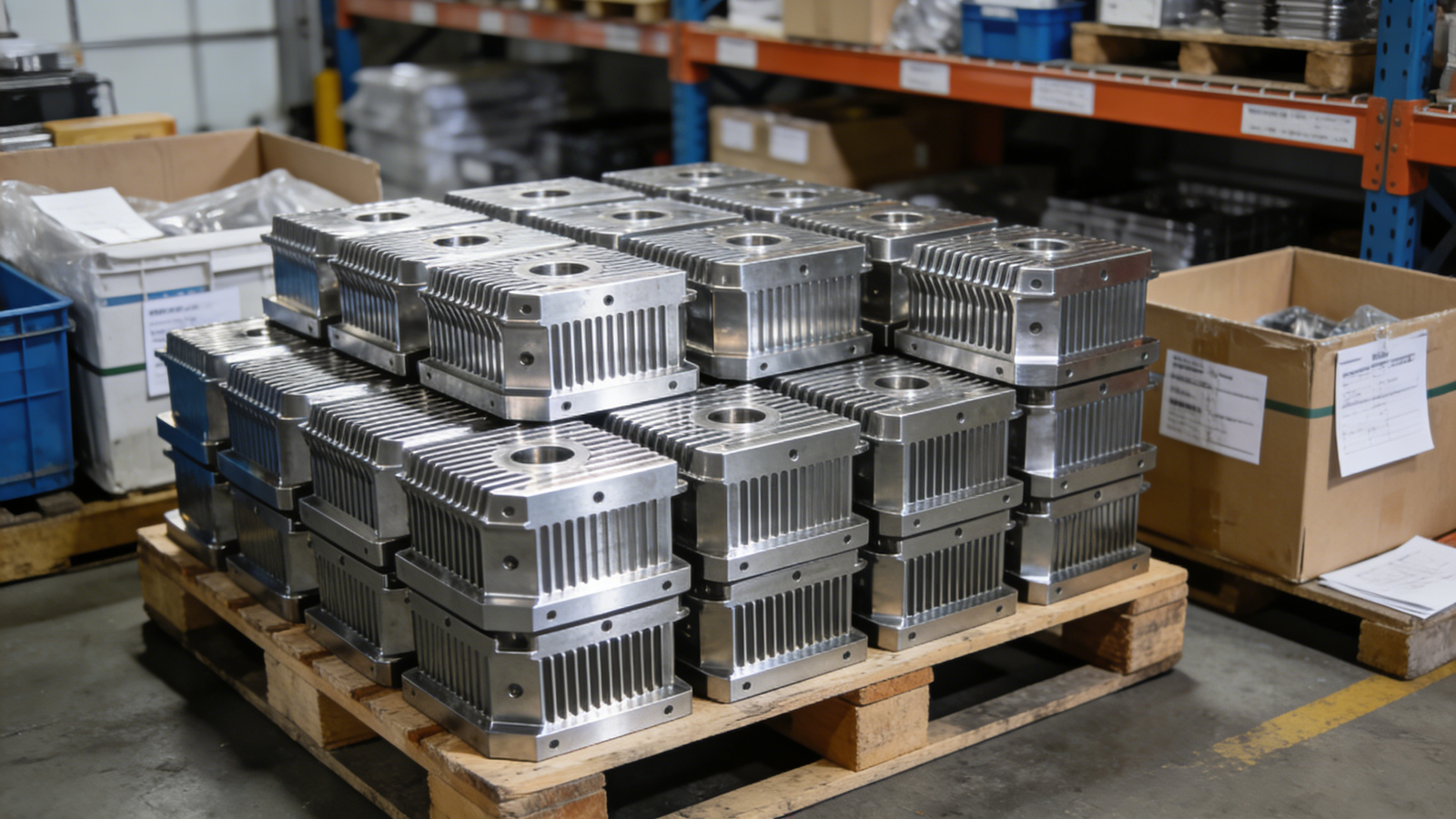
In the trial phase, structural strength, assembly accuracy, and functional performance are critical. CNC machining uses real production-grade materials, ensuring test results closely match final production performance. Materials like aluminum alloy and stainless steel can be precisely machined while maintaining high accuracy and complex geometries. By combining real materials with precision machining, CNC prototypes effectively support engineering validation and market testing.
Structural Validation: Real materials ensure reliable mechanical performance.
Assembly Testing: High precision guarantees proper fit and tolerance.
Functional Evaluation: Suitable for real-world operational testing.
Surface Finishing: Supports anodizing and other finishing processes.
🔧 CNC prototypes are not just samples but near-production functional parts.
How to Balance Cost and Lead Time Between CNC and Tooling?
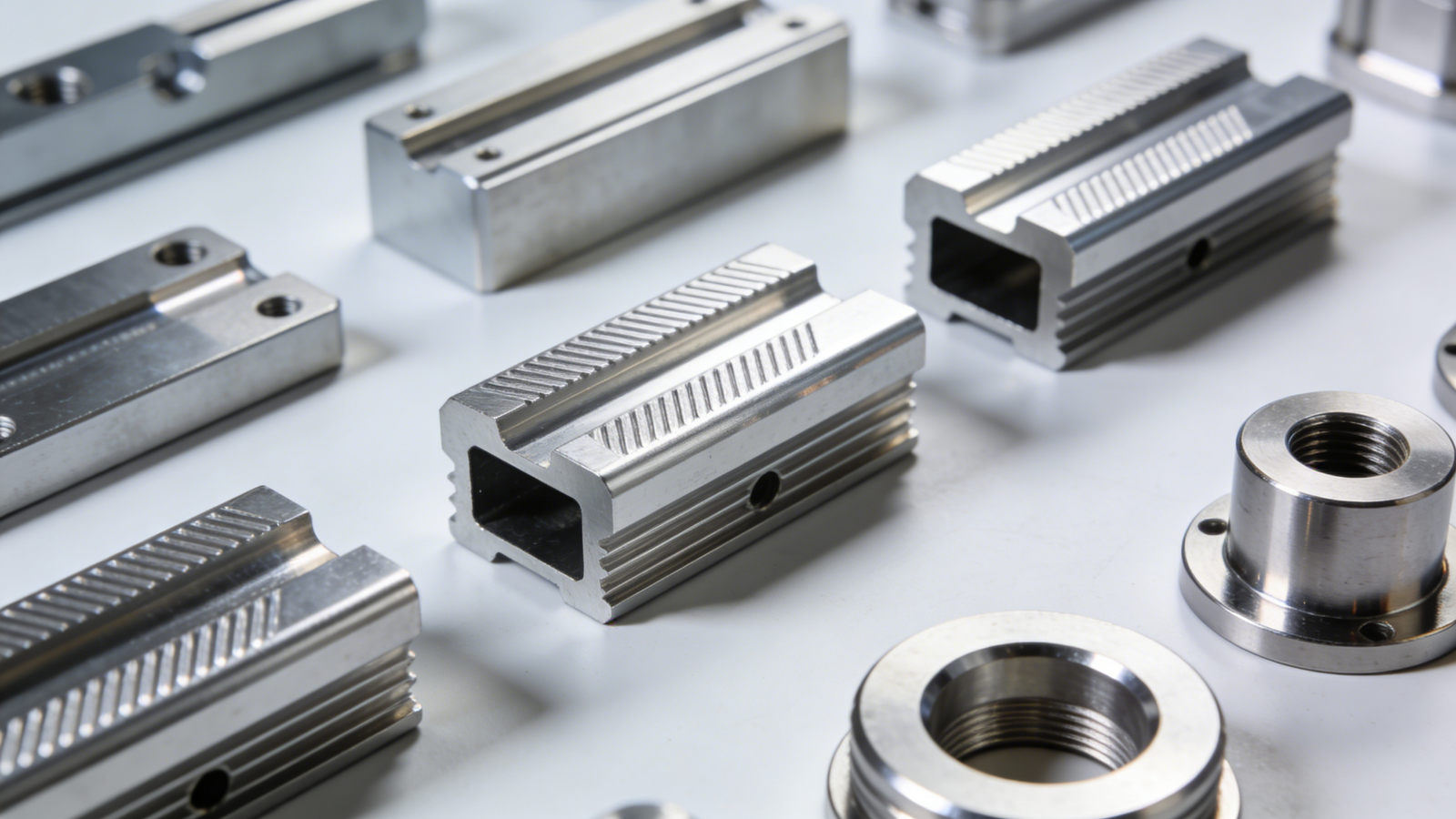
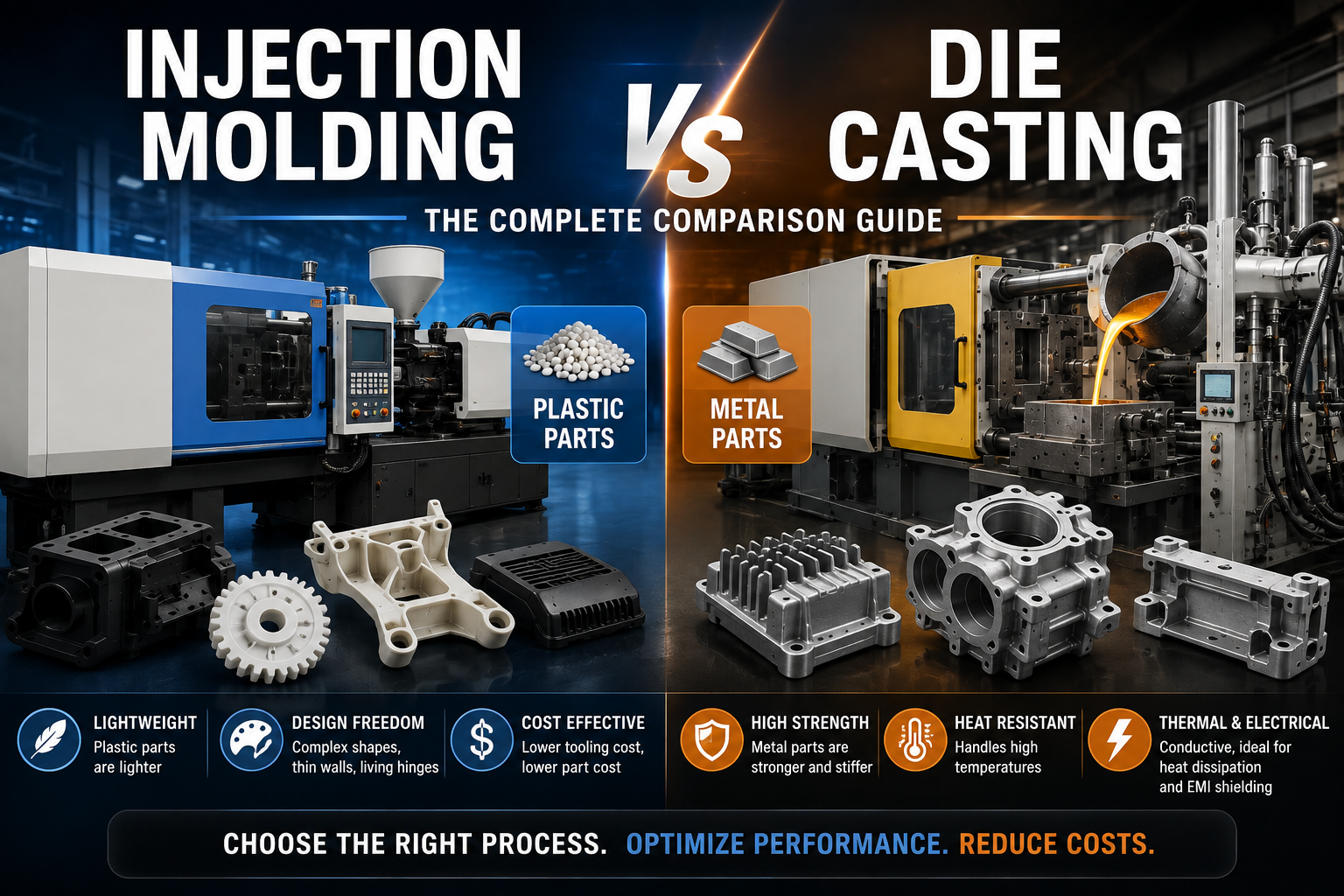
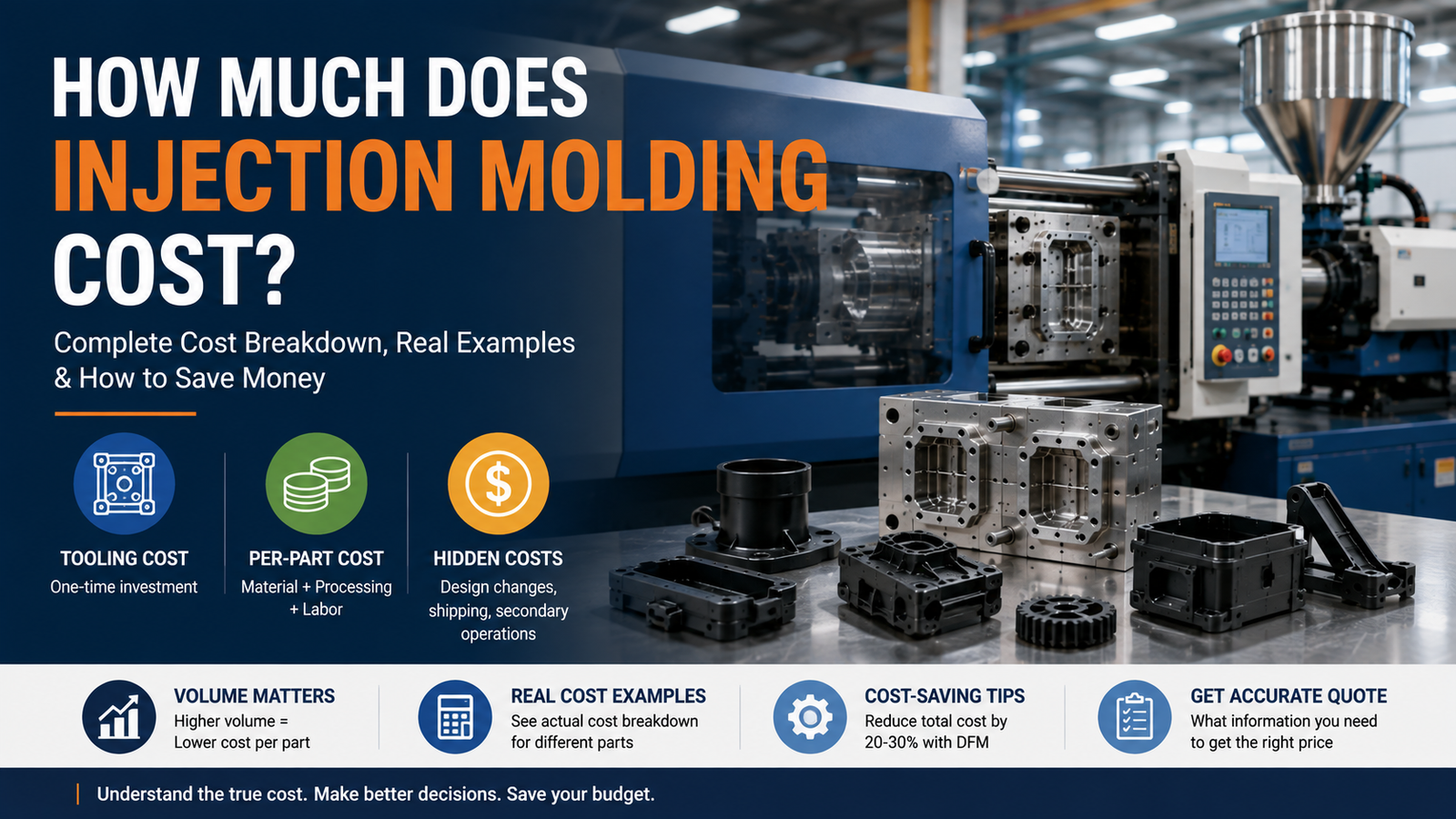
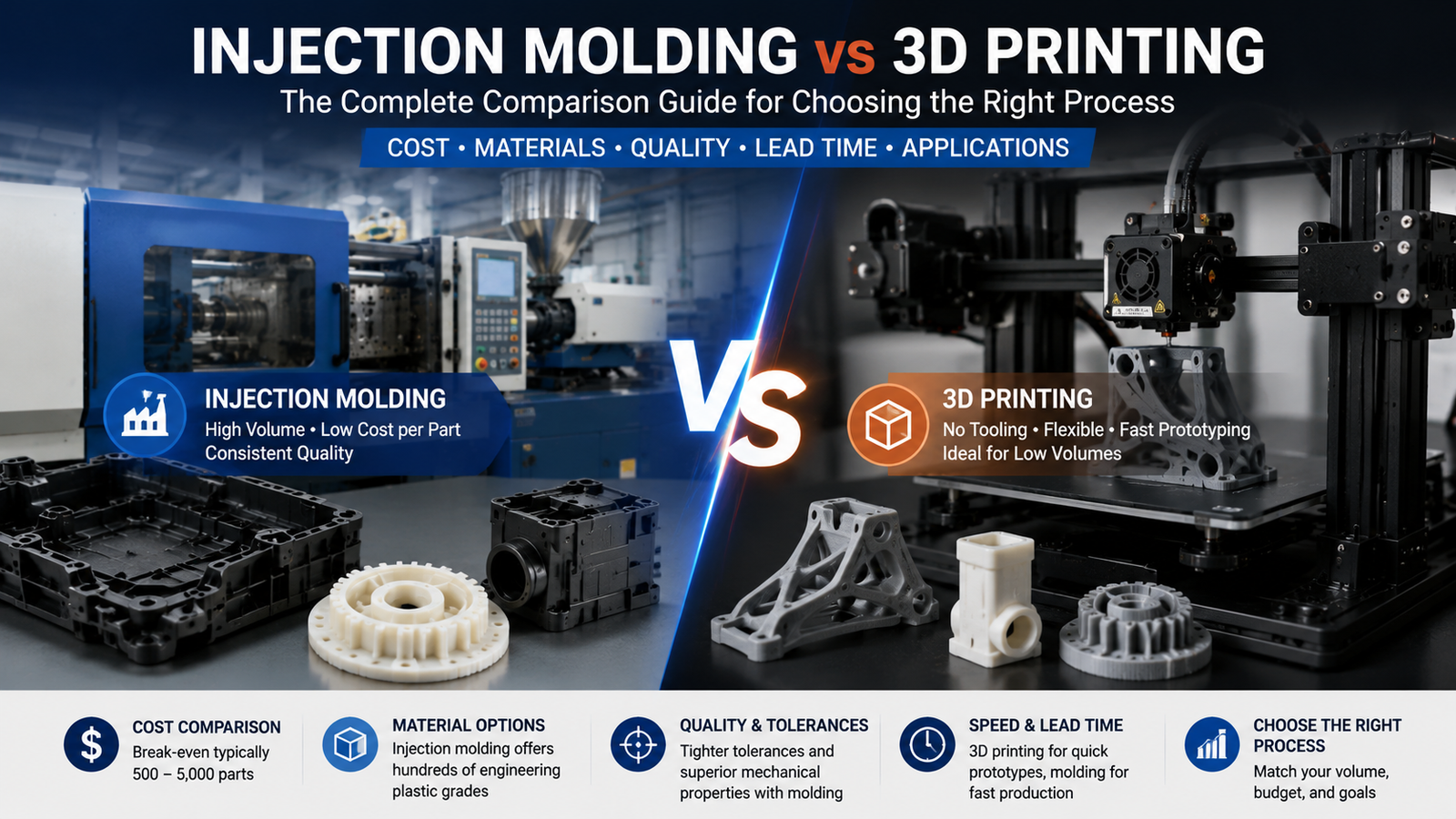
At the decision-making stage, companies must evaluate cost, lead time, and future production plans. CNC is ideal for low-volume production when designs are still evolving, while tooling is better suited for stable high-volume manufacturing. Although injection molding offers low unit cost, its high tooling investment increases risk, whereas CNC machining cost is more economical for small batches. A smart strategy is to use CNC during the trial phase and transition to tooling after validation to achieve overall cost optimization.
Investment Comparison: CNC avoids expensive tooling costs.
Lead Time Difference: CNC enables faster product launch.
Volume Threshold: Small batches favor CNC machining.
Risk Control: Prevents costly tooling errors before design finalization.
💡 Choosing the right process at each stage is key to cost and risk control.
Comparison of Low-Volume CNC vs Tooling Methods
| Comparison Factor | Low-Volume CNC | Injection Molding | Die Casting | 3D Printing |
|---|---|---|---|---|
| Initial Cost | Low | High | High | Low |
| Lead Time | Fast | Slow | Slow | Very Fast |
| Precision | High | High | Medium-High | Medium |
| Material Authenticity | High | High | High | Low |
| Best Use Stage | Trial Production | Mass Production | Mass Production | Concept Validation |
| Modification Cost | Very Low | High | High | Low |
| Surface Quality | Excellent | Excellent | Good | Moderate |
| Risk Level | Low | High | High | Medium |
If you're evaluating the best solution for your trial production, Xiamen Ruicheng is here to help you make the right decision. contact us
How to Choose the Right Manufacturing Method for New Product Trials
Choosing the right manufacturing process during the trial phase directly impacts both cost and the success of transitioning to mass production. Xiamen Ruicheng provides comprehensive support from project evaluation to process matching and rapid delivery. By aligning production methods with project stage, quantity, and functional requirements, companies can significantly improve trial success rates and reduce overall development costs.
1.Define Stage: Identify whether the project is in validation or pre-production phase.
2.Evaluate Volume: Select processes based on required quantity.
3.Match Materials: Use materials close to final production for accurate testing.
4.Control Risk: Apply phased manufacturing strategies to minimize investment risk.
FAQ
Question 1: What are the precision and quality standards of your low-volume CNC machining?
Answer: Xiamen Ruicheng achieves tolerances up to ±0.02mm, supported by CMM inspection and a full quality control system to ensure all critical dimensions meet engineering validation requirements.
Question 2: What information is required to get a quotation for CNC trial production?
Answer: Please provide 3D files (STEP/IGES), material requirements, quantity, and surface finishing details. Our engineers respond within 2 hours with a detailed quotation and process analysis.
Question 3: What are the MOQ and lead time for different order quantities?
Answer: We support orders starting from 1 piece. Standard lead time is 3–7 days, with expedited services available within 48 hours for urgent needs.
Question 4: How do you handle quality issues after delivery?
Answer: We offer quality inspection and issue analysis. If a defect is confirmed, rework or replacement will be arranged within 48 hours along with technical optimization support.
Question 5: Do you provide customization and secondary processing services?
Answer: Yes, we support material selection, structural optimization, and surface treatments such as anodizing, sandblasting, and plating. Custom solutions are typically evaluated within 3 working days.
Conclusion
Low-volume CNC machining is an ideal solution for new product trial production, offering flexibility, cost efficiency, and reliable performance validation. Xiamen Ruicheng provides end-to-end support in metal rapid prototyping, helping clients move from concept to production with confidence. Leveraging CNC during the trial phase enables faster validation and smoother transition to mass production. Making the right manufacturing choice early is key to successful product development.
For expert assistance in implementing for your production needs, visit our resource center or contact us. Let’s help you scale up your manufacturing with precision and efficiency!