Introduction
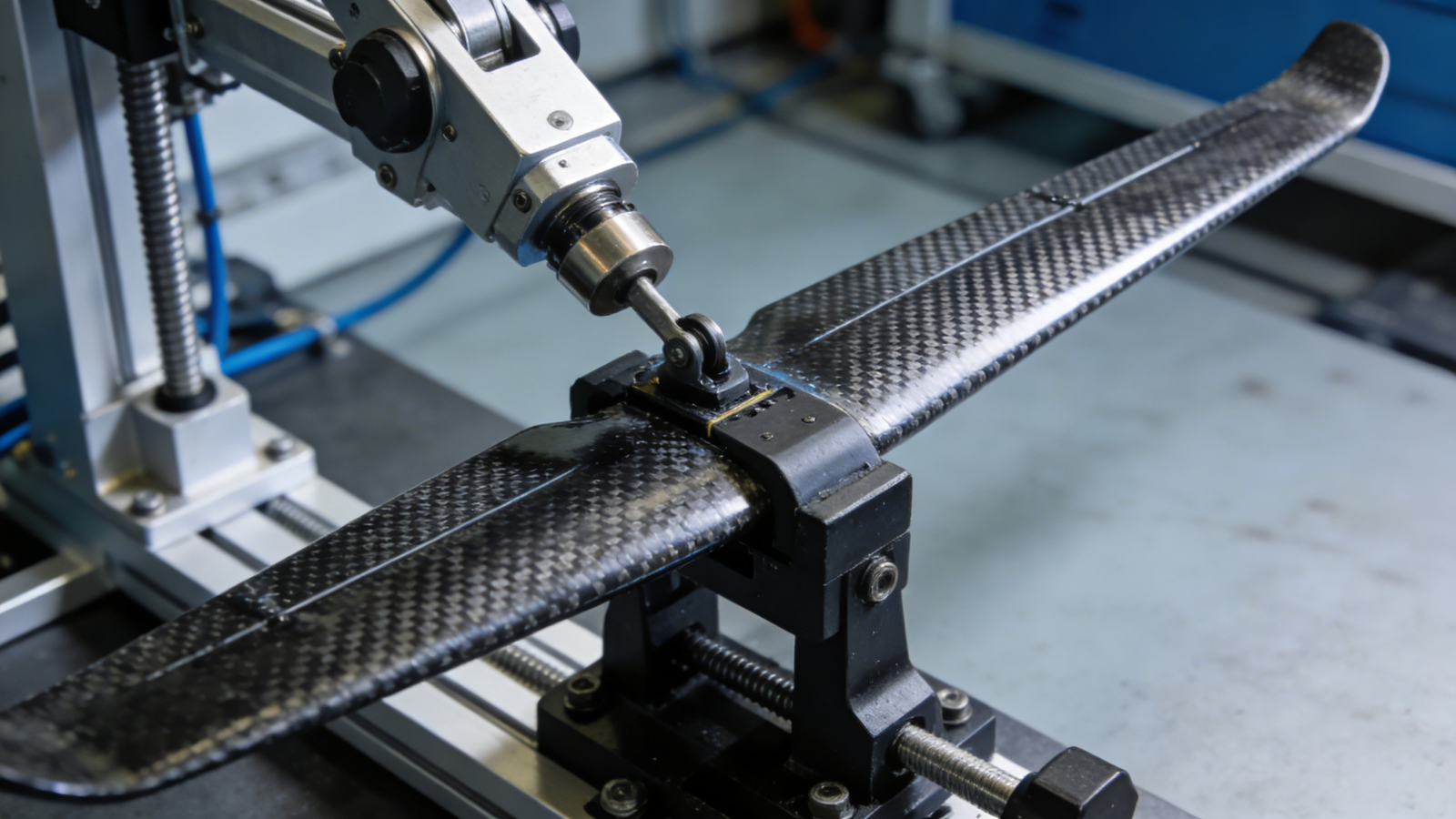
Unmanned aerial vehicles operate under high-speed and complex load conditions, placing increasing demands on the strength and rigidity of structural components. Traditional materials and prototyping methods often fail to balance lightweight requirements with durability, leading to inefficiencies during development. Insufficient structural strength not only creates safety risks but also significantly increases testing and rework costs.
Carbon fiber reinforced FDM rapid prototyping is emerging as a practical solution in drone development, offering both mechanical strength and fast turnaround. Xiamen Ruicheng leverages extensive experience in rapid prototyping to help clients bridge the gap between design and validation efficiently. By combining material science with process optimization, prototypes evolve from visual models into functional validation tools.
Can carbon fiber reinforced FDM prototypes solve weak drone structural strength issues?
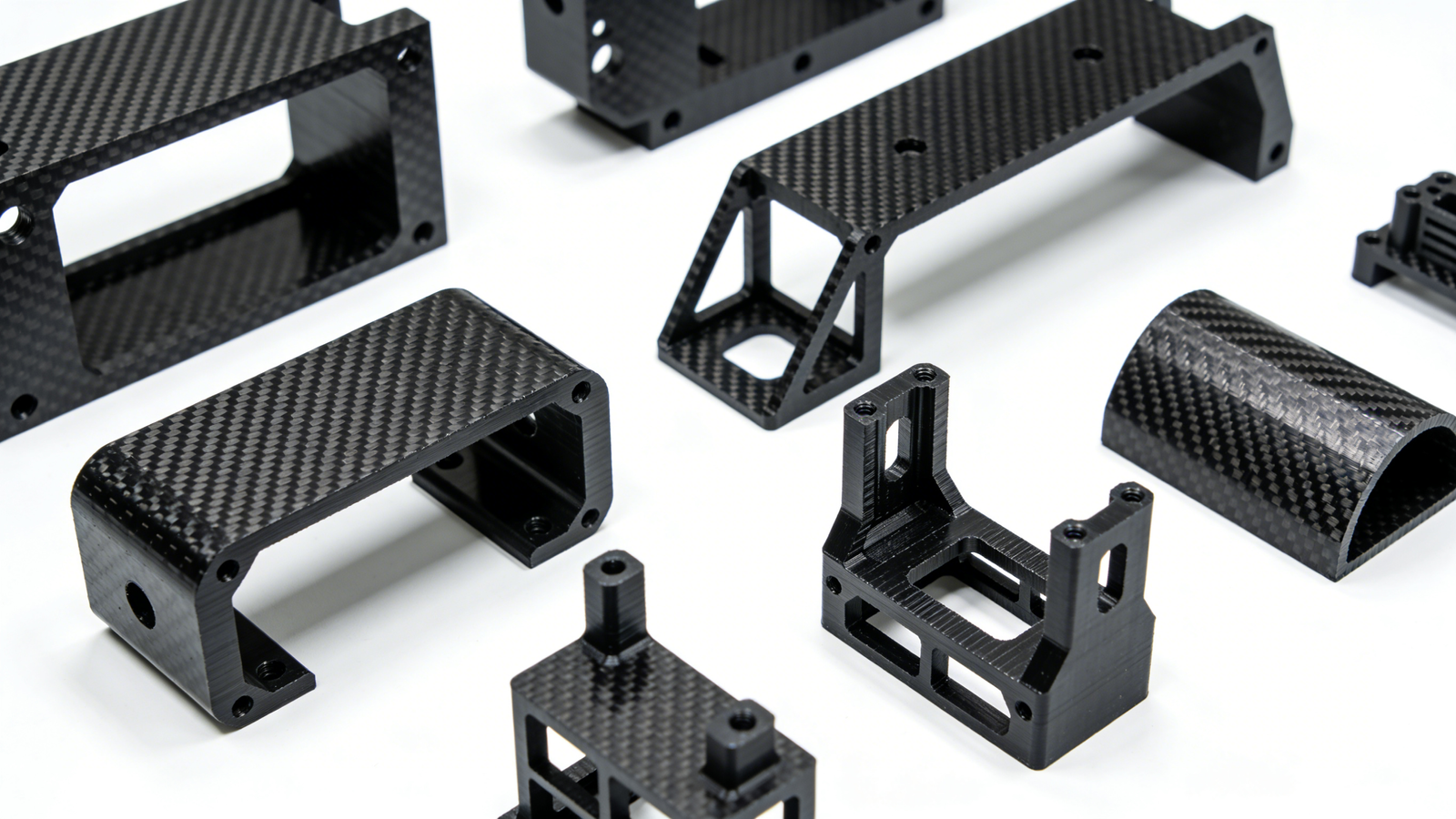
During the early design phase, drone structural parts often fail due to insufficient material performance, while carbon fiber reinforced materials combined with Fused Deposition Modeling significantly enhance tensile and bending strength, enabling prototypes to better simulate real-world performance. Xiamen Ruicheng optimizes fiber distribution and printing strategies to meet engineering-level strength requirements. With the right material selection and process optimization, FDM prototypes can achieve strength levels comparable to engineering plastics or even partial metal replacement.
Material Reinforcement: Carbon fiber fillers improve rigidity and reduce deformation risks.
Path Optimization: Printing orientation directly affects load-bearing performance.
Structural Enhancement: Local reinforcement strengthens weak design areas.
Rapid Validation: Faster iteration cycles accelerate product development.
🚀 Carbon fiber FDM upgrades prototypes from visual models to functional parts.
Why do traditional FDM prototypes fail in drone structural strength testing?
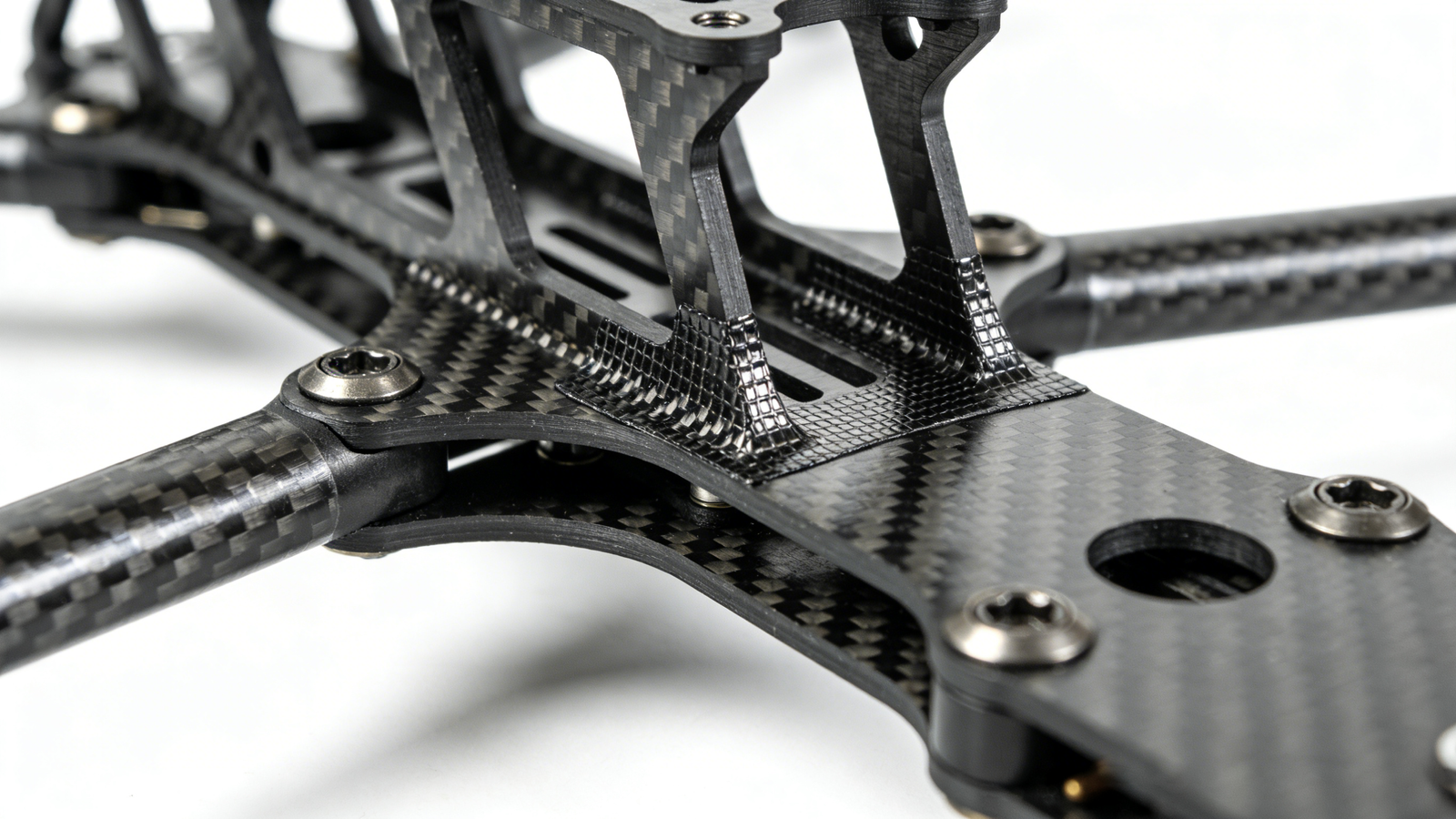
Conventional FDM materials such as PLA and ABS have clear limitations in strength and thermal resistance, making them prone to cracking or deformation under real-world conditions. Drone structures demand higher mechanical performance, especially under vibration and impact loads, which standard materials cannot withstand. Xiamen Ruicheng addresses these challenges through advanced material selection and process control. Material limitations in traditional FDM are the root cause of inaccurate structural validation.
Material Limitation: Standard thermoplastics lack sufficient mechanical strength.
Layer Weakness: Poor interlayer bonding leads to fracture risks.
Thermal Instability: Materials soften under heat, reducing performance.
Validation Deviation: Test results fail to reflect real product behavior.
⚠️ Traditional prototypes limit the reliability of structural testing.
How to choose the right carbon fiber FDM rapid prototyping service for drone validation?
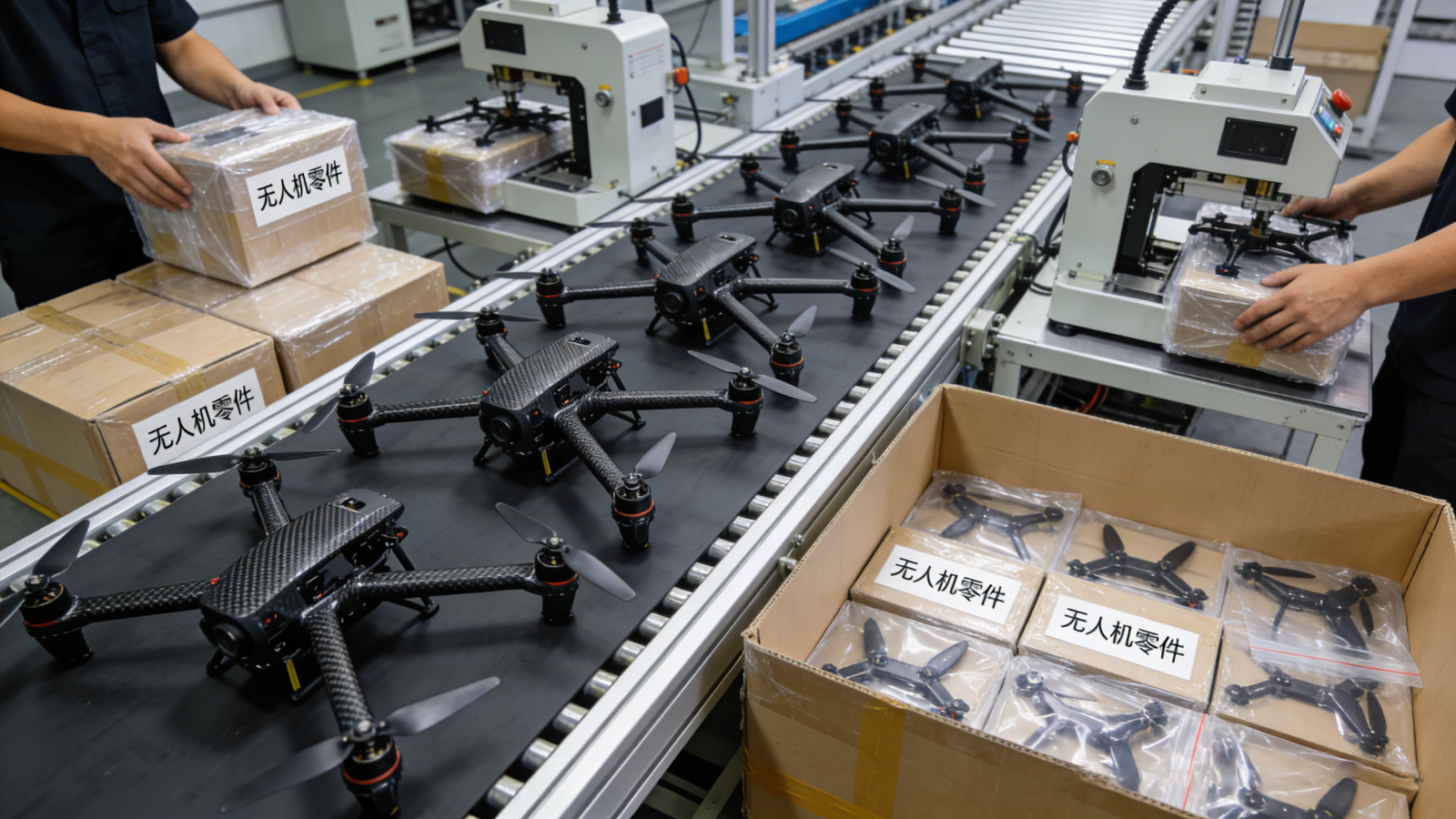
Selecting the right supplier requires evaluating material systems, equipment capability, and engineering expertise. A reliable rapid prototyping service must provide not only high-performance materials but also structural optimization support. Xiamen Ruicheng delivers a standardized workflow that transforms design concepts into validated prototypes efficiently. Choosing an engineering-driven supplier is critical to achieving required strength performance.
Material System: High-performance nylon-based carbon fiber composites ensure durability.
Equipment Precision: Industrial-grade machines guarantee dimensional accuracy.
Engineering Support: Design optimization enhances overall structural strength.
Delivery Capability: Fast turnaround ensures uninterrupted development timelines.
✅ The right partner turns performance goals into reality.
Comparison of Carbon Fiber FDM with Other Prototyping Methods
| Process Type | Strength | Cost | Lead Time | Application |
|---|---|---|---|---|
| Standard FDM | Low | Low | Fast | Visual models |
| SLA Resin | Medium | Medium | Medium | Fine details |
| CNC Machining | High | High | Slow | Functional testing |
| Carbon Fiber FDM | High | Medium | Fast | Structural validation |
Choosing a prototype solution closer to real working conditions is key to reducing development risks, contact us
From Prototype Validation to Production Decision-Making
In drone development, prototypes are no longer just testing tools but critical decision-making assets. Carbon fiber reinforced FDM prototypes enable early-stage validation with realistic performance, helping teams optimize structures and reduce iteration cycles. Xiamen Ruicheng supports clients through engineering expertise and manufacturing capability to shorten development timelines and minimize trial-and-error costs. High-value prototypes actively contribute to decision-making rather than serving as passive models.
1.Requirement Analysis: Define load conditions and performance targets.
2.Solution Design: Match materials and processes to engineering needs.
3.Prototype Validation: Conduct real-world testing and refinement.
4.Production Transition: Deliver scalable and repeatable manufacturing solutions.
FAQ
Question 1: What are the core advantages of your carbon fiber FDM prototypes?
Answer: Xiamen Ruicheng uses high-strength nylon-based carbon fiber composites, achieving up to 50% higher tensile strength. Combined with optimized printing strategies, this ensures prototypes meet real-world drone structural requirements.
Question 2: What information is required to request a quote?
Answer: Clients should provide 3D files (STEP or STL), application scenarios, and performance requirements. Xiamen Ruicheng responds within 12 hours with technical evaluation and quotation.
Question 3: What are the lead times for different order volumes?
Answer: Small-batch prototypes are delivered within 3–5 days, while larger volumes typically require 7–10 days. Expedited services are available for urgent projects.
Question 4: What happens if the prototype does not meet strength requirements?
Answer: Xiamen Ruicheng offers failure analysis and optimization. If issues are confirmed, solutions are adjusted and parts are reproduced within 48 hours.
Question 5: Do you offer customization and engineering support?
Answer: Yes, we provide structural optimization based on load, environment, and usage conditions. Customized solutions are delivered within 3 working days with minimal cost increase.
Conclusion
Weak structural strength in drone components directly impacts performance, safety, and development efficiency. Carbon fiber reinforced FDM prototyping offers a practical and reliable solution by combining advanced materials with optimized manufacturing processes. Xiamen Ruicheng helps clients achieve efficient validation and faster product iteration through engineering-driven services. Selecting the right prototyping approach is a crucial step toward building competitive drone products.
For expert assistance in implementing for your production needs, visit our resource center or contact us. Let’s help you scale up your manufacturing with precision and efficiency!