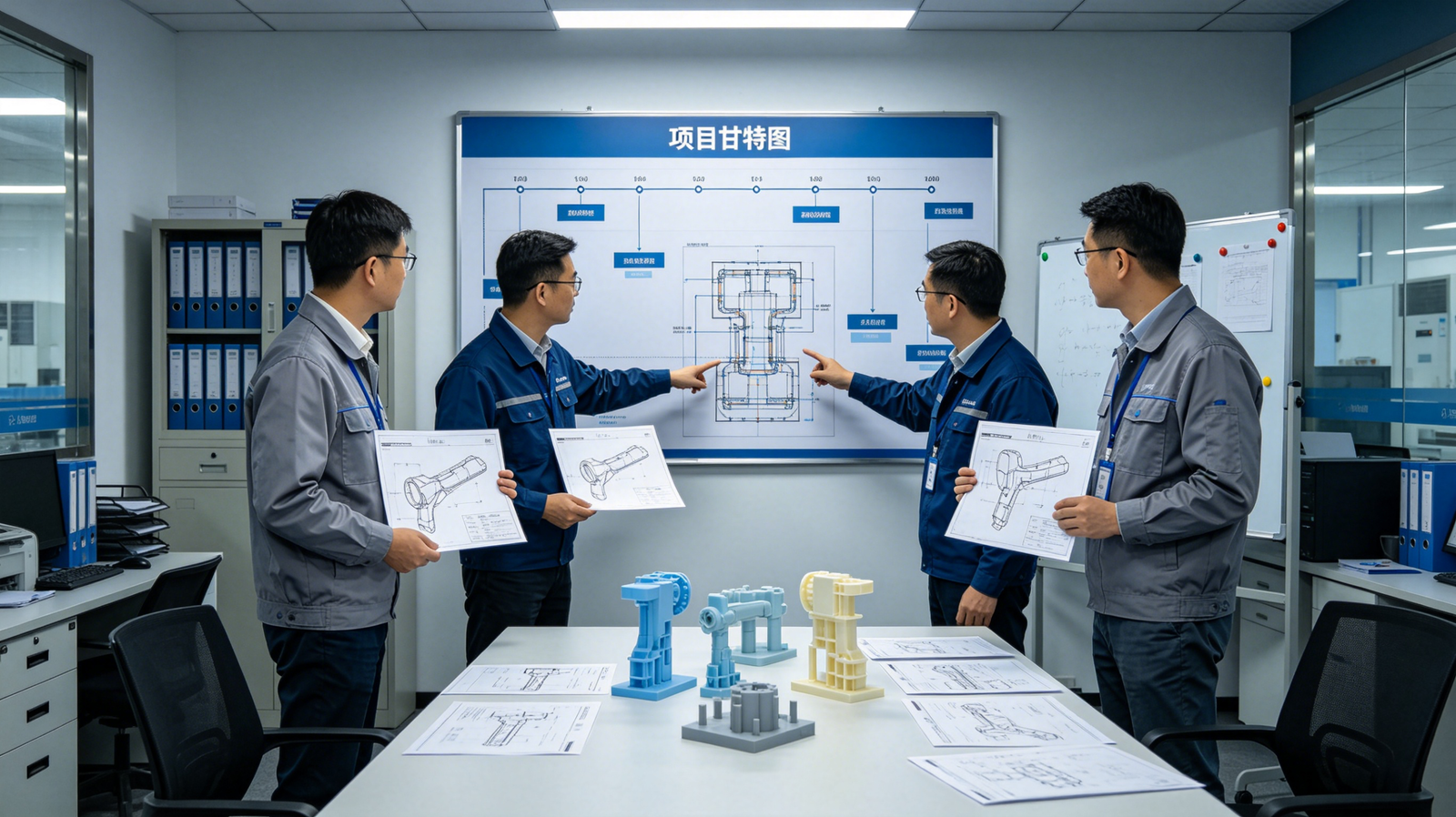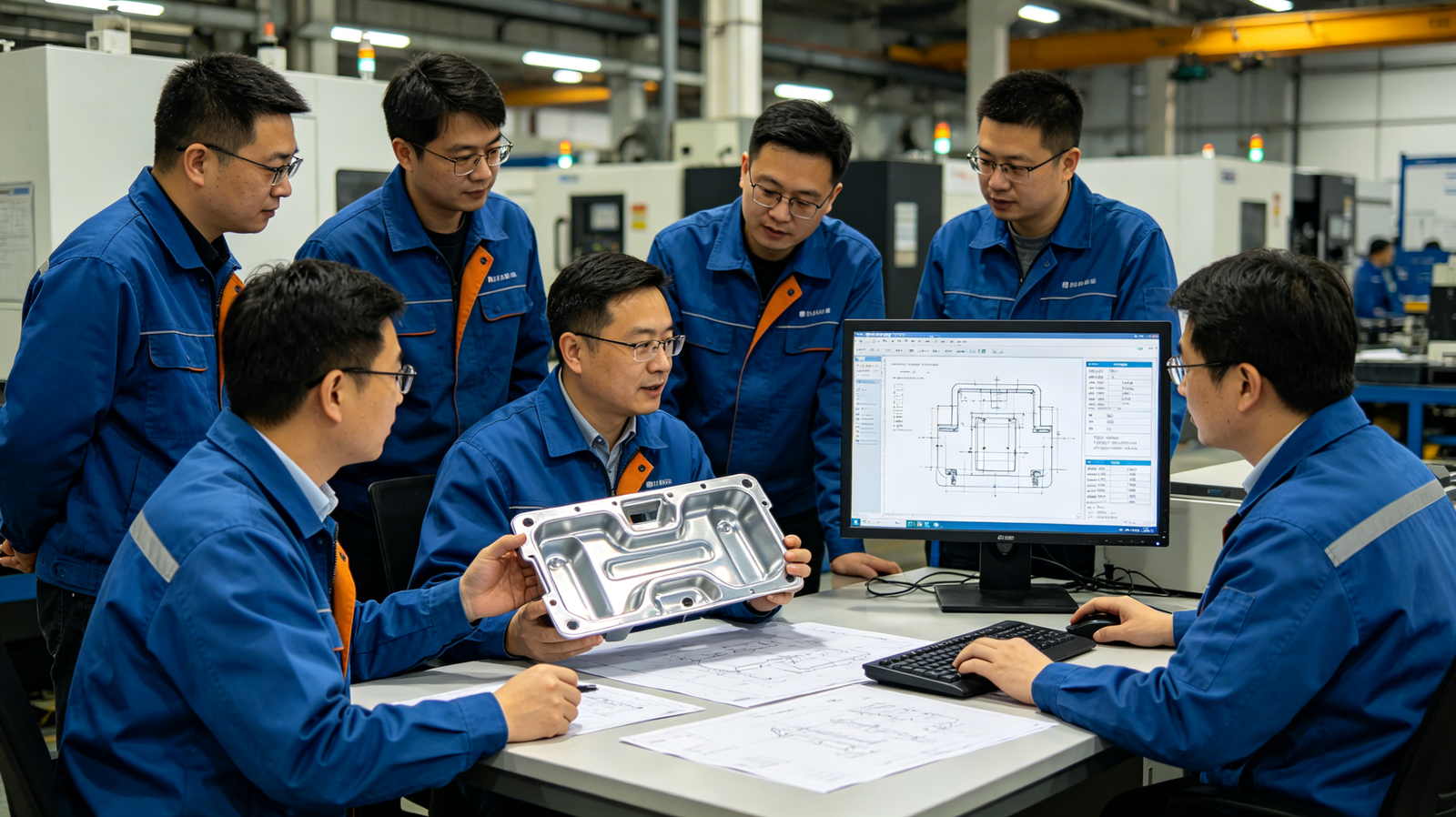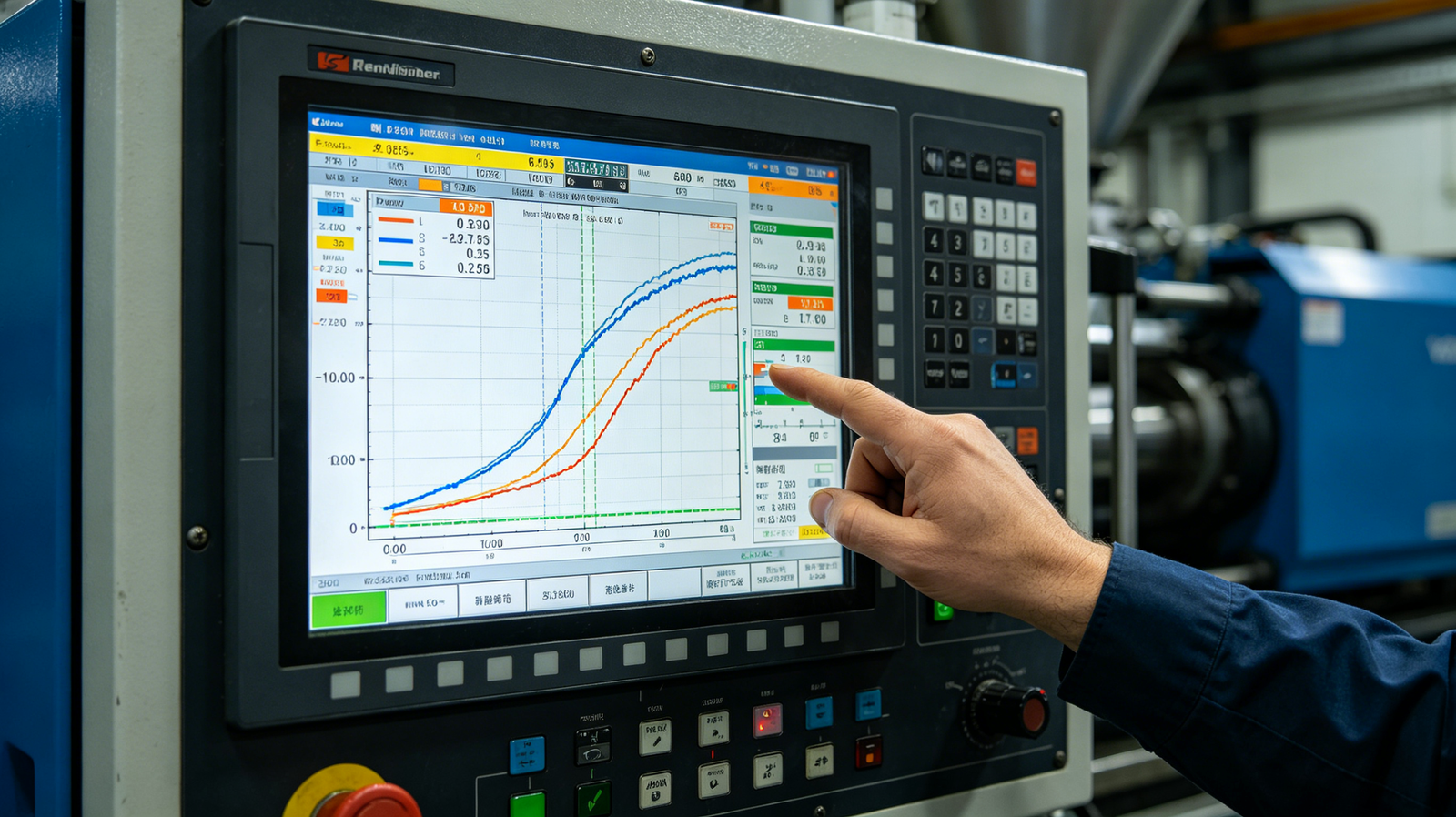
Introduction
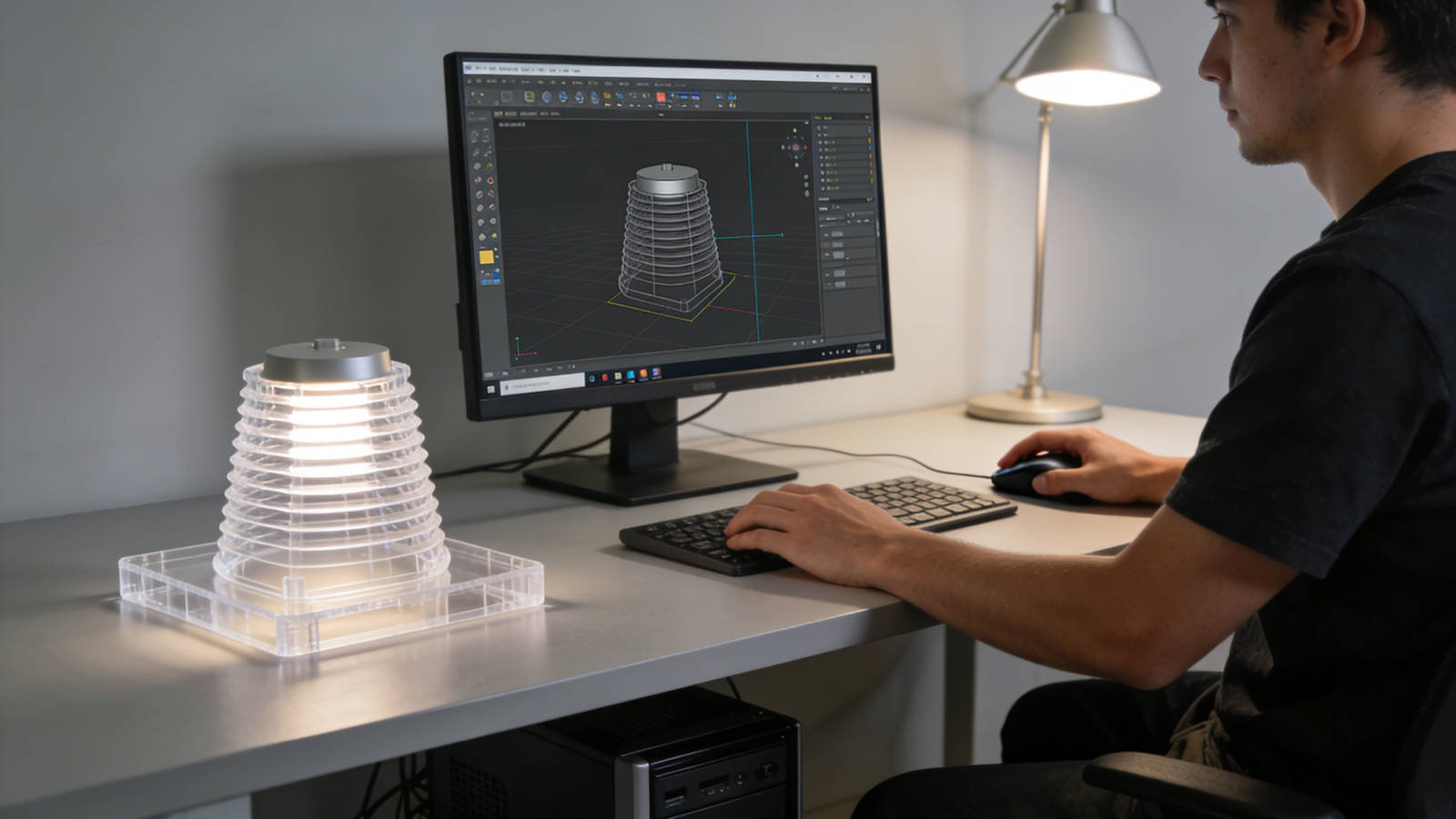
In the development of lighting products, engineers increasingly rely on transparent resin 3D printing to validate optical performance and structural compatibility at an early stage. Compared with traditional tooling, this rapid prototyping approach significantly shortens development cycles while providing visually accurate and functionally representative samples. Transparent resin 3D printing has become a critical bridge between concept validation and mass production decisions.
From Xiamen Ruicheng’s project experience, clients are no longer focused solely on specifications but on whether prototypes can truly support testing scenarios, reduce iteration costs, and accelerate time-to-market. Selecting the right rapid prototyping solution ultimately reduces downstream production risks.
Can transparent resin 3D printed prototypes support lighting product testing?
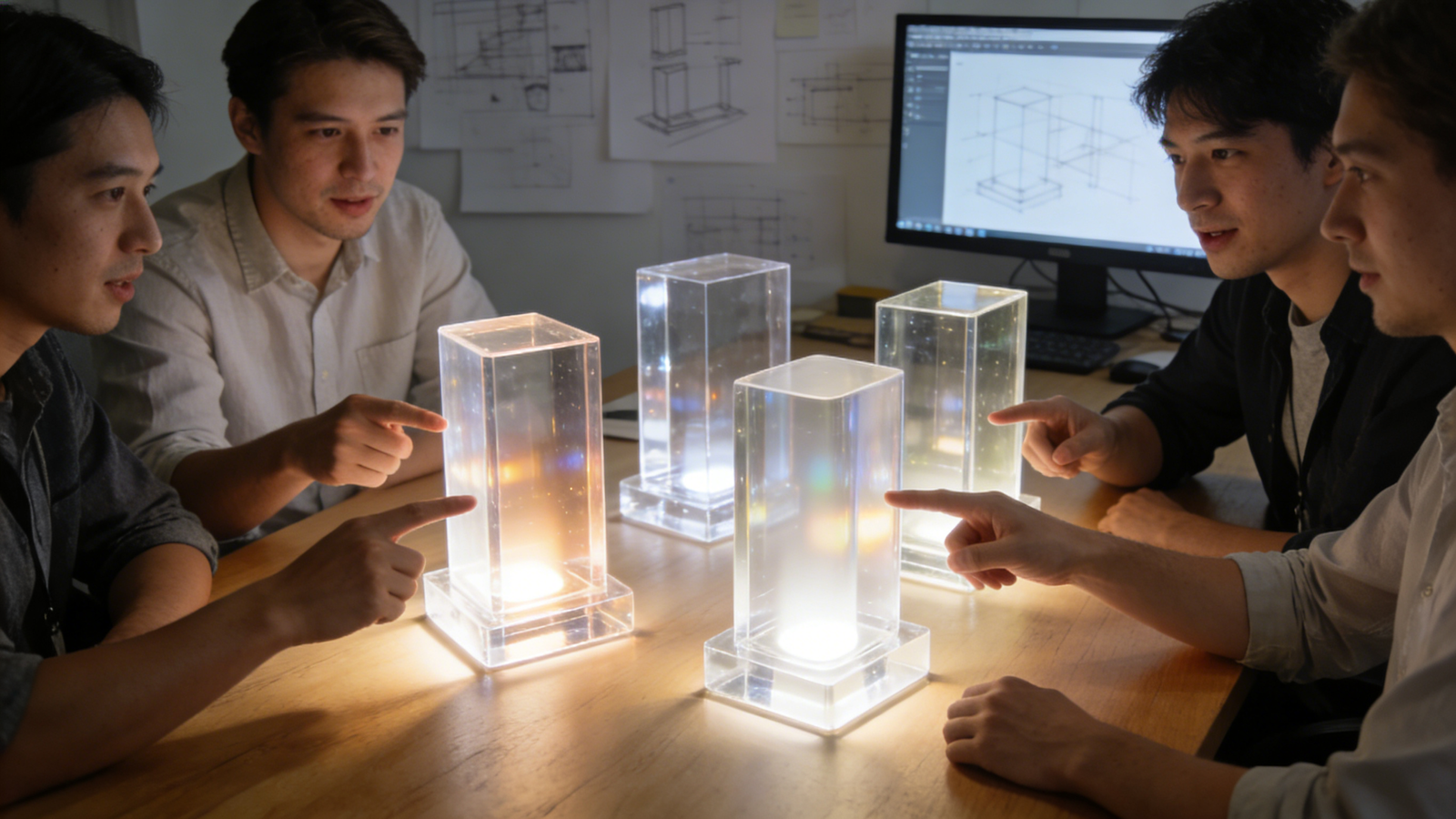
Transparent resin 3D printed prototypes can support certain lighting validation tasks, especially when proper photopolymer materials and stereolithography processes are selected to match design intent and functional needs. These prototypes enable engineers to evaluate light transmission, basic optical distribution, and mechanical fit during early development stages. With optimized post-processing and material selection, transparent resin prototypes can meet most functional testing requirements. However, limitations remain in high-temperature, long-term aging, or certification-level testing environments, requiring careful evaluation based on project phase.
Optical validation: Supports basic light transmission and distribution analysis.
Structural testing: Enables assembly and dimensional verification.
Rapid iteration: Allows quick design modifications and comparisons.
Performance limits: Not suitable for long-term or certification testing.
💡 Transparent resin prototypes are ideal for validation, but boundaries must be defined.
How do transparent resin prototypes perform in optical and visual testing?
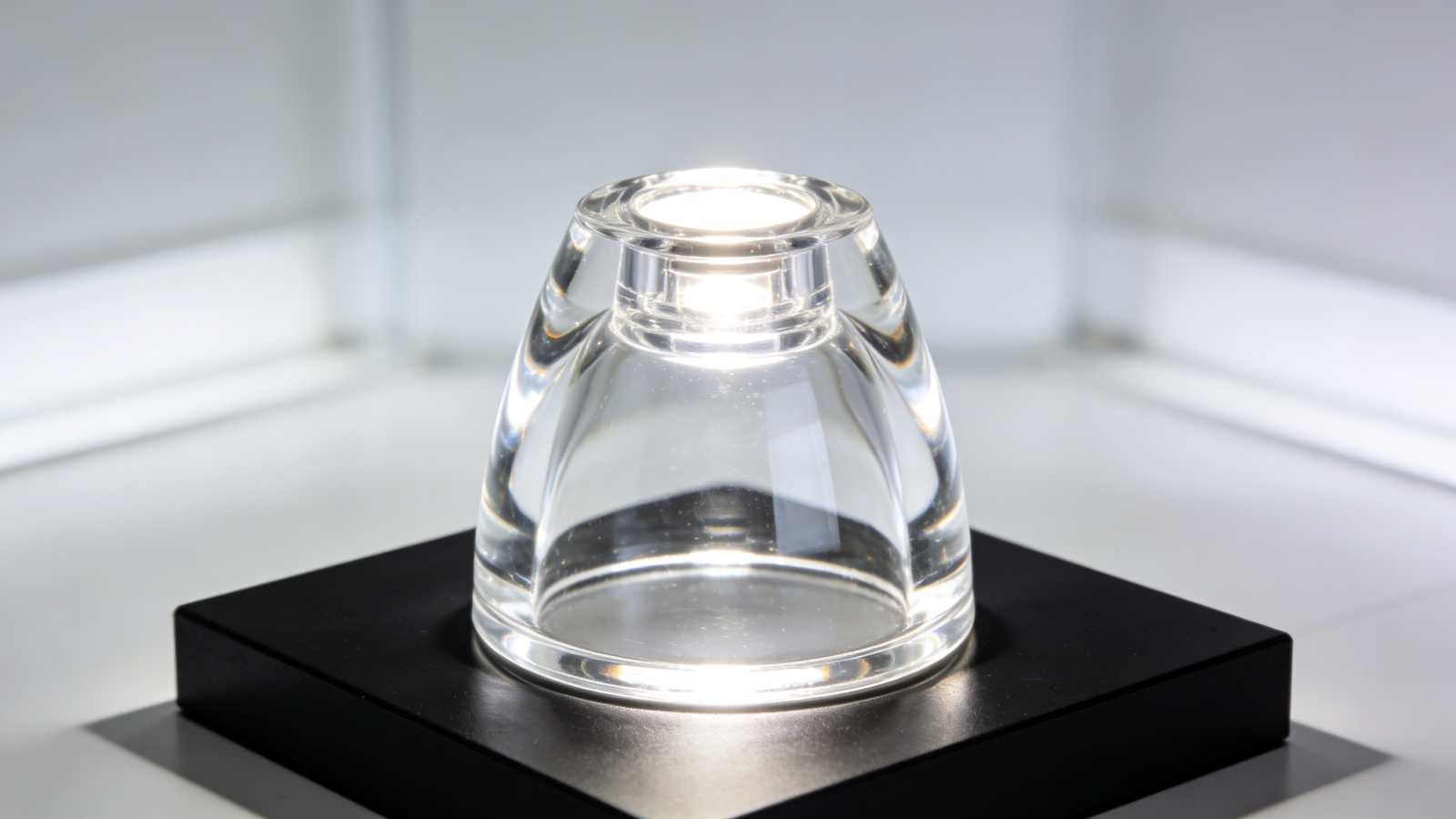
Transparent resin 3D printed parts deliver strong visual and optical approximation to injection-molded components, although light transmittance, haze, and surface finish depend heavily on processing quality and finishing techniques. By applying polishing or coating methods, performance in light transmission and surface finishing can be significantly improved to meet visual expectations. For lighting applications, these prototypes are effective in evaluating light diffusion, lens clarity, and aesthetic appearance. With proper finishing, transparent resin prototypes can closely replicate production-level visual quality. However, for precision optical applications, cross-validation with production materials is still recommended.
Visual consistency: Achieves near-production appearance.
Light diffusion: Suitable for evaluating lighting effects.
Post-processing: Enhances clarity and transparency.
Precision limits: Complex optics may show deviations.
✨ Strong visual performance enhanced by proper finishing.
Can transparent resin prototypes replace injection-molded parts for final testing?
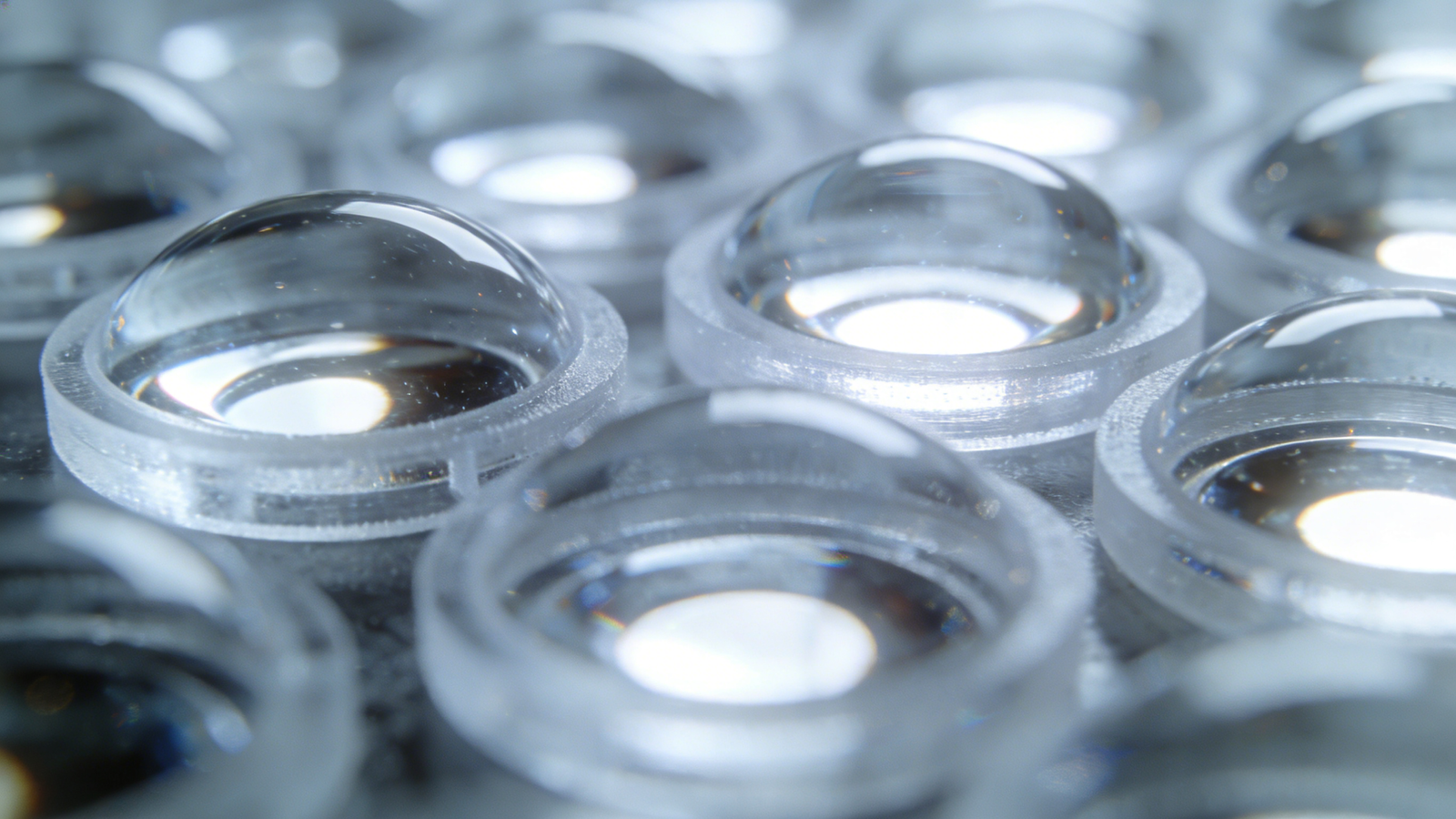
Transparent resin 3D printed prototypes cannot fully replace injection-molded parts for final validation, but they play a crucial role in bridging early development and production readiness through injection molding and rapid prototyping workflows. Xiamen Ruicheng recommends using these prototypes for early-stage validation and pre-testing, while reserving final certification tests for production-grade processes. A phased validation strategy is essential for improving development efficiency and minimizing risks. This approach reduces unnecessary tooling investment and accelerates product iteration cycles.
Stage validation: Ideal for early and mid-stage testing.
Cost control: Avoids premature tooling expenses.
Time efficiency: Speeds up development cycles.
Final validation: Cannot replace production-level testing.
🚀 Prototypes are a bridge, not the final destination.
Comparison of Prototype Methods for Lighting Testing
| Process Type | Transparency | Optical Testing | Lead Time | Cost | Application Stage | Post-processing |
|---|---|---|---|---|---|---|
| SLA Resin | High | Medium-High | Fast | Medium | R&D validation | High |
| CNC PC | Very High | High | Medium | High | Mid-late stage | Low |
| Vacuum Casting | Medium-High | Medium | Medium | Medium | Small batch | Medium |
| Injection Molding | Very High | Very High | Slow | High | Pre-production | Low |
Get the best prototype solution for your project today: contact us
How to Choose the Right Transparent Prototype for Lighting Applications
Selecting the right transparent prototype solution requires balancing testing objectives, budget constraints, and development timelines, as each stage demands different material and process capabilities. Xiamen Ruicheng recommends starting with transparent resin 3D printing for rapid validation and transitioning to CNC or tooling methods for critical performance testing. A phased prototyping strategy significantly improves decision-making accuracy and development efficiency. This approach ensures that testing results remain relevant while minimizing unnecessary costs and delays.
1.Define testing goals: Align process choice with functional needs.
2.Evaluate budget and timeline: Balance cost and speed.
3.Adopt phased validation: Reduce upfront risks.
4.Align with production: Ensure scalability of results.
FAQ – Common Procurement Questions
Question 1: What are the key performance indicators and quality standards of your transparent resin 3D printing prototypes?
Answer: Xiamen Ruicheng provides prototypes with over 85% light transmittance and dimensional accuracy within ±0.1mm, using industrial SLA systems and stable resin materials, combined with multi-stage finishing and inspection to ensure reliable performance for lighting validation.
Question 2: What information is required to get a quotation for transparent resin prototypes?
Answer: Clients need to provide 3D files (STEP/STL), application details, and testing requirements. Xiamen Ruicheng typically responds within 2 hours with an evaluation and provides a detailed quote with process recommendations within 12 hours.
Question 3: What are the minimum order quantities and lead times?
Answer: Prototyping starts from 1 piece, with standard lead times of 3–5 days, and small batch production within 5–10 days. Urgent orders can be delivered within 48 hours depending on complexity.
Question 4: How do you handle quality or performance issues after delivery?
Answer: Clients can request inspection within 7 days of delivery. If issues are confirmed, Xiamen Ruicheng provides rework or optimization solutions within 48 hours, ensuring testing requirements are met.
Question 5: Do you support customized solutions for special lighting applications?
Answer: Yes, customization is available for optical, structural, or environmental requirements. Clients need to provide detailed parameters, and tailored solutions are typically delivered within 3 working days.
Conclusion
Transparent resin 3D printed prototypes provide significant value in lighting product development by enabling fast, cost-effective validation of design concepts. While they excel in early-stage testing and visual evaluation, final certification still relies on production-grade processes. Combining rapid prototyping with traditional manufacturing is the most effective way to balance speed, cost, and reliability. With Xiamen Ruicheng’s expertise in rapid prototyping, clients can confidently navigate complex development decisions and accelerate product success.
For expert assistance in implementing for your production needs, visit our resource center or contact us. Let’s help you scale up your manufacturing with precision and efficiency!