Introduction
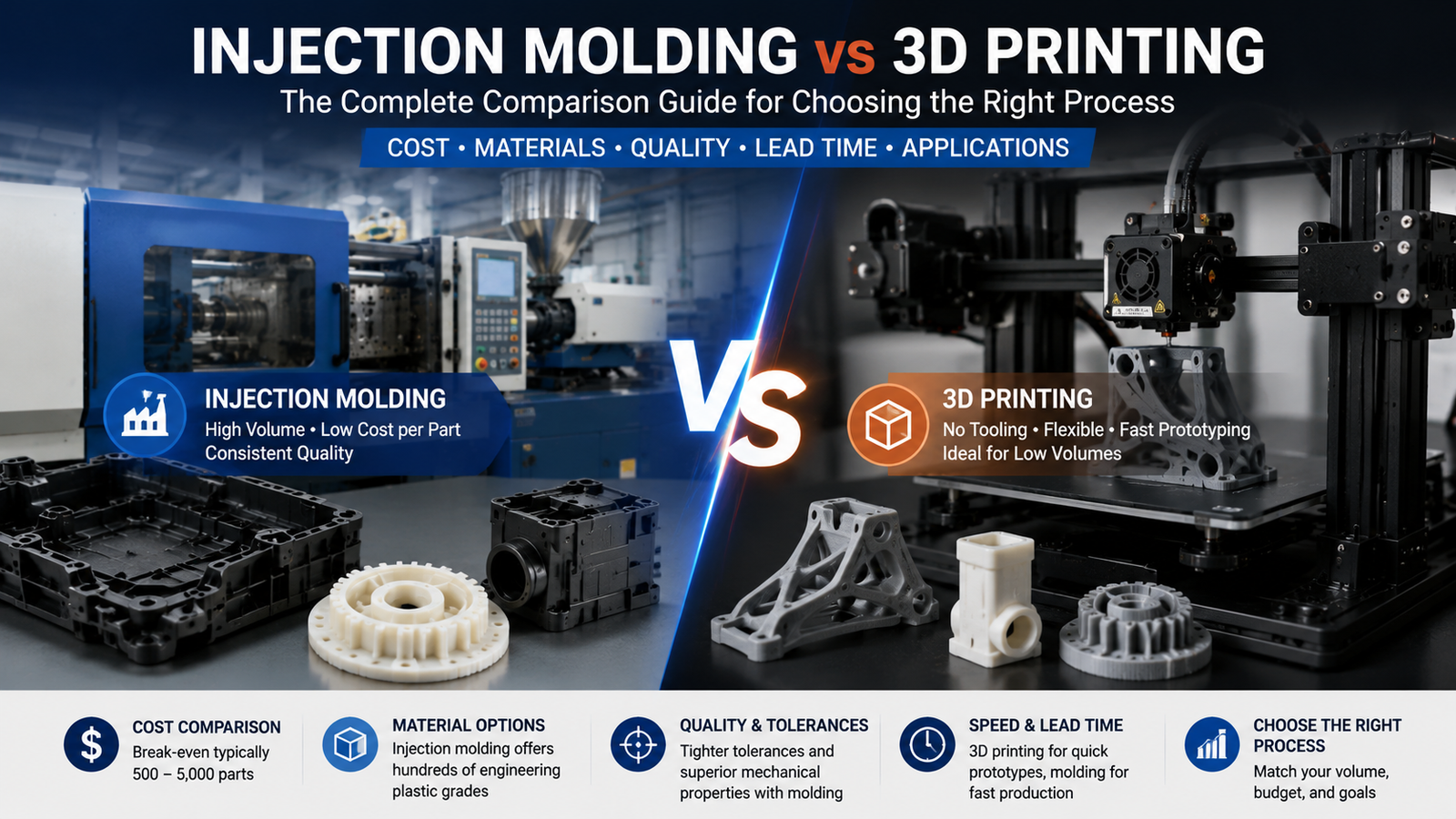
Product launch windows are becoming shorter in many industries, and manufacturers often face the challenge of long mold development cycles after completing product design. When mold manufacturing, mold testing, and mass production preparation are not well coordinated, the overall schedule can easily be delayed. In today’s highly competitive manufacturing environment, reducing injection mold development lead time has become a key capability for companies that want to stay ahead in the market.
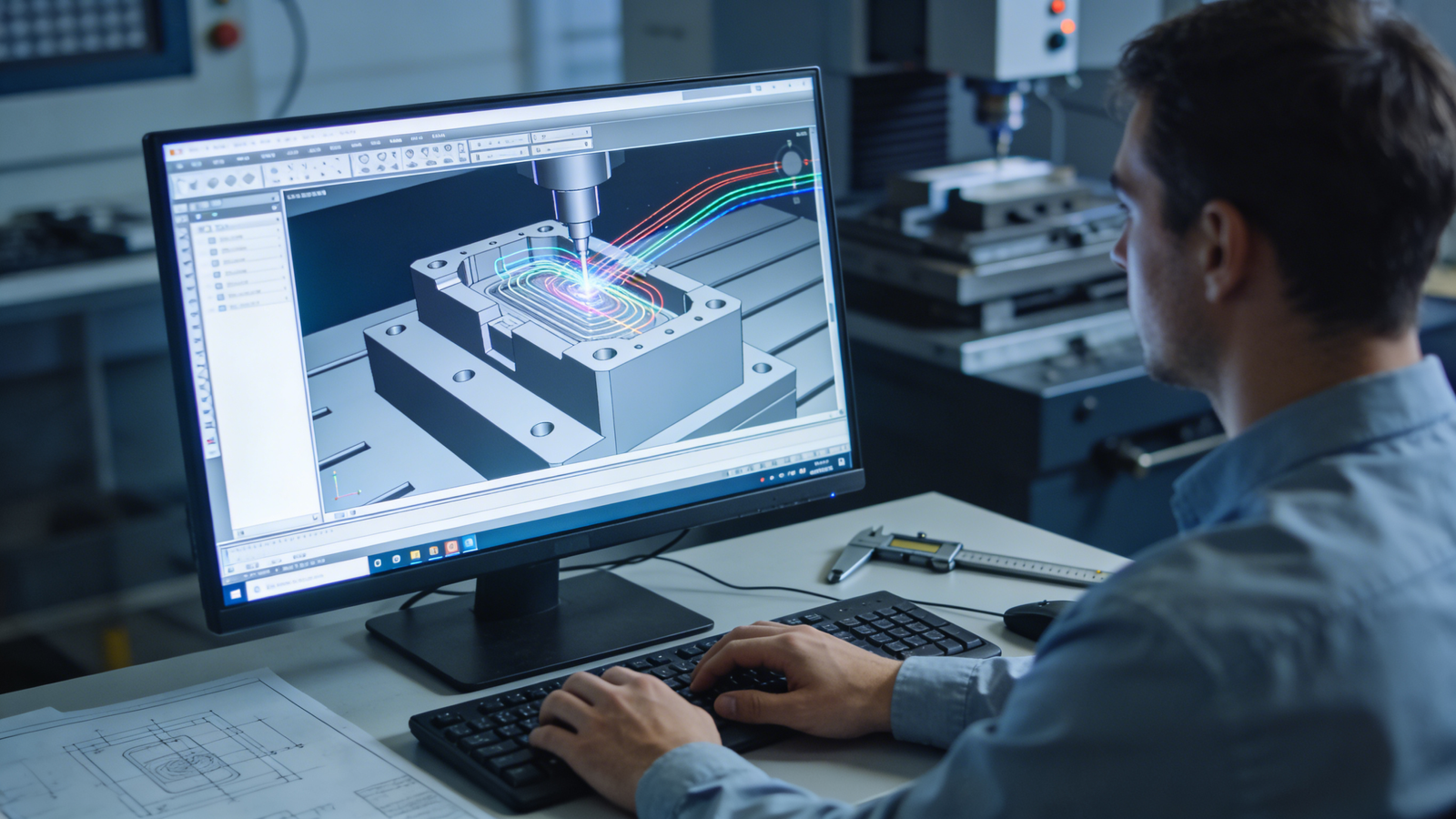
In real production projects, mold design, machining, and trial runs often involve repeated adjustments and communication costs, especially when manufacturability evaluation is insufficient. Xiamen Ruicheng has helped many manufacturing clients streamline their mold development process through structured engineering evaluation and parallel project management. With a well-planned mold development workflow and mature manufacturing capability, it is possible to significantly shorten the time from design to mass production without compromising quality.
Why Does Injection Mold Development Often Delay Product Launches?
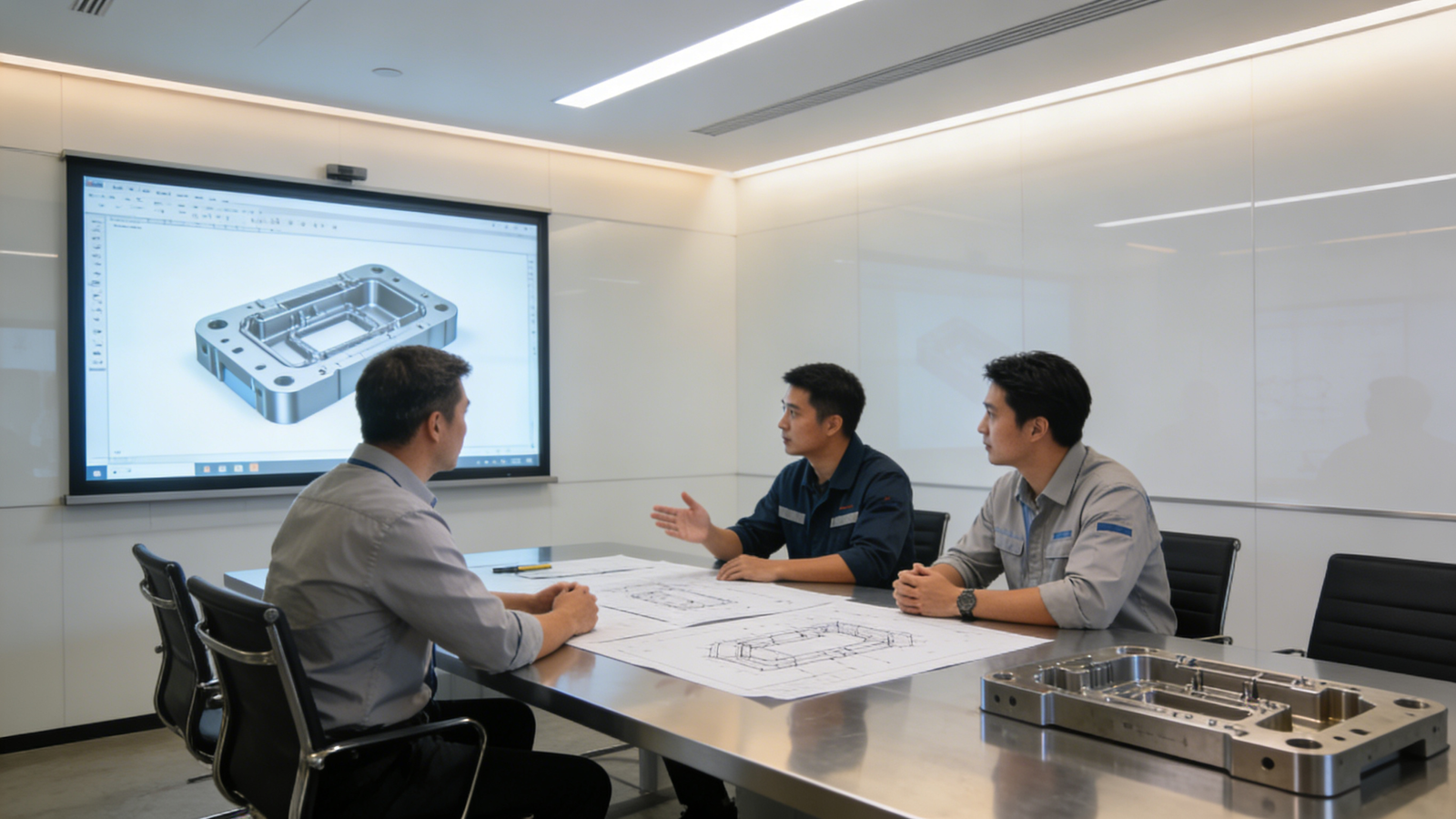
During product development, mold manufacturing frequently becomes the bottleneck that slows down time-to-market, particularly for complex or precision plastic components. Many companies move directly into mold design without conducting sufficient manufacturability analysis, which leads to repeated modifications during mold trials and extended project timelines. By implementing early-stage Design for Manufacturability evaluation and professional injection molding development procedures, these risks can be significantly reduced. In projects managed by Xiamen Ruicheng, a structured engineering review often eliminates more than half of the potential mold trial adjustments.
Early Engineering Review: Conducting manufacturability analysis immediately after product design helps identify draft angles, wall thickness imbalance, and gate location issues.
Structural Optimization: Engineers collaborate with clients to refine part geometry, avoiding costly mold redesign during later stages.
Process Planning: Establishing machining strategy and tolerance control before manufacturing reduces cumulative processing errors.
Trial Strategy: A planned mold trial program ensures every test provides useful data for rapid optimization.
🚀 A systematic engineering evaluation process is the foundation for shortening injection mold development cycles.
How Can Concurrent Engineering Shorten Mold Development Time?
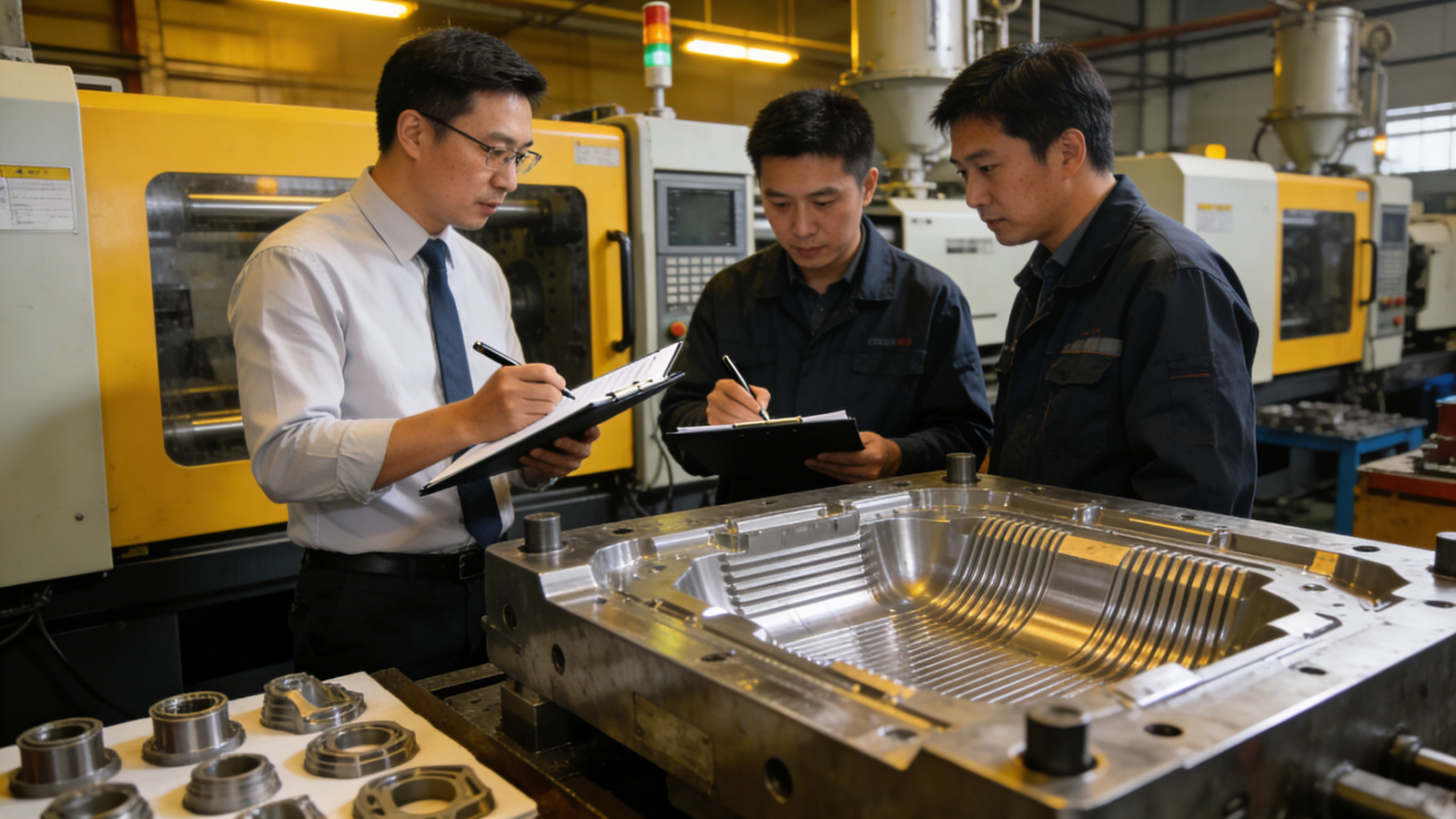
Traditional mold development typically follows a sequential workflow in which design, machining, and mold trials occur one after another. This linear approach often leads to unnecessary waiting time between stages. By implementing concurrent engineering together with professional injection mold tooling capabilities, companies can perform multiple processes simultaneously and accelerate the overall project timeline. When design validation, material preparation, and machining planning happen in parallel, the mold development cycle can be dramatically reduced.
Design and Machining Overlap: Manufacturing preparation begins during the design stage so machining can start immediately after design approval.
Standard Mold Base Systems: Using standardized mold bases minimizes time spent producing non-critical components.
High-Efficiency EDM Processing: Advanced electrode machining and EDM technology accelerate the production of complex mold features.
Digital Project Tracking: Digital management systems monitor each development milestone and allow rapid response to engineering changes.
⚙️ Concurrent engineering transforms mold development from a sequential process into an efficient collaborative workflow.
How Can Mold Development Reduce the Number of Mold Trials?
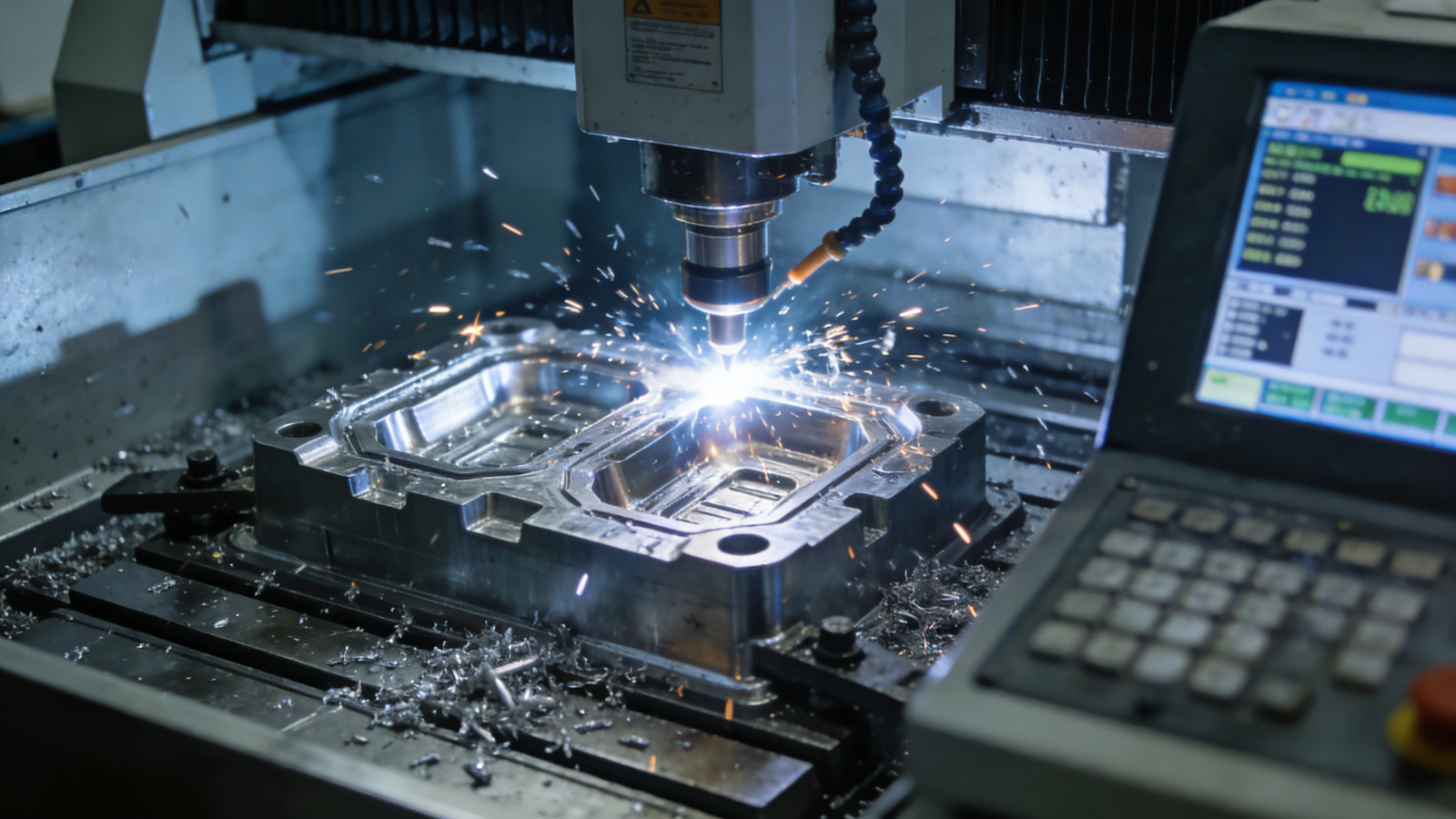
Excessive mold trials are one of the main reasons development schedules extend beyond expectations. This usually happens when mold design and processing parameters are not fully aligned before manufacturing begins. Through advanced simulation tools and accumulated process knowledge, many potential issues can be predicted early. Xiamen Ruicheng integrates Moldflow analysis and proven plastic injection molding expertise to improve mold validation efficiency. When mold structure and processing parameters are validated during the engineering stage, most projects can achieve stable production within one or two trial runs.
Mold Flow Simulation: Simulation predicts filling patterns, air traps, and potential short shots before machining begins.
Gate Design Optimization: Proper gate location and dimension improve melt flow and reduce surface defects.
Cooling System Layout: Efficient cooling channel design minimizes warpage and dimensional variation.
Standard Trial Procedures: Recording trial parameters builds a database that accelerates future mold projects.
🔧 Reducing mold trials allows injection mold projects to reach stable mass production much faster.
Key Factors That Influence Injection Mold Development Lead Time
| Optimization Factor | Traditional Approach | Optimized Approach | Impact on Project Timeline |
|---|---|---|---|
| Engineering Evaluation | Basic review | Full DFM analysis | Reduces redesign risk |
| Development Workflow | Sequential process | Concurrent engineering | Shortens development time |
| Mold Trial Strategy | Multiple trial runs | Simulation prediction | Minimizes adjustments |
| Project Management | Manual tracking | Digital monitoring | Improves coordination |
If your project is facing urgent product launch timelines, an experienced mold engineering team can help accelerate development and production readiness. contact us
Building a Rapid Injection Mold Development System
In modern manufacturing environments, shortening injection mold development cycles requires more than a single technical improvement. It involves creating a systematic engineering framework that integrates design evaluation, mold machining, testing, and production preparation. Through years of project execution, Xiamen Ruicheng has developed a stable workflow that helps clients significantly improve development efficiency. Establishing a reliable rapid mold development system allows manufacturers to respond quickly to market opportunities and reduce product launch risks. This integrated approach not only shortens lead times but also ensures stable product quality during mass production.
1.Early Engineering Collaboration: Manufacturing engineers participate in product design evaluation from the beginning.
2.Standardized Mold Structures: Using proven mold base systems accelerates mold manufacturing.
3.High-Efficiency Machining Capability: Advanced CNC and automated equipment improve processing speed and precision.
4.Stable Trial Validation System: Standardized mold trial procedures ensure rapid process optimization.
Frequently Asked Questions About Injection Mold Development
Question: What are the core advantages of your injection mold development service?
Answer: Xiamen Ruicheng uses a structured engineering workflow that includes DFM analysis, Moldflow simulation, high-precision CNC machining, and strict quality inspection procedures. These technical capabilities ensure mold accuracy while significantly reducing development lead time for customers preparing for mass production.
Question: What information do we need to provide before requesting a quotation?
Answer: Typically, clients should provide 3D CAD drawings, material specifications, expected order quantity, and application details. Based on this information, our engineering team conducts an initial manufacturability review and provides a detailed quotation together with technical suggestions.
Question: What is the typical lead time for injection mold development?
Answer: Lead time depends on part complexity, cavity number, and mold structure. For simple single-cavity molds, development may take around 10–15 days, while complex multi-cavity molds may require 20–30 days. With optimized engineering processes, project timelines can be significantly shortened.
Question: What happens if issues occur during mass production?
Answer: Xiamen Ruicheng provides comprehensive technical support, including mold maintenance, engineering optimization, and rapid repair services. Our engineering team will analyze the issue and propose corrective solutions to maintain stable production.
Question: Can you provide customized mold solutions for special production requirements?
Answer: Yes. We support fully customized injection mold design according to product structure, production volume, and machine conditions. Clients can provide detailed requirements and operating conditions, and our engineers will develop an optimized mold solution together with lead time estimates.
Conclusion
As product launch timelines continue to shorten across many industries, manufacturers must rethink their injection mold development strategies. By combining DFM engineering analysis, concurrent engineering workflows, and optimized mold trial strategies, companies can significantly reduce the time required to move from product design to stable mass production. Working with an experienced mold manufacturing partner is one of the most effective ways to accelerate product commercialization. With strong engineering capabilities and a structured mold development system, Xiamen Ruicheng helps clients bring products to market faster while maintaining reliable production quality.
For expert assistance in implementing solutions for your production needs, visit our resource center or contact us. Let’s help you scale up your manufacturing with precision and efficiency!