Introduction
In industrial equipment and outdoor systems, moisture-resistant injection molded parts are often treated as basic components, yet their real quality directly determines system stability and service life. If procurement decisions focus only on material parameters or unit price, hidden risks such as moisture absorption deformation and performance degradation are likely to emerge during actual use.A truly mature moisture-resistant injection solution should be evaluated from real application scenarios and long-term reliability rather than a one-time delivery perspective.
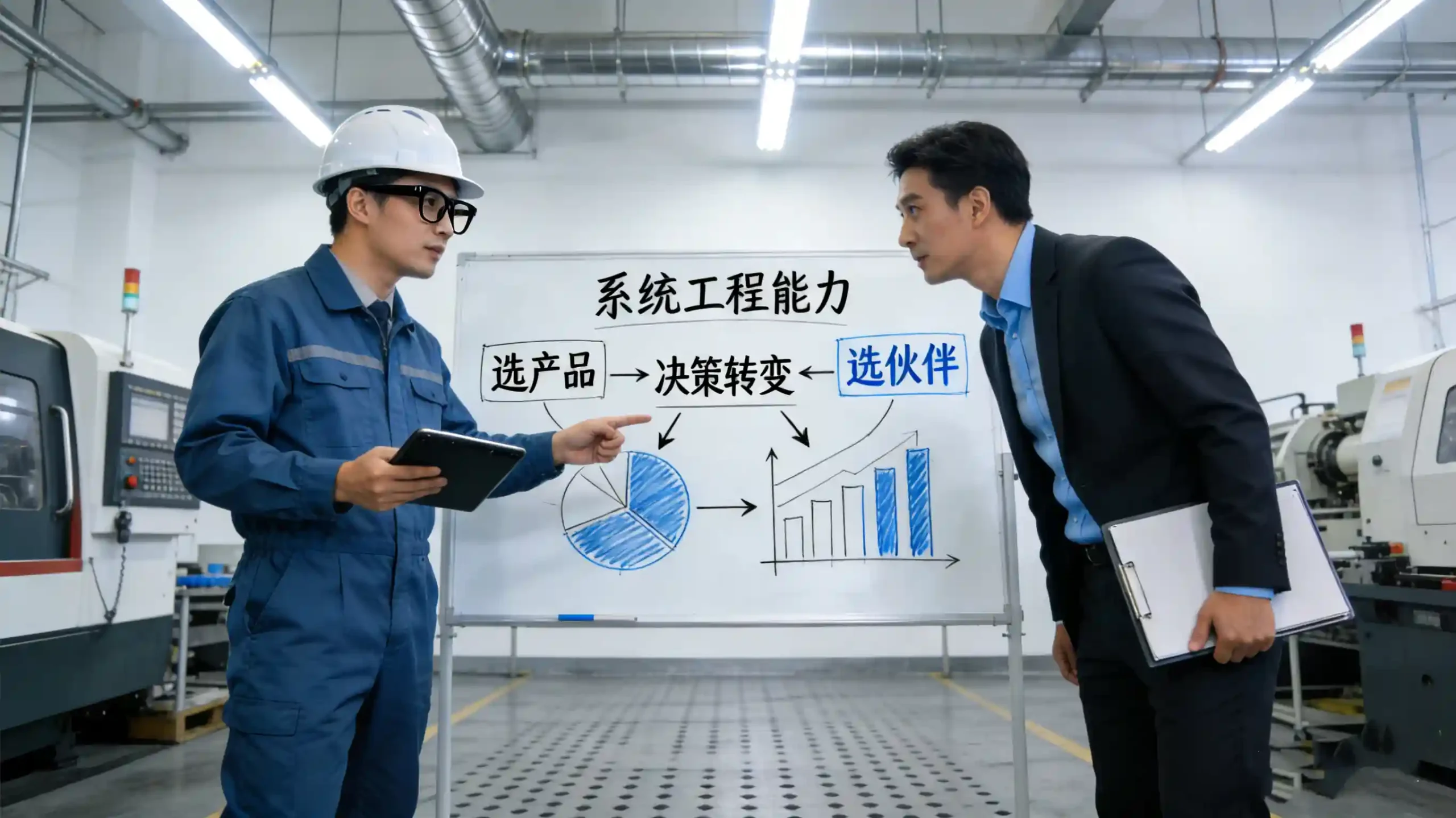
As operating environments become more complex, more factories are redefining moisture resistance as a reflection of comprehensive engineering capability instead of a single material feature. This shift drives procurement decisions from “selecting products” toward “choosing partners,” forming a full decision-companion model.
Does material selection really determine the quality of moisture-resistant injection molded parts?
Moisture resistance is not determined solely by the resin name, but by the combined effect of material systems, formulation stability, and processing control. Materials that appear identical may differ significantly in moisture absorption behavior, dimensional stability, and aging performance, especially in terms of water absorption rate control and engineering plastics modification strategies. What truly impacts moisture resistance is long-term stability under real operating conditions, not a single data sheet value.
Resin foundation: Different polymer structures interact with moisture differently at the molecular level.
Formulation system: Stable fillers and modifiers significantly reduce environmental humidity impact.
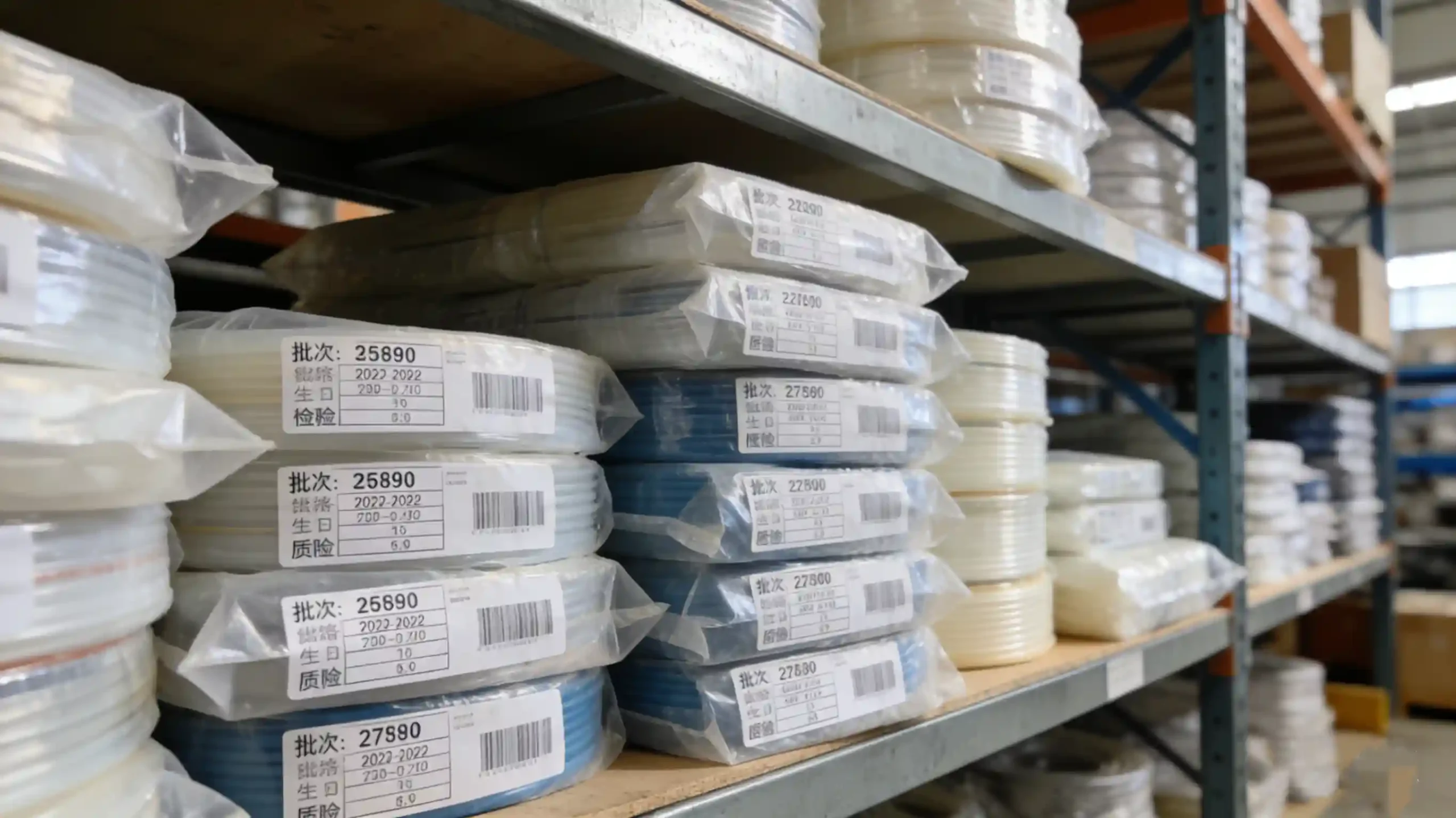
Batch consistency: Material sourcing and batch control determine long-term supply repeatability.
Application matching: Validation under real thermal and humidity cycles defines actual reliability.
🔍 Material selection is not about names, but about choosing a system that runs stably over time.
How do processing and mold design affect moisture resistance reliability?
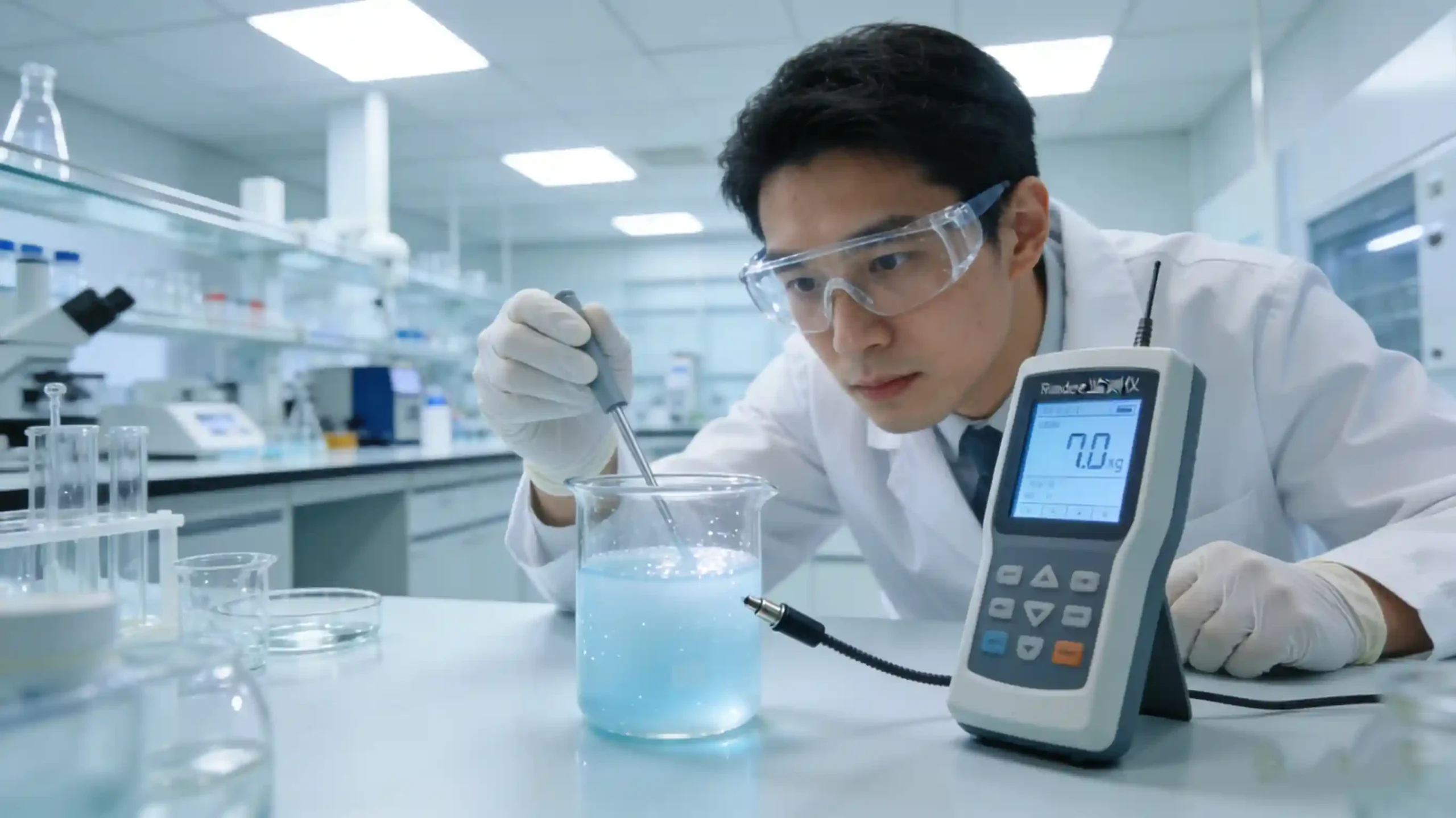
Even with the right material, processing parameters such as temperature control, mold venting, and injection pressure play a decisive role in final moisture resistance. Moisture penetration often originates from micro-defects that are amplified during injection molding rather than from the material itself. Process stability determines whether moisture resistance is fully realized in the finished part.
Mold venting: Poor venting can create micro-voids that become moisture pathways.
Processing parameters: Temperature and pressure fluctuations disrupt internal density.
Cooling design: Uneven cooling increases internal stress and reduces moisture durability.
Process validation: Exposure to humidity cycling tests reflects true process maturity.
⚙️ Moisture resistance is not inherent to the material; it is delivered by process execution.
Are moisture resistance tests and standards truly reliable references?
Many test reports used in procurement lose value if they are disconnected from real application environments. Meaningful testing should reflect actual operating conditions, such as data related to IP protection ratings or long-term humid heat aging. The ability to provide scenario-based validation reports is a strong indicator of supplier professionalism.
Test conditions: Whether humidity and temperature cycles reflect real usage.
Evaluation dimensions: Not only appearance, but also dimensional and performance changes.
Data transparency: Traceable raw data instead of summary-only conclusions.
Continuous verification: Ongoing monitoring during mass production phases.
📊 Standards are only the starting point; scenario-based validation drives procurement confidence.
Key Comparison Dimensions for Moisture-Resistant Injection Molded Parts
| Comparison Dimension | Conventional Approach | Optimized Approach | Potential Risk |
|---|---|---|---|
| Material system | Single resin | Modified composite | Moisture instability |
| Process control | Experience-based | Parameter-locked | Batch variation |
| Testing method | Laboratory-only | Scenario-based | Data mismatch |
| Supply support | Delivery-focused | Full lifecycle | Responsibility gaps |
The most reliable solutions often lie beyond the table itself. To explore practical paths further, feel free to contact us
From Product Display to Decision Companionship
Procurement of moisture-resistant injection molded parts should extend beyond sample approval into mass production, application, and iterative improvement. In real projects, Xiamen Ruicheng emphasizes full-process support from requirement clarification and solution co-development to production assurance. When suppliers participate directly in the decision process, procurement risks are naturally mitigated earlier.
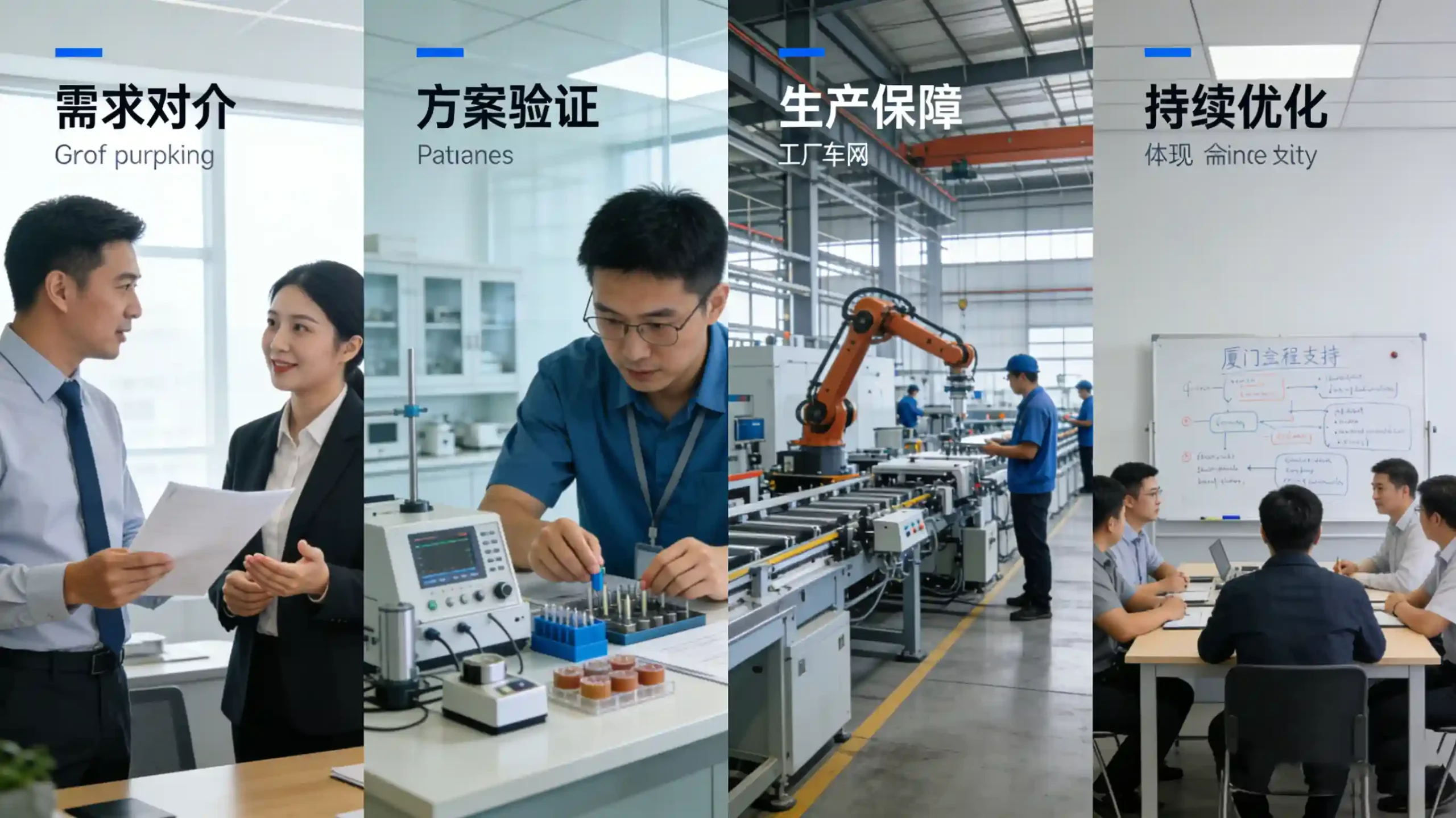
1.Requirement alignment: Clarifying environmental and lifecycle expectations early.
2.Solution validation: Reducing uncertainty through samples and testing.
3.Production assurance: Stable processes and batch consistency management.
4.Continuous optimization: Iterative material or structural improvements based on feedback.
Frequently Asked Questions (FAQ)
Question: What is the quality baseline for your moisture-resistant injection molded parts?
Answer: Our baseline focuses on moisture control and dimensional stability under real operating conditions, supported by defined material standards and process verification.
Question: What information is required for quick evaluation before procurement?
Answer: Usage environment, humidity range, and expected service life help us rapidly match suitable solutions and provide targeted assessments.
Question: How does order volume affect lead time?
Answer: Different scheduling strategies are applied for pilot runs and mass production to balance lead time and consistency.
Question: How are moisture resistance issues handled after delivery?
Answer: Traceable material and process records enable fast root-cause analysis, followed by corrective or replacement solutions.
Question: Do you support customization for special environments?
Answer: Yes, materials and structures can be adjusted for high-humidity or extreme temperature applications, with validation completed upfront.
Conclusion
Evaluating the quality of moisture-resistant injection molded parts is essentially a comprehensive assessment of materials, processes, and collaboration models. Single parameters cannot represent long-term reliability, and effective procurement decisions must span the entire product lifecycle. When suppliers act as decision companions rather than simple vendors, moisture-related risks can be truly controlled.
For expert assistance in implementing for your production needs, visit our resource center or contact us. Let’s help you scale up your manufacturing with precision and efficiency!