Introduction
High-stress polycarbonate injection molded parts are widely used in automotive connectors, industrial housings, and high-strength structural components. However, polycarbonate molecular chains are highly sensitive to stress, and even minor process fluctuations can lead to microcracks or part failure. This is especially critical in thin-wall structures and insert-molded designs, where residual stress gradually releases over long-term use. Cracking is fundamentally the result of imbalance among material, mold, and process.
In real-world projects, many customers overlook DFM constraints at the design stage, leading to uncontrollable cracking risks during mass production. In high-stress PC programs, Xiamen Ruicheng identifies stress concentration zones early through mold flow analysis and process control systems. True crack prevention must start at the design stage, not be corrected after trial molding.
Why Do High-Stress PC Injection Molded Parts Crack Easily?
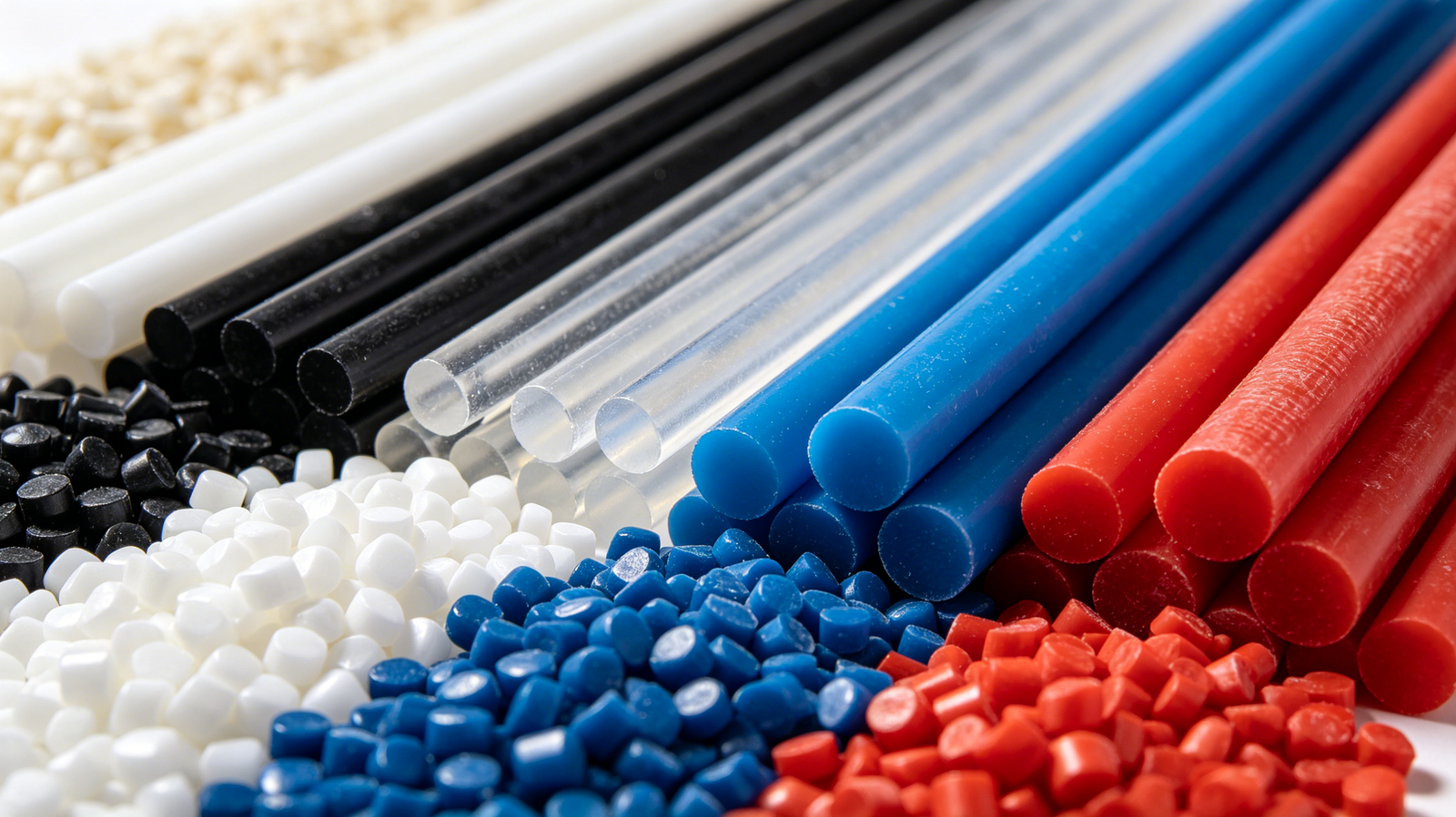
High-stress polycarbonate is prone to residual stress due to molecular orientation and uneven cooling during injection molding. When external load or temperature changes occur, these stresses are released, causing cracking. Based on injection molding process control, key causes include insufficient drying, improper mold cooling design, and excessive packing pressure. Residual stress is the core driver of PC cracking.
Material Moisture Control: PC is highly hygroscopic; excessive moisture leads to chain scission and silver streaks.
Uneven Mold Cooling: Large temperature gradients create localized stress concentration zones.
Excessive Injection Pressure: High shear rates intensify molecular orientation and embrittlement.
Structural Design Issues: Sharp corners and sudden thickness transitions cause stress concentration.
🧩 Cracking is not sudden—it is the result of long-term stress accumulation.
How to Reduce PC Cracking Risk Through Process Control?
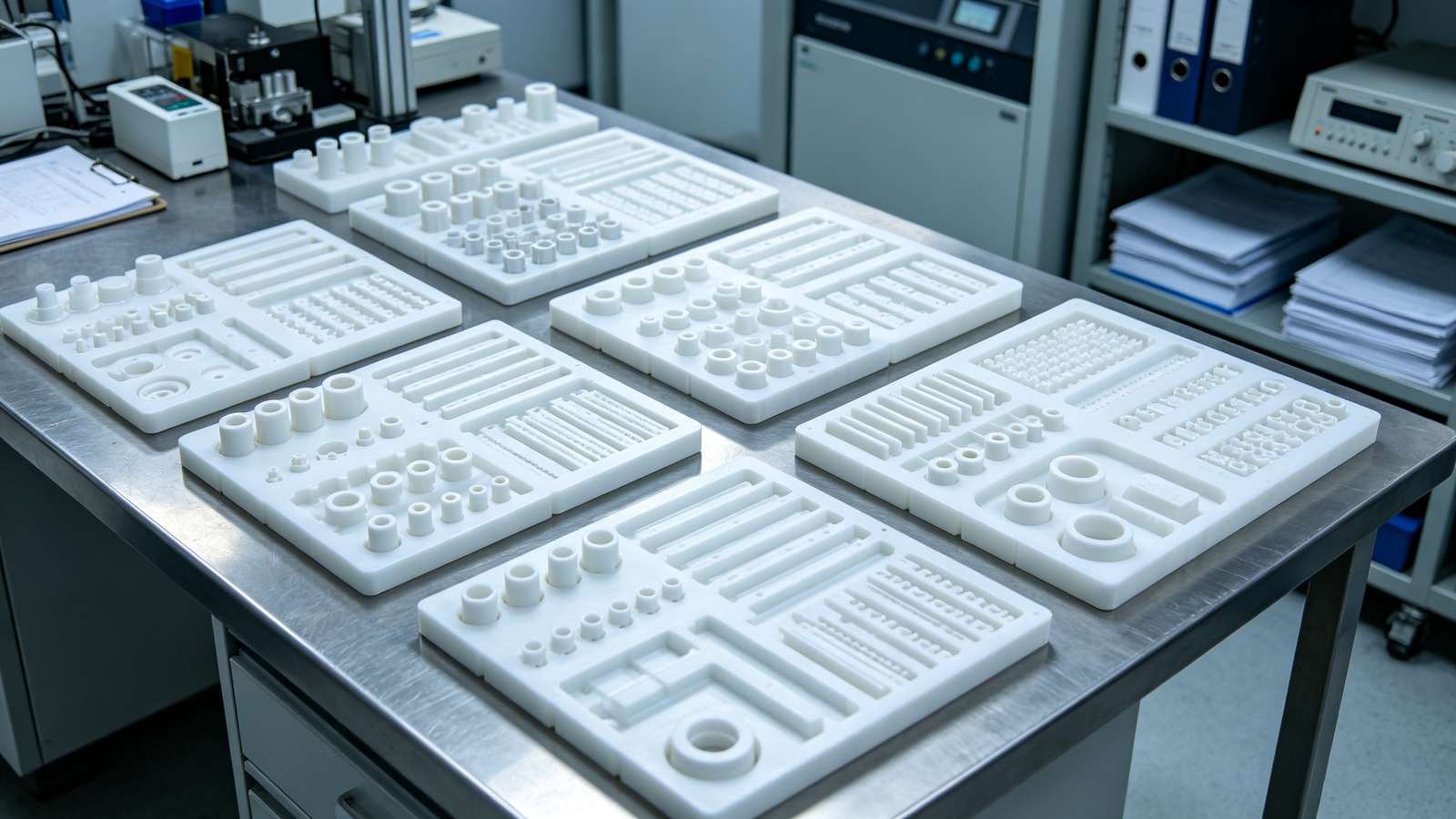
In high-stress PC injection molding, a stable process window is critical for crack prevention. In production, Xiamen Ruicheng applies SPC and process capability analysis to continuously monitor key parameters, ensuring every cycle remains within a safe range. Using Statistical Process Control, batch risk can be significantly reduced. Process stability directly determines long-term reliability of PC parts.
Injection Speed Optimization: Multi-stage speed control reduces shear stress peaks.
Precise Mold Temperature Control: Ensures uniform mold temperature to avoid localized cooling stress.
Packing Profile Optimization: Prevents excessive molecular orientation from prolonged packing.
Cooling Time Control: Ensures stress relaxation before demolding.
🧩 Stable process control is more important than optimizing a single parameter.
How to Avoid Stress Concentration Through Structural Design?
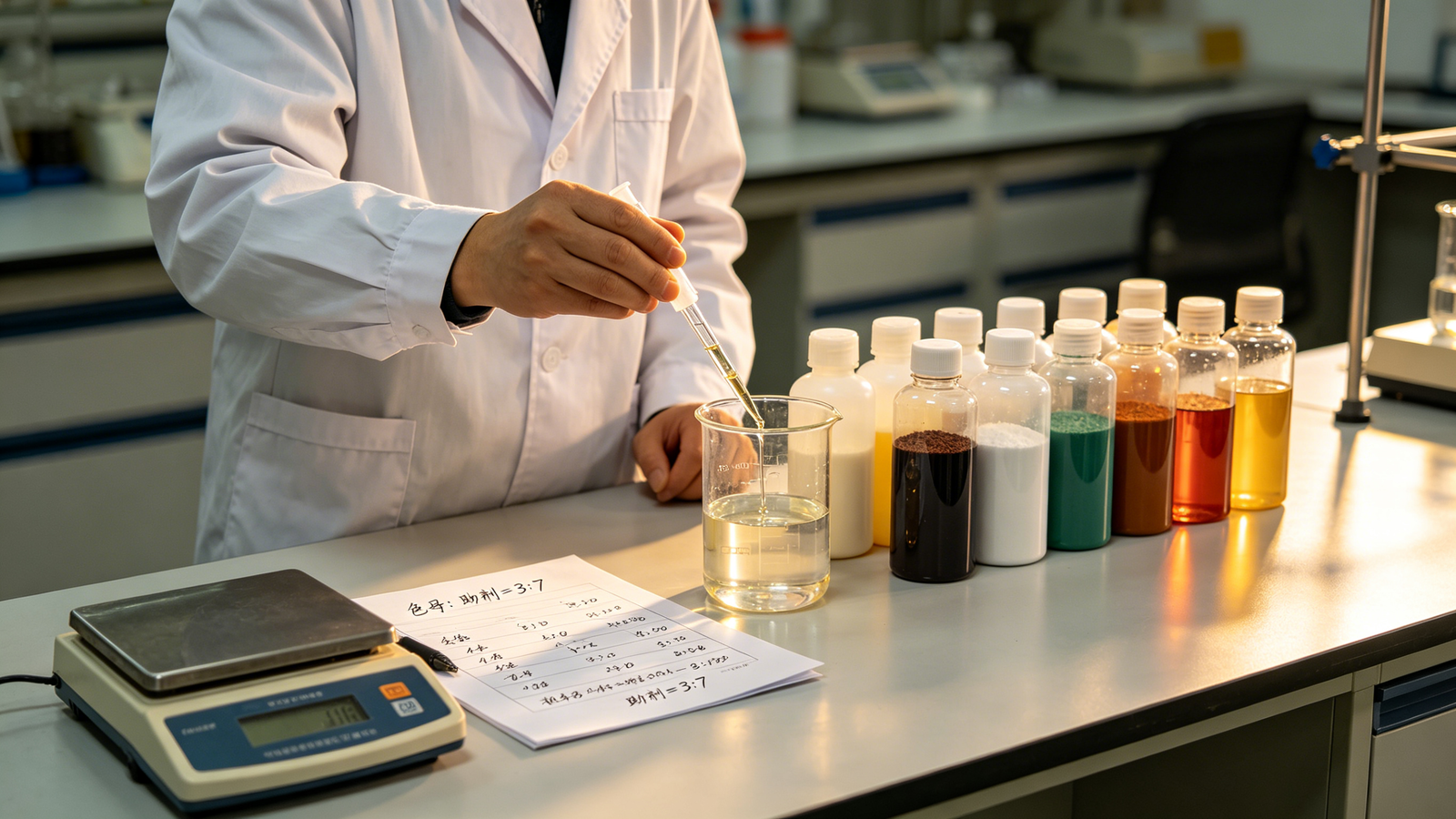
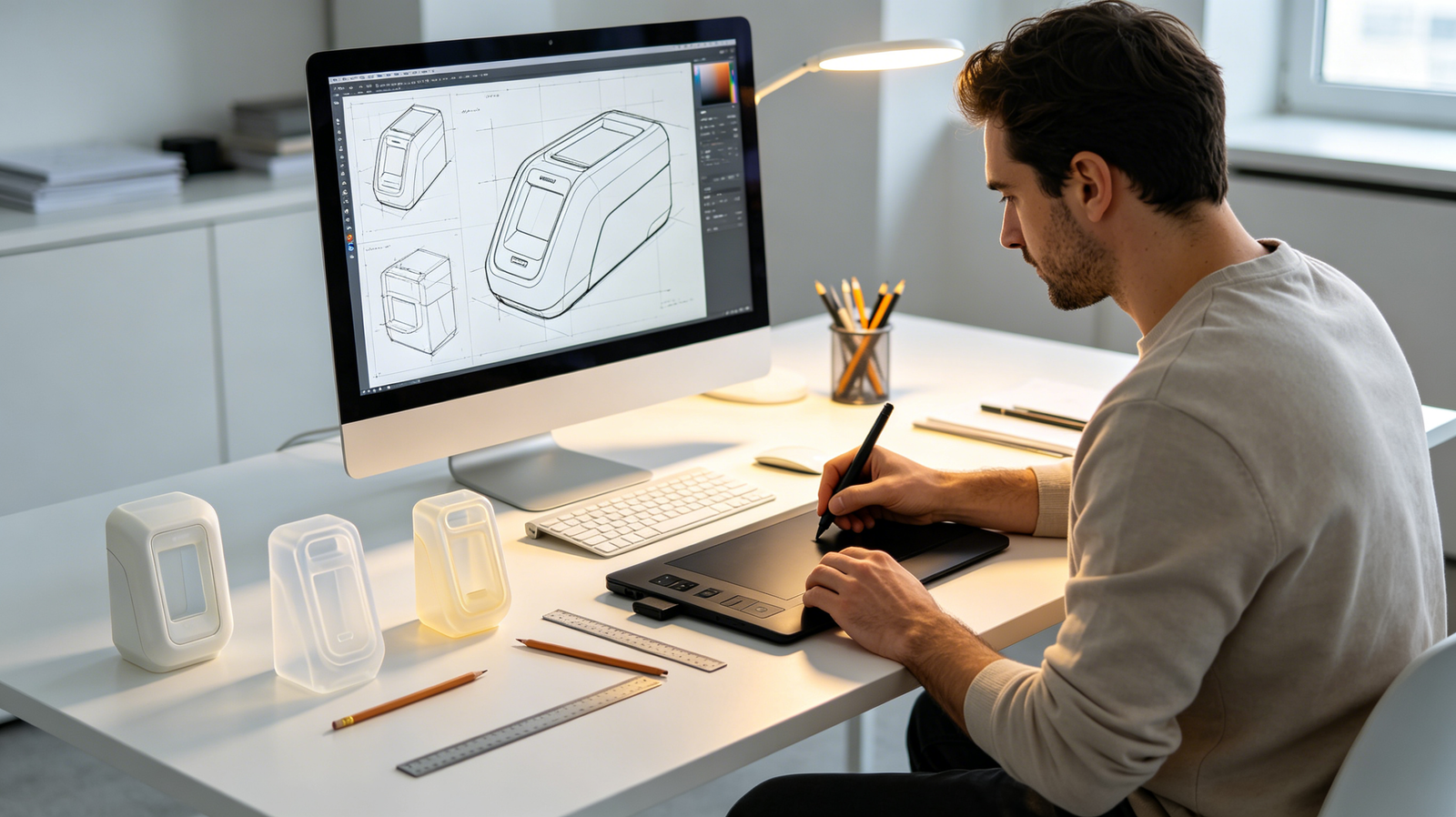
Cracking in high-stress PC parts often originates from improper design, such as sharp corners, dense rib structures, or abrupt wall thickness changes. During the DFM stage, Xiamen Ruicheng uses mold flow analysis to identify potential risk zones and provide optimization recommendations. Structural optimization is the most fundamental way to reduce PC cracking risk.
Fillet Transition Design: Avoid sharp corners that cause stress concentration.
Uniform Wall Thickness: Reduces uneven shrinkage.
Rib Layout Optimization: Prevents localized stiffness overload.
Insert Position Optimization: Reduces assembly-induced stress accumulation.
🧩 Design optimization can eliminate over 70% of cracking risks at the source.
Comparison of High-Stress PC Anti-Cracking Strategies
| Control Dimension | Conventional Method | Industrial Method | Risk Reduction Effect |
|---|---|---|---|
| Material Handling | Basic drying | Vacuum drying + moisture monitoring | High |
| Process Control | Manual tuning | SPC process control | High |
| Mold Design | Experience-based | Mold flow simulation optimization | Very High |
| Structural Design | Post-modification | DFM upfront optimization | Extremely High |
The stability of high-stress PC injection molded parts does not depend solely on processing, but on systematic engineering design. Xiamen Ruicheng reduces risk by integrating design, mold, and mass production control into a unified system. If you are evaluating PC cracking issues, you can get DFM analysis support via contact us.
How to Evaluate a Supplier’s PC Crack Prevention Capability?
When selecting a supplier, it is not enough to evaluate samples—you must assess whether they have a systematic crack prevention capability. Mature manufacturers establish closed-loop control across design, tooling, and production stages. Without an engineering system, stable crack prevention is difficult to achieve.
1.DFM Capability: Ability to identify structural risks early.
2.Mold Flow Analysis Tools: Validate flow behavior and stress distribution.
3.SPC Implementation: Ensure mass production consistency.
4.Material Management System: Control PC moisture content and batch stability.
FAQ: High-Stress PC Injection Molding Cracking Issues
Q1: Why do high-stress polycarbonate parts crack easily?
A: Due to PC’s high sensitivity to shear and temperature, residual stress accumulates and releases during use, leading to microcrack propagation.
Q2: How can internal stress in PC parts be detected?
A: Through stress analysis, thermal cycling tests, or solvent sensitivity testing.
Q3: Which process parameters most affect cracking risk?
A: Injection speed, mold temperature, packing pressure, and cooling time are key variables.
Q4: How can design reduce cracking risk?
A: Use fillet transitions, uniform wall thickness, and optimized rib layout to reduce stress concentration.
Q5: How does Xiamen Ruicheng control PC cracking issues?
A: Through DFM analysis, mold flow simulation, and SPC process control to ensure systematic crack prevention from design to mass production.
Conclusion
Cracking in high-stress polycarbonate injection molded parts is fundamentally a system engineering problem rather than a single-process issue. Only through simultaneous optimization of design, tooling, and process can long-term stable production be achieved. Systematic engineering control is the only reliable path to solving PC cracking problems.
For expert assistance in implementing solutions for your production needs, visit our resource center or contact us. Let’s help you scale up your manufacturing with precision and efficiency!
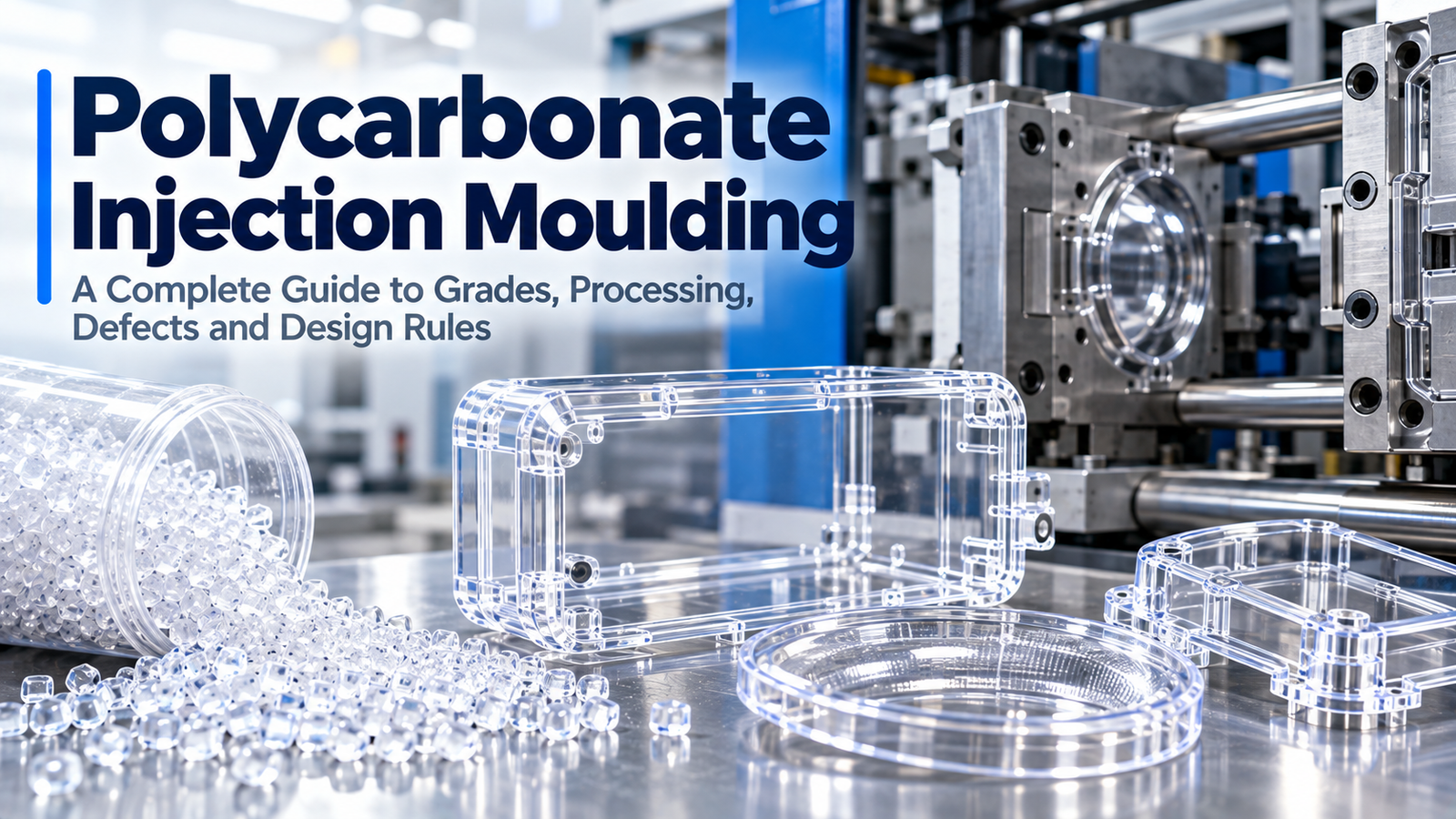
Stress cracking rarely starts with the moulding alone — our guide to PC injection moulding covers the drying, mould temperature and annealing settings that prevent it.